


Top 10 must-try things to do in Sapa for an unforgettable adventure
Nestled in the mountains of Northwest Vietnam, Sapa is a destination that blends breathtaking natural beauty, rich ethnic culture, and unique experiences. This toplist of things to do in Sapa will help you plan a trip filled with memorable sights, sounds, and experiences. If you’re wondering what to do in Sapa, here’s a complete guide to the most unforgettable adventures.
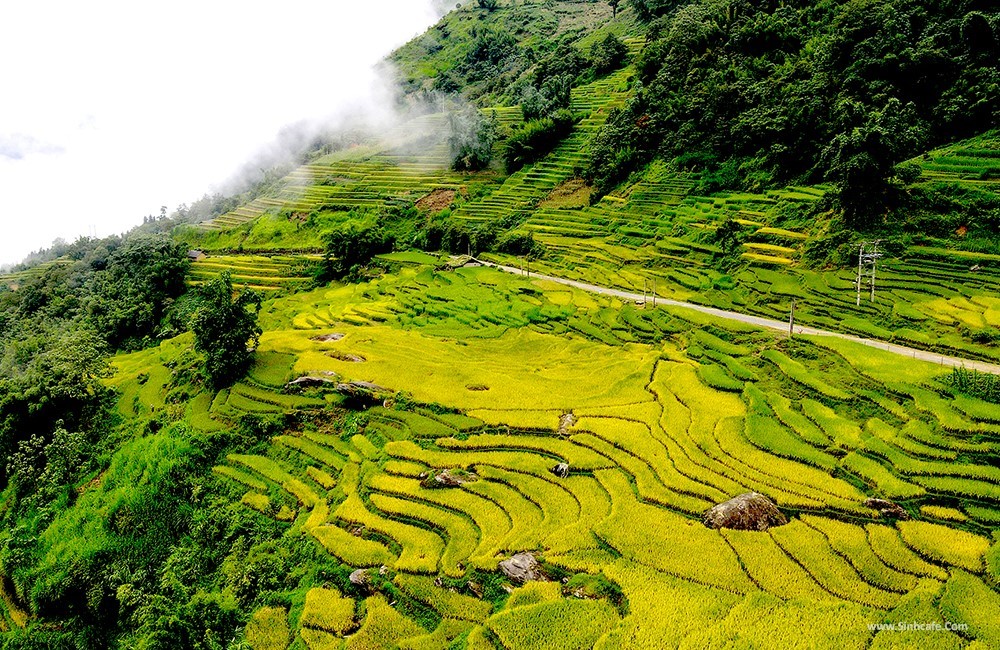
Nestled in the mountains of Northwest Vietnam, Sapa is a destination that blends breathtaking natural beauty, rich ethnic culture, and unique experiences. This toplist of things to do in Sapa will help you plan a trip filled with memorable sights, sounds, and experiences. If you’re wondering what to do in Sapa, here’s a complete guide to the most unforgettable adventures.
Conquering Fansipan peak – “The roof of Indochina”
Sapa is famous for its misty valleys, endless terraced rice fields, and colorful ethnic villages, but Fansipan Peak truly stands out as a must-visit destination. With an altitude of 3,143 meters, Fansipan is known as the “Roof of Indochina”, offering visitors the chance to challenge themselves while enjoying the majestic panorama of the Northwest mountains.
Fansipan Legend cable car
For those who want to reach the summit quickly yet still enjoy the experience, the Fansipan Legend cable car is the perfect choice. As the cabin ascends from the base, you immediately feel the steep angle of the ride as the cable stretches high above the forested mountains. The sensation of floating in mid-air, combined with 360-degree panoramic views, leaves many visitors both thrilled and awestruck. Passing through layers of clouds, your eyes will take in breathtaking landscapes: lush terraced fields, the winding Muong Hoa Valley, and small villages nestled beneath the peaks.
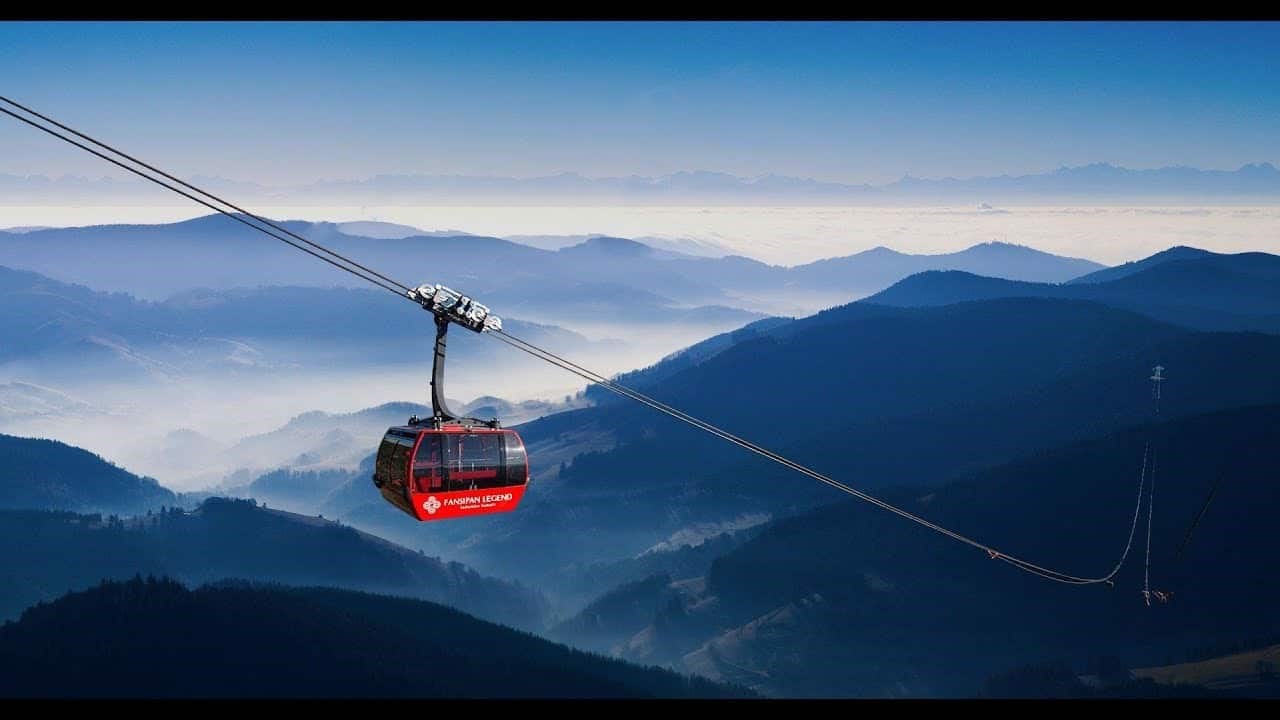
Fansipan Legend cable car
Tips for a better cable car experience:
- Go early in the morning or around noon for the best lighting and clearer views.
- Sit by the side of the cabin for an unobstructed view and better photo opportunities.
- Bring a windproof jacket, as it can be cold and windy at higher elevations.
- Carry a camera or a stabilized phone to capture the stunning scenery.
Hiking Fansipan
For adventure enthusiasts, hiking to Fansipan Peak is an unforgettable experience. The trek usually takes 2 - 3 days, taking you through primary forests, cool streams, and steep slopes. Along the way, you’ll hear birdsong, breathe in fresh mountain air, and experience the satisfaction of reaching the summit using your own strength. This journey also provides a chance to explore the diverse ecosystem of the Hoang Lien Son range, from centuries-old trees to unique endemic plants and wildlife of Northwest Vietnam.
A Di Da buddha statue
Near the summit stands the giant bronze A Di Da Buddha statue, over 21 meters tall, which serves as a prominent spiritual landmark. Visitors and Buddhists often stop here to pay respects, seek blessings, or take memorable photos. From this vantage point, you can enjoy a full view of Sapa and the majestic Hoang Lien Son mountains – a rare combination of spiritual and natural experiences.
Read more: Best Time to Visit Du Gia, Ha Giang: Discover Northern Vietnam’s Hidden Magic
Trekking through ethnic villages
Winding mountain trails and lush green valleys not only let you immerse yourself in nature but also give you a chance to discover the unique culture and daily life of the H’mong, Dao, and Giay people. Exploring these villages is one of the top things to do in Sapa for travelers seeking both adventure and cultural insight.
Cat Cat Village – Experience traditional handicrafts
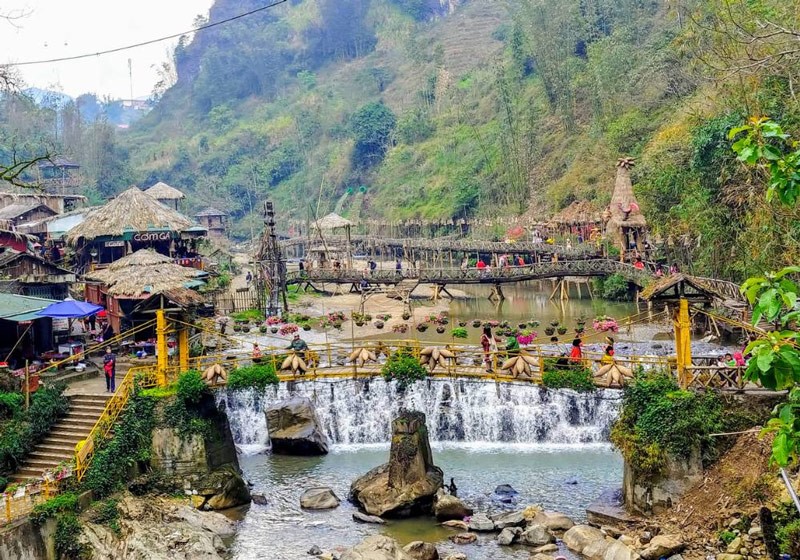
Cat Cat village (source: Sunworld)
At the start of your trek, Cat Cat Village is a historic H’mong settlement known for its intricate weaving and traditional handicrafts. Walking through the village, you’ll see simple wooden stilt houses nestled among the forested hills, hear the sound of a cascading waterfall, and watch locals crafting fabrics in the traditional way. It’s also a perfect spot to purchase handmade textiles, bags, or scarves as souvenirs.
Ta Phin Village – Traditional medicine and Dao culture
Continuing your journey, Ta Phin Village is famous for embroidery and the Dao red herbal bath, a traditional method for relaxation and wellness. Wandering the stone paths around the village, you’ll witness the colorful lifestyle of the Dao people, from their vibrant traditional clothing to folklore passed down through generations. Trekking here provides a deep cultural experience beyond the usual sightseeing – a must-try for anyone exploring what to do in Sapa.
Ta Van village – Nature and Giay ethnic life
Finally, Ta Van Village, located within a UNESCO biosphere reserve, offers a different perspective. The Giay people live amidst lush terraced fields, growing rice, corn, and native crops. As you trek through the village, you’ll spot wooden stilt houses shrouded in mist, children playing on the terraces, and locals welcoming visitors with warm smiles. This is an ideal place for photography, capturing authentic ethnic life, and connecting with the serene mountain environment.
Immerse yourself in the beauty of the terraced rice fields
One of the top things to do in Sapa is to admire and walk through the terraced rice fields that cascade down the mountainsides. These winding fields create a living landscape, especially stunning when the rice turns golden, offering a breathtaking and poetic experience.
Walking along the terraces, you can appreciate the careful work of local ethnic communities in cultivating such steep and challenging terrain, from channeling water through small irrigation systems to planting rice on each step. This is also a perfect opportunity to take panoramic photos, capturing the idyllic, majestic scenery of Sapa while remaining close to nature.
Explore Muong Hoa Valley
Nestled about 9–10 km southeast of Sapa town, the Muong Hoa Valley is a must-visit destination for anyone seeking the most memorable things to do in Sapa. Stretching along the pristine Muong Hoa stream and surrounded by lush mountains, the valley is famous for its ancient stone engravings, depicting humans, animals, and mysterious symbols that date back hundreds to thousands of years. Walking through the valley, visitors can marvel at these historical treasures while enjoying the breathtaking landscapes of terraced fields, flowing streams, and misty mountains, offering countless opportunities for stunning photography and immersion in nature.
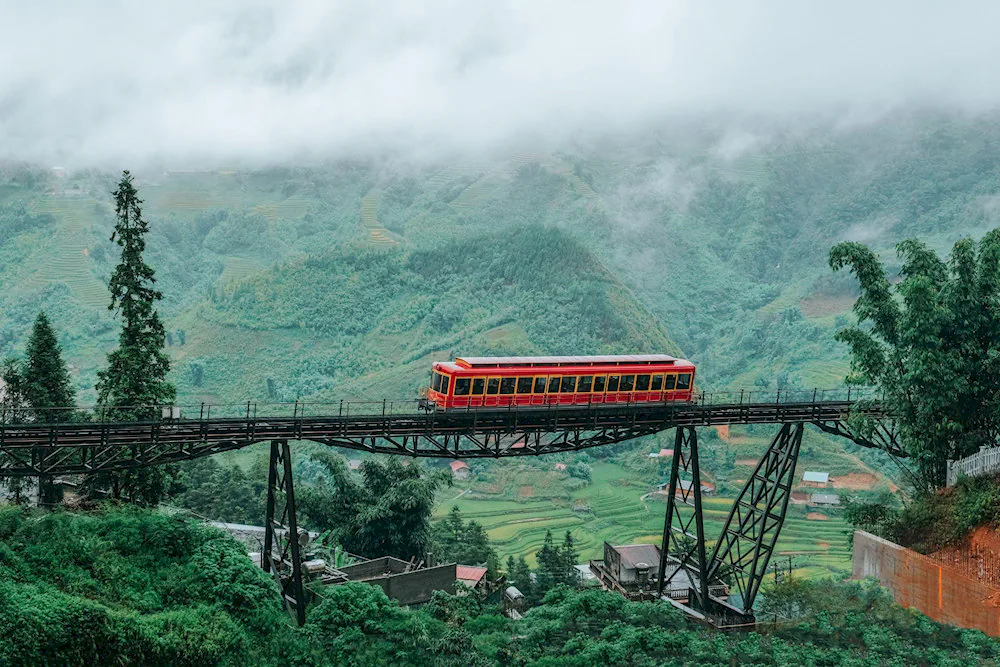
Muong Hoa Valley (source: Vietnam Airlines)
Beyond its natural beauty and archaeological significance, Muong Hoa Valley is also a place to experience the rich culture of local ethnic communities such as the H’mong, Giay, and Dao people. Travelers can stroll along wooden bridges, explore small villages nestled among the terraces, and observe traditional life, from wooden stilt houses to vibrant clothing and farming practices. Combining scenic trekking, cultural discovery, and peaceful relaxation, visiting Muong Hoa Valley is one of the top what to do in Sapa experiences, leaving every visitor with lasting memories of Northwest Vietnam’s charm.
Visit Sapa’s famous waterfalls
Sapa is not only renowned for its majestic mountains and terraced rice fields but also for its stunning waterfalls, where visitors can enjoy pristine nature and refreshing mountain air. Exploring these waterfalls is one of the most memorable things to do in Sapa for nature lovers and adventure seekers alike.
Silver Waterfall (Thac Bac)
Located about 12 km north of Sapa town, Silver Waterfall stands nearly 200 meters tall, making it one of the most impressive waterfalls in the Northwest region. Entrance fees are reasonable, around 30,000 – 40,000 VND per person, and the waterfall is open throughout the day, allowing flexible visiting times.
Visitors can reach the waterfall by motorbike or car, taking approximately 20–30 minutes from Sapa town, or combine with a short walk along the trail to admire the waterfall from multiple viewpoints. The sound of water cascading from such a height echoes through the mountains, creating a majestic and exhilarating atmosphere. It’s also a perfect spot for panoramic photography, with the sparkling white water flowing down the lush green mountainside.
Love Waterfall (Thac Tinh Yeu)
Situated near Ta Van village within a nature reserve, Love Waterfall is cherished for its untouched, serene beauty, ideal for those who enjoy peaceful natural surroundings. Entrance fees are around 30,000 VND per person, and it is open from 9 AM to 5 PM, making it suitable for a light day trek.
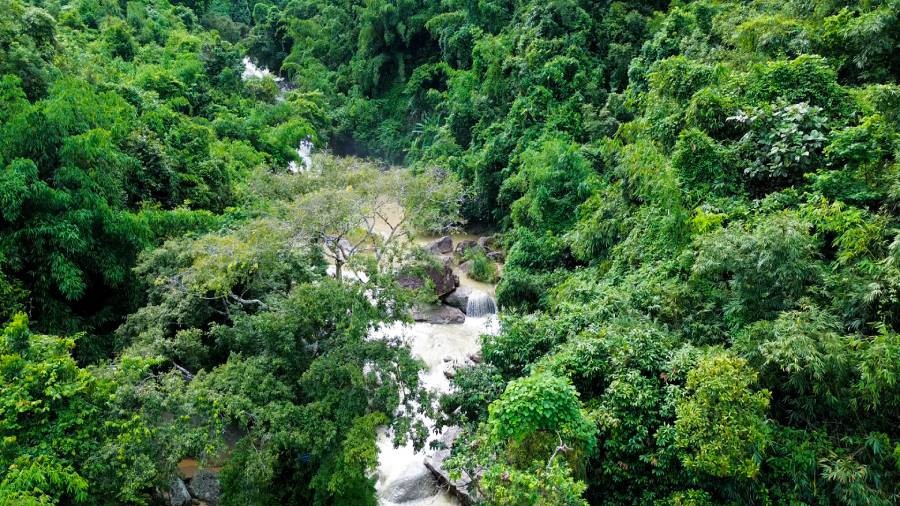
Silver Waterfall (source: Vietnam tourism)
Visitors can get there by motorbike or car from Sapa, then walk along forested trails and streams to reach the waterfall. Upon arrival, you can enjoy the cool mountain air, the gentle sound of flowing water, and the vibrant surrounding landscape. Love Waterfall is also perfect for light trekking, relaxing, and capturing the pristine beauty of Sapa’s nature.
Visit Sapa market and shop for local specialties
One of the top things to do in Sapa is to explore Sapa Market, a vibrant place where you can discover the culture, daily life, and handicrafts of the local ethnic communities. Located in the town center, the market is colorful and bustling, with stalls selling handwoven textiles, traditional clothing, handmade jewelry, and unique local spices. As you stroll through the market, it’s a good idea to carry cash and be prepared to bargain lightly, and visiting in the early morning or late afternoon allows you to avoid crowds while enjoying the lively atmosphere and capturing great photos.
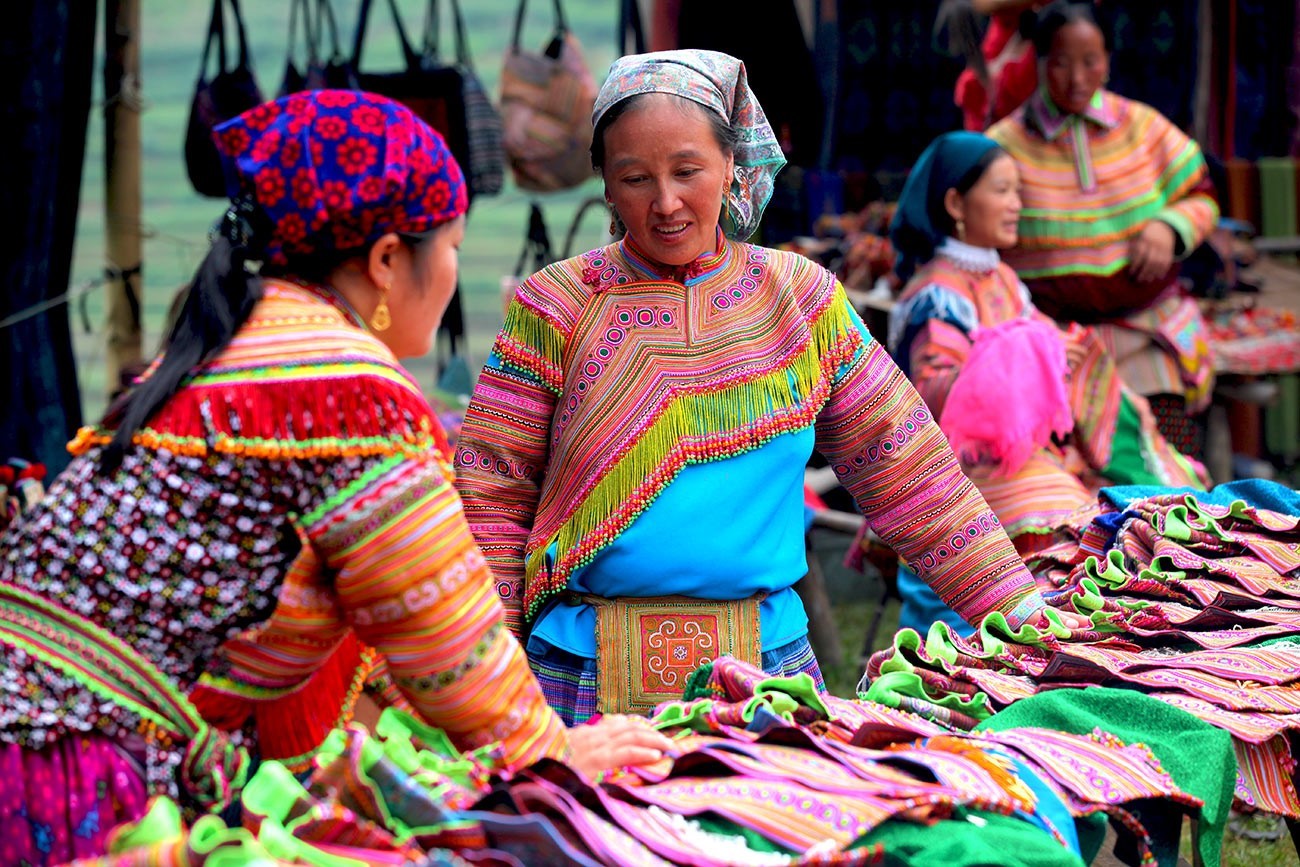
Visit Sapa market and shop for local specialties
Beyond shopping, the market is also the perfect spot to taste Sapa’s local specialties. Famous dishes such as thang co, shoulder pork, Sapa salmon, and apple wine offer a rich culinary experience, full of the unique flavors of Northwest Vietnam. While sampling these delicacies, take the time to chat with vendors and learn about the origins and preparation of each dish, enhancing your appreciation of the food while fully immersing yourself in the bustling market ambiance. This combination of shopping, tasting, and cultural exploration makes visiting Sapa Market one of the must-do what to do in Sapa experiences.
Here are some other famous markets in Sapa that visitors should not miss while exploring the Northwest region.
- Sapa Love Market – Held every Saturday night, this market is famous for its romantic and cultural atmosphere, where ethnic minorities gather to sing, dance, exchange gifts, and showcase traditional costumes, making it a unique what to do in Sapa experience.
- Coc Ly Market – About 40 km from Sapa and open on Sundays, Coc Ly Market specializes in livestock, wild animals, agricultural products, and H’mong and Dao handicrafts, offering visitors a glimpse of traditional mountain village life.
- Bac Ha Market – Around 80 km from Sapa and held on Sundays, Bac Ha is the largest weekly market in Northwest Vietnam, famous for black chickens, ethnic textiles, jewelry, and local specialties, making it a top things to do in Sapa for cultural exploration.
- San Thang Market – Just 4 km from Sapa, held on Sunday mornings, this smaller market offers handicrafts, textiles, and local produce in a more relaxed and authentic traditional setting, ideal for visitors seeking a quieter what to do in Sapa experience.
Experience the Red Dao Herbal Bath
One of the most unique and relaxing things to do in Sapa is to try the Red Dao herbal bath, a traditional practice passed down through generations. This bath not only helps relax the body and relieve fatigue, but is also believed to improve blood circulation and enhance overall health. The soothing aroma of natural herbs combined with warm steam creates a refreshing and invigorating experience, especially after trekking or exploring the mountains.
Most visitors enjoy this experience at homestays in Ta Phin village, where the baths are prepared and served by local Red Dao families in a cozy, nature-immersed setting. In addition to homestays, some private households within the village also offer the herbal bath service, allowing travelers to experience it in a more authentic and intimate environment. This is a rare opportunity to learn about Red Dao culture and lifestyle, while enjoying a health treatment deeply rooted in Northwest Vietnam.
Explore Ô Quy Hồ – Vietnam’s longest mountain pass
Ô Quy Hồ, also known as the “Heaven Gate”, is the longest mountain pass in Vietnam, connecting Lào Cai and Lai Châu provinces. Stretching nearly 50 km, the pass winds through towering mountains, offering majestic, untouched scenery and misty views, especially during early mornings or late afternoons, which are perfect for capturing the mystical fog and beautiful light.
One of the best ways to explore Ô Quy Hồ is by motorbike, allowing visitors to stop freely at scenic viewpoints, take photos, and fully enjoy the rolling mountain landscapes. Along the way, it’s wise to bring warm clothing and gloves, as temperatures on the pass can be low and the wind strong. For those unfamiliar with riding, renting a motorbike with a local guide or joining a guided tour ensures safety while still giving the freedom to discover ethnic villages along the route.
Explore unique photo spots
Sapa is a paradise for photography enthusiasts and those who love capturing memorable moments, thanks to its majestic natural landscapes, traditional villages, and distinctive architecture. As you wander along winding trails, cross wooden bridges over streams, or stroll between terraced fields, you’ll discover countless creative and striking photo opportunities. Beyond taking pictures, visitors can breathe in the fresh mountain air and immerse themselves in the stunning scenery, enjoying both relaxation and the chance to create unique, unforgettable memories.
Rice terraces in Sapa
Some must-visit locations include:
- Cau May (Cloud Bridge) – Located in Cat Cat Village, about 2 km from Sapa town center, this wooden bridge over the stream is perfect for capturing romantic and scenic photos amidst nature.
- Sapa Heaven Gate (Cong Troi Sapa) – Situated in San Sa Ho commune, roughly 18 km from town, this spot offers panoramic views of the town, mountains, and surrounding villages, especially stunning when mist drifts across the hills.
- Cat Cat Village – Just 2 km from Sapa town, this traditional H’mong village features stilt houses, small waterfalls, and stone paths, ideal for capturing the daily life and culture of local ethnic communities.
- Love Waterfall – About 14 km east of Sapa, this natural spot not only offers pristine scenery but also serves as a beautiful backdrop for vibrant photos amid the forest and mountains.
- Fansipan Summit – While famous, photos from the cable car or the summit provide stunning compositions with clouds, mountains, and the giant A Di Da Buddha statue in the background.
Participate in cultural activities and festivals
When visiting Sapa, one of the top things to do in Sapa is to immerse yourself in the vibrant culture and festivals of the local ethnic communities. The Spring Festival, usually held in January–February (lunar calendar), brings together the H’mong, Dao, and other ethnic groups, creating a lively atmosphere with lion dances, love songs, and traditional games such as tug-of-war, throwing pao, and stick pushing. The festival not only entertains but also allows visitors to fully experience the community spirit and traditional customs of Northwest Vietnam.
In addition, Sapa is famous for the Mong Khèn Festival, typically in summer, where young men and women showcase their skills in playing the khèn (traditional reed pipe) and performing folk dances. The Dao Harvest Festival (Le hoi Cau Mua) is another unique event, featuring rituals to pray for a bountiful harvest, peace, and happiness, along with traditional music and local delicacies.
Beyond festivals, visitors can also join embroidery workshops, learning to create traditional handicrafts with distinctive patterns and colors unique to each ethnic group. This hands-on experience not only helps travelers gain insight into local craftsmanship but also provides opportunities to interact directly with locals, learning about their daily life, customs, and cultural stories.
By combining festivals, traditional arts, and village life, these activities offer a rich, immersive, and unforgettable experience, making them essential what to do in Sapa for anyone seeking to explore the region’s culture.
Experience the breathtaking landscapes of northern Vietnam with Sinhcafe! From terraced rice fields and majestic Fansipan Mountain to colorful ethnic markets and authentic village life, every trip is crafted to give you an unforgettable journey. Book your Sapa adventure with Sinhcafe today and enjoy a seamless travel experience from start to finish.
Read more: Pu Luong Rice Season: A Hidden Paradise for Nature Lovers
Sapa is more than just a scenic mountain town – it’s a place where nature, culture, and adventure meet. By exploring the things to do in Sapa listed above, you can experience the region’s stunning landscapes, vibrant ethnic traditions, and unique local activities. Whether trekking through villages, photographing terraced fields, or relaxing with a Red Dao herbal bath, each experience offers something truly special. Start planning your journey today to discover what to do in Sapa and create memories that will last a lifetime.
Share via




Related articles
Best time to visit Sapa: Weather, seasons & top activities
Blog | 02/10/2025

Sapa or Ha Giang: Which Mountain Destination Is Better?
Posts | 02/07/2026
Sa Pa or Ha Giang in July and August? Where to Go for the Best Weather and Experiences in Northern Vietnam
Posts | 02/07/2026
Travel to Vietnam with Kids: The Complete Family Travel Guide
Posts | 26/06/2026









There are no reviews yet