


Common Hanoi Scams and How to Avoid Them
Learn about common Hanoi scams, from taxi overcharging to fake services, and get practical tips to avoid scams and travel safely in Hanoi.

Hanoi is generally safe for tourists, but scams can happen, especially around busy tourist areas. Common scams in Hanoi include taxi and cyclo overcharging, unclear restaurant prices, fake or inflated tour prices, and unsolicited services such as shoe shining or street photos. Most are easy to avoid when you check prices in advance, use reputable services, and confirm what you are paying for before agreeing. This guide covers most common Hanoi scams, how to spot them, and what to do if you encounter one.
Is it safe to travel to Hanoi Vietnam?
Yes. Hanoi is generally safe to travel to. The US Department of State currently advises travellers to exercise normal precautions in Vietnam and notes that petty crime is more common in crowded and tourist areas, while violent crime against foreigners is rare.
For tourists, the more relevant concerns are usually overcharging, transport scams, unclear services, theft and pickpocketing rather than serious violent crime. UK and Australian travel advice also recommends taking precautions with belongings and using reputable or pre-booked transport.
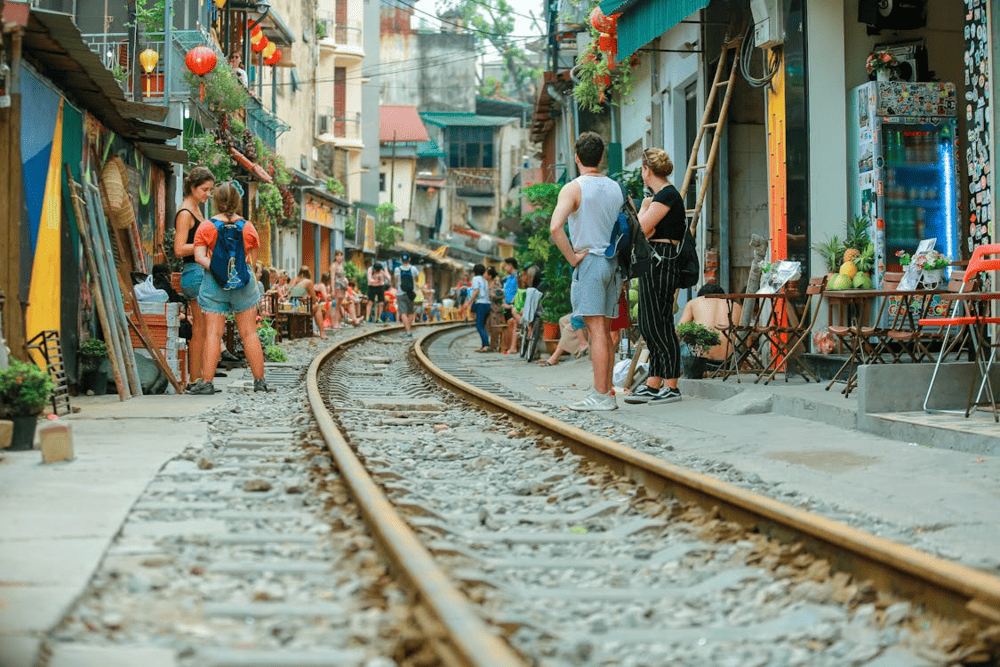
Visitors exploring the Hanoi (Source: Vietnam Airlines)
A scam is different from theft. A scam usually involves being persuaded to pay more than expected or accept a service under unclear or misleading terms. Theft means someone takes your belongings without permission. Knowing the difference helps you respond appropriately if something happens.
Common Hanoi scams to watch out for
Most scams in Hanoi involve prices, transport or tourist services. They are easier to avoid when you know the price, provider and terms before agreeing to anything.
Taxi, motorbike taxi and cyclo scams in Hanoi
Transport scams can involve an unclear fare, an unofficial driver or a route that results in a much higher charge. Hanoi has had recent cases involving foreign tourists who reported excessive taxi, motorbike taxi and cyclo fares. In February 2026, Hanoi authorities investigated a motorbike taxi driver after a foreign tourist reported being taken on an unnecessarily long route and charged VND1 million for a journey of about 7km (Source: Vietnam News)
For taxis and motorbike taxis, booking through a recognised ride-hailing app can make the fare and driver details easier to check. UK travel advice specifically recommends using official taxi-hailing apps such as Grab or GreenSM and checking that the vehicle matches the booking.
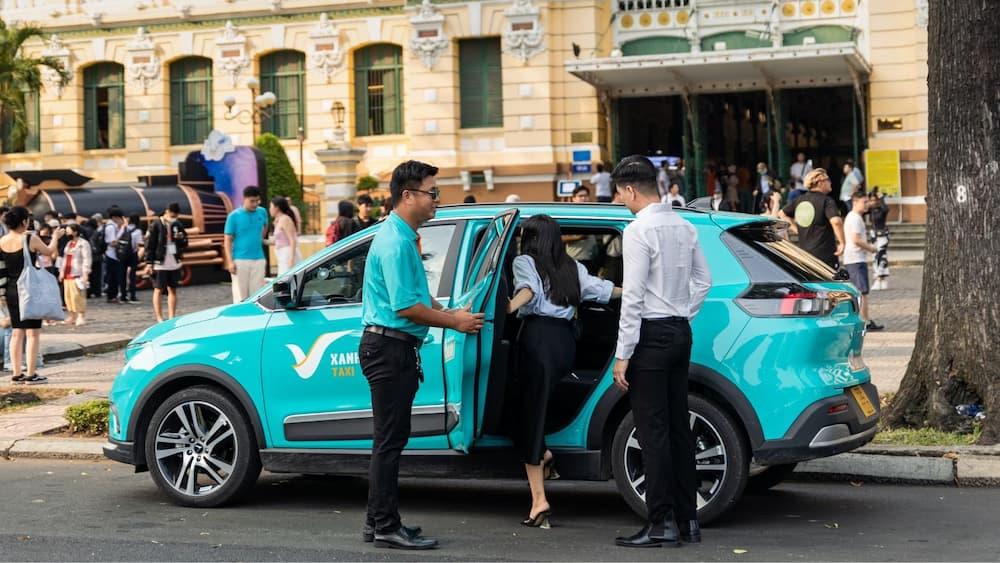
Booking rides via reputable apps like Green SM helps ensure fair pricing (Source: Greensm)
Before getting into a taxi or cyclo, confirm the total fare, not just a vague amount such as “per person” or “per hour”. For app-based rides, check the driver, vehicle and licence plate before getting in. If the final charge is different from the agreed or displayed price, keep the booking information and ask for an explanation.
Read more: Discover Hanoi Old Quarter - 36 Streets, Food & Culture Guide
“Free” photos that aren’t really free
Street vendors may approach tourists and offer photos with baskets, costumes or other props. In some cases, the price is not explained before the photo is taken, and the person then asks for payment afterwards. Similar photo-selling practices in Hanoi have previously been reported around tourist areas including the Old Quarter and the Temple of Literature.
The easiest way to avoid an unexpected charge is to ask “Is it free?” before taking the photo. If it is paid, ask “How much?” and decide whether you want the service before handing over your phone or accepting the props. If you are not interested, a simple “No, thank you” is enough. You do not need to accept a service just because someone has approached you.
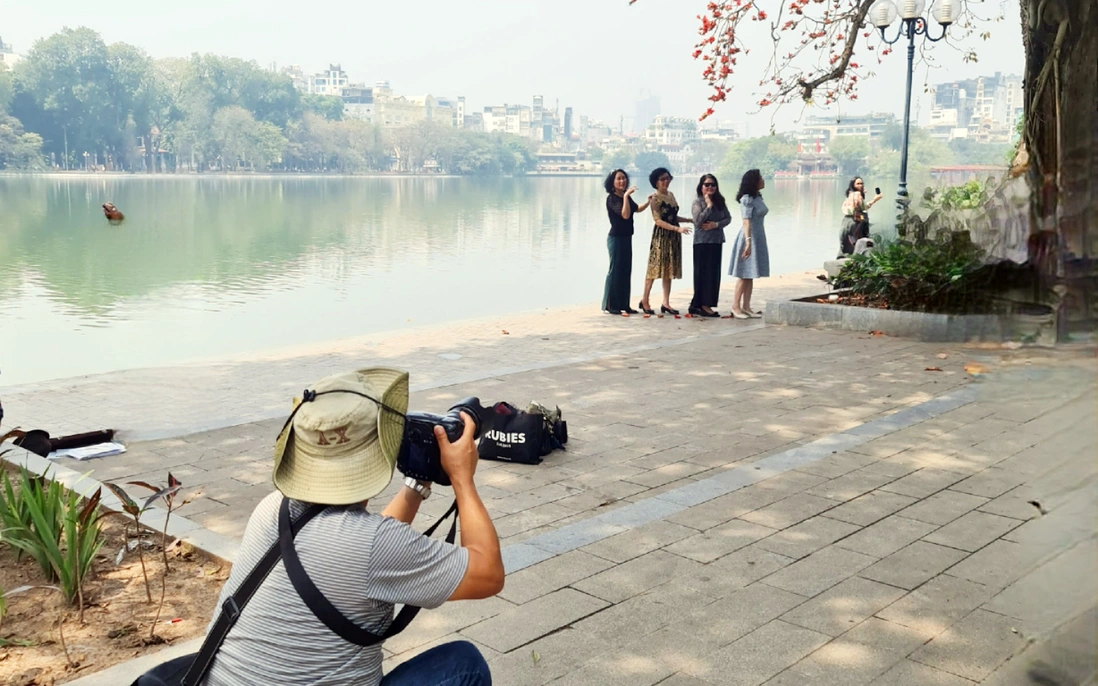 Confirming prices beforehand when taking photos or using props around tourist spots (Source: Phu nu Viet Nam Newspaper)
Fake or inflated tour and ticket prices
Tour and ticket problems do not always involve a completely fake service. A booking can be genuine but still cost more than expected because it was sold through an unofficial middleman or because important costs were not included in the advertised price.
Before paying for a tour, check who operates it, what the price includes and what you need to pay separately. Look for entrance fees, meals, transfers, accommodation and other additional costs. Check the cancellation and refund policy before confirming the booking.
This is particularly important for unusually cheap travel packages or bookings made through social media. Vietnamese authorities have warned about fake accommodation pages and fraudulent travel offers that use copied images, misleading information and requests for deposits to personal accounts.
 Tour and ticket problems do not always involve a completely fake service (Source: Collected)
If you prefer to arrange a tour through an established travel company, you can check the itineraries and prices available from Sinhcafe and compare the details with other providers before booking. This makes it easier to see what is included and avoid paying an unclear price through an unknown middleman.
Hotel booking and accommodation scams
Accommodation scams can start before you even arrive in Hanoi. Fake websites and social media pages may copy the name, logo, photos or other information of a real hotel and then ask travellers to transfer a deposit to a personal account. Hanoi's tourism authorities have previously warned tourists about fake hotel and homestay websites and social media pages used to collect deposits.
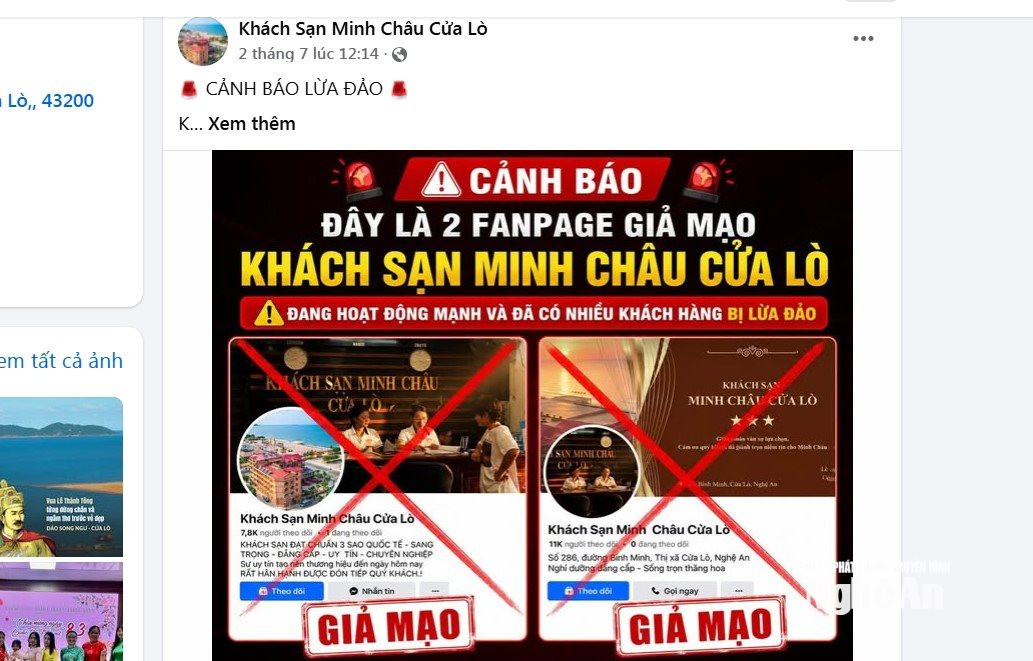 A fake hotel website may copy a real property’s branding and details to trick travellers into paying a deposit (Source: Truyen hinh Nghe An)
Before booking, check the hotel's full name, exact address, recent reviews and official contact details. Compare the information on the booking platform with the hotel's own website or verified contact channel.
Be especially careful if someone asks you to move the payment outside the original booking platform. If you receive a message requesting an additional transfer, contact the hotel directly using the contact details listed on its official website rather than replying to the message or using an unfamiliar payment link.
After booking, keep your confirmation email, payment record and booking number. If possible, contact the hotel before arrival to confirm the dates, room type and total price.
Street food and restaurant overcharging
Street food is a normal part of eating in Hanoi, but unclear prices can lead to an unexpectedly high bill. This is more likely when there is no menu, prices are given verbally or additional items are added without a clear explanation.
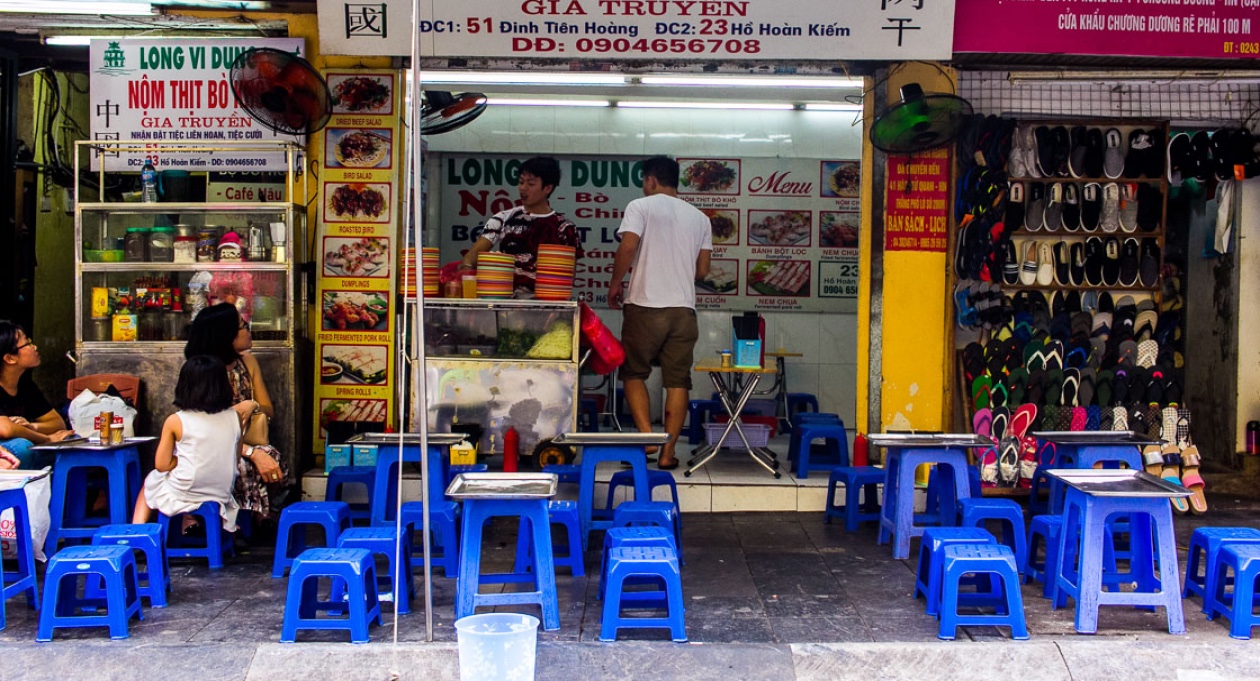
Choosing street food vendors with clear, upfront pricing in Hanoi (Source: Vietnam Tourism)
A recent case in Hanoi's Old Quarter involved a street vendor who was fined after a foreign tourist was charged 430,000 VND for a small bag of sesame-covered rice balls. Authorities said the vendor had not clearly explained the price while continuing to add items to the bag (Source: Vietnam News)
Before ordering, look for a menu with clearly displayed prices. If there is no menu, ask “How much is it?” before accepting the food. For several dishes or a group order, confirm the total price before the order is prepared. When you receive the bill, check it against what you ordered. If there is an unfamiliar charge, ask the staff to explain it before paying.
Shoe-shining scams
Shoe-shining is another service that has been associated with overcharging complaints from foreign tourists in Hanoi's Old Quarter. Hanoi police have previously dealt with cases in which shoe-shiners approached tourists, started services without clear agreement and then demanded high prices.
 Confirming prices before accepting shoe-shining services on the street (Source: Dan Viet Newspaper)
If you do not want your shoes cleaned or repaired, do not let the service start. Say “No, thank you” and continue walking. If you want the service, agree on the total price before handing over your shoes. Ask whether the price covers cleaning, polishing or repairs and whether there are any additional charges.
Read more: Perfect 2 day Hanoi itinerary: Explore the best of the city
How to avoid Hanoi scams
You do not need to avoid every street seller or unfamiliar service in Hanoi. In most cases, a few simple habits can prevent misunderstandings before they turn into an unexpected charge.
Check the price before you agree
Before accepting a service, make sure you know how much you will pay in total. Do not only ask for the price; check the unit and what the price applies to. For example, a quoted amount could be per person, per item, per hour or per trip.
It is also worth asking how long the service will last and whether there are any extra charges or fees. This is particularly important for taxis, cyclos, shoe shining, photography and tours. If the final price is unclear, ask the seller to confirm it before you agree.
Use apps and reputable businesses
Using established services can make prices and booking details easier to verify. For transport, ride-hailing apps can show the fare and trip details before you book. For attractions and tours, check the official ticket website or a recognised travel company rather than relying on an unknown intermediary.
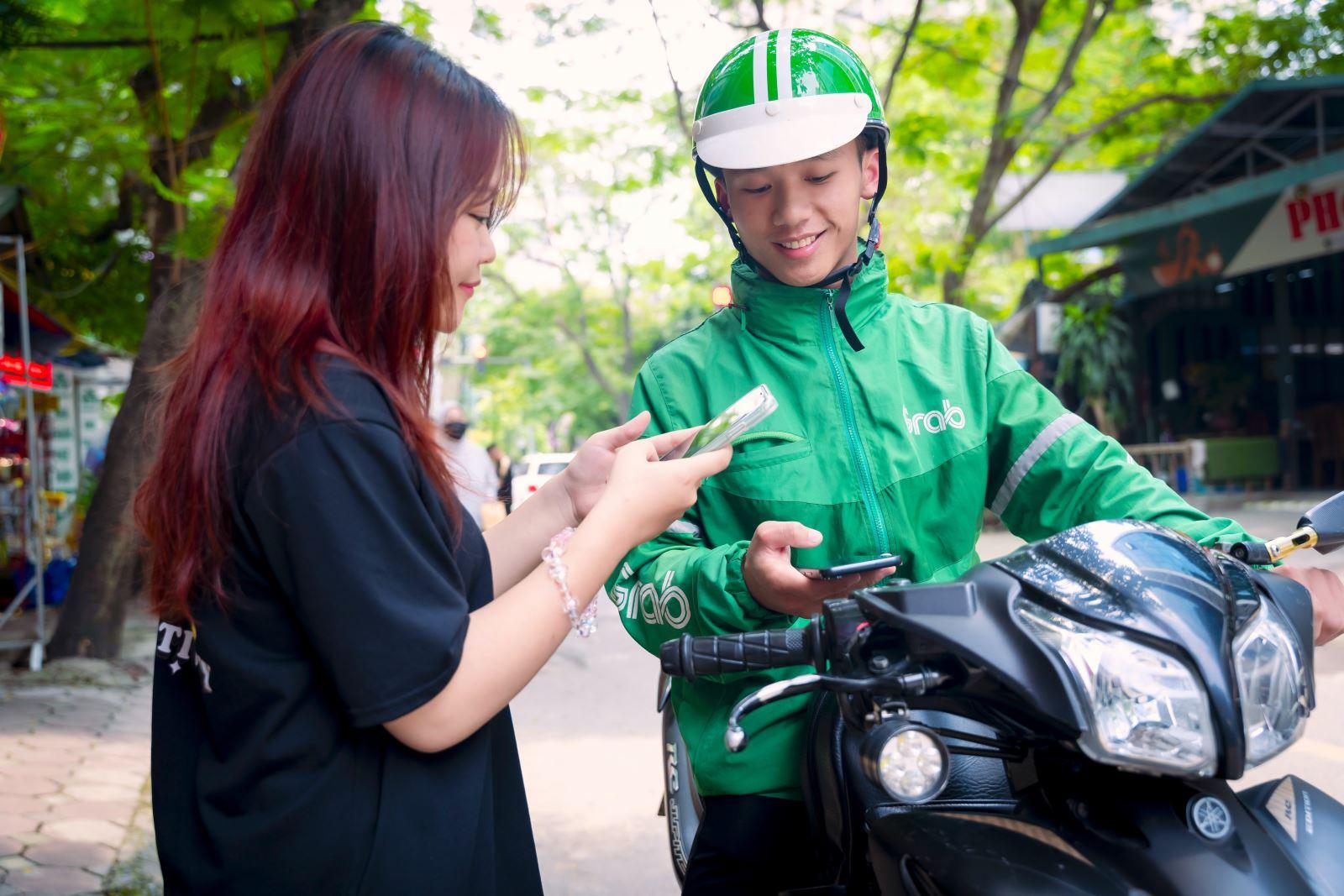
Using ride-hailing apps like Grab for transparent fares and driver details (Source: Bao Tin Tuc)
The same applies to accommodation and restaurants. Check that your hotel booking details are verified and that the property information matches the official listing. At restaurants and street food stalls, look for a menu with clear prices before ordering.
Know a few useful Vietnamese phrases
Knowing a few basic Vietnamese phrases can make simple transactions easier, especially when there is no English menu or when you need to confirm a price. You do not need to speak Vietnamese fluently; just knowing how to ask the price or politely refuse a service can be enough.
- “Bao nhieu tien?” - How much?
- “Tong cong bao nhiêu?” - How much in total?
- “Không, cam on.” - No, thank you.
- “Cho toi xem gia.” - Show me the price.
These phrases are particularly useful when dealing with street vendors, taxis, cyclos or other services where the price may not be displayed clearly.
Carry small amounts of cash
Keeping only a small amount of cash readily available can make everyday purchases easier and reduce the amount of money you need to handle at once. It also makes it easier to check your change and keep track of small expenses.
For larger purchases, tours or transport bookings, use a payment method that gives you a clear record when possible. Whatever payment method you use, check the amount before confirming the transaction.
If you are using Hanoi as your base for trips to other parts of northern Vietnam, booking through an established travel provider can also make prices and inclusions easier to check. Sinhcafe is one option to compare when arranging transport or tours from Hanoi.
Read more: Best things to do in Hanoi: What to explore?
What to do if you get scammed in Hanoi
If you realise you have been scammed in Hanoi, focus on staying safe, keeping evidence and contacting the right person for help. The steps below can help you deal with the situation:
- Stay calm and avoid escalating the situation:If the amount is small and you feel uncomfortable, it may be safer to leave rather than argue with the seller or driver.
- Keep all evidence: Save receipts, screenshots, booking confirmations, messages, payment records and vehicle details such as the licence plate.
- Contact your hotel or tour operator: They may be able to contact the service provider, verify the booking or help you understand what happened.
- Report serious incidents to the police: If you face threats, theft or a significant financial loss, contact the local authorities.
- Contact your bank if you paid by card: Report the transaction promptly and ask whether the payment can be disputed or stopped.
- Contact your embassy or consulate if your passport is involved: They can advise you on what to do if your passport or other important documents are lost, stolen or being withheld.
 Seeking guidance or reporting incidents to local authorities in Hanoi (Source: Vietnam News)
FAQs
Where are scams most common in Hanoi?
They are more likely in busy tourist areas such as the Old Quarter, markets, attractions and transport hubs.
Are Hanoi scams common at night?
They can happen at night, especially in busy tourist and nightlife areas, so keep the same basic precautions after dark.
Do I need to negotiate prices in Hanoi?
Not always. If a price is not clearly displayed, ask for it before agreeing to buy or use the service.
Can I trust street vendors in Hanoi?
Yes, but always check the price before buying, especially when there is no visible price list.
What should I know about Vietnamese currency?
Check the denomination carefully before paying, as Vietnamese banknotes have large numbers and can be confusing for first-time visitors.
Is it safe to walk around Hanoi alone?
Yes, but keep your valuables secure and stay aware of your surroundings, particularly in crowded areas.
Share via




Related articles

Hanoi or Ho Chi Minh City: Which Vietnamese Experience Fits Your Travel Style?
Posts | 11/06/2026

4 Days Hanoi Halong Bay Itinerary for Singapore & Malaysia Families
Posts | 18/06/2026

6-Day Vietnam Slow Travel Itinerary for Couples
Posts | 16/06/2026

5 Days in Vietnam for Food Lovers: Hanoi, Ninh Binh & Ha Long Bay
Posts | 15/06/2026









There are no reviews yet