


Best time to visit Sapa: Weather, seasons & top activities
Choosing the best time to visit Sapa can completely transform your trip. This mountain town in northern Vietnam is famous for its misty valleys, vibrant ethnic culture, and breathtaking rice terraces, but its weather changes dramatically throughout the year. In this guide, you’ll learn how each month and season affects Sapa’s landscape and activities, helping you plan the perfect time for trekking, cloud hunting, or simply relaxing amidst the mountains.
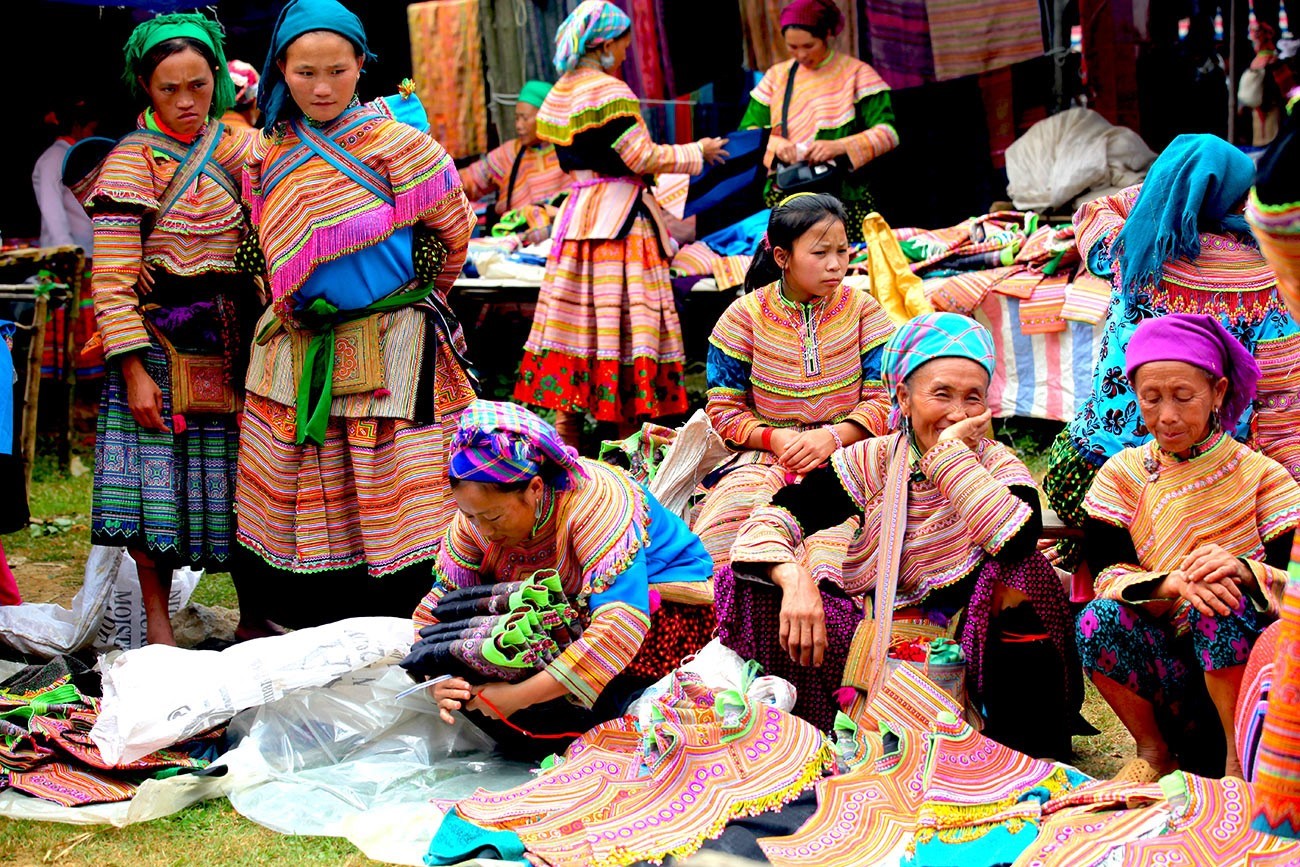
Choosing the best time to visit Sapa can completely transform your trip. This mountain town in northern Vietnam is famous for its misty valleys, vibrant ethnic culture, and breathtaking rice terraces, but its weather changes dramatically throughout the year. In this guide, you’ll learn how each month and season affects Sapa’s landscape and activities, helping you plan the perfect time for trekking, cloud hunting, or simply relaxing amidst the mountains.
Overview of Sapa weather
Sapa is located in the northwest of Vietnam, in Lao Cai Province, about 300 km from Hanoi. This charming town sits at an elevation of 1,500–1,600 meters above sea level, surrounded by the majestic Hoang Lien Son mountain range, home to Fansipan – the “Roof of Indochina.” Its high-altitude location gives Sapa a cool, temperate climate all year round, a refreshing contrast to the heat of the lowlands.
Sapa’s weather is influenced by its altitude, mountainous terrain, and seasonal monsoons. Winters are cold and dry, with temperatures dropping close to 0°C. Thick fog is common, and on some days, frost or even snow blankets the town – a rare phenomenon in Vietnam. Summers remain pleasantly cool, averaging 20–25°C, with occasional showers that turn the hillsides lush and green.

Overview of Sapa weather
What makes Sapa’s weather truly fascinating is that each season has its own unique charm. Spring is painted with peach and plum blossoms; summer is fresh and green with young rice terraces; autumn glows with golden harvest fields; and winter transforms the town into a misty, dreamlike wonderland. This constant change means that every visit to Sapa feels like a brand-new experience.
Because of this seasonal variety, checking the weather before planning your trip is essential. Choosing the right time to go helps you match your travel preferences – whether you want to trek, go cloud-hunting, photograph golden rice fields, or experience snow – and lets you prepare clothing, transport, and your itinerary properly for the most enjoyable trip possible.
Read more: Best Time to Visit Du Gia, Ha Giang: Discover Northern Vietnam’s Hidden Magic
Best time to visit Sapa by month
Sapa’s charm changes every month, from misty winter mornings to golden rice fields in autumn. Understanding the weather, scenery, and local events month by month will help you pick the perfect time for your trip. Here’s a detailed look at what each month offers, so you can decide when the best time to visit Sapa is for you.
January – Sapa in the Winter Mist
January in Sapa offers the quintessential charm of the northern mountains in winter. Temperatures usually range from 5–12°C, with nighttime dipping close to 0°C, creating a crisp, invigorating chill. The Fansipan summit and other high-altitude areas sometimes see frost or ice, and in certain years, even snowfall — a rare phenomenon in Vietnam that turns Sapa into a dream destination for many travelers. The skies are clearer than during the rainy season, yet thick fog often rolls in during early mornings and late afternoons, cloaking valleys and terraced fields in an enchanting veil.
For those seeking the best time to visit Sapa, January stands out for its magical atmosphere. Locals are busy preparing for Tet (Lunar New Year), and you might spot them drying cardamom, carrying firewood, or decorating their homes. This is also the season of vibrant festivals, such as the Roong Pooc Festival of the Giay people and the Gau Tao Festival of the Hmong, where you can witness traditional rituals, hear the sound of bamboo flutes, watch dances, and immerse yourself in the cheerful bustle of the villages.
Mountain markets are livelier than usual, offering a glimpse into highland culture. Photography enthusiasts will find it hard to resist the magical early mornings, especially when mist lingers or when snow lightly dusts the mountains - an unforgettable reason why many travelers mark January as one of the best time to visit Sapa for winter landscapes.
February – Sapa awakens with spring colors
February in Sapa feels like the mountains are slowly waking up after a long winter’s sleep. Temperatures are slightly warmer than in January, typically ranging from 8–15°C during the day, though mornings and evenings can still be chilly. The sky is often clear, and sunshine becomes more frequent, giving the landscape a softer, warmer glow.
With peach blossoms, plum flowers, and wild mustard starting to bloom, February is often considered by many as the best time to visit Sapa for photography. Villages are lively after Tet celebrations, with locals wearing their traditional clothes and welcoming guests with smiles.
Spring market in Sapa
Many ethnic groups organize spring markets and gatherings this month, where you can taste local food, join in traditional games, and enjoy folk music echoing across the valleys. The trails are dry, making trekking comfortable and safe. All of this creates a vibrant yet calm atmosphere — ideal for those searching for the best time to visit Sapa without the heavy holiday crowds.
March – The gentle shift to spring in Sapa
March in Sapa marks a beautiful transition from the lingering cold of winter to the freshness of spring. The temperature becomes more comfortable, usually ranging from 10–18°C, making it one of the best time to visit Sapa for outdoor activities. Mornings are still cool, but by midday, the sun is warmer, and the skies open up with spectacular views.
Nature also comes alive in March: wildflowers bloom along mountain paths, rice terraces start showing fresh green shoots, and villagers begin plowing their fields. For travelers, this is a chance to witness daily life at a slower pace and enjoy Sapa’s authenticity without large crowds.
March also carries a bit of festive energy, with local markets and gatherings still taking place. For hikers and photographers, clear skies and dry trails make this month perfect for trekking and sunrise views — another reason many consider March the best time to visit Sapa for a peaceful yet lively experience.
April – Sapa’s water season and dreamy cloudscapes
April is one of the most photogenic months in Sapa as the famous “water season” begins. Temperatures rise gently, ranging from 15–22°C, creating a pleasant balance between warm days and cool nights. The air feels fresh, and light morning fog adds a soft, romantic touch without obscuring the view too much. This is when many say April is the best time to visit Sapa, as the terraces turn into giant mirrors reflecting the sky.
This is when farmers start leading water into the terraced fields, turning the mountainsides into a series of sparkling mirrors that reflect the sky. At sunrise and sunset, the terraces glow with shades of gold and silver, creating breathtaking scenery that photographers adore. Villagers work together in the fields, plowing and planting rice seedlings, giving visitors a chance to witness the start of a new agricultural cycle — a moment filled with both energy and symbolism.
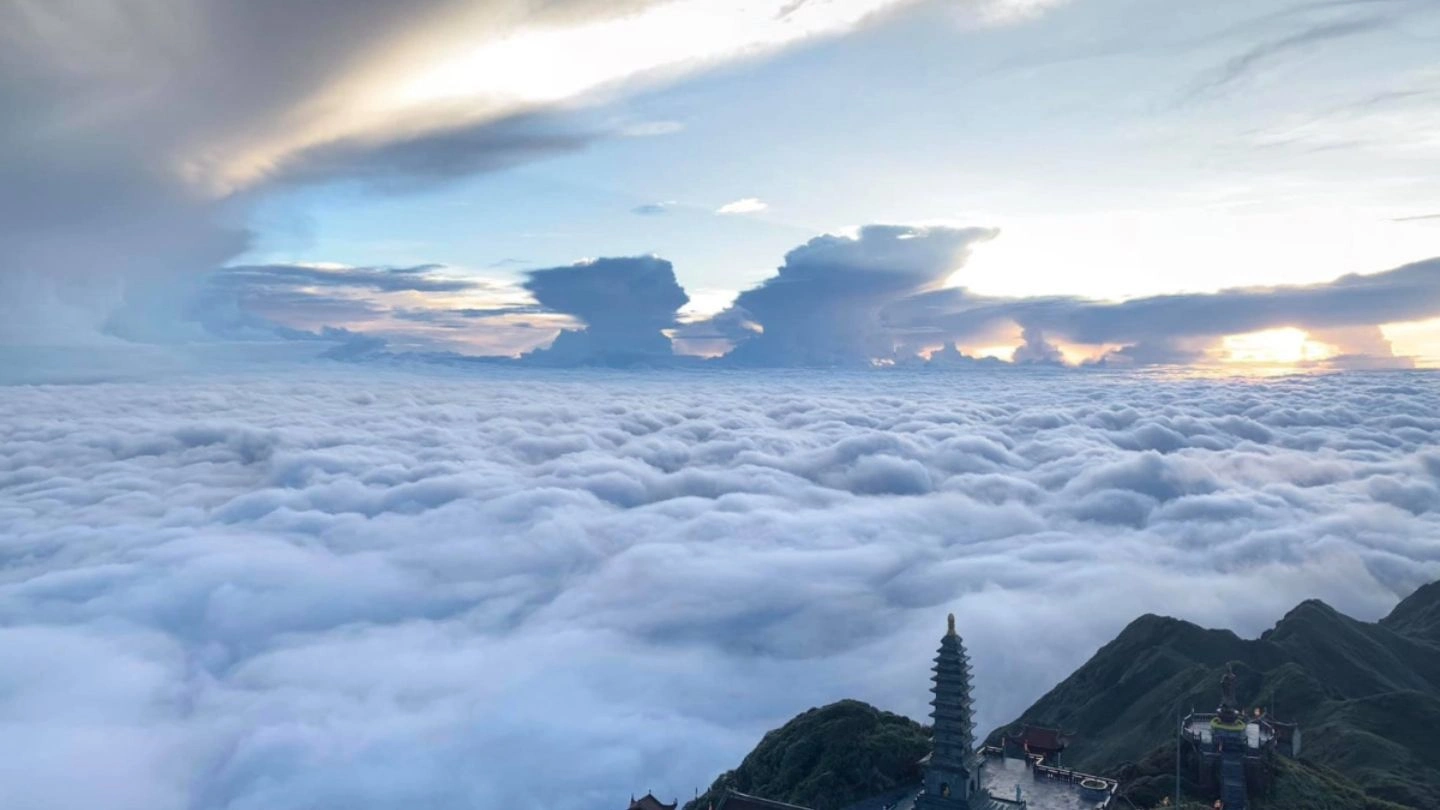
April is the best time to visit Sapa for cloud hunting
April is also a prime time for cloud hunting. The weather is still cool enough that clouds form in the valleys early in the morning, creating a dreamy “sea of clouds” effect when viewed from high vantage points like O Quy Ho Pass or the top of Fansipan. Dry trekking routes and clear skies make exploration even more rewarding, cementing April’s place as one of the best time to visit Sapa for adventure seekers and nature lovers.
With dry trails and clear skies, trekking routes are at their best. Whether you hike through Muong Hoa Valley, Ta Van, or Lao Chai, the combination of lush green fields, crystal-clear streams, and panoramic mountain views makes every step unforgettable. The comfortable weather also makes April ideal for exploring Sapa town, enjoying local street food, and sipping coffee while watching the mist slowly lift from the hills.
May – Sapa’s green awakening
May brings a fresh and lively energy to Sapa. Temperatures range from 18–25°C, warm but still comfortable thanks to the mountain breeze. The sky is mostly clear, with plenty of sunshine during the day, making it perfect for long outdoor adventures. Occasional light rains start appearing, refreshing the air and keeping the landscape lush and vibrant - one of the reasons many travelers consider May among the best time to visit Sapa.
This is the time when Sapa truly turns green. The rice terraces fill with young seedlings, creating a soft, emerald carpet that covers the hillsides. The contrast between the bright green paddies and the deep blue mountains in the distance is simply stunning. Streams run clearer, flowers bloom along the trekking paths, and butterflies flutter through the fields, nature feels alive everywhere you look.
May is also when many travelers come for community-based tourism experiences. Villages like Ta Van, Cat Cat, and Ban Ho become more lively, offering homestays, cooking classes, and opportunities to join locals in farming activities. You can learn how to plant rice, taste freshly cooked sticky rice, and chat with villagers about their daily life.
For outdoor lovers, trekking in May is a treat: trails are scenic, the weather is pleasant, and waterfalls are full from spring rains, creating beautiful stops along the way. It’s also a great month for cycling through Muong Hoa Valley or simply relaxing with a cup of tea on a mountain balcony, breathing in the fresh scent of wet earth and blooming plants - a perfect reminder of why this month is often recommended as the best time to visit Sapa.
June – Cool Escape from the Summer Heat
June turns Sapa into the perfect summer getaway. Temperatures stay pleasantly cool at 18–23°C, much lower than the sweltering heat of the lowlands. Light summer rains begin, usually short afternoon showers that freshen up the air and make the rice terraces glow under the sun.
For those escaping city heat, June is often called the best time to visit Sapa to recharge and breathe in crisp mountain air. The terraces are lush and green, perfect for photography, and waterfalls are full and roaring, making them ideal picnic spots.
Although you may encounter occasional rain, trekking is still enjoyable if you plan for morning hikes. The misty mountains after rain create a dreamy, almost mystical atmosphere — one more reason travelers love June as the best time to visit Sapa for peace and fresh air.
July – Vibrant green and refreshing showers
July in Sapa is the heart of the rainy season, with temperatures around 20–25°C and frequent but brief downpours. The rains transform Sapa into a lush paradise, where rice terraces shine a deeper shade of green and wildflowers bloom along the paths.
Despite the rain, many adventure lovers consider July among the best time to visit Sapa for the dramatic scenery it brings. The sound of rain on the wooden roofs, the fresh scent of wet earth, and the foggy mountain views create a romantic, poetic mood.
With the right gear, waterproof jackets and sturdy shoes, trekking in July can be an unforgettable experience. The vibrant, rain-washed landscapes and refreshing mountain air make this month another contender for the best time to visit Sapa if you enjoy nature at its wildest.
August – Golden ripening fields begin
August signals the start of the most spectacular transformation of Sapa’s terraces. Temperatures remain mild, ranging from 18–24°C, and the rains start to ease. The rice fields begin turning from green to golden, creating breathtaking patchworks across the hillsides.
This is why many photographers and travelers agree that August is one of the best time to visit Sapa, you get to see both lush greenery and the first golden hues of harvest season. The air is fresh, the streams are full, and the valleys echo with the sounds of locals preparing for the harvest.
Cloud-hunting is excellent in August, with early morning fog blanketing the valleys. Trekking trails are still soft but manageable, and the mix of green and gold across the terraces makes every step picture-perfect. It’s easy to see why August remains a top pick for those searching for the best time to visit Sapa for unforgettable landscapes.
September – The golden harvest season
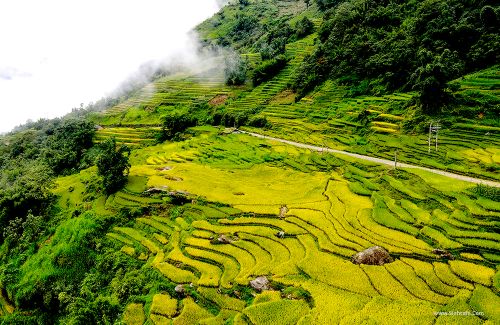
September is the crown jewel of Sapa’s year. The weather is dry and crisp, with temperatures between 15–23°C — perfect for trekking, cycling, and exploring. The rice terraces turn fully golden, creating one of the most iconic sights in all of Vietnam.
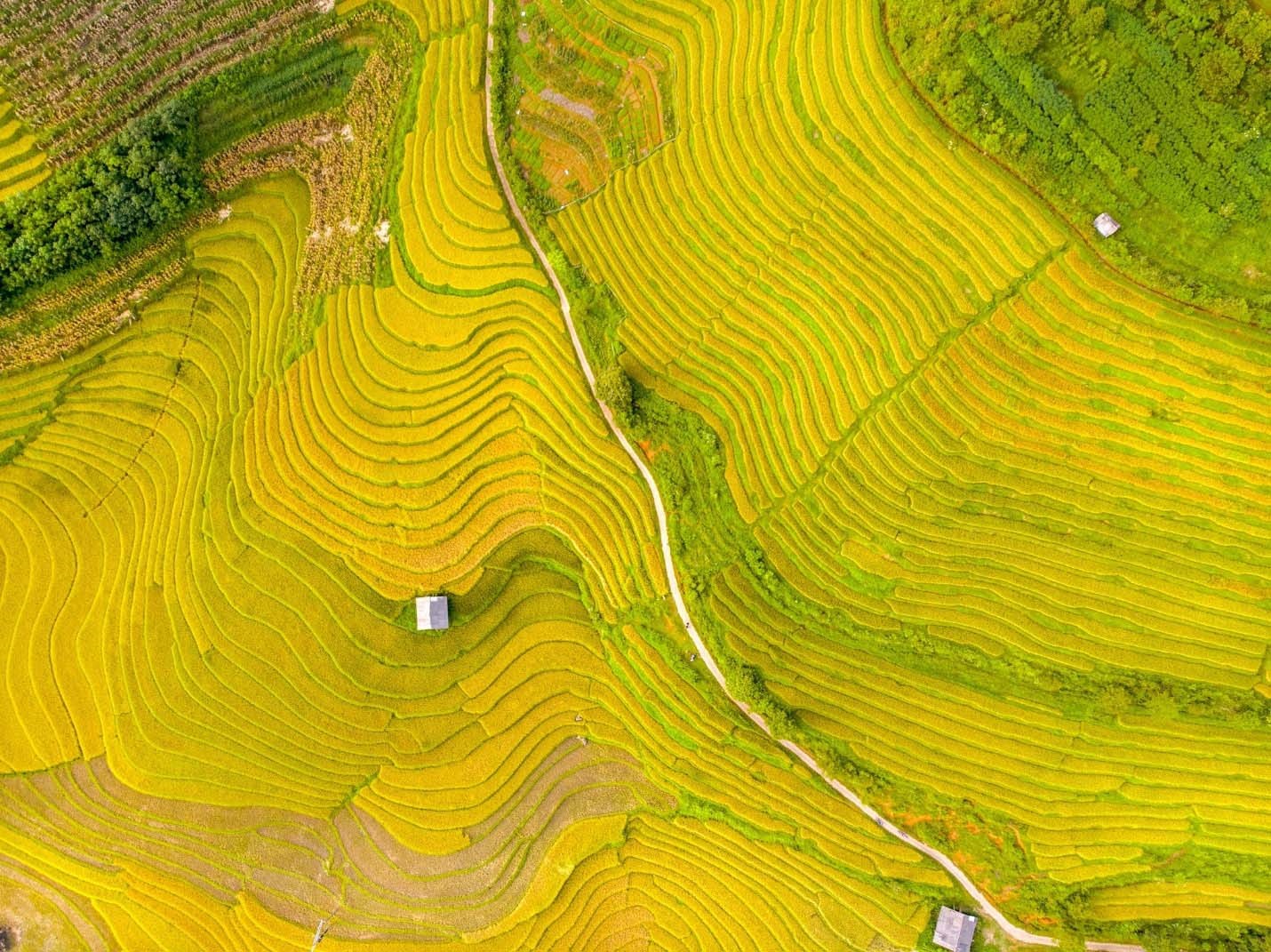
The golden harvest season
This is widely regarded as the best time to visit Sapa, as the scenery is at its most spectacular. Villagers are busy harvesting, and you can watch them working in the fields, hear laughter echoing across the valley, and even join in for an authentic farming experience.
September also has clear skies and excellent visibility, making it ideal for cable car rides to Fansipan or sunrise hikes. The golden fields combined with the cool, comfortable weather make September a photographer’s dream and the best time to visit Sapa for travelers who want to see its iconic postcard-perfect views.
October – Golden fields and crystal-clear skies
October is one of the most beautiful months in Sapa. The weather is cool and dry, with average temperatures around 15–20°C, making it perfect for outdoor adventures. The rice terraces are still golden in the early part of the month, though harvest activities gradually wrap up by mid-October. The air is crisp and the skies are strikingly clear, offering some of the best panoramic views of the year.
This is a fantastic time for trekking, cycling, and photography trips. For things to do in Sapa, spend your mornings exploring Muong Hoa Valley and your afternoons visiting colorful weekend markets like Bac Ha, where you can see ethnic minorities in their vibrant traditional dress. October evenings are perfect for sitting by a fire, sipping hot corn wine, and soaking in the peaceful mountain atmosphere.
November – Misty mornings and romantic landscapes
November brings a noticeable chill to Sapa as winter approaches. Daytime temperatures fall to 12–18°C, and early mornings are often wrapped in a light mist that slowly clears to reveal sun-drenched mountainsides. The rice has been harvested, leaving the terraces an earthy brown, but the atmosphere feels more serene and introspective, perfect for travelers who prefer quiet moments in nature.
This is also a great time to enjoy Sapa’s unique cultural experiences. For things to do in Sapa, try joining a cooking class with a local H’Mong family, or visit a traditional herbal bathhouse to relax after a trek. The cooler weather makes evenings ideal for savoring hotpot or grilled salmon in a cozy mountainside restaurant.
December – The chill of winter and a chance for snow
December marks the arrival of true winter in Sapa, with temperatures ranging from 8–15°C, and occasionally dipping close to freezing at night. The town takes on a magical, quiet charm, especially when the rare snowfall dusts the rooftops and terraced fields in white. Travelers who love the cold will find December enchanting – the misty mornings, smoky street food stalls, and the smell of roasted chestnuts all add to the winter atmosphere.
It’s also a special time for holiday travelers. For things to do in Sapa, consider visiting Fansipan – Vietnam’s “Roof” – where you might see snow or frost near the summit, making for incredible photos. In the evenings, warm up with a steaming bowl of thắng cố or sip hot ginger tea while watching the fog roll over the town square.
Best time to visit Sapa by season
If you’re wondering about the best time to visit Sapa, looking at it by season is the easiest way to plan your trip. Each season paints Sapa in a different light – from misty spring mornings to golden autumn valleys – and knowing what the weather is like will help you pack better and choose the experiences that match your style of travel.
Spring – When the mountains awaken
Spring (February – April) brings gentle warmth to Sapa as the winter chill fades away. Morning fog lingers over the valleys, but by midday, the sun peeks through, bathing the hillsides in soft light. Average temperatures hover around 15–20°C, perfect for light treks and village walks. This is also the season of blossoms – peach and plum flowers turn the mountains into a living painting. Local festivals such as Roóng Poọc and Gầu Tào take place, filling the air with music, traditional games, and cheerful laughter from the villages.
Summer – Cool escape in the highlands
Summer (May – July) in Sapa offers a refreshing break from the heat of the lowlands. Temperatures stay mild at around 18–23°C, and while occasional showers are common, they leave behind crystal-clear skies and fresh, earthy scents. This is when the rice terraces are filled with water and then covered in bright green seedlings, reflecting the sunlight like giant mirrors. It’s the ideal season for treks, herbal baths, or visiting waterfalls like Silver Waterfall, which are at their most powerful and dramatic after the rain.
Autumn – Sapa’s most stunning season
From August to October, Sapa is at its most breathtaking. The weather is dry and crisp, with blue skies and temperatures ranging between 15–20°C – perfect for outdoor adventures. This is harvest season, when the rice terraces turn golden and stretch like ribbons across the mountainsides. It’s the best time to visit Sapa for photographers and nature lovers, as every viewpoint offers a postcard-worthy scene. Trekking trails are dry, making it easy to hike deep into the valleys and witness villagers joyfully harvesting their crops.
Winter – Misty, magical, and sometimes snowy
Winter (November – January) brings a chill to the air, with temperatures dropping below 10°C and sometimes even close to freezing at night. The town is often wrapped in mist, and if you’re lucky, you might catch a rare snowfall that covers the terraces in white. The atmosphere is quiet and romantic – perfect for those who want to experience a different side of Vietnam. After a day of exploring, warming up with a hotpot or sipping corn wine by the fire becomes one of the most unforgettable ways to enjoy Sapa in winter.
Best time to visit Sapa for different activities
Not every traveler will experience Sapa the same way — the timing of your trip plays a huge role. Each season has its own charm, and knowing the best time to visit Sapa can make your journey even more memorable.
Trekking and village exploration
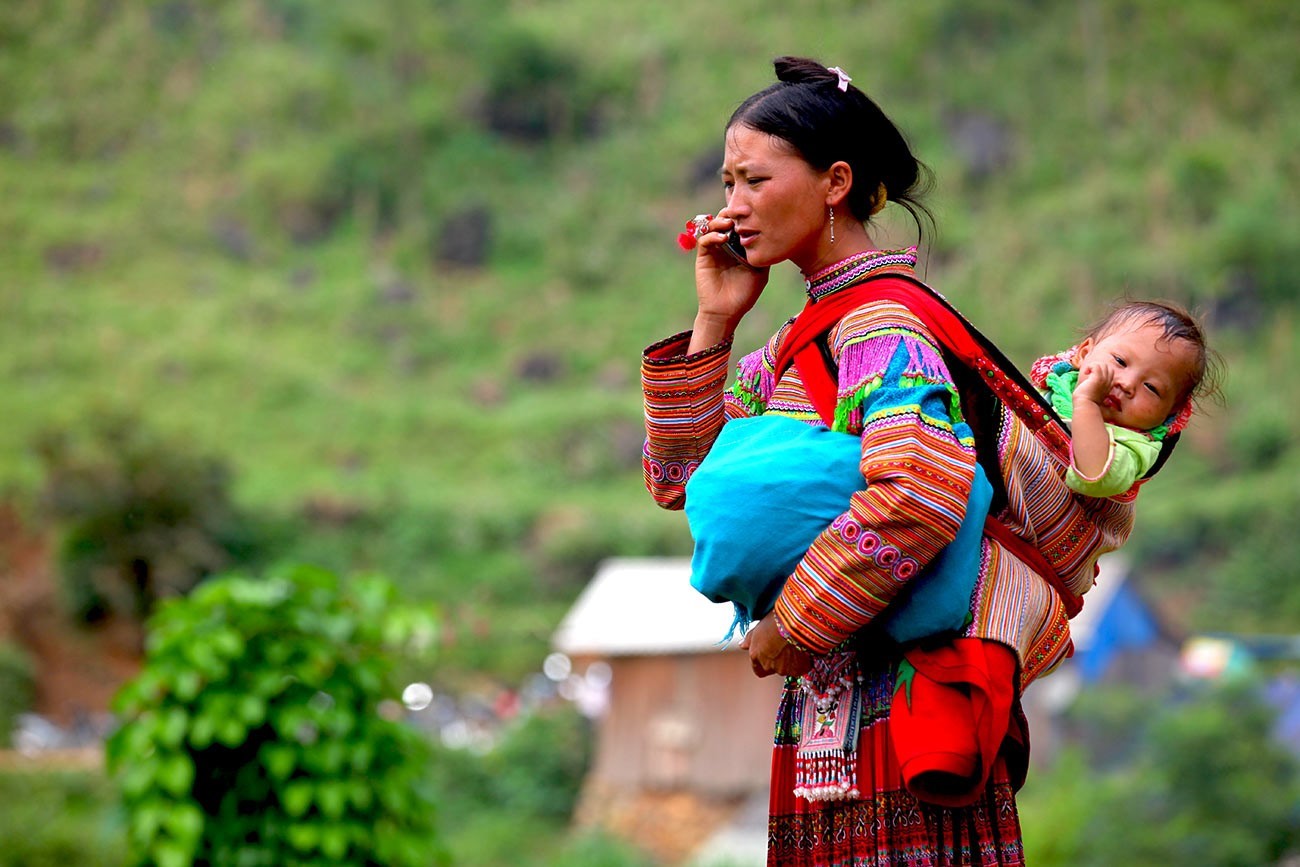
Visitors can immerse themselves in the culture when trekking through ethnic villages
Trekking is most enjoyable during autumn, from August to October, when the skies are clear and the rice terraces glow golden. The trails are dry, making it easier to hike without worrying about slippery paths. Many visitors also love trekking in spring when the hillsides are covered with blooming peach and plum blossoms, creating a picture-perfect landscape. Pack sturdy trekking shoes with good grip and a light jacket, as mornings and evenings in Sapa can still be chilly. If a sudden rain shower comes, having a compact raincoat on hand will keep you moving and let you enjoy the scenery without interruption.
Cloud hunting and photography
For cloud hunters, the best time to visit Sapa is from October to March when the cold weather creates dense mist and clouds blanketing the valleys. Wake up early and head to O Quy Ho Pass or Ham Rong Mountain before sunrise to capture a stunning “sea of clouds” shifting with the morning light.
During the water-pouring season (May–June) and the harvest season (September–early October), Sapa becomes a paradise for photographers — terraces shimmer like mirrors or glow like golden carpets. Always check the weather forecast the day before, since clear skies can make clouds vanish quickly, and you might miss the most magical moment.
Cultural festivals and local life
Spring is also the best time to visit Sapa if you want to immerse yourself in colorful festivals. The Roong Pooc Festival of the Giay people and Gau Tao Festival of the H’Mong bring music, dancing, and laughter to the villages. If you happen to visit during the Dao people’s Tet Nhay (Dancing Festival), try joining a few dances with the locals — an experience you won’t easily forget. Early morning trips to Bac Ha or Can Cau markets are another highlight, with locals in vibrant traditional costumes gathering to trade goods, chat, and share stories.
Relaxation and slow travel
For those seeking peace and quiet, summer can be the perfect season. While occasional rain showers cool down the air, the number of tourists drops, allowing you to experience Sapa in a more tranquil atmosphere. Sip a hot coffee on your homestay balcony and watch clouds drift past your window - an unforgettable moment of stillness. This is also a great time to try a Red Dao herbal bath or traditional herbal massage to soothe tired muscles after a day of exploring. Book a homestay with a terrace overlooking the rice fields a few weeks in advance, as the most scenic places can still sell out on weekends.
Let Sinhcafe be your trusted companion to Sapa. Whether you’re looking for comfortable transfers, guided trekking tours, or authentic cultural encounters with local hill tribes, we make your journey effortless and memorable. Reserve your Sapa trip with Sinhcafe now and step into the heart of Vietnam’s northern highlands with peace of mind.
Read more: Top 10 must-try things to do in Sapa for an unforgettable adventure
No matter when you go, Sapa has a unique charm waiting for you, from golden terraces in autumn to dreamy seas of clouds in winter. Knowing the best time to visit Sapa helps you match your trip with the experiences you care about most, whether it’s hiking, photography, or joining colorful festivals. Start planning your journey now and see Sapa at its most magical moment!
Share via




Related articles
Top 10 must-try things to do in Sapa for an unforgettable adventure
Blog | 02/10/2025
Sapa or Ha Giang: Which Mountain Destination Is Better?
Posts | 02/07/2026
Sa Pa or Ha Giang in July and August? Where to Go for the Best Weather and Experiences in Northern Vietnam
Posts | 02/07/2026

Travel to Vietnam with Kids: The Complete Family Travel Guide
Posts | 26/06/2026









There are no reviews yet