


Sa Pa or Ha Giang in July and August? Where to Go for the Best Weather and Experiences in Northern Vietnam
Find out whether Sa Pa or Ha Giang is better in July and August. Explore weather, attractions, road conditions, and the best experiences in Northern Vietnam.
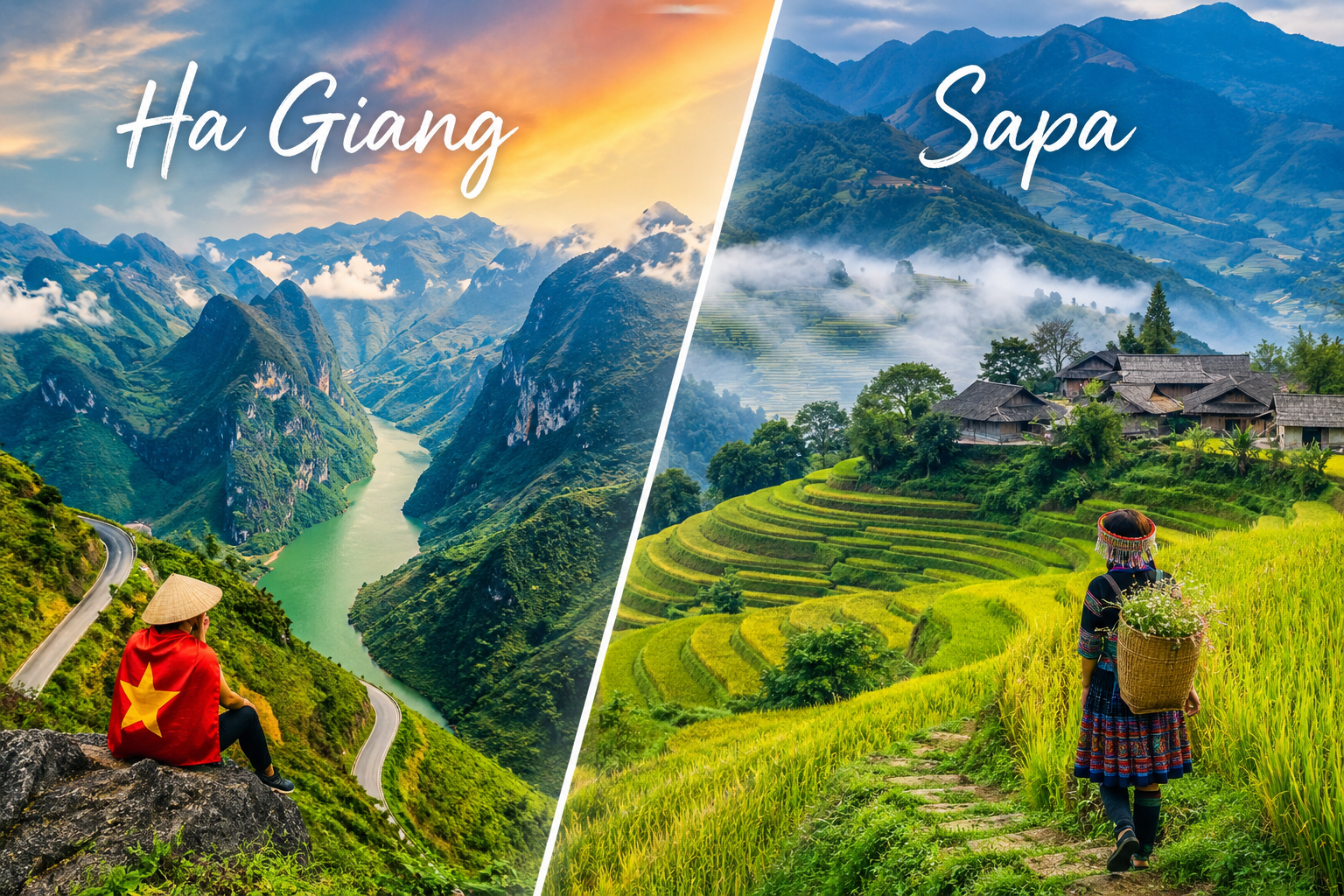
Planning a trip to Northern Vietnam in July or August often raises one big question: Should you visit Sa Pa or Ha Giang? These months fall within the rainy season, but they're also when the region is at its greenest - mist-covered mountains, cascading waterfalls, and vibrant rice terraces.
At Sinh Cafe Travel, we've guided thousands of travelers through Northern Vietnam in every season. July and August remain an underrated time to visit, as long as you understand the weather and plan carefully.
Is July and August a Good Time to Visit Northern Vietnam?
Rainfall is more frequent than in the dry season, but assuming rain will ruin your trip is one of the biggest misconceptions about mountain travel.
Unlike tropical destinations where heavy rain lasts all day, showers here are usually concentrated in the afternoon or evening. Mornings often begin with clear skies, cool air, and excellent visibility. Even after a downpour, clouds tend to lift quickly, revealing landscapes many photographers consider more beautiful than on cloudless days.
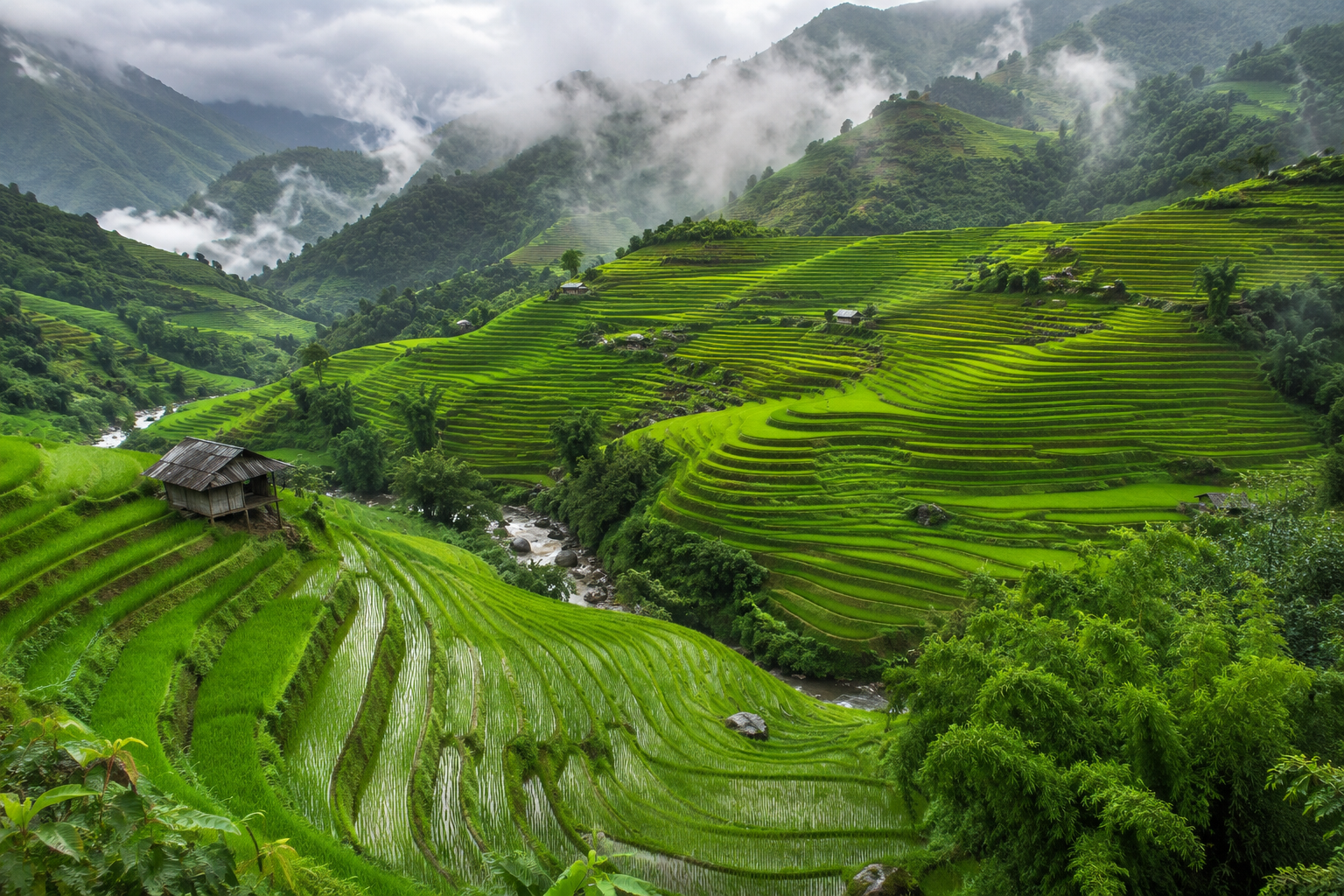 July and August transform Northern Vietnam into a landscape of vibrant green rice terraces and misty mountains (Source: Collected)
Rice terraces across both Sa Pa and Ha Giang turn rich green, rivers flow more powerfully, and waterfalls become spectacular. If your goal is Northern Vietnam at its most vibrant rather than its driest, these months are hard to match.
That said, mountain weather changes quickly, and heavy showers can affect trekking routes or road conditions, particularly in remote areas of Ha Giang. Build extra time into your itinerary.
Travel Expert's Tip: One thing our travel consultants regularly tell guests is not to rely too heavily on mountain weather forecasts. We've seen plenty of days when the forecast predicted rain from morning to evening, yet travelers still enjoyed several hours of sunshine before short afternoon showers arrived. Starting your day early almost always gives you the best chance of clear views.
Sa Pa or Ha Giang: Which Destination Is Better in July and August?
Both sit in Northern Vietnam's mountain region, but they offer very different travel experiences. Choosing between them isn't about which has better weather - it's about the type of journey you want.
|
Category |
Sa Pa |
Ha Giang |
|
Best for |
Trekking, culture, first-time visitors |
Scenic road trips, adventure, photography |
|
Landscape |
Rice terraces, valleys, waterfalls |
Mountain passes, canyons, limestone plateaus |
|
Weather in July–August |
Cooler temperatures with regular afternoon showers |
Warmer weather with occasional mountain rain |
|
Accessibility |
Easy to reach by train, limousine bus, or private car |
Longer journey, best explored by loop tour or private vehicle |
|
Suitable for Families |
Excellent |
Better for older children and adventurous travelers |
|
Road Conditions |
Generally good |
Mountain roads require extra caution during wet weather |
|
Photography |
Green rice terraces, misty valleys |
Dramatic mountain passes and panoramic viewpoints |
For first-time travelers, Sa Pa is the destination we recommend most often: shorter transfers, a wider hotel selection, and attractions that stay enjoyable even if the weather changes.
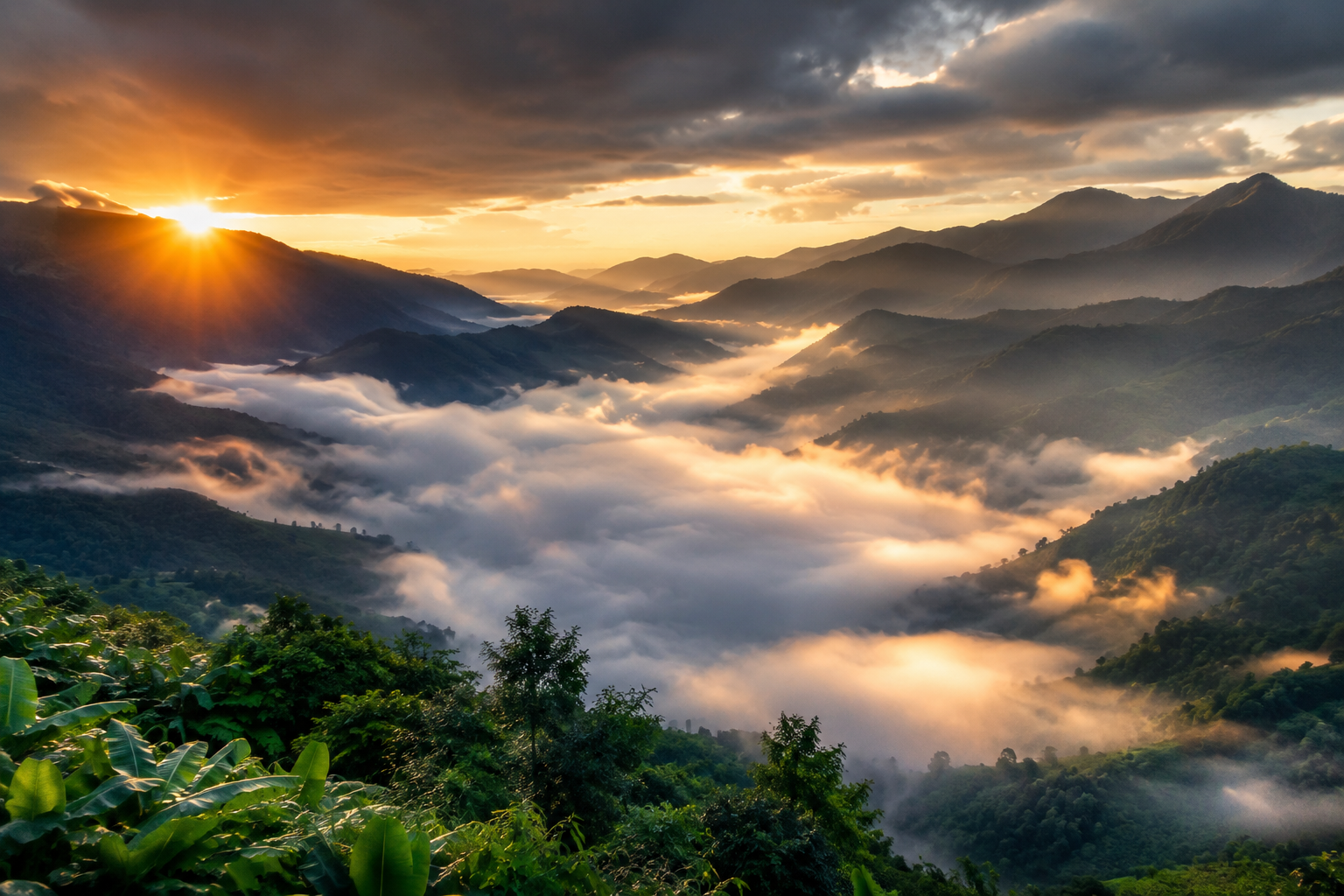 Morning sunshine often returns quickly after brief afternoon showers in Northern Vietnam (Source: Collected)
Ha Giang appeals to travelers seeking adventure. The experience revolves around the famous Ha Giang Loop, winding through mountain passes, ethnic minority villages, and some of Vietnam's most dramatic scenery - more rugged and untouched, but requiring longer driving distances.
Rain also affects the two differently. In Sa Pa, a passing shower means an extra hour in a café before continuing through the rice terraces. In Ha Giang, heavy rain can reduce visibility on mountain passes or make roads more challenging - which is why travelers with limited mountain-road experience often choose a guided jeep tour or private car instead of a motorbike.
Common Mistake: One mistake we see every summer is travelers booking the Ha Giang Loop after watching social media videos without considering the weather. Several guests have later told us they were much happier choosing an easy-rider tour, allowing them to enjoy the scenery instead of worrying about riding on wet mountain roads.
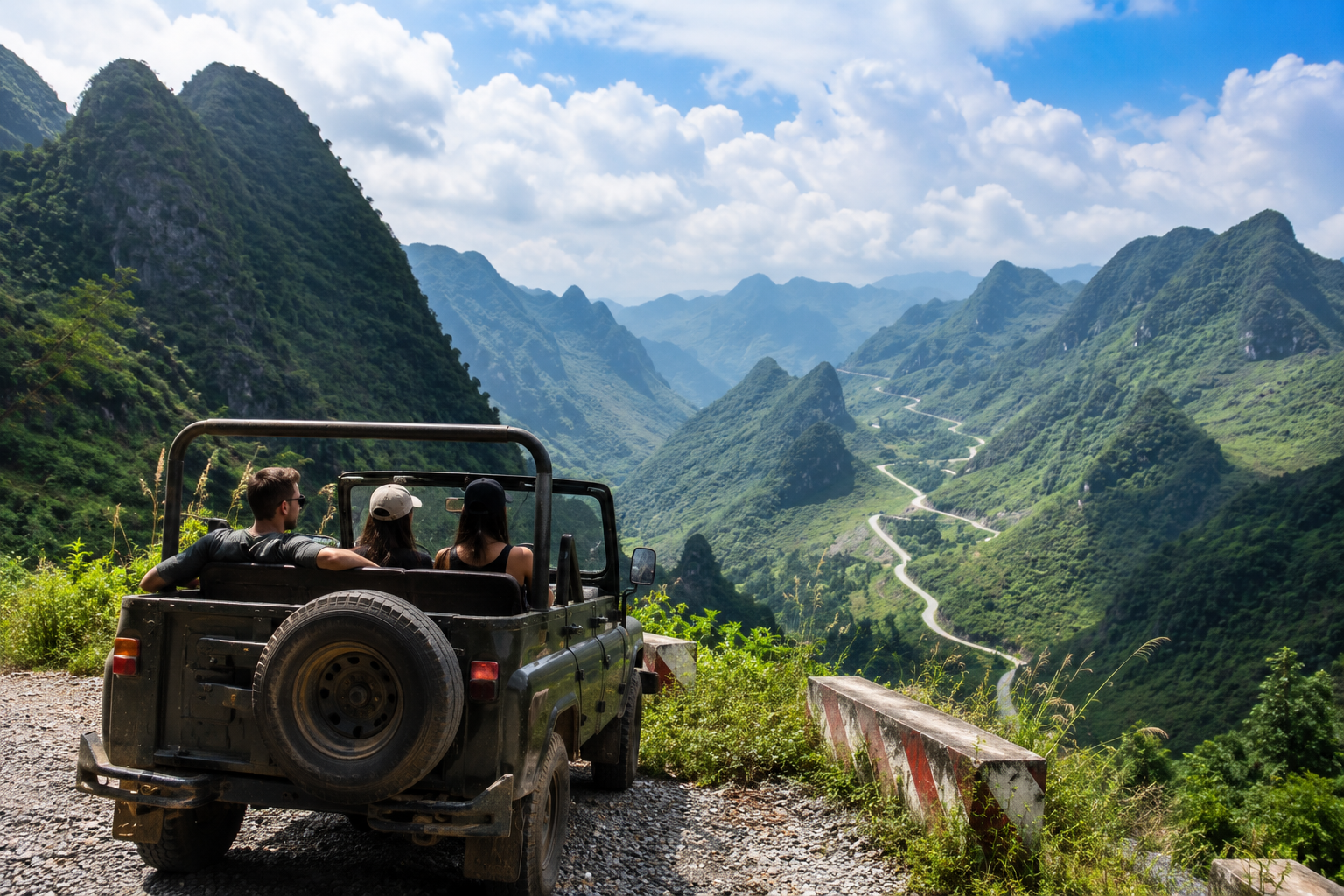 Guided easy-rider tours provide a safer way to experience Ha Giang during the rainy season (Source: Collected)
Why Visit Sa Pa in July and August?
If your idea of Northern Vietnam includes endless rice terraces, cool air, and walks through ethnic villages, Sa Pa is one of the best places to be in July and August. Many travelers dream of the golden harvest in September, but summer reveals a different side: terraces in vivid green, waterfalls at their fullest, morning mist drifting through the valleys.
The climate is a major advantage. Showers are common, but temperatures stay far cooler than in Hanoi. Light rain often enhances the atmosphere, especially when clouds settle over the mountains before clearing to reveal panoramic views.
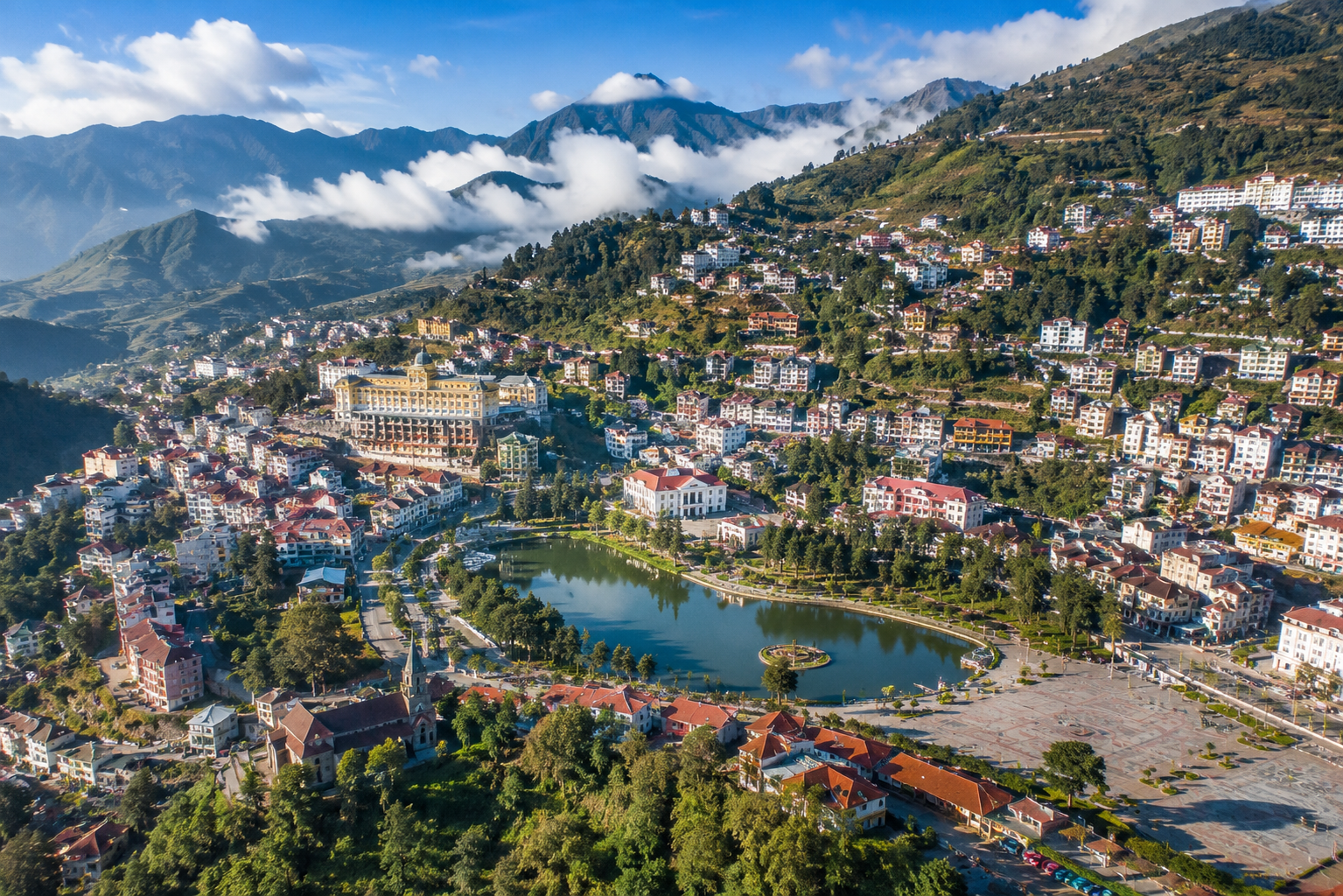 Sa Pa combines cool mountain weather, ethnic culture, and spectacular scenery (Source: Collected)
Experience the Green Season at Muong Hoa Valley
Muong Hoa Valley is the highlight of Sa Pa for many travelers. Home to some of Vietnam's most famous rice terraces, it is particularly striking in July and August. Walking through it, you'll pass small Hmong and Dao villages and meet families working the fields.
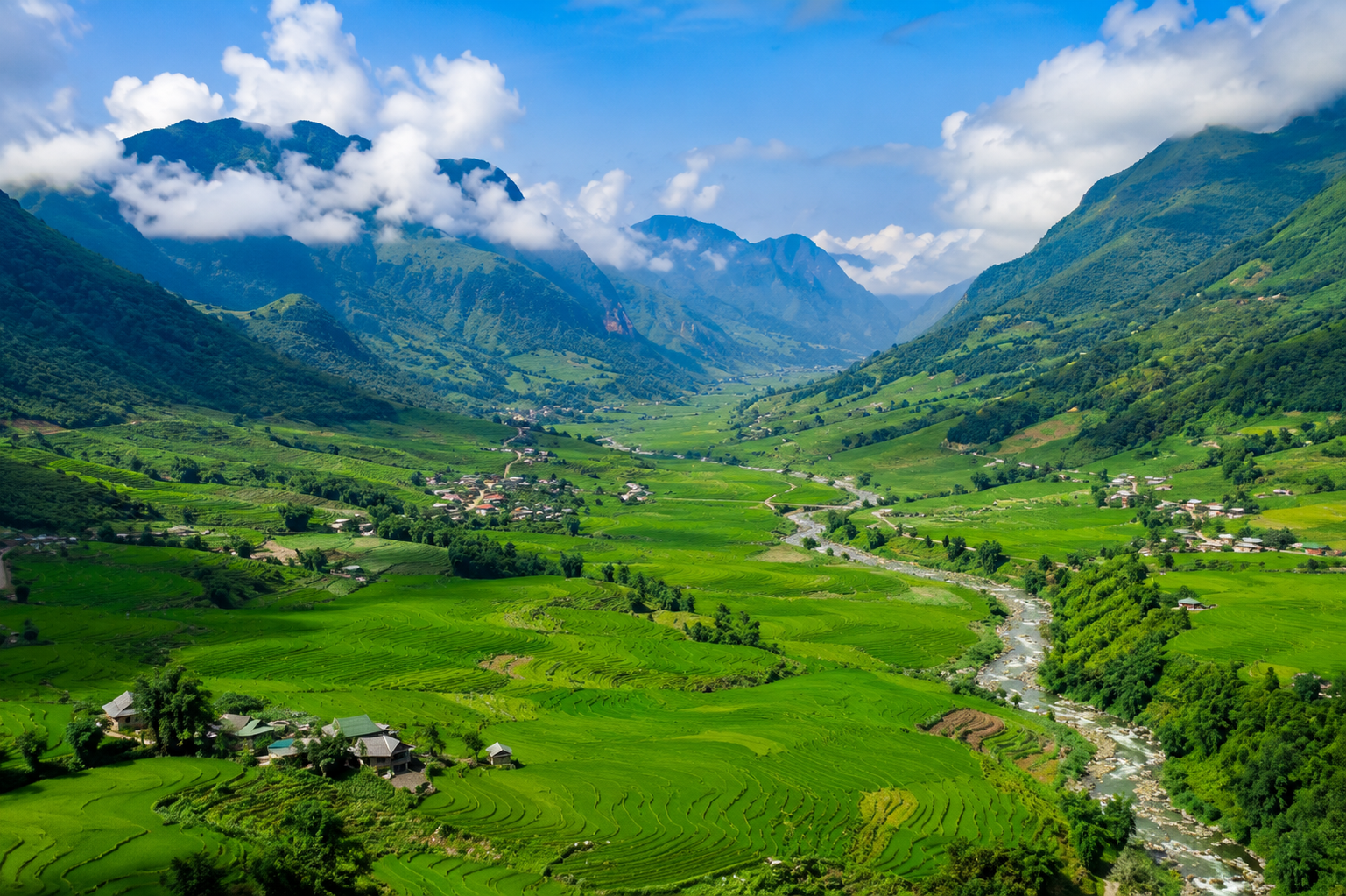 Muong Hoa Valley is at its greenest during July and August (Source: Collected)
Muong Hoa is best enjoyed slowly - walking between villages or stopping at small cafés overlooking the terraces beats rushing from one attraction to another.
Local Tip: When our guides plan photography stops in Muong Hoa Valley, they almost always aim to arrive between 7:00 and 9:00 a.m. During those hours, we've often seen soft morning mist hanging above the rice terraces before larger tour groups begin to arrive, creating the best conditions for photography.
Is Fansipan Worth Visiting During the Rainy Season?
Visitors who enjoy Fansipan most arrive with realistic expectations. Some mornings offer spectacular panoramic views across the Hoang Lien Son range; on others the summit disappears into thick cloud. Rather than a disappointment, many travelers find the drifting mist creates a mystical atmosphere - one of the most memorable mountain experiences of their trip.
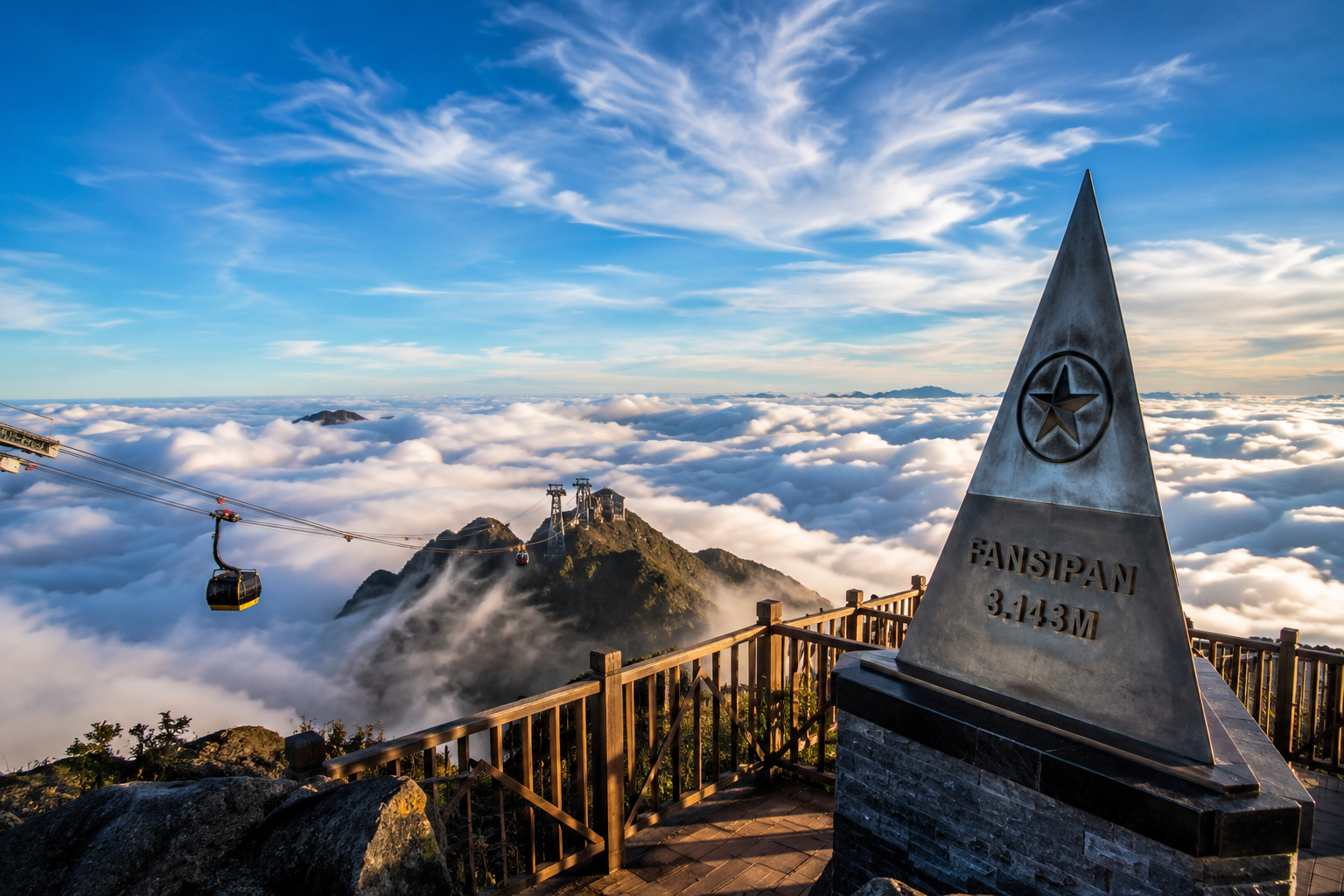 Fansipan's cloud-covered summit creates a mystical atmosphere during the rainy season (Source: Collected)
Before buying your cable car ticket, check visibility from Sa Pa town. If the mountains are hidden by dense cloud, waiting until later in the morning often improves your chances.
Discover Sa Pa Beyond the Main Attractions
Some of Sa Pa's most rewarding experiences happen away from the busiest spots.
Spend an evening around Sa Pa Stone Church and the central square, where residents gather after sunset and street food stalls serve grilled specialties. Visit Cat Cat Village early in the morning rather than midday. If time allows, drive to Silver Waterfall or Love Waterfall, both especially impressive after seasonal rain.
Why Visit Ha Giang in July and August?
If Sa Pa is about peaceful valleys and cultural encounters, Ha Giang is about the journey itself. The province has some of Vietnam's most spectacular mountain roads, where every bend reveals limestone peaks, deep canyons, and remote ethnic villages.
In July and August, rain turns the mountains countless shades of green, waterfalls appear along roadside cliffs, and low clouds drift through the valleys. For photographers, this is one of the most atmospheric times of year.
The Ha Giang Loop Feels Completely Different in the Green Season
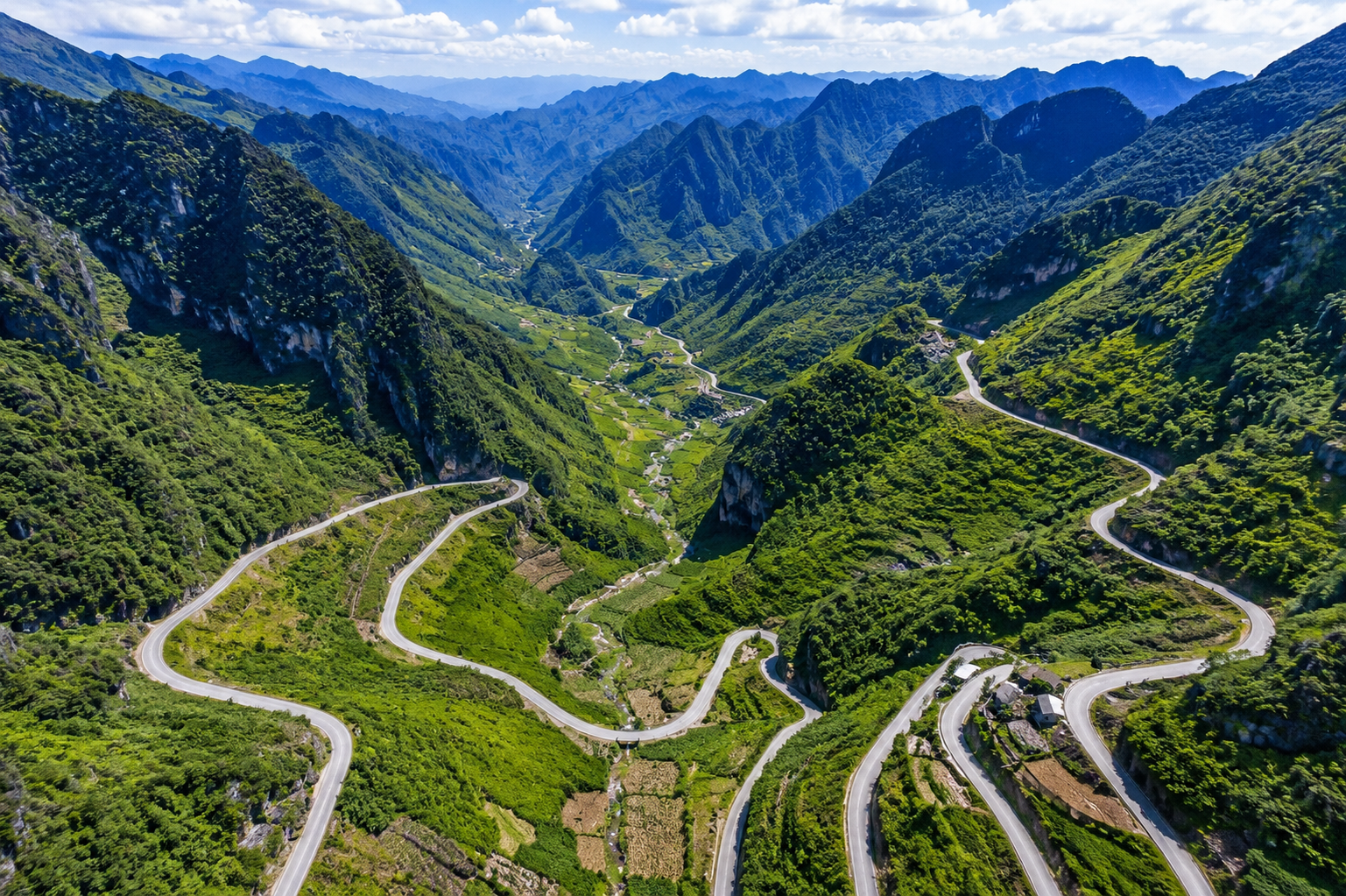 Ha Giang Loop is one of Vietnam's most scenic road trips (Source: Collected)
In the dry months the landscape can appear dusty and muted; July and August bring vibrant vegetation, flowing rivers, and dramatic cloud formations that add depth to every viewpoint. When we help travelers plan the Loop during these months, we recommend leaving extra time between destinations rather than following a tight schedule.
Ma Pi Leng Pass Is Even More Dramatic After Rain
Often described as Vietnam's most spectacular mountain pass, Ma Pi Leng is a highlight of the Loop. After rainfall the cliffs turn intensely green, while clouds drift between limestone peaks above the emerald Nho Que River. Visibility changes minute to minute, so patience is often rewarded.
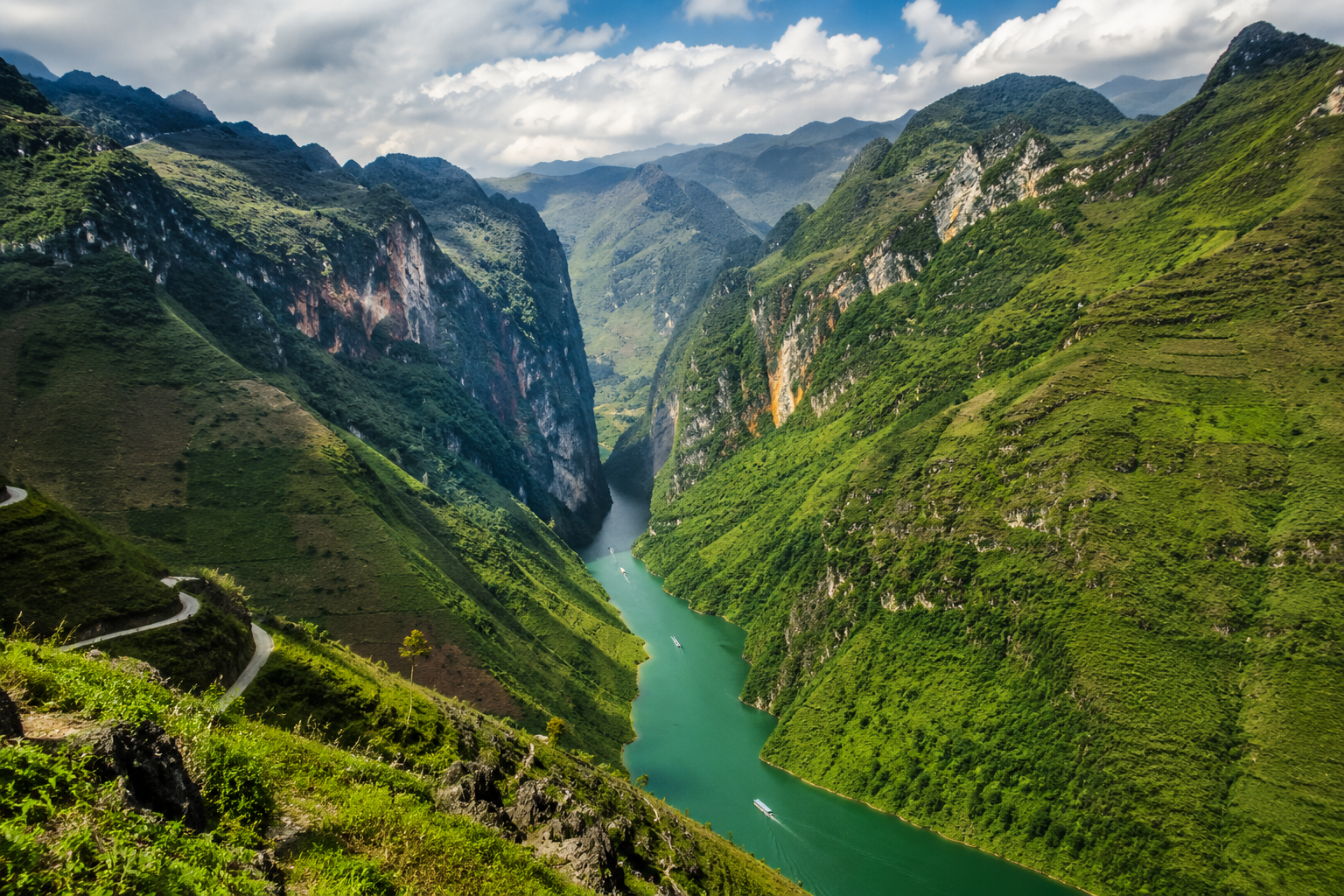 Ma Pi Leng Pass becomes even more dramatic after seasonal rain (Source: Collected)
Rather than rushing through, stop at several viewpoints. Some of the most memorable photographs come not from the main observation platform but from smaller roadside viewpoints most travelers drive past.
Travel Advice: If you have little or no experience riding motorbikes on mountain roads, July and August are not the ideal months to learn. Choosing an easy-rider tour, private car, or jeep allows you to enjoy Ha Giang's scenery safely while experienced local drivers handle the challenging roads.
Don't Miss the Local Markets
If your itinerary coincides with a weekend, visit a local market in Dong Van, Meo Vac, or Quan Ba. These aren't tourist markets - they're weekly gathering places where people from surrounding villages trade livestock, produce, handmade textiles, and everyday necessities.
 Weekend ethnic markets offer a fascinating glimpse into daily life in Ha Giang(Source: Collected)
Arrive early for the most authentic experience. You'll see Hmong, Dao, Tay, and Lo Lo communities in colorful traditional clothing, sharing meals and shopping for the week.
Local Insight: Please ask for permission before photographing local people, especially children and elderly residents. A friendly smile and simple gesture of respect are always appreciated and often lead to more genuine interactions.
Sa Pa or Ha Giang: Which One Should You Choose?
If asked to recommend just one, our consultants would start with two questions: Do you prefer relaxing walks or long scenic drives? And are you looking for comfort or adventure? The answers almost always point naturally toward one destination.
|
Criteria |
Choose Sa Pa If You... |
Choose Ha Giang If You... |
|
Travel Style |
Prefer a relaxed pace with shorter travel distances. |
Love adventure and don't mind longer driving days. |
|
Main Activities |
Enjoy scenic walks through rice terraces, waterfalls, and ethnic villages. |
Enjoy road trips, mountain passes, and outdoor exploration. |
|
Landscape |
Beautiful rice terraces, valleys, and waterfalls. |
Dramatic limestone mountains, deep valleys, and panoramic passes. |
|
Cultural Experience |
Visit well-known ethnic villages with easy access. |
Explore more remote ethnic minority communities beyond the typical tourist route. |
|
Best For |
Families with children, older travelers, and first-time visitors to Vietnam. |
Travelers seeking adventure and a more off-the-beaten-path experience. |
|
Comfort & Accessibility |
Comfortable hotels, cafés, restaurants, and convenient infrastructure. |
More basic facilities in some areas, with longer travel between destinations. |
|
Transportation |
Easy to explore with short drives or guided tours. |
Best experienced by motorbike or car, especially on the Ha Giang Loop. |
|
Overall Experience |
A balance of nature, culture, and comfort. |
An unforgettable journey where the road itself is the highlight. |
Ha Giang rewards travelers who enjoy adventure and don't mind that the journey itself is part of the experience. Rather than visiting individual attractions, you'll spend much of your time appreciating the ever-changing landscapes along the road.
Many travelers think Sa Pa and Ha Giang are too similar to justify visiting both. In reality, they complement each other well: Sa Pa introduces Northern Vietnam through iconic rice terraces and accessible cultural experiences, while Ha Giang takes the journey deeper into one of the country's most remote regions. Combining them creates a richer, more balanced itinerary than choosing either alone.
Can You Visit Both Sa Pa and Ha Giang in One Trip?
First-time visitors often underestimate travel time between mountain destinations. The two look close on the map, but winding roads mean journeys take much longer than expected. Trying to visit both in three or four days usually means more time in transit than exploring.
For most travelers, five to six days is a far more comfortable pace. With only three or four days, focus on one destination.
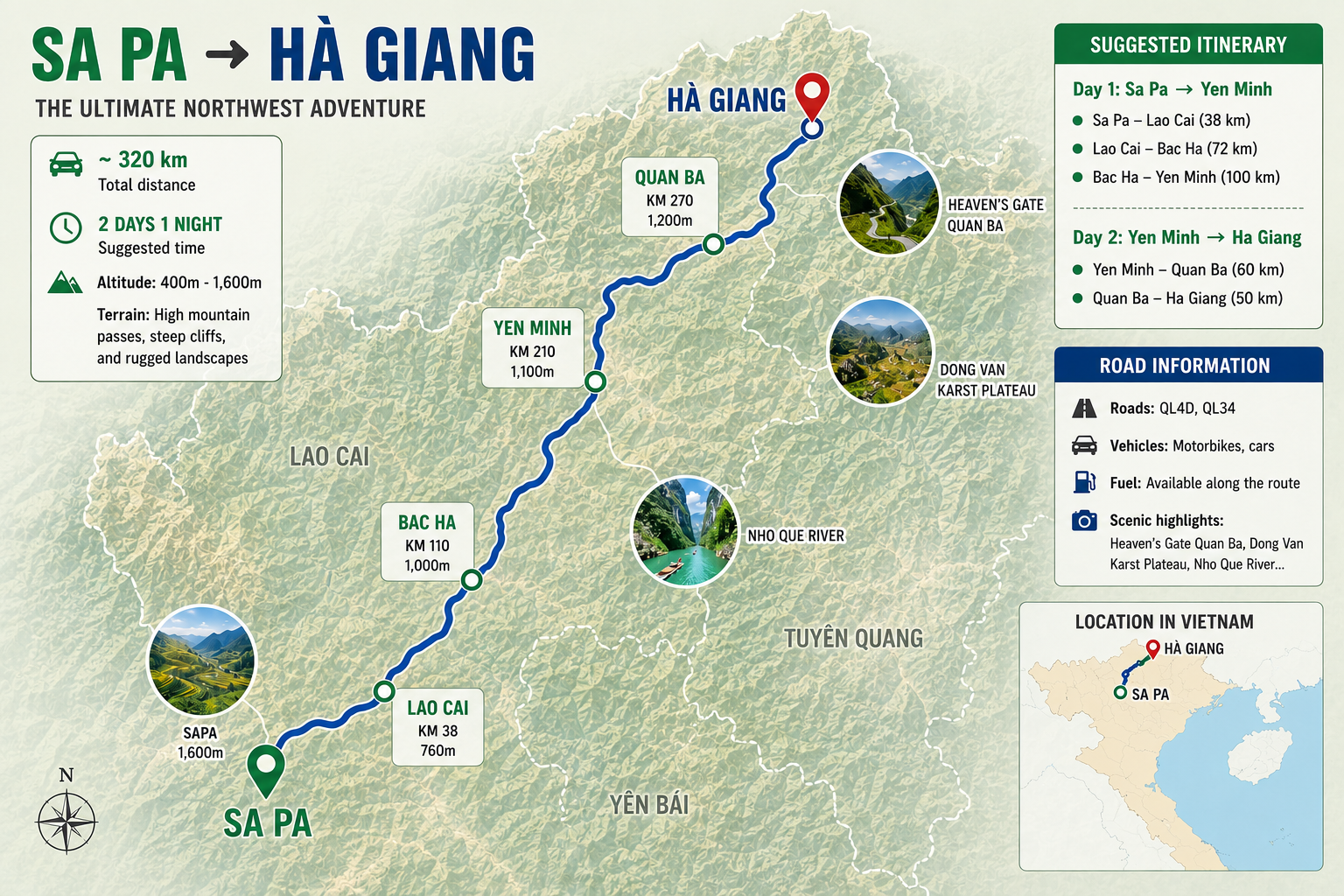 Combining Sa Pa and Ha Giang creates a richer Northern Vietnam itinerary (Source: Collected)
Travel Expert's Advice: Whenever possible, avoid traveling between Sa Pa and Ha Giang after dark. Mountain roads have limited lighting, visibility can decrease quickly in rainy weather, and daytime journeys are not only safer but also offer incredible scenery along the way.
Practical Tips for Visiting Northern Vietnam in July and August
Traveling during the green season can be incredibly rewarding, but a little preparation goes a long way. Understanding what to pack and how to plan around the weather will help you enjoy your trip with fewer surprises.
- Pack for changing mountain weather. A sunny morning may be followed by a brief shower before clear skies return. Lightweight clothing works well by day, but a light waterproof jacket is highly recommended, along with walking shoes with good grip.
- Build flexibility into your schedule. Leave one afternoon without fixed activities. Summer mountain weather is unpredictable, and a flexible schedule makes it much easier to adjust.
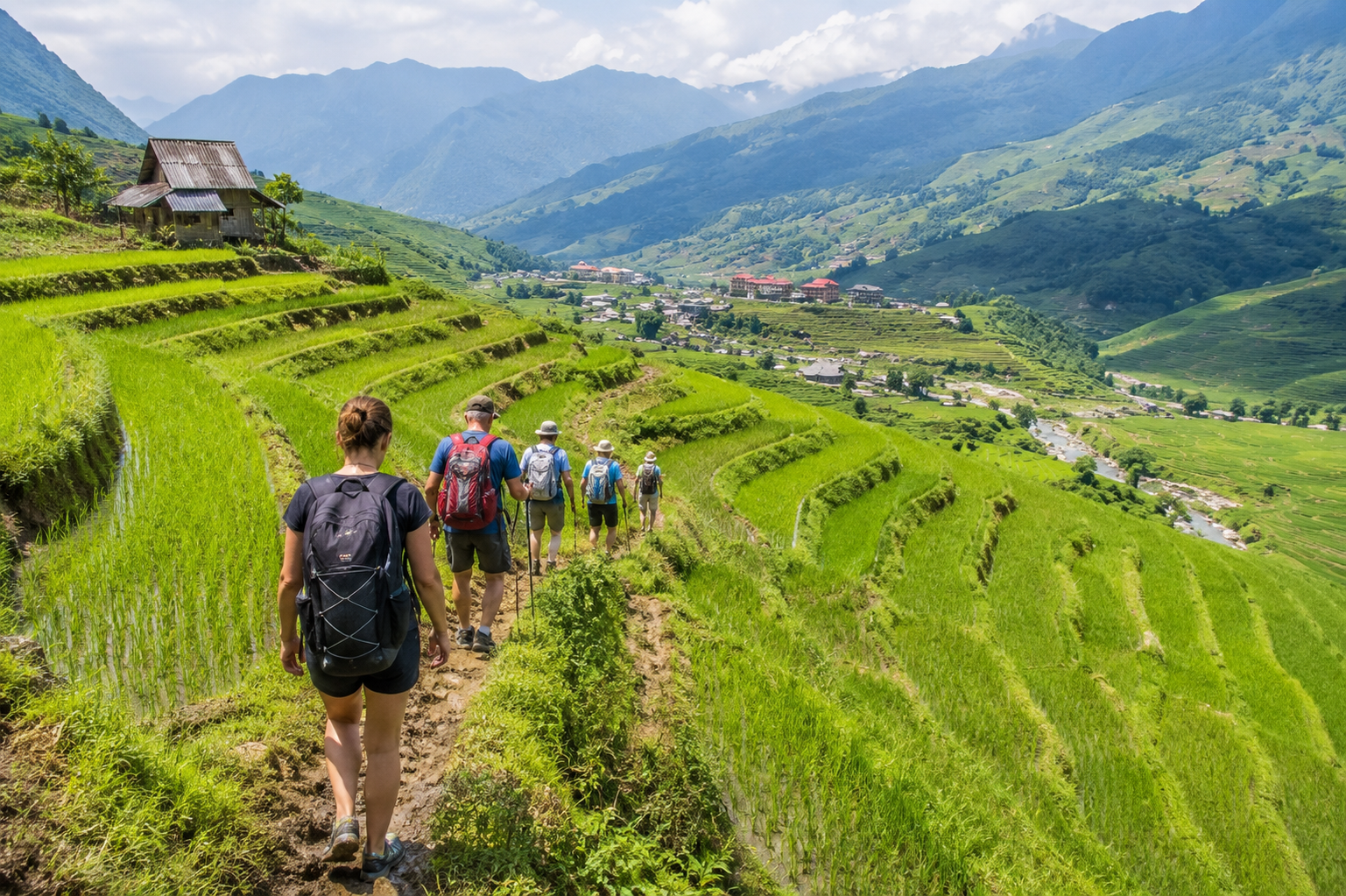 Walking through Muong Hoa Valley offers close encounters with local villages and rice terraces (Source: Collected)
- Choose the right transportation. Road conditions around Sa Pa suit private cars, limousine buses, or trains with short transfers. In Ha Giang, an easy-rider, jeep tour, or private vehicle is the safer option during the rainy season.
- Packing Checklist: When traveling to Sa Pa or Ha Giang during the rainy season, it’s important to pack smart to stay comfortable and prepared for sudden weather changes. Here’s a quick checklist of essentials you shouldn’t forget:
- Lightweight rain jacket or poncho
- Waterproof daypack cover
- Comfortable trekking shoes
- Insect repellent
- Sunscreen and sunglasses
- Power bank for long travel days
- A small dry bag to protect cameras and phones during sudden showers
 Packing the right gear helps you enjoy Northern Vietnam comfortably during the green season (Source: Collected)
Common Mistakes Travelers Make During the Rainy Season
Visiting Northern Vietnam during July and August is incredibly rewarding, but a few common mistakes can affect your experience. These are the mistakes we see most often among travelers visiting Northern Vietnam during the rainy season:
- Assuming it rains all day. In reality, showers are often brief and followed by clear skies.
- Trying to visit both Sa Pa and Ha Giang in only three days. You'll spend more time traveling than exploring.
- Renting a motorbike without mountain riding experience. Wet roads require extra caution, particularly on the Ha Giang Loop.
- Packing only summer clothing. Even in July, evenings in the mountains can feel surprisingly cool.
- Following a rigid itinerary. Staying flexible allows you to adjust activities around the weather and enjoy each destination more comfortably.
A Hassle-Free Way to Explore Sa Pa and Ha Giang
Planning a mountain trip in Northern Vietnam is harder than many expect - transportation, hotel check-ins, road conditions, and how many days to spend in each destination all require careful planning, especially in the rainy season.
That's why many international travelers explore the region with Sinh Cafe Travel: a carefully designed itinerary combining comfortable transportation, well-located accommodation, experienced local guides, and realistic schedules.
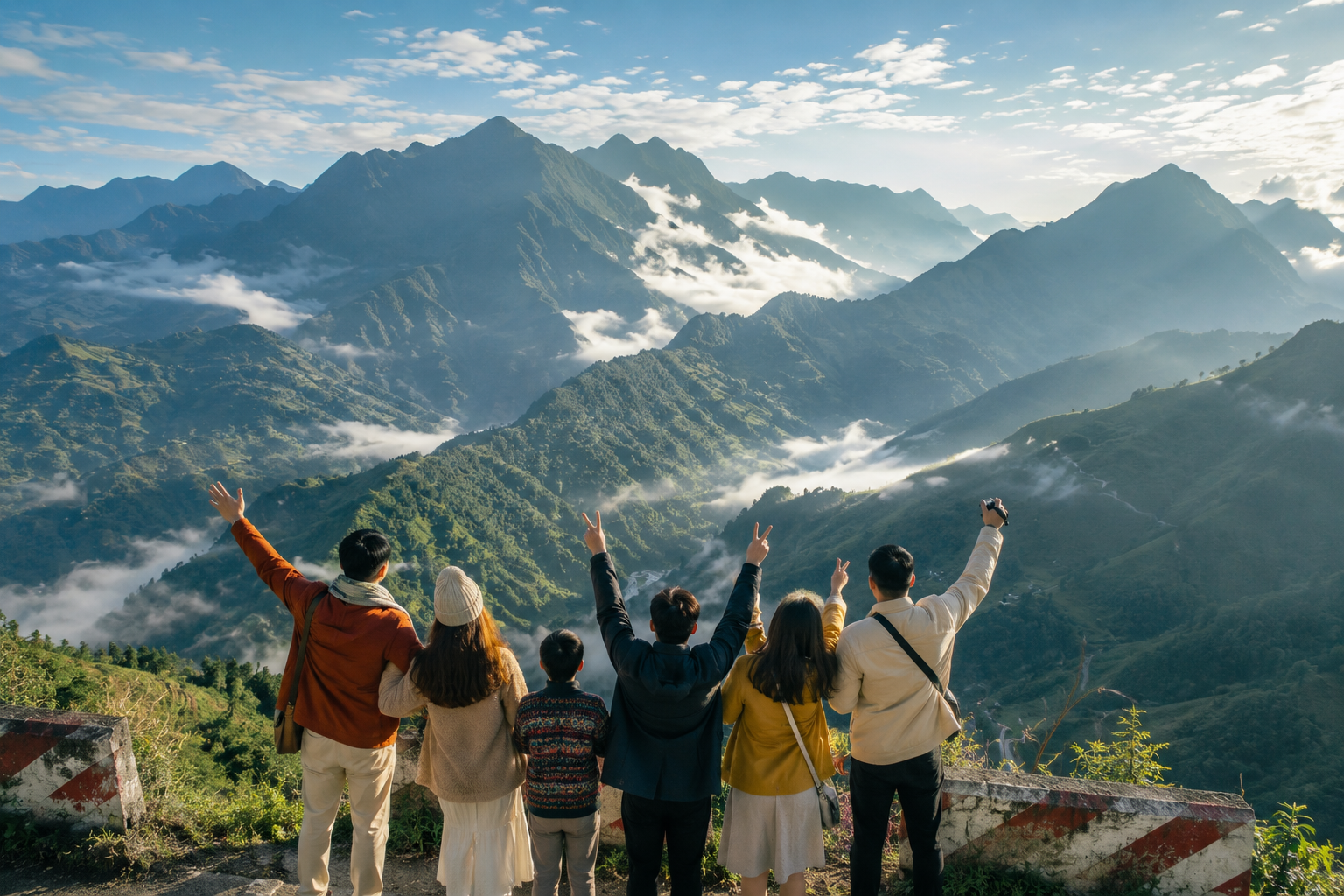 Northern Vietnam rewards travelers with unforgettable mountain landscapes, whatever route they choose (Source: Collected)
Frequently Asked Questions
Is July and August too rainy to visit Sa Pa or Ha Giang?
→ Not at all. Rain usually comes in short showers rather than lasting all day. With an early start and a flexible itinerary, you'll often enjoy long dry periods - and see Northern Vietnam at its greenest.
Which destination has cooler weather?
→ Sa Pa, because of its higher elevation. Ha Giang is slightly warmer but still far more comfortable than Vietnam's lowland cities in summer.
Is the Ha Giang Loop safe during the rainy season?
→ It can be, depending on the weather and your experience. Light rain isn't usually a problem, but wet mountain roads require caution. If you're not confident on a motorbike, an easy-rider tour, jeep, or private car is safer.
Which destination is better for first-time visitors?
→ Sa Pa. It's more accessible, easier to navigate, and offers a wider range of accommodation and dining.
Can I combine Sa Pa and Ha Giang in one itinerary?
→ Yes. Yes, with at least five or six days. A well-planned itinerary minimizes travel time while letting you enjoy each destination without feeling rushed.
Choosing between Sa Pa and Ha Giang in July and August depends on the experience you want. Sa Pa offers cooler air, green rice terraces, and a relaxed cultural atmosphere; Ha Giang is ideal for dramatic mountain passes and adventurous road trips. The rainy season brings occasional showers, but also the most vibrant landscapes of the year.
If you want convenience, consider organized routes with Sinh Cafe Travel. Whether you choose one or both, Northern Vietnam delivers far more than just a weather forecast.
Share via




Related articles
Top 10 must-try things to do in Sapa for an unforgettable adventure
Blog | 02/10/2025
Sapa or Ha Giang: Which Mountain Destination Is Better?
Posts | 02/07/2026

Travel to Vietnam with Kids: The Complete Family Travel Guide
Posts | 26/06/2026
How to get to Sapa: Complete travel guide from Hanoi and beyond
Blog | 03/10/2025









There are no reviews yet