


How to get to Sapa: Complete travel guide from Hanoi and beyond
Sapa, nestled in the Hoang Lien Son mountains of Northwest Vietnam, is famous for its breathtaking terraced rice fields, ethnic villages, and cool mountain climate. For travelers planning a visit, knowing how to get to Sapa is the first step to a successful trip. Whether you’re departing from Hanoi or other cities, there are multiple transportation options, each offering unique experiences. This guide will help you navigate routes, travel times, and scenic stops to make your journey smooth, safe, and unforgettable.
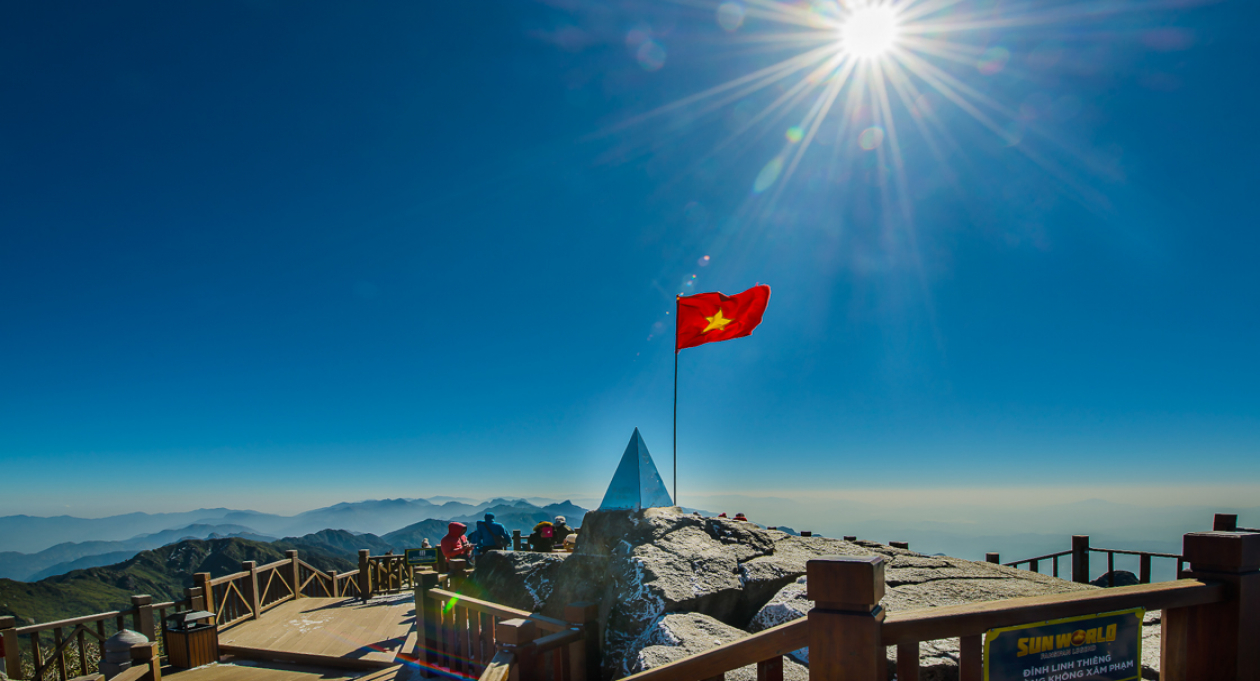
Sapa, nestled in the Hoang Lien Son mountains of Northwest Vietnam, is famous for its breathtaking terraced rice fields, ethnic villages, and cool mountain climate. For travelers planning a visit, knowing how to get to Sapa is the first step to a successful trip. Whether you’re departing from Hanoi or other cities, there are multiple transportation options, each offering unique experiences. This guide will help you navigate routes, travel times, and scenic stops to make your journey smooth, safe, and unforgettable.
Distance and travel time to Sapa
Sapa is a highland town located in Lào Cai province, in the Northwest region of Vietnam, famous for its majestic mountains, vast terraced fields, and cool climate throughout the year. Being situated in a mountainous area, far from major city centers, understanding the distance and travel time from various locations helps visitors plan their trips efficiently, manage rest periods, and schedule sightseeing activities accurately. For travelers who are planning their itinerary, knowing how to get to Sapa is essential to ensure a smooth and enjoyable journey.
From Hanoi to Sapa
The distance from Hanoi to Sapa is approximately 315 km northwest. This is the most popular route for travelers heading to Sapa. The average travel time ranges from 5 to 9 hours, depending on road conditions and speed. Along the journey, travelers pass through regions with changing terrain and scenic landscapes typical of Northern Vietnam’s mountains. Given the relatively long distance, planning the departure time carefully helps visitors arrive in Sapa at the desired time, allowing them to rest or start exploring immediately upon arrival. Knowing the best options and timing is a key part of understanding how to get to Sapa efficiently.
From other provinces to Sapa
From Lào Cai, the distance to Sapa is only about 35 km, making it the shortest route compared to other provinces. The average travel time is around 40–60 minutes. With such a short distance, visitors can easily reach Sapa after arriving in Lào Cai, making it convenient for organizing daily itineraries.
From Hải Phòng, Sapa is about 350 km away, passing through several Northern provinces with diverse terrain. The average travel time from Hải Phòng to Sapa is approximately 7–9 hours. This journey is longer than from Hanoi, so travelers should plan their departure time to ensure timely arrival in Sapa and adequate rest before sightseeing.
Provinces in the Northwest region, such as Lai Châu or Điện Biên, are located 120–180 km from Sapa, depending on the starting point. The average travel time ranges from 4–6 hours. This route passes through many mountain passes and scenic landscapes typical of the Northwest, making it suitable for visitors who want to combine sightseeing along the way. Even though the distance is not too long, careful planning of travel time is still important to ensure a smooth and convenient journey. For all travelers, having a clear understanding of how to get to Sapa from different starting points helps maximize both comfort and sightseeing opportunities.
Read more: Best time to visit Sapa: Weather, seasons & top activities
Transportation options to Sapa
Since Sapa is located in the highlands, far from major city centers, most travelers from distant provinces usually choose Hanoi as the main starting point for their trip. Hanoi not only serves as a major transportation hub but also offers a wide range of options for departure times and schedules, making it easy for visitors to plan how to get to Sapa efficiently.
Sleeper bus
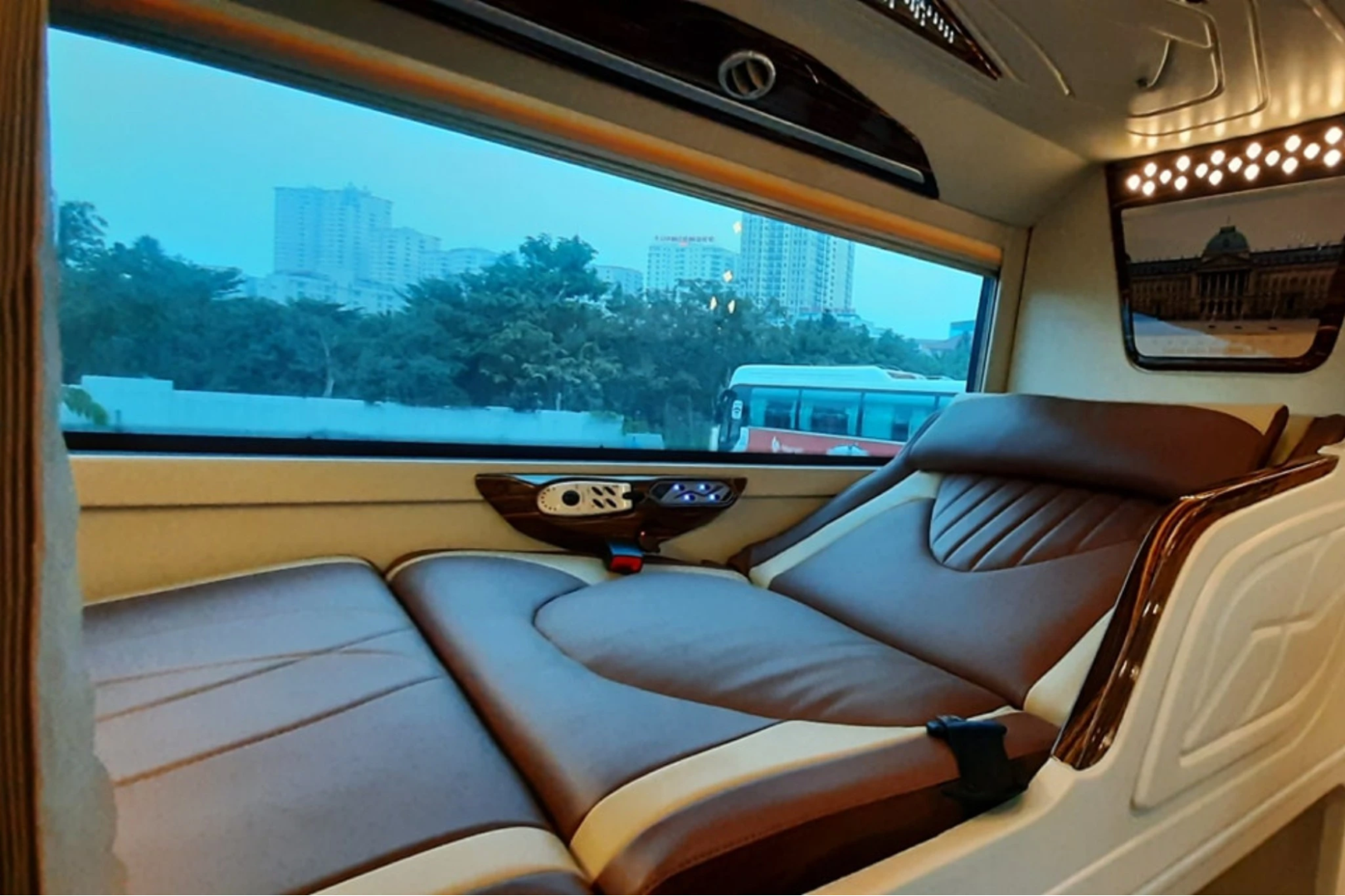
The sleeper bus is the most popular choice for travelers heading to Sapa from Hanoi, especially for those who prioritize comfort and cost-efficiency. Passengers can easily book tickets online through reputable bus company websites or other online booking platforms, and they can also purchase tickets directly at bus stations if preferred.
Ticket prices typically range from 180,000 to 350,000 VND per trip, depending on the bus quality and service provider. Most buses pick up passengers at major bus stations in Hanoi or central city locations, making it convenient for travelers to start their journey, while in Sapa, buses usually drop passengers off in the town center or near the train station and hotel areas, allowing easy access to further sightseeing.
Sleeper bus
The main advantage of the sleeper bus is its comfortable journey, thanks to cushioned reclining seats, blankets, and personal space, helping travelers recover after the approximately 315 km journey. Moreover, sleeper buses operate on fixed schedules during the day and night, allowing passengers to choose departure times that suit their itinerary, whether arriving in Sapa early in the morning or in the evening.
However, the route includes many winding mountain passes, so those prone to motion sickness should prepare medications or remedies. Additionally, during peak travel seasons, buses can fill up quickly, so booking 1–2 weeks in advance is recommended to secure a seat and preferred departure time.
Limousine Bus
Limousine buses remain one of the best choices for those who want a comfortable and hassle-free way to learn how to get to Sapa from Hanoi. Compared to the sleeper bus, this option is ideal for travelers who prioritize comfort, privacy, and a relaxed journey. Passengers can book tickets online through reputable bus company websites or other online booking platforms, making it easy to select preferred departure times and seat types. Ticket prices for limousine buses usually range from 300,000 to 500,000 VND per trip. The price is higher than a sleeper bus, but the journey offers spacious reclining seats, air conditioning, blankets, towels, and sometimes complimentary water or Wi-Fi, ensuring maximum comfort.
Limousine buses departing from Hanoi usually pick up passengers in the city center or at designated urban locations, making it convenient to reach the departure point. Upon arrival in Sapa, passengers are typically dropped off in the town center, close to hotels or major attractions, allowing easy continuation of their sightseeing journey.
The greatest advantage of limousine buses is the maximum comfort throughout the approximately 315 km journey, with private space and wide seats ideal for resting. This option is especially suitable for families or small groups who want a premium travel experience. Limousine buses also offer flexible schedules, including both daytime and nighttime trips, allowing travelers to plan their arrival in Sapa precisely and prepare for sightseeing and activities upon arrival.
However, the main drawback is the higher cost compared to sleeper buses, and during peak seasons, seat availability can be limited. Therefore, booking 1–2 weeks in advance is recommended to secure a spot and preferred departure time.
Train from Hanoi to Lao Cai (Near Sapa)
Traveling by train is a popular choice for those who want a relaxing journey while enjoying the northern mountainous scenery. Since Sapa does not have its own train station, trains stop at Lao Cai Station, which is approximately 35–40 km from Sapa. From there, travelers continue their journey to Sapa.

Train from Hanoi to Lao Cai (Near Sapa)
Although the train ride takes around 8 hours, it allows passengers to rest comfortably in a quiet and stable environment while also offering the opportunity to admire the vast plains and majestic mountain ranges along the route. For many visitors, taking the train is an enjoyable way to learn how to get to Sapa while experiencing the scenic beauty of northern Vietnam.
Train schedule and ticket prices
|
Train |
Departure (Hanoi) |
Arrival (Lao Cai) |
Seat/Bed Type |
Price (VND) |
|
SP1 |
21:35 |
05:15 |
Sleeper |
700,000 |
|
SP3 |
22:00 |
06:10 |
Sleeper |
700,000 |
|
SP7 |
22:40 |
06:30 |
Sleeper |
700,000 |
|
SP4 |
21:30 |
05:35 |
Sleeper |
700,000 |
Ticket prices may vary depending on the seat type and booking time, but overall, they are reasonable for a long journey that provides comfort and adequate rest for travelers.
International travelers can book tickets online via the official Vietnam Railways website (dsvn.vn) or reputable booking platforms. The booking process requires personal information such as full name, passport number, and contact details. After payment, an e-ticket will be sent via email, which can be printed or saved on a mobile device to present when boarding. Booking in advance is especially important during peak travel seasons to secure a seat and preferred departure time.
Traveling by train offers a relaxing experience, allowing passengers to rest after a long day or recharge for sightseeing activities in Sapa. However, the journey takes a considerable amount of time and requires a transfer from Lao Cai Station to Sapa, so travelers need to plan their itinerary carefully. Still, sitting on the train and watching the mountains gradually appear through the window is a unique and memorable experience, making the trip to the Northwest Highlands truly special.
Self-drive car and motorbike
For travelers who enjoy having full control and experiencing the trip their own way, self-driving cars or motorbikes are an exciting option to travel from Hanoi to Sapa. The approximately 315 km route passes through numerous winding mountain passes and the distinctive northern landscapes, offering a unique experience that other modes of transport cannot easily provide. Using a self-drive car or motorbike allows travelers to choose departure times, rest stops, and visit attractions along the way, creating a sense of adventure and flexibility far beyond buses or trains.
Before departure, travelers should thoroughly check their vehicle, prepare maps or GPS, and bring essential items such as helmets, raincoats, snacks, and water. Some sections of the route are winding mountain roads, so careful driving, maintaining reasonable speed, and taking breaks when tired are necessary. The journey from Hanoi to Sapa typically takes around 8 - 10 hours depending on road conditions and travel speed, but it offers complete control over the itinerary. Understanding the options and planning stops is an important part of learning how to get to Sapa via self-drive.
Traveling by self-drive car or motorbike provides flexibility in timing, stopping points, and opportunities to enjoy scenic views along the way. Travelers can stop wherever they like to take photos, admire the mountains, or visit local eateries, creating a free, private, and highly adventurous trip.
However, the long route with numerous mountain passes requires drivers to have experience, good health, and proper preparation. This journey can also be more tiring compared to public transportation, especially in bad weather. Additionally, fuel costs, tolls, and vehicle maintenance should be planned in advance to ensure a smooth and safe trip.
The detailed route from Hanoi to Sapa and scenic stops
Traveling from Hanoi to Sapa, the most common route follows National Highway 32 (QL32) or National Highway 70 (QL70) and then the Hanoi–Lao Cai Expressway (CT05), depending on the chosen path. The total distance is approximately 315 km, and the journey passes through several provinces with stunning northern landscapes. For many visitors planning their trip, understanding how to get to Sapa through these routes not only ensures a smooth journey but also allows them to enjoy the scenic beauty along the way.

The detailed route from Hanoi to Sapa and scenic stops
Hanoi to Vinh Phuc (Approximately 50–60 km)
Departing from central Hanoi, travelers head northwest on National Highway 2A (QL2A) or the Hanoi–Lao Cai Expressway (CT05). This first segment passes through suburban Hanoi and small towns of Vinh Phuc province, offering views of rolling hills and farmlands. Some travelers make a short detour to Tam Dao, a mountain town around 80 km from Hanoi, famous for its cool climate, misty hills, and panoramic views.
Vinh Phuc to Phu Tho (Approximately 50 km)
Continuing northwest, the route crosses Phu Tho province, following QL2 or the expressway CT05. This area features lush plains, rivers, and small ethnic villages. While not as mountainous as the later sections, this leg allows travelers to experience northern Vietnamese countryside and stop at local markets or roadside eateries for refreshments.
Phu Tho to Yen Bai (Approximately 120 km)
The journey enters Yen Bai province, where the landscape transitions into mountain foothills and river valleys. Travelers pass near Thac Ba Lake, a large reservoir surrounded by mountains. Stopping here offers opportunities for photography, short hikes, or relaxing by the water. The road begins to curve more frequently, signaling the approach to the highlands.
Yen Bai to Lao Cai (Approximately 90 km)
From Yen Bai, the route becomes more mountainous, following QL70 and then connecting to QL4D toward Lao Cai. This stretch includes winding mountain passes, green tea hills, small ethnic minority villages, and cascading waterfalls. Drivers should navigate carefully and can pause at local villages to experience H’mong and Dao cultures, taste traditional dishes, or buy handmade crafts.
Lao Cai to Sapa (Approximately 35–40 km)
The final leg climbs higher into the Hoang Lien Son mountains via QL4D. This road offers breathtaking views of terraced rice fields, forested slopes, and traditional highland villages. Depending on the season, travelers may see golden rice terraces during harvest or blossoming peach flowers in spring. The road is winding with sharp curves, so caution is advised. Upon arrival, Sapa town welcomes visitors with its cooler climate, bustling markets, and panoramic mountain vistas.
Discover Sapa fully and effortlessly with Sinhcafe – a trusted provider of high-quality tours, from trekking and visiting ethnic villages to experiencing the region’s unique culture and cuisine. Book your tour today to enjoy a safe, convenient journey guided by experts familiar with the Northwest Highlands, making your trip an unforgettable and truly immersive adventure.
Read more: Top 10 must-try things to do in Sapa for an unforgettable adventure
Reaching Sapa is an adventure in itself, with stunning landscapes and diverse travel options that cater to every type of traveler. By understanding how to get to Sapa, planning your route, and choosing the right transportation, you can maximize comfort, flexibility, and sightseeing opportunities along the way. Whether you prefer the convenience of buses and trains or the freedom of a self-drive journey, Sapa promises a memorable experience, rich in culture and natural beauty. Start planning your trip today and get ready to explore the charm of Vietnam’s Northwest Highlands.
Share via




Related articles
Top 10 must-try things to do in Sapa for an unforgettable adventure
Blog | 02/10/2025

Sapa or Ha Giang: Which Mountain Destination Is Better?
Posts | 02/07/2026

Sa Pa or Ha Giang in July and August? Where to Go for the Best Weather and Experiences in Northern Vietnam
Posts | 02/07/2026

Travel to Vietnam with Kids: The Complete Family Travel Guide
Posts | 26/06/2026









There are no reviews yet