


Fansipan weather guide: Temperature, best time & Forecast
Understanding Fansipan weather is essential before planning your journey to the highest mountain in Vietnam. Standing at 3,147 meters above sea level, Fansipan experiences cooler temperatures, stronger winds, and faster weather changes than nearby Sapa, meaning conditions can vary dramatically within a single day. From seasonal climate patterns and monthly temperatures to visibility and travel conditions, knowing what to expect will help you choose the best time to visit and prepare properly for a safe, comfortable, and memorable mountain experience.
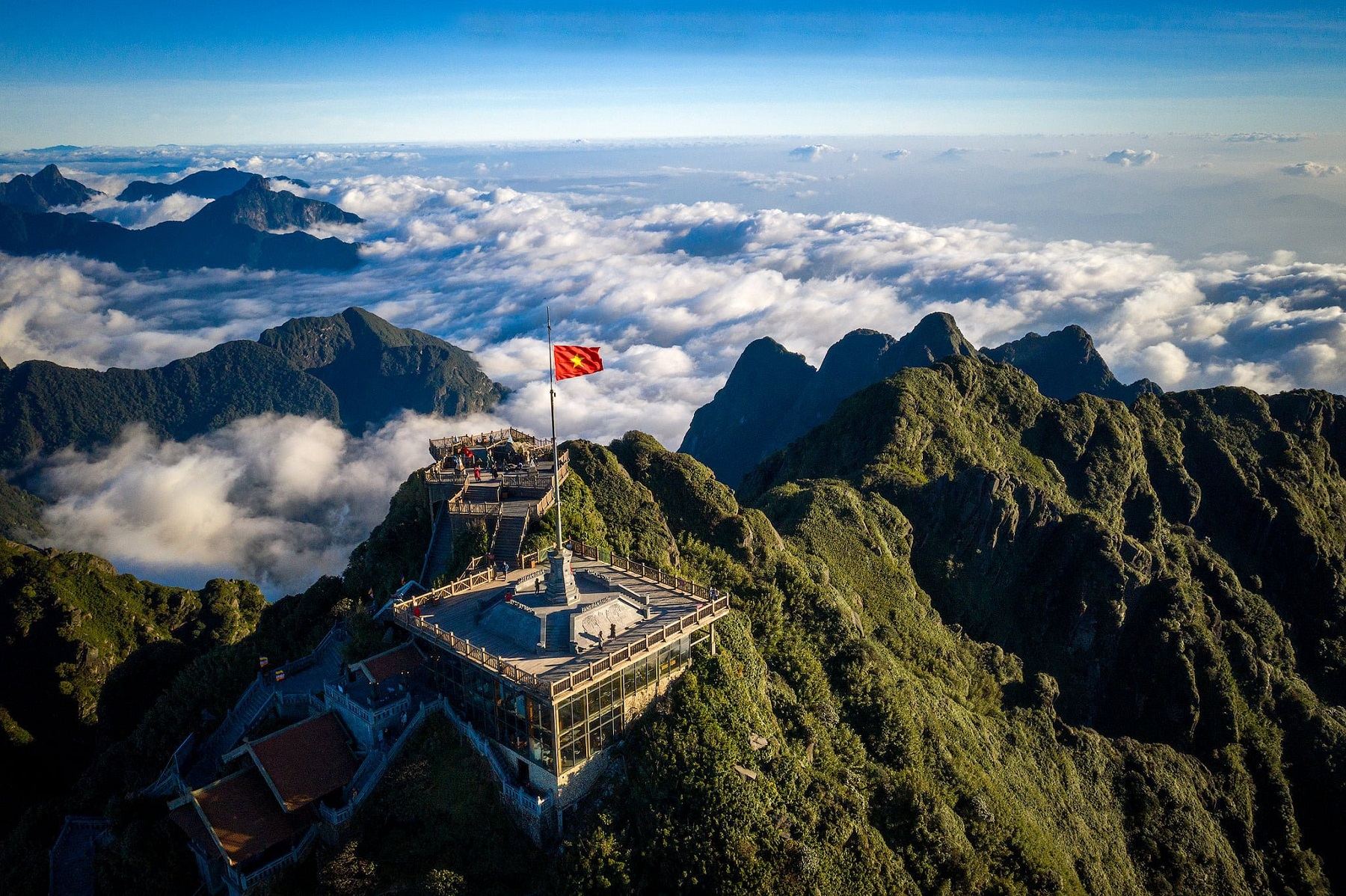
Understanding Fansipan weather is essential before planning your journey to the highest mountain in Vietnam. Standing at 3,147 meters above sea level, Fansipan experiences cooler temperatures, stronger winds, and faster weather changes than nearby Sapa, meaning conditions can vary dramatically within a single day. From seasonal climate patterns and monthly temperatures to visibility and travel conditions, knowing what to expect will help you choose the best time to visit and prepare properly for a safe, comfortable, and memorable mountain experience.
Where is Fansipan and why is the weather so different?
Located in Northwest Vietnam, Fansipan is part of the Hoang Lien Son mountain range and sits about 9 kilometers from the town of Sapa. Rising to an impressive height of 3,147 meters (10,326 feet), it is the highest peak in Vietnam and across the entire Indochina region, earning the nickname “The Roof of Indochina.” Because of this extreme elevation, Fansipan weather is noticeably different from the climate in nearby areas, travelers often feel the temperature drop significantly as they ascend from Sapa to the summit.
Why is the weather on Fansipan so different?
Many travelers assume the climate will be similar to Sapa, but the reality is quite different. From colder temperatures and stronger winds to fast-moving clouds, the environment on Vietnam’s highest peak is shaped by several powerful geographical factors. So, what exactly makes the weather on Fansipan so unique? Here are the key reasons behind these dramatic conditions.
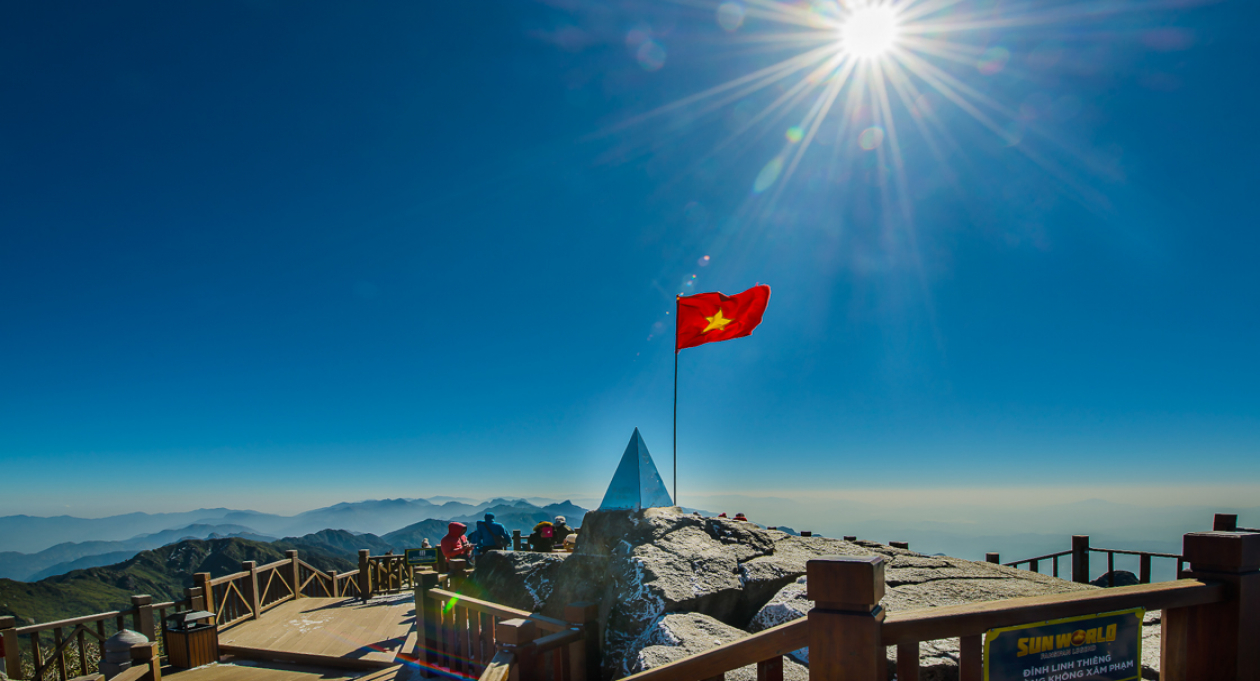
Where is Fansipan and why is the weather so different? (Source: Collected)
- High altitude causes cooler temperatures: Meteorological studies show that temperatures typically decrease by about 6–6.5°C for every 1,000 meters of elevation gain. As a result, mount fansipan weather is usually 8–10°C colder than in Sapa. During winter, temperatures can approach or even fall below freezing, surprising many visitors who do not expect such cold conditions in Vietnam.
- Mountain terrain traps clouds and creates fog: The surrounding rainforest and rugged landscape allow moisture to accumulate easily, shaping the unique fansipan mountain weather that is famous for its dramatic cloud formations. On many days, thick fog rolls across the slopes, while the summit rises above a breathtaking “sea of clouds,” creating one of the most iconic views in Southeast Asia.
- Stronger winds near the summit: As vegetation becomes sparse at higher elevations, there are fewer natural barriers to block the wind. This makes weather at fansipan feel even colder than the actual temperature due to the wind chill effect, something travelers should prepare for by wearing proper layers.
- Rapid weather changes throughout the day: One of the defining characteristics of weather in fansipan vietnam is its unpredictability. It is not unusual to experience sunshine in the morning, dense clouds by noon, and light rain or heavy mist later in the afternoon. These fast transitions are a major reason why checking the forecast before your trip is essential.
Read more: How to get to Sapa: Complete travel guide from Hanoi and beyond
Fansipan weather today
Checking fansipan weather now and fansipan weather today is one of the most important steps before deciding to visit the “Roof of Indochina.” Sitting at over 3,000 meters above sea level, Fansipan has a significantly cooler climate than Sapa, with temperatures typically 8–10°C lower and often accompanied by strong winds and high humidity. Even when the town below enjoys clear skies, conditions related to weather at fansipan can be dramatically different.
Fansipan weather today (Source: Vinwonders)
Unlike lowland destinations, mountain climates can shift rapidly. Visitors may experience bright sunshine in the morning, only to see thick clouds roll in by midday and visibility drop within minutes. Because of this unpredictability, checking the weather shortly before departure is not just recommended, it is essential for a smooth and enjoyable trip.
Key factors to check before visiting Fansipan today
When reviewing fansipan weather now, avoid focusing solely on temperature. Your actual experience at the summit depends on several interconnected elements.
- Temperature and real feel: Fansipan remains cool throughout the year, with early mornings and late afternoons feeling especially cold. Strong winds often make the real-feel temperature several degrees lower than the forecast, which explains why many travelers are surprised by how chilly it can be.
- Wind conditions: Higher elevations mean fewer natural barriers, allowing wind to move freely across the summit. Persistent winds can intensify the cold and sometimes make outdoor exploration less comfortable.
- Visibility and fog: While Fansipan is famous for its breathtaking cloud seas, excessive fog can completely block panoramic views. If your goal is photography or landscape viewing, visibility should be a top priority when monitoring weather in Fansipan Vietnam.
- Rain and humidity: Rainfall patterns at high altitude can differ from those in Sapa. It is not uncommon for the town to experience light rain while the summit is covered in dense mist or steady showers, a defining characteristic of mountain weather.
- Cable car operations: Weather directly affects transportation to the summit. Strong winds, thunderstorms, or extremely low visibility may lead to temporary cable car suspensions for safety reasons. Checking conditions in advance helps prevent unexpected disruptions to your itinerary.
Keep in mind that if Sapa feels cold, Fansipan will likely be much colder.
Signs of a good day to visit Fansipan
Even without meteorological expertise, a few simple observations can help you estimate whether conditions are likely to be favorable:
-
Clear skies in Sapa during the early morning
-
Minimal wind at ground level
-
No heavy rain overnight
-
Visible mountain ranges from town
On the other hand, if Sapa wakes up under thick fog, there is a strong chance the summit is experiencing limited visibility as well, a common pattern when comparing sapa fansipan weather conditions across elevations.
Reliable ways to get accurate Fansipan weather updates
Weather apps are useful, but they sometimes rely on data collected at lower elevations, which may not accurately reflect summit conditions. The best approach is to combine multiple sources.
Joining Sapa travel communities or Fansipan trekking groups on platforms such as Facebook or Zalo can provide valuable real-time insights. In these groups, you can often find hourly updates from local residents, drivers, tour guides, and travelers who have just reached the peak. Many share photos and videos taken the same day, offering a realistic view of cloud cover, visibility, wind conditions, and even cable car status.
A single real-time image from the cable car station can be more informative than a generic “cloudy” icon on a weather app.
If you notice clear skies and long-distance visibility in recent posts, consider heading up early. Favorable weather windows on Fansipan sometimes last only a few hours.
Fansipan temperature year round
Understanding fansipan temperature throughout the year is essential for planning a comfortable and rewarding trip. Thanks to its elevation of 3,147 meters, Mount Fansipan enjoys a cool mountain climate that differs greatly from much of Vietnam. Temperatures remain lower than in nearby Sapa in every season, and conditions can shift quickly depending on cloud cover, wind, and rainfall.
Winter (December – February): Cold, dramatic, and occasionally frozen
Winter brings the lowest Fansipan temperature of the year, typically ranging from -3°C to 8°C during the day, with nighttime temperatures sometimes dropping below freezing. Strong winds at the summit often make it feel even colder than the forecast suggests.
During intense cold waves, frost and occasional snowfall can cover stairways, railings, and vegetation - a rare sight in Southeast Asia. These icy conditions create a striking landscape that feels almost alpine.
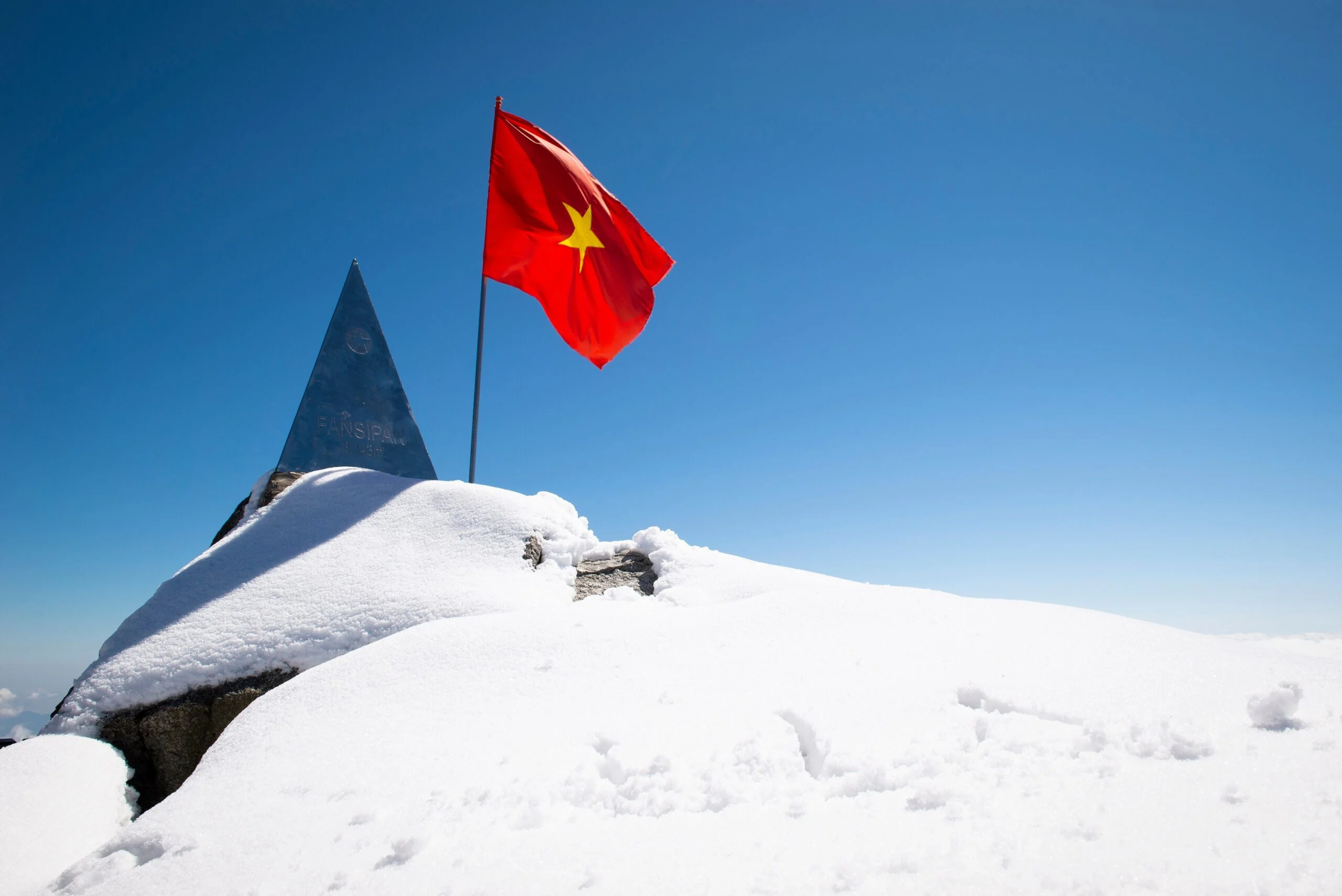
Winter covers Fansipan in frost and cold mountain air, occasionally creating icy landscapes rarely seen in Southeast Asia (Source: Vietnamnet)
Sunlight in winter is less predictable. Many mornings begin with thick fog, but when cold air clears the sky, the mountain can experience beautifully crisp sunshine. On clear days, sunlight usually appears later in the morning, around 9–10 AM, once the fog begins to lift. However, daylight hours are shorter, and temperatures fall quickly after mid-afternoon as the sun lowers behind the mountain ridges.
Visibility can fluctuate dramatically, but the clearest days often arrive right after a strong cold front passes, rewarding early visitors with deep blue skies and sweeping views above the clouds.
Spring (March – May): Mild temperatures and blooming landscapes
As winter fades, Fansipan temperature gradually rises to a comfortable range of 8°C to 18°C. This transitional season is known for relatively stable weather before the heavier summer rains arrive.
One of the defining features of spring is the explosion of plant life. Rhododendrons and other mountain flowers bloom across the slopes, painting the landscape in vibrant shades of pink, red, and white against ancient forests.
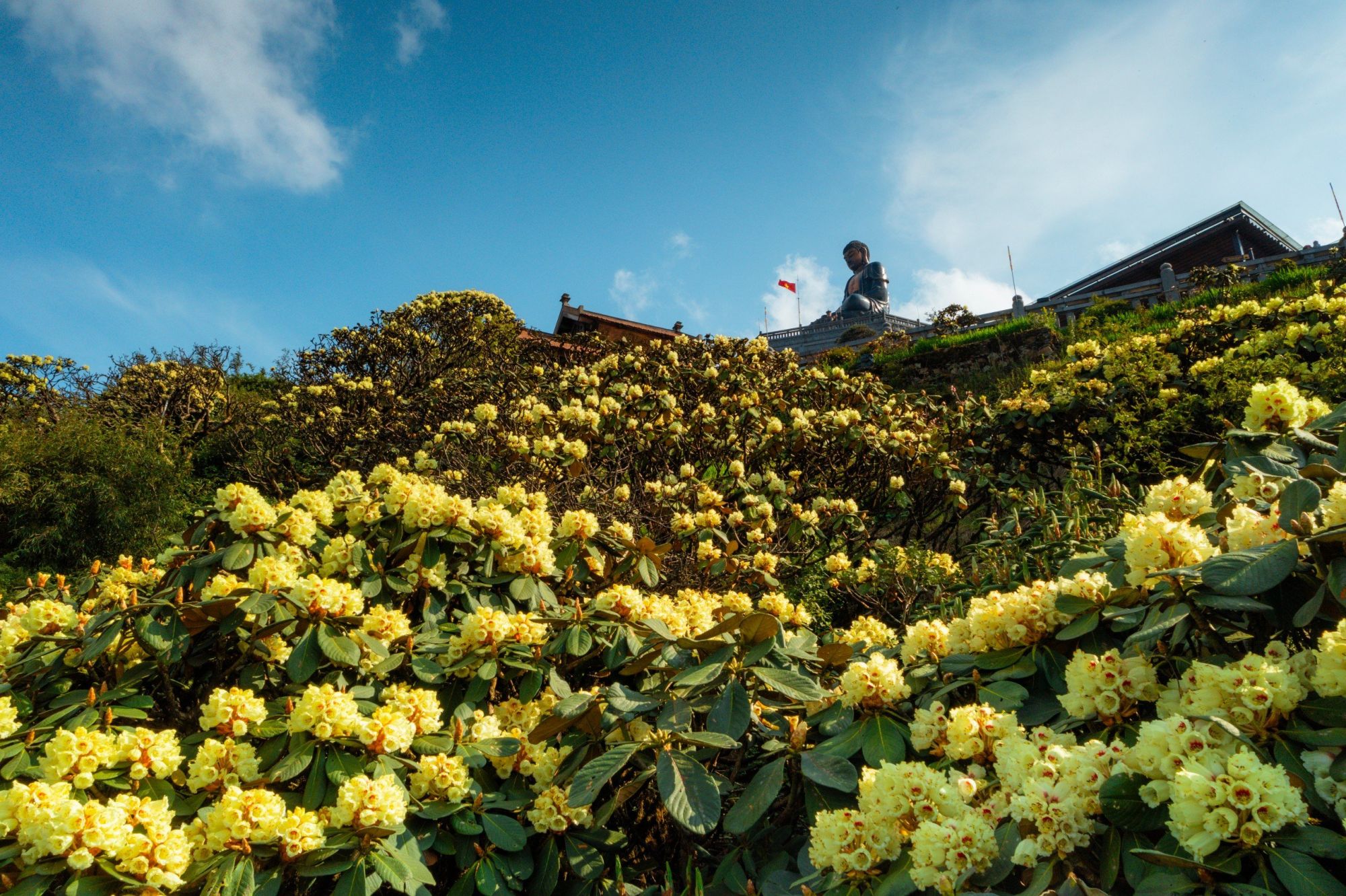
Spring brings fresh air, blooming flowers, and soft sunlight to Fansipan, transforming the mountain into a vibrant natural landscape (Source: Laodong news)
Sunshine becomes more consistent during this period. Mornings often start cool with thin mist, but sunlight typically breaks through between 7:30 and 9 AM, creating ideal lighting for photography. The combination of gentle sun and drifting clouds produces layered mountain views that feel both expansive and serene.
Afternoons tend to remain bright, though occasional passing clouds can soften the light without fully blocking the scenery. Overall, spring offers one of the best balances between comfortable temperatures and reliable sunshine.
Summer (June – August): Cool escape with lush green scenery
While much of northern Vietnam experiences intense heat, mount fansipan weather stays relatively cool thanks to the elevation, with temperatures averaging 12°C to 22°C. This makes the mountain a refreshing retreat from the lowland humidity.
Summer landscapes are defined by deep greenery. Frequent rainfall nourishes dense forests, and the entire mountain appears vibrant and full of life. After showers, sunlight filtering through lingering mist often creates dramatic light beams across the valleys.

During summer, Fansipan’s lush green forests thrive under frequent rainfall, with clearer skies often appearing in the early morning before clouds gather (Source: Bao HaiPhong)
However, sunshine in summer follows a different rhythm. Clear skies are most common in the early morning, often shortly after sunrise, before cloud buildup increases toward midday. By afternoon, convective clouds may bring sudden rain or thunderstorms, sometimes reducing visibility.
When the weather clears after rainfall, the atmosphere becomes exceptionally transparent, allowing for surprisingly long-distance views. Still, flexibility is important when visiting during this season due to its unpredictability.
Autumn (September – November): Clear skies and ideal visibility
Autumn is widely considered the most favorable season in terms of fansipan temperature, which generally ranges from 8°C to 18°C. Lower humidity, calmer winds, and reduced rainfall create stable atmospheric conditions.
What truly distinguishes autumn is the quality of light. Skies are often clearer, and sunlight arrives early, frequently just after sunrise, around 6–7 AM, illuminating the cloud layers below the summit. These golden morning hours are particularly famous for the “sea of clouds” phenomenon, when the peak rises above a vast blanket of white.
Throughout the day, sunlight remains relatively steady, with fewer sudden weather shifts than in summer. Late afternoons can also deliver warm, angled light that enhances the mountain’s dramatic contours.
The air feels crisp but not excessively cold, making outdoor exploration comfortable while still preserving the refreshing sensation of high-altitude travel.
Fansipan weather by month
If seasonal weather still feels too broad for planning your trip, understanding Fansipan weather by month provides a much clearer picture. Due to its elevation of over 3,000 meters, the climate on Fansipan shifts noticeably throughout the year, from rare icy days early on to spectacular cloud-hunting conditions in late autumn.
Tracking weather month by month not only helps you pack appropriately but also improves your chances of experiencing the scenery you want, whether that means clear panoramic views, blooming mountain flowers, or dramatic cloud formations at sunrise.
Below is a detailed overview of temperatures, weather characteristics, and visibility conditions on Fansipan throughout the year.
| Month | Average Temperature | Weather Highlights | Visibility & Sunshine | Travel Notes |
|---|---|---|---|---|
| January | -3°C – 6°C | Coldest month; possible frost or rare snowfall | Sunshine appears late (after 9–10 AM); frequent fog | Warm layers are essential; scenery can be dramatic |
| February | 0°C – 8°C | Still cold but slightly more comfortable | More clear days after cold fronts | Great for those who enjoy winter-like conditions |
| March | 5°C – 12°C | Gradual warming with lower humidity | Sun typically emerges around 8 AM | The mountain begins transitioning into spring |
| April | 8°C – 15°C | Stable weather; rhododendrons begin to bloom | Higher chance of clear early mornings | One of the most beautiful months to visit |
| May | 10°C – 18°C | Pleasant temperatures with lush greenery | More consistent sunshine; clouds not yet dense | Suitable for light trekking |
| June | 12°C – 20°C | Start of the rainy season; cool air | Bright mornings are common | Visit early to avoid afternoon showers |
| July | 14°C – 22°C | Wettest period with thick cloud cover | Fewer sunshine hours; visibility varies | Check forecasts carefully before going |
| August | 13°C – 21°C | Still humid but occasional clear intervals | Sunshine appears between passing clouds | Landscapes are at their greenest |
| September | 10°C – 18°C | Rain decreases; weather stabilizes | Visibility improves noticeably | Beginning of cloud-hunting season |
| October | 8°C – 16°C | Dry air and clear skies | Beautiful sunlight from early morning; vivid sunrises | Considered one of the best months to visit |
| November | 5°C – 13°C | Cool with minimal rainfall | Soft, photo-friendly light | A good balance between chilly and comfortable |
| December | 0°C – 7°C | Stronger winds signal the return of winter | Shorter sunshine window; temperatures drop quickly after sunset | Prepare proper cold-weather gear |
Best time to visit Fansipan based on weather
The best time to visit Fansipan based on weather is typically from September to November. During this period, the mountain enjoys some of its most stable atmospheric conditions of the year, making it the ideal window for travelers who prioritize clear views and comfortable temperatures.
Average temperatures range between 8°C and 18°C, cool enough to feel refreshing without being harsh. Rainfall drops significantly compared to the summer months, humidity is lower, and winds are usually calmer — all key factors that improve visibility from the summit.
One of the biggest highlights of visiting Fansipan in autumn is the quality of light. Skies often clear early in the morning, sometimes shortly after sunrise, allowing visitors to witness the famous “sea of clouds” glowing under golden sunlight. With fewer sudden weather shifts, your chances of enjoying wide panoramic views are much higher than at other times of the year.
For first-time visitors especially, this season offers the safest balance between scenery, accessibility, and overall travel comfort.
If you cannot travel during the peak autumn months, March to April is a strong alternative thanks to its mild temperatures, relatively stable weather, and increasing sunshine after winter fades. For travelers who enjoy dramatic scenery, the winter period from December to February offers a colder but memorable atmosphere, with chances of frost and exceptionally clear views after cold fronts. Meanwhile, early summer (May to June) can still be a reasonable option if you start your trip early in the morning, when skies are typically clearer before clouds and showers develop later in the day.
Planning your trip during the best weather window? Booking transportation and tours in advance can help you avoid last-minute disruptions, especially during peak months. With years of experience in Northern Vietnam, Sinhcafe offers reliable transfers, guided tours, and flexible travel options to help you reach Fansipan safely and comfortably, no matter the season.
Fansipan cable car weather conditions
Before heading to Vietnam’s highest mountain, understanding how weather affects transportation is essential. The cable car is the fastest and most popular way to reach the summit, but operations are closely tied to Fansipan cable car weather conditions. Because the system runs across steep terrain and high altitudes, safety always takes priority, meaning sudden weather changes can occasionally disrupt service.

The Fansipan cable car glides above the Hoang Lien Son mountains, offering panoramic views of valleys, forests, and drifting clouds on the journey to Vietnam’s highest peak (Source: Vietnam Express)
Weather conditions that may affect cable car operations:
- Strong winds: High-altitude wind speeds can increase quickly, especially during seasonal transitions or ahead of storms. When winds exceed safety thresholds, departures may be delayed or temporarily suspended.
- Thunderstorms and heavy rain: Lightning presents a serious operational risk. During periods of intense rain or electrical storms, more common in summer, the cable car may pause until conditions stabilize.
- Dense fog and low visibility: While fog alone does not always stop operations, extremely low visibility can lead to precautionary delays. Thick cloud cover is more likely during humid or rapidly changing weather.
- Cold fronts in winter: Sharp temperature drops sometimes bring icy conditions that require additional safety checks before the system resumes normal service.
Read more: Top 10 must-try things to do in Sapa for an unforgettable adventure
Fansipan weather plays a defining role in shaping your travel experience, influencing everything from visibility at the summit to transportation and overall comfort. By understanding seasonal patterns, checking forecasts before departure, and preparing for sudden changes, you can greatly improve your chances of enjoying clear views and stable conditions. No matter when you visit, thoughtful planning ensures your journey to the Roof of Indochina is not only smooth but truly unforgettable.
Share via




Related articles
Top 10 must-try things to do in Sapa for an unforgettable adventure
Blog | 02/10/2025

Sa Pa or Ha Giang in July and August? Where to Go for the Best Weather and Experiences in Northern Vietnam
Posts | 02/07/2026

Travel to Vietnam with Kids: The Complete Family Travel Guide
Posts | 26/06/2026
How to get to Sapa: Complete travel guide from Hanoi and beyond
Blog | 03/10/2025









There are no reviews yet