


Is It Safe to Travel to Vietnam? A Practical Guide to Scams, Solo Travel & Emergency Tips
Is it safe to travel to Vietnam? From common scams to solo travel and road safety, here’s what to know before setting off.
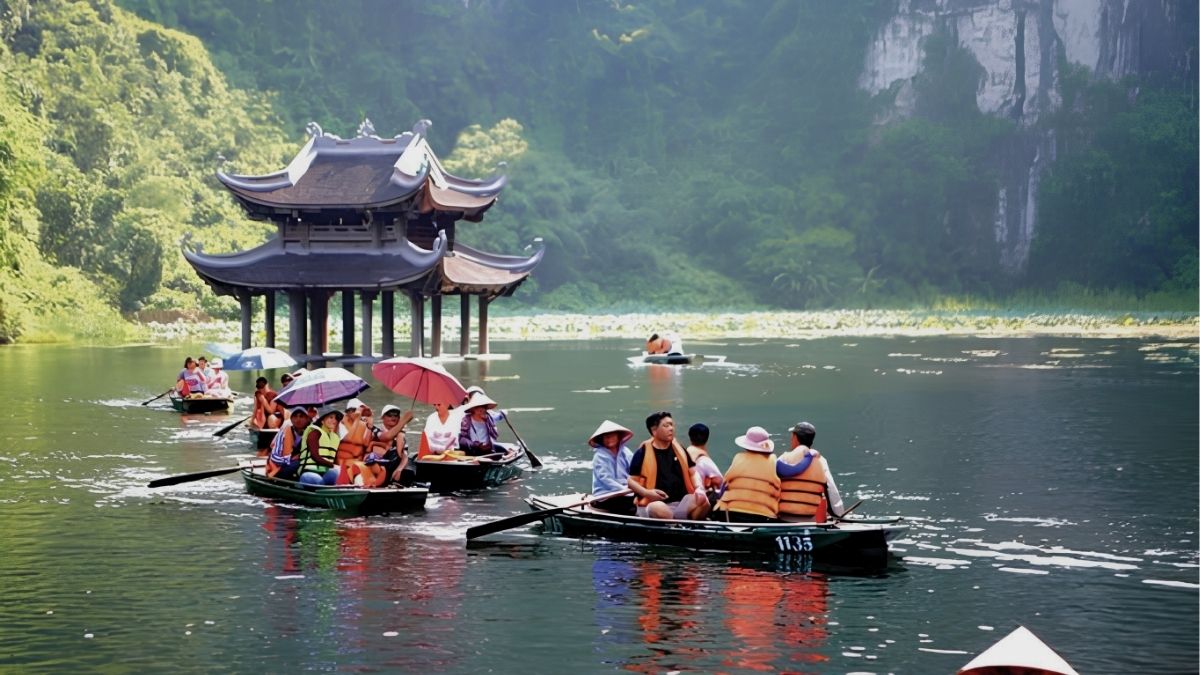
Vietnam is generally a safe destination for tourists, but a smooth trip still depends on knowing what to watch out for. Common scams, busy traffic and a few everyday travel risks can catch visitors off guard, especially when exploring the country for the first time. This guide takes a closer look at what safety in Vietnam really means and the practical steps you can take to travel with greater confidence.
Is it safe to travel to Vietnam?
Yes, Vietnam is generally safe for tourists, including independent, family and solo travelers. While no destination is completely risk-free, serious crime is not the main concern for most visitors. Travelers are more likely to encounter everyday issues such as petty theft, bag snatching, travel scams and the challenges of navigating busy roads.
Personal belongings deserve extra attention in crowded places, particularly in busy city centers, popular tourist areas and other locations where visitors may be distracted. Keeping your phone, wallet and passport secure, and avoiding the display of valuable items can help reduce the risk of theft.
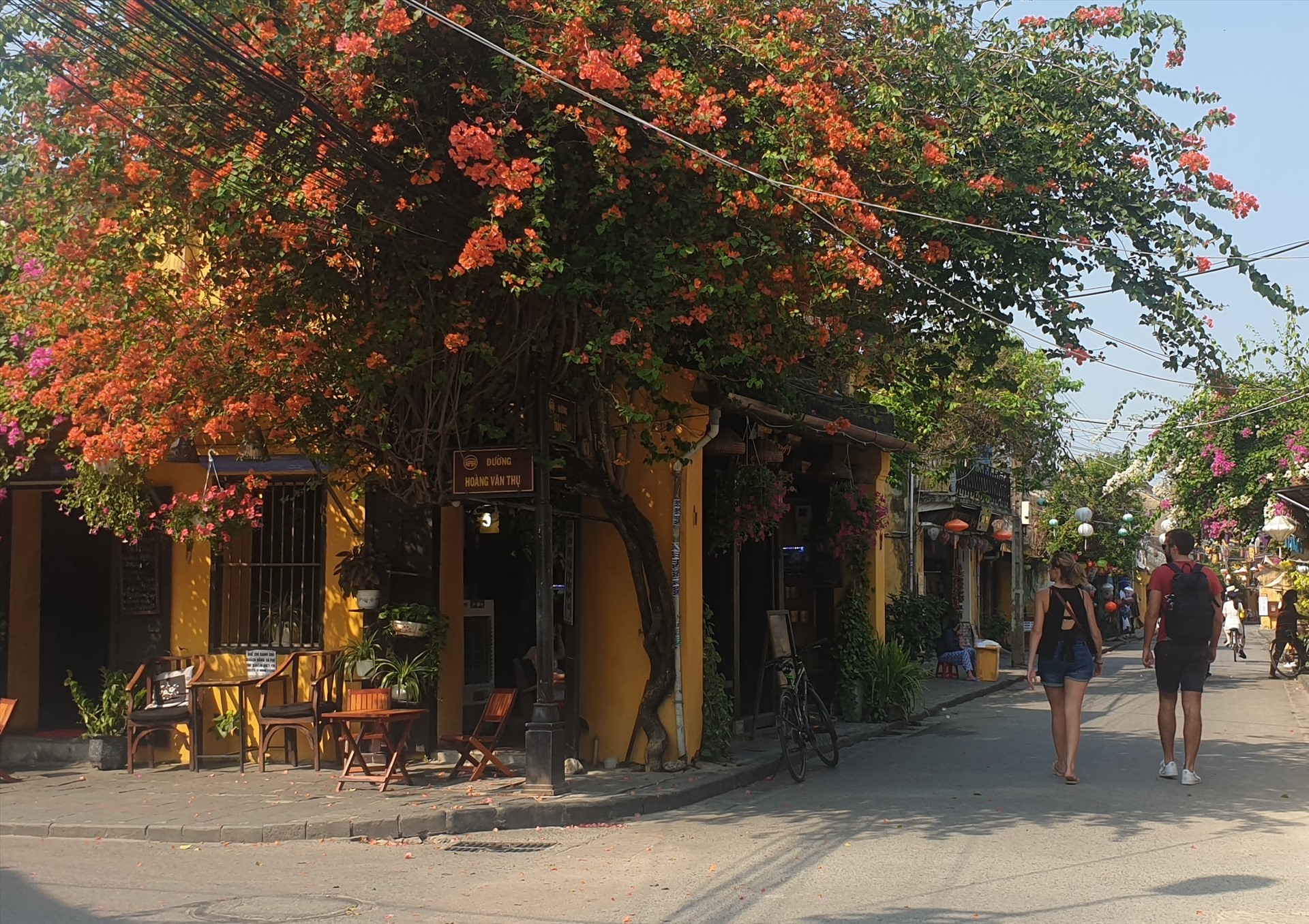
Hoi An ancient town offers a charming and safe environment for walking tours (Source: Bao Laodong)
Traffic is another safety issue that first-time visitors should take seriously. Crossing busy streets, riding on a motorbike or traveling on unfamiliar roads can feel challenging, especially in large cities or mountainous areas. Extra caution is also advisable when traveling at night or covering long distances. With basic precautions and an awareness of these common risks, most travelers can explore Vietnam safely and with confidence.
The most common travel scams in Vietnam and how to avoid them
Tourists in Vietnam may encounter a range of scams, from inflated transportation fares and misleading tour offers to unclear restaurant charges and fake e-visa websites. Most are easy to avoid once you know what to look for, so understanding the common tactics can help you protect your money and personal information throughout your trip.
Taxi scams and inflated fares
Transportation scams are among the issues tourists are most likely to encounter, particularly when they are unfamiliar with local prices. A driver may refuse to use the meter, quote an unusually high fare, take a longer route than necessary or add unexpected charges at the end of the journey. Independent taxis waiting outside airports, bus stations and major tourist attractions can be particularly difficult to assess when you have just arrived.
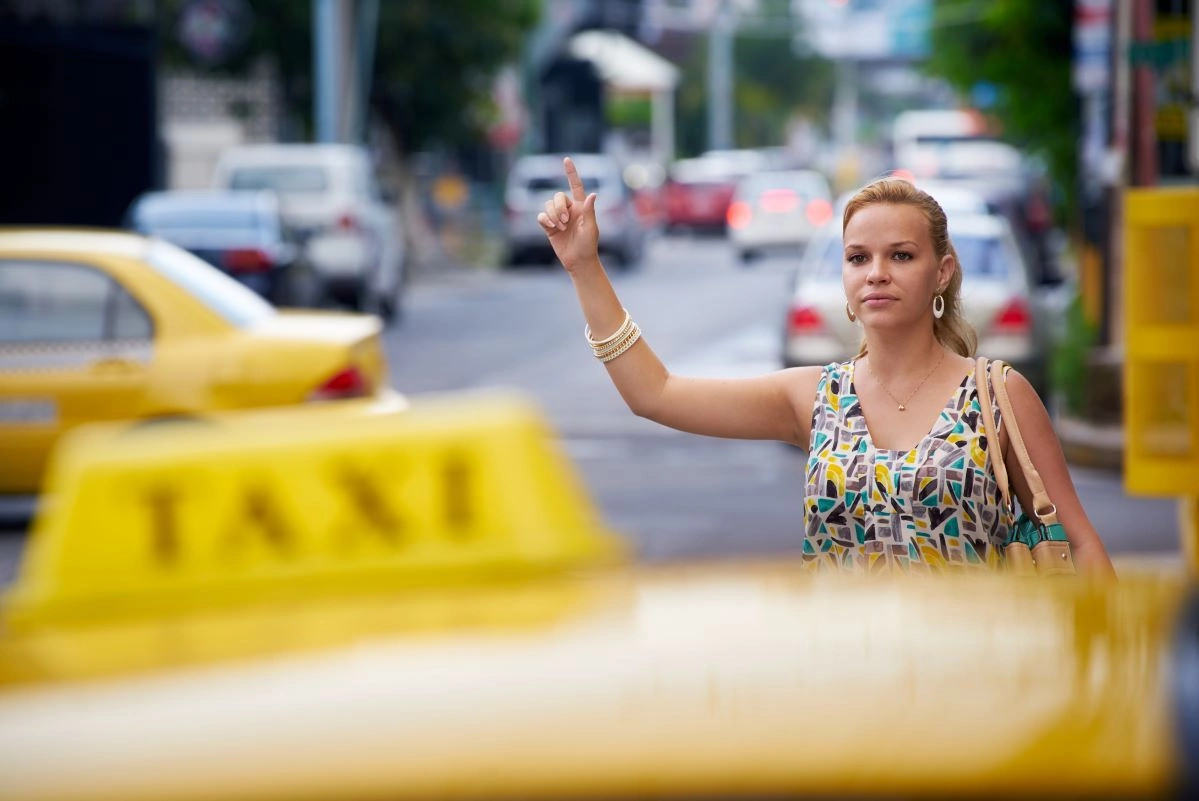
Choosing reputable taxi services ensures transparent fares and safe transportation (Source: VnExpress)
Another common tactic is approaching travelers directly and offering a taxi or private transfer. To avoid overcharging or unauthorized drivers, book through established apps such as Grab, Green SM, or Be, which let you check the driver, vehicle and fare details before the trip. If taking a traditional taxi, choose a well-known company and check its official branding rather than accepting a ride from someone who approaches you unsolicited.
Misleading tour offers and hidden costs
Tour scams do not always involve a fake company. Sometimes, the problem is a very cheap tour with extra costs added later. A tour advertised at $20, for example, may not include entrance fees, meals or certain activities. The U.S. Federal Trade Commission also advises travelers to check the full details of a travel offer and research reviews before paying.
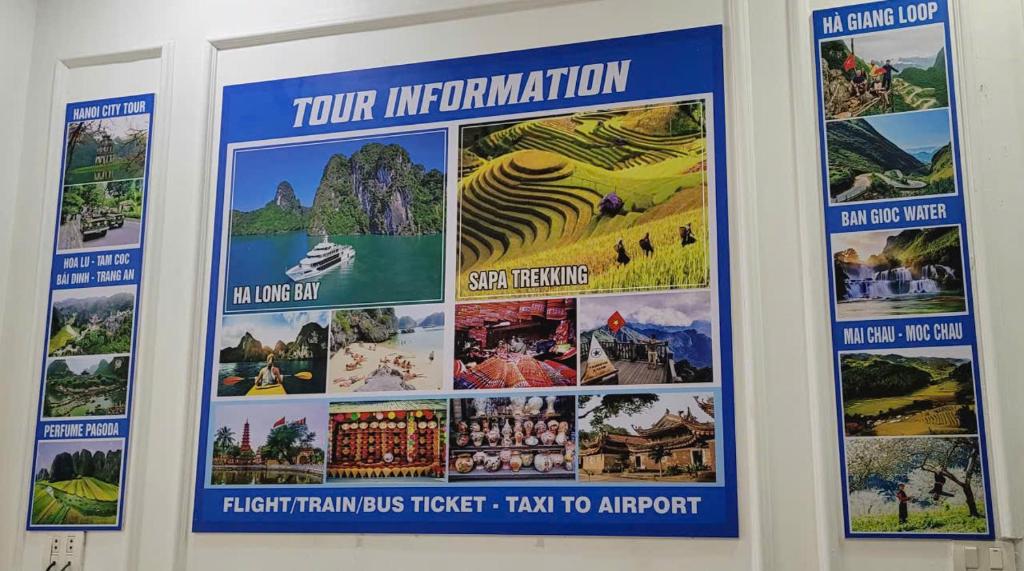
Booking tours through clear, established agencies prevents unexpected travel costs (Source: Tung Trang Hotel)
Be careful if an agent pressures you to book immediately or cannot give you a clear itinerary and price breakdown. Before paying, check recent reviews, confirm what is included and get the departure time, itinerary and total price in writing. This gives you something to refer to if the service is different from what was promised.
Fake Vietnam e-visa websites
A Vietnam e-visa scam can be difficult to spot because some websites are designed to look official. Others are legitimate private visa services but may not clearly explain that they charge an additional fee for assisting with the application, leaving travelers unaware of the difference until after payment.
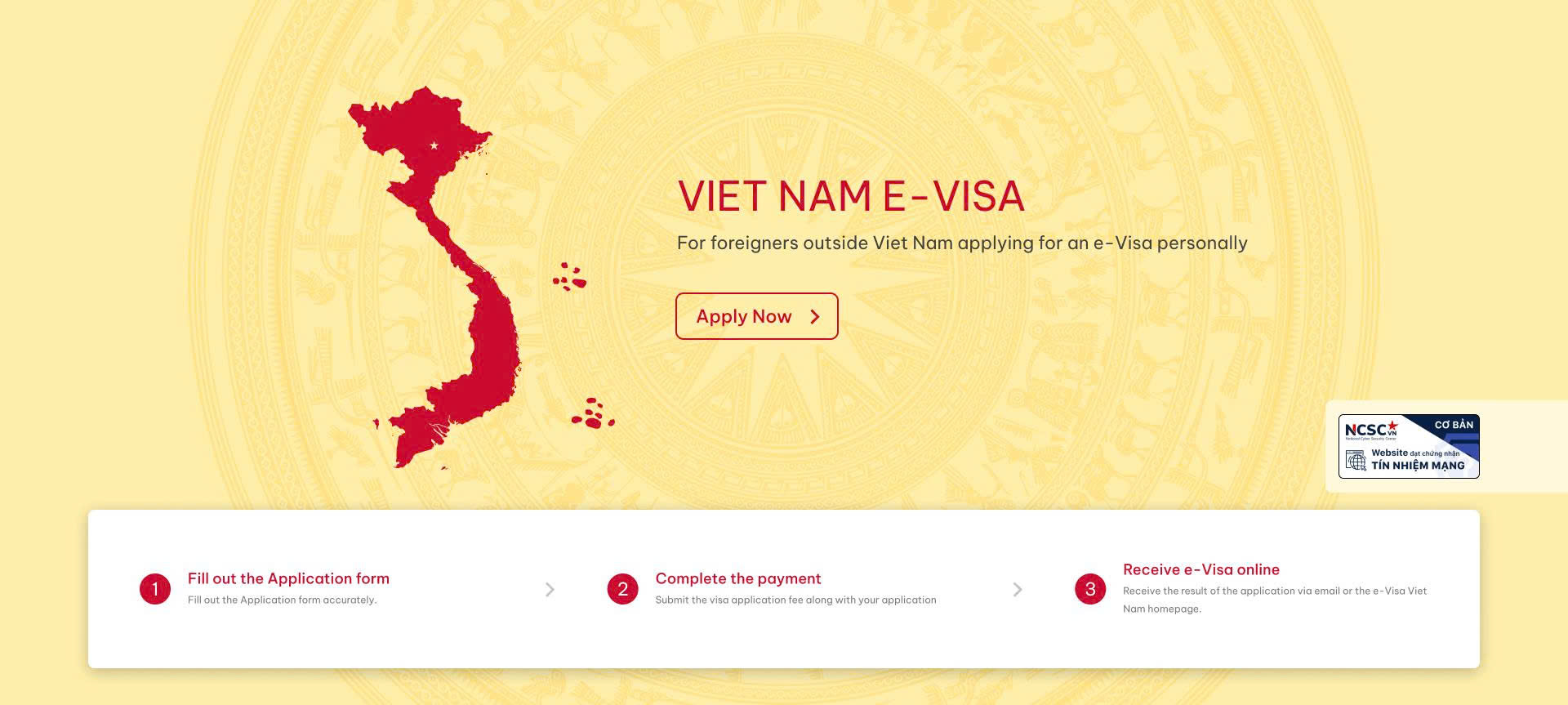
Using official government portals protects travelers from online visa scams (Source: e-visa website)
The safest approach is to start with Vietnam's official e-visa portal and check the website address carefully before submitting any personal information. Be cautious if a site creates unnecessary urgency, claims to be an official government website without clear evidence or does not clearly explain its fees. A private visa agency is not automatically fraudulent, but travelers should know when they are paying for an additional service rather than the government application itself.
Restaurant and shopping scams
In some tourist areas, visitors may be shown a menu without clear prices, charged more than expected for an item or find additional products added to the bill. Seafood and other foods sold by weight can also cause confusion if the price is not confirmed before ordering.
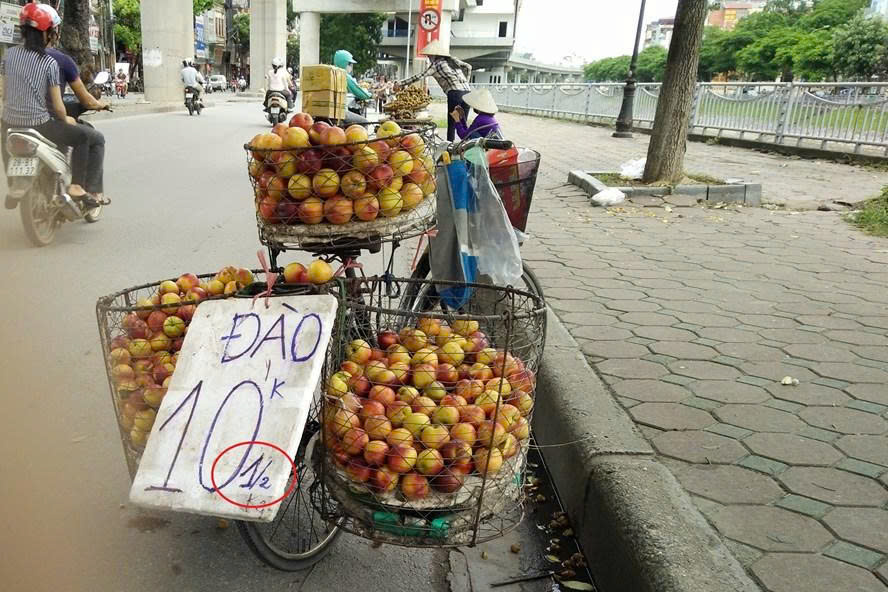
Clear price tags on street vendors' carts help prevent misunderstandings when buying fruit (Source: Collected)
Before eating or buying something, check the displayed price and ask whether it is charged per portion, kilogram or person. If a menu does not show prices clearly, choose another place or confirm the cost before ordering. Checking the bill before paying is also a simple habit that can prevent small misunderstandings from becoming expensive ones.
ATM and card payment scams
When withdrawing cash, travelers should be cautious of unofficial assistance around ATMs. Someone may offer to help with the machine, distract you during a transaction or encourage you to use a particular ATM. Card-payment problems can also occur when a merchant enters an incorrect amount or asks you to make several attempts without clearly explaining what happened.
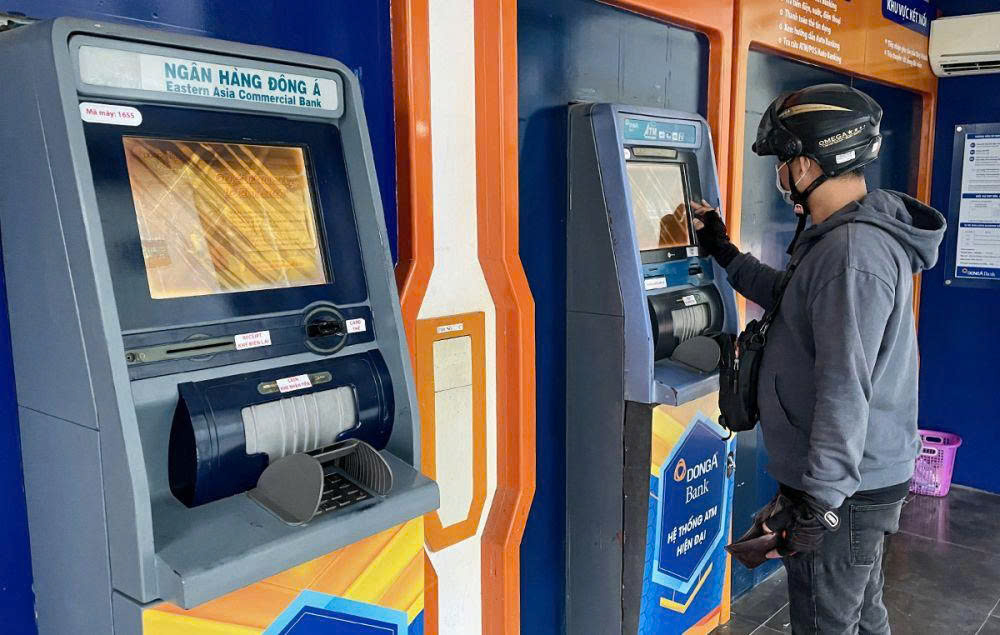
Using secure ATM locations helps protect travelers against common payment scams (Source: Collected)
Use ATMs located inside banks or other secure, well-maintained locations whenever possible. Check the amount displayed on the payment terminal before confirming a transaction, keep your card in sight and review your bank notifications regularly. If a payment appears suspicious, contact your bank or card provider as soon as possible.
Read more: Northern Vietnam: Why It Remains Vietnam's Most Diverse Travel Region
Is Vietnam safe for solo travelers, including solo female travelers?
Vietnam is generally a comfortable place for solo travelers, including women traveling alone. Most of the things you need to watch out for are simple: keep your belongings safe, use reliable transport and be a little more careful when you are out alone at night.
When choosing a place to stay, check recent reviews and pick somewhere in a convenient area. Keep your passport, phone and other valuables somewhere secure, and avoid quiet streets or poorly lit areas late at night. For taxis, use apps such as Grab, G SM or Be so you can check the driver and fare before getting in.
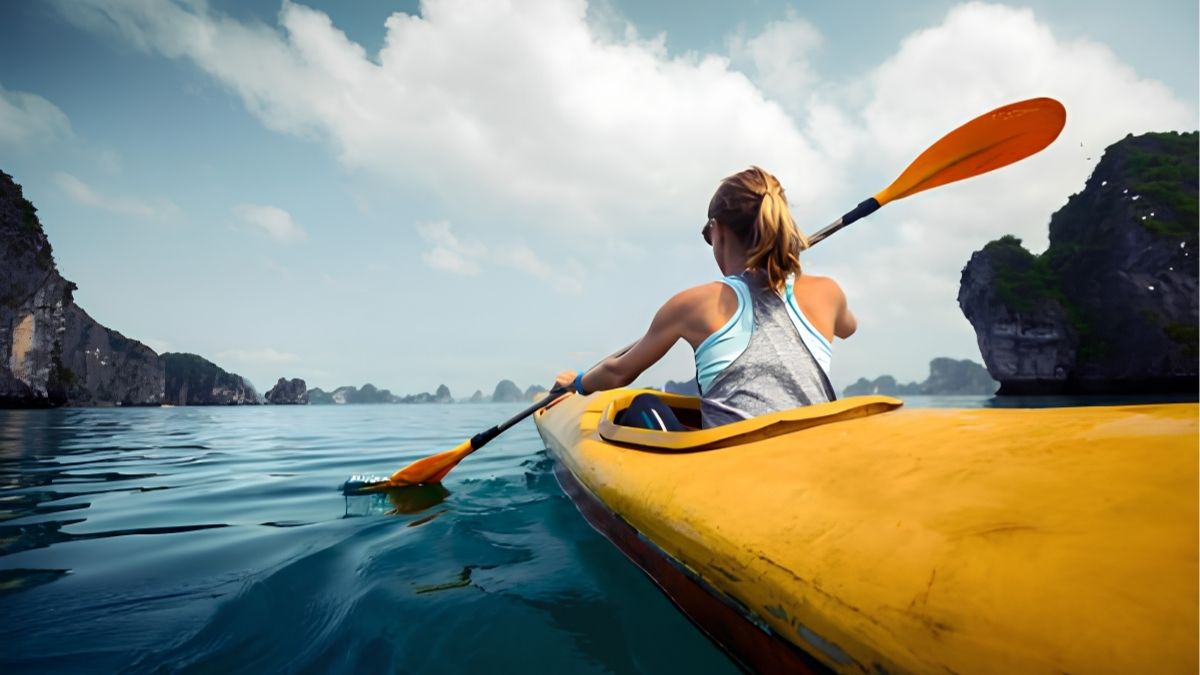 Guided kayaking trips offer safe water activities for solo female travelers (Source: VnExpress)
Women traveling alone should also feel comfortable saying no if someone is being too persistent. You do not have to stay in a conversation just to be polite. If you go out at night, keep an eye on your drink and belongings, avoid sharing too much personal information and plan how you will get back to your hotel.
If you would rather not arrange everything yourself, joining a small-group tour can make things easier. For example, SinhCafe offers a 2-day Sapa trekking tour and Vietnam tour packages covering several destinations.
Read more: North Vietnam itinerary 10 days: The only guide you need for a perfect trip
Other safety risks to consider when traveling around Vietnam
Safety in Vietnam is not only about scams or personal belongings. Depending on where and when you travel, food hygiene, weather and road conditions can also affect how smoothly your trip goes.
Food, health and hygiene concerns during your trip
Vietnam's street food is one of the highlights of traveling around the country, and most visitors enjoy it without serious problems. Still, it is worth paying attention to basic food hygiene, particularly when eating at street stalls or places where food has been left out for a long time. Choosing busy food stalls with a high turnover of customers can be a simple way to reduce the risk of food-related problems.
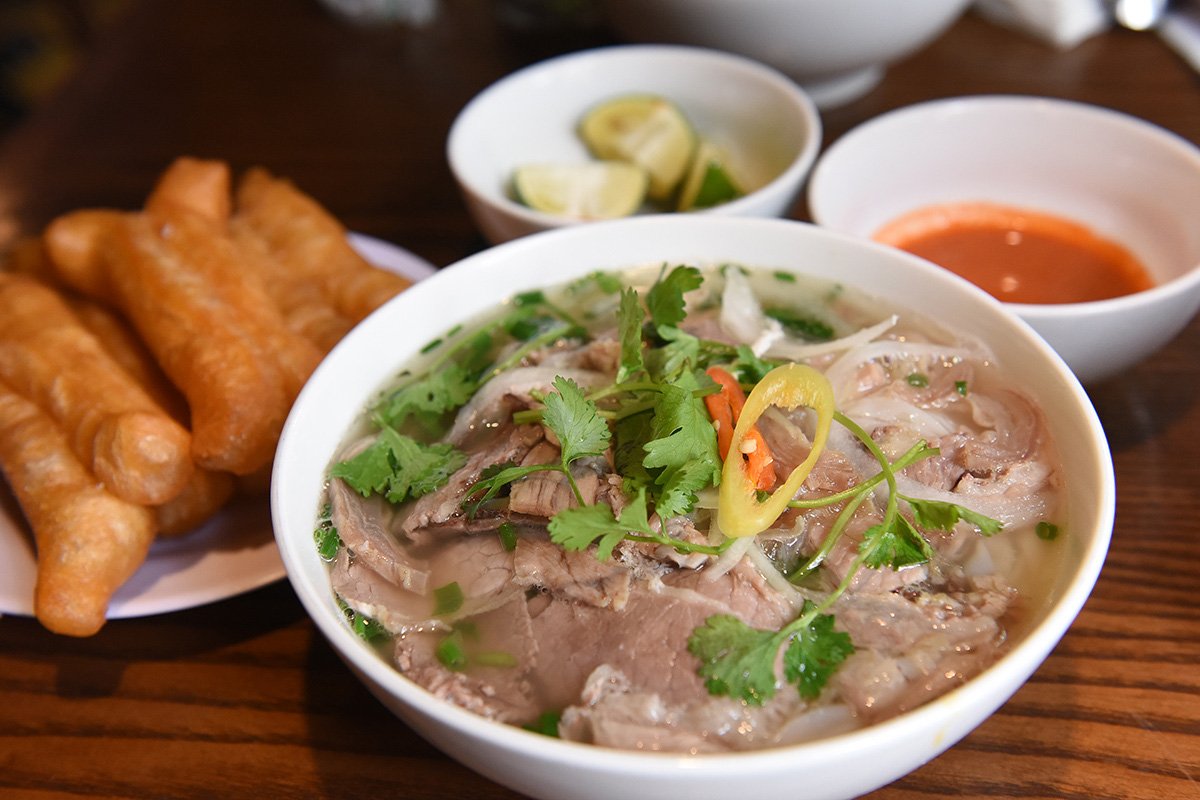
Enjoying popular local food stalls provides a safe and authentic dining experience (Source: VNAT)
The same applies to drinking water. Tap water is generally not recommended for visitors to drink directly, so bottled, filtered or properly treated water is a safer choice. Keeping hydrated is especially important in Vietnam's hot and humid weather, particularly when spending long hours outdoors.
It can also be useful to carry a few basic medicines for minor problems such as stomach discomfort, headaches or small cuts. Most minor issues can be managed easily, but if symptoms become severe or persistent, seek medical assistance rather than trying to manage the problem alone.
How weather and road conditions can affect travel safety
Weather conditions can vary considerably across Vietnam. Heavy rain may cause localized flooding and make roads more difficult to navigate, while extreme heat can make outdoor activities more demanding. In mountainous areas, fog, rain and wet roads may reduce visibility and create additional risks, particularly for travelers riding motorbikes or taking long-distance journeys.
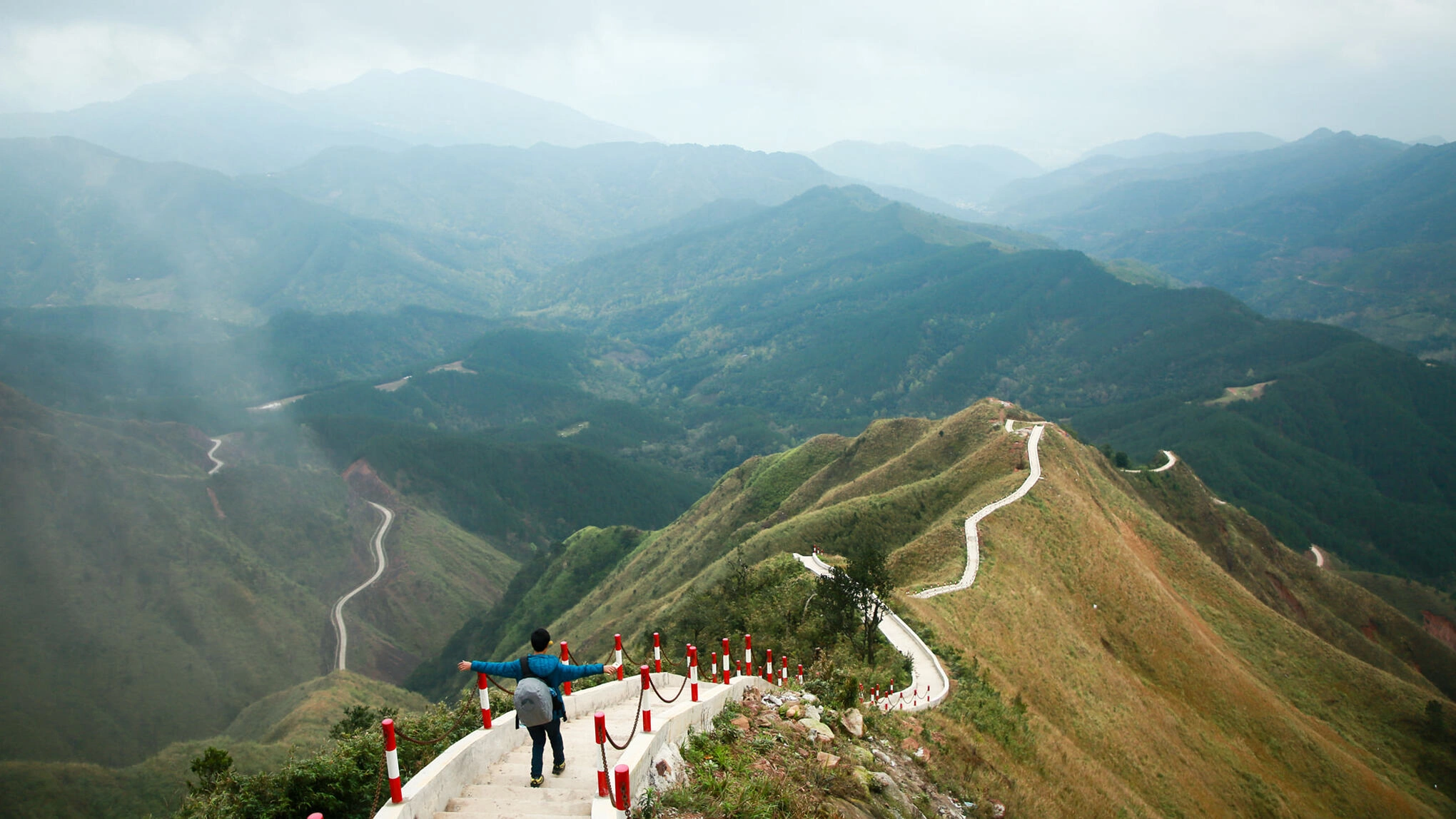
Checking weather forecasts is essential before navigating complex mountain passes (Source: VnExpress)
Before setting out, check the local forecast and consider adjusting your plans if conditions are poor. This is particularly important for trekking, boating and mountain travel. For those searching is it safe in Vietnam now, current weather conditions can also be an important part of the answer, as safety may vary depending on the region and time of year.
Read more: 1 week itinerary Vietnam: The perfect guide for an unforgettable journey
What to do if you face an emergency or problem in Vietnam
Most trips to Vietnam go smoothly, but it is still worth knowing what to do if something unexpected happens. Saving a few important contacts, keeping your travel documents accessible and knowing where to get help can make it much easier to deal with an emergency, whether you are dealing with a medical problem, a lost passport or another unexpected situation.
|
Emergency number |
Use it for |
|
112 |
General emergency situations, accidents, disasters or when you need urgent assistance |
|
113 |
Police emergencies, theft, robbery or other security incidents |
|
114 |
Fire, rescue and other fire-related emergencies |
|
115 |
Medical emergencies and urgent ambulance assistance |
Safety tips for the best travel experience in Vietnam
A few simple habits can help you avoid unnecessary problems and enjoy your time in Vietnam with greater confidence. You do not need to plan for every possible situation, but being prepared can make a noticeable difference, especially when visiting the country for the first time.
- Keep valuables secure in crowded places: Carry your phone, wallet and other important belongings carefully, particularly in busy markets, tourist areas and transport hubs.
- Check prices before paying: Whether you are taking a taxi, booking a tour or using an unfamiliar service, confirming the total price in advance can help you avoid misunderstandings and overcharging.
- Choose reliable transportation and travel services: Read recent reviews, check what is included and avoid making rushed decisions when an offer seems unclear or unusually cheap.
- Take road safety seriously: Busy traffic can be one of the biggest challenges for first-time visitors. Stay alert when crossing the street and think carefully before riding a motorbike on unfamiliar roads.
- Check local conditions before longer journeys: Heavy rain, flooding, fog or extreme heat can affect travel plans, particularly when visiting mountainous areas or taking part in outdoor activities.
- Keep important contacts and documents accessible: Save emergency numbers, your accommodation and embassy or consulate contacts, and keep digital copies of your passport, visa and travel insurance documents.
Ready to explore Vietnam with greater confidence? With organized tours and carefully planned itineraries across the country, SinhCafe can help make your journey smoother, whether you are traveling solo, with friends or as a family. Explore Vietnam with SinhCafe and find an itinerary that suits the way you want to travel.
FAQs
Is Vietnam safe for families with children?
Yes. Vietnam is generally suitable for family travel, but parents should take extra care around busy roads, crowded areas and outdoor activities.
Do I need travel insurance for Vietnam?
Travel insurance is not always mandatory, but it is recommended to cover unexpected medical treatment, trip disruptions or lost belongings.
Is tap water safe to drink in Vietnam?
Tap water is generally not recommended for drinking. Bottled, filtered or properly treated water is a safer choice for visitors.
Is it safe to rent and ride a motorbike in Vietnam?
It can be challenging, especially for inexperienced riders. Busy traffic, unfamiliar roads and changing weather conditions are all worth considering before renting a motorbike.
Are ATMs and card payments safe to use in Vietnam?
They are widely used, but travelers should use ATMs in secure locations and check payment terminals carefully. It is also wise to monitor your bank transactions during the trip.
Is Vietnam safe during the rainy season?
Travel is still possible, but heavy rain and localized flooding can affect transportation and outdoor activities. Conditions vary by region, so checking the weather for your destination before traveling is important.
Share via




Related articles

Visit Ha Giang in November: Is it a good time to go?
Posts | 21/09/2026
Ha Long bay 1 day tour: Best itinerary, cruise options & Travel tips
Posts | 23/03/2026
Yang Bay Waterfall: A Hidden Paradise near Nha Trang you shouldn’t miss
Blog | 24/03/2026
Diep Son island: Walk across the sea in Vietnam’s hidden paradise
Posts | 24/03/2026








There are no reviews yet