


Northern Vietnam: Why It Remains Vietnam's Most Diverse Travel Region
Northern Vietnam travel guide featuring Hanoi, Ha Long Bay, Ninh Binh, Sapa, and Ha Giang. Discover top attractions, itineraries, and travel tips for your trip.

One of the reasons Northern Vietnam stands out is the sheer variety of experiences available within a single trip. A traveler might spend the morning exploring Hanoi's centuries-old streets, cruise through the limestone formations of Ha Long Bay the following day, cycle through Ninh Binh's countryside landscapes, and then continue toward the mountains of Sapa or Ha Giang.
The region is also home to some of Vietnam's richest cultural heritage. Hanoi served as the country's political and cultural center for centuries, while many northern provinces remain home to diverse ethnic minority communities whose traditions continue to shape local life today. This combination of culture, history, and natural beauty creates a travel experience that feels remarkably diverse compared to many other destinations in Southeast Asia.
Why Northern Vietnam Is Different from the Rest of Vietnam
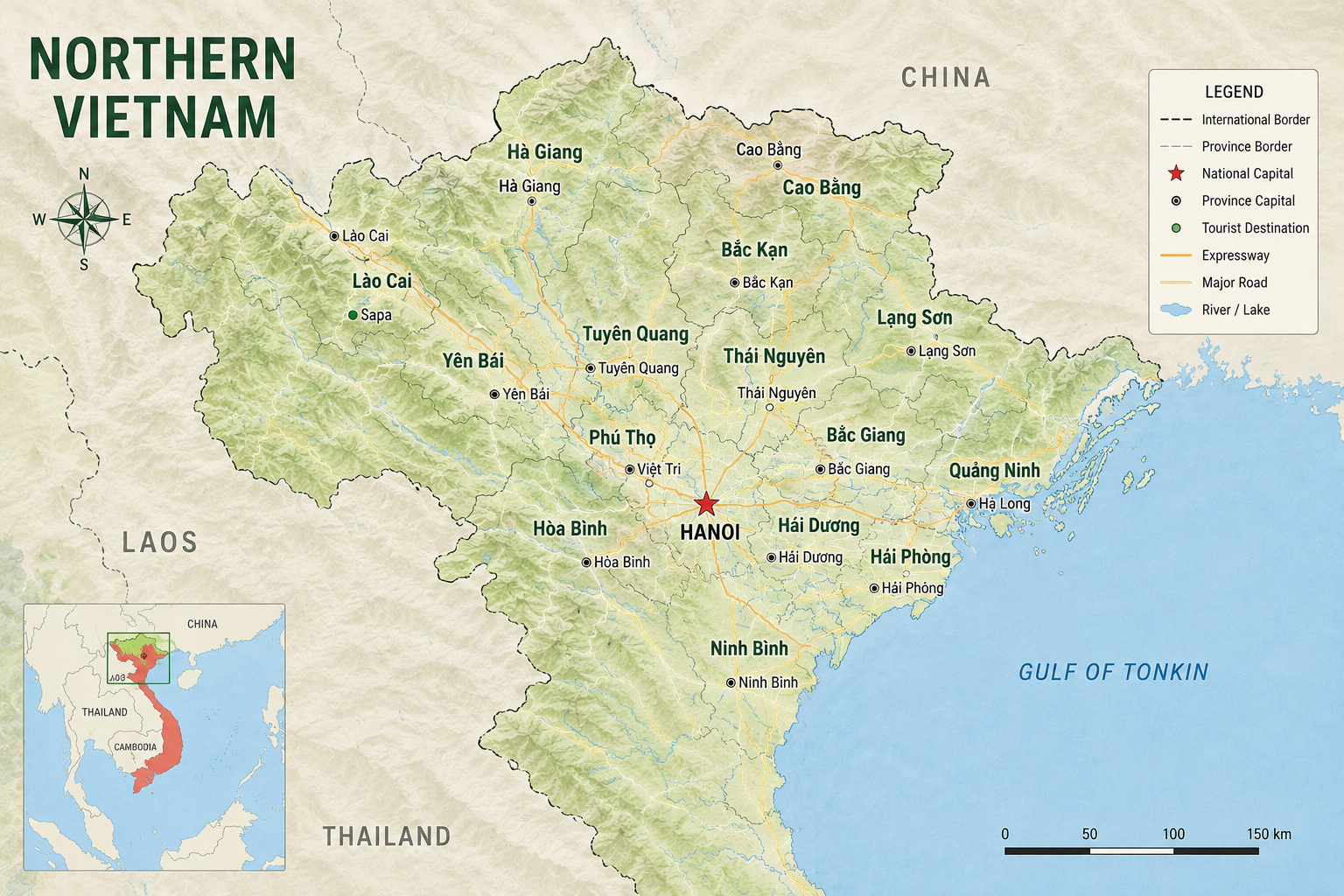
Map of northern VietNam (Source: Collected)
Vietnam stretches more than 1,600 kilometers from north to south, and each region offers a distinct identity. While Central Vietnam is often associated with beaches, imperial history, and coastal cities, and Southern Vietnam is known for the Mekong Delta and the energy of Ho Chi Minh City, Northern Vietnam is defined by its landscapes.
Mountain ranges, limestone valleys, terraced rice fields, winding mountain roads, and traditional villages dominate much of the region. Seasonal changes also tend to be more noticeable here than elsewhere in Vietnam, with spring blossoms, lush summer greenery, golden autumn rice fields, and cooler winter temperatures creating different travel experiences throughout the year.For travelers seeking Vietnam's most iconic scenery, Northern Vietnam is often where those images come to life.
The Best Places to Visit in Northern Vietnam
Hanoi
As Vietnam's capital, Hanoi is often the starting point for exploring Northern Vietnam.Many travelers arrive expecting a busy city but quickly discover a destination where centuries-old architecture, local markets, lakes, temples, and cafés coexist alongside modern development.
Exploring the Old Quarter, visiting historical landmarks, and sampling Hanoi's famous street food provide an excellent introduction to Vietnamese culture.

HaNoi Capital (Source: VNExpress)
Ha Long Bay
Few destinations in Vietnam are more recognizable than Ha Long Bay. Home to thousands of limestone islands rising from emerald waters, the bay has been recognized as a UNESCO World Heritage Site and remains one of the country's most visited attractions.
Halong Bay, Quang Ninh Province (Source: VNExpress)
Whether joining a day cruise or spending a night onboard, many travelers consider Ha Long Bay an essential part of any Northern Vietnam itinerary. For visitors with limited time, the Halong Bay Cruise 01 Day tour offered by Sinh Cafe provides a convenient way to experience the bay's highlights without requiring an overnight stay.
Read more: Halong Bay Cruise 01 day
Ninh Binh

Trang An, Ninh Binh Province (Source: Collected)
Often described as "Ha Long Bay on land," Ninh Binh offers a completely different perspective on Northern Vietnam's famous limestone landscapes. Boat rides through Tam Coc and Trang An, ancient temples, rice fields, and dramatic cliffs make the province one of the most rewarding destinations for travelers seeking both natural beauty and cultural experiences. One thing many visitors appreciate about Ninh Binh is its slower pace compared to Hanoi and Ha Long Bay.
Sapa
Located in Vietnam's far northwest, Sapa is famous for its mountain scenery, terraced rice fields, and ethnic minority communities. While tourism has grown significantly in recent years, trekking through the surrounding valleys still provides opportunities to experience some of the country's most spectacular landscapes.

Sapa (Source: Ministry of Culture, Sports and Tourism)
Ha Giang
For adventurous travelers, Ha Giang represents a very different side of Northern Vietnam. The region's mountain roads, deep valleys, and remote villages create one of the most scenic road-trip destinations in Southeast Asia. Many travelers who have explored both Sapa and Ha Giang consider the latter to offer a more authentic and less developed mountain experience.
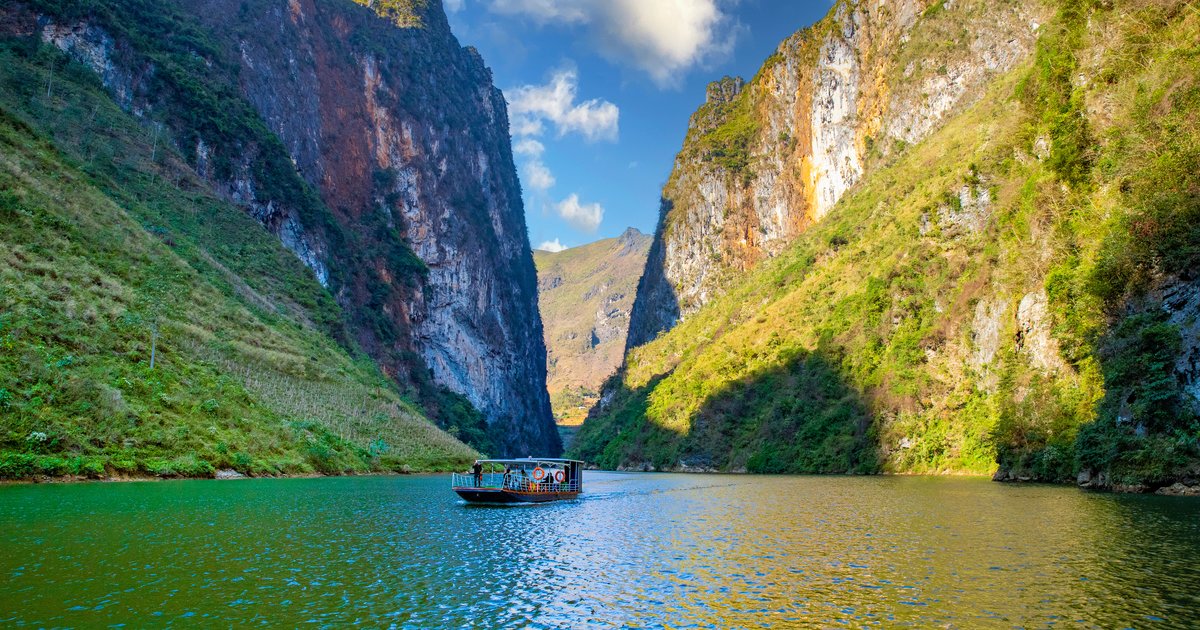
Nho Que River, Ha Giang Province (Source: Lao Dong Newspaper)
Mai Chau
Located just a few hours from Hanoi, Mai Chau provides a peaceful countryside escape characterized by rice fields, traditional stilt houses, and White Thai cultural heritage. The valley appeals to travelers seeking a slower pace of life and offers an accessible introduction to rural Northern Vietnam without requiring extensive travel.

Mai Chau, Hoa Binh Province (Source: Collected)
Pu Luong
Often overlooked by first-time visitors, Pu Luong combines many of the elements travelers love about Northern Vietnam: rice terraces, mountain scenery, traditional villages, and outdoor activities. Compared to more famous destinations, Pu Luong remains relatively quiet and offers a more tranquil countryside experience.
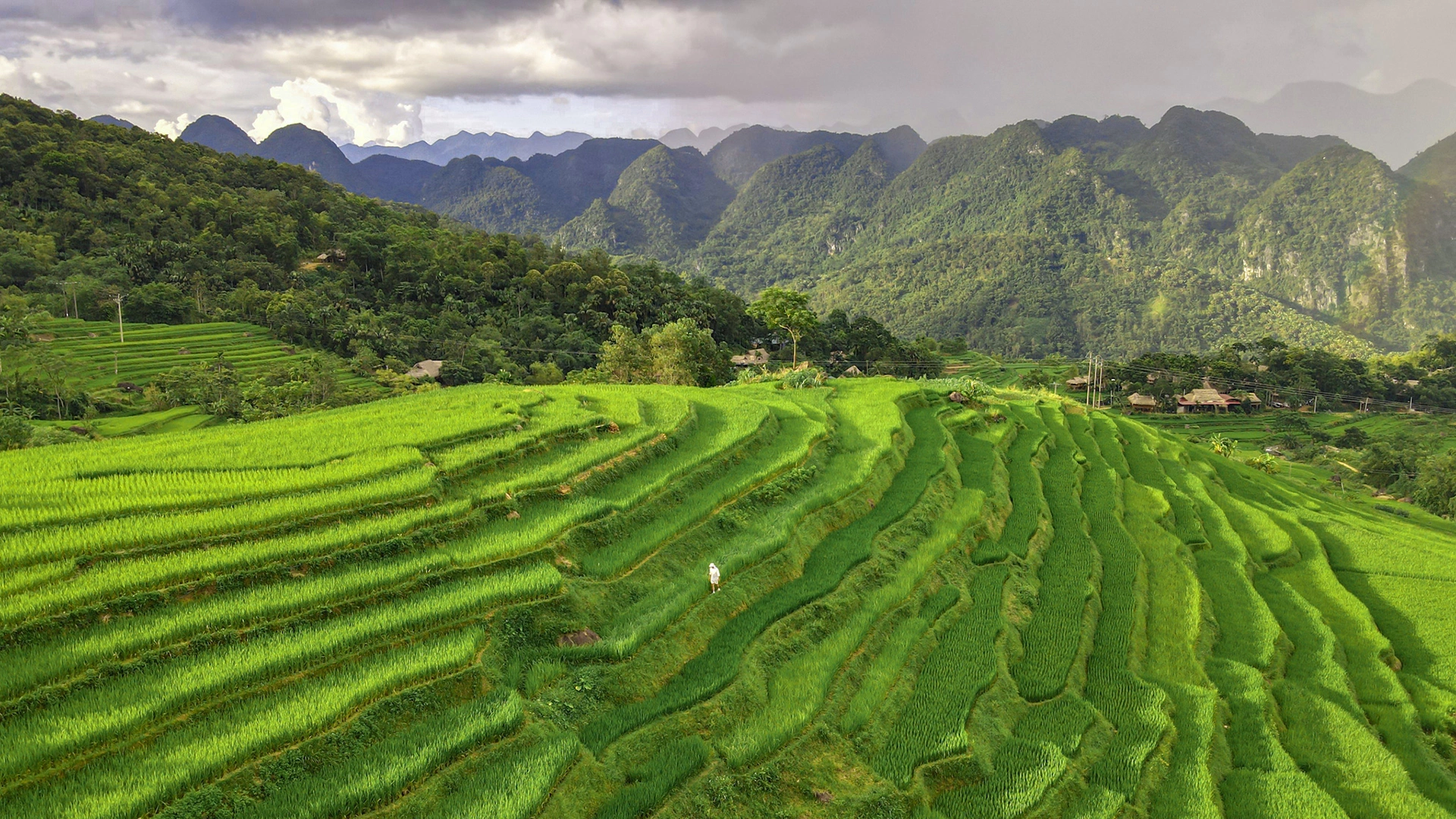
Pu Luong (Source: VNExpress)
What Makes Northern Vietnam So Diverse?
One reason travelers often dedicate an entire trip to Northern Vietnam is the incredible range of experiences available within a single region.
Nature lovers can cruise through Ha Long Bay, trek in Sapa, or explore the mountain passes of Ha Giang. Cultural travelers can discover Hanoi's historic neighborhoods and visit traditional villages throughout the countryside. Photographers are drawn to rice terraces, limestone landscapes, and changing seasonal scenery, while food enthusiasts can explore everything from Hanoi's street food culture to regional specialties found in smaller provinces.
Few regions in Southeast Asia offer such a wide variety of experiences without requiring extensive international travel between destinations.
How Many Days Do You Need in Northern Vietnam?
The ideal amount of time depends on how deeply you want to explore the region.
5 Days
In my experience, five days is the minimum amount of time needed to understand why so many travelers fall in love with Northern Vietnam. While it isn't enough to see everything the region has to offer, it does allow you to experience some of its most iconic highlights without feeling constantly rushed.
A typical five-day journey covering Hanoi, Ninh Binh, and Ha Long Bay provides a surprisingly diverse introduction to the region. Within just a few days, you can explore Hanoi's historic Old Quarter, cruise among the limestone formations of Ha Long Bay, and discover the dramatic countryside landscapes that make Ninh Binh one of Vietnam's most photographed destinations.
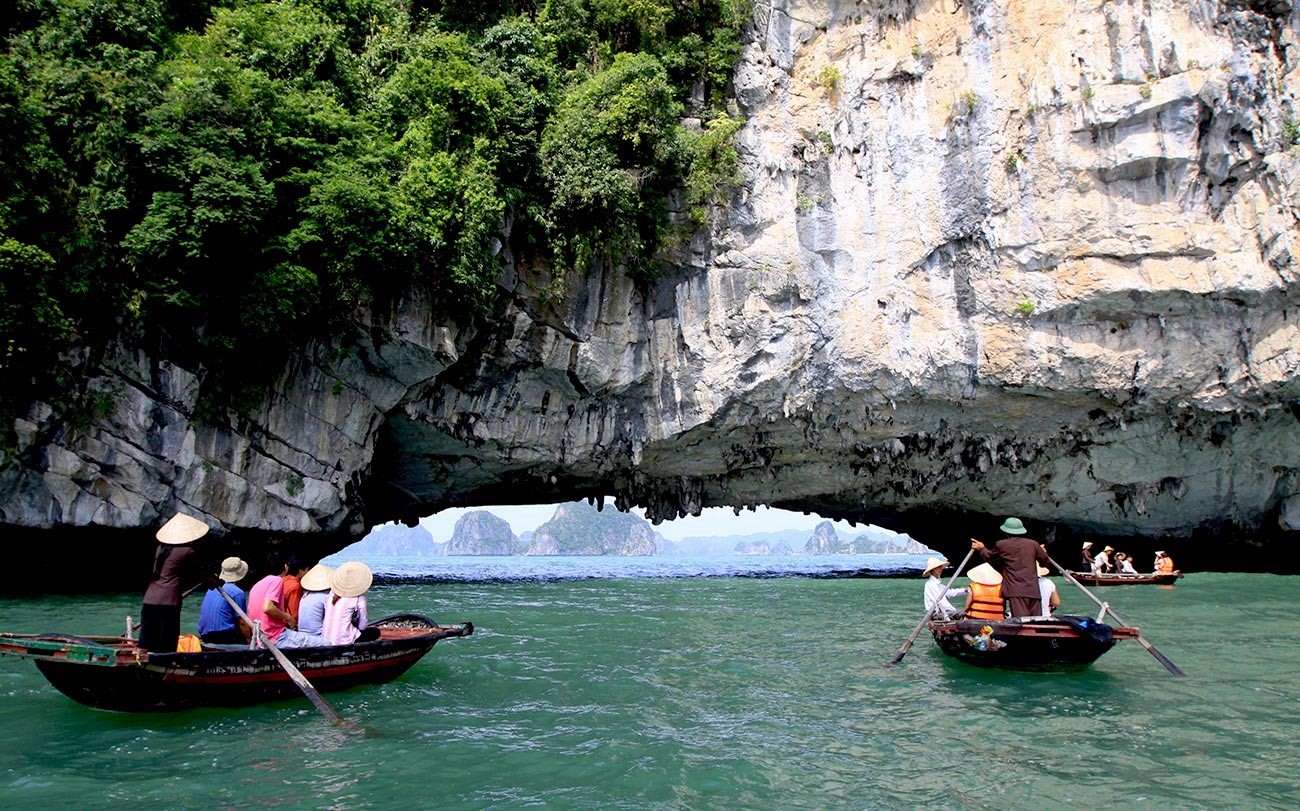
Ha Long Bay (Source: Collected)
For first-time visitors, this combination often strikes the right balance between cultural experiences, natural scenery, and travel time. In fact, it's one of the reasons the 5 Days 4 Nights in Northern Vietnam itinerary remains a popular choice, as it brings together three of Northern Vietnam's most recognizable destinations in a well-paced and manageable route.
7 Days
From my experience, seven days is where Northern Vietnam starts to feel less like a sightseeing trip and more like a journey. With an extra couple of days, it's possible to venture beyond Hanoi, Ninh Binh, and Ha Long Bay to destinations such as Mai Chau or Sapa, where slower-paced experiences and local culture become a bigger part of the trip.
Many travelers find that a week offers the right balance between seeing the highlights and having time to truly appreciate them.
10 Days or More
One thing that surprised me about Northern Vietnam was how quickly the region kept revealing new sides of itself. With ten days or more, travelers can comfortably include places such as Ha Giang, Pu Luong, or other mountain areas without feeling rushed.
Rather than simply checking off destinations, the journey becomes more immersive, which is why many visitors who initially planned a short trip often end up wishing they had even more time.
Read more: Daily Departure: 7 Days 6 Nights Tour in the North and Central Vietnam
Exploring Northern Vietnam with Sinh Cafe
Northern Vietnam offers an incredible variety of experiences, but planning the right route can be challenging for first-time visitors. With destinations spread across mountains, countryside valleys, historic cities, and coastal landscapes, many travelers find that choosing what to include is often more difficult than deciding to visit the region itself.
Having operated tours throughout Vietnam for more than three decades, SinhCafe has developed a range of itineraries designed to help visitors experience Northern Vietnam efficiently while still allowing time to appreciate the region's unique character.
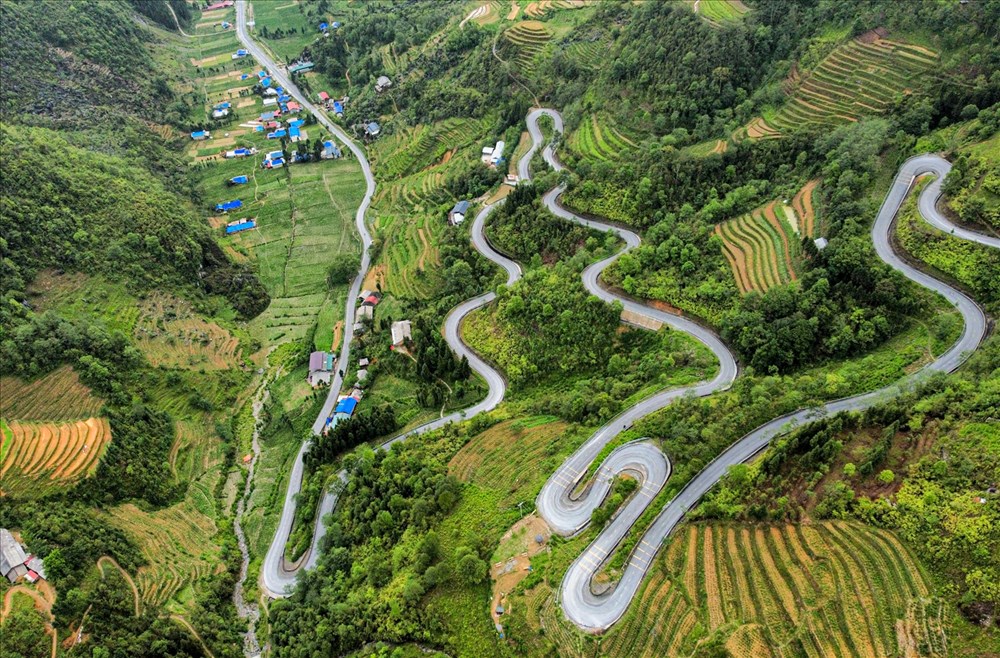
Ha Giang Province (Source: Van Hoa Newspaper)
For travelers with limited time, the 5 Days 4 Nights in Northern Vietnam itinerary combines three of the region's most iconic destinations: Hanoi, Ninh Binh, and Ha Long Bay. This route is particularly popular among first-time visitors who want to experience Northern Vietnam's cultural, historical, and natural highlights within a single trip.
Those looking to extend their journey can also consider the 7 Days 6 Nights North and Central Vietnam Tour, which combines Northern Vietnam's most famous attractions with the historic charm of Hoi An in Central Vietnam.
Whether you're interested in limestone landscapes, cultural experiences, mountain scenery, or a combination of Vietnam's most celebrated destinations, Sinh Cafe Vietnam DMC offers customizable itineraries that can be adapted to different travel styles, budgets, and schedules.
When Is the Best Time to Visit Northern Vietnam?
Northern Vietnam can be visited year-round, but each season offers different advantages.
- Spring (March to April) brings comfortable temperatures and blooming landscapes, making it one of the most pleasant times to travel.
- Summer (May to August) creates lush green scenery throughout the countryside, although rainfall becomes more common.
- Autumn (September to November) is often considered the most beautiful season, particularly when rice fields turn golden in mountain regions such as Sapa and Mu Cang Chai.
- Winter (December to February) offers cooler temperatures and occasional misty mountain scenery that many travelers find atmospheric and unique.
According to the Vietnam National Authority of Tourism, Northern Vietnam continues to be one of the country's most visited regions, supported by growing international arrivals and increasing demand for nature and cultural tourism experiences.
For travelers looking to make the most of their time, SinhCafe provides expertly designed Northern Vietnam tours, including the popular 5 Days 4 Nights in Northern Vietnam itinerary and longer multi-destination journeys tailored to different travel styles.
Whether you're visiting Vietnam for the first time or returning to explore more deeply, our local team can help create a journey that matches your interests, schedule, and budget. Discover Northern Vietnam tours with Sinh Cafe Vietnam DMC and start planning your adventure today.
Frequently Asked Questions About Northern Vietnam
Is Northern Vietnam worth visiting?
-> Absolutely. Northern Vietnam is home to many of the country's most famous destinations, including Hanoi, Ha Long Bay, Ninh Binh, Sapa, and Ha Giang. The region offers an exceptional combination of cultural experiences and natural landscapes.
What is the most beautiful place in Northern Vietnam?
-> The answer depends on personal preference. Ha Long Bay is famous for its limestone seascapes, while Ha Giang, Sapa, and Ninh Binh are often considered among the most scenic destinations on land.
How many days are enough for Northern Vietnam?
-> Five days is enough to see the highlights, while seven to ten days allows travelers to experience a broader range of destinations at a more relaxed pace.
Is Northern Vietnam better than Southern Vietnam?
-> Neither region is objectively better. Northern Vietnam is generally preferred by travelers interested in mountains, traditional culture, and dramatic landscapes, while Southern Vietnam appeals to those interested in the Mekong Delta, tropical weather, and urban experiences.
Can you explore Northern Vietnam without joining a tour?
-> Yes. Independent travel is entirely possible, especially between major destinations such as Hanoi, Ninh Binh, and Ha Long Bay. However, organized tours can simplify transportation and itinerary planning, particularly for first-time visitors.
Share via




Related articles

Visit Ha Giang in November: Is it a good time to go?
Posts | 21/09/2026

Ha Long bay 1 day tour: Best itinerary, cruise options & Travel tips
Posts | 23/03/2026
Yang Bay Waterfall: A Hidden Paradise near Nha Trang you shouldn’t miss
Blog | 24/03/2026
Diep Son island: Walk across the sea in Vietnam’s hidden paradise
Posts | 24/03/2026








There are no reviews yet