


Best Time to See Rice Fields in Vietnam: A Season Calendar for Sapa, Mu Cang Chai, Pu Luong & Ninh Binh
Find the best time to see rice fields in Vietnam, from the water season to golden harvest, and compare scenery with weather and travel conditions.
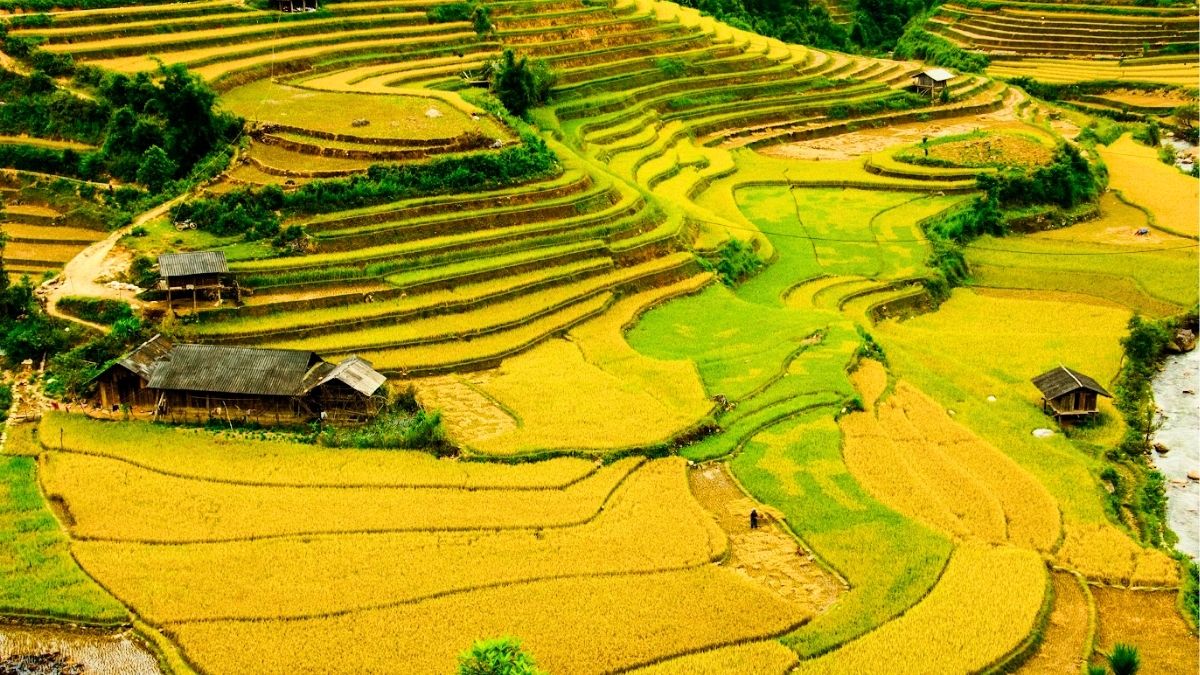
The best rice seasons in Vietnam vary by destination. This guide compares the water, green, and golden rice seasons in Sapa, Mu Cang Chai, Pu Luong, and Ninh Binh, including the best times for photography and the weather and road conditions to consider before your trip. You’ll also learn why the most beautiful rice season is not always the easiest time to travel.
The Quick Overview
|
Time |
Season |
What you’ll see |
|
Late May-June |
Water season |
Mirror-like terraces after the fields are flooded |
|
July-August |
Green season |
Lush green rice fields |
|
September-October |
Golden season |
Golden terraces at their most photogenic |
|
Late May-early June (Ninh Binh) |
Golden season |
Golden rice fields framed by limestone mountains |
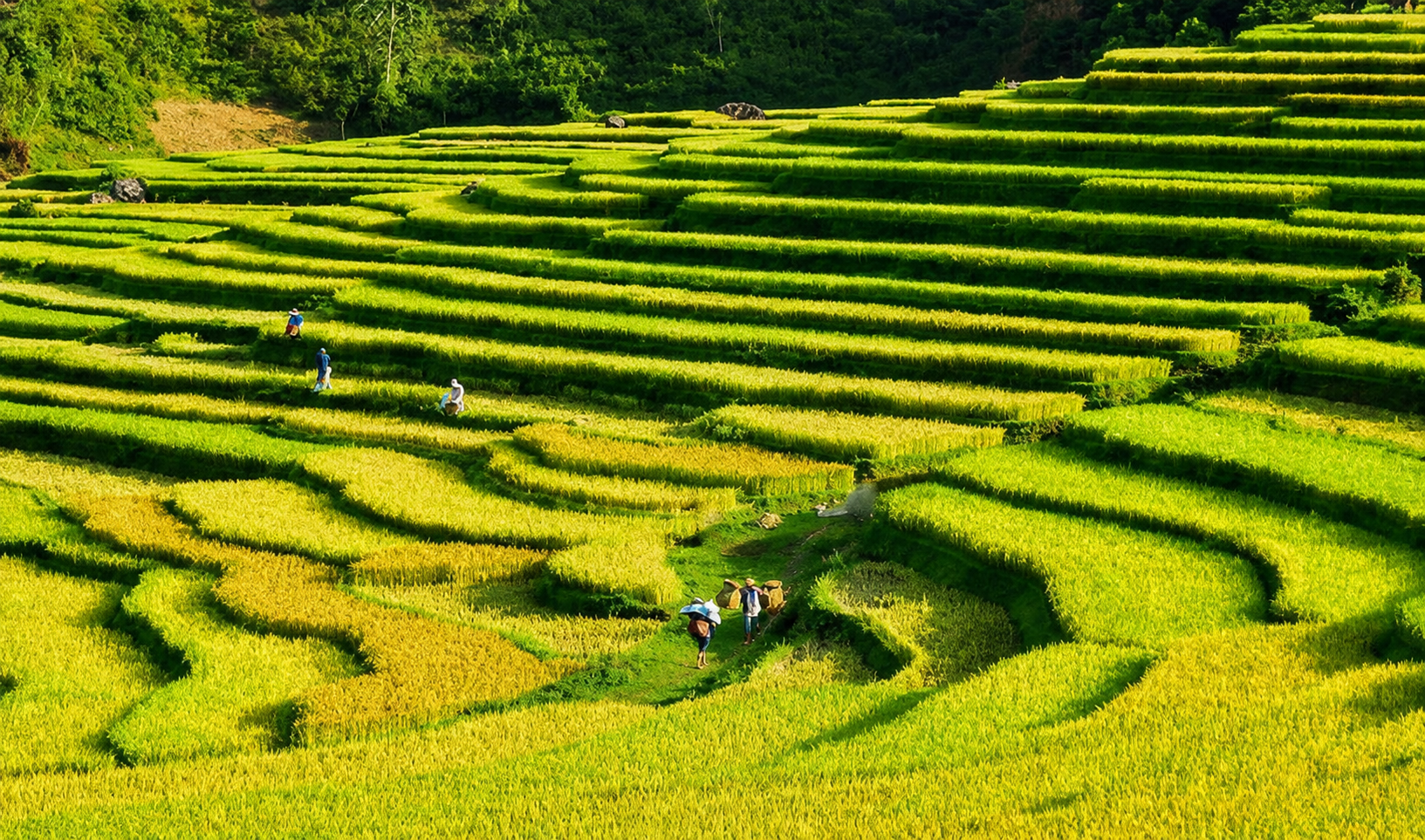
Looking for the best time to see rice fields in Vietnam?
Vietnam rice season calendar: Sapa, Mu Cang Chai, Pu Luong & Ninh Binh
Rice seasons vary across Vietnam, so there is no single month that works for every destination. Mountain terraces in the north change from flooded fields to green and then golden rice, while Ninh Binh's lowland paddies turn gold earlier.
Use this calendar to match the rice season with the kind of experience you want when planning the best time to see rice fields in Vietnam:
|
Destination |
Water Season |
Green Season |
Golden Season |
Best Experience |
Practical Note |
|
Sapa |
Early May-early June |
Mid-June-late August |
Early September-early October |
Trek through Muong Hoa Valley and Lao Chai-Ta Van |
Trails can be muddy and slippery after rain |
|
Mu Cang Chai |
Mid-May-early June |
June-August |
Mid-September-mid-October |
Photograph Mam Xoi Hill, La Pan Tan and Khau Pha Pass |
Expect long drives and winding mountain roads |
|
Pu Luong |
Late April-May |
June-August |
Late May-early June & September-October |
Walk through rice valleys and stay in a local homestay |
Two rice crops give you more flexibility |
|
Ninh Binh |
April-May |
Late May-early June |
Take a boat through Tam Coc's rice fields |
Easier to visit without trekking or long mountain transfers |
Why does Ninh Binh follow a different rice calendar?
Ninh Binh's rice fields are on flat lowland paddies rather than mountain terraces, so the rice turns golden much earlier. The main window is usually late May to early June, when the fields around Tam Coc are at their most photogenic - a key consideration for anyone seeking the best time to see rice fields in Vietnam.
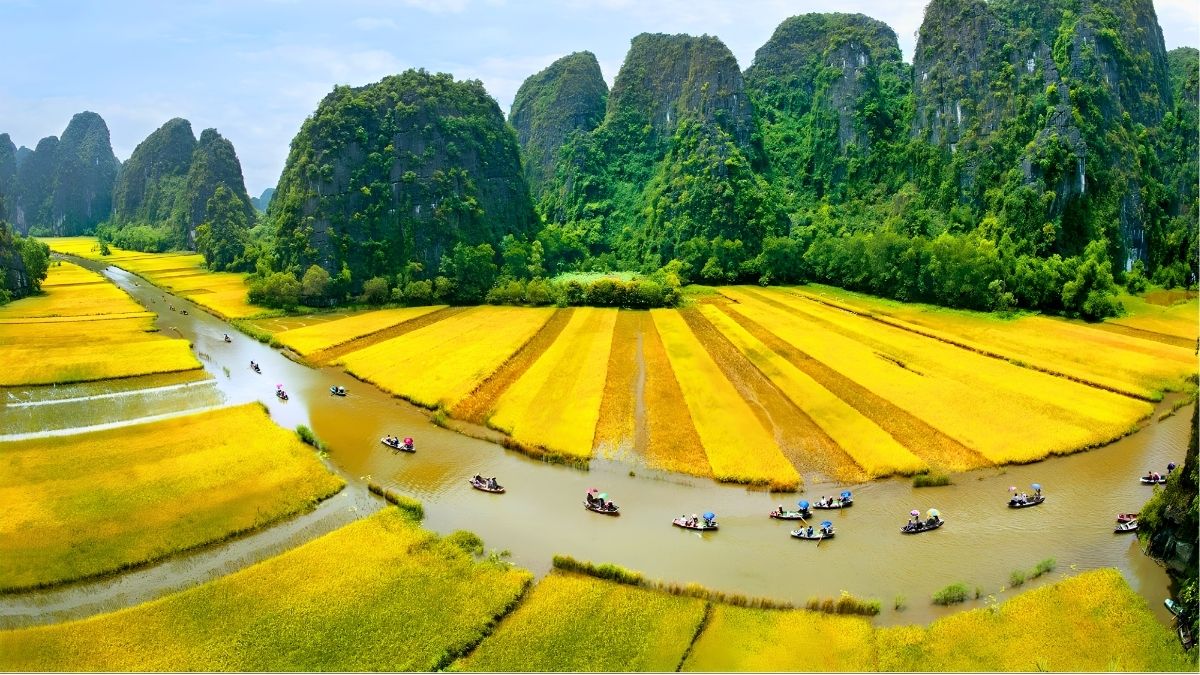
The golden season in Tam Coc always attracts photographers (Source: Bao Thanh Nien)
The experience is also very different from Sapa or Mu Cang Chai. Instead of hiking between terraces, you can see the rice fields from a small boat along the Ngo Dong River, with limestone peaks rising around the paddies. For a higher viewpoint, climb the steps to Mua Cave and look across the valley.
Practical tip: Rice-field roads can be narrow and slippery after rain, especially around rural areas. Wear shoes with good grip and avoid scheduling your rice-field visit too tightly with other activities.
Read more: Tam Coc Wharf: Gateway to Ninh Binh's majestic beauty
Which destination fits you?
Picking between these four rice-field destinations really comes down to travel time, physical effort, and the kind of experience you want. The landscapes are all beautiful, but the logistics and atmosphere are quite different:
- Mu Cang Chai - for the iconic rice-terrace shot: If your priority is photographing Vietnam's most dramatic terraced landscapes, Mu Cang Chai is the strongest choice for the best time to see rice fields in Vietnam. Mam Xoi Hill delivers the classic postcard view, but getting there requires a longer journey.
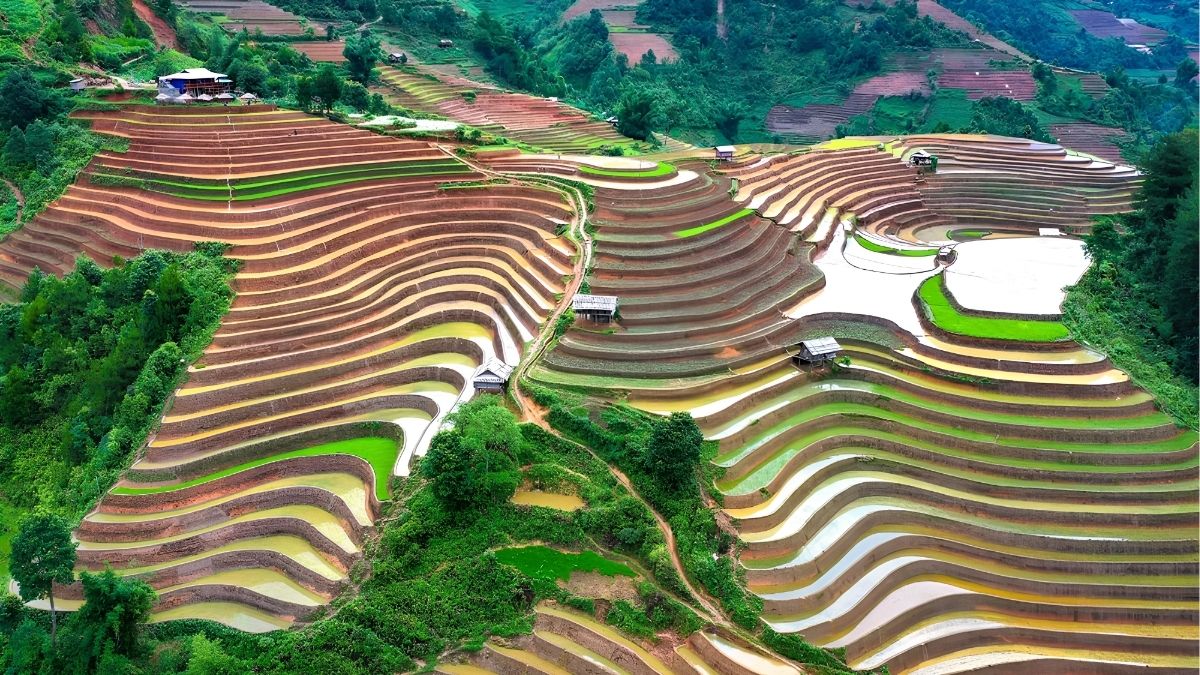 Mu Cang Chai - for the iconic rice-terrace shot (Source: Vietnamplus)
- Sapa - for trekking and local culture: Sapa works well if you want to combine rice terraces with trekking and ethnic village life. It is also the most infrastructure-ready option, with overnight trains and sleeper buses from Hanoi and a well-developed network of homestays in villages such as Ta Van and Lao Chai.
- Pu Luong - for a quieter mountain escape: Located around 160 km from Hanoi, or roughly 4-5 hours by car, Pu Luong is closer and noticeably quieter than Sapa. It also has a unique advantage: two golden rice windows a year, giving you more flexibility when planning your trip.
- Ninh Binh - for easy access: Ninh Binh is the best fit if you want rice-field scenery without committing to a multi-day mountain itinerary. At roughly 95 km south of Hanoi, it takes about two hours by car from Hanoi and works well as a day trip or overnight stay. You can see the fields from a boat along the Ngo Dong River through Tam Coc or from the Mua Cave viewpoint, without the long mountain treks required in Sapa or Mu Cang Chai.
With Sinh Cafe, you can leave the transport between destinations to a local operator and focus on enjoying the rice fields instead of working out mountain transfers.
Read more: Hanoi, Ninh Binh or Ha Long Bay: How to Prioritize Your Time on a Short Vietnam Trip
Best time to see rice fields in Vietnam is not always the best time to travel
The exact weeks when Sapa and Mu Cang Chai's terraces turn their deepest gold, mid-September through mid-October, are also the tail end of Vietnam's northern typhoon season, and that overlap is not a minor footnote.
Several practical factors are worth considering:
- Heavier rainfall: Northern mountain areas receive noticeably more rain than during the drier early-summer months.
- Slippery trekking trails: Paths around Sa Pa town, Muong Hoa Valley, and the Lao Chai-Ta Van loop can become muddy and slippery, and in bad weather may be temporarily unsafe.
- Flash floods and landslides: These can close mountain roads into Sapa and Mu Cang Chai with little warning.
- Fast-changing weather: Clear mornings can turn into heavy rain within a few hours, rather than over several days.
It played out in real time in late September and early October 2025, when Typhoon Bualoi hit northern Vietnam right in the middle of the golden rice season. Landslides blocked National Highway 4D near O Quy Ho Pass and cut off roads into Sapa and Mu Cang Chai, and Lao Cai's tourism authorities formally suspended tours to at-risk areas until conditions were reassessed.
At the peak of the disruption, more than 3,700 foreign tourists from 68 countries were reported stranded in Sapa as floodwaters and mudslides swept through Cat Cat Village, and it took roughly two weeks, into mid-October, before routes reopened and the area returned to welcoming visitors at normal volumes (Source: Dan Tri International).
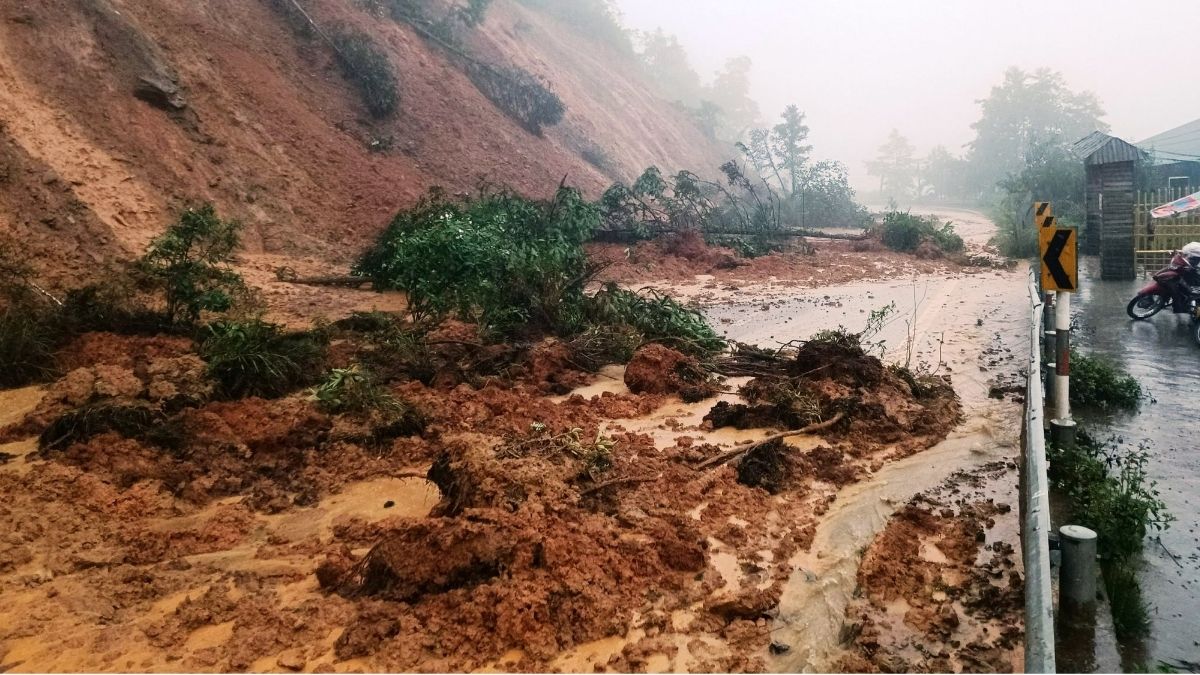 A road damaged by landslides near Sapa following heavy monsoon rains in the northern highlands (Source: congdankhuyenhoc.vn)
The takeaway isn't that you should avoid late September and October, many travelers still get a clear, golden week and an unforgettable trip during exactly this window. The takeaway is that the most photogenic season and the most reliably smooth-travel season are not automatically the same thing.
If your dates are flexible, build in a two-to-three-day buffer around any late-September to mid-October trip to Sapa or Mu Cang Chai, and check regional weather advisories in the week before departure rather than relying only on the seasonal calendar.
If you can only choose one month, when should you go?
Late September offers the best overall balance across these four destinations. You’ll have a good chance of seeing the northern mountain terraces turn golden while enjoying more manageable weather and travel conditions than in October. Mu Cang Chai is entering its golden season, Sapa’s Muong Hoa Valley is beginning to change color, and Pu Luong may be between its two golden windows. Ninh Binh, however, will already have finished its main rice season.
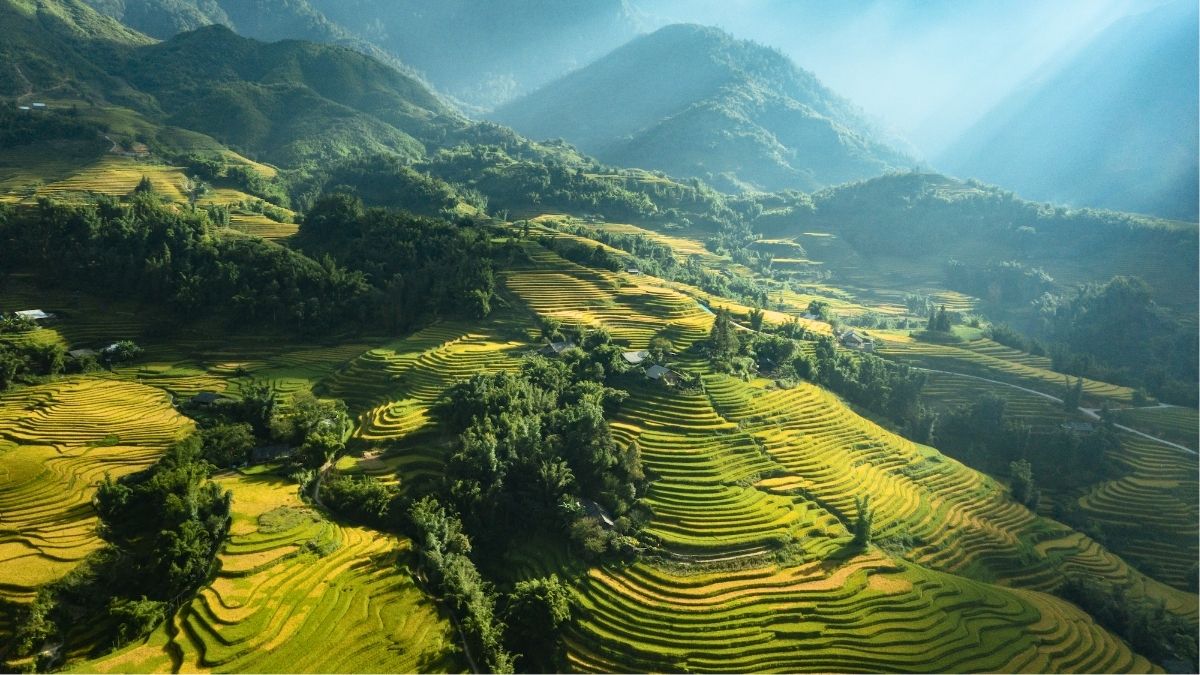 For the best overall balance across all four destinations, choose late September (Source: VnExpress)
For Ninh Binh: Choose late May to early June. This is the short window when the paddies around Tam Coc and Trang An turn golden, making it the best time for the classic rice-field-and-limestone scenery.
For the deepest golden color in Sapa and Mu Cang Chai: Aim for the first two weeks of October. The terraces are often at their most saturated gold, but this also comes with greater weather and road-disruption risk. Keep your dates flexible, check weather and road conditions before departure, and consider travel insurance that covers weather-related disruption.
Read more: Sapa or Ha Giang: Which Mountain Destination Is Better?
What to check before traveling to Vietnam’s rice fields
- Check the forecast 5-7 days before departure: Use Vietnam's National Center for Hydro-Meteorological Forecasting or another reliable regional weather source. Typhoon tracks can shift substantially within a few days, so don't rely only on the forecast you saw when booking.
- Ask about road conditions before setting off: Check directly with your driver or tour operator about recent landslides on National Highway 4D, the main road into Sapa, and along the route to Mu Cang Chai via Khau Pha Pass. Local operators often know about disruptions before they appear in international news.
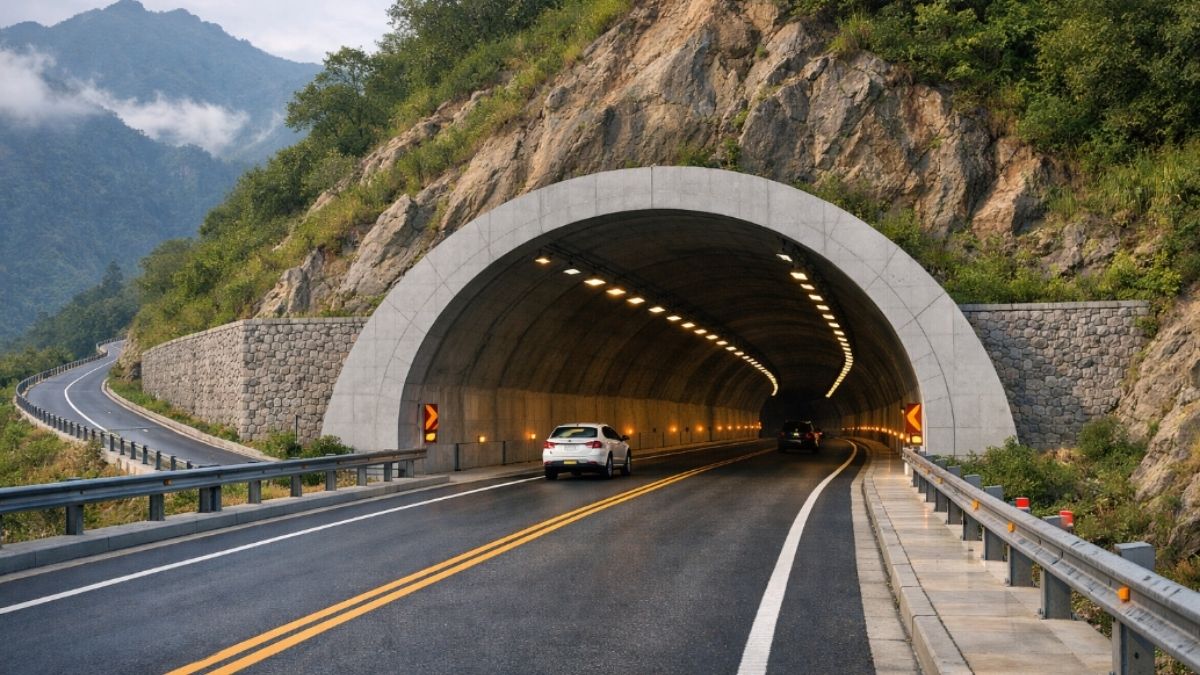
Ask about road conditions before setting off (Source: vietnam.vn)
- Wear shoes with good grip: Trekking trails around Sapa and Mu Cang Chai can become muddy and slippery after rain.
- Pack a rain jacket or waterproof outer layer: Weather in the northern mountains can change quickly, even when the morning starts clear.
- Book transport and accommodation early: Sapa and Mu Cang Chai can become busy during the golden season, particularly from September to October.
- Choose trekking routes with alternatives: After rain, routes with paved or well-maintained sections are generally easier to manage. The Cat Cat Village loop, for example, can be more forgiving than deeper trails around Ta Van.
- Follow local safety instructions: If authorities or local guides warn of flash floods, landslides, or road closures, follow their advice and avoid affected areas.
Before booking a rice-season trip to the northern mountains, ask:
- What happens if a typhoon closes the route?
- Can trekking days be moved if heavy rain arrives?
- How will you receive real-time updates about road conditions?
- Is there an alternative route if the planned road becomes impassable?
A clear, specific answer is more reassuring than a generic promise that everything will be handled. For travelers who prefer not to manage mountain transport and weather contingencies alone, Sinh Cafe Travel can help arrange the journey through Vietnam's Northwest highlands. With more than three decades of experience operating trips in the region, our team can help coordinate transport, route adjustments, and flexible itineraries when conditions change.
 Sinh Cafe Travel can help arrange the journey through Vietnam's Northwest highlands
Ready to time your trip around the fields you actually want to see? Talk to the local specialists at Sinh Cafe Travel about building a Sapa, Mu Cang Chai, Pu Luong, or Ninh Binh itinerary around the current season, or browse tours from Hanoi and book your stay directly to lock in the right dates before the season shifts.
FAQs
Is May a good time to see rice fields in Vietnam?
→ Yes. Late May to early June is ideal for golden rice in Ninh Binh and early golden fields in Pu Luong, while Sapa and Mu Cang Chai are still in the water or early-green season.
When is the best time to see terraced rice fields in Sapa?
→ Early September to early October for golden terraces. For lush green fields and generally more predictable weather, go from mid-June to August.
Is the water season or the golden season better for photography?
→ The water season creates mirror-like reflections, while the golden season gives the classic warm-toned views. Both are excellent depending on the look you want during the best time to see rice fields in Vietnam.
Is the water season safe for traveling in northern Vietnam?
→ Generally yes, as the flooded fields are intentionally irrigated rather than caused by regional flooding. However, heavy rain can still affect mountain roads and trekking trails, so check the forecast before traveling.
Are Vietnam's rice fields green or gold all year round?
→ No. Most follow a cycle of flooded → green → golden → harvested, roughly from April to October. Pu Luong is the exception, with two rice-growing cycles and two golden periods.
Share via




Related articles

Visit Ha Giang in November: Is it a good time to go?
Posts | 21/09/2026

Ha Long bay 1 day tour: Best itinerary, cruise options & Travel tips
Posts | 23/03/2026
Yang Bay Waterfall: A Hidden Paradise near Nha Trang you shouldn’t miss
Blog | 24/03/2026
Diep Son island: Walk across the sea in Vietnam’s hidden paradise
Posts | 24/03/2026








There are no reviews yet