


Hanoi, Ninh Binh or Ha Long Bay: How to Prioritize Your Time on a Short Vietnam Trip
Explore the best of Hanoi, Ninh Binh or Ha Long Bay with this 5-day itinerary featuring culture, nature, and unforgettable experiences.

Planning a trip to Hanoi, Ninh Binh or Ha Long Bay? This 5-day itinerary lets you experience Hanoi's rich culture, Ninh Binh's peaceful landscapes, and the breathtaking beauty of Ha Long Bay in one unforgettable journey.
At Sinh Cafe Travel, we've helped thousands of travelers explore Northern Vietnam, and this 5 Days 4 Nights itinerary remains one of our most popular routes. In this guide, we'll show you why it's the ideal choice for first-time visitors and how to make the most of your limited tim
Do You Really Have to Choose Between Hanoi, Ninh Binh and Ha Long Bay?
Many travelers begin planning their trip by comparing Hanoi, Ninh Binh, and Ha Long Bay as though they're competing destinations. In reality, they offer three completely different perspectives of Northern Vietnam, making them surprisingly complementary rather than interchangeable. Hanoi introduces the country's thousand-year history, colonial architecture, and dynamic local life. Ninh Binh replaces the city's energy with quiet rivers, rice paddies, and ancient temples, while Ha Long Bay shifts the scenery once again, surrounding visitors with thousands of limestone islands rising from emerald waters. Experiencing only one destination provides a glimpse of Northern Vietnam; combining all three creates a much more complete picture.

Three destinations, three completely different experiences across Northern Vietnam (Source: Collected)
Hanoi plays an equally important role in the journey. Many visitors treat it as little more than an arrival point before continuing elsewhere, but doing so means missing the cultural foundation that ties the rest of Northern Vietnam together. Exploring landmarks such as the Temple of Literature, the Ho Chi Minh Complex, or Hoa Lo Prison provides valuable context before visiting ancient sites in Ninh Binh or UNESCO-listed landscapes in Ha Long Bay. Rather than serving as a stopover, Hanoi helps transform a sightseeing itinerary into a journey that tells the story of Vietnam's past and present.
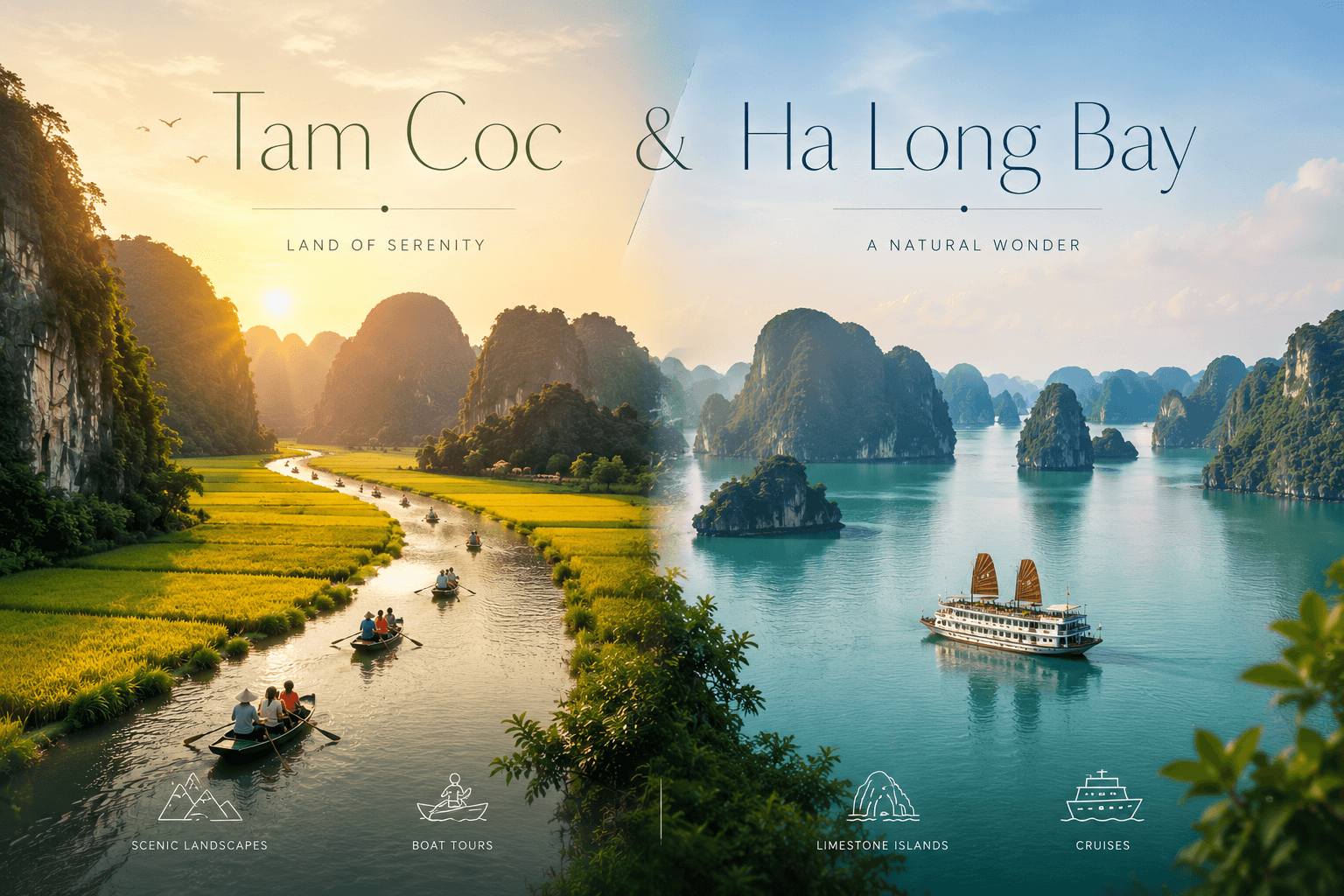
Although both feature limestone karsts, Ninh Binh and Ha Long Bay offer very different experiences (Source: Collected)
How Much Time Do You Really Need?
The ideal itinerary depends not only on how many days you have, but also on how you want to travel. Many first-time visitors underestimate how quickly travel logistics can consume a short holiday. Airport transfers, hotel check-ins, road journeys, and cruise boarding procedures all take time, which is why trying to squeeze too much into three or four days often leaves travelers feeling as though they've spent more time moving than exploring.
|
Trip Length |
What You Can Comfortably Experience |
|
2 Days |
Focus on Hanoi and experience its history, food, and cultural attractions. |
|
3 Days |
Combine Hanoi with a day trip to Ninh Binh or choose an overnight Ha Long Bay cruise. |
|
4 Days |
Visit all three destinations if necessary, but expect a fast-paced schedule with limited flexibility. |
|
5 Days |
Enjoy Hanoi, Ninh Binh, and Ha Long Bay at a comfortable pace with time to appreciate each destination. |
Adding a fifth day makes a much bigger difference than many travelers expect. Instead of constantly checking departure times or cutting visits short, you'll have enough time to fully experience each destination. You'll explore Hanoi without rushing through its major landmarks, spend an entire day discovering Ninh Binh's ancient capital and countryside, then enjoy an overnight cruise in Ha Long Bay without worrying about returning to the harbor before sunset. Rather than feeling like three separate trips squeezed together, the itinerary becomes one seamless journey across Northern Vietnam.

A well-planned route helps maximize your time in Northern Vietnam (Source: Collected)
Travel Tip: If this is your first visit to Vietnam, prioritize a comfortable pace over the number of attractions. The most memorable experiences often come from slowing down whether that's lingering over a cup of egg coffee in Hanoi, drifting quietly through Tam Coc, or watching sunrise from the deck of a Ha Long Bay cruise.
Why Five Days Offers the Best Balance
Five days is often considered the sweet spot because it allows each destination to showcase its strengths without competing for your time. Hanoi introduces Vietnam's political history, traditional architecture, and vibrant food culture. Ninh Binh offers a complete contrast, replacing city streets with peaceful villages, winding rivers, and dramatic limestone mountains that once protected Vietnam's ancient capital. Finally, Ha Long Bay brings the journey to a memorable close with an overnight cruise through one of the world's most celebrated natural landscapes.
Just as importantly, the route itself makes sense geographically. Beginning in Hanoi gives you time to recover from an international flight while exploring the country's cultural heart. From there, a day trip to Ninh Binh provides an easy transition into rural Northern Vietnam before returning to Hanoi for the journey to Ha Long Bay. Finishing with the cruise creates a relaxed finale, allowing you to end the trip surrounded by spectacular scenery rather than navigating another busy sightseeing schedule.
The Perfect 5-Day Northern Vietnam Itinerary
Now that you know why five days is the ideal amount of time, the next question is how to organize those days efficiently. The itinerary below follows a route that minimizes unnecessary travel while allowing enough time to experience the highlights of each destination. Instead of rushing from place to place, you'll gradually move from Northern Vietnam's cultural heart to its peaceful countryside before ending the journey among the limestone islands of Ha Long Bay.
Day 1: Arrive in Hanoi and Settle Into the City's Rhythm
After arriving at Noi Bai International Airport, resist the temptation to leave Hanoi immediately. While it may seem efficient to head straight to Ninh Binh or Ha Long Bay, doing so often means starting your trip tired after a long flight. Spending your first day in Hanoi gives you time to adjust to the time difference, recover from travel, and ease into Vietnam's pace before the sightseeing begins.

Hoan Kiem Lake is the perfect place to ease into Hanoi's atmosphere after your arrival (Source: Collected)
If you arrive early enough, take a gentle walk around Hoan Kiem Lake or wander through the Old Quarter, where narrow streets are lined with cafés, local eateries, and family-run shops that have operated for generations. Rather than trying to tick off major attractions, use this first afternoon to observe daily life, enjoy your first bowl of pho, or stop for Vietnam's famous egg coffee. These simple experiences often become some of the most memorable moments of the trip.
Why this works: Starting slowly helps you enjoy the following days with more energy. It also gives you a chance to experience Hanoi beyond its famous landmarks, seeing the city as locals do rather than rushing from one attraction to another.
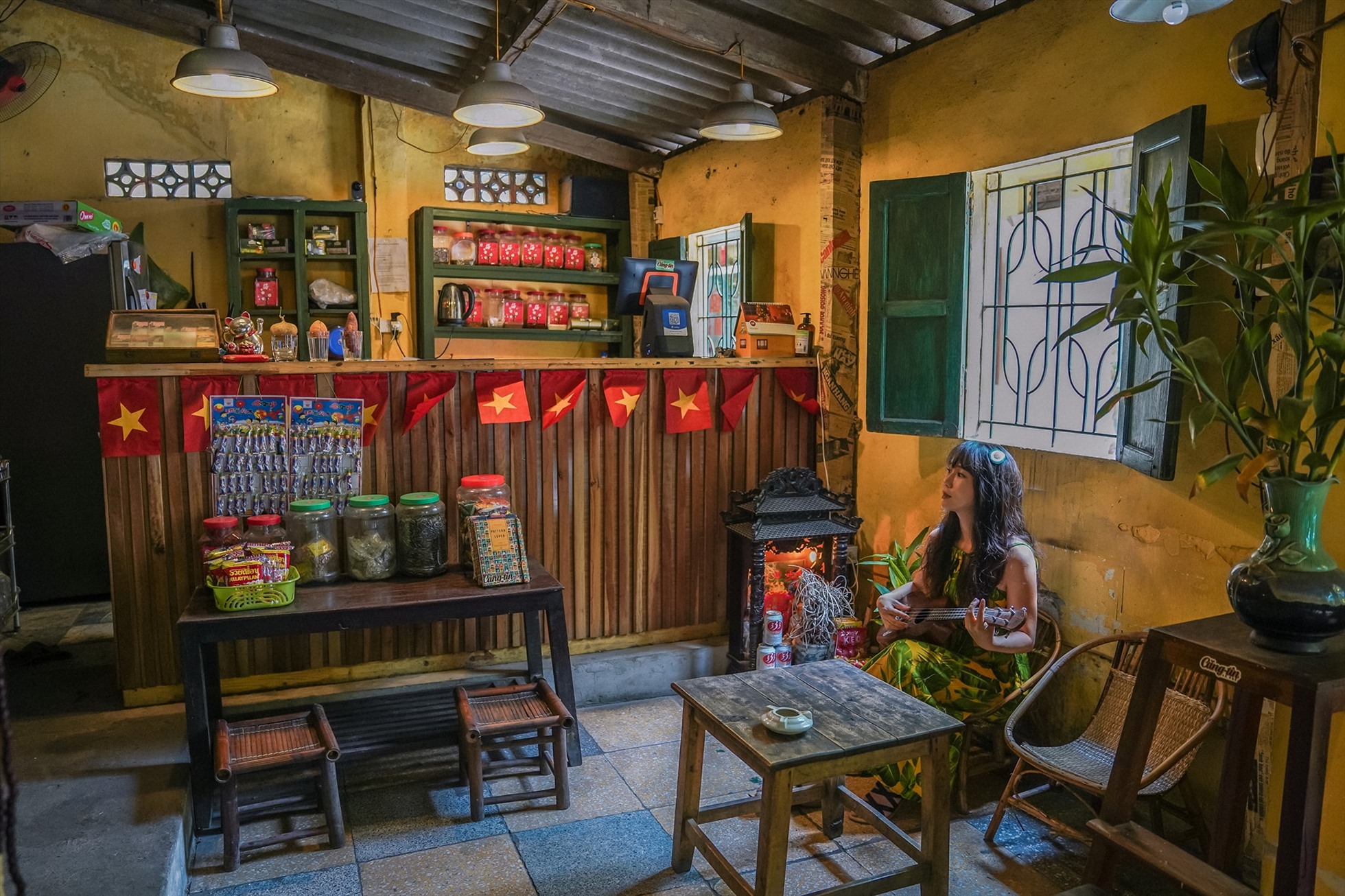 The Old Quarter offers a glimpse into Hanoi's vibrant daily life (Source: Dan tri newspaper)
Day 2: Discover the Stories Behind Vietnam's Capital
Your first full day is dedicated to Hanoi, and for good reason. Before exploring Northern Vietnam's natural landscapes, it's worth understanding the country's history and culture. The capital provides that context through a collection of landmarks that span centuries of Vietnamese history.
Begin the morning at the Ho Chi Minh Complex, where you'll learn about one of Vietnam's most influential historical figures. Nearby, the distinctive One Pillar Pagoda reflects the country's long Buddhist tradition, while the Vietnam Museum of Ethnology offers a fascinating introduction to the customs and traditions of Vietnam's 54 ethnic groups.
After lunch, continue to Tran Quoc Pagoda, the oldest Buddhist pagoda in Hanoi, before visiting the Temple of Literature, Vietnam's first national university. End the day at Hoa Lo Prison, where exhibitions reveal the country's colonial past and its struggle for independence. Although these sites differ in age and purpose, together they create a broader understanding of Vietnam than any single attraction could offer.
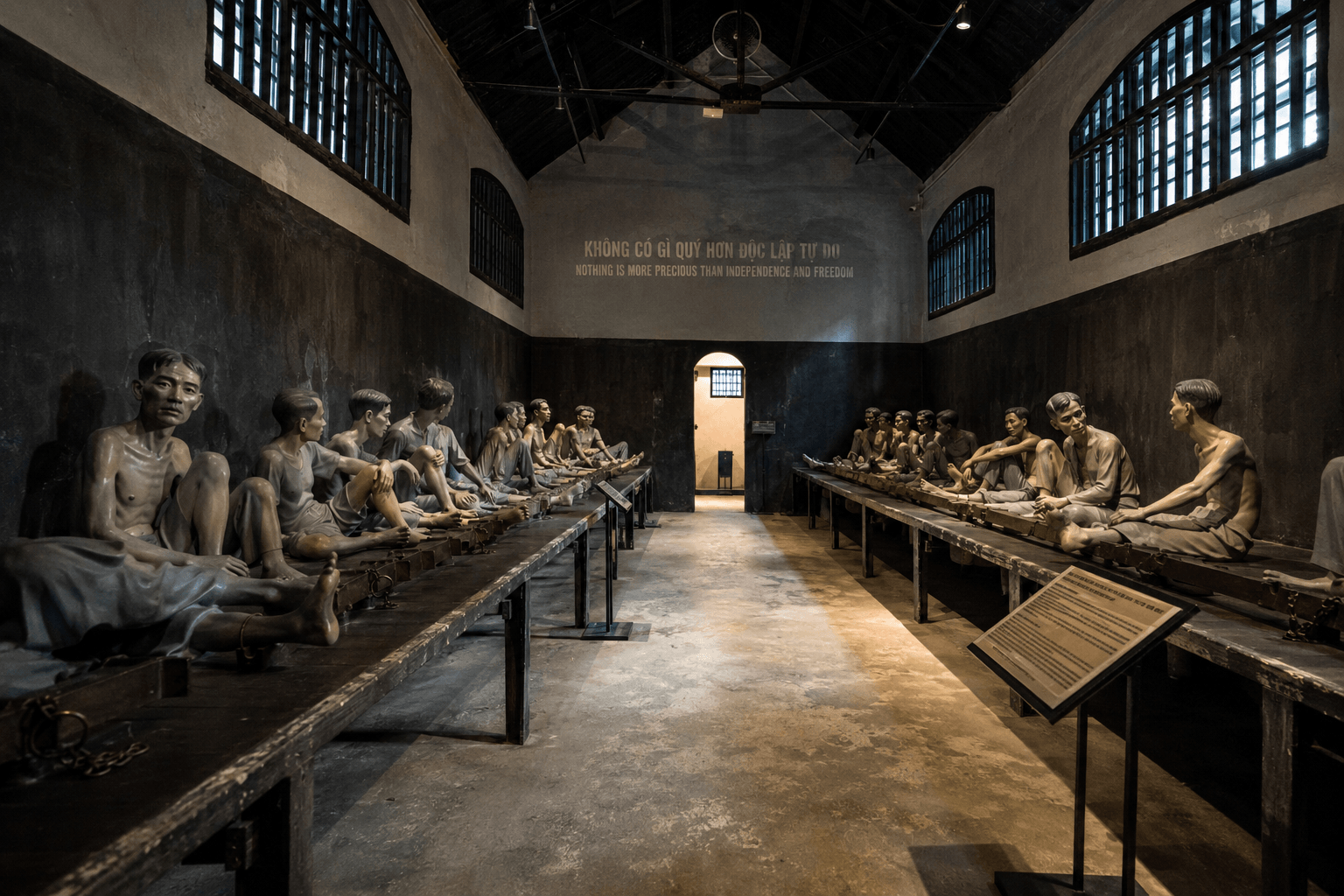
Centuries of Vietnamese history come together through Hanoi's iconic cultural sites (Source: Collected)
Local Insight: Many travelers are surprised by how walkable parts of Hanoi are once they leave the busiest roads. Between attractions, you'll often pass hidden cafés, flower vendors, and quiet residential streets that reveal a slower side of the capital rarely shown in guidebooks.
Day 3: Explore Ancient Vietnam in Ninh Binh
Leaving Hanoi behind, today's journey takes you approximately two hours south to Ninh Binh, a region often described as one of Vietnam's most beautiful natural landscapes. Yet reducing Ninh Binh to its scenery alone would overlook its historical significance. Long before Hanoi became the capital, this area served as the political center of Vietnam during the 10th century.
Your first stop is Hoa Lu Ancient Capital, where temples dedicated to Kings Dinh and Le stand against a backdrop of limestone mountains. Although only parts of the original citadel remain, visiting Hoa Lu provides valuable insight into Vietnam's earliest dynasties and explains why the capital later moved north to Hanoi.
 Hoa Lu Ancient Capital was Vietnam's political center during the 10th century (Source: Ninh Binh Tourism Promotion Information Center)
The pace changes completely after leaving Hoa Lu. Instead of boarding another vehicle, you'll cycle through peaceful villages and rice fields, passing water buffalo, local farms, and quiet country roads. It's a simple activity, but one that offers a genuine glimpse into everyday rural life.

Cycling through peaceful villages reveals the authentic countryside of Ninh Binh (Source: Collected)
The afternoon is reserved for Tam Coc, where a boat carries visitors along the Ngo Dong River through caves and towering limestone cliffs. Often referred to as "Ha Long Bay on land," Tam Coc is best appreciated slowly. Unlike a motorized cruise, the gentle rhythm of the boat allows you to notice details that are easy to miss the sound of birds overhead, reflections of the cliffs in the water, and local farmers working in the surrounding fields.

Ngo Dong River (Source: Collected)
Before returning to Hanoi, finish the day with a climb to Mua Cave Viewpoint. Reaching the summit requires climbing around 500 stone steps, but the reward is one of the most iconic panoramic views in Northern Vietnam. Looking down across the winding river and patchwork of rice paddies, it's easy to understand why this landscape has become a favorite among photographers.
Worth Knowing: Travelers often ask whether they should visit Tam Coc or Trang An. Both are excellent choices, but Tam Coc fits particularly well within a one-day itinerary thanks to its shorter boat route and convenient location alongside Mua Cave, allowing you to experience two of Ninh Binh's highlights without feeling rushed.
Day 4: Cruise Through the Timeless Beauty of Ha Long Bay
After two days exploring Vietnam's history and countryside, the journey naturally shifts toward one of the country's most celebrated natural wonders. From Hanoi, the drive to Ha Long Bay takes around 2.5 - 3 hours via the modern expressway, making it a comfortable transfer before boarding your overnight cruise.
The answer depends on the type of experience you're looking for. A day cruise allows you to admire Ha Long Bay's famous limestone islands, but it also means returning to shore just as the bay begins to quiet down. By late afternoon, most tourist boats head back to the harbor, leaving the water noticeably more peaceful. Spending the night onboard lets you experience a side of Ha Long Bay that day visitors never see.
 An overnight cruise is the best way to experience Ha Long Bay beyond the daytime crowds (Source: Collected)
As the cruise leaves the marina behind, thousands of limestone karsts gradually emerge from the emerald water, creating the landscape that has earned Ha Long Bay international recognition as a UNESCO World Heritage Site. Lunch is served while sailing deeper into the bay, meaning the scenery becomes part of the dining experience rather than something viewed through a bus window.
During the afternoon, you'll have opportunities to explore beyond the cruise itself. Depending on the route and weather conditions, activities may include kayaking through sheltered lagoons, visiting impressive limestone caves, or taking a bamboo boat ride to areas that larger vessels cannot reach. These experiences offer a closer look at the bay's geological formations and reveal why Ha Long Bay has remained one of Southeast Asia's most iconic destinations.
 Kayaking allows visitors to explore hidden lagoons and limestone formations up close (Source: Ha Long Bay)
As daylight begins to fade, the atmosphere changes completely. The busy waterways become calmer, the limestone cliffs are illuminated by soft golden light, and the sundeck turns into one of the best places to simply pause and enjoy the view. It's no surprise that many travelers describe sunset, not sightseeing as their favorite moment of the entire cruise.
The evening continues with experiences that go beyond simply staying in a cabin. Many overnight cruises include a Vietnamese cooking demonstration, giving guests the chance to learn how traditional dishes are prepared. Later, you can try squid fishing, relax on the sundeck beneath a star-filled sky, or simply enjoy the rare silence that settles over the bay after dark.
Day 5: Wake Up to Sunrise Before Returning to Hanoi
One of the biggest advantages of staying overnight becomes clear early the next morning. Before the first day boats arrive, Ha Long Bay feels almost untouched. Mist often lingers between the limestone islands, fishing boats quietly cross the water, and the bay takes on a calm atmosphere that's impossible to experience during the busiest hours of the day.
 Watching sunrise over Ha Long Bay is a memorable finale to a Northern Vietnam journey (Source: Collected)
Many cruises begin with an optional Tai Chi session on the sundeck. Even if you've never practiced Tai Chi before, joining the class is less about exercise and more about appreciating the peaceful surroundings while watching the sunrise over the bay. It's a simple experience, but one that often becomes a highlight of the trip.
After a light breakfast, the cruise continues through another scenic section of the bay. Depending on your itinerary, there may be time for one final activity, such as visiting another cave or taking a short bamboo boat excursion, before returning to the main vessel for brunch.
Rather than ending the trip abruptly, brunch is served as the cruise slowly makes its way back toward the harbor. It's a relaxed conclusion that gives you one last opportunity to admire the landscape before disembarking and transferring back to Hanoi for your onward flight from Noi Bai International Airport.
Why This Itinerary Works Better Than Visiting Just One Destination
If you're still wondering whether it's better to spend all five days in Hanoi, Ninh Binh, or Ha Long Bay, the answer largely depends on the kind of experience you're hoping to have. Staying in one destination certainly allows you to explore it in greater depth, but it also means missing the diversity that makes Northern Vietnam so rewarding.
Choosing only Hanoi offers an excellent introduction to Vietnamese culture, history, and cuisine, yet you'll miss the spectacular natural scenery found beyond the capital. Spending all your time in Ninh Binh provides peaceful countryside and fascinating historical sites, but without Hanoi, much of Vietnam's cultural context is lost. Likewise, focusing solely on Ha Long Bay delivers unforgettable coastal landscapes while overlooking the traditions, architecture, and local life that define the region inland.
Practical Tips for Planning a 5-Day Trip to Northern Vietnam
A well-planned itinerary makes a significant difference, but a few practical preparations can make your journey even smoother. Northern Vietnam is generally easy to travel around, especially for first-time visitors, yet understanding the local climate, transportation, and daily schedule will help you make the most of every day.
Choose the Right Season
Northern Vietnam can be visited throughout the year, although the experience changes noticeably with the seasons. Spring (March to April) and autumn (September to November) are generally considered the most comfortable periods, with pleasant temperatures and relatively dry weather, making them ideal for sightseeing, cycling, and outdoor activities.
If you're visiting in late May or early June, you'll have the chance to see Ninh Binh's famous golden rice fields surrounding Tam Coc, one of the most photogenic landscapes in the country. Summer brings warmer temperatures and occasional tropical showers, while winter can be surprisingly cool, particularly during early mornings on a Ha Long Bay cruise.
 Spring and autumn offer the most comfortable weather, while late May and early June showcase Ninh Binh's iconic golden rice fields (Source: Collected)
Pack for Different Activities
Unlike itineraries focused on a single destination, this journey combines city sightseeing, countryside exploration, and an overnight cruise. Packing versatile clothing is therefore more practical than bringing separate outfits for each destination.
Comfortable walking shoes are essential for exploring Hanoi's historical sites and climbing the steps to Mua Cave. Lightweight clothing works well for most of the year, while a light jacket is recommended for evenings on the cruise or during the cooler months. Don't forget sunscreen, sunglasses, insect repellent, and a waterproof bag if you plan to kayak in Ha Long Bay.
 Packing light, comfortable clothing and a few travel essentials helps you enjoy Hanoi, Ninh Binh, and Ha Long Bay with ease (Source: Collected)
A Stress-Free Way to Experience Northern Vietnam with Sinh Cafe Travel
Planning a multi-destination trip across Hanoi, Ninh Binh, and Ha Long Bay may seem straightforward at first. However, once you begin comparing hotel locations, airport transfers, transportation options, cruise schedules, and sightseeing timings, the logistics quickly become more complicated than expected especially when you're trying to make the most of just five days.
Rather than worrying about train schedules, finding reliable transfers, or deciding which attractions are worth prioritizing, you can focus on what matters most experiencing Northern Vietnam. From discovering Hanoi's cultural landmarks and cycling through the peaceful countryside of Ninh Binh to watching the sunset over Ha Long Bay, each day has been carefully planned to create a journey that feels both relaxed and rewarding.
Ready to Turn This Itinerary Into Your Trip?
If this 5-day itinerary matches the kind of Northern Vietnam experience you're looking for, the next step is simple. Explore the full tour details, compare accommodation options, and choose the package that best fits your travel style.
Whether you're traveling as a couple, with family, or in a small group, Sinh Cafe Travel is here to help you experience Hanoi, Ninh Binh, and Ha Long Bay with carefully planned logistics, knowledgeable local guides, and the confidence that every detail has already been taken care of. View the complete 5 Days 4 Nights tour, check the latest availability, or contact our team to start planning your Northern Vietnam adventure today.
Share via




Related articles

5 Days in Vietnam for First Time Couples: Beyond the Tourist Trail
Posts | 08/06/2026

6-Day Vietnam Slow Travel Itinerary for Couples
Posts | 16/06/2026

5 Days in Vietnam for Food Lovers: Hanoi, Ninh Binh & Ha Long Bay
Posts | 15/06/2026

Travel to Vietnam with Kids: The Complete Family Travel Guide
Posts | 26/06/2026









There are no reviews yet