


Vietnam or Philippines: Which destination fits your travel style & Budget?
Vietnam or Philippines, it’s a common question for travelers planning a trip in Asia. Both countries promise impressive scenery, famous beaches, and memorable local culture. Still, once you begin organizing your itinerary, you’ll notice that the way you travel, eat, move around, and spend your budget can feel very different in each place. This guide breaks down the essential parts of the journey, helping you see more clearly whether Vietnam or Philippines is the better match for your expectations, schedule, and travel budget.

Vietnam or Philippines, it’s a common question for travelers planning a trip in Asia. Both countries promise impressive scenery, famous beaches, and memorable local culture. Still, once you begin organizing your itinerary, you’ll notice that the way you travel, eat, move around, and spend your budget can feel very different in each place. This guide breaks down the essential parts of the journey, helping you see more clearly whether Vietnam or Philippines is the better match for your expectations, schedule, and travel budget.
Natural landscapes and scenery
Natural scenery is one of the most important factors travelers consider when choosing between Vietnam and the Philippines. Both countries offer coastlines, mountains, and protected areas, but their geography creates very different types of travel experiences. Vietnam stands out for its diversity on land – from high mountains and limestone bays to vast river deltas – while the Philippines focuses heavily on island environments and ocean-based activities. The comparison below will help you picture which destination fits your plan better.
What Vietnam offers
Vietnam stretches from north to south, and the landscape changes significantly between regions. In a single trip, travelers can combine mountains, bays, caves, and river life without leaving the country.
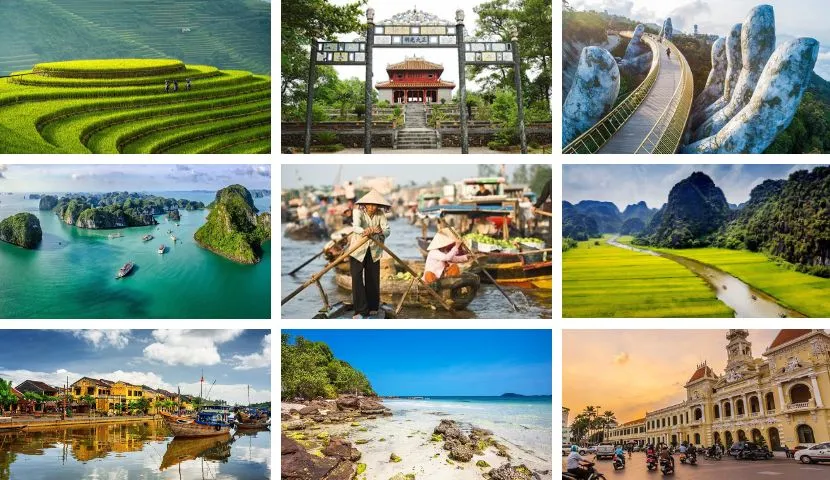
Vietnam stretches from north to south, and the landscape changes significantly between regions. In a single trip, travelers can combine mountains, bays, caves, and river life without leaving the country (Source: Izitour)
Ha Long Bay is the most famous seascape, known for thousands of limestone formations rising from the water. Most visitors explore the area on overnight cruises, kayak around the islands, or take small boats into caves. Typical itineraries last two to three days.
In the northern highlands, Sapa is known for terraced rice fields and trekking routes through valleys and ethnic minority villages. Visitors may hike for hours or days, stay in homestays, or take a cable car to Fansipan Peak. The scenery changes by season, offering different views throughout the year.
In central Vietnam, Phong Nha – Ke Bang attracts travelers with its extensive cave systems. Some caves are accessible by boat, while others require jungle trekking or guided adventure tours. This area is ideal for nature lovers and outdoor activities.
Further south, the Mekong Delta provides a river-based landscape of canals, floating markets, orchards, and traditional workshops. Boat trips allow visitors to observe everyday local life up close.
Overall, Vietnam is well suited for travelers who want a wide range of landscapes within one journey rather than focusing only on the sea.
What the Philippines offers
The Philippines is made up of more than 7,000 islands, so its natural identity is closely tied to the ocean. Most famous destinations revolve around beaches, small bays, coral reefs, and water activities.
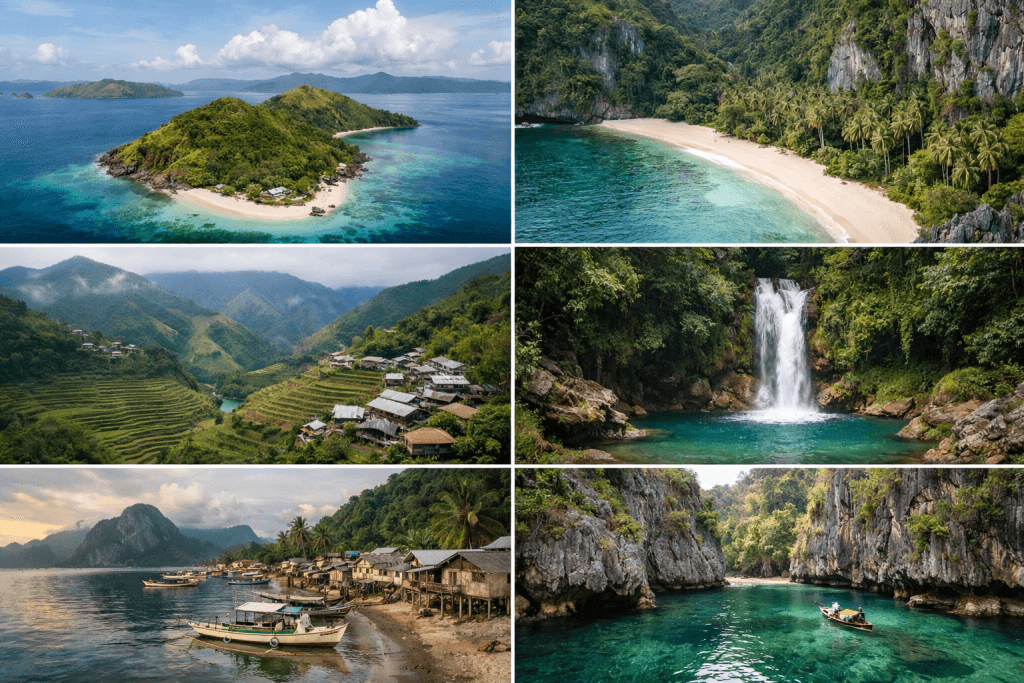
What Philipines offers? (Source: Tripworldwide)
Palawan is widely known for island-hopping tours. Travelers move by boat between limestone islands, stopping to swim, snorkel, or relax on quiet beaches. Many routes last a full day and depend on sea conditions.
Boracay is popular for its long stretch of white sand and shallow, clear water. Hotels, restaurants, and bars are located right near the shore, making it convenient for a resort holiday. Days are filled with swimming and water sports, while evenings focus on nightlife.
For surfing, Siargao is a top choice. Several breaks are suitable for beginners as well as experienced surfers. The island also offers inland lagoons, caves, and boat trips.
Bohol combines land excursions to the Chocolate Hills and wildlife viewing with time at beachfront resorts. Visitors typically split their schedule between inland sightseeing and marine activities.
In general, the Philippines is ideal for travelers who want to spend most of their vacation on the water and frequently transfer between islands.
Read more: Vietnam or Thailand-which is the more attractive destination?
Beaches and island experience
When planning a trip to Vietnam or Philippines, most travelers place high expectations on their time at the beach. Yet once you actually stand on the sand, you begin to notice how different the experiences can be. From the way you reach the water, to what happens around you, to what you are likely to do after a swim, each country shapes a very distinct style of coastal holiday.
Beach experiences in Vietnam
In Vietnam, the sea is usually very close to where you stay. From a hotel or resort, it often takes only a few minutes to walk onto the sand. Because of that, many visitors go in for a swim, come back to rest, then head out again later without much planning.
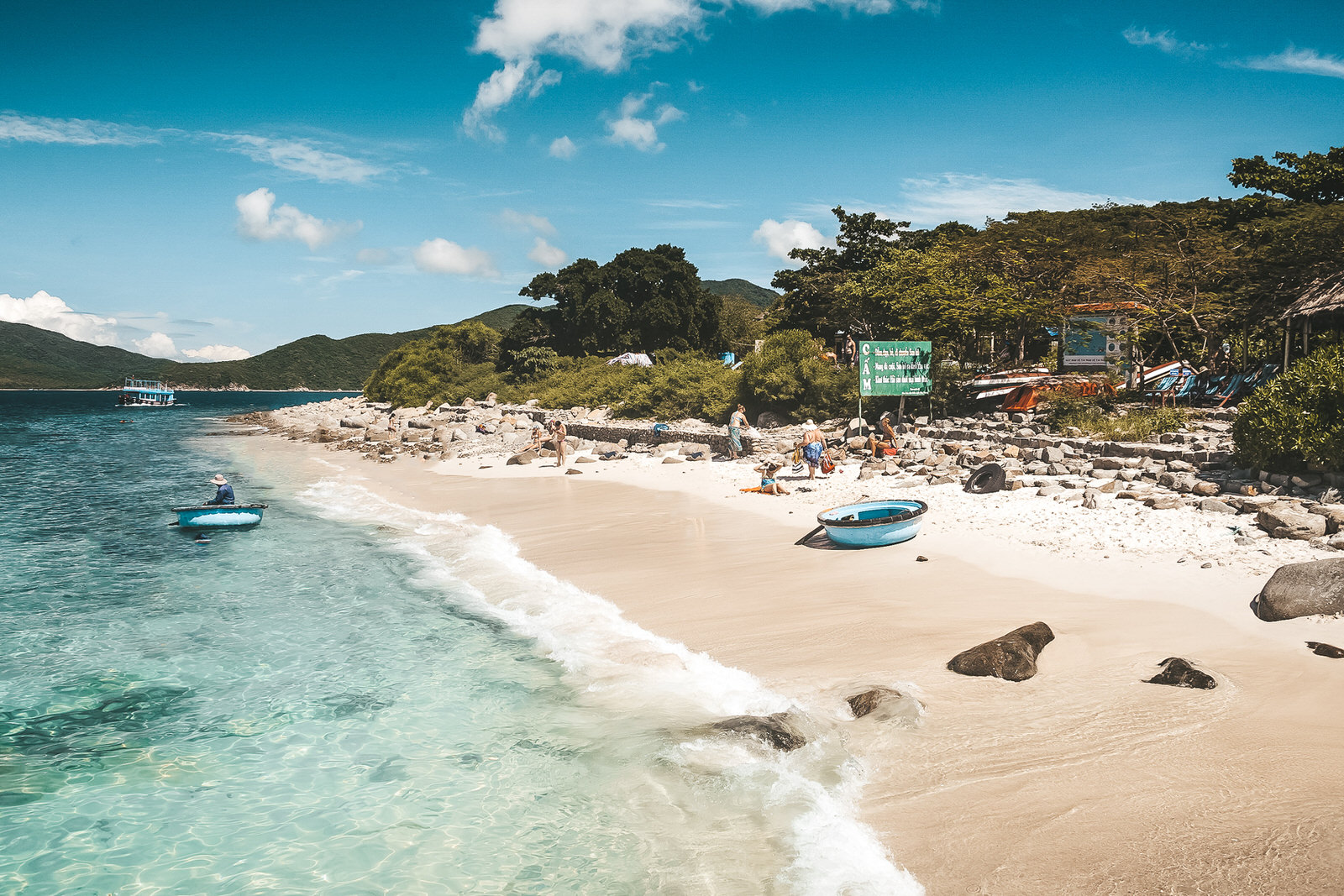
Beach experiences in Vietnam (Source: Vietspace travel)
In Da Nang, the shoreline is long and easy to access. Early in the morning you might see people jogging or exercising; later in the day the area fills with travelers ready to swim. If you want something more active, jet skis, parasailing, and surfboard rentals are available right on the beach. When the heat becomes too much, you can leave the water and quickly find cafés, seafood restaurants, or transportation back to the city center just across the road.
In Nha Trang, many travelers join boat tours to offshore snorkeling or diving sites. Speedboats gather guests, hand out life jackets and masks, and take everyone to coral areas. After spending time in the water, the group returns to land, and the evening often continues with seafood dinners, night markets, or bars along the coast. The transition from sea activities to city entertainment happens quickly.
On Phu Quoc, those staying at resorts often have everything within the property. You can swim near the shore, borrow a kayak, try stand-up paddleboarding, or simply rest on a lounge chair and order drinks. Travelers who want clearer or deeper water usually book island tours during the day, but most return to their accommodation by late afternoon.
What stands out in Vietnam is the convenience. The beach is rarely far away, and services are always within easy reach.
Beach experiences in the Philippines
In the Philippines, going to the beach often begins with getting on a boat. Many famous spots lie away from major towns, so once the trip starts, you are likely to remain out on the water for hours.
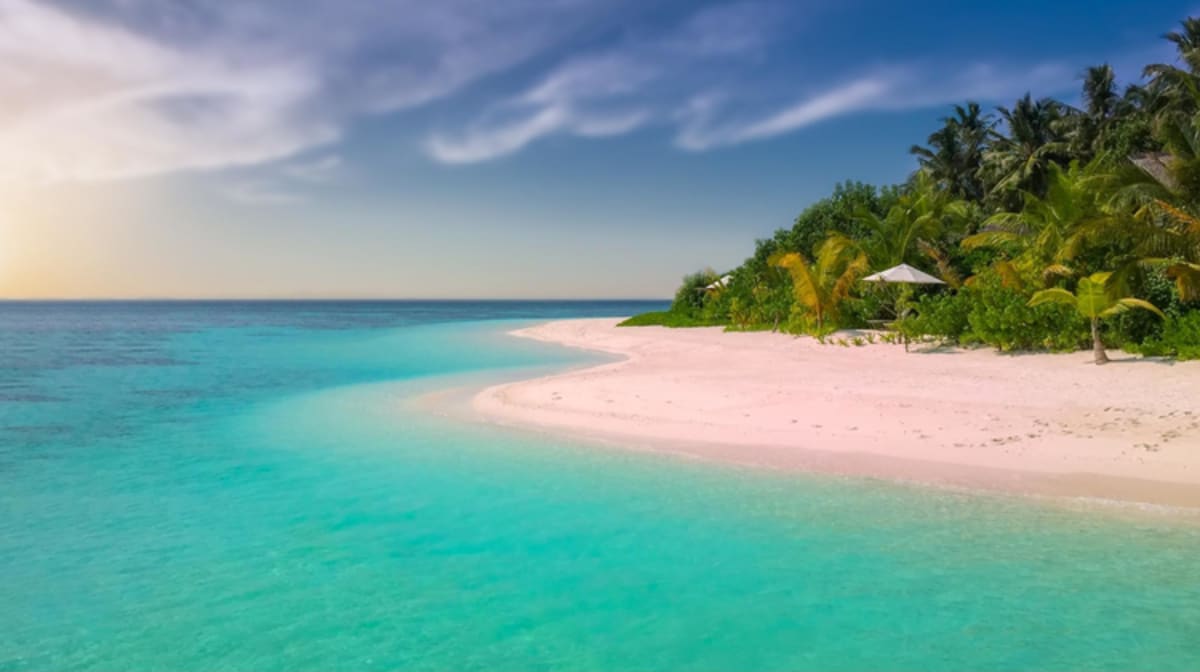
Beach experiences in the Philippines (Source: Klook)
In El Nido, boats move from one island to another, stopping at lagoons or coral sites where visitors can swim and snorkel. People climb down into the water, follow the guide’s instructions, then return to the boat before heading to the next stop. Lunch is usually served on a small beach or onboard, and the day continues with more transfers between locations. Much of your time is spent offshore rather than near urban areas.
In Coron, excursions often focus on lakes and dive sites. Guides carefully explain safety rules, prepare flotation gear or equipment, and supervise the group closely. After finishing at one place, the boat normally proceeds to another instead of returning to town.
Boracay offers a more compact setting. Activities such as parasailing, scuba diving, and paddleboarding happen along the same stretch of sand. Once you step out of the water, restaurants, bars, and shops are immediately behind you. The rhythm of action and rest repeats throughout the day, and the area remains lively into the evening.
In Siargao, surfing draws much of the attention. Multiple lessons run at the same time, with instructors helping beginners adjust their stance and timing. When travelers want a change of pace, they often arrange boat trips to nearby islets for swimming or relaxing.
In the Philippines, once you head out to sea, you typically dedicate most of the day to those activities instead of returning midway.
Culture and History attractions
Step away from the resorts and the trip begins to reveal deeper layers of identity. Citadels, old quarters, temples, and museums are not only photo stops; they show how each country was shaped and how its past continues to influence daily life today.
Exploring culture and history in Vietnam
In Hanoi, many journeys begin around Hoan Kiem Lake. From here, visitors cross the red bridge into Ngoc Son Temple, then continue toward the Imperial Citadel of Thang Long, where archaeological remains and preserved structures trace centuries of political change. A short drive away stands the Ho Chi Minh Mausoleum and Ba Dinh Square, where lines of visitors move steadily throughout the day.
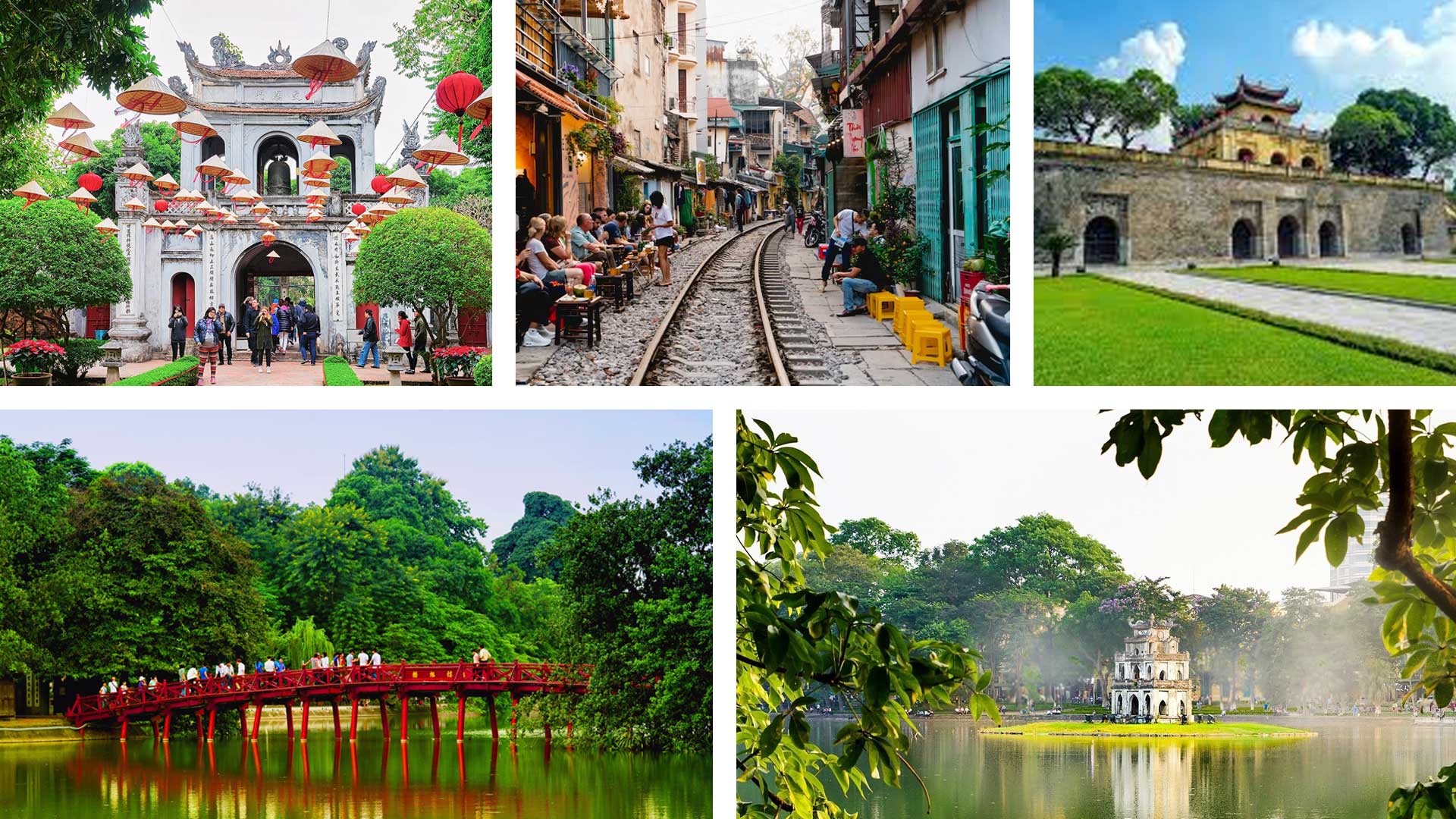
Exploring culture and history in Vietnam (Source: Travel Vietnam)
Central Vietnam presents heritage on a grand scale. Inside the Complex of Hue Monuments, travelers pass through Ngo Mon Gate, walk across large courtyards, and enter palaces that once formed the imperial center. Beyond the citadel, royal tombs are scattered along the Perfume River, each designed differently and often requiring additional time to explore.
In Hoi An, the entire Old Town functions almost like an open-air museum. Visitors walk past the Japanese Covered Bridge, step into preserved merchant houses, and visit assembly halls built by Chinese communities. Trade, religion, and architecture appear side by side within a compact area, which makes it easy to spend hours moving from one site to another. When evening comes, lanterns illuminate the streets and the number of people lingering for photos or shopping increases noticeably.
Further south, the Cu Chi Tunnels allow travelers to enter sections of the underground network, see living quarters, and understand how the area operated during wartime. Within Ho Chi Minh City, the War Remnants Museum is another frequent stop for those wanting insight into more recent history.
Many Vietnamese cultural landmarks are located within relatively short distances, so combining several sites in a single day is common.
Exploring culture and history in the Philippines
In Manila, a large share of historical exploration takes place inside Intramuros. Within the old walls, visitors move between Fort Santiago, San Agustin Church, plazas, and museums that document the Spanish colonial period. The atmosphere inside is calmer, encouraging walking or cycling between stops. Once outside the gates, modern city traffic quickly returns.
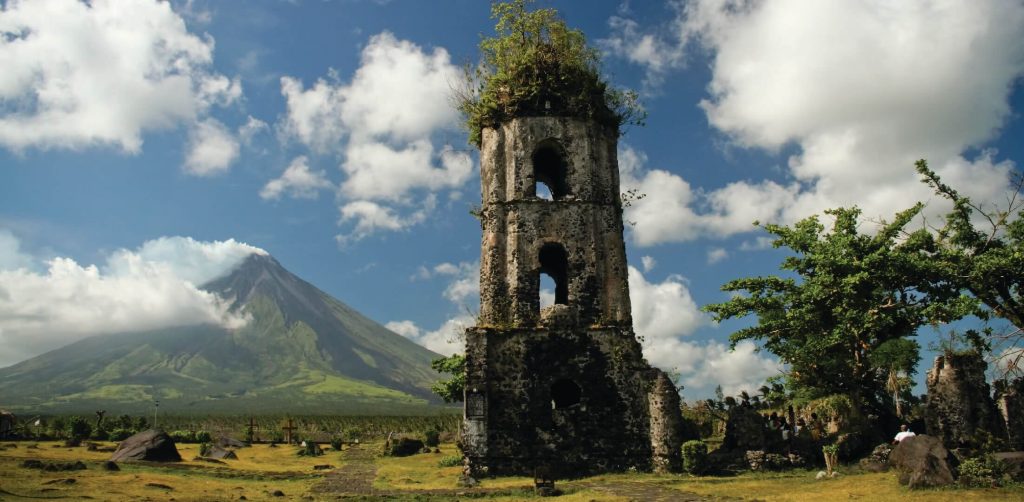
Exploring culture and history in the Philippines (Source: Cool travel vibes)
In Cebu, travelers often start at Magellan’s Cross and then proceed to the nearby Basilica del Santo Niño. Pilgrims and tourists fill the area throughout the day, creating a steady flow of people entering, praying, taking photos, and continuing on to other parts of the city.
On Bohol, tours that focus on nature frequently include visits to centuries-old churches. These structures highlight the strong religious influence that remains visible in many communities.
In Vigan, Calle Crisologo stands out with its cobblestone street and preserved colonial houses. Horse-drawn carriages pass slowly, souvenir shops operate on both sides, and several buildings are open to visitors. The district feels concentrated, and most people complete their exploration of the area before heading elsewhere.
Historical attractions in the Philippines are often grouped into defined zones, encouraging travelers to spend dedicated time in one place and then transfer to the next.
Food and culinary experience
Food in Vietnam and the Philippines is generally easy for travelers to approach. However, the more you eat, the clearer the differences become. The contrast shows up in the types of dishes that appear regularly on the table, how ingredients are combined, and the flavors you will encounter again and again throughout your trip.
Cuisine in Vietnam
In Vietnam, many travelers begin with dishes built around broth. A hot bowl of pho, with soft rice noodles, thin slices of meat, and the aroma of herbs and spices such as ginger and star anise, can be found in almost every city. Soon after, you might move to bun cha, where grilled pork is eaten with noodles, fresh greens, and a light sweet–savory fish sauce.
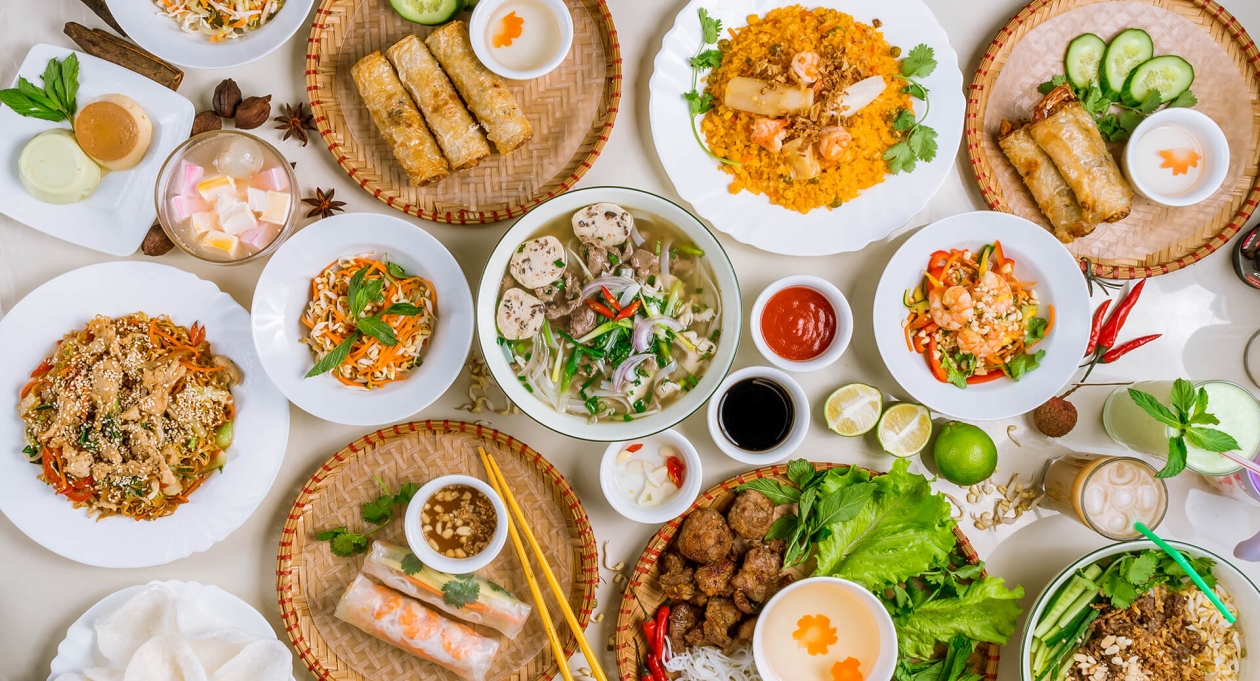
Cuisine in Vietnam (Source: Vietnam Tourism)
As you continue exploring, recipes shift by region. Bun bo Hue brings a deeper color and a noticeable kick of chili and lemongrass. In central Vietnam, mi Quang changes the structure completely: less broth, thicker noodles, topped with shrimp, pork, egg, peanuts, and crispy rice crackers.
It is also common to see approachable dishes like fresh spring rolls, where shrimp, pork, herbs, and noodles are wrapped in rice paper, or banh xeo, a crispy pancake filled with meat, shrimp, and bean sprouts. When you want something different, many people turn to com tam with grilled pork and egg, or a banh mi packed with pâté, cold cuts, and pickled vegetables.
To finish, travelers often try sweet soups known as che, made with beans, jelly, and coconut milk, or simply stop for the ever-present Vietnamese iced coffee.
Moving from one dish to another, Vietnamese food offers variety, plenty of greens, and the flexibility to change flavors from meal to meal.
Cuisine in the Philippines
In the Philippines, you will quickly encounter dishes with stronger seasoning and generous portions of meat. Adobo is the most frequent name on menus, featuring chicken or pork simmered in vinegar, soy sauce, and garlic until the flavor fully penetrates.
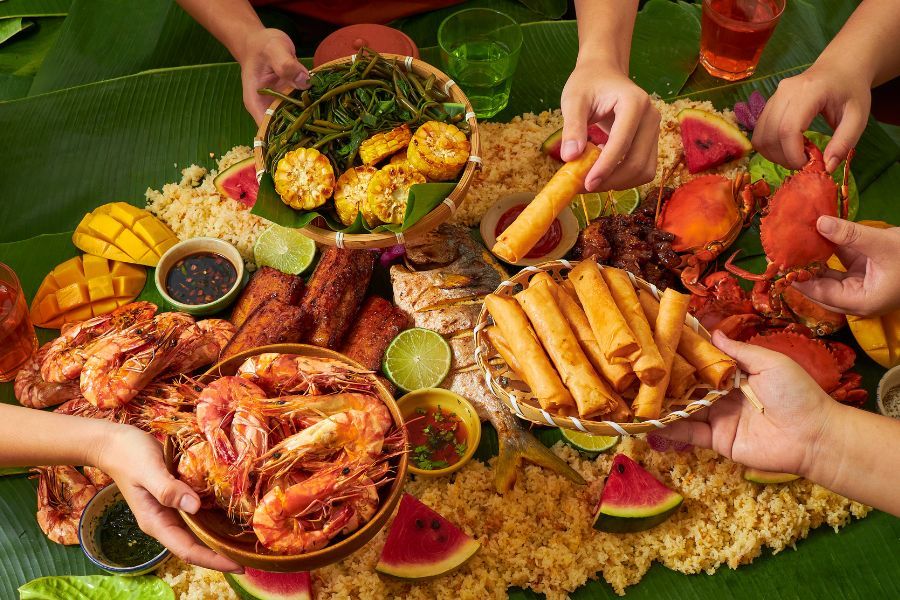
Cuisine in Philipines (Source: Make your Asia)
For soup, sinigang delivers a pronounced sour taste, usually combined with vegetables and either meat or seafood. A meal may also revolve around lechon, roasted pig with crispy skin carved into serving pieces.
Many restaurants also highlight kare-kare, where meat and vegetables sit in a thick peanut sauce, or crispy pata, a deep-fried pork leg that stays tender inside.
Chinese influence appears in pancit, a group of stir-fried noodle dishes with meat and vegetables, while sweetness becomes more noticeable in desserts such as halo-halo, a mix of shaved ice, milk, fruits, beans, jelly, and ice cream.
Transportation and getting around
How you move during a trip directly affects how many places you can visit and how much time you spend reaching each destination. Vietnam and the Philippines both have transport systems that support tourism, but because their geography is very different, the travel experience is not the same.
Getting around in Vietnam
In Vietnam, many attractions sit along the same stretch of mainland, which makes connections between cities relatively convenient. Domestic flights operate frequently between Hanoi, Da Nang, and Ho Chi Minh City, allowing travelers to save a significant amount of time.
In the north, visitors can leave Hanoi and reach Ha Long Bay, Ninh Binh, or the mountain town of Sapa by highway, train, or coach. Routes are straightforward, and booking transportation is usually simple.
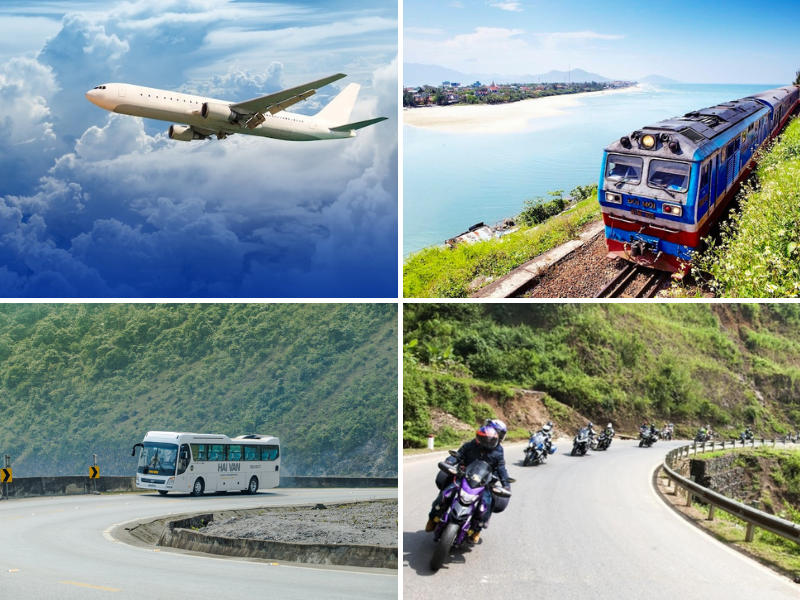
Getting around in Vietnam (Source: Collected)
Once inside major cities, taxis, ride-hailing services, and buses make it easy to reach restaurants, museums, and shopping areas. In places like Hoi An or Hue, walking or renting a bicycle is common because distances between highlights are manageable.
For islands such as Phu Quoc or Cat Ba, travelers typically fly or take a high-speed boat, then continue by taxi or motorbike after arrival.
Overall, travel in Vietnam often combines overland journeys with short domestic flights.
Getting around in the Philippines
With thousands of islands, transportation in the Philippines relies much more on flights and boats.
From Manila or Cebu, travelers usually need another domestic flight before reaching beach destinations. For example, getting to El Nido may involve flying to a smaller airport and then continuing by road or boat.
Between islands, ferries and speedboats are standard options. Schedules can depend heavily on weather conditions, so travel plans sometimes require flexibility.
Within city centers, taxis and ride-hailing apps are available, but once on smaller islands, tricycles and motorbikes become more common.
Because of this geography, moving from one place to another in the Philippines often takes more time and usually requires more advance planning.
Travel costs & budget
Budget is one of the main factors travelers consider when choosing between Vietnam and the Philippines. Both are often seen as relatively affordable compared with many other destinations in the region. However, the amount you actually spend each day can vary depending on transportation, accommodation, and the activities you plan to join.
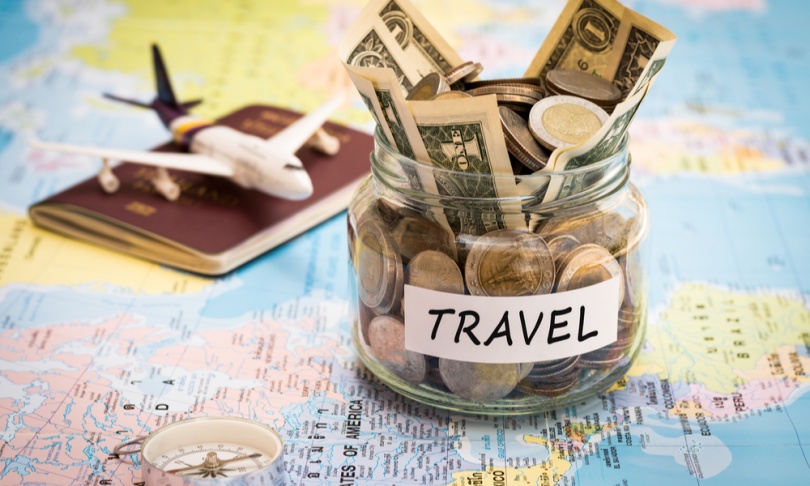
Budget is one of the main factors travelers consider when choosing between Vietnam and the Philippines (Source: Collected)
Travel costs in Vietnam
In Vietnam, visitors usually have a wide range of price options. In major cities such as Hanoi, Da Nang, or Ho Chi Minh City, you can find everything from low-cost hostels to upscale hotels and luxury resorts. The gap between budget levels is significant, which makes it easier to adjust spending according to your plan.
Food typically does not take up too much of the daily budget. A meal of pho, rice, or noodles at a local eatery is accessible in price, while restaurants aimed at tourists or offering more premium settings gradually increase depending on location and service.
Travel between cities by coach, train, or domestic flights often comes with multiple pricing choices. In addition, taxis and ride-hailing services inside urban areas remain reasonable, allowing visitors to organize sightseeing without too much pressure on their wallet.
Popular excursions such as cruising in Ha Long Bay, exploring the caves of Phong Nha, or joining Mekong Delta tours are commonly sold as packages. Transportation and guides are usually included, which helps travelers estimate expenses in advance rather than facing many unexpected costs.
Overall, Vietnam makes it relatively easy for travelers to control their budget and find options that match their finances.
Travel costs in the Philippines
In the Philippines, a large part of the budget often goes toward moving between islands. Domestic flights, boats, and ferries can take up a noticeable share of total expenses, especially if your itinerary includes several destinations.
Accommodation prices vary by area. In famous spots like Boracay or El Nido, beachfront hotels and resorts tend to be higher than guesthouses located farther inland. Booking early during peak season is usually important.
Food is available at many levels, from local restaurants to international dining chains. However, on smaller islands, menu prices often rise because ingredients need to be transported from elsewhere.
Well-known activities such as island hopping, diving, or private boat rentals are normally arranged as tours. When adding multiple experiences over a few days, the total cost can increase faster than expected.
For this reason, planning ahead and checking service prices carefully is essential when traveling in the Philippines.
Read more: Is Vietnam or Bali cheaper? A detailed cost comparison for smart travelers
Best time to visit
Weather plays a major role in shaping your travel experience in both Vietnam and the Philippines. Beach conditions, visibility for water activities, and even transportation schedules can change significantly depending on the season. Understanding how the climate works in each country helps travelers choose a period that matches their expectations.
Best time to visit Vietnam
Vietnam stretches a long distance from north to south, so the weather is not the same everywhere at the same time. Travelers often plan their trips based on which regions they want to explore.

Best time to visit Vietnam (Source: Collected)
In the north, including Hanoi, Ha Long Bay, and Sapa, the most comfortable months are generally from autumn to spring, when temperatures are cooler and rainfall is lower. Summer can bring heat and sudden storms, which may affect cruises or trekking plans.
Central destinations such as Da Nang, Hoi An, and Hue usually see dry, sunny conditions in the first half of the year. Later months may experience heavier rain and occasional typhoons.
In the south, places like Ho Chi Minh City and Phu Quoc tend to have warm weather year-round. The dry season often provides clearer skies, while the rainy months usually mean short but strong showers rather than all-day rain.
Because of these regional differences, Vietnam offers flexibility. Even if one area experiences bad weather, another part of the country may still be ideal for travel.
Best time to visit the Philippines
The Philippines has a tropical maritime climate with a more defined dry and wet season. For many travelers, timing is especially important because island activities depend heavily on sea conditions.
The dry months usually bring calmer waters and better visibility for snorkeling, diving, and boat tours. Destinations such as Palawan, Boracay, and Siargao are often at their busiest during this period.
During the rainy season, showers can be frequent, and some boat routes or outdoor excursions may be delayed or canceled depending on safety conditions. Flights between islands can also be affected by weather changes.
Travelers who prefer stable beach days and uninterrupted island hopping often aim for the drier part of the year, while those seeking fewer crowds may still travel outside peak months with more flexible plans.
Still unsure between Vietnam or Philippines? Let Sinh Cafe help you design a journey that matches your interests and your budget.
SinhCafe operates tours throughout Asia and the Pacific, from cultural discoveries and food adventures to relaxing beach holidays and island exploration. Whether you prefer a ready-made package or a customized route, their team can help you make the right decision between Vietnam or Philippines or even combine multiple destinations into one seamless trip. Get in touch with Sinh Cafe today and start planning with confidence.
In the end, choosing Vietnam or Philippines depends on what kind of trip you want to have. Vietnam is often ideal for travelers who prefer diverse experiences within shorter travel distances, a wide range of food choices, and flexible spending options. The Philippines attracts those who enjoy island routes, extended beach time, and days built around the ocean.
Share via




Related articles

Visit Ha Giang in November: Is it a good time to go?
Posts | 21/09/2026
Yang Bay Waterfall: A Hidden Paradise near Nha Trang you shouldn’t miss
Blog | 24/03/2026
Diep Son island: Walk across the sea in Vietnam’s hidden paradise
Posts | 24/03/2026

Co Tien Mountain: A Scenic Hike with Stunning Views in Nha Trang
Blog | 24/03/2026








There are no reviews yet