


Is Vietnam or Bali cheaper? A detailed cost comparison for smart travelers
If you are planning a trip to Southeast Asia, one question probably comes to mind early on: is Vietnam or Bali cheaper? Both destinations are known for their beautiful landscapes, rich culture, and reputation as budget-friendly travel hotspots. However, once you look beyond the surface and break down the real costs, including accommodation, food, transportation, and activities, differences start to appear.
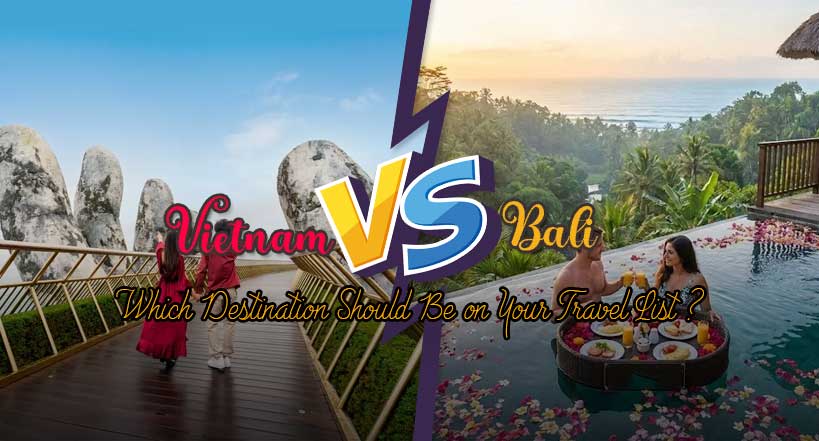
If you are planning a trip to Southeast Asia, one question probably comes to mind early on: is Vietnam or Bali cheaper? Both destinations are known for their beautiful landscapes, rich culture, and reputation as budget-friendly travel hotspots. However, once you look beyond the surface and break down the real costs, including accommodation, food, transportation, and activities, differences start to appear.
Accommodation costs – Is Vietnam or Bali cheaper for places to stay?
Accommodation is often the largest expense in any travel budget, so understanding where your money goes can help you choose the destination that offers better value. Both Vietnam and Bali are known for affordable stays compared to Western destinations, but when placed side by side, Vietnam generally comes out as the cheaper option, especially for budget and mid-range travelers. That said, Bali competes strongly in the luxury segment, where travelers often feel they receive more space and better amenities for the price.
Accommodation prices in Vietnam
Vietnam has built a reputation as one of the most affordable countries in Southeast Asia, and that extends strongly to its accommodation options. Whether you are backpacking through the north or staying in a coastal city, it is surprisingly easy to find clean, comfortable lodging at very low prices.

Accommodation prices in Vietnam (Source: Tripadvisors)
Typical price ranges:
- Hostels: $5–12 per night. Dorm beds are widely available in major destinations like Hanoi and Ho Chi Minh City. Many include free breakfast, air conditioning, strong WiFi, and sometimes even coworking areas, features that would cost significantly more elsewhere.
- Budget hotels: $15–30 per night. Private rooms with ensuite bathrooms are extremely common. Even at the lower end, you can expect daily housekeeping and reliable WiFi.
- Mid-range hotels: $35–70 per night. At this level, accommodation often feels closer to upscale boutique hotels. Rooftop pools, small gyms, modern interiors, and central locations are surprisingly standard.
- Luxury hotels: From $80–150. Compared to global standards, luxury in Vietnam is still relatively affordable. It is not unusual to book a 4-star hotel for the price of a basic room in many Western cities.
Accommodation prices in Bali
Bali offers a very different accommodation landscape. While it is slightly more expensive overall, the island specializes in visually stunning stays, think jungle villas, infinity pools, and design-focused hotels. Many travelers feel they get stronger “experience value” for the price.

Accommodation prices in Bali (Source: Tripadvisors)
Typical price ranges:
- Hostels: $8–18 per night. Bali hostels tend to be modern and social, often featuring pools, cafés, and organized events.
- Budget hotels & guesthouses: $25–50. Rooms are usually larger than in Vietnam and often include balconies or garden views.
- Private villas: $70–150. This is where Bali truly stands out. Renting a private pool villa, especially when splitting the cost with friends or as a couple, can sometimes rival the price of mid-range hotels elsewhere while delivering a far more memorable stay.
- Luxury resorts: From $150–300+
High-end resorts deliver strong value compared to luxury destinations elsewhere, making Bali popular for honeymoons and special occasions.
Food costs – Is Vietnam or Bali cheaper?
Food is one of the most important daily travel expenses, and it can significantly impact your overall budget. While both Vietnam and Bali are often considered affordable destinations, real traveler spending patterns reveal a clear difference: Vietnam is typically the cheaper choice for eating.
In Vietnam, inexpensive food is part of everyday life. Street stalls, small family-run restaurants, and casual local eateries line nearly every street — even in tourist areas. A bowl of noodle soup or a rice dish usually costs around $1–3, while a freshly made sandwich might be closer to $1.50–$2.50. This makes it easy for travelers to keep their daily food budget low without much effort.
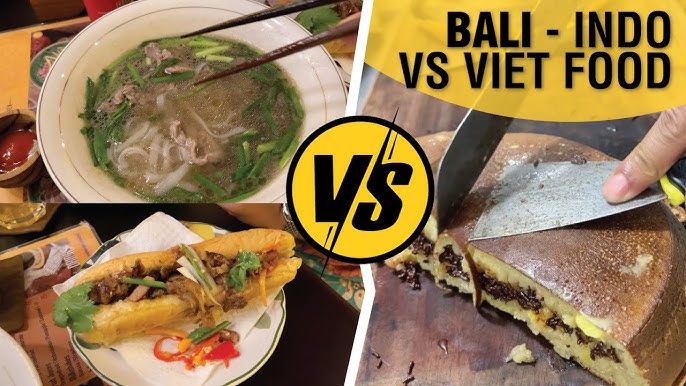
Food costs – Is Vietnam or Bali cheaper? (Source: Youtube)
Bali operates differently. As a global tourism hotspot, it has a large number of restaurants designed for international visitors. Stylish cafés, brunch spots, health-focused menus, and Western-style restaurants are everywhere, especially in popular areas like Canggu or Seminyak. These places are not necessarily overpriced, but they are noticeably higher than local dining options. For example, a brunch plate with coffee often ranges from $10–15, and adding juice or dessert can push the bill closer to $18–20. Visit these cafés a few times, and your daily spending can rise quickly.
Transportation costs – Is Vietnam or Bali cheaper to get around?
After accommodation and food, transportation is one of the biggest expenses that can shape your overall travel budget. When comparing Vietnam and Bali, the difference is not just about price, it is also about availability, convenience, and how often you need to rely on paid transport.
Vietnam offers a diverse transportation network. Ride-hailing services, taxis, buses, trains, and low-cost domestic flights create strong competition, helping keep prices relatively low. Travelers can easily adjust their transportation style depending on their budget.
Bali, on the other hand, is an island where public transportation is minimal. Most visitors rely on taxis, motorbike rentals, or private drivers. While each ride may not seem expensive on its own, the costs add up, especially if you plan to explore different beaches, temples, and scenic areas.
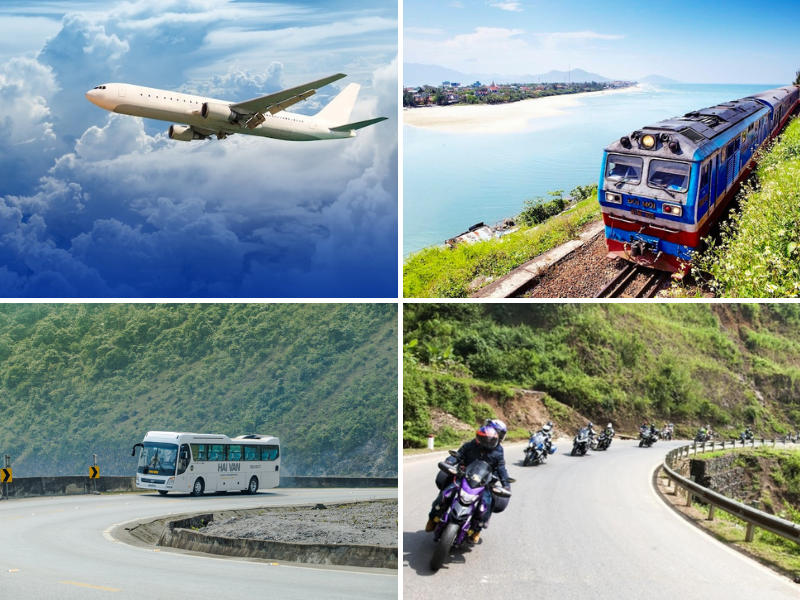
Transportation types in Vietnam (Source: Dat Viet Tour)
To understand which destination is truly cheaper, it is important to look beyond average prices and focus on how travelers actually move around during a trip.
- Getting around within cities:
- Vietnam: Ride-hailing services and taxis are competitively priced, making short trips inexpensive. Many central neighborhoods are also walkable, reducing the need for constant transportation.
- Bali: Distances may look short on a map, but traffic congestion and narrow roads often lead to longer travel times and higher fares.
- Renting a motorbike or driving yourself:
- Vietnam: Motorbike rentals are common and budget-friendly, offering excellent flexibility for independent travelers.
- Bali: Renting a motorbike is also popular but typically costs slightly more. Additionally, heavy traffic in tourist hotspots can make driving stressful for inexperienced riders.
- Traveling between destinations:
- Vietnam: Long-distance travel is relatively affordable thanks to sleeper buses, trains, and reasonably priced domestic flights. Moving from one city to another rarely strains your budget.
- Bali: Even though distances are shorter, the lack of public transit means you will often need private transport or organized tours to visit multiple attractions in one day.
Read more: Hanoi or Chiang Mai. Which city should travelers consider in Southeast Asia?
Activity & Attraction costs – Is Vietnam or Bali cheaper?
Beyond food, accommodation, and transportation, activities and attractions are another major expense that can significantly shape your travel budget. This is also a category many travelers underestimate before their trip, yet costs can rise quickly once you start booking tours, entrance tickets, or signature experiences.
Activity & Attraction costs – Is Vietnam or Bali cheaper? (Source: Youtube)
In Vietnam, many attractions are naturally integrated into daily life and local culture. Historic neighborhoods, markets, temples, scenic viewpoints, and museums often come with low entrance fees, and sometimes none at all. This allows travelers to build a full itinerary without putting too much pressure on their budget.
Bali, by contrast, is known for what many call “destination experiences.” Visiting temples, rice terraces, wellness retreats, cooking classes, diving spots, and beach clubs is not just about sightseeing, it is about the atmosphere, service, and overall experience. As a result, prices tend to reflect more than simple entry.
Activity spending is not the same for every traveler, it largely depends on how you prefer to experience a destination. Some travelers focus on visiting landmarks and absorbing local culture, while others prioritize guided tours or resort-style activities.
So instead of looking only at individual ticket prices, it is more helpful to understand how each destination influences your overall budget based on common travel styles below.
- Classic sightseeing (Temples, Museums, Landmarks)
- Vietnam: Entrance fees are typically low, making it affordable to visit multiple attractions in a single day without worrying about overspending. This encourages slower, more flexible exploration.
- Bali: Many popular sites charge entrance fees, and while each fee may seem reasonable, visiting several locations can quickly increase your daily costs.
- Day tours and nature experiences
- Vietnam: Tours such as bay cruises, trekking routes, cave visits, or mountain excursions usually come in a wide range of prices, from budget-friendly group tours to premium options. This flexibility makes it easier to match activities with your financial comfort zone.
- Bali: Day trips often require private transportation or organized tours, naturally raising the price. Well-known activities like diving, island hopping, or guided excursions can add a noticeable amount to your total trip cost.
- Resort-Style and Lifestyle Experiences
- Vietnam: Luxury cruises, spas, and high-end resorts are available, yet they are rarely essential to enjoying the destination. Travelers can skip them without feeling they missed the core experience.
- Bali: Wellness retreats, yoga sessions, beach clubs, premium spas, and curated cultural workshops are often central to the trip itself. Many visitors intentionally travel to Bali for these elevated experiences.
Nightlife & Entertainment costs – Is Vietnam or Bali cheaper after dark?
Nightlife and entertainment are often overlooked when planning a travel budget, yet they can quickly become a major expense, especially if you enjoy socializing, live music, or late-night experiences. When comparing Vietnam and Bali, both destinations offer vibrant nightlife scenes, but the way you spend and how much can differ significantly.
Vietnam’s nightlife is typically relaxed, social, and affordable. From street-side beer spots to local bars and night markets, many evening activities focus on simple enjoyment rather than luxury. For example, a local beer often costs around $0.50–$1.50, and even cocktails in standard bars usually range between $4–$7. You can easily have a fun night out for roughly $5–$15.

Nightlife at Vietnam (Source: Forever Vacation)
Bali, on the other hand, is famous for its destination nightlife. Beach clubs, sunset lounges, rooftop venues, and international DJs create a more polished evening scene. However, prices reflect the elevated experience, beers typically cost $2–$4, while cocktails often range from $8–$15. A casual night can quickly reach $15–$30 without feeling excessive.
Since not every traveler parties the same way, your actual spending depends heavily on what a “night out” looks like for you.
- Casual Drinks and Social Evenings
- Vietnam: Local beer is extremely affordable, and many bars offer budget-friendly pricing. It is possible to enjoy several drinks without significantly impacting your daily budget. Night markets and late-night food often costing just $1–$3 also provide inexpensive entertainment.
- Bali: Drinks cost more on average, particularly in trendy tourist areas. Even a relaxed evening with a couple of cocktails can total $20–$30, noticeably higher than in Vietnam.
- Bars, Clubs, and Music Venues
- Vietnam: Major cities offer lively bars and clubs, yet entry fees and drink prices often remain reasonable. Many venues have free entry, while others charge about $3–$10. Cocktails typically fall between $5–$8, meaning a full night out often stays within $10–$25.
- Bali: Many popular venues operate as full experiences, think beachfront settings, curated playlists, and stylish interiors. However, cover charges usually range from $10–$25, and premium cocktails can cost $10–$18, raising the total night-out budget to around $25–$60.
- Beach Clubs and Premium Experiences
- Vietnam: While there are upscale lounges and resort bars, they are less central to the nightlife culture. Drinks typically cost $6–$10, and minimum spending if applied is often modest at around $10–$20. Skipping these venues rarely feels like you are missing out.
- Bali: Beach clubs are a signature part of the island’s identity. Many venues encourage minimum spending starting around $25–$50, while daybeds can require $50–$150+ depending on the location. It is easy for a single visit to cost $40–$100 or more.
Hidden costs travelers forget – Vietnam vs Bali
When planning a travel budget, most travelers focus on the obvious expenses like flights, hotels, food, and transportation. However, it is often the hidden costs — small, easily overlooked charges — that quietly increase your total spending. While Vietnam and Bali are both considered affordable destinations, the way these extra costs appear can make a noticeable difference by the end of your trip.
Visa and entry requirements
In Vietnam, many nationalities are required to apply for an e-visa, which typically costs around $25–50 depending on processing speed. Since it is usually paid once, it is easy to factor into your upfront travel budget.
Bali (Indonesia) applies a Visa on Arrival for many travelers at roughly $35. At first glance, the difference is minimal. However, if you plan to stay longer and need an extension, the total cost increases — something long-term travelers often forget to calculate.
Taxes and service charges
In Vietnam, prices displayed on menus or booking platforms are often the final price. Taxes are typically included, so what you see is usually what you pay. Bali operates differently. Restaurants, beach clubs, and even some activity providers frequently add a combined government tax and service charge ranging from 10% to 21%. A dinner listed at $20 may end up costing closer to $24–$25 after fees. The impact becomes clear over time. If you spend about $30 per day on dining, these added charges alone could increase your weekly budget by $20–40 without you realizing it.
Tourist Taxes and Local Levies
Some destinations charge visitors small fees to support infrastructure or environmental protection. Vietnam currently has no nationwide tourist tax, and most entrance fees remain relatively modest.
Bali, however, introduced a visitor levy of about $10 per person to support sustainable tourism initiatives. While the amount is not high, it is an extra cost many travelers overlook when estimating their total expenses.
Vietnam vs Bali - Which one should you choose?
After comparing accommodation, food, transportation, activities, and even hidden expenses, it becomes clear that both Vietnam and Bali offer excellent value, but they cater to very different types of travelers. The final decision is not just about budget; it is about the kind of trip you want to have: an active journey filled with exploration or a relaxing, resort-style escape.

Vietnam vs Bali - Which one should you choose? (Source: Holdify)
Choose Vietnam if you want maximum value for your money
Vietnam is especially appealing to travelers who want to see and do more without significantly increasing their budget. With the same amount of money, you can often stay in centrally located hotels, enjoy great food daily, and participate in more activities compared to Bali.
One of Vietnam’s biggest strengths is balance, low costs combined with a rich travel experience. From vibrant cities and breathtaking landscapes to cultural landmarks and world-famous cuisine, the country makes it possible to build a diverse itinerary without overspending.
Vietnam is ideal if you:
- Are traveling on a moderate budget or want to save money
- Prefer exploring multiple destinations rather than staying in one place
- Value culture, local cuisine, and authentic experiences
- Plan a longer trip or enjoy slow travel
- Want the best possible value for every dollar spent
Choose Bali if you see travel as a true vacation
Bali attracts travelers seeking relaxation and experience-driven travel. The island is known for private villas, scenic resorts, spas, beach clubs, and visually stunning restaurants, all of which contribute to a strong “holiday” atmosphere.
Although overall costs are usually higher, many visitors feel Bali delivers excellent value through spacious accommodations, attentive service, and a laid-back environment that encourages rest and enjoyment.
Bali is a great choice if you:
- Want to prioritize relaxation over constant movement
- Love stylish hotels, private pool villas, or resort stays
- Consider dining, wellness, and beach clubs essential parts of the trip
- Are celebrating a honeymoon or special occasion
- Are comfortable spending more for a smoother, more indulgent experience
If you are still unsure how to plan your itinerary, choose the right destinations, or balance activities without overspending, getting expert support can make a significant difference. Sinhcafe specializes in Pacific travel tours designed to help you experience more while keeping your budget under control.
From personalized itineraries and carefully selected accommodations to well-organized activities, the team ensures every detail is optimized for both comfort and value. Instead of spending hours researching and second-guessing your choices, you can travel with confidence knowing your trip has been thoughtfully arranged to deliver the best possible experience at the most reasonable cost.
Read more: Vietnam or Thailand-which is the more attractive destination?
So, is Vietnam or Bali cheaper? For the majority of travelers, Vietnam stands out as the more affordable destination. Lower daily expenses, transparent pricing, and fewer unexpected fees make it easier to stay within budget while still enjoying a diverse range of experiences. That said, choosing the cheaper destination does not automatically mean it is the better one. Bali excels in comfort, atmosphere, and resort-style travel. If you are willing to spend a bit more, the island offers a level of relaxation and curated experiences that many travelers find worth the higher cost.
Share via




Related articles

Visit Ha Giang in November: Is it a good time to go?
Posts | 21/09/2026

Yang Bay Waterfall: A Hidden Paradise near Nha Trang you shouldn’t miss
Blog | 24/03/2026

Diep Son island: Walk across the sea in Vietnam’s hidden paradise
Posts | 24/03/2026

Co Tien Mountain: A Scenic Hike with Stunning Views in Nha Trang
Blog | 24/03/2026








There are no reviews yet