


4-Day Vietnam Heritage Journey: Hue, Hoi An & My Son Sanctuary
Follow a 4-day Vietnam Heritage Journey through Hue, Hoi An, and My Son Sanctuary. Discover imperial history, UNESCO sites, and Central Vietnam's rich cultural heritage.
Vietnam's cultural heritage is often associated with ancient cities, royal dynasties, and UNESCO World Heritage Sites. Yet what makes a heritage journey truly memorable is not simply visiting historic landmarks, it's understanding the stories behind them and experiencing how they continue to shape local life today.
For travelers interested in Vietnam's history and culture, few routes are as rewarding as the journey connecting Hue, Hoi An, and My Son Sanctuary. Over four days, visitors can explore the imperial legacy of the Nguyen Dynasty, wander through one of Asia's best-preserved trading ports, and discover the spiritual center of the ancient Champa Kingdom.
Together, these destinations create a fascinating introduction to the diverse cultural influences that have shaped Vietnam for centuries.
Why Hue, Hoi An, and My Son Sanctuary Create the Perfect Vietnam Heritage Jour Route
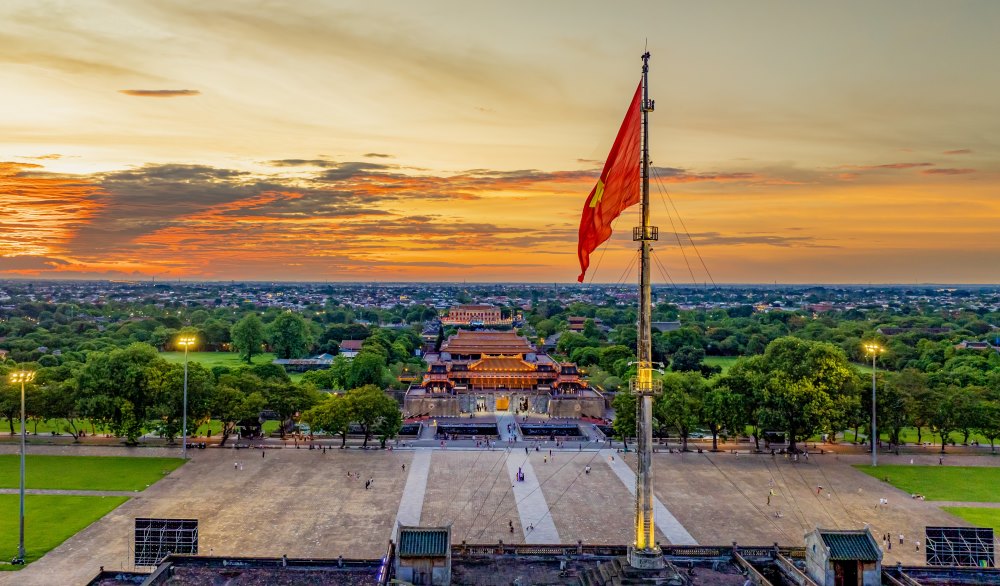
Hue (Source: Lao Dong newspaper)
One of the reasons this itinerary works so well is that each destination represents a completely different chapter of Vietnam's history.
Together, these three destinations showcase different chapters of Vietnam's cultural heritage. UNESCO recognizes the Complex of Hue Monuments as an outstanding example of Vietnam's imperial past, while Hoi An Ancient Town is noted for its remarkably preserved trading-port heritage. My Son Sanctuary, meanwhile, preserves the spiritual and cultural legacy of the Champa Kingdom, one of Southeast Asia's most influential civilizations.
According to UNESCO, each site offers a distinct perspective on the historical and cultural development of Vietnam. Combined into a single journey, these destinations provide a deeper understanding of Vietnam's cultural heritage than any one destination could offer on its own.
Day 1: Discovering the Imperial Legacy of Hue
Exploring the Imperial City
The journey begins in Hue, the former imperial capital of Vietnam. At the heart of Hue lies the Imperial City, a vast complex of palaces, gates, temples, and ceremonial spaces that served as the political and cultural center of the Nguyen Dynasty.
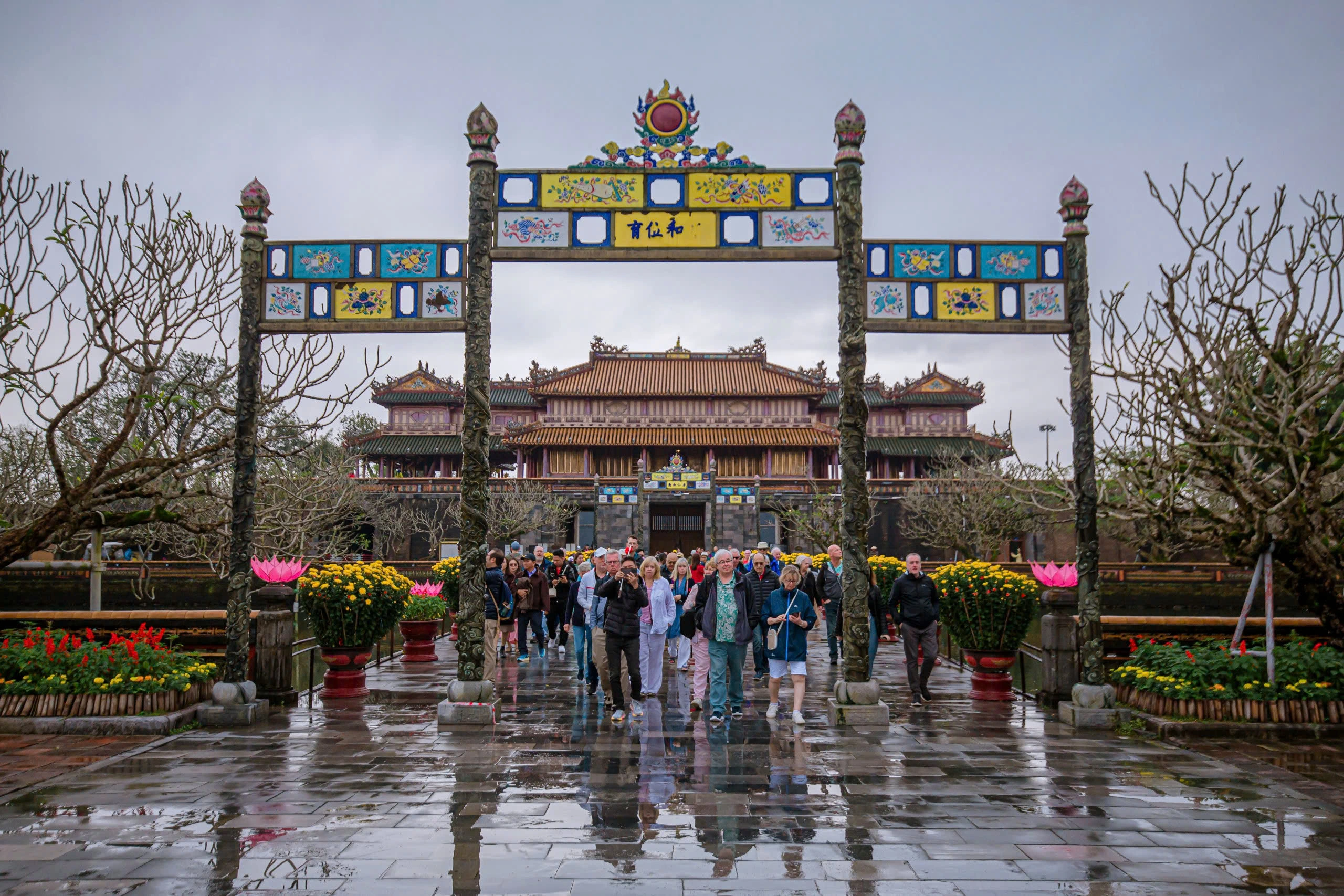
Imperial City (Source: Thanh Nien Newspaper)
UNESCO describes the Complex of Hue Monuments as an exceptional representation of Vietnam's former imperial capital and one of the country's most important historical sites. Walking through its historic walls offers a fascinating glimpse into Vietnam's royal past and the traditions that shaped the country for more than a century. Even for travelers without a strong interest in history, the scale and architecture of the complex leave a lasting impression.
Royal Tombs and Historic Landmarks
Beyond the Imperial City, Hue is home to several royal tombs scattered throughout the countryside along the Perfume River. Built as both mausoleums and retreats for the emperors during their lifetimes, these complexes offer insight into the history, beliefs, and artistic tastes of Vietnam's Nguyen Dynasty.
Among the most famous are the Tomb of Minh Mang and the Tomb of Khai Dinh, which showcase strikingly different architectural styles. Minh Mang's tomb is known for its harmonious layout and peaceful natural setting, while Khai Dinh's tomb stands out for its elaborate decorations and blend of Vietnamese and European influences. The Tomb of Tu Duc, with its lakes and gardens, provides a glimpse into the emperor's love of poetry and nature. Together, these royal tombs reveal the evolution of imperial architecture and remain some of Hue's most beautiful and historically significant attractions.
Experiencing Hue Beyond the Monuments
What surprised me most about Hue was that some of the most memorable moments happened away from the major landmarks. Strolling along the Perfume River, exploring quieter neighborhoods, and enjoying Hue's distinctive cuisine offered a different perspective on the city. Rather than feeling like an open-air museum, Hue felt like a place where history remains woven into everyday life.
Day 2: Traveling from Hue to Hoi An Through Central Vietnam's Scenic Coastline
One of the highlights of this heritage journey isn't actually a heritage site at all-it's the journey between Hue and Hoi An.
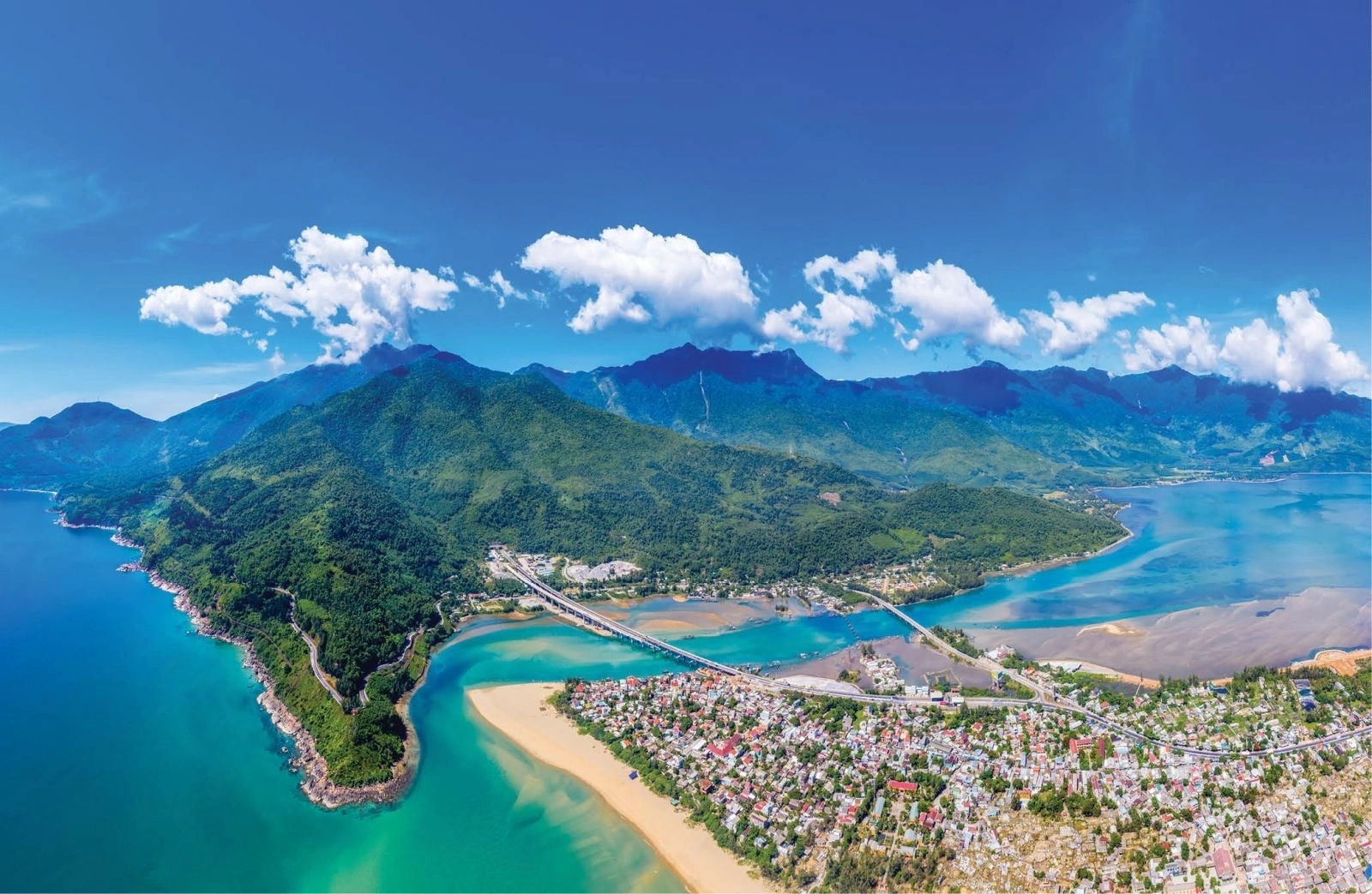
Lang Co Bay (Source: VNExpress)
The route passes through some of Central Vietnam's most beautiful coastal scenery, including Lang Co Bay and the famous Hai Van Pass. Along the way, mountains meet the sea, fishing villages dot the coastline, and panoramic viewpoints provide some of the most spectacular views in the country.
Having traveled this route several times, I still find it difficult not to stop for photos whenever the road begins winding along the mountainside. The changing scenery creates a natural transition between the imperial atmosphere of Hue and the historic charm of Hoi An. By the time you arrive in Hoi An, it already feels like you've experienced an important part of the journey.
Read more: Daily Departure: 7 Days 6 Nights Tour in the North and Central Vietnam
Day 3: Exploring the Timeless Charm of Hoi An Ancient Town
Walking Through Hoi An's Historic Streets
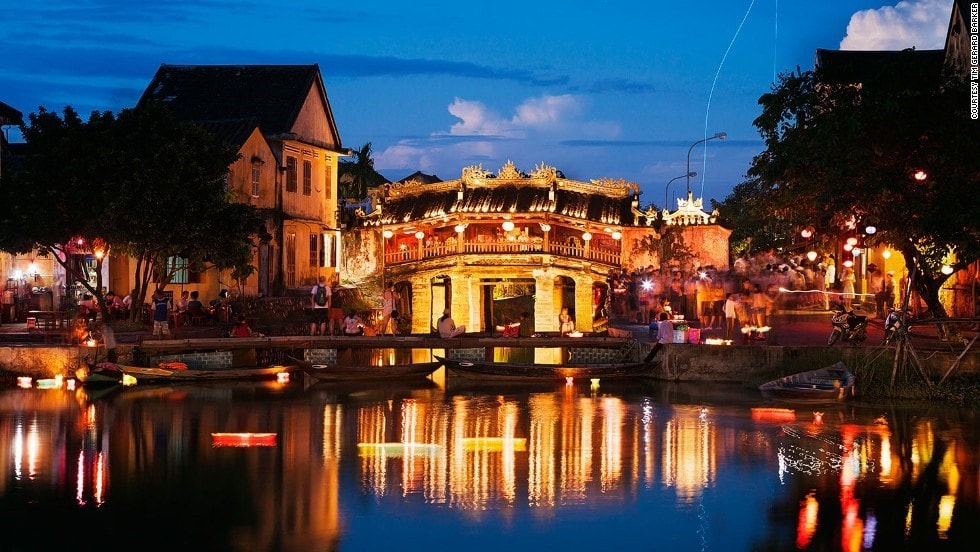
Hoi An (Source: Da Nang Newspaper)
Hoi An is one of those places that often exceeds expectations. The Ancient Town is remarkably well preserved, with narrow streets lined by historic merchant houses, temples, assembly halls, and riverside cafés. While the architecture is undoubtedly impressive, what makes Hoi An special is the atmosphere created by the blend of history and daily life. The town feels lived in rather than preserved solely for tourism.
Discovering the Cultural Influences Behind the Architecture
One of the most fascinating aspects of Hoi An is how its architecture reflects centuries of international trade. Walking through the Ancient Town, visitors encounter Chinese assembly halls, Japanese-influenced structures, traditional Vietnamese architecture, and traces of European trading connections.
UNESCO highlights Hoi An as an exceptionally well-preserved example of a Southeast Asian trading port that flourished between the 15th and 19th centuries, reflecting a unique fusion of both local and international cultural influences.
Why Hoi An Feels Different After Sunset
While Hoi An is beautiful during the day, the atmosphere changes completely after sunset. As lanterns illuminate the streets and reflections dance across the Thu Bon River, the town takes on a character that feels both vibrant and surprisingly peaceful. Sitting by the riverside in the evening, watching boats drift past beneath the lanterns, is often the moment many travelers remember most from their visit.
Day 4: Visiting My Son Sanctuary and the Legacy of the Champa Kingdom
Understanding the History of My Son Sanctuary
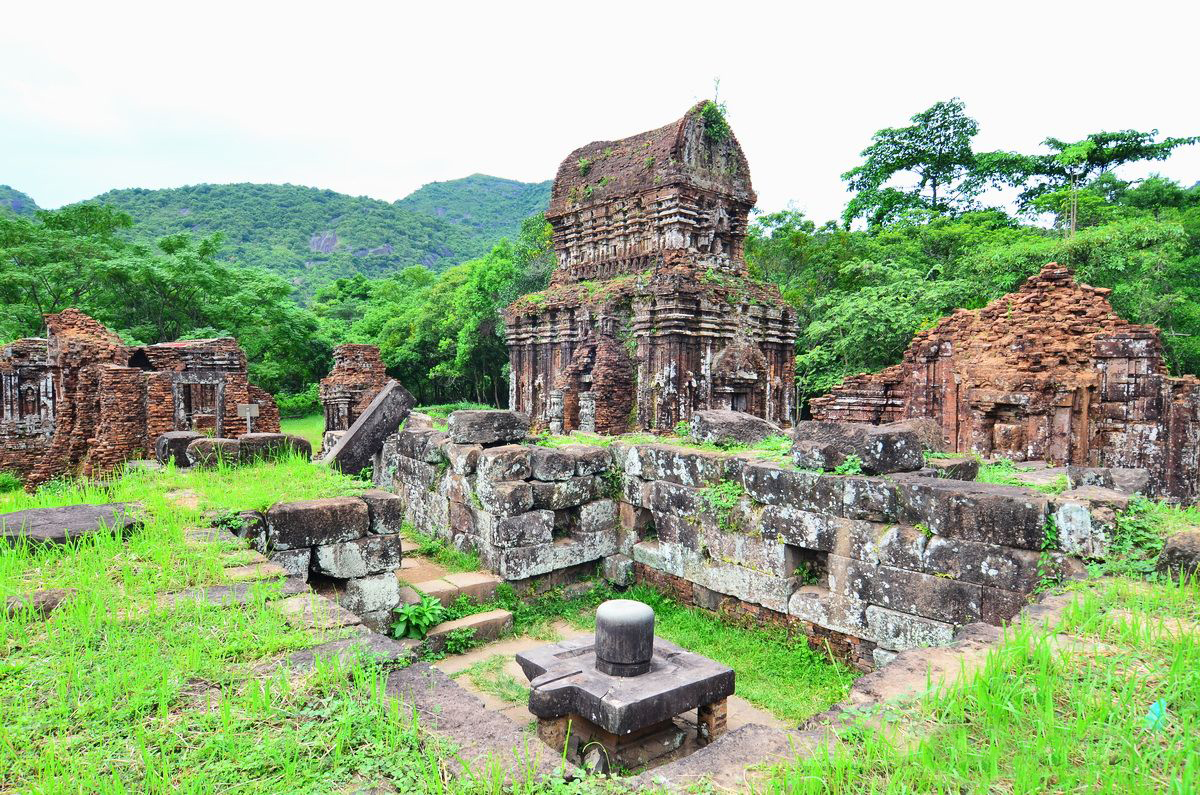
Located about an hour from Hoi An, My Son Sanctuary offers a completely different perspective on Vietnam's cultural heritage. Built between the 4th and 13th centuries, the temple complex served as the spiritual and political center of the Champa Kingdom.
My Son Sanctuary (Source: Kien Truc Magazines)
Today, the remaining brick towers and temple ruins provide valuable insight into the Champa Kingdom, one of Southeast Asia's most influential civilizations between the 4th and 13th centuries. Recognized as a UNESCO World Heritage Site, My Son Sanctuary is considered one of Vietnam's most important archaeological treasures and offers a fascinating glimpse into the region's Hindu heritage.
What to Expect During Your Visit
Unlike the bustling streets of Hoi An or the grand imperial monuments of Hue, My Son feels quieter and more contemplative. Set in a lush valley surrounded by forested hills, the sanctuary consists of clusters of red-brick temples and towers that were once used for religious ceremonies dedicated to Hindu deities, particularly Shiva.
While many structures were damaged over the centuries, visitors can still admire intricate carvings, ancient inscriptions, and remarkable examples of Cham architecture. Informational displays and local guides help bring the history of the site to life, explaining how the temples were built and the role they played in the spiritual life of the Champa Kingdom.
Most visitors spend around two to three hours exploring the sanctuary. Arriving early in the morning is highly recommended, as temperatures are cooler and the site is generally less crowded. The softer light also creates ideal conditions for photography. Some tours include traditional Cham dance performances, adding another cultural dimension to the experience. Rather than offering spectacular scenery or large-scale monuments, My Son impresses visitors through its atmosphere and historical significance. For many travelers, walking among the ancient ruins surrounded by nature becomes one of the most memorable cultural experiences in central Vietnam.
What Makes This 4-Day Heritage Journey So Memorable?
Having visited Hue, Hoi An, and My Son Sanctuary, what stands out most is how each destination reveals a different layer of Vietnam's cultural identity. Hue tells the story of imperial Vietnam and the Nguyen Dynasty. Hoi An reflects centuries of international trade and cultural exchange. My Son preserves the legacy of the Champa civilization that once dominated much of Central Vietnam.Individually, each destination is fascinating. Together, they create a journey that feels far richer and more meaningful than simply visiting a collection of historic sites.
Rather than presenting history as something distant, this route allows travelers to experience how different cultures, traditions, and historical influences continue to shape Vietnam today.
Who Is This Heritage Journey Best For?
This itinerary is particularly well suited for travelers who enjoy cultural experiences and prefer to understand the stories behind the places they visit. Rather than focusing solely on beaches or adventure activities, the journey through Hue, Hoi An, and My Son offers a deeper look into Vietnam's history, architecture, and traditions.
History enthusiasts will appreciate the layers of heritage found throughout Central Vietnam. From the imperial legacy of Hue and its royal tombs to the ancient Champa civilization preserved at My Son Sanctuary, each destination reveals a different chapter of the country's past. Architecture lovers will also find plenty to admire, with influences ranging from traditional Vietnamese and Chinese styles to Japanese and European elements.
Photographers are likely to be drawn to the region's diverse scenery. Hue's historic monuments, Hoi An's lantern-lit streets, colorful riverside markets, and the atmospheric ruins of My Son provide endless opportunities for memorable images. Early mornings and evenings are especially rewarding for those seeking softer light and fewer crowds.
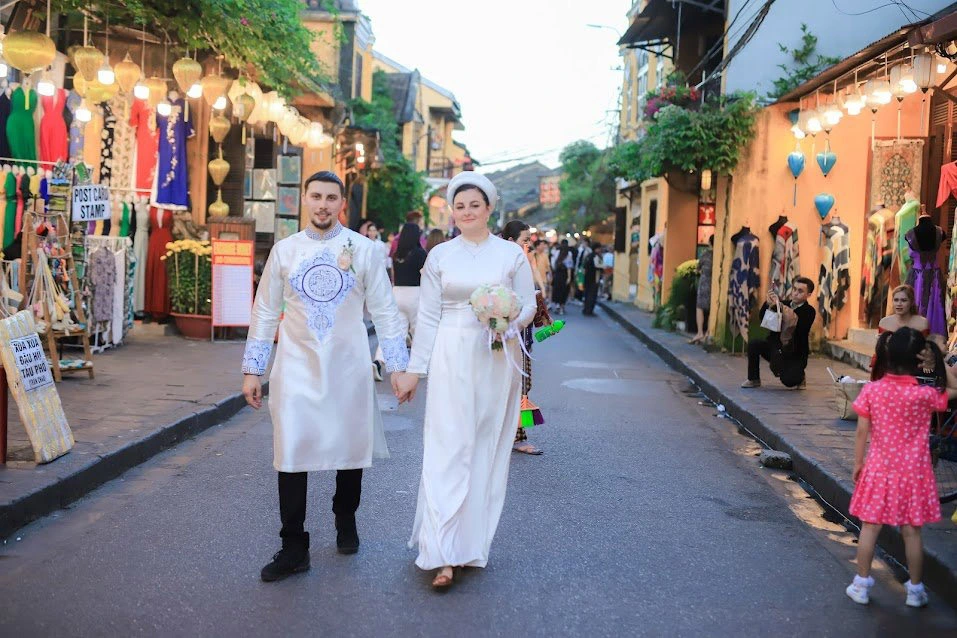
Hoi An (Source: Thanh Nien Newspaper)
Couples often enjoy the slower pace and romantic atmosphere of Central Vietnam. Walking through Hoi An after sunset, taking a boat ride along the Perfume River, or staying in a peaceful beach resort near the ancient town can create experiences that feel far removed from the pace of larger cities.
The itinerary is also ideal for first-time visitors to Vietnam who want more than simply checking off famous landmarks. Families with older children, solo travelers interested in culture, and anyone looking for a balanced mix of history, local cuisine, architecture, and authentic experiences will find this journey both enriching and memorable. Rather than rushing between destinations, it encourages travelers to slow down and appreciate the heritage that has shaped Central Vietnam for centuries.
Explore Vietnam's Heritage with Sinh Cafe Vietnam DMC
For travelers looking to experience Central Vietnam's most important cultural landmarks without the stress of planning logistics, SinhCafe offers customized heritage journeys designed around your interests, schedule, and travel style.
Combining Hue, Hoi An, and My Son Sanctuary into a seamless itinerary allows visitors to discover some of Vietnam's most significant historical and cultural treasures while enjoying a comfortable and well-organized travel experience.
Frequently Asked Questions
Is 4 days enough for Hue, Hoi An, and My Son Sanctuary?
-> Yes. Four days provides enough time to explore the major cultural highlights of all three destinations while maintaining a comfortable pace.
How far is My Son Sanctuary from Hoi An?
-> My Son Sanctuary is located approximately 40 kilometers from Hoi An and can typically be reached in about one hour by car.
Which is better: Hue or Hoi An?
-> They offer very different experiences. Hue is ideal for travelers interested in imperial history and architecture, while Hoi An is known for its preserved Ancient Town, cultural atmosphere, and riverside charm.
Is My Son Sanctuary worth visiting?
-> Absolutely. For travelers interested in history, archaeology, and the Champa civilization, My Son is one of the most significant cultural sites in Vietnam.
What is the best time of year for this heritage journey?
-> The most comfortable months are generally from February to April, when temperatures are pleasant and rainfall is relatively low across Central Vietnam.
Share via




Related articles
Da Nang or Hue: Which City to Visit in Central Vietnam?
Introduction | 26/06/2026

Best Family-Friendly Beach Destinations in Central Vietnam
Posts | 03/06/2026
Travel to Vietnam with Kids: The Complete Family Travel Guide
Posts | 26/06/2026
Why Vietnam Is a Great Alternative to Bali for Australian Travelers
Posts | 11/06/2026









There are no reviews yet