


Why Vietnam Is a Great Alternative to Bali for Australian Travelers
Vietnam is emerging as a great alternative to Bali for Australian travelers: it is close, rich in experiences, affordable, and offers a refreshing sense of discovery compared to more familiar resort destinations. While Bali attracts visitors with its beaches, Hindu culture, and tropical lifestyle, Vietnam stands out through its diversity, ancient towns, stunning bays, caves, vibrant street food, luxury beach resorts, and cultural journeys stretching from north to south.
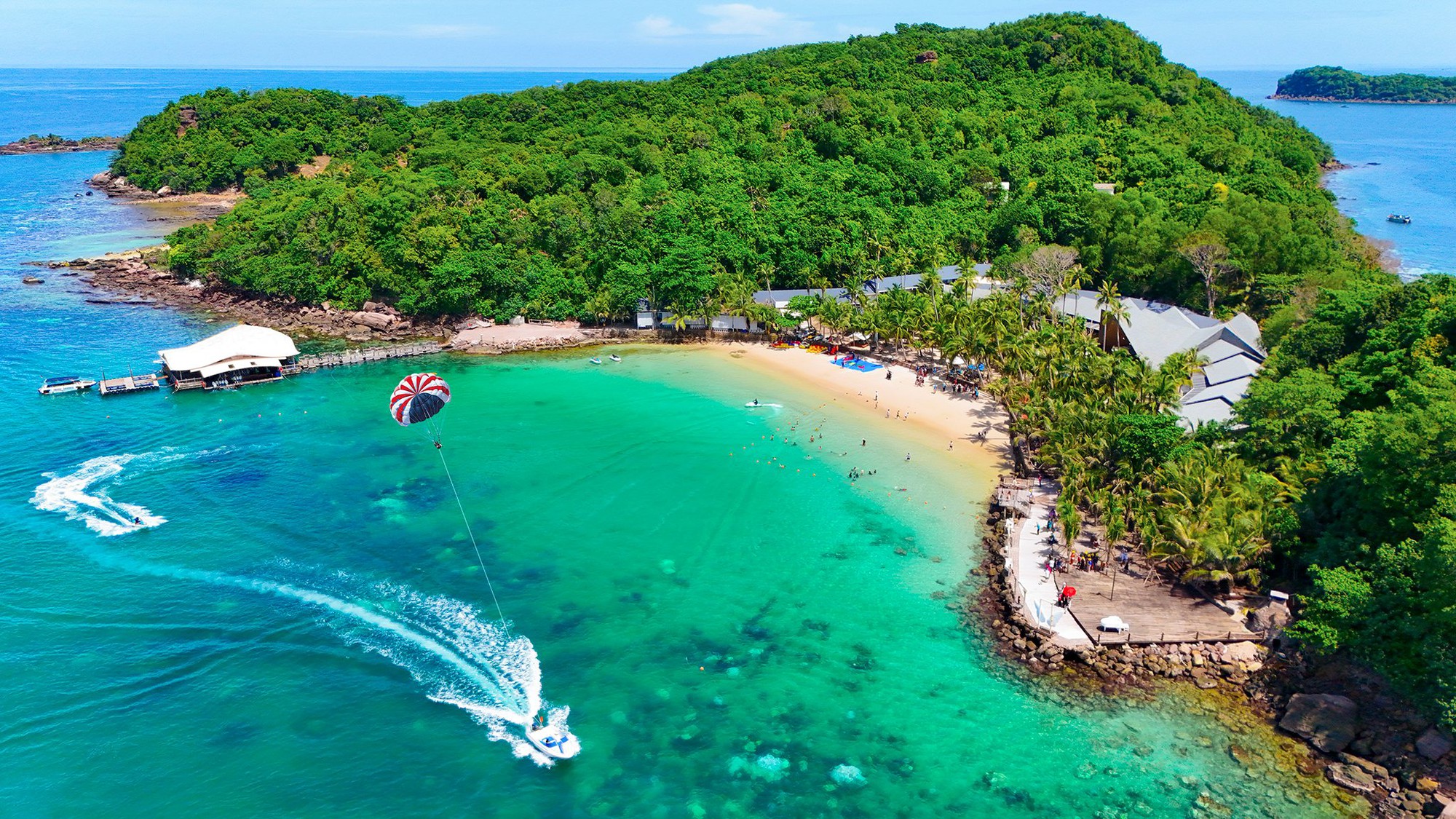
Vietnam is emerging as a great alternative to Bali for Australian travelers: it is close, rich in experiences, affordable, and offers a refreshing sense of discovery compared to more familiar resort destinations. While Bali attracts visitors with its beaches, Hindu culture, and tropical lifestyle, Vietnam stands out through its diversity, ancient towns, stunning bays, caves, vibrant street food, luxury beach resorts, and cultural journeys stretching from north to south.
Why Are Australian Travelers Looking for a Great Alternative to Bali?
For many years, Bali has been the default holiday destination for countless Australians. Its short flight times, abundant resorts, reasonable prices, international visitor community, and familiar tourism infrastructure have consistently placed Bali among Australia's favorite overseas destinations.
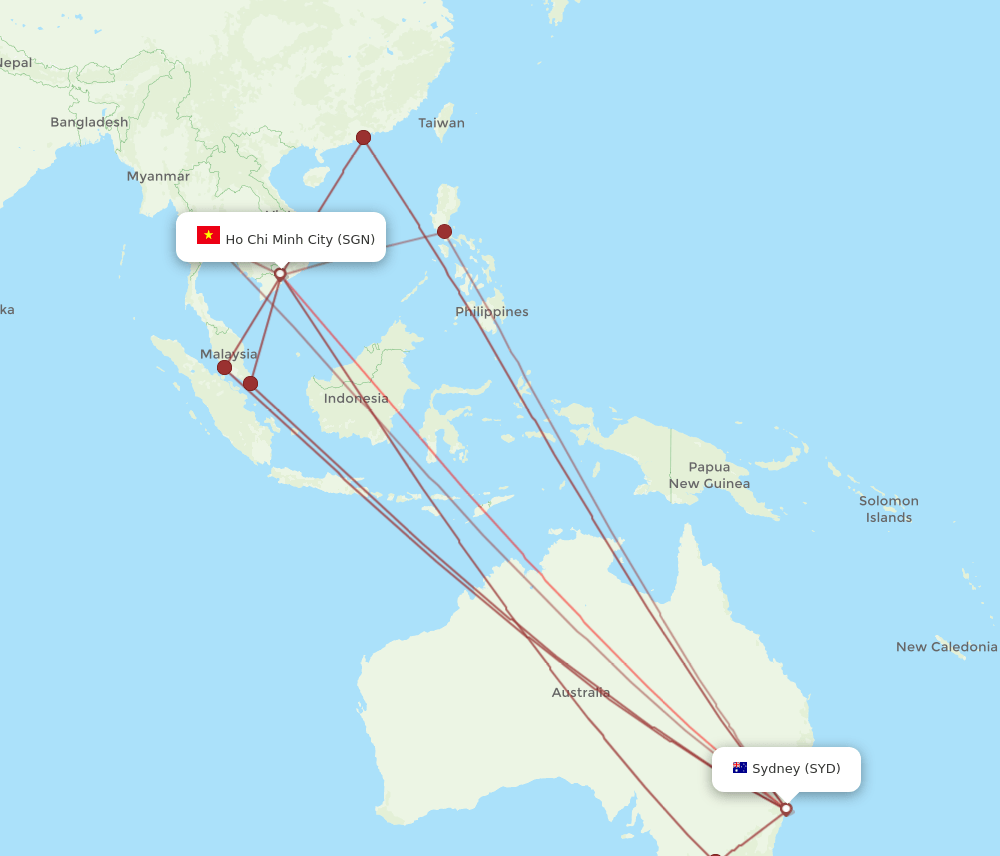 Distance between Vietnam and Australia (Source: Flight routes)
However, that popularity has also created challenges. Certain areas have become increasingly crowded, traffic congestion has intensified, popular photo spots are often overcrowded, accommodation costs have risen in some regions, and local experiences can sometimes feel overly commercialized.
Bali remains a beautiful destination and is still worth visiting. Yet for Australians who have already traveled there multiple times, the desire to find a great alternative is entirely understandable.
Vietnam has emerged as one of the strongest contenders. Not because it is similar to Bali, but because it offers a different type of Southeast Asian holiday, one with deeper cultural layers, more varied landscapes, and greater flexibility for couples, families, groups of friends, and adventurous travelers alike.
According to the Vietnam National Authority of Tourism, Vietnam welcomed nearly 491,000 Australian visitors in 2024 and recorded more than 276,000 arrivals during the first half of 2025. These figures demonstrate that Vietnam is no longer a niche destination but is steadily becoming a mainstream choice for the Australian market.
How Is Vietnam Different from Bali?
Bali Excels in Resort Holidays, Vietnam Excels in Multi-Destination Journeys
Bali is often experienced as a holiday centered around one island. Ubud is known for culture and wellness, Canggu and Seminyak for beach clubs, Uluwatu for beaches and sunsets, and Nusa Penida for dramatic scenery.
Vietnam, by contrast, is ideal for multi-stop itineraries. During an 8–12 day trip, Australian travelers can explore Hanoi, Ha Long Bay, Hoi An, Da Nang, and Ho Chi Minh City, or choose a resort-focused route through Phu Quoc, the Mekong Delta, and Ho Chi Minh City. This variety often makes the journey feel more rewarding because each destination offers a distinctly different atmosphere and experience.
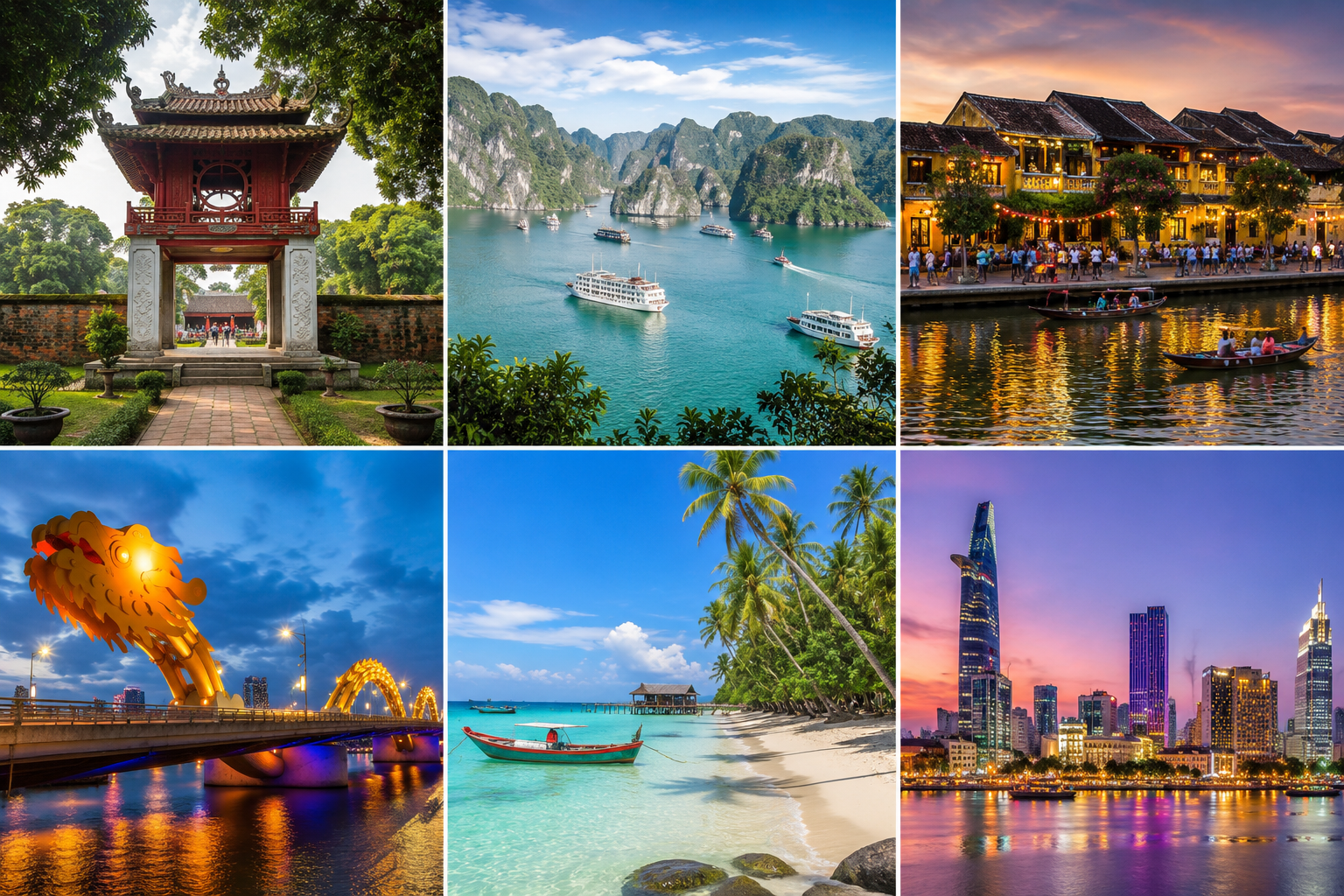 Tourist attractions in Vietnam (Source: Collect)
“I remember walking through Hoi An after a light rain. Unlike the energy of busy beach clubs, the ancient town felt peaceful, filled with the scent of old timber houses, the sound of bicycles rolling slowly through the streets, and lanterns gradually illuminating the tiled rooftops” - Ms Jane, an Australian shared. One Australian traveler in our group remarked that what they loved most was not a specific attraction but the feeling of slowing down after months of stressful work in Sydney.
Bali Feels Familiar, Vietnam Feels Like Discovery
For many Australians, Bali has become highly familiar. That familiarity can be comforting, but it may also reduce the sense of adventure. Vietnam offers countless unexpected moments: enjoying a bowl of pho on a Hanoi morning, gliding through caves in Trang An, spending the night aboard a Ha Long Bay cruise, joining a cooking class in Hoi An, or discovering egg coffee in a hidden alleyway.
Many Bali-versus-Vietnam comparisons focus on price or crowd levels. Yet Vietnam's true value lies in the depth of the journey. Every city has its own history, cuisine, climate, and rhythm of life.
Vietnamese Destinations That Are a Great Alternative to Bali
Da Nang & Hoi An: The Closest Alternative to Bali's Resort Lifestyle
For Australians who love Bali's beaches, resorts, dining scene, and laid-back atmosphere, Da Nang and Hoi An are perhaps the easiest alternatives to embrace.
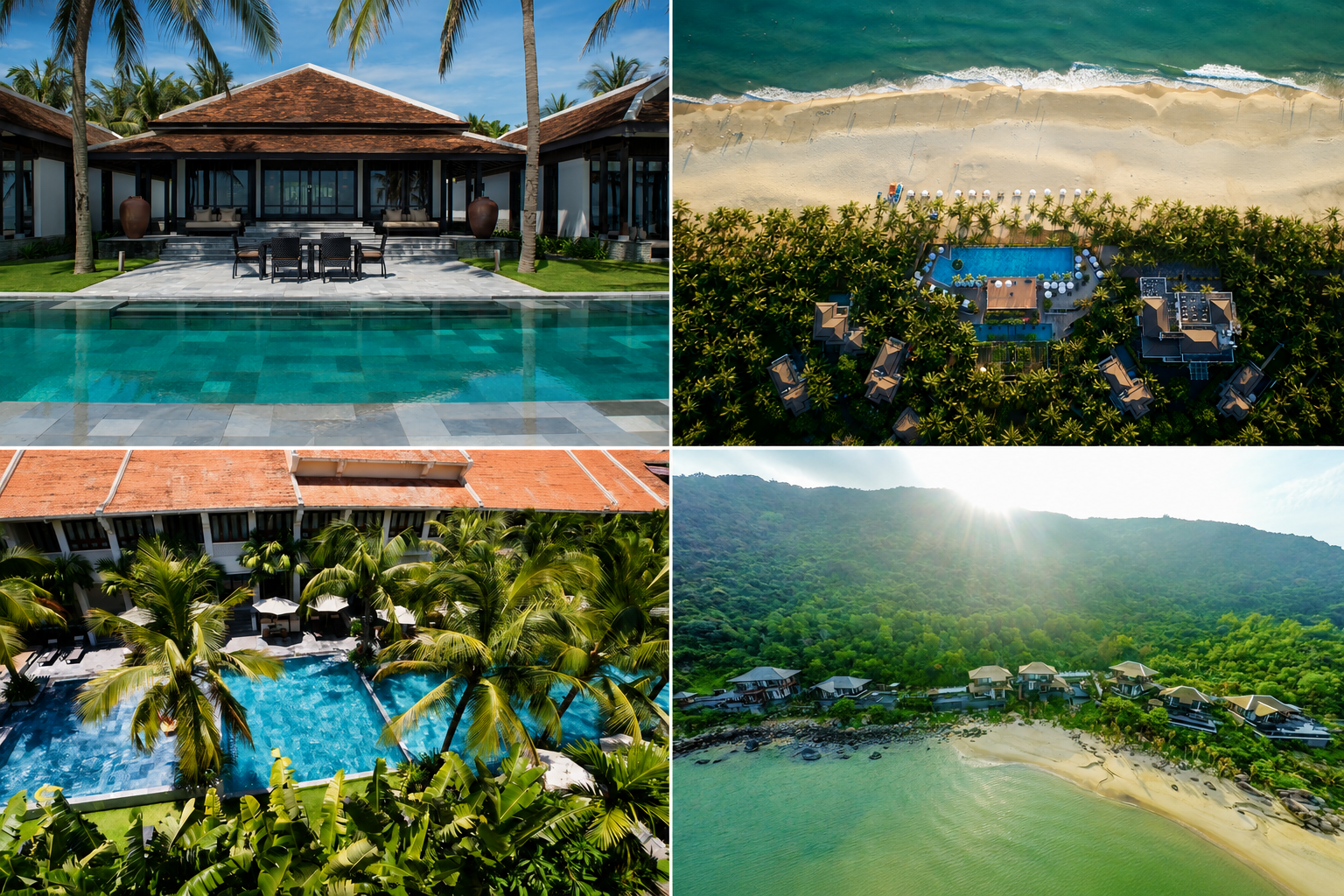 Resort in Da Nang and Hoi An (Source: Collect)
Da Nang offers My Khe Beach, luxury beachfront resorts, an airport conveniently located near the city center, and relatively easy transportation. Compared with Bali, many visitors find Da Nang more spacious and less congested, particularly around the Non Nuoc coastal area.
Hoi An, located only 30–45 minutes away, provides the cultural element that Bali travelers often seek in Ubud. Visitors can explore the UNESCO-listed Ancient Town, local markets, handicraft workshops, cooking classes, and charming lantern-lit streets.
Local Insider Tip
To enjoy Hoi An with fewer crowds, visit the Ancient Town early in the morning or between 4 PM and 6 PM. Evenings are magical thanks to the lanterns but naturally attract larger crowds. Travelers seeking great photography opportunities should spend at least one night in Hoi An rather than visiting on a short half-day excursion from Da Nang.
Phu Quoc: A Great Alternative for Beach and Resort Lovers
Phu Quoc is ideal for Australians seeking a true beach holiday. It suits families, couples, and groups who prefer a relaxed itinerary with minimal travel between destinations. Resorts along Long Beach, the northern coast, and the southern coast provide excellent facilities including spas, swimming pools, island excursions, and dining experiences.
 Beauty of Phu Quoc Island (Source: Collect)
Compared to Bali, Phu Quoc is still developing rapidly, meaning experiences can vary between regions. Some areas are highly modern, while others remain peaceful and less developed. Nevertheless, if the goal is relaxation, beaches, and resort living, Phu Quoc is undoubtedly a great alternative worth considering.
One of its biggest advantages is simplicity. Visitors can stay at a resort, join island-hopping tours, snorkel among coral reefs, watch spectacular sunsets, visit night markets, and enjoy entertainment complexes, all without extensive planning. However, travelers seeking deep cultural immersion similar to Ubud may find stronger options elsewhere in Vietnam.
Read more: Long Beach Phu Quoc: Is it worth visiting? Best things to do & travel tips
Hanoi – Ha Long Bay – Ninh Binh: A Great Alternative Through Culture and Heritage
If Bali captivates visitors with temples, rice terraces, and Hindu traditions, northern Vietnam impresses through history, ancient neighborhoods, limestone landscapes, and UNESCO World Heritage Sites. Hanoi serves as a fascinating gateway. The city combines an atmospheric Old Quarter, lakes, French colonial architecture, street food culture, cafés, and centuries of history. For Australians accustomed to beach-focused Bali holidays, Hanoi offers a completely different rhythm, energetic, layered, and authentically local.
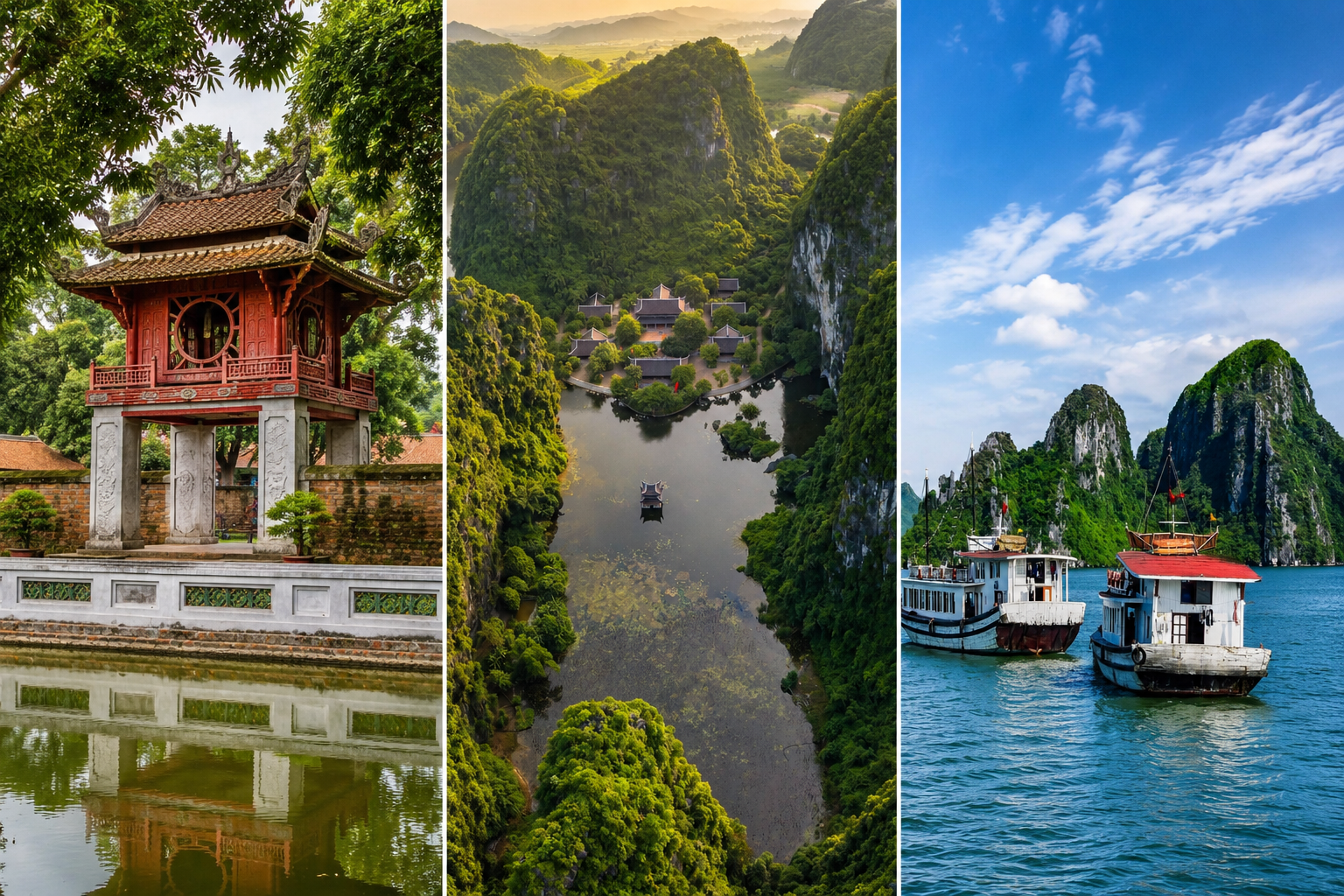
Hanoi – Ha Long Bay – Ninh Binh: A Great Alternative Through Culture and Heritage (Source: Collect)
From Hanoi, travelers can visit Ninh Binh and Ha Long Bay. Trang An, a UNESCO mixed heritage site, is famous for its limestone mountains, cave systems, and cultural significance. Ha Long Bay and Cat Ba Archipelago are globally renowned for their dramatic seascapes of limestone islands.
During a morning boat ride in Trang An, the atmosphere feels entirely different from a tropical island excursion. There are no beach clubs or loud music, only the sound of oars, birdsong, and reflections dancing across the water. For Australians seeking a slower pace and deeper connection with nature and culture, it is an unforgettable experience.
Local Insider Tip
Avoid trying to fit Hanoi, Ninh Binh, and Ha Long Bay into a rushed three-day itinerary. To truly enjoy northern Vietnam, allocate at least four to five days. If time is limited, SinhCafe can help design a balanced itinerary that minimizes travel fatigue while maximizing experiences for the entire family.
Ho Chi Minh City & the Mekong Delta: An Urban and River-Life Alternative
Ho Chi Minh City appeals to Australians who enjoy vibrant urban environments, rooftop bars, specialty coffee, street food, and modern history. Although it bears little resemblance to Bali, it offers a different kind of excitement, fast-paced, youthful, energetic, and constantly evolving.
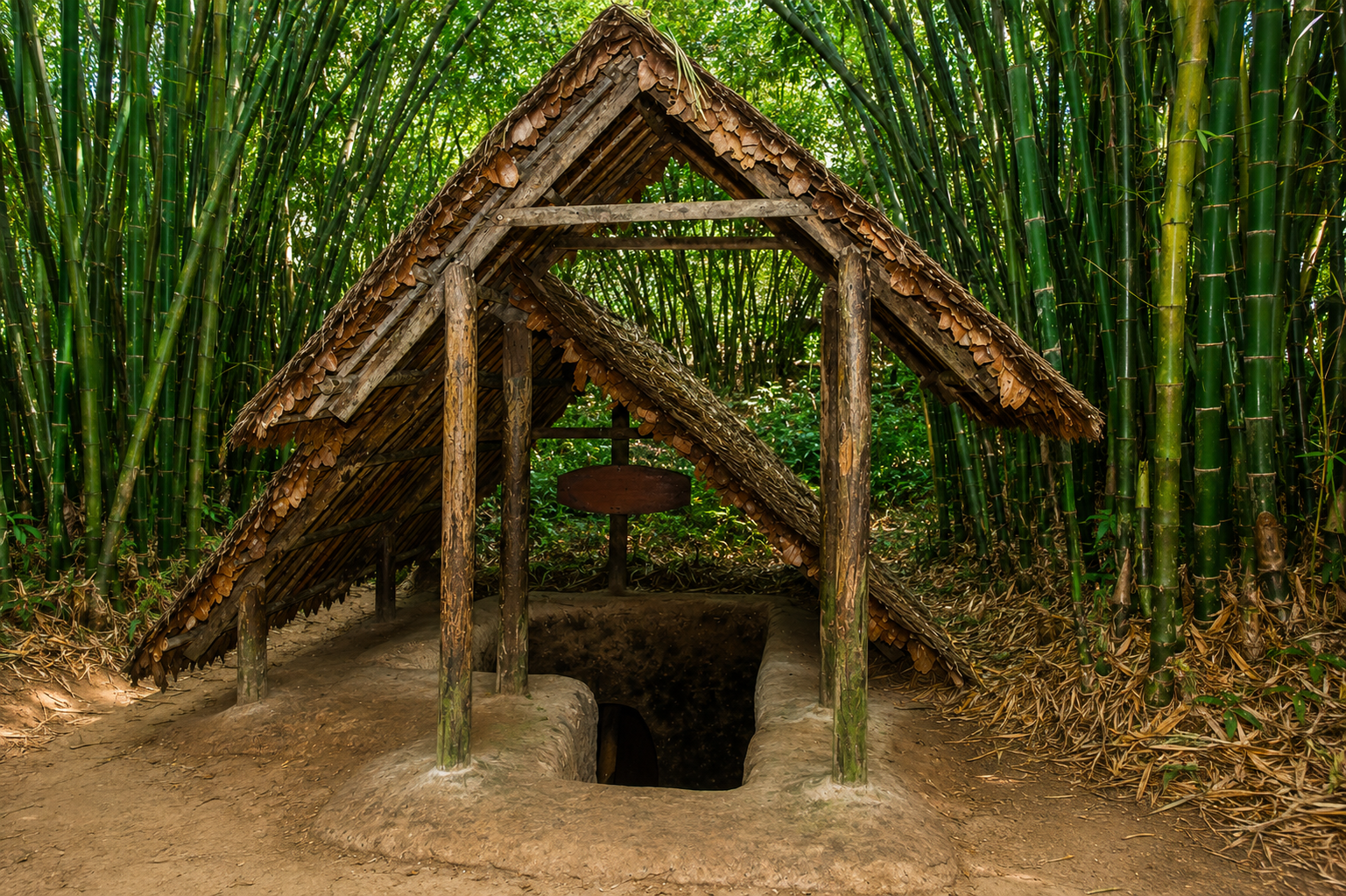 Cu Chi tunnels (Source: Collect)
From the city, travelers can easily access the Cu Chi Tunnels or the Mekong Delta. The Mekong provides a refreshing contrast to island tourism. Small boats, winding canals, fruit orchards, floating markets, and riverside communities create an experience unlike anything found in Bali. For travelers who have spent years visiting tropical beaches, a day in the Mekong Delta can become the most memorable part of the trip.
When Is Vietnam a Great Alternative to Bali?
Vietnam is especially suitable for Australian travelers who:
- Have already visited Bali and want something new.
- Want to combine beaches, culture, cuisine, and heritage in one trip.
- Enjoy street food and local experiences.
- Prefer multi-destination journeys rather than staying on a single island.
- Want flexible budgets ranging from affordable to luxury.
- Hope to avoid some of Bali's most crowded tourist areas.
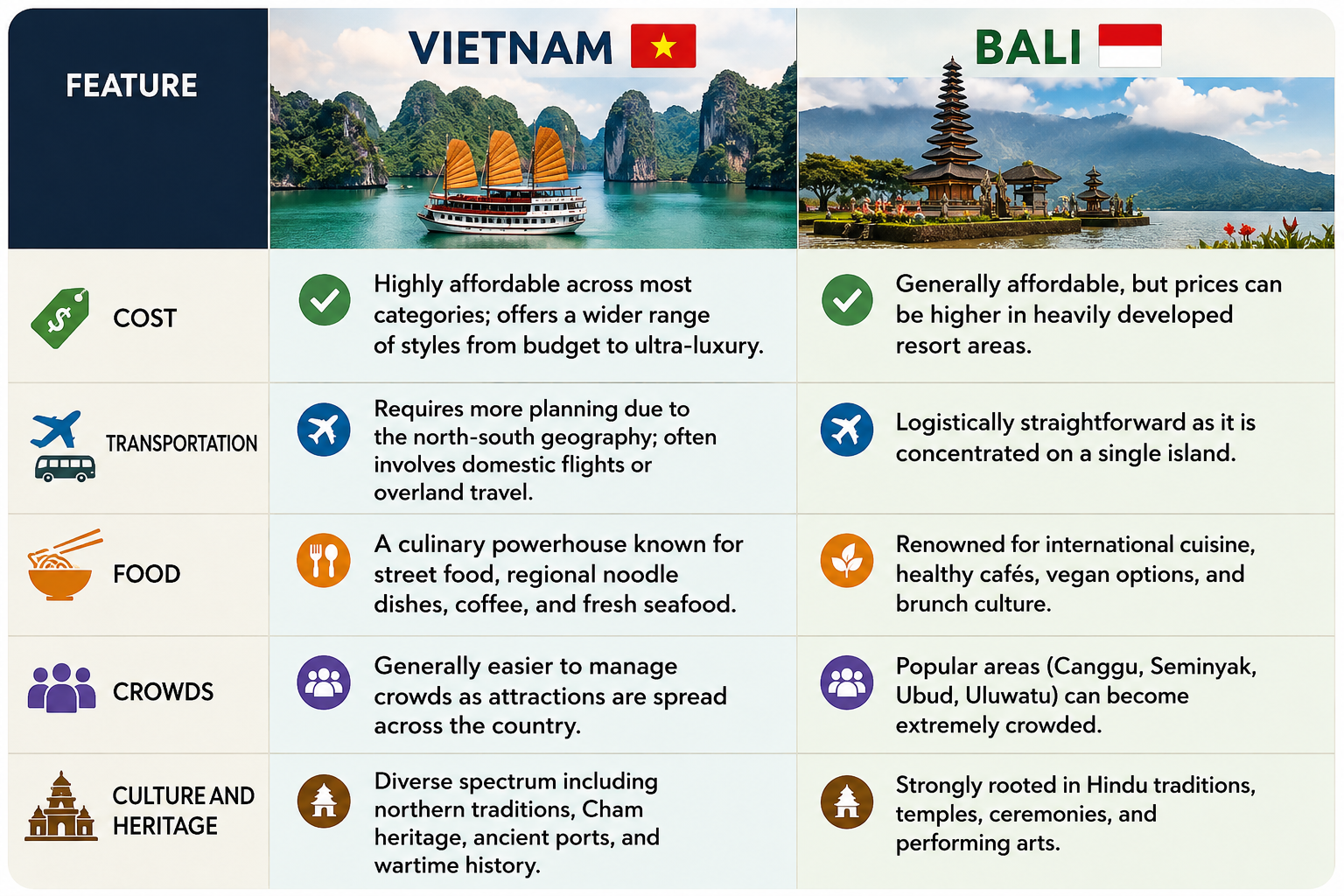 Quick Comparison: Vietnam vs Bali for Australian Travelers
Vietnam Is More Than Just a Cheaper Bali
Many comparisons focus solely on cost. While Vietnam can often be more affordable, that perspective misses the bigger picture. Vietnam's true strength lies in its ability to layer experiences. A Bali trip may revolve around beaches, resorts, temples, and lifestyle experiences. A Vietnam journey can begin with egg coffee in Hanoi, continue through boat rides in Trang An, overnight cruises in Ha Long Bay, local cuisine in Hoi An, beach relaxation in Da Nang, and rooftop nightlife in Ho Chi Minh City. Vietnam is a great alternative because it offers a different vision of Southeast Asia, more dynamic, more diverse, and far less confined to a single travel identity.
The difference between a good trip and a memorable one often comes down to local knowledge. With years of experience serving international travelers, SinhCafe helps visitors discover Vietnam beyond the typical tourist route, from iconic highlights to authentic local experiences. Whether you're interested in culture, food, beaches, nature, or family-friendly adventures, our team can help create a journey that matches your interests and travel style.
Share via




Related articles
Best Vietnam Destination for Indian Multi-Generational Family Vacations
Posts | 11/06/2026
6-Day Vietnam Slow Travel Itinerary for Couples
Posts | 16/06/2026
Travel to Vietnam with Kids: The Complete Family Travel Guide
Posts | 26/06/2026
Hanoi or Ho Chi Minh City: Which Vietnamese Experience Fits Your Travel Style?
Posts | 11/06/2026









There are no reviews yet