


Discover Thien Hau Pagoda - A historic Chinese temple in Saigon
Located in the heart of Chinatown, Thien Hau Pagoda is one of the most iconic Chinese temples in Ho Chi Minh City. Known for its sacred incense coils, traditional festivals and centuries-old architecture, the temple offers visitors a glimpse into the cultural life of Saigon’s Chinese community.
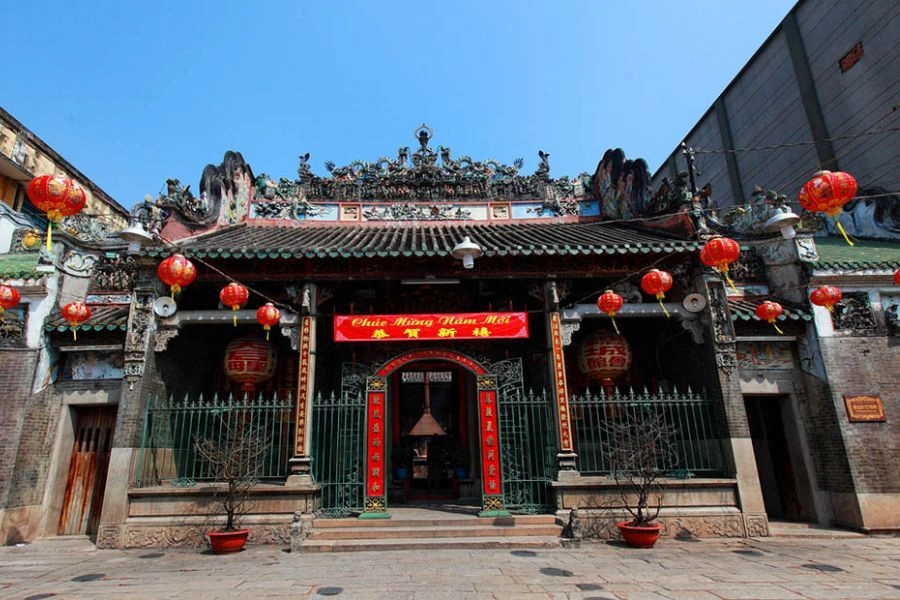
Located in the heart of Cholon, Thien Hau Pagoda is one of the most iconic Chinese temples in Ho Chi Minh City. Known for its sacred incense coils, traditional festivals and centuries-old architecture, the temple offers visitors a glimpse into the cultural life of Saigon’s Chinese community.
Overview of Thien Hau Temple
Located in the heart of Chinatown (Cho Lon) in Ho Chi Minh City, Thien Hau Temple is one of the oldest and most representative Chinese temples in southern Vietnam. The temple is dedicated to Lady Thien Hau, the revered sea goddess who protects sailors, merchants, and long-distance travelers, especially during the era of Chinese maritime trade.
Although not grand in size, Thien Hau Temple Saigon attracts visitors with its quiet courtyard, drifting incense smoke, and steady rhythm of daily worship. Every day, locals come to burn incense and pray for peace, health, and prosperity, creating an atmosphere that feels both sacred and familiar.
Thien Hau Temple (Source: Green Future)
What makes the temple particularly noteworthy is the cultural depth of the Chinese community behind it. From architecture and layout to rituals and festivals such as the Lantern Festival or Lunar January celebrations, the influence of Minh Huong, Teochew, and Cantonese traditions remains clearly visible. Thanks to this layered cultural heritage, Thien Hau Temple Ho Chi Minh serves not only as a spiritual attraction but also as a cultural window into the history of Chinese settlement in Saigon.
If you want to explore Thien Hau Temple and other heritage sites in Ho Chi Minh City in a smooth and well-curated journey, consider joining a tour with SinhCafe. The itinerary not only covers iconic landmarks, but also weaves in street-food tastings and guided storytelling that help you decode the rich cultural layers behind each destination.
Where is Thien Hau temple located?
Thien Hau Temple is located in the heart of Chinatown (Cho Lon), in District 5, Ho Chi Minh City. This is an area with a long-established Chinese community, known for its assembly halls, temples, and bustling streets filled with traditional shops and cultural activities.
The temple sits on Nguyen Trai Street, right at the intersection of busy commercial blocks and narrow alleys that reflect the everyday life of the local Chinese community, making the site both easy to find and convenient for combining with nearby attractions in Chinatown.
From District 1 (the city center), visitors can reach Thien Hau Temple via Tran Hung Dao or Nguyen Trai Street. A taxi or ride-hailing car takes only 10–15 minutes, which is especially convenient for first-time travelers. Riding a motorbike takes around 12–18 minutes, depending on traffic.
From Tan Son Nhat Airport, the common route leads through District 3 and onward to District 5, taking roughly 25–40 minutes by taxi. If you are staying in nearby districts such as District 3, District 10, or District 8, the trip to the temple takes just 5 to 15 minutes.
Once in Chinatown, it is best to explore on foot since many sights are located close together. Taxis can drop visitors near the entrance, and motorbikes can be parked at small lots nearby. Overall, the route is easy to navigate, does not require joining a tour, and suits both local and international travelers who enjoy exploring independently.
Read more: Explore Ben Tre: Top must-visit Ben Tre attractions in the Mekong Delta
Thien Hau temple opening hours & Entrance fee
Thien Hau Temple is open daily and is one of the most accessible heritage sites in Saigon for independent travelers.
Opening hours
The temple typically opens from 6:00 AM to 5:30 PM. The early morning is the quietest time of day, with soft light, fewer visitors, and more locals coming to pray. Late afternoon is busier, especially on weekends and during festivals.
Entrance fee
There is no official entrance fee. The temple welcomes visitors free of charge, but donations (in small bills) are appreciated, especially if you take photos or participate in ritual activities like lighting incense or releasing incense coils.
Festival considerations
During major events such as Lunar New Year and Lady Thien Hau’s feast day, the temple may extend hours and become significantly more crowded. These periods offer a spectacular cultural experience, but travelers should expect limited photography space and slower movement inside the main halls.
The making of Thien Hau temple and its cultural legacy
Thien Hau Temple was originally founded by the Cantonese community in Cho Lon (Chinatown, Ho Chi Minh City) to worship Mazu, the revered Sea Goddess who protects sailors, merchants, and travelers. For the early Chinese migrants crossing the sea to settle in southern Vietnam between the 18th and 19th centuries, Mazu symbolized hope, protection, and spiritual guidance throughout their journey to a new land.
Over time, the temple evolved into the spiritual heart of the Chinese community in Cho Lon. Traditional rituals such as Mazu festivals, processions, lion and dragon dances, offerings, and incense ceremonies continue to take place here. The atmosphere remains solemn yet intimate: low-lit halls filled with drifting incense smoke, rhythmic wooden clappers, soft chanting, and the warm scent of agarwood create a sacred but deeply human space.
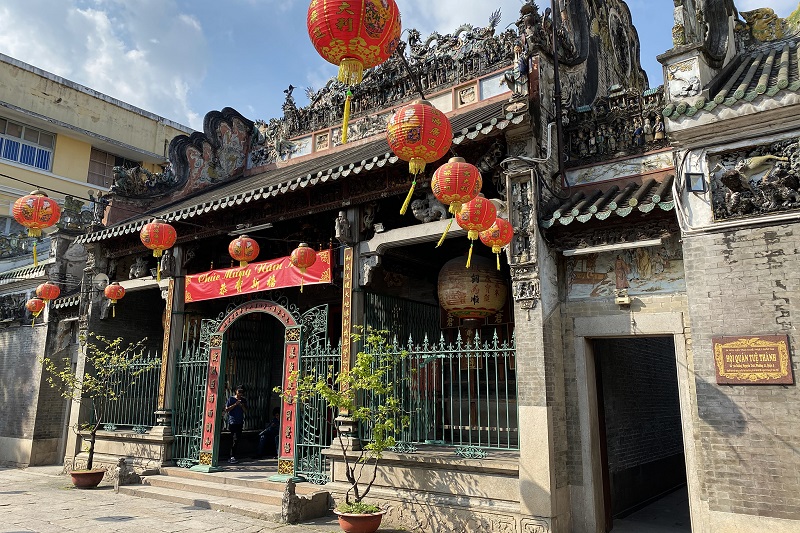
The making of Thien Hau temple and its cultural legacy (Source: Mia)
Culturally, Thien Hau Temple is closely tied to the history of trade in Cho Lon. For generations, shopkeepers and traders have visited the temple to “open the year” or “open the shop” symbolically, praying for luck and smooth business, embodying the core values of the Chinese community: trust, righteousness, and commerce.
Although modest in size, Thien Hau Temple is a cultural landmark essential to understanding the migration history, trading activities, and spiritual life of the Chinese community in Saigon. For travelers who want to explore Cho Lon not only with their eyes but through history and memory, this temple is often the best place to begin.
Exploring the architecture and cultural highlights of Thien Hau Pagoda
Visiting Thien Hau Pagoda is not just stepping into an old temple, it is stepping into over 260 years of Chinese heritage in Saigon–Cholon, where religion, architecture, rituals, and community life blend into a vibrant cultural tapestry.
Traditional “Guo” Layout
The pagoda follows the traditional “Guo” (國) layout with three main sections, front hall, central hall, and rear sanctuary, connected by open courtyards. This design reflects classical East Asian architecture, balancing open and enclosed spaces while welcoming sunlight, wind, and natural elements into the sacred interior.
Front Hall
At the entrance, visitors are greeted by a three-arch gate, curved rooflines, ceramic ornaments, and wooden couplets inscribed with Chinese characters, typical features of Chinese clan halls from the late 18th to 19th centuries. Modest in scale but rich in symbolism, this hall introduces the aesthetic discipline and cultural pride of the local Chinese community.
Central Hall
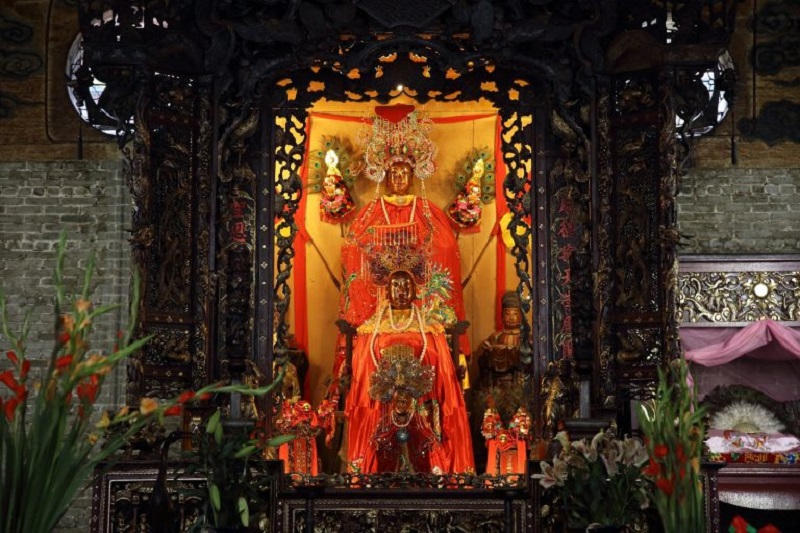
At the central hall (Source: Mia)
Deeper inside, the central hall preserves ceremonial items used during annual rituals and processions. Among the highlights is a gilded palanquin used during the Ba Thien Hau procession, the temple’s largest festival, when lion dances, drums, and guild banners fill the streets of Cholon. Next to it, old incense burners and bronze vessels echo centuries of devotion and community tradition. For travelers, this hall provides a rare glimpse into Saigon’s Chinese festival culture.
Main sanctuary
The main sanctuary houses the wooden statue of Mazu (Thien Hau), richly dressed in embroidered ceremonial robes. On either side stand Kim Hoa Lady and Long Mau Lady, deities associated with family, childbirth, and protection - a reminder that religious belief here is closely tied to family life and social well-being.
Open courtyard & Incense coils
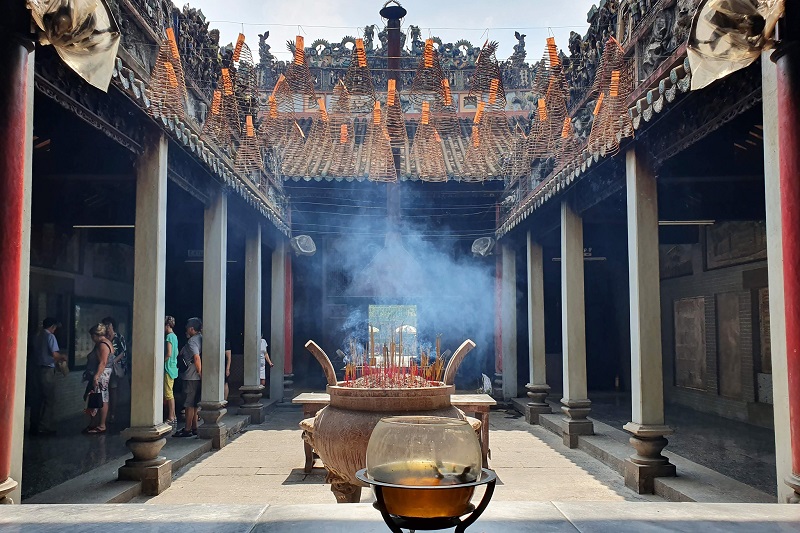
Open courtyard & Incense coils (Source: Mia)
Between halls lies a large opening known as the sky well, allowing light and air to filter through. When sunlight penetrates the drifting incense smoke, it creates a cinematic, almost mystical atmosphere that surprises first-time visitors.
Just below the opening hangs a forest of spiral incense coils, each burning for days and carrying prayer papers with the names and wishes of devotees. Viewed from below, the coils form concentric layers - an iconic visual that makes Thien Hau Pagoda a favorite spot for photographers and travel bloggers.
A living archive
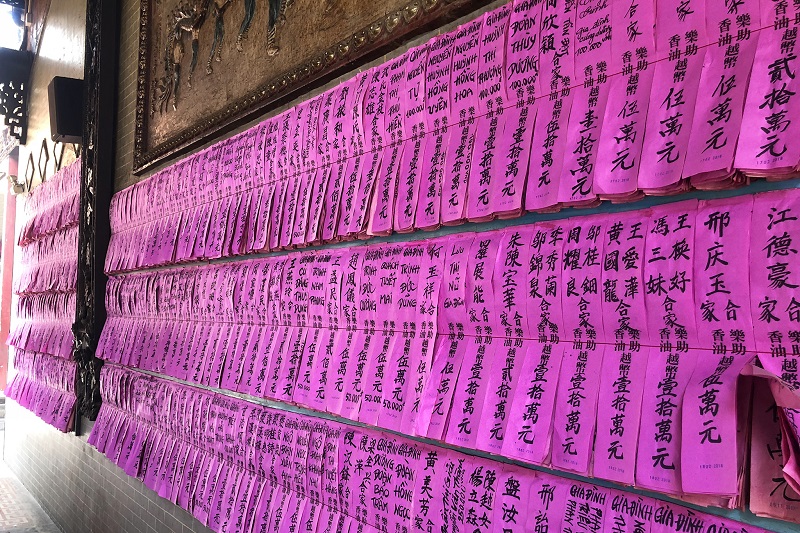
A living archive at Thien Hau temple (Source: Mia)
Despite not being curated like a museum, the pagoda keeps hundreds of historical objects: carved wooden panels, stone steles, ritual vessels, old paintings, and ceremonial textiles. Their organic presence makes Thien Hau Pagoda function as a “living museum of belief”, helping visitors understand how Chinese heritage has shaped Saigon–Cholon for centuries.
Things to do at Thien Hau Pagoda
Although Thien Hau Pagoda is just a modest Chinese-style temple tucked inside Saigon’s Chinatown, it offers surprisingly rich experiences, from praying, observing rituals, and photographing the iconic incense coils to learning about the history of the Chinese community in Cholon.
Release Incense Coils with Written Wishes
One of the most meaningful activities here is releasing large incense coils with a small paper tag attached. Locals believe that Lady Thien Hau brings protection, smooth journeys, and especially good fortune in business, a belief rooted in the merchant culture of Chinatown.
Visitors can write their names and wishes on the tag before the incense coil is lifted and hung under the open skylight. The coil burns slowly for several days, symbolizing uninterrupted prayers. Some people wish for peace, health, or family harmony, while others ask for luck and prosperity.
This small ritual is both personal and visually striking, with red coils suspended in layers, smoke drifting upwards, and sunlight dropping in from above.
Observe everyday worship activities
Thien Hau Pagoda remains an active place of worship. Visitors can see locals lighting incense, praying in different halls, and preparing offerings during the day. This makes the pagoda feel “alive” rather than just a historical exhibit.
Admire traditional Chinese architecture and art
The pagoda is a showcase of traditional Chinese aesthetics: a “Quoc” layout (three halls arranged along an axis), ceramic reliefs on the roof ridges, mythical creatures, wood carvings, tablets, and gilded altars. Every detail reflects the craftsmanship and symbolism of different Chinese cultural influences.
Photograph the skylight and iconic incense coils
For many visitors, the skylight area is the photographic highlight. The combination of natural light, drifting incense smoke, and layers of burning coils creates a cinematic scene that appears frequently on travel blogs, magazines, and Instagram feeds.
Learn about the Chinese community in Cholon
A visit to Thien Hau Pagoda is also an entry point into Cholon - Saigon’s old Chinatown district. By exploring the temple, travelers can better understand the migration history, trade culture, and religious traditions of the Cantonese-speaking community.
Experience festivals
The pagoda becomes especially vibrant during major festivals such as Lady Thien Hau’s feast day and the Lunar New Year. These events feature processions, lion dances, offerings, and crowds of worshippers, an impressive cultural display that attracts both locals and tourists.
Nearby Attractions to Thien Hau Temple
Most visitors combine a visit to Thien Hau Temple with a wider exploration of Cho Lon, the historic Chinatown of Ho Chi Minh City. The surrounding area is packed with temples, assembly halls, markets, churches, traditional medicine shops, and bustling commercial streets. This is where the spiritual, culinary, and trading culture of the Chinese-Vietnamese community has been preserved for more than a century, making Cho Lon one of the most authentic cultural districts in Vietnam.
Cho Lon (Chinatown)
The cultural heart of the local Chinese community, filled with shophouses, traditional merchandise, gold and jewelry shops, dried goods, herbal stores, and lively food stalls. Walking through the small lanes offers a glimpse into everyday life. The district becomes especially vibrant during Lunar New Year and the Lantern Festival season.
Binh Tay Market
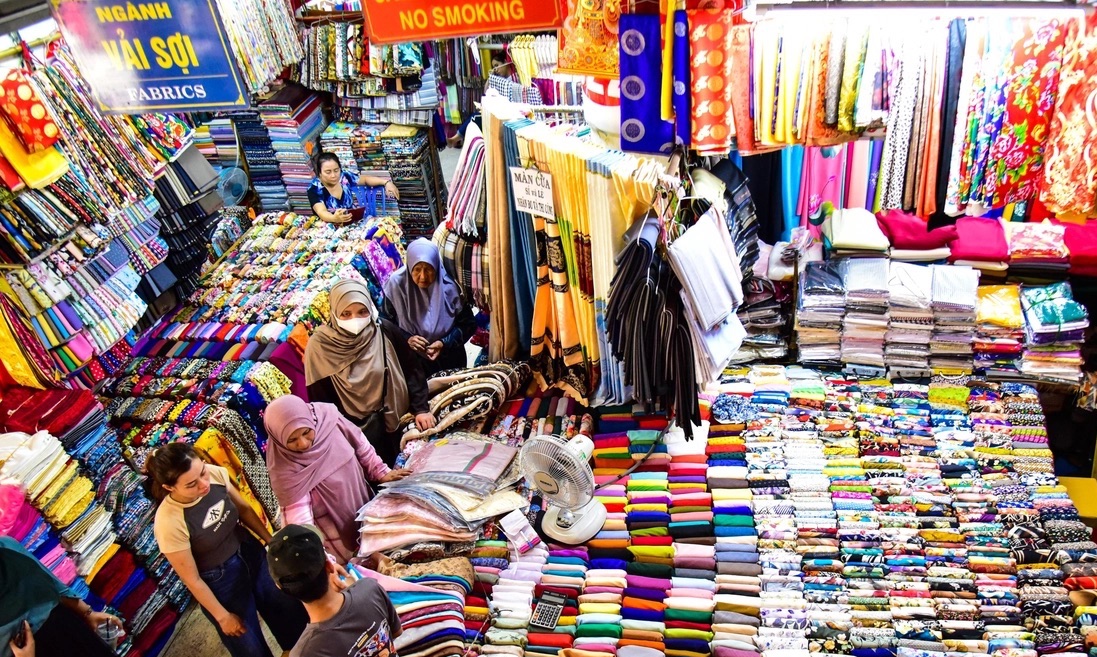
Binh Tay market (Source: Bao Tuoi Tre)
One of the oldest wholesale markets in the city, featuring busy trade on the inside and a world of street food outside. Visitors can sample dim sum snacks, fried wontons, egg teas, herbal drinks, and Chinese-style desserts while observing the fast-paced rhythm of Cho Lon.
Read more: Binh Tay Market Saigon: History, architecture, shopping & Food guide
Nghia An Assembly Hall (Ong Pagoda)
Dedicated to Guan Yu, a symbol of righteousness and integrity in Chinese culture. The hall is richly decorated with colorful carvings and ornate details. Many visitors come to pray for career success, good fortune, and prosperous business.
Cha Tam Church
A Roman Catholic church with architectural elements blending East and West, yellow walls, curved roofs, and red tiles that reflect the aesthetics of old Cho Lon. The church is also associated with significant historical events and is frequently included in heritage walking tours.
Luong Nhu Hoc Lantern Street
Famous for handmade lanterns and festive decorations, the street becomes stunning during the Mid-Autumn Festival. It is a popular spot for photography thanks to its vivid colors and nostalgic ambiance.
Hai Thuong Lan Ong Traditional Medicine Street
A long-standing street specializing in herbal medicine, where the scent of dried herbs drifts from old apothecaries. Shops sell ginseng, lingzhi mushrooms, honey, and herbal teas, and some still preserve traditional Chinese preparation techniques.
Whether you visit to take photos, make a wish or explore local heritage, Thien Hau Pagoda remains a must-see stop in Cholon. Its mix of culture, rituals and history makes the temple both meaningful and memorable for travelers.
Share via




Related articles

6-Day Vietnam Slow Travel Itinerary for Couples
Posts | 16/06/2026
Phan Thiet night market: The ultimate guide for first-time visitors
Posts | 25/04/2026

Ben Tre Day Trip from Ho Chi Minh City: Explore Vietnam's Coconut Kingdom
Posts | 11/08/2026

Ho Chi Minh City to Mekong Delta Distance: Transport & Travel Time
Posts | 11/08/2026









There are no reviews yet