


Quan Su Pagoda in Hanoi: History, architecture, worship spaces & visitor guide
Quan Su Pagoda is one of Hanoi’s most important Buddhist temples, known for its peaceful atmosphere and deep spiritual heritage. Located in the city center, it offers travelers a quiet space to explore traditional architecture, sacred statues, and the cultural heart of Vietnamese Buddhism.
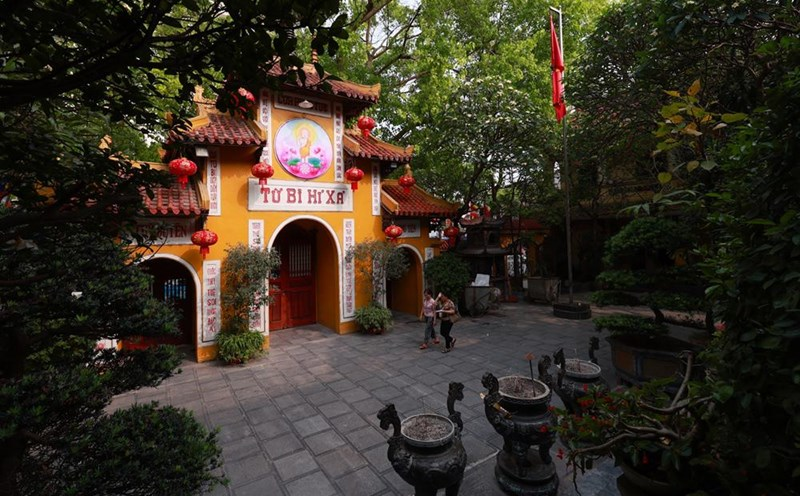
Quan Su Pagoda is one of Hanoi’s most important Buddhist temples, known for its peaceful atmosphere and deep spiritual heritage. Located in the city center, it offers travelers a quiet space to explore traditional architecture, sacred statues, and the cultural heart of Vietnamese Buddhism.
Overview of Quan Su Pagoda
Located in the heart of Hanoi, Quan Su Pagoda, also known as Chùa Quán Sứ, is one of the most prominent spiritual destinations that every visitor to the city should not miss. Renowned for its ancient architecture reflecting traditional Buddhist aesthetics, the pagoda also serves as the headquarters of the Vietnam Buddhist Sangha, playing a vital role in religious and cultural activities nationwide.
Quan Su Pagoda (Source: Nha Tot)
Established in the 15th century, Quan Su Pagoda is not only a place of worship but also a center for Buddhist study, research, and the organization of important religious ceremonies and festivals. Visitors can immerse themselves in a serene and peaceful atmosphere, admire the exquisite architecture, contemplate the solemn Buddha statues, and experience the unique spiritual and cultural heritage of Hanoi.
Quan Thanh Pagoda is one of Hanoi’s most popular spiritual destinations, attracting both locals and travelers seeking peace, reflection, and a deeper understanding of Vietnamese Buddhist culture. With the growing interest in spiritual tourism, Sinh Cafe offers a variety of curated tours that include Quan Thanh Pagoda along with other significant temples and pagodas across the city. Travelers can also design their own personalized itineraries to explore multiple sacred sites at their own pace, ensuring a meaningful and enriching journey through Hanoi’s spiritual heart.
Read more: Visit Quan Thanh Temple Hanoi to uncover its legends and historical treasures
Things you must know before getting there
Before visiting Quan Su Pagoda, it's helpful to know some essential information so your trip goes smoothly. The pagoda is located in the heart of Hanoi, making it easy to reach, but it also has certain customs and guidelines that visitors should follow to respect the sacred atmosphere. Below are the key things every traveler should check in advance.
Where is Quan Su Pagoda located?
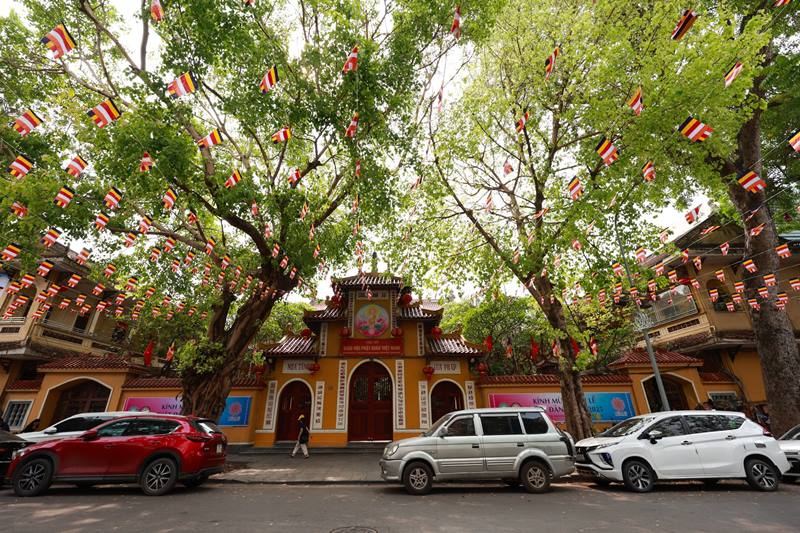
Where is Quan Su Pagoda located? (source: Lao Dong news)
Quan Su Pagoda sits at 73 Quan Su Street, Hoan Kiem District, Hanoi, just a short distance from the Old Quarter and popular attractions like Hoa Lo Prison and the Hanoi Opera House. Its central position makes it a convenient cultural stop during your city exploration.
Quan Su Pagoda opening hours
The pagoda is generally open from 7:30 AM to 11:30 AM in the morning, 1:30 PM to 5:30 PM in the afternoon, with the busiest time being during ceremonies or on Buddhist days. Visitors can enter freely throughout the day, but early morning is ideal if you prefer a peaceful atmosphere.
Quan Su pagoda entrance fee
There is no entrance fee. The pagoda is open to the public, and visitors can make voluntary donations in designated areas if they wish to support temple maintenance.
Dress code & Etiquette
Since Quan Su Pagoda is an important religious site and the headquarters of the Vietnam Buddhist Sangha, there are some things you should keep in mind:
- Wear clothing that covers shoulders and knees.
- Avoid loud conversations inside worship halls.
- Do not touch sacred statues or altar items.
- Photography is allowed in most outdoor spaces, but avoid using flash inside the main hall.
Best time to visit
The pagoda is beautiful year-round, but early mornings, especially on weekdays, offer the calmest atmosphere. If you enjoy observing local Buddhist culture, consider visiting on the 1st and 15th days of the lunar month, when many devotees come to pray.
History and spiritual significance of Quan Su Pagoda
Quan Su Pagoda was established in the 15th century, originally serving as the “Sứ” house – a place to welcome foreign envoys and Buddhist delegations visiting Vietnam. Historically, the pagoda was built not only for worship but also as a symbol of cultural exchange in Buddhism between nations, reflecting the Vietnamese tradition of respect and hospitality toward foreign visitors.
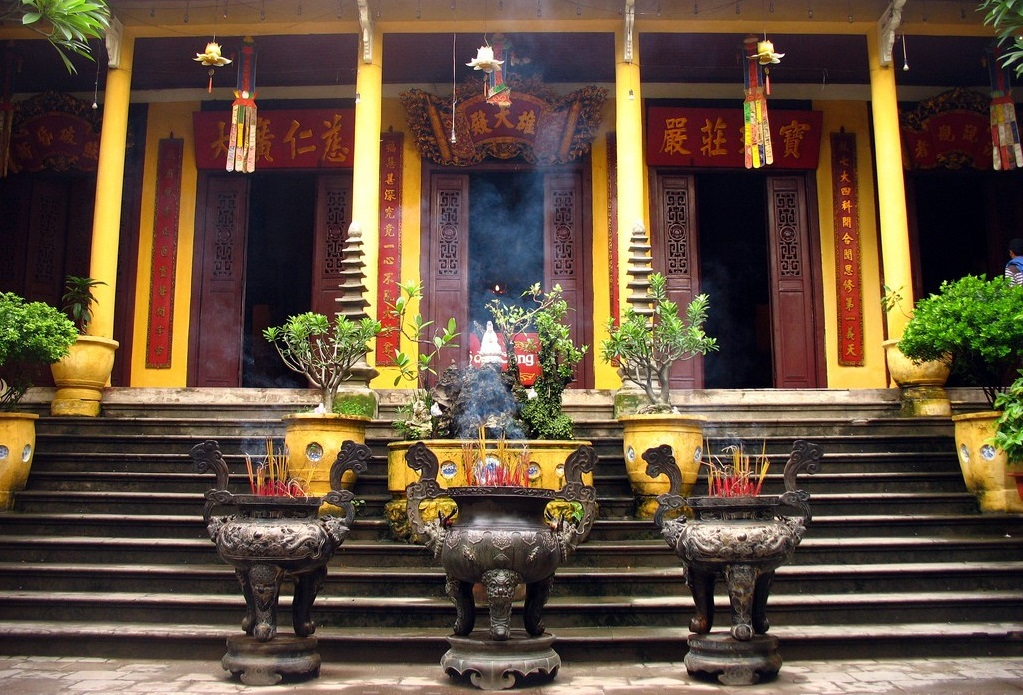
History and spiritual significance of Quan Su Pagoda (source: Vinwonders)
Quan Su Pagoda has been the site of many important events in Vietnamese Buddhism. Notably, on May 13, 1951, it became the first pagoda in Vietnam to host the Raising of the World Buddhist Flag, marking its connection to international Buddhism and cementing its status as a central hub of Vietnamese Buddhist life. Over the centuries, the pagoda has undergone multiple restorations and expansions, including the main hall, library, lecture halls, and residential areas for monks, forming a complex that is both ancient and solemn in its architecture.
In terms of spiritual significance, Quan Su Pagoda is more than just a place of worship; it serves as an important center for Buddhist activities. It hosts major ceremonies such as Vesak, full moon festivals, and Lunar New Year events, while also functioning as a center for Buddhist teaching and research. Visitors to the pagoda can admire its intricate architecture and majestic Buddha statues, while immersing themselves in a serene and tranquil atmosphere, experiencing the sense of peace and mindfulness that this sacred place provides. The combination of its long history and profound spiritual value makes Quan Su Pagoda an essential destination for anyone exploring the cultural and spiritual heritage of Hanoi.
Special things about Quan Su Pagoda
Quan Su Pagoda is not only one of Hanoi’s most historic Buddhist temples but also a place full of unique features that set it apart from other religious sites. The pagoda offers visitors both a spiritual sanctuary and an opportunity to explore Vietnam’s rich Buddhist traditions. The following highlights reveal what makes Quan Su Pagoda truly special.
Pure Buddhist Faith
Quan Su Pagoda stands out for its exclusive focus on worshiping the Buddha and Bodhisattvas, without incorporating folk deities or the Mother Goddesses of Tam – Tu Phu. This serene environment creates a sacred atmosphere, completely separated from the bustling city outside, allowing visitors and devotees to meditate and reflect in peace.
Important Role in Vietnamese Buddhist Life
The pagoda is not only a place for rituals but also a center for Buddhist studies and activities. Monks gather here to study scriptures, teach Buddhist principles, and organize significant religious events, making the pagoda both a spiritual sanctuary and a hub for education and cultural preservation.
All plaques and couplet inscriptions written in Vietnamese script
A unique feature of Quan Su Pagoda is that all plaques, couplets, and altar boards are written in the modern Vietnamese script, rather than classical Chinese characters as in many ancient temples. This makes the pagoda more accessible to contemporary Vietnamese visitors while highlighting its distinctive cultural and religious value, creating a space that is both solemn and approachable.
Architecture and of Quan Su Pagoda
Quan Su Pagoda is not only a spiritual sanctuary but also an architectural gem in the heart of Hanoi. Its carefully designed layout, majestic halls, and intricate details reflect both traditional Vietnamese Buddhist architecture and cultural heritage. Exploring the pagoda’s space offers visitors a deeper understanding of its sacred atmosphere, historical significance, and artistic beauty.
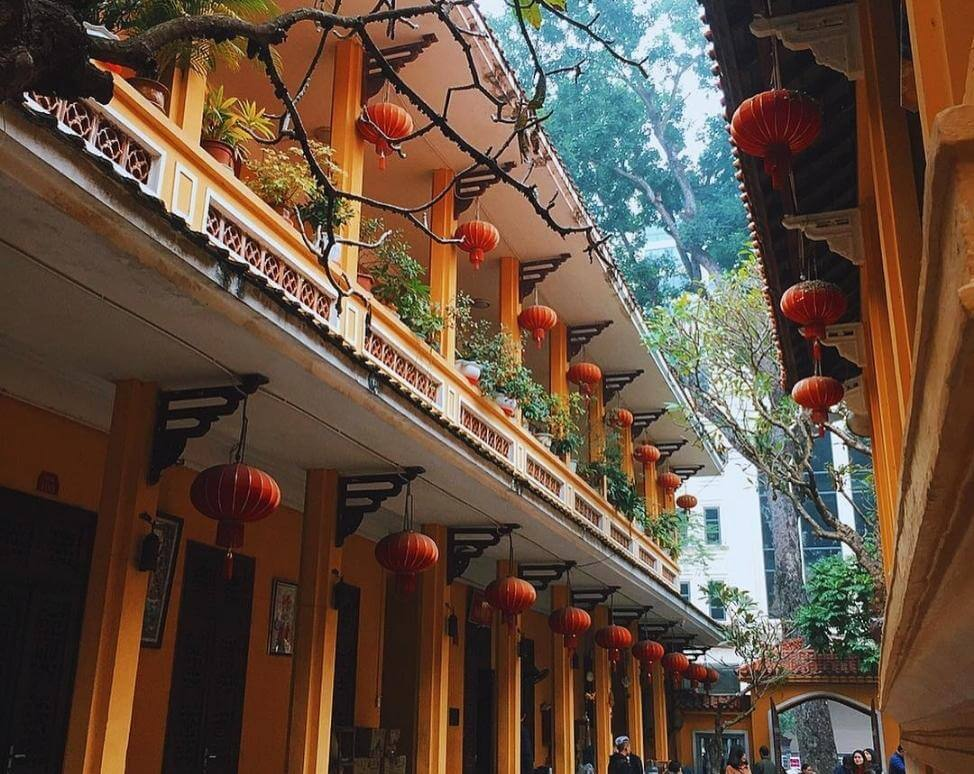
Architecture and of Quan Su Pagoda (source: Vinpearl)
Tam Quan Gate
The pagoda’s Tam Quan Gate features three red-tiled roofs, with a prominent bell tower in the center. The gate serves not only as an entrance but also as a symbol of solemnity, separating the serene inner space from the bustling city outside. Passing through the gate, visitors immediately feel a sense of calm and reverence, as if stepping into a sacred and tranquil world.
Courtyard
Beyond the gate lies a spacious courtyard, paved with tiles and interspersed with trees providing shade. This open area allows visitors to rest, meditate, or prepare themselves before entering the main hall. The courtyard combines tranquility with a touch of nature, creating a relaxing and peaceful atmosphere.
Main Hall
The main hall sits on a raised square foundation, surrounded by corridors. The Buddha hall is arranged with great solemnity, featuring large statues lavishly gilded.
- The top level houses the Three Buddhas of Past, Present, and Future, representing the eternal cycle of time.
- The next level features Amitabha Buddha, flanked by Avalokiteshvara (Guanyin) Bodhisattva and Mahasthamaprapta Bodhisattva.
- The lower level displays Shakyamuni Buddha, accompanied by his disciples Ananda and Kasyapa, arranged harmoniously for easy veneration.
Additionally, the relics of the Buddha and revered monks are enshrined within the main hall, making it a focal point for worship during major ceremonies like Vesak.
Ancestral Hall and Zen Master Shrine
Behind the main hall is the Ancestral Hall, connected by two stairways. This is where Vietnamese Buddhist Patriarchs are honored. The pagoda also houses the shrine of Zen Master Minh Khong and other notable historical figures, reflecting its deep religious and historical significance.
Read more: Visit Ngoc Son Temple - Iconic cultural and spiritual landmark in Hanoi
Activities visitors can enjoy when visiting Quan Su Pagoda
A visit to Quan Su Pagoda is not only about admiring its historic architecture but also about experiencing the calm rhythm of Buddhist life in the heart of Hanoi. Whether you are seeking cultural discovery, spiritual reflection, or simply a quiet moment away from the busy streets, the pagoda offers several meaningful activities that help visitors connect more deeply with its sacred atmosphere.
Offer incense and pray for peace inside the Main Hall
Upon entering the Main Hall, visitors can light incense to pray for health, peace, and good fortune. The serene atmosphere, soft lighting, and subtle scent of agarwood create a calming space that helps you slow down, quiet your thoughts, and find inner balance.
Join the Buddha’s Birthday Celebration (Vesak) if visiting during the festival
As the headquarters of the Vietnam Buddhist Sangha, Quan Su Pagoda hosts an important Vesak celebration every year.
- Visitors may witness or participate in activities such as:
- The Buddha Bathing Ceremony, symbolizing purification of the mind
- Incense offering and sutra chanting
- Flower offering and prayers for peace
- Viewing the Buddha’s relics displayed during the festival
The festive atmosphere, filled with Buddhist flags, chanting, and the gathering of thousands of devotees, creates a memorable cultural and spiritual experience.
Walk around the courtyard and enjoy peaceful moments
The spacious courtyard, shaded by tall trees, is perfect for leisurely walks. Visitors can enjoy the calm environment, breathe in the fresh air, and observe the quiet beauty of the ancient architecture. Many choose to photograph iconic corners such as the bell tower, tiled roofs, and wooden corridors.
Admiring the hyper-realistic statue of Venerable Thich Thanh Tu
When you enter the Quan Am Hall of Quan Su Pagoda, you will encounter one of its most remarkable highlights: the hyper-realistic statue of Venerable Thich Thanh Tu, former Vice President of the Vietnam Buddhist Sangha. The statue is crafted so lifelike that many visitors initially mistake it for a real person sitting in meditation.
It was gifted by the Buddhist community in Thailand, symbolizing the deep spiritual connection between the Buddhist followers of both countries. One extraordinary detail is that the statue uses the Venerable’s real hair, carefully preserved and attached to the wax figure. Because of its astonishing realism, the statue was once mistaken for a living person during transport, airport staff even asked to see a passport when the statue arrived in Vietnam.
A visit to Quan Su Pagoda gives travelers a simple yet meaningful look into Hanoi’s spiritual life. With its calm setting, beautiful halls, and rich history, the pagoda remains a must-see cultural stop in the capital.
Share via




Related articles
Why Vietnam Is a Great Alternative to Bali for Australian Travelers
Posts | 11/06/2026
Best Vietnam Destination for Indian Multi-Generational Family Vacations
Posts | 11/06/2026
Travel to Vietnam with Kids: The Complete Family Travel Guide
Posts | 26/06/2026
Book Street Hanoi: A New Tourism Destination for Book Lovers
Posts | 26/01/2026









There are no reviews yet