


Hue Vietnam tours: Imperial Heritage, Royal Tombs and Local Food Experiences
Step into Hue Vietnam tours where emperors once ruled, dragons sailed the Perfume River and every meal carries a royal story waiting to be discovered
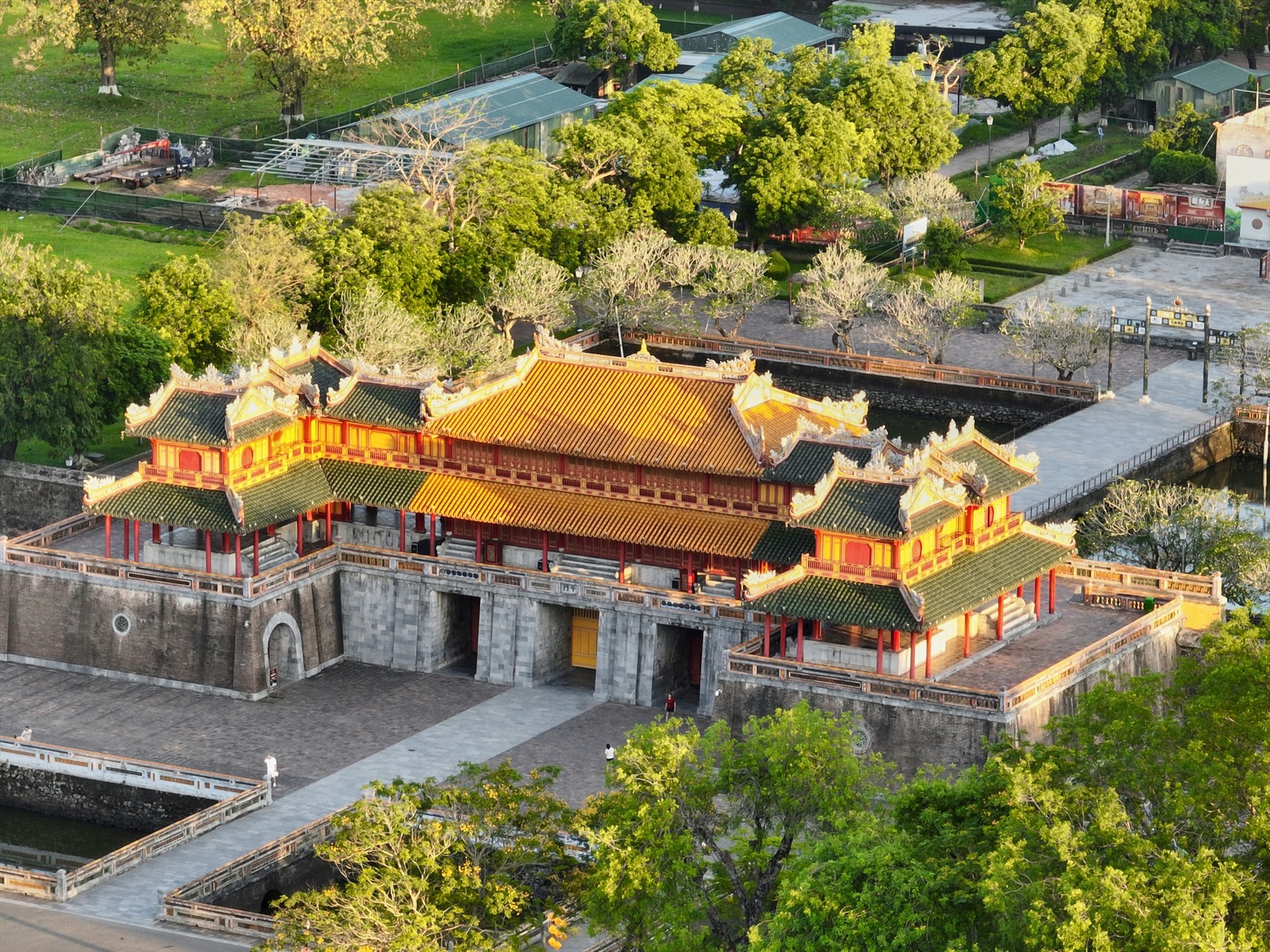
Hue isn't the busiest destination in Vietnam, but many travelers consider it one of the country's most rewarding. As Vietnam's former imperial capital, the city offers a unique combination of royal heritage, riverside scenery and one of the country's most distinctive food cultures. Whether you have one day or several, the right Hue Vietnam tours helps you experience more than just famous landmarks. In this guide, you'll discover what to expect, how to choose the right tours and which experiences are genuinely worth your time.
Why Is Hue Worth Including in Your Vietnam Itinerary?
Hue often surprises first-time visitors. Unlike Hanoi's energetic streets or Da Nang's beaches, Hue moves at a slower pace, inviting travelers to appreciate Vietnam's history, architecture and traditions rather than simply ticking off attractions.
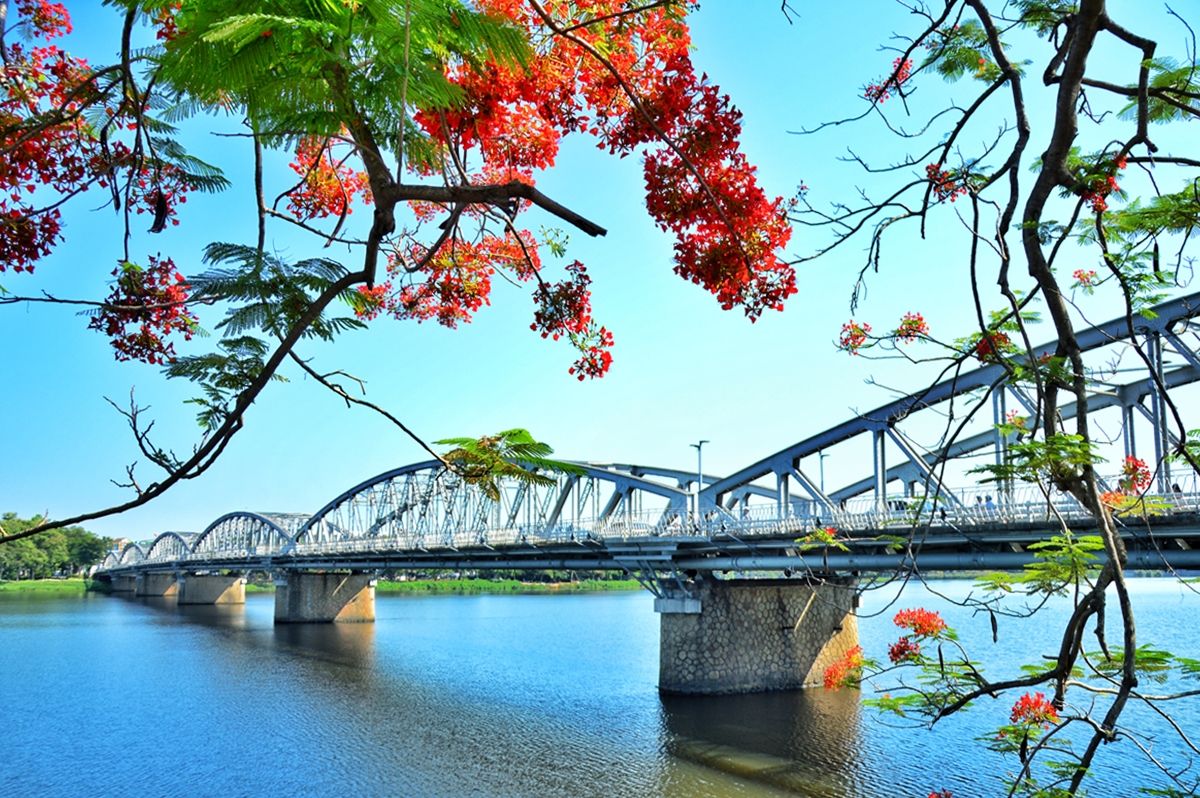
The Perfume River creates the peaceful atmosphere that makes Hue different from other Vietnamese cities (Source: KhamPhaHue)
Many itineraries treat Hue as a quick stop between Da Nang and Hoi An. While it's possible to see the city's highlights in a day, travelers who slow down even slightly usually leave with a deeper appreciation for Vietnam's imperial past and cultural identity. If you're still deciding whether to include Hue or spend more time elsewhere in Central Vietnam, our guide comparing Da Nang or Hue can help you choose the destination that best matches your travel style.
Vietnam's Imperial Heritage Lives On
For 143 years, Hue served as the capital of the Nguyen Dynasty, Vietnam's last royal dynasty. Today, much of that history remains visible through the Imperial City, royal tombs, temples and traditional architecture that earned Hue recognition as a UNESCO World Heritage Site.
Unlike many historic sites that focus on a single landmark, Hue tells the story of an entire royal capital. The Citadel, ancient gates, palaces and ceremonial spaces are connected, giving visitors a broader understanding of how Vietnam's imperial court once functioned.
History is certainly part of the experience, but a Hue Vietnam tours is less about memorizing dates and more about understanding how the city's royal legacy continues to influence local culture, cuisine and daily life.
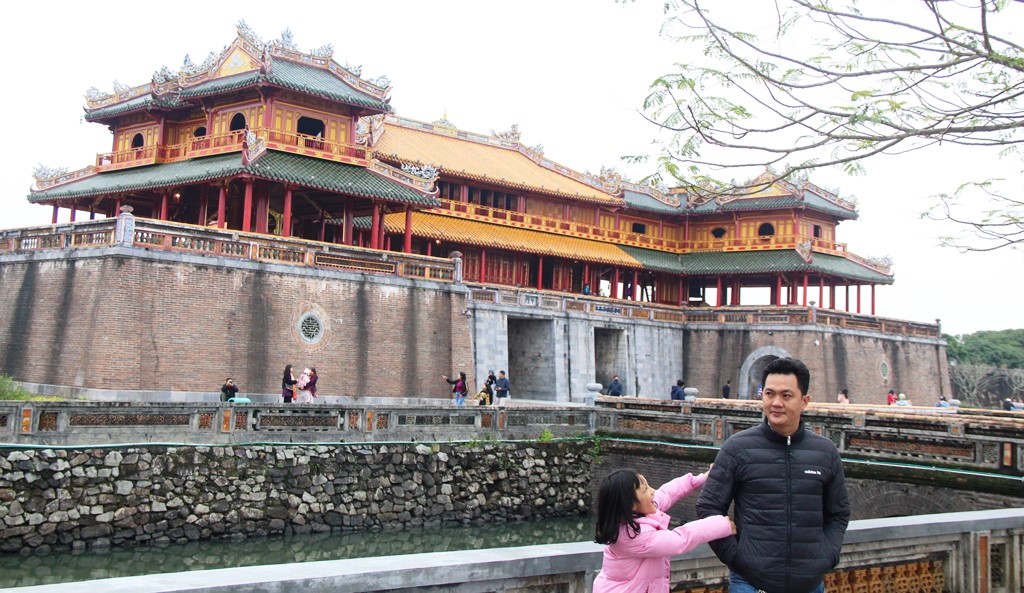
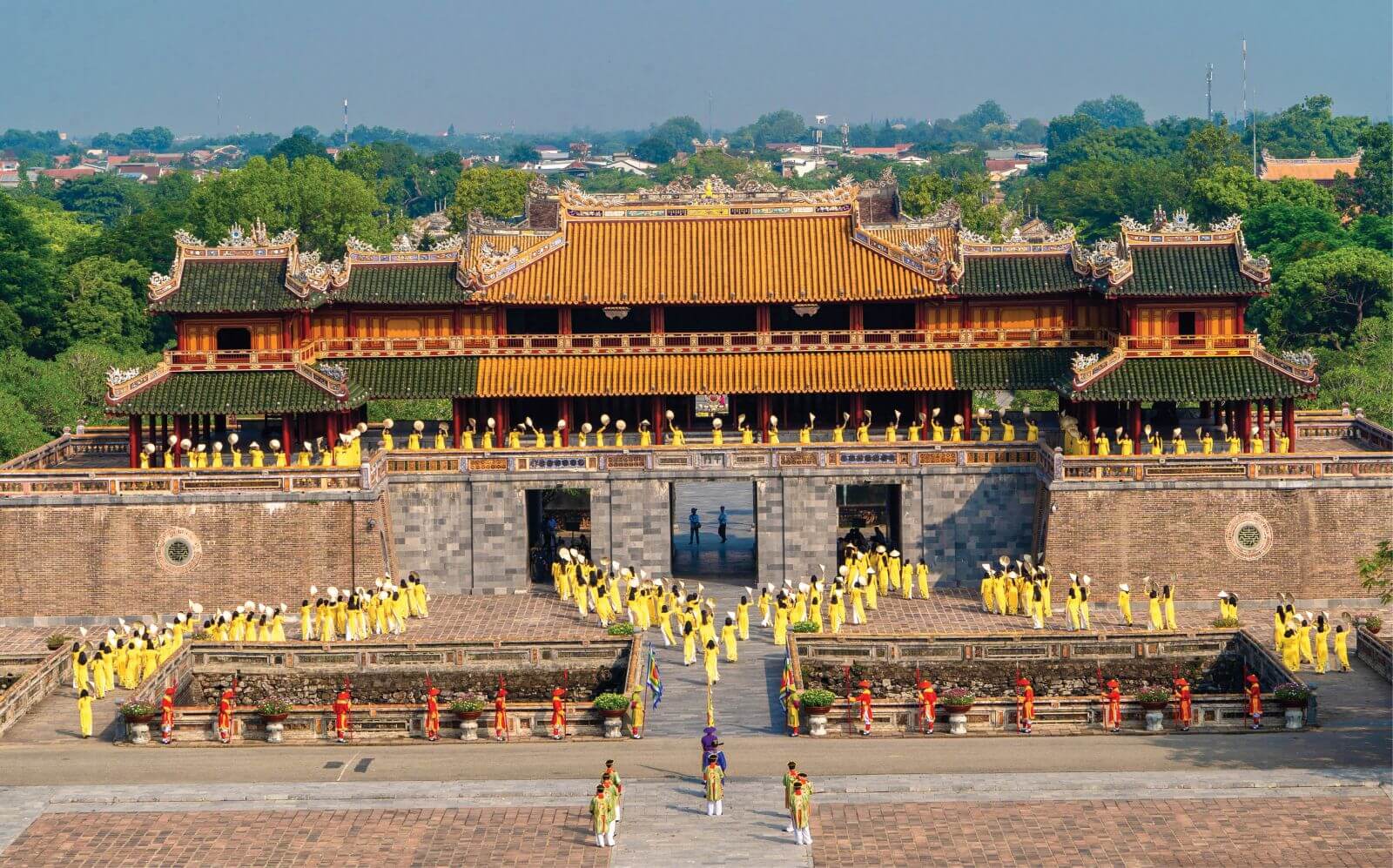
Ngo Mon Gate welcomes visitors into the historic Imperial City of Hue (Source: HueNgayNay)
A Different Side of Vietnam
While Ho Chi Minh City is known for its energy and Hanoi for its bustling Old Quarter, Hue feels quieter and more reflective. Tree-lined streets, riverside promenades and traditional garden houses create a slower rhythm that many travelers appreciate after visiting Vietnam's larger cities.
That slower pace also changes the way you explore. Instead of rushing between attractions, visitors often spend longer walking through the Imperial City, enjoying coffee beside the Perfume River or discovering small family-run restaurants hidden in residential neighborhoods. For many travelers, Hue becomes one of the most relaxing stops in a longer Vietnam itinerary precisely because it encourages you to slow down.
What to Expect on a Typical Hue Vietnam tours
Most Hue Vietnam tours combine the city's major historical landmarks with local cultural experiences. Although itineraries vary, a well-designed tours balances sightseeing with opportunities to experience Hue's unique atmosphere rather than simply moving from one monument to another.
One useful tip is not to judge a tours by the number of attractions it includes. Some of the best experiences in Hue come from spending more time at fewer places instead of rushing through every famous site.
Explore the Imperial City
Nearly every Hue Vietnam tours begins inside the Imperial City, and for good reason. This vast complex formed the political and ceremonial heart of the Nguyen Dynasty and remains Hue's most iconic attraction.
Visitors enter through the impressive Ngo Mon Gate before exploring courtyards, temples, palaces and reconstructed royal buildings spread across the Citadel.
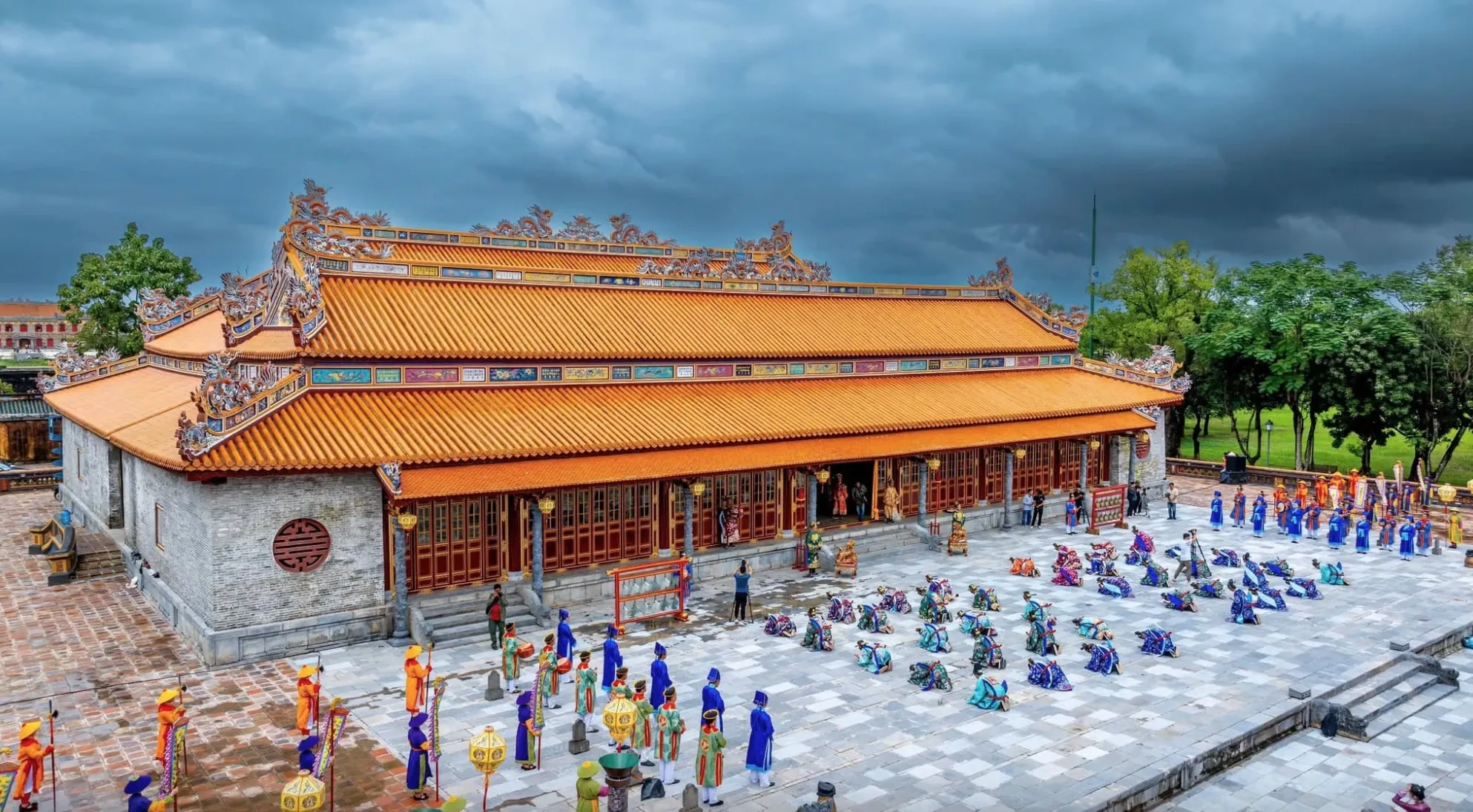
Walking through the Imperial City reveals centuries of Nguyen Dynasty history (Source: Thanh Nien Newspaper)
Many first-time visitors underestimate the size of the complex. If you genuinely want to explore beyond the main gates and photograph some of the quieter corners, allow at least two to three hours. tours that only schedule one hour here often feel rushed. Morning is generally the best time to visit. Temperatures are cooler, lighting is softer for photography and many areas are quieter before larger tours groups arrive.
Rather than trying to see every building, focus on understanding how the royal city was organized. A knowledgeable guide can explain how the Emperor lived, where official ceremonies were held and why different sections of the Citadel were designed for specific members of the royal court. These stories often leave a stronger impression than simply walking past historic buildings.
Which Royal Tomb Should You Visit?
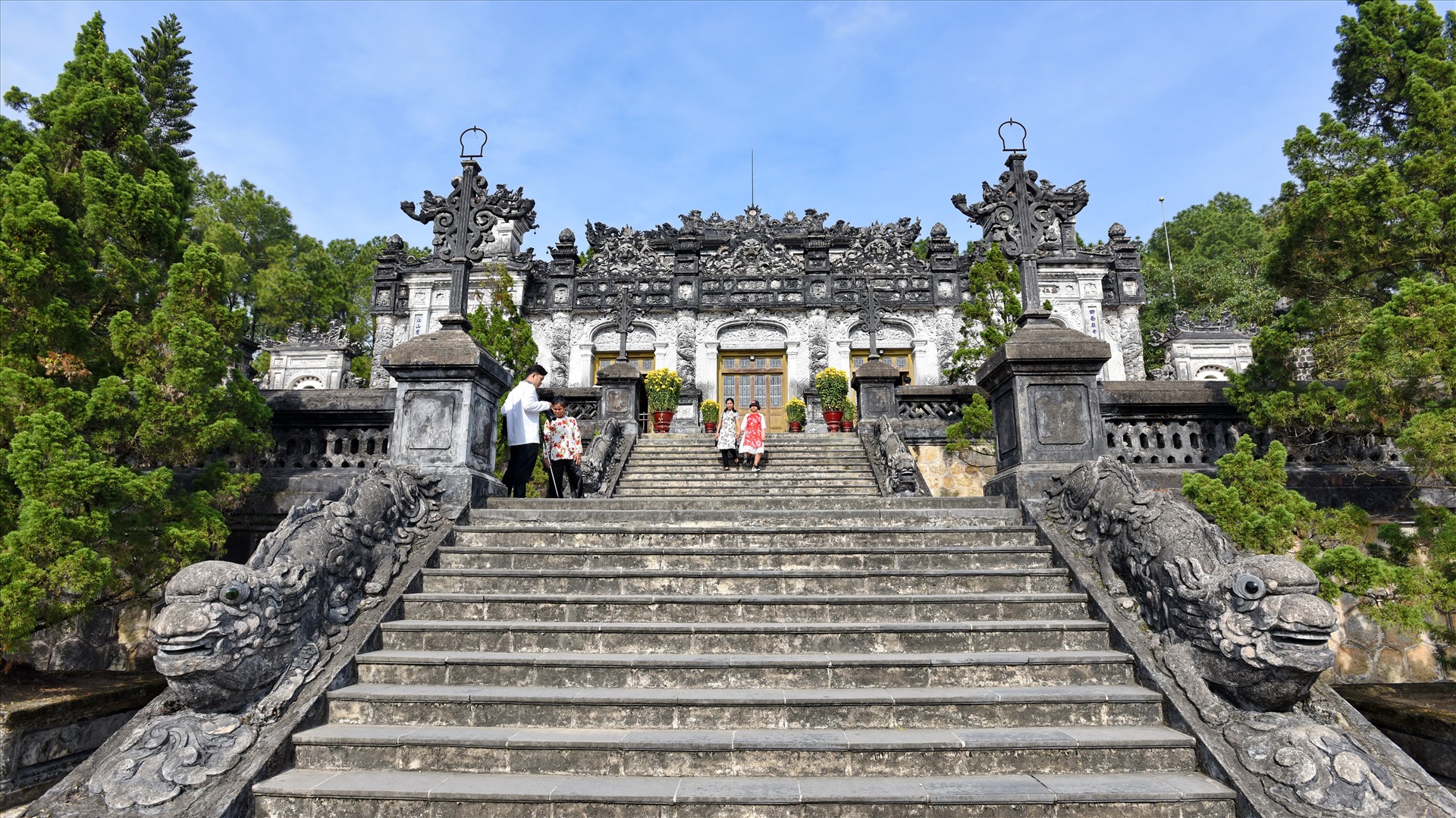
Each royal tomb reflects the unique personality and architectural style of its emperor (Source: An Giang Newspaper)
If your itinerary only allows time for one or two, choosing the right tomb based on your interests usually creates a better experience than trying to visit every site in a single afternoon.
|
Royal Tomb |
Best For |
|
Minh Mang Tomb |
Peaceful gardens, lakes and traditional imperial architecture |
|
Khai Dinh Tomb |
Elaborate decorations, European influences and detailed mosaics |
|
Tu Duc Tomb |
Quiet surroundings, elegant landscapes and poetic atmosphere |
Each tomb reflects the personality of the emperor who commissioned it. Minh Mang's tomb is often considered the most harmonious, with carefully designed gardens, courtyards and waterways that blend naturally into the surrounding landscape.
Khai Dinh's tomb offers a completely different experience. Although smaller, its richly decorated interiors feature intricate porcelain mosaics, dramatic staircases and architectural influences rarely seen elsewhere in Vietnam.
Tu Duc's tomb appeals to travelers looking for a quieter atmosphere. Built around lakes and pine trees, it feels more like a peaceful retreat than a traditional mausoleum.
If you're choosing only one, think about what interests you most rather than which tomb appears most frequently in guidebooks.
Cruise Along the Perfume River
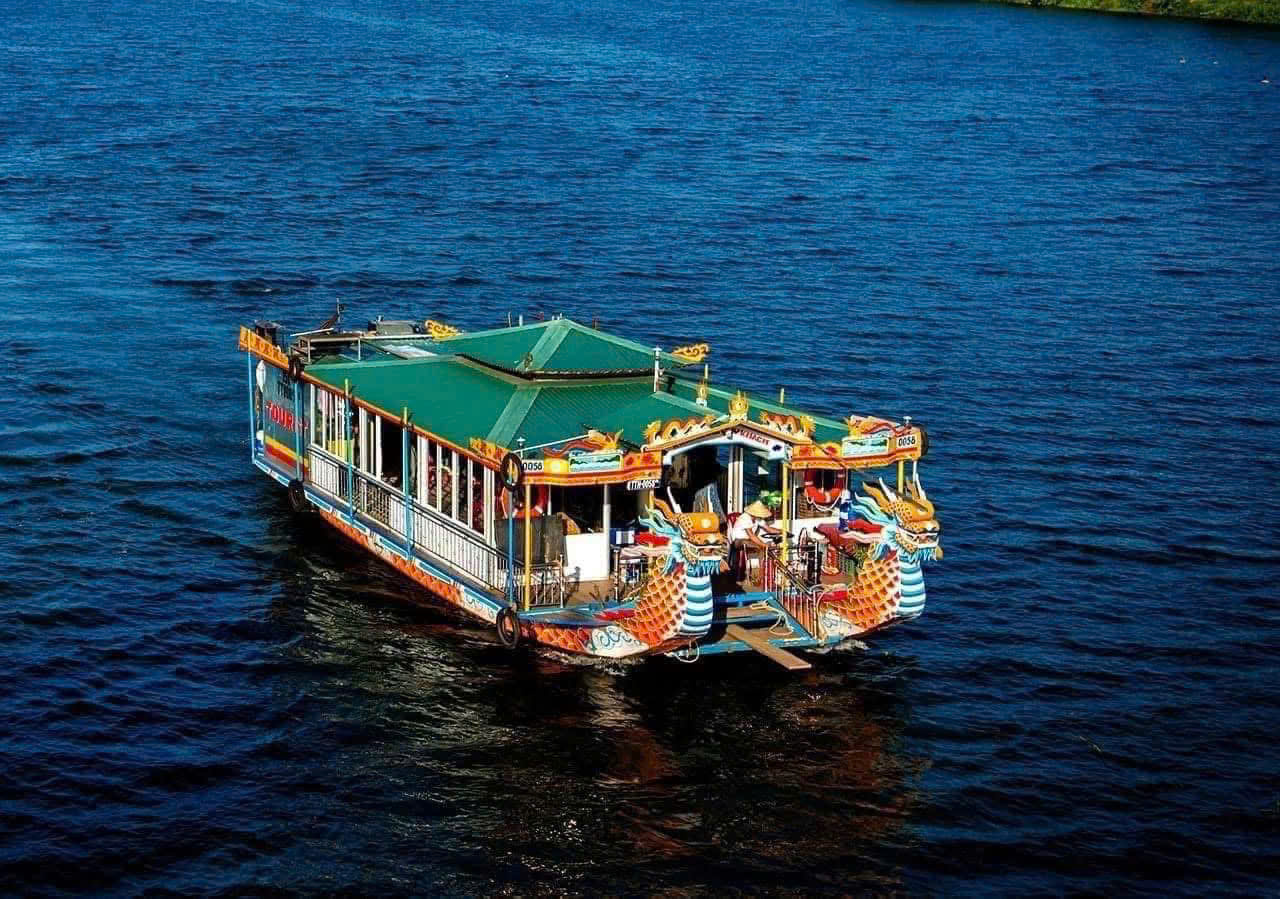
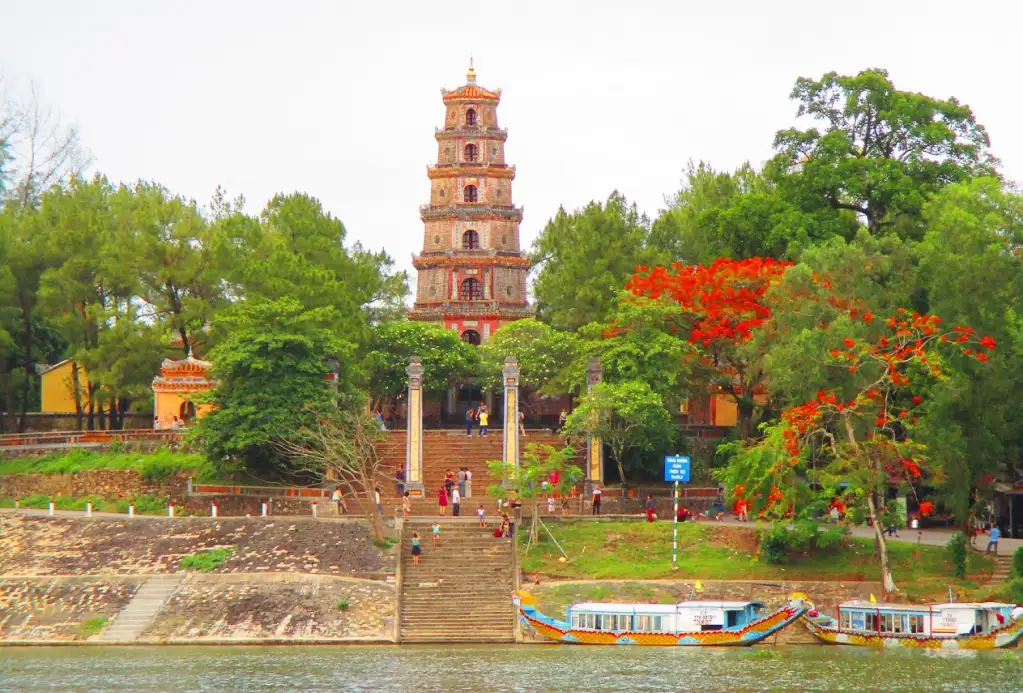
The Perfume River isn't simply a scenic backdrop. For centuries, it served as an important transportation route connecting the Imperial City with temples, villages and royal monuments. Today, many Hue Vietnam tours include a short cruise along the river, often combined with a visit to Thien Mu Pagoda.
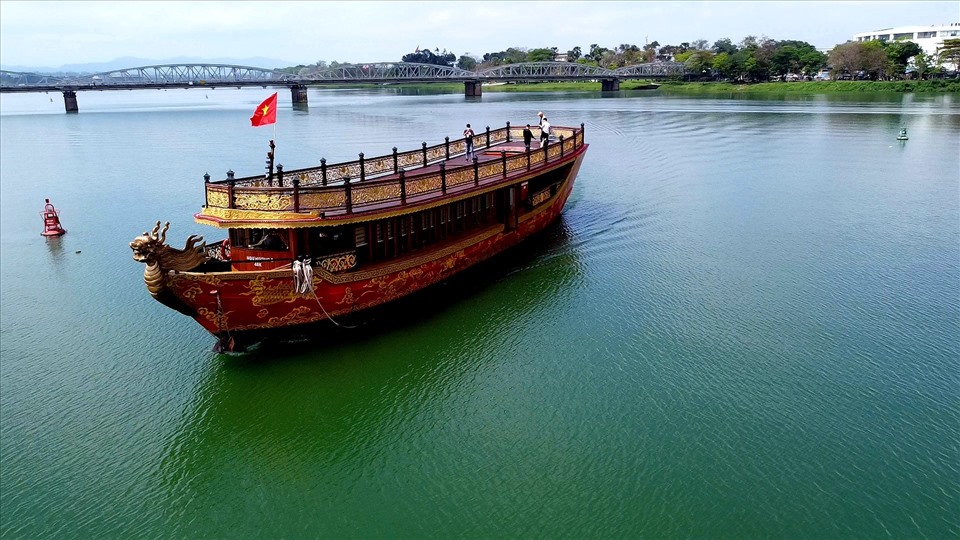
A cruise along the Perfume River offers a relaxing perspective of Hue's historic landmarks (Source: Lao Dong Newspaper)
Morning cruises generally offer cooler temperatures and clearer visibility for sightseeing and photography. Sunset cruises, meanwhile, create a quieter atmosphere as the city gradually slows down and the river reflects the changing evening light.
Neither option is objectively better, but if photography is important, early morning usually provides more consistent lighting. If you'd like to learn more about the river before your visit, our guide to the Perfume River (Huong River) explores its history, landmarks and cultural significance.
Experience Hue Through Its Royal Cuisine
Ask travelers what they know about Hue's food, and many will immediately mention Bun Bo Hue. While the city's famous noodle soup certainly deserves its reputation, it represents only one part of a much richer culinary tradition shaped by centuries of imperial history.
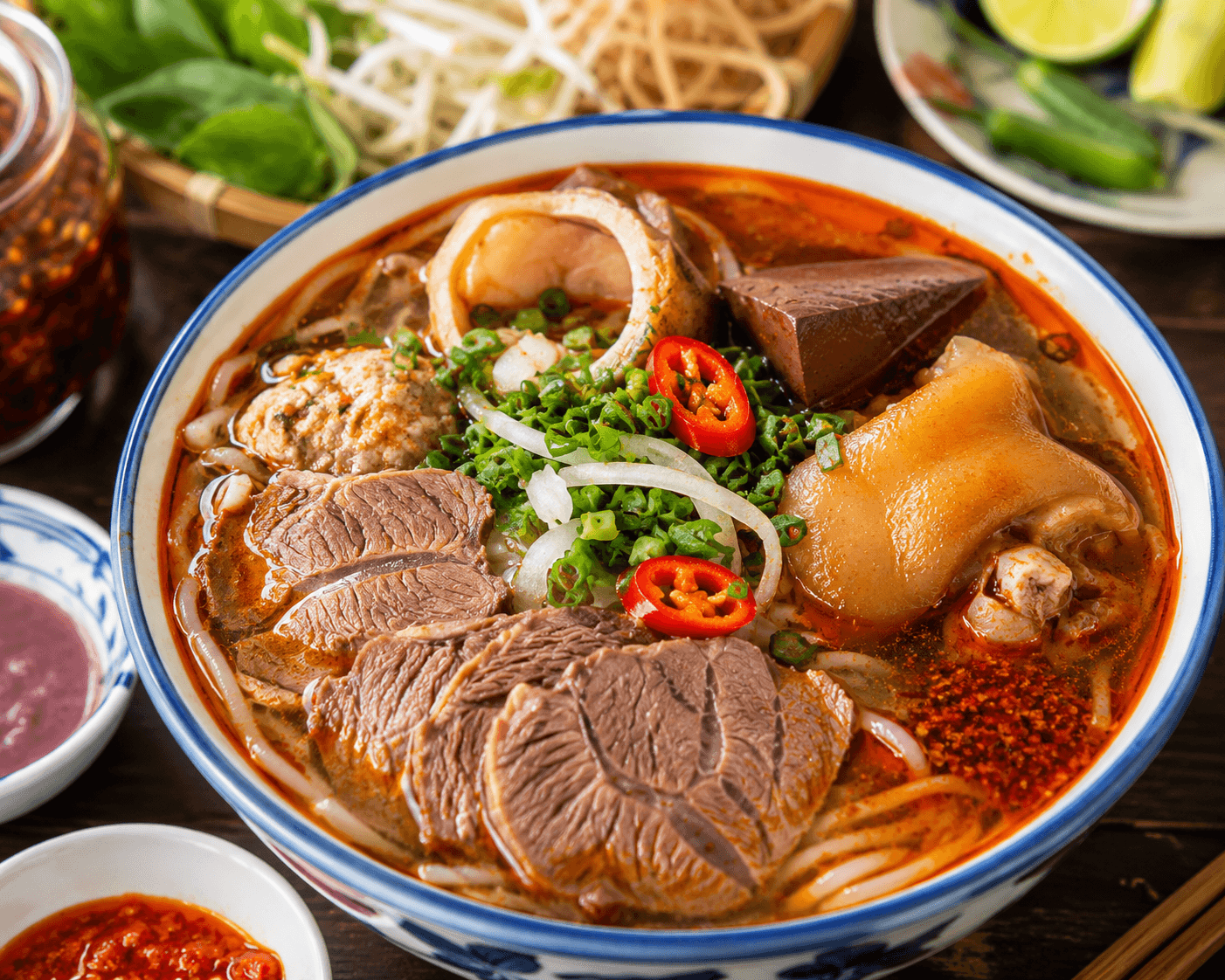
Hue's royal cuisine is known for its delicate presentation and rich local flavors (Source: Collected)
Unlike many regional cuisines in Vietnam that emphasize generous portions and bold flavors, Hue's food often reflects refinement and presentation. Many dishes originated in the royal court, where meals were prepared not only to satisfy the emperor but also to showcase balance, craftsmanship and seasonal ingredients. A well-planned Hue Vietnam tours should include time to experience this side of the city rather than simply stopping for lunch between attractions.
Don't Stop at Bun Bo Hue
Bun Bo Hue is often the first dish visitors try, but the city's food culture extends far beyond a single bowl of noodles. Small rice cakes such as banh beo, banh nam and banh loc are local favorites that showcase the delicate flavors of Central Vietnamese cuisine. Crispy banh khoai, grilled pork skewers and Hue-style sweet soups (che Hue) are equally worth trying if you want a broader introduction to the region's culinary heritage.
One practical tip is to eat several smaller dishes instead of ordering one large meal. Hue's cuisine was traditionally designed around variety, allowing diners to enjoy different textures and flavors in a single sitting.
Look Beyond toursist Restaurants
One of the biggest differences between independent travel and a guided Hue tours is knowing where to eat. Restaurants surrounding the Imperial City are convenient, but they aren't always where locals choose to dine. Some of the city's best family-run eateries are tucked away in residential streets or local markets, where recipes have been passed down through generations.
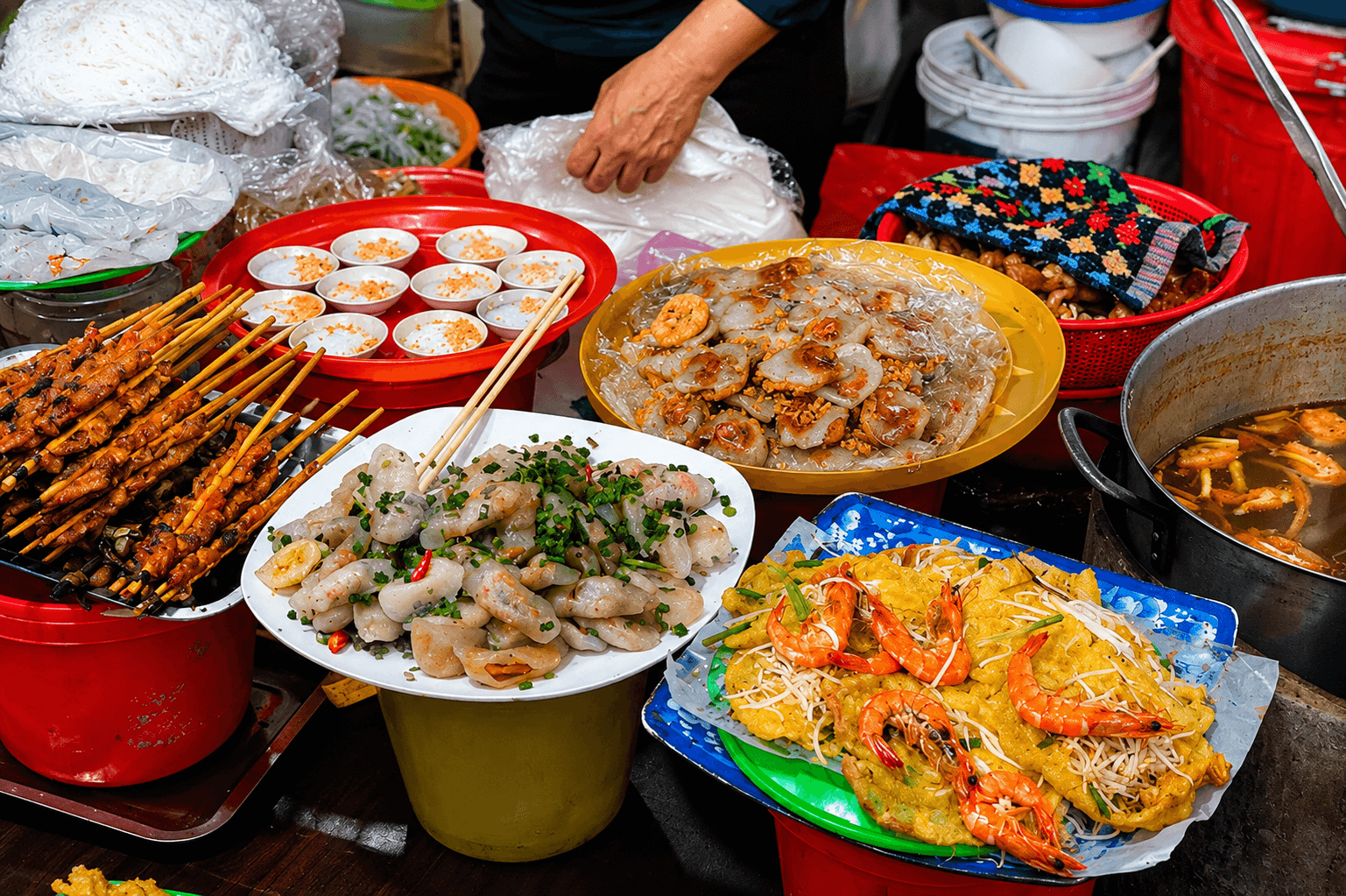
Small family-run restaurants often serve Hue's most authentic traditional dishes (Source: Can Tho Newspaper)
Experienced local guides often recommend these smaller establishments because they offer a more authentic introduction to Hue's cuisine without feeling overly commercial. Rather than searching for "the best restaurant," focus on places that specialize in just one or two signature dishes. In Hue, that's usually a sign that the restaurant has spent years perfecting a particular recipe.
Which Hue Vietnam tours Is Right for You?
Not every traveler explores Hue in the same way. Some only have a single day before continuing to Hoi An or Da Nang, while others prefer spending several days discovering Central Vietnam at a slower pace. Choosing the right Hue Vietnam tours depends less on your budget and more on how much time you have and what kind of experience you're looking for.
Half-Day or Full-Day tours?
If your schedule is tight, a half-day tours covers the Imperial City and one or two nearby attractions. It's a practical option for travelers arriving by cruise ship or those continuing to another destination later in the day.
However, a full-day tours offers a much more balanced experience. In addition to the Citadel, you'll usually have time to visit one or two royal tombs, enjoy a cruise on the Perfume River and sample local cuisine without feeling rushed. For most first-time visitors, a full day is the better choice. Hue isn't a city best experienced at high speed, and allowing extra time makes the journey far more enjoyable.
Hue tours Prices and Duration
Hue tours prices depend on the itinerary, group size and services included. The table below provides a quick comparison of the most common options.
|
Tours Type |
Duration |
Reference Price |
Best For |
|
Hue City Half-Day tours |
Half day |
USD 24-45/ person |
Short visits and travelers with limited time |
|
Hue City Full-Day tours |
Full day |
USD 44-63/ person |
First-time visitors exploring the main highlights |
|
Private Hue City tours |
Full day |
USD 70/ person |
Families, couples and flexible sightseeing |
|
Hue Street Food tours |
3-4 hours |
USD 35/ person |
Travelers interested in local cuisine |
|
Hue-DMZ tours |
1 day |
USD 62/ person |
History and Vietnam War sites |
|
Central Vietnam tours |
5 days 4 nights |
From USD 309 per person |
Combining Hue, Hoi An, My Son and Da Nang |
Prices are for reference only and may change depending on the departure date, group size, entrance fees and included meals. Always check the latest itinerary and inclusions before booking.
A guided Hue tours combines history, local culture and authentic experiences in one day (Source: Kham Pha Hue Newspaper)
Read more: Vietnam tours Set Departure 14 Days
Private tours or Small Group tours?
Both options have advantages, and the right choice depends on your travel style rather than your budget alone.
|
Private tours |
Small Group tours |
|
Flexible schedule |
Lower overall cost |
|
Personalized pace |
Opportunity to meet other travelers |
|
Easier photography stops |
Fixed itinerary with minimal planning |
|
Suitable for families and couples |
Ideal for solo travelers |
Private tours are particularly worthwhile if you're interested in photography, traveling with family or want to spend more time at certain attractions. Small group tours, meanwhile, are an excellent option for travelers who prefer a structured itinerary and don't mind sharing the experience with others. There's no universally better choice. The best tours is simply the one that matches your expectations and preferred pace.
What Makes a Great Hue Vietnam tours?
Many tours visit the same landmarks, but the overall experience can feel completely different depending on how the itinerary is designed. A well-planned tours isn't measured by how many attractions it includes. It's measured by how naturally the day flows from one experience to the next.
A Well-Balanced Itinerary
One common mistake is trying to visit too many attractions in a single day. For example, spending the entire morning inside the Imperial City before rushing through three royal tombs in the afternoon often leaves travelers feeling tired rather than inspired.
The best itineraries balance history with relaxation. A visit to the Citadel, followed by a riverside lunch, a royal tomb and a leisurely cruise on the Perfume River usually creates a much more enjoyable experience than trying to see everything.
Guides Who Tell Stories, Not Just History
Instead of simply explaining when a palace was built, guides help visitors understand the traditions of the Nguyen Dynasty, the symbolism behind royal architecture and the stories that shaped life inside the Imperial City. These insights often become the moments travelers remember long after the trip ends.
Local Experiences Beyond the Landmarks
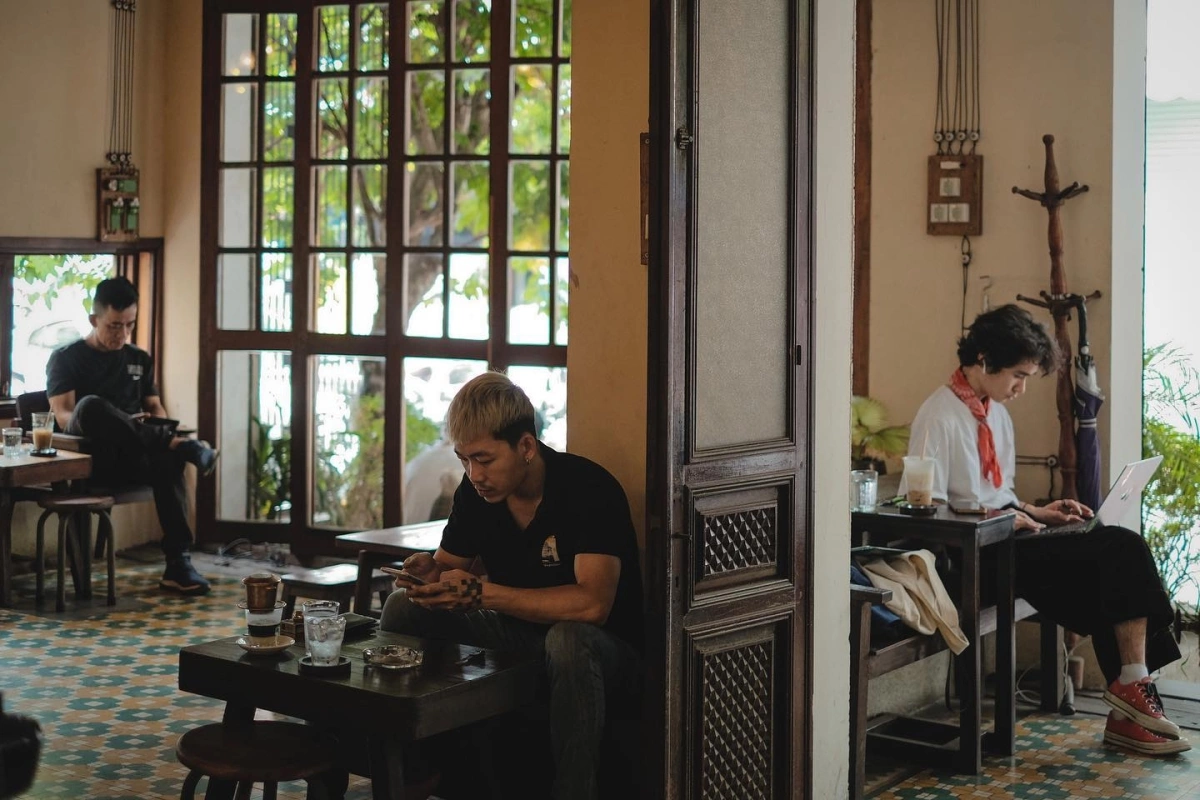
Quiet cafés and traditional garden houses reveal another side of Hue beyond its famous monuments (Source: VNExpress)
The most memorable part of Hue isn't always found inside the Citadel. It may be a quiet café overlooking the Perfume River, a family-run restaurant serving recipes passed down through generations or a peaceful walk through a traditional garden house. These smaller moments often give travelers a stronger connection to the city than another hour spent checking famous landmarks off a list.
Long-established local operators such as Sinh Cafe recognize this balance by offering both scheduled departures and tailor-made itineraries. Rather than focusing only on major attractions, they help travelers combine Hue's heritage with authentic local experiences that create a richer and more memorable journey.
How to Get to Hue
Hue is accessible by plane, train and road. The best option depends on your starting point and whether you prioritize speed, scenery or flexibility.
|
Starting Point |
Recommended Transport |
Travel Time |
Practical Note |
|
Phu Bai Airport |
Taxi, shuttle or private transfer |
20 - 30 minutes |
The airport is close to central Hue |
|
Da Nang |
Train or private car |
2 - 3 hours |
The train offers scenic views along the Hai Van Pass |
|
Hoi An |
Private car or limousine bus |
2.5 - 3.5 hours |
A private transfer allows stops at Lang Co and Hai Van Pass |
|
Hanoi |
Direct flight |
Around 1 hour 15 - 20 minutes |
The fastest option for travelers with limited time |
|
Ho Chi Minh City |
Direct flight |
Around 1 hour 25 minutes |
Convenient for north-to-south or south-to-north itineraries |
Travelers combining Hue with Da Nang and Hoi An often choose a private transfer because it creates a more flexible journey through Central Vietnam. Those traveling from Da Nang can also take the heritage train, which crosses the Hai Van Pass in approximately three hours.
Practical Tips Before Booking a Hue Vietnam tours
Explore Hue with some useful tips(Source: KhamPhaHue Newspaper)
A little preparation can make your visit to Hue much more enjoyable. Keep these practical tips in mind to avoid common mistakes and make the most of your time in Vietnam's former imperial capital.
- Allow at least one full day in Hue: While it's possible to see the main attractions in a single day, staying overnight gives you time to experience the city's quieter evenings, riverside atmosphere and local dining scene without rushing.
- Start sightseeing early: Visit the Imperial City and royal tombs in the morning to avoid the midday heat and larger tours groups. Save the afternoon for a leisurely lunch, a Perfume River cruise or exploring local cafés.
- Wear comfortable clothing and shoes: Exploring Hue involves plenty of walking, especially inside the Imperial City and around the royal tombs. Lightweight clothing, comfortable footwear, a hat and sunscreen will make your visit much more comfortable.
- Choose one or two royal tombs instead of trying to see them all: Each tomb has its own architectural style and atmosphere. Focusing on the ones that match your interests creates a more rewarding experience than rushing through every site.
- Leave time to enjoy Hue's local cuisine: Don't schedule every minute of your day. Some of the city's most memorable experiences come from stopping for Bun Bo Hue, sampling small royal-inspired dishes or relaxing with Vietnamese coffee between sightseeing stops.
- Carry some cash: Although many hotels and larger restaurants accept cards, small eateries, local cafés and market vendors often prefer cash.
- Respect local customs at temples and pagodas: Wear modest clothing, speak quietly and follow any photography guidelines to help preserve the peaceful atmosphere of these cultural sites.
Frequently Asked Questions
Is one day enough for a Hue Vietnam tours?
→ Yes, one full day is enough to visit the Imperial City, one or two royal tombs and enjoy a cruise on the Perfume River. However, staying overnight allows you to experience Hue's local food, quieter evenings and more relaxed atmosphere.
Which royal tomb is the best to visit?
→ There isn't a single "best" tomb. Minh Mang is ideal for traditional architecture and gardens, Khai Dinh is famous for its elaborate interiors, while Tu Duc offers a peaceful setting surrounded by lakes and pine trees.
Is Hue worth visiting compared with Da Nang or Hoi An?
→ Yes, but for different reasons. Hue is the best choice for travelers interested in Vietnam's imperial history, UNESCO heritage and royal cuisine, while Da Nang is better known for beaches and Hoi An for its charming Ancient Town.
Can I combine Hue with Hoi An and Da Nang?
→ Absolutely. Many travelers explore all three destinations in one trip, as they are well connected and each offers a different experience. Multi-day Central Vietnam itineraries are often the most convenient way to discover the region.
When is the best time to visit Hue
→ The most pleasant weather is generally from February to April, when temperatures are comfortable and rainfall is relatively low. Autumn can also be enjoyable, while summer is hotter and the rainy season may affect outdoor sightseeing.
A Hue Vietnam tours combines imperial history, riverside scenery and distinctive local cuisine in one rewarding journey. Explore Sinh Cafe’s Vietnam Heritage Journey or browse its Vietnam tours to find the itinerary that best suits your schedule.
Share via




Related articles

Best Family-Friendly Beach Destinations in Central Vietnam
Posts | 03/06/2026

Lang Co fishing village: A hidden coastal gem near Hai Van pass
Posts | 12/01/2026
Thien Mu Pagoda Hue - Visiting guide, opening hours, tickets & Things to do
Posts | 13/01/2026

Central Vietnam Itinerary 4 Days: Hue, Da Nang & Hoi An for Families
Posts | 24/06/2026









There are no reviews yet