


How to Get a SIM Card in Vietnam: A Step-by-Step Guide for Tourists
Learn how to get a SIM card in Vietnam, where to buy one, how much it costs, SIM vs eSIM options, and how to avoid overpriced tourist SIMs.
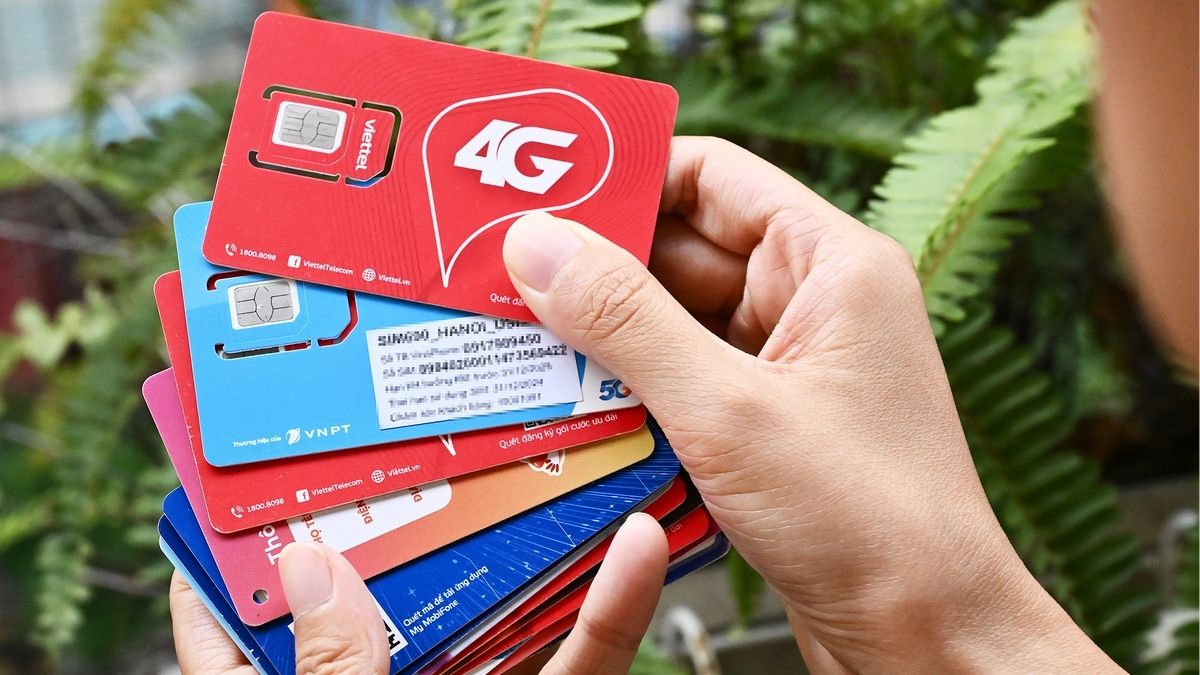
To access the internet in Vietnam, you’ll need a local SIM or eSIM for mobile data. Fortunately, learning how to get a SIM card in Vietnam is simple and only takes three steps. Let’s look at what you need to know to get connected smoothly during your trip.
How to get a SIM card in Vietnam: The quick overview
|
Step |
What to Do |
Key Point |
|
1 |
Choose a SIM or eSIM |
Compare physical SIMs, eSIMs, and major carriers |
|
2 |
Choose Where to Buy |
Airport, official carrier store, retailer, or online |
|
3 |
Bring Your Passport |
Passport is required for SIM registration |
Step 1: Choose the right SIM or eSIM
The first part of how to get a SIM card in Vietnam is choosing between a physical SIM and an eSIM. Vietnam's major networks, including Viettel, VinaPhone, and MobiFone, all offer SIM and eSIM packages designed for international visitors. These tourist plans usually come with plenty of 4G/5G data and are available for 7, 15, or 30 days, making them convenient for short trips.
- Choose an eSIM if your phone supports it: iPhone XR or newer and Samsung Galaxy S20 or newer generally support eSIM. You can buy a Vietnam data plan before your flight and activate it by scanning a QR code when you arrive.
- Choose a physical SIM if your phone does not support eSIM: if you want a Vietnamese phone number for local calls, hotel bookings, or services that require SMS.
- Tourist SIMs are usually temporary: The number is typically withdrawn after the package expires, often within 30-60 days.
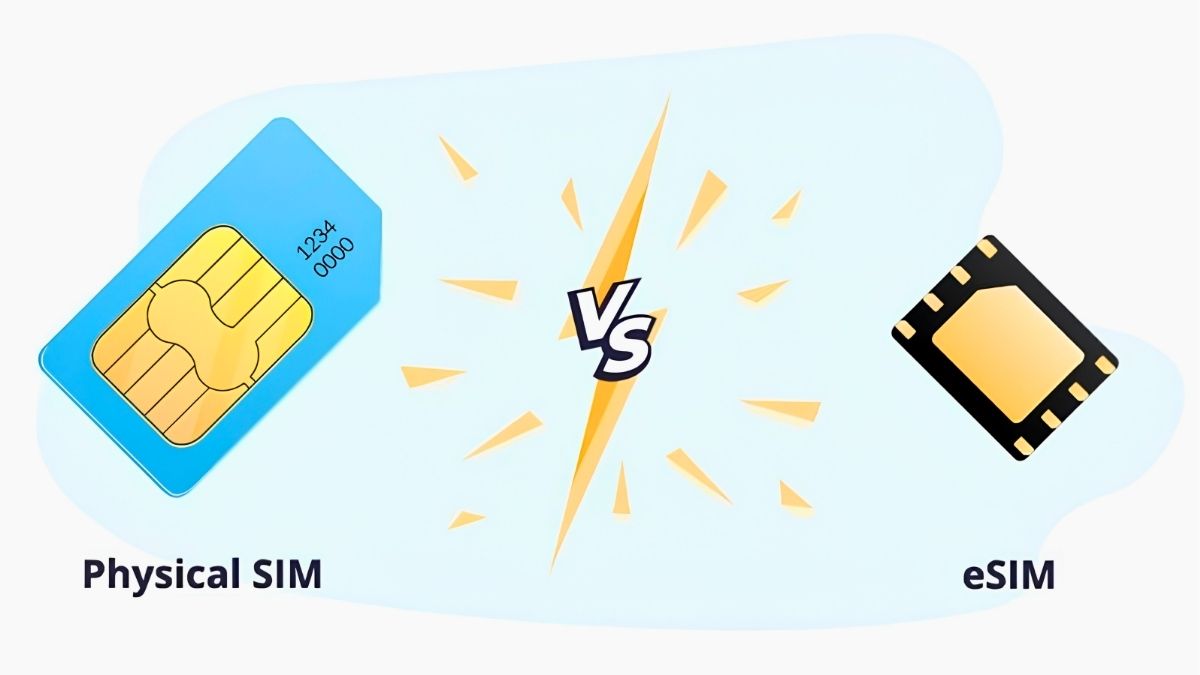
The first part of how to get a SIM card in Vietnam is choosing between a physical SIM and an eSIM (Source: FPT Shop)
Which Vietnamese network should you choose?
Once you've decided on the type of SIM, your travel route is the next thing to consider. Coverage is rarely an issue in major cities, but it matters much more when you head into the mountains or countryside.
|
Network |
Best for |
Coverage |
Practical experience |
|
Viettel |
Mountain trips, countryside, and longer routes |
Strongest rural and mountain coverage |
A reliable choice for Sapa, Ha Giang, Mu Cang Chai, Pu Luong, and rural Mekong Delta areas, Viettel also offers 5G speeds of over 600 Mbps in some city centres. |
|
Vinaphone |
Cities and popular tourist routes |
Strong in urban areas |
A good choice for Hanoi, Da Nang, Hoi An, and Ho Chi Minh City, especially if you want a tourist package with a Vietnamese phone number. |
|
Mobifone |
Short, city-based trips |
Good in cities, weaker in remote areas |
Fine for major cities, but Viettel is a better choice for northern mountain routes where signals can become less reliable. |
My practical tip: For Sapa, Ha Giang, Mu Cang Chai, Pu Luong, and rural Mekong Delta areas, Viettel is the better choice for stronger coverage.
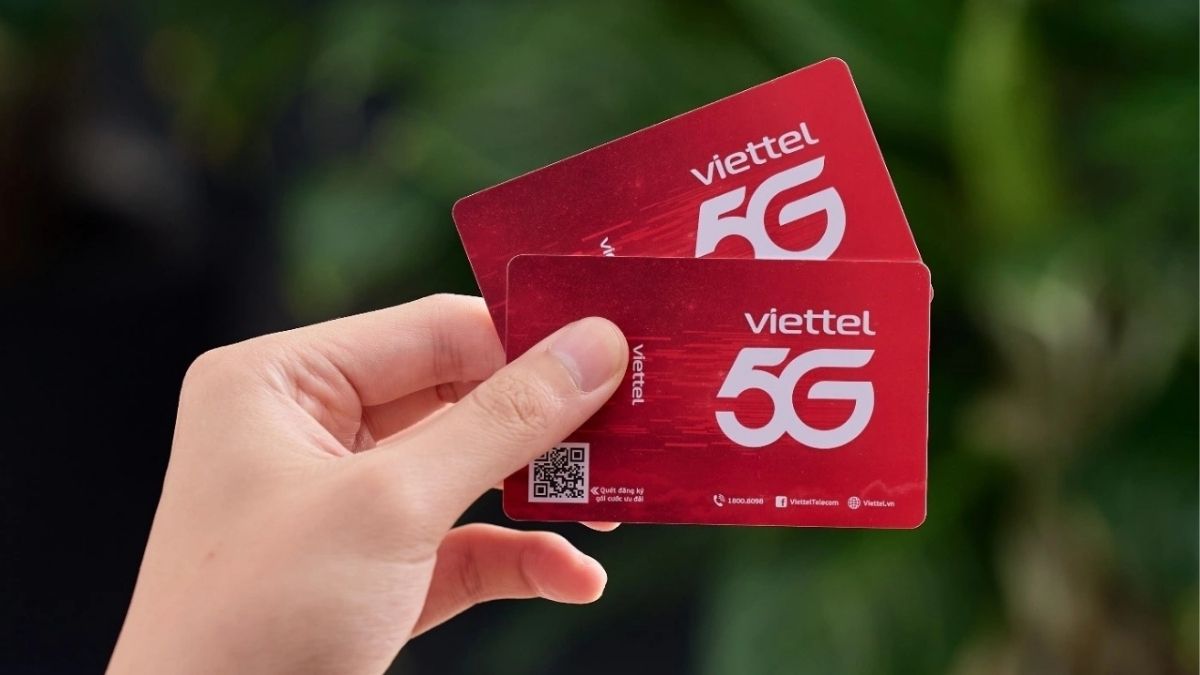 Viettel is the better choice for stronger coverage (Source: thegioididong.com)
Read more: North Vietnam itinerary 10 days: The only guide you need for a perfect trip
The dual-SIM trick most tourists don't know about
If your phone supports dual SIM, either two physical SIMs or one physical SIM plus an eSIM, you can keep your home number while using a Vietnamese SIM for data.
- Keep your home SIM active for banking OTPs, two-factor authentication, and important texts.
- Use the Vietnamese SIM or eSIM for mobile data such as Google Maps, Grab, messaging, and travel bookings.
- In Mobile Network or SIM Manager, set the Vietnamese SIM as your data line.
- Turn off data roaming on your home SIM to avoid unexpected charges.
- Test the Vietnamese data connection before leaving the airport or hotel.
This can save you trouble later. For example, you might need a banking verification code while using an ATM in Hoi An, only to realize that you completely disabled your home SIM after installing the Vietnamese one.
Keeping both SIMs active avoids this problem: your home SIM handles important texts and calls, while the Vietnamese SIM provides the data you need during your trip.
Step 2: Choose where to buy your SIM
Once you know which SIM you need, the next part of how to get a SIM card in Vietnam is choosing where to buy it. Here's what to expect from each option:
|
Where to buy |
What to expect |
Recommendation |
|
Airport |
Very convenient, but usually more expensive than official stores |
Good if you need a SIM immediately |
|
Convenience store / mobile retailer |
Easy to find, but some are independent sellers with unclear prices or registration |
Not the first choice |
|
Online |
Convenient, especially for eSIMs, but unofficial sellers and misleading offers exist |
Buy from a reputable provider or directly from the carrier |
|
Official carrier store |
Clear pricing, proper registration, and staff can help activate the SIM |
Best choice for a physical SIM |
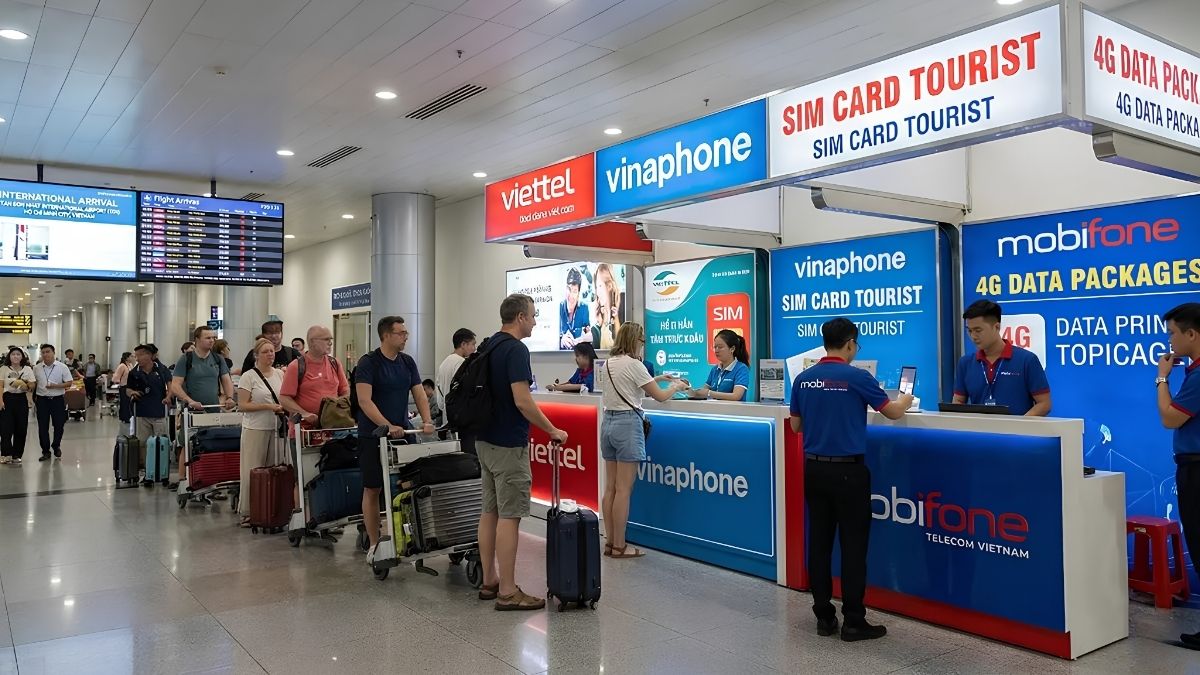 Vietnam airport SIM card counter Viettel Vinaphone Mobifone
How to find an official SIM store:
Search “Viettel Store,” “Vinaphone,” or “Mobifone” on Google Maps, and you'll find multiple branches in most cities. Choose a store with good recent reviews and check that it is an official carrier branch, rather than an independent phone shop. If possible, have a Vietnamese-speaking guide or local friend go with you, especially if you are unsure about the registration process or package details. Some sales staff may try to upsell “beautiful” or premium phone numbers at a much higher price, but these numbers are usually unnecessary for tourists. Simply ask for a standard tourist SIM or data package and confirm the total price before paying.
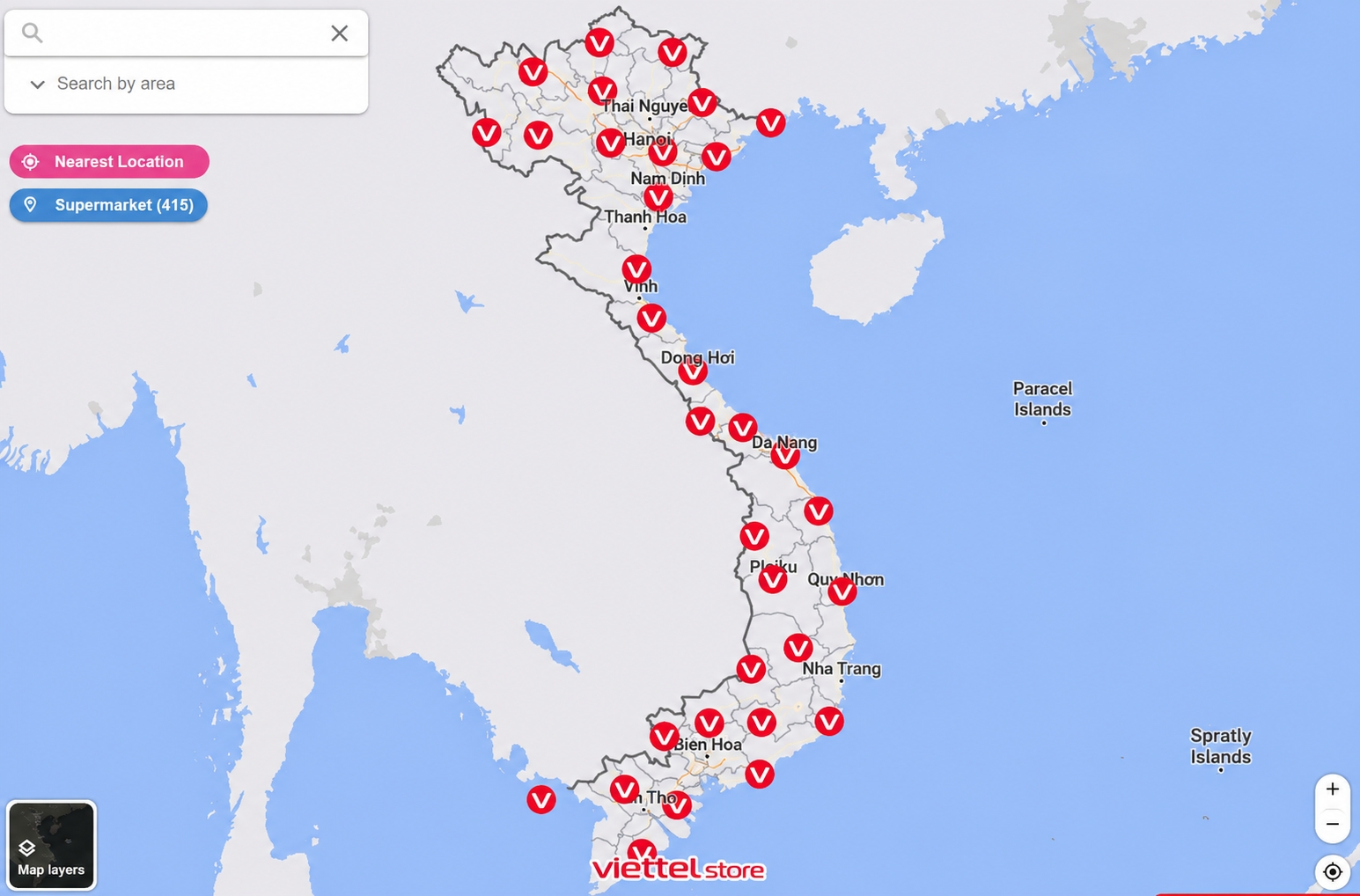 Search “Viettel Store” and you'll find multiple branches in most cities
Read more: Ho Chi Minh City Itinerary 4 Days for First-Time Asian Visitors
Step 3: Remember to bring your passport
Bringing your passport is another essential part of how to get a SIM card in Vietnam, as your SIM must be registered with your identity information. Vietnam has tightened SIM registration for years to tackle the problem of pre-activated and improperly registered SIMs. In late 2016, the Ministry of Information and Communications began a major crackdown, identifying more than 12 million pre-activated SIMs with registration problems and eventually blocking more than 11 million of them. The rules were further formalized under Decree 49/2017, which requires subscriber information to be checked and recorded before a SIM is provided and activated (Source: Tuoi Tre News).
For foreign travelers, your passport is the key document for registering a mobile number. At a proper carrier store or authorized registration point, staff will check your passport details and record the required subscriber information before activating the SIM. The regulations also require identification information and a photo of the person registering a mobile SIM to be recorded.
What to do when buying your SIM
- Bring your original passport when buying a physical SIM.
- Register the SIM in your own name rather than accepting one already registered to someone else.
- Test the SIM before leaving the store to make sure calls or mobile data work.
- If a seller says “no passport needed”, treat it as a red flag and choose an official carrier store instead.
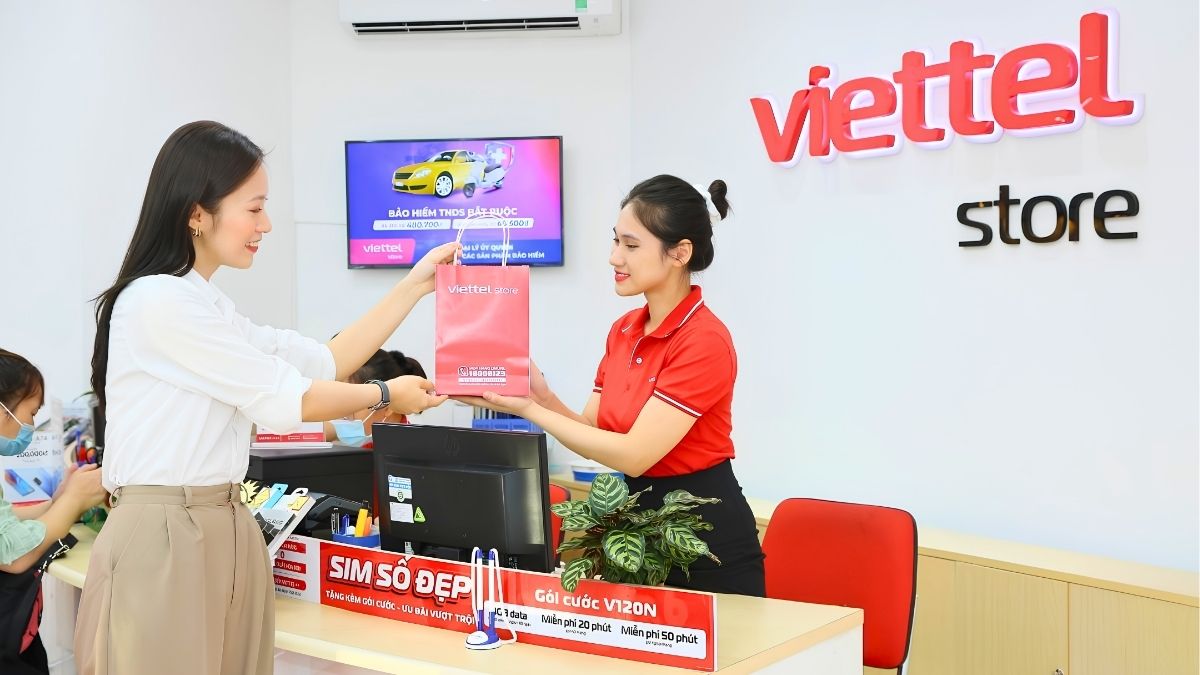 What to do when buying your SIM (Source: Bao Tien Phong)
The extra few minutes for registration are worth it. A properly registered SIM is much less likely to cause problems later, while a cheap pre-activated SIM can leave you without service if its registration information is flagged.
How much does a tourist SIM card cost in Vietnam?
For most travelers, a tourist SIM or eSIM costs around 100,000-250,000 VND for 10-30 days, depending on the network, data allowance, and included calls. The exact price varies by package, so always check what is included rather than comparing the SIM price alone.
|
Network |
Example tourist package |
Validity |
Calls |
Price |
|
MobiFone |
50GB |
10 days |
70 domestic minutes |
150,000 VND |
|
150GB |
30 days |
200 domestic minutes |
250,000 VND |
|
|
VinaPhone |
8GB/day |
30 days |
Depends on package |
155,000 VND |
|
Viettel |
Tourist data plans vary |
7-30 days |
Depends on package |
From around 60,000 VND |
MobiFone's tourist eSIM packages are currently listed at 150,000 VND for 10 days and 250,000 VND for 30 days, while VinaPhone lists a 30-day package at 155,000 VND. Viettel also offers tourist eSIM packages with different validity periods and data allowances.
What are you actually paying for? If you're comparing how to get a SIM card in Vietnam based on cost, remember to check both the SIM and data package prices.
- SIM/eSIM: The physical SIM or eSIM itself may be free or included in the package, depending on where you buy it.
- Data package: This is usually the main cost and determines how much data you receive and how long it lasts.
- Calls: Some tourist packages include domestic calling minutes, while data-only eSIMs may not include a Vietnamese phone number or calls.
Prices can vary depending on where you buy your SIM, so a few simple checks can help you avoid overpaying.
- Does the quoted price include everything? Ask whether it covers the SIM, activation, and data package.
- How much data do you actually get? Check whether “150GB” is a total allowance or “8GB/day” that resets daily.
- How long is the package valid? A cheaper 7-day package may not be better for a two-week trip.
- How does the price compare with the carrier's official rate? This is especially worth checking at airports and tourist shops.
- What does “unlimited data” actually mean? Ask whether you get unlimited high-speed data or whether the speed is reduced after a daily or total allowance is used.
My practical tip: For most 10-30 day trips, the Viettel 5G150T package is a good all-round choice at 150,000 VND for 30 days with 5GB/day. If you're staying for only a week, the 5G60H package costs 60,000 VND for 7 days and provides 15GB in total. Choose based on your trip length rather than paying extra for a larger package you may not use.
How to activate and top up your SIM card
The final part of how to get a SIM card in Vietnam is making sure your SIM or eSIM is activated and your mobile data works. If you buy a physical SIM from an official carrier store, ask the staff to register and activate it for you before you leave. For an eSIM, follow the carrier's QR-code instructions, then check that your phone connects to the mobile network.
How to activate your SIM
- Physical SIM: Insert the SIM, restart your phone if needed, and wait for the network to appear. If you bought it at a carrier store, ask the staff to complete the activation and test mobile data.
- eSIM: Scan the QR code provided by the carrier, add the eSIM to your phone, and select it as your mobile data line.
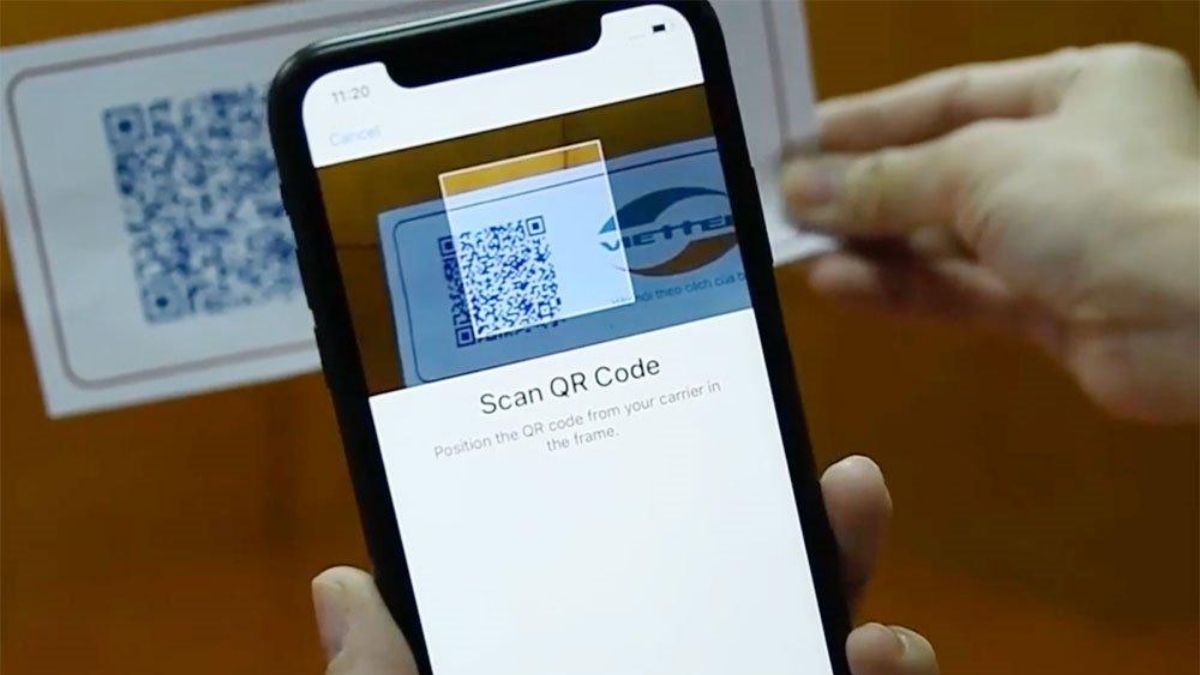 Vietnam eSIM QR code activation smartphone (Source: Vietnamnet)
- Check your connection: Open a website or Google Maps to make sure mobile data works before leaving the store or airport.
- Keep your home SIM active: If you use dual SIM, keep your home number available for OTPs while using the Vietnamese SIM for mobile data.
How to top up your SIM
You can top up a Vietnamese SIM at carrier stores, convenience stores, or through the carrier's official app or website. When topping up in person, give the seller your phone number and confirm the amount before paying.
If you bought a tourist package with a fixed validity period, check whether you need to buy a new data package after it expires rather than simply adding credit to the SIM. Before leaving the store, save your Vietnamese phone number and ask the staff how to check your balance, data allowance, and package expiry date. These details can save you a trip back to the store when your data suddenly stops working.
Stay connected throughout your Vietnam trip
Getting a local SIM is one of the first things to sort out after arriving in Vietnam, especially if you're planning to travel between several destinations. Once you're connected, you can easily use maps, messaging apps, ride-hailing services, and keep track of your travel arrangements.
If you're also looking for a convenient way to travel between destinations, Sinh Cafe Travel offers bus routes and tours covering popular places across Vietnam. Having a reliable mobile connection makes it easier to check departure details, contact your operator, and navigate to your pick-up point.
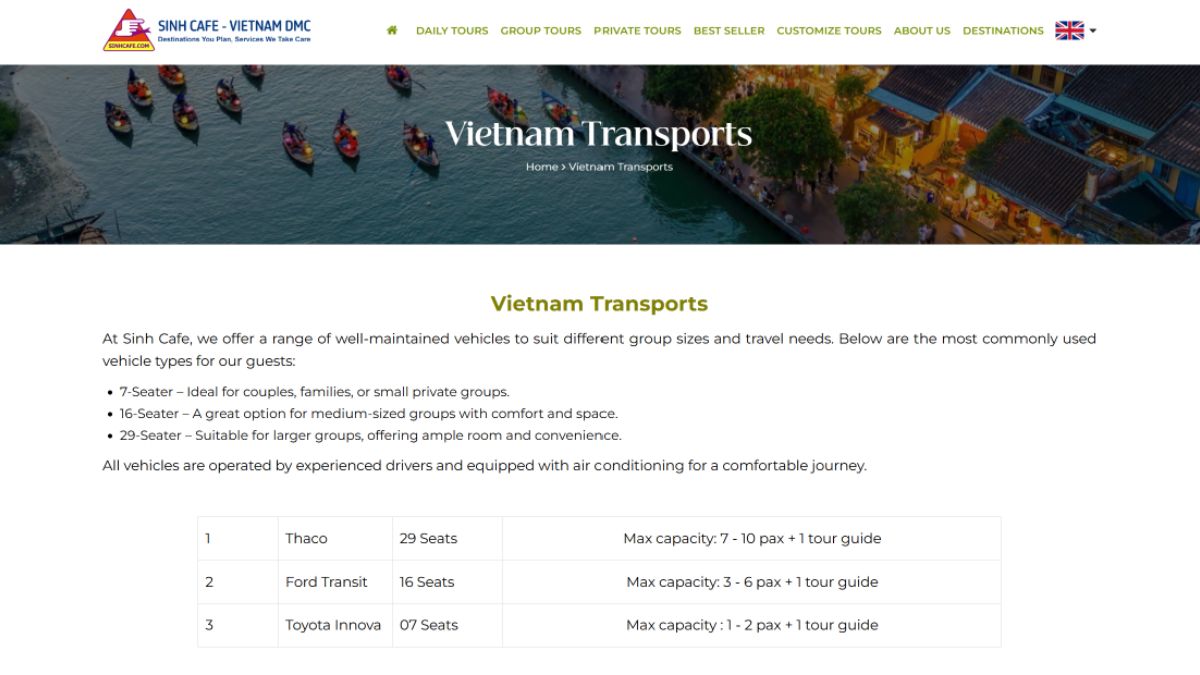
Sinh Cafe Travel offers bus routes and tours covering popular places across Vietnam
Ready to plan your next journey? Check Sinh Cafe Travel's bus routes and tours or contact us at +84 1900 5454 for booking assistance.
FAQs
What is the easiest way to get a SIM card in Vietnam?
→ The easiest way to get a SIM card in Vietnam is to choose a suitable SIM or eSIM, buy it from a reliable provider, and complete registration with your passport.
Which carrier has the best coverage for tourists: Viettel, Vinaphone, or Mobifone?
→ Viettel is generally the best choice for mountain and rural travel, while all three work well in major cities.
How much does a tourist SIM card cost in Vietnam?
→ Viettel data packages start at around 60,000 VND for 7 days, with options such as 80,000 VND for 15 days and 150,000 VND for 30 days. The SIM itself may be charged separately.
Can I use my home country's SIM card in Vietnam instead of buying a local one?
→ Yes, through international roaming, but it is usually more expensive than a local SIM or eSIM. A local SIM is better for most trips.
What happens if my SIM card stops working partway through my trip?
→ Check whether the SIM is properly registered and whether your package has expired. If the problem is registration, visit an official carrier store with your passport for assistance.
Share via




Related articles

Visit Ha Giang in November: Is it a good time to go?
Posts | 21/09/2026

Ha Long bay 1 day tour: Best itinerary, cruise options & Travel tips
Posts | 23/03/2026

Yang Bay Waterfall: A Hidden Paradise near Nha Trang you shouldn’t miss
Blog | 24/03/2026

Diep Son island: Walk across the sea in Vietnam’s hidden paradise
Posts | 24/03/2026








There are no reviews yet