


Hong Kong or Vietnam? Compare travel experience, costs, food & more
Choosing between Hong Kong or Vietnam is not always easy. Both destinations sit in Asia, both attract millions of international visitors every year, yet the experiences they deliver are completely different. If you are wondering which place matches your travel style, budget, and expectations, this detailed comparison will help you see the strengths of each destination and make the right call for your next adventure.
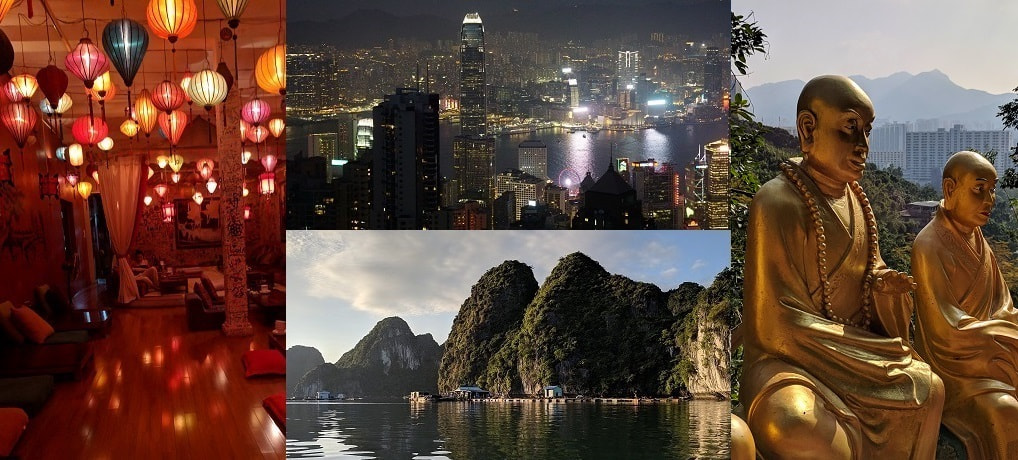
Choosing between Hong Kong or Vietnam is not always easy. Both destinations sit in Asia, both attract millions of international visitors every year, yet the experiences they deliver are completely different. If you are wondering which place matches your travel style, budget, and expectations, this detailed comparison will help you see the strengths of each destination and make the right call for your next adventure.
Travel experience: Modern metropolis or diverse landscapes?
When comparing Hong Kong and Vietnam, the most noticeable difference lies in the overall travel experience. On one side, you have a fast-paced international city where everything is efficient, compact, and highly modern. On the other, you find a multi-layered journey where nature, history, and everyday local life blend together to create depth and variety.
What Hong Kong offers
Hong Kong delivers the feeling of a global hub, where towering skyscrapers, neon lights, and constant movement shape an energetic urban atmosphere. A walk along Victoria Harbour reveals one of Asia’s most iconic skylines, especially spectacular when the city lights up at night.
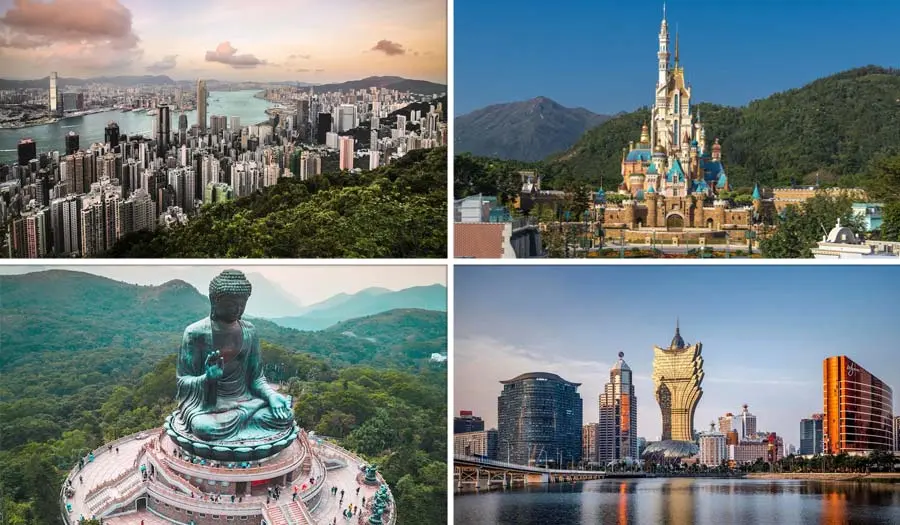
What Hong Kong offers (Source: Collected)
Beyond sightseeing, Hong Kong is a paradise for travelers who love shopping and entertainment. From luxury malls and designer boutiques to lively night markets, options are endless. Major theme parks such as Disneyland and Ocean Park also make the city particularly attractive for families.
Another strong advantage is the highly efficient public transportation system. The MTR, buses, and ferries are clean, punctual, and easy to navigate, allowing visitors to move around quickly without complicated planning.
Overall, Hong Kong suits those who enjoy a modern, convenient, fast-moving lifestyle, and want to maximize their time with dining, attractions, and urban exploration within a short trip.
What Vietnam offers
In contrast to Hong Kong’s urban focus, Vietnam opens the door to a vast country filled with constantly changing landscapes. A single journey can take you from northern mountain terraces to dramatic caves, then onward to tropical beaches or fertile river deltas in the south. Each stop brings a completely different setting and mood.
Vietnam also stands out for its historical and cultural cities. From ancient quarters and heritage architecture to traditional villages, travelers gain opportunities to understand the background and identity of each region rather than simply visiting photo spots.
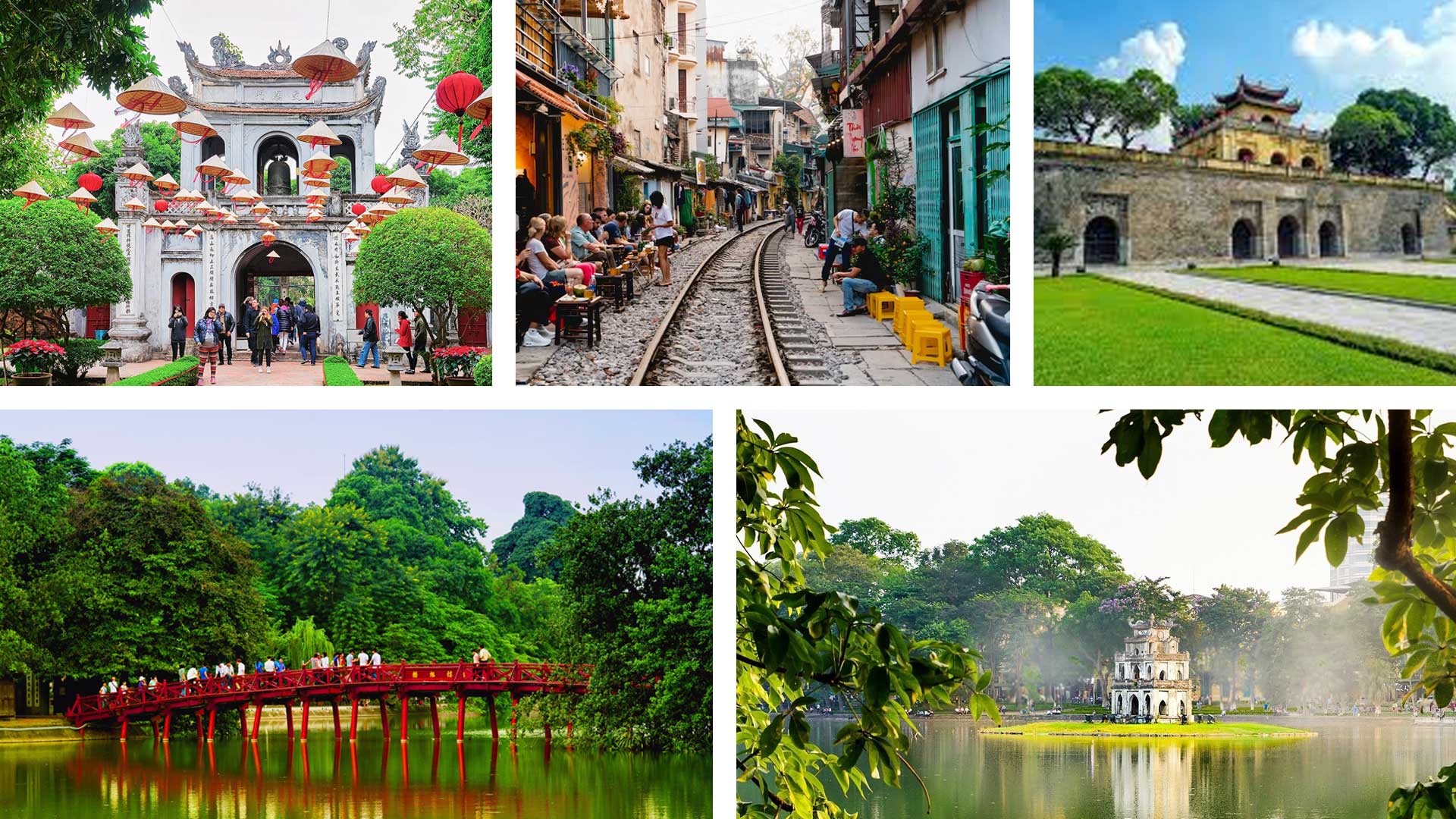
What Vietnam offers (Source: Travel Vietnam)
Because destinations are spread out, traveling in Vietnam often works best for longer itineraries, giving you time to witness how scenery, cuisine, and lifestyles shift from place to place.
Perhaps most importantly, Vietnam provides deep local immersion. Street dining, conversations with residents, traditional markets, and everyday routines help visitors feel connected to the destination in a personal and memorable way.
Read more: Vietnam or Philippines: Which destination fits your travel style & Budget?
Attractions & Things to do in Hongkong and Vietnam
Both Hong Kong and Vietnam are packed with memorable experiences, yet they deliver them in very different ways. Hong Kong concentrates iconic landmarks, entertainment complexes, and urban adventures within a compact territory. Vietnam, in contrast, stretches its attractions across thousands of kilometers, inviting travelers to build a journey filled with constantly changing backdrops.
Top things to do in Hong Kong
Most trips start with the skyline. Taking the historic Peak Tram to Victoria Peak offers breathtaking panoramic views, especially at sunset. Down at the waterfront, the Star Ferry provides one of the most classic harbor crossings in Asia, while the Symphony of Lights show turns the evening into a spectacle.
Theme park fans are spoiled for choice. Hong Kong Disneyland delivers parades, fireworks, and immersive lands, while Ocean Park combines thrill rides with aquariums and animal exhibits. These parks can easily fill one or two full days.
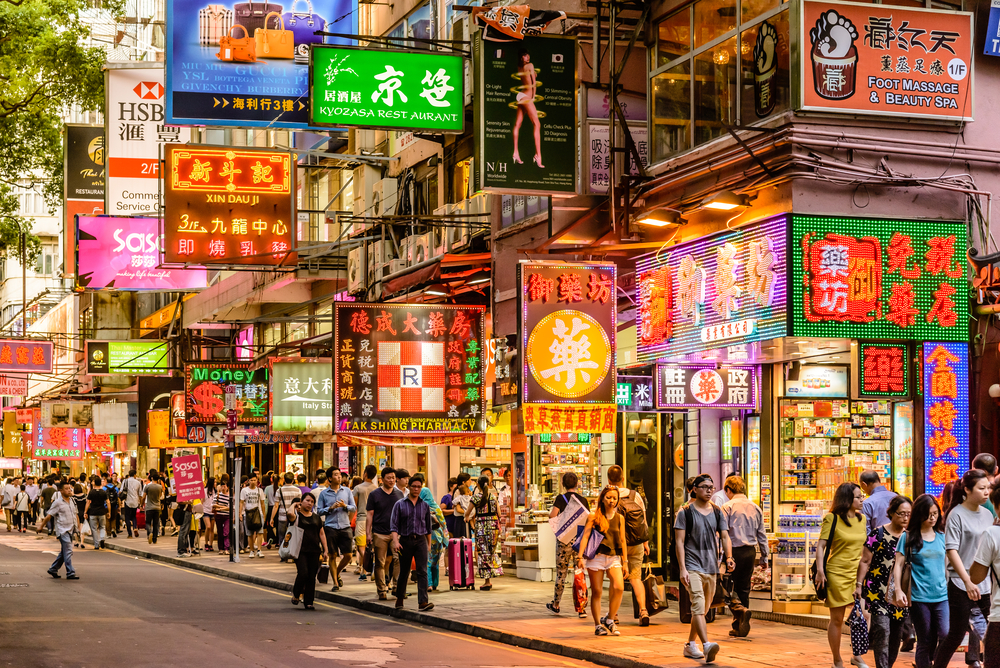
Top things to do in Hong Kong (Source: Dimaak Travel)
Travelers interested in culture can explore the Tian Tan Big Buddha, ride the Ngong Ping cable car, wander through Tai O fishing village, or visit historic temples tucked between modern buildings. Art lovers may spend hours in the West Kowloon Cultural District, home to major museums and performance venues.
For outdoor enthusiasts, Hong Kong surprises many visitors. There are scenic hiking trails, outlying islands with quiet beaches, and coastal walks that feel far removed from the skyscrapers. You can kayak, take junk boat trips, or enjoy seafood in waterfront towns.
At night, the city shifts again. Rooftop bars, neon-lit streets, night markets like Temple Street, and late-night dining create endless possibilities.
Top things to do in Vietnam
Vietnam’s strength lies in how dramatically the experience changes from region to region.
In the north, travelers can cruise among limestone pillars in Ha Long Bay, trek through ethnic minority villages in Sapa, or ride motorbikes along mountain passes in Ha Giang. Hanoi offers street food tours, Old Quarter walks, traditional water puppet shows, and lakeside cafés.
Central Vietnam mixes heritage and relaxation. In Hoi An, you can join lantern-making workshops, cycle through rice fields, visit tailor shops, or take boat rides along the river at night. Nearby, travelers explore imperial history in Hue or relax on the beaches of Da Nang.
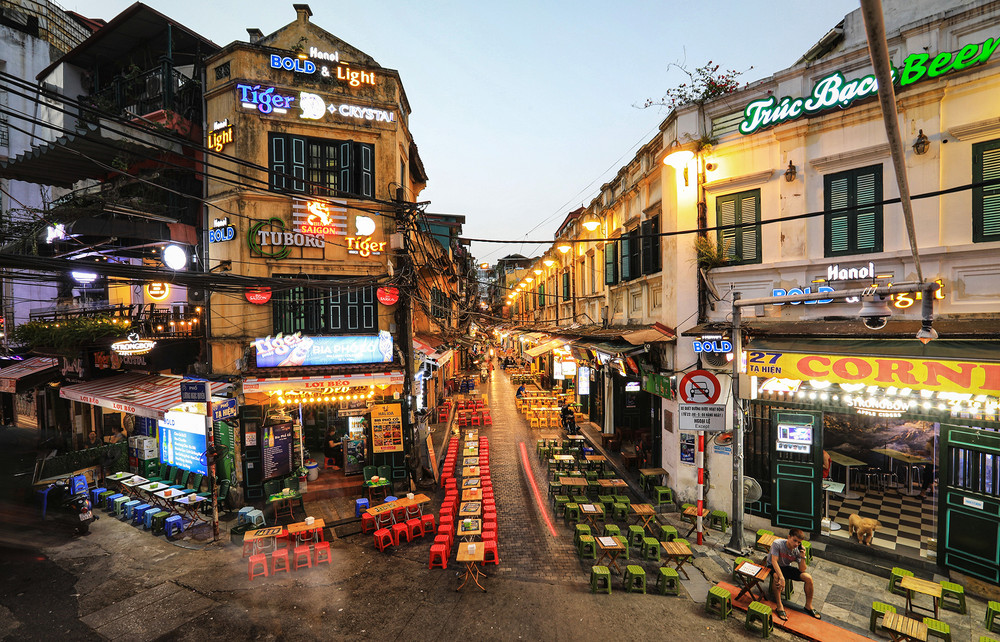
Top things to do in Vietnam (Source: Bao Nhan Dan)
Heading south, life becomes tropical. Phu Quoc and coastal areas invite snorkeling, island hopping, cable car rides over the sea, and resort stays. In the Mekong Delta, floating markets and boat journeys reveal river-based lifestyles that feel completely different from the rest of the country.
Cities like Ho Chi Minh City add yet another layer with war history sites, modern cafés, nightlife, and food adventures that run from street stalls to fine dining.
Across the country, visitors can also join cooking classes, farm stays, cycling tours, cave expeditions, or community-based tourism programs. Few destinations offer such a wide spectrum within one national border.
Travel costs: Is Hong Kong or Vietnam more budget-friendly?
Budget is often the deciding factor when travelers debate Hong Kong or Vietnam. Overall, Hong Kong ranks among the more expensive destinations in Asia, while Vietnam is widely known for delivering a rich variety of experiences at a far more affordable level. The gap becomes clear when you break spending down into accommodation, food, transportation, and activities.
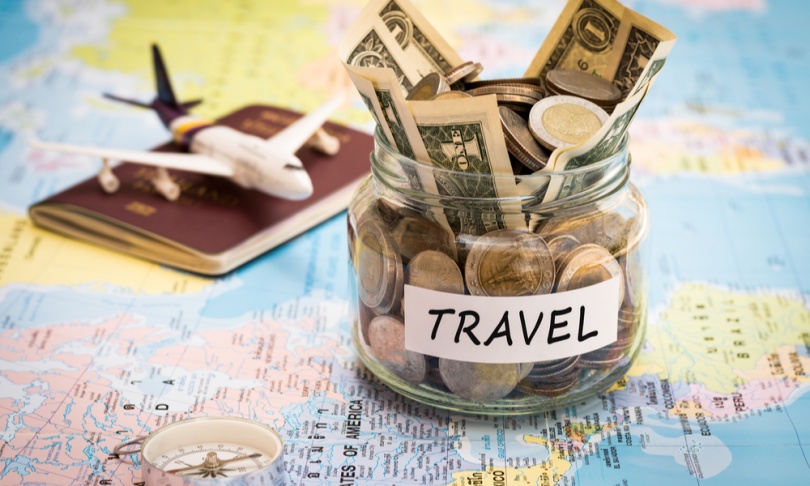
Travel costs: Is Hong Kong or Vietnam more budget-friendly? (Source: Collected)
Accommodation
In Hong Kong, hotel prices climb quickly due to limited space and consistently high demand. Even a dorm bed in a hostel typically ranges from $25–50 per night, while mid-range hotels often start at around $100. If you want a central location with 4–5 star comfort, you may need to prepare $250 or more, sometimes significantly higher during peak season.
Vietnam, by comparison, offers much more flexibility. With roughly $25–70, travelers can usually book a comfortable hotel in a good location. Hostels and homestays can be as low as $5–15 per night. With the same budget required for just a few nights in Hong Kong, you could extend your stay in Vietnam considerably.
Food & Dining
The contrast becomes even more noticeable with everyday meals. In Hong Kong, a simple local restaurant might already cost around $8–15, while dining in a mid-range venue often falls between $20–40 per person. Premium experiences can easily exceed those numbers.
Vietnam, meanwhile, allows visitors to eat extremely well without worrying too much about spending. Many famous street foods are available for $1–3, and a full meal at a local restaurant commonly ranges from $5–15. This makes it easy to try more dishes, more often, throughout the day.
Transportation
Hong Kong’s public transport system is modern, fast, and incredibly easy to use. That convenience, however, comes at a price. A single MTR or bus ride typically costs around $1–5, and frequent travel throughout the day can add up.
In Vietnam, prices are generally softer. A Grab ride within a city may cost only $2–10, while domestic flights often range from $30–120, depending on distance and booking time. This affordability makes multi-city itineraries much more realistic for longer trips.
Attractions & Activities
Signature experiences in Hong Kong, such as Disneyland or the Ngong Ping cable car, are relatively expensive. Expect tickets to start around $20 and rise to nearly $100 for a full-day theme park visit.
In Vietnam, many natural attractions and historical sites charge modest entrance fees, commonly between $2–10, and some are nearly free. Larger experiences like an overnight Ha Long Bay cruise can cost more, but overall, activity expenses tend to remain lower than in Hong Kong.
How much per day?
On average, travelers in Hong Kong often spend about $120–250 per day, depending on shopping habits and accommodation choices. In Vietnam, many visitors can travel comfortably within $30–90 per day, sometimes even less for budget styles.
Best time to visit: Hong Kong or Vietnam?
Weather can completely shape your travel experience, so timing plays a big role when deciding between Hong Kong or Vietnam. The challenge is that Hong Kong follows a more predictable subtropical pattern, while Vietnam stretches across a long north–south coastline, meaning conditions vary widely by region. The “best” time often depends on what kind of activities you prioritize.

Best time to visit: Hong Kong or Vietnam? (Source: Collected)
When to visit Hong Kong
Hong Kong generally has four distinct seasons. Autumn, from around October to December, is widely considered the most pleasant period. Temperatures are comfortable, often between 20–28°C (68–82°F), humidity is lower, and skies are clearer, ideal for city walks, harbor views, and hiking.
Spring (March to May) can be warm but humid, with occasional fog or rain. Summer (June to September) is hot, frequently above 30°C (86°F), and is also typhoon season, which may disrupt outdoor plans. Winter is mild compared with many countries, usually around 15–20°C (59–68°F), making it still suitable for sightseeing, though evenings can feel cool.
When to visit Vietnam
Because Vietnam spans more than 1,600 kilometers from north to south, the climate is far from uniform. In the north, including Hanoi and Ha Long Bay, the most comfortable months are typically October to April, when temperatures are cooler and rainfall is lower. Summers can become very hot and humid, often exceeding 30°C.
Central Vietnam, home to Hoi An and Da Nang, tends to enjoy dry, sunny weather from roughly February to August, while the later months may bring heavier rain. Southern destinations like Ho Chi Minh City or Phu Quoc stay warm year-round. The dry season, usually from December to April, is especially popular, while the rainy season often means short tropical showers rather than all-day storms.
Visa & Entry requirements: Hong Kong or Vietnam – Which is easier to enter?
Entry policies can strongly influence the decision between Hong Kong or Vietnam, especially for travelers planning multi-country trips in Asia. While both destinations welcome international visitors, the procedures, length of stay, and application methods can differ depending on nationality. Understanding the basic framework before booking flights helps avoid surprises at the airport.
Entering Hong Kong
Hong Kong maintains relatively straightforward immigration rules for many passport holders. Visitors from numerous countries can enter visa-free for short stays, commonly ranging from 7 to 180 days, depending on nationality.
The arrival process is usually quick and efficient. Travelers typically need a passport with sufficient validity, proof of onward or return travel, and sometimes evidence of accommodation or financial means.
Because Hong Kong is compact and transport links are excellent, many people also use it as a transit or short city-break destination without complicated paperwork.
Entering Vietnam
Vietnam also offers various entry options, but they may involve a bit more preparation. Citizens of some countries receive visa exemptions for limited durations, often between 14 and 45 days.
For many others, the popular solution is the e-visa, which is applied for online before departure. The standard validity is typically up to 90 days, with single or multiple entry options depending on current regulations. Processing is normally straightforward, yet travelers should apply in advance and double-check information carefully to avoid issues upon arrival.
When comparing Hong Kong or Vietnam, Hong Kong may appear easier for travelers whose nationalities benefit from long visa-free periods. Vietnam, however, has become increasingly accessible thanks to its expanded e-visa system, making entry far smoother than in the past.
Read more: Vietnam or Thailand-which is the more attractive destination?
Still wondering whether to choose Hong Kong or Vietnam? The best plan is to talk with people who understand the region inside out. SinhCafe provides not only classic Vietnam journeys, but also a wide range of tours across Asia and the Pacific. No matter which style you want, the team can help you build an itinerary that matches your time, interests, and budget. With experienced guides, clear pricing, and flexible services, you can travel with confidence and focus on enjoying the experience rather than worrying about logistics.
There is no universal winner in the debate of Hong Kong or Vietnam. The better choice depends on what you want from your trip. If you love modern cities, short getaways, theme parks, and seamless public transport, Hong Kong might fit perfectly. But if you are searching for variety, longer routes, dramatic nature, and unforgettable street food at friendly prices, Vietnam can offer a richer range of discoveries. Many experienced travelers eventually realize that both are worth visiting, just for very different reasons.
Share via




Related articles

Visit Ha Giang in November: Is it a good time to go?
Posts | 21/09/2026

Yang Bay Waterfall: A Hidden Paradise near Nha Trang you shouldn’t miss
Blog | 24/03/2026

Diep Son island: Walk across the sea in Vietnam’s hidden paradise
Posts | 24/03/2026

Co Tien Mountain: A Scenic Hike with Stunning Views in Nha Trang
Blog | 24/03/2026








There are no reviews yet