


Hanoi or Da Nang? A detailed comparison to choose the right destination
When planning a trip to Vietnam, many travelers find themselves choosing between two well-known destinations: Hanoi or Da Nang. One is the capital city, rich in history, culture, and everyday local life; the other is a modern coastal city known for its beaches, easy travel pace, and variety of attractions. In this article, we compare Hanoi and Da Nang based on practical criteria such as travel experiences, transportation, weather, food, and overall costs, helping you find the destination that best fits your travel style.

When planning a trip to Vietnam, many travelers find themselves choosing between two well-known destinations: Hanoi or Da Nang. One is the capital city, rich in history, culture, and everyday local life; the other is a modern coastal city known for its beaches, easy travel pace, and variety of attractions. In this article, we compare Hanoi and Da Nang based on practical criteria such as travel experiences, transportation, weather, food, and overall costs, helping you find the destination that best fits your travel style.
Overview of Hanoi
For travelers, Hanoi is a destination better suited for exploration rather than relaxation. The city has no beaches or large resort areas, and it does not feel overly “touristy.” Instead, Hanoi offers a very real urban experience, where visitors become part of the everyday life of local residents.
When traveling in Hanoi, most of the time is spent walking, sightseeing, and moving around the city. Many major attractions are located close to one another, especially in the central areas, making it easy to combine several stops in a single day. However, Hanoi can be quite crowded, particularly during rush hours, so the experience may feel tiring for those who are not used to the pace of a big city.

Overview of Hanoi (Source: Collected)
One thing many travelers quickly notice is that Hanoi’s food scene is diverse and easy to access. It is possible to enjoy good meals at reasonable prices, whether at street-side stalls or in restaurants. The dishes are familiar, not overly heavy in flavor, and suitable for a wide range of visitors, including those staying for longer trips.
Experiencing Hanoi often means observing and engaging with local daily life: sitting at a sidewalk café, wandering through the Old Quarter, visiting local markets, or simply watching the flow of people on the streets. Hanoi may not impress visitors immediately at first glance, but it appeals to those who want to understand Vietnam through its everyday rhythm.
Overall, Hanoi is a good choice for travelers who enjoy cultural exploration and food experiences, are comfortable with a lot of walking and movement, and do not place a strong emphasis on resort-style relaxation.
Overview of Da Nang
For first-time visitors, one of the most noticeable impressions of Da Nang is that the city feels spacious and easy on the eyes. Getting from the airport to the city center does not take long, and with wide, well-planned roads, getting around is quite convenient. After a short time, most travelers quickly become familiar with the area and have a clear sense of where to go and what to do each day.
Traveling in Da Nang is often centered around outdoor activities. During the day, many people choose to walk along the beach, go swimming, or simply sit and relax by the sea. In the afternoon, visitors may stop by a few attractions within the city, while evenings are usually spent eating out, strolling around the river area, and walking near the city’s bridges. Each day tends to follow a clear and simple rhythm, without feeling rushed or confusing.
Planning time in Da Nang is also quite flexible. There is no need to visit too many places in a single day. Choosing just a few spots to explore, and spending the remaining time on food or rest, is often enough to enjoy the trip.
Eating in Da Nang is easy and accessible. There are plenty of food options, and prices are generally reasonable. The flavors are stronger than in northern Vietnam, but still easy to enjoy, especially seafood dishes. Travelers do not need to search for famous restaurants, as many local eateries offer good food with quick service.
Overall, Da Nang is well suited for short trips, where travelers can combine sightseeing with relaxation. Even without detailed planning, it is easy to have a well-rounded and enjoyable travel experience in the city.
Hanoi or Da Nang – A detailed comparison for travelers
Choosing between Hanoi or Da Nang becomes easier when you look beyond surface impressions and focus on practical travel factors. While both destinations are popular and well-developed for tourism, the actual experience on the ground can feel very different depending on how you travel, and what you expect from your trip. This detailed comparison is designed to help you clearly see which destination aligns better with your travel style, whether you’re planning a short getaway, a longer vacation, or your first trip to Vietnam.
Sightseeing experiences and travel activities
Sightseeing experiences and travel activities focus on what travelers actually do during their trip, from daytime exploration to evening activities. This criterion highlights the differences in how Hanoi and Da Nang offer attractions, entertainment, and overall travel rhythms for visitors.
Hanoi
When traveling to Hanoi, the experience usually begins in the central area, where most major attractions are located and where it is easiest to feel the city’s daily rhythm. Many visitors choose to stay around the Old Quarter – Hoan Kiem Lake, as this area allows easy walking access or short travel distances to many well-known sites.
During the daytime, Hanoi is well suited for exploratory sightseeing. Popular places that many travelers choose to visit include Hoan Kiem Lake, Hanoi Old Quarter, Temple of Literature, Ho Chi Minh Mausoleum, and several museums in the city center. These attractions are located fairly close to one another, making it easy to combine two or three stops in a single half-day without spending too much time on transportation. Daytime experiences in Hanoi often involve walking, taking photos, learning about history, and taking breaks at small street-side cafés.
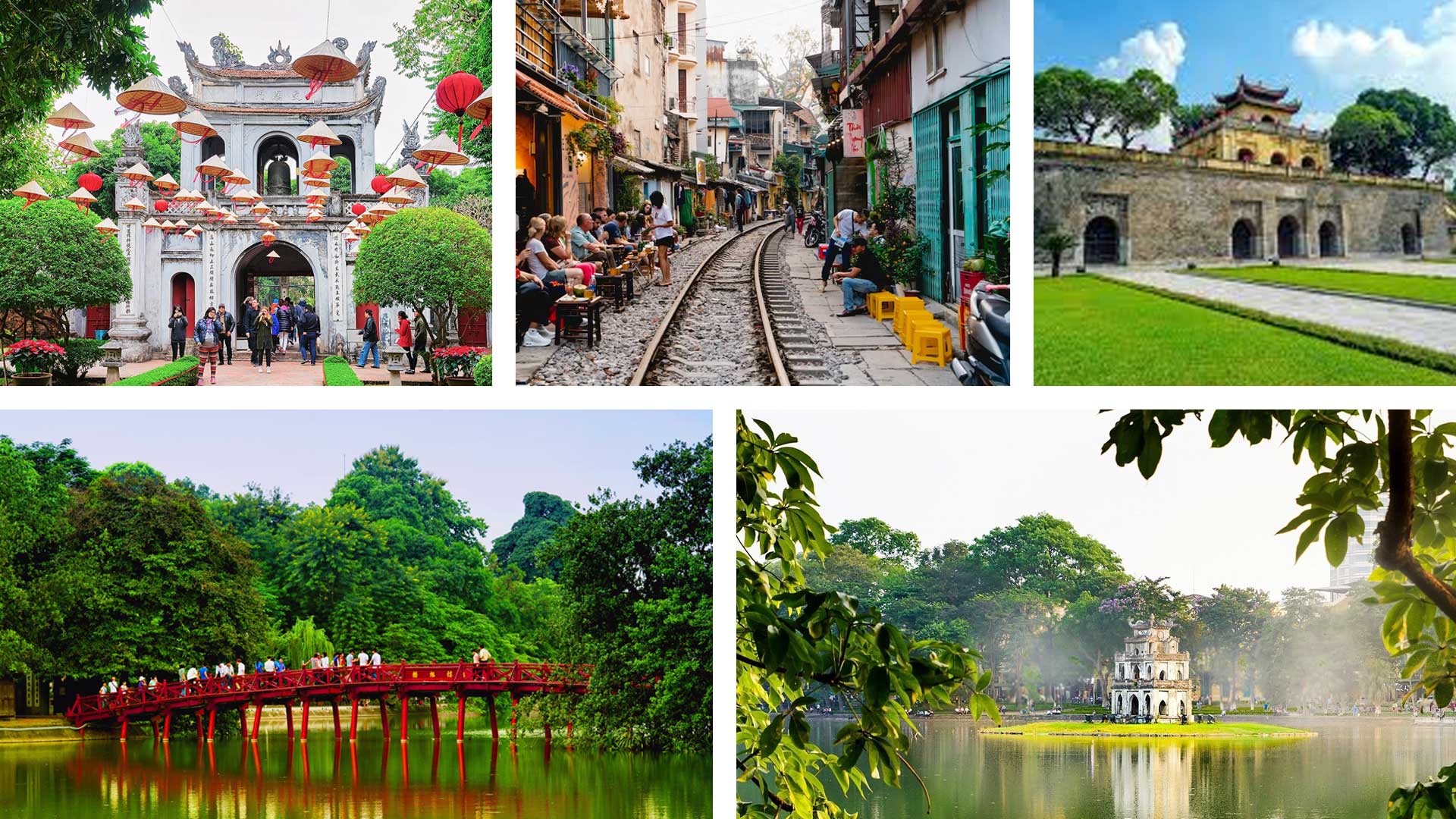
A collection of Hanoi attractions (Source: Travel Vietnam)
Beyond the famous landmarks, many travelers also enjoy strolling through older neighborhoods such as the Old Quarter or around West Lake for a change of scenery. These areas offer a closer look at local life, from everyday routines to the way residents use public spaces.
In the evening, Hanoi becomes busier and more lively, especially around the Old Quarter, Hoan Kiem Lake, and streets known for food and dining. Many visitors choose to walk along pedestrian streets, have dinner at street food stalls, try familiar local dishes, or sit at cafés and watch the city at night. Nighttime experiences in Hanoi are less about high-energy entertainment and more about walking, eating, and soaking in the city’s atmosphere after dark.
In terms of recreational activities, Hanoi does not have many large entertainment complexes designed specifically for tourists. Instead, common activities include watching traditional performances, visiting cultural spaces, or simply taking part in the city’s everyday rhythm. For many travelers, sitting at a long-established café, wandering through old streets, or observing the flow of people can already be a memorable experience.
Overall, traveling in Hanoi suits those who enjoy visiting several small sites in a day and exploring urban spaces, history, and local life. The trip tends to be more rewarding if you are comfortable walking a lot and spending time observing, rather than rushing from one attraction to another.
Read more: Best things to do in Hanoi: What to explore?
Da Nang
Traveling to Da Nang feels like a trip with plenty of options and an easy pace. The city does not limit visitors to one area or one type of activity, allowing travelers to move flexibly between beaches, mountains, amusement parks, and sightseeing spots within a single trip. Even with a 3–4 day itinerary, the schedule usually feels relaxed and varied rather than repetitive.
One experience that many visitors spend the most time on is Sun World Ba Na Hills. This destination can easily take up an entire day, offering a series of activities such as riding the cable car, visiting the Golden Bridge, walking through the European-style village, exploring flower gardens, stopping by Linh Ung Pagoda, and enjoying indoor entertainment areas. For families and groups of friends, Ba Na Hills is often a place where sightseeing and entertainment come together without the need to travel between multiple locations.
Beyond Ba Na Hills, Da Nang also offers attractions that work well for half-day trips or flexible combinations. Marble Mountains is a popular choice for visitors who enjoy light hiking, cave exploration, and temple visits, along with panoramic views of the city from higher points. The Son Tra Peninsula provides a different kind of experience, featuring scenic coastal roads, viewpoints, Linh Ung Pagoda, and smaller, more secluded beaches that are suitable for relaxed outings.
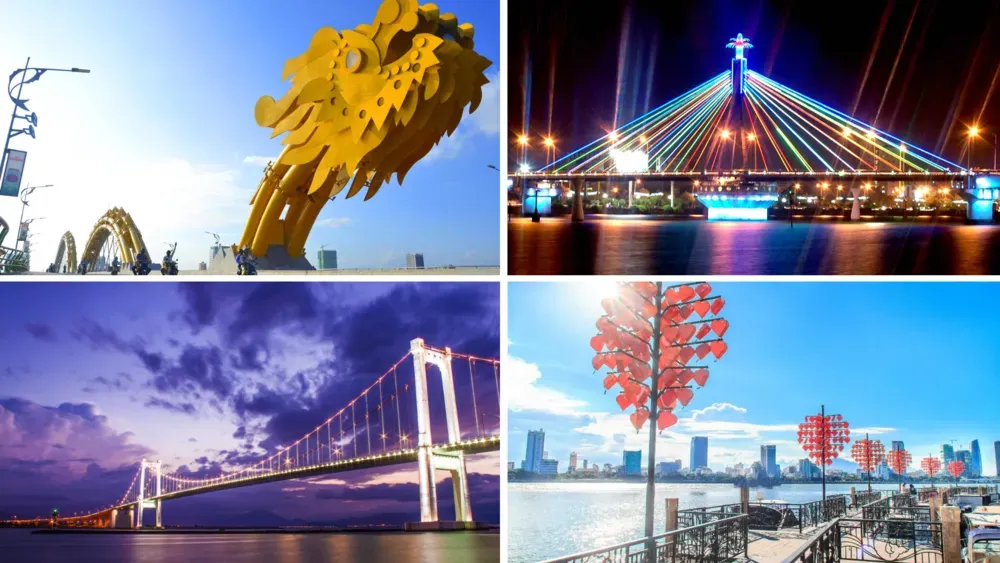
A collection of Danang attractions (Source: Haviland House)
Beaches are an essential part of any Da Nang itinerary. Beaches such as My Khe, Pham Van Dong, and Non Nuoc are commonly visited in the early morning or late afternoon for walks, swimming, and downtime by the sea. Many travelers also combine beach time with water activities or simply relax at seaside cafés to enjoy the open, airy atmosphere.
In the evening, Da Nang offers more than just casual strolls. Visitors can stop by the Dragon Bridge, Love Bridge, walk along the Han River, explore night markets, enjoy seafood meals, or experience various forms of nighttime entertainment around the city. The evening atmosphere in Da Nang feels calm and comfortable, yet lively enough to make the day feel complete.
In addition to attractions within the city, many travelers choose to take day trips to Hoi An or Hue, thanks to the relatively short travel distances. These side trips add variety to a Da Nang itinerary, especially for those who want to combine different types of travel experiences in one journey.
Overall, Da Nang is well suited for travelers who want to combine sightseeing, entertainment, and relaxation in a single trip. The city offers a wide range of attractions and activities, from large-scale destinations like Sun World Ba Na Hills to beaches, mountains, and nearby cultural sites, making it easy to plan a trip that feels both well-rounded and enjoyable.
Read more: Han Market vs Con Market: Which Da Nang market should you visit?
Location and ease of transportation
This is an important factor when deciding between Hanoi or Da Nang, especially for travelers who value convenience and flexible schedules. How easy it is to get to each city, move around locally, and connect to nearby destinations can significantly shape the overall travel experience.
Hanoi
In terms of location, Hanoi is situated in Northern Vietnam and serves as a major transportation hub for the region. For travelers, especially first-time visitors to Vietnam, Hanoi is often considered an easy city to access and a convenient starting point for a broader travel itinerary.
Getting to Hanoi is relatively straightforward, thanks to Noi Bai International Airport, which handles numerous domestic flights as well as international routes from major cities across Asia and beyond. For foreign travelers, there are no special entry requirements specific to Hanoi; standard Vietnamese visa regulations apply, making entry procedures similar to other destinations in the country. From the airport to the city center, visitors can choose from taxis, ride-hailing services, airport buses, or private transfers, with travel times typically ranging from 30 to 45 minutes depending on traffic.

Cyclo is an interesting option to explore the city slowly (Source: Collected)
Getting around within Hanoi is flexible, though it can take some adjustment due to heavy traffic. Common transportation options include taxis, ride-hailing services, rental motorbikes, and public buses. Central areas such as the Old Quarter and Hoan Kiem Lake are well suited for walking, allowing visitors to reach many attractions on foot. For longer distances, ride-hailing services are often the most convenient choice for travelers. For international visitors, the main challenge is not the availability of transport, but adapting to the city’s busy traffic conditions.
One of Hanoi’s key advantages is its proximity to many well-known destinations in Northern Vietnam. From Hanoi, travelers can easily reach places such as Ha Long Bay, Ninh Binh, Sa Pa, Mai Chau, and Tam Dao by bus, train, or organized day tours. The relatively short distances make Hanoi an ideal base for combining multiple destinations within a single trip.
Overall, Hanoi is well suited for travelers who want to explore a major city while also visiting nearby provinces and attractions. Access to the city is convenient, transportation options are diverse, and there are no additional documentation requirements beyond standard immigration procedures. However, to move around efficiently, visitors may benefit from staying in central areas and allowing some time to adjust to the city’s traffic patterns.
Da Nang
Da Nang is located in Central Vietnam, along the country’s main north–south axis, and is often considered one of the most accessible and itinerary-friendly destinations in the region. For many travelers, especially those planning short trips, this central location makes trip planning simpler, as distances between attractions are relatively manageable.
Getting to Da Nang is very convenient thanks to Da Nang International Airport, which is located close to the city center. The airport serves a wide range of domestic flights as well as international routes, particularly within Asia. For foreign visitors, there are no entry requirements specific to Da Nang; standard Vietnamese visa regulations apply. One notable advantage is the short transfer time from the airport to hotels or central areas, which typically takes only 10–15 minutes by taxi or ride-hailing services.
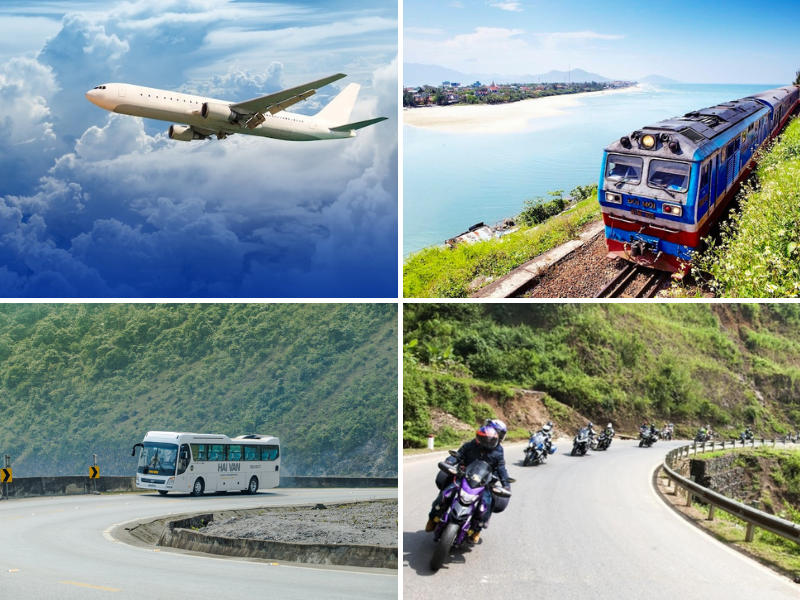
Da Nang is often considered one of the most accessible and itinerary-friendly destinations in the region with various type of transportations (Source: Colleted)
Getting around Da Nang is generally easy, even for first-time visitors to Vietnam. The city has wide roads, a straightforward layout, and less congested traffic compared to larger cities. Taxis, ride-hailing services, and motorbike rentals are widely available and comfortable to use. Major attractions such as the beaches, riverfront areas, bridges over the Han River, and coastal roads are clearly connected, making navigation simple and reducing the chance of getting lost.
Another advantage of Da Nang is its proximity to several well-known destinations in Central Vietnam. From the city, travelers can easily visit Hoi An, Hue, My Son Sanctuary, and Ba Na Hills on day trips without changing accommodation. Short travel times and a wide range of transportation options, including tours and private transfers, make it easy to combine multiple destinations within one stay.
Overall, Da Nang is well suited for travelers who value convenience and smooth transportation. The city is easy to reach, easy to navigate, and offers diverse transportation options without any additional documentation requirements beyond standard immigration procedures. Thanks to its central location and well-developed infrastructure, Da Nang is a popular choice for short holidays, family trips, and first-time visitors to Vietnam.
Weather and best time to visit
Weather and the best time to visit can make a noticeable difference when comparing Hanoi or Da Nang, as each city has distinct climate patterns and travel seasons. Understanding these differences helps travelers choose the right destination, avoid peak crowds, and enjoy a more comfortable trip overall.
Hanoi
Hanoi is located in a tropical monsoon climate zone, with clear seasonal variations throughout the year. The weather is not consistent year-round but instead shifts between hot and cool, dry and humid periods, which has a direct impact on travel experiences and how visitors plan their itineraries.
Spring (approximately February to April) in Hanoi features mild temperatures but often comes with high humidity and light drizzle. This period has a distinct atmosphere, sometimes damp and misty, yet it remains suitable for sightseeing within the city, walking around the Old Quarter, and attending traditional festivals held early in the year. Visitor numbers begin to rise during this season, but it is not as crowded as peak travel periods.
Summer (May to August) is the hottest time of the year. Temperatures can be high, accompanied by strong sunshine and sudden heavy rainfall. For many travelers, summer is not the most comfortable season for extensive walking in Hanoi’s urban areas. However, it can still work well for short stays or as a starting point before traveling to cooler northern destinations such as Sa Pa, Tam Dao, or Ha Long Bay. Summer is often considered an off-season for international travelers, which may result in more affordable accommodation and service prices.
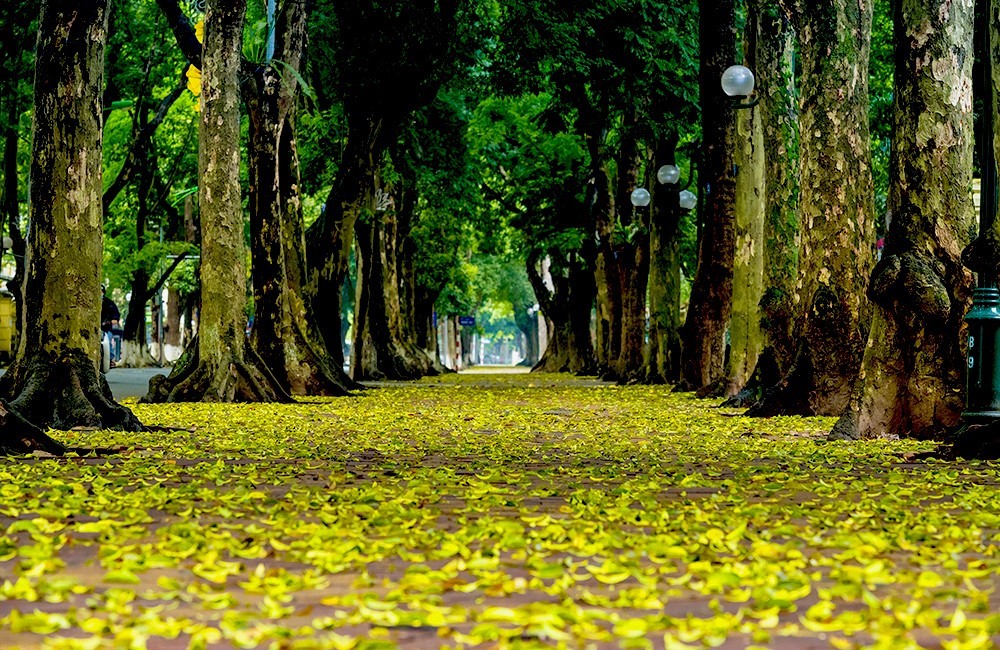
Best time to visit Hanoi is during autumn and early spring, when weather conditions are comfortable and well suited for city exploration (Source: Collected)
Autumn (September to November) is widely regarded as the best time to visit Hanoi. The weather is cooler, drier, and more stable, making it ideal for walking, sightseeing, and enjoying the city’s outdoor spaces. This season is often associated with pleasant street scenes and a more relaxed pace of life. Due to favorable conditions, autumn is typically a peak season, with higher visitor numbers and slightly increased travel costs.
Winter (December to January) in Hanoi brings lower temperatures and generally dry conditions, with noticeably colder mornings and evenings. While not ideal for long outdoor activities, winter offers a different atmosphere for travelers who want to experience a cooler climate and a quieter city rhythm. This period usually sees fewer tourists and can be considered part of the off-season, appealing to visitors who prefer less crowded travel periods.
Overall, the best time to visit Hanoi is during autumn and early spring, when weather conditions are comfortable and well suited for city exploration. Summer and winter are generally considered off-season periods, suitable for travelers looking to save on costs or combine Hanoi with other destinations in Northern Vietnam.
Da Nang
Weather is an important factor when deciding between Hanoi or Da Nang, as it directly impacts your travel experience. Overall, Da Nang enjoys a relatively pleasant climate throughout the year, but it still has distinct peak and off-peak travel periods that visitors should consider before planning a trip.
Peak season (April to August) is widely considered the best time to visit Da Nang. During these months, the city sees plenty of sunshine, minimal rainfall, calm seas, and clear skies, ideal for beach activities, island hopping, and outdoor sightseeing. The vibrant summer atmosphere also brings festivals, events, and a lively coastal vibe. However, because this is the most popular travel period, flight tickets, hotels, and other services tend to be more expensive, especially in June and July. Booking early is highly recommended to secure better rates and availability.
On the other hand, off season (September to March) offers a quieter and more budget-friendly side of the city. While September through November can bring heavy rain and occasional storms, the reduced crowds make the destination feel more relaxed. From December to March, temperatures are cooler and more comfortable, making it a great time for sightseeing, café hopping, and enjoying local cuisine rather than focusing solely on beach activities. Travelers looking for deals will often find attractive discounts on accommodations and flights during this period.
If you prefer a balance between good weather and reasonable prices, March to May is often seen as the “sweet spot.” The weather is warm but not overly hot, tourist numbers are manageable, and travel costs have not yet reached their summer peak.
Food experiences when traveling
Food plays an important role when deciding between Hanoi or Da Nang, as local cuisine often shapes daily travel experiences just as much as sightseeing does. Differences in flavors, dining styles, and food availability can strongly influence how travelers enjoy each destination.
Hanoi
Cuisine is one of the factors that strongly shapes the travel experience in Hanoi. The city is not particularly known for luxury restaurants or tourist-oriented dining concepts; instead, it stands out for its food culture that is closely connected to everyday local life. For many visitors, eating in Hanoi is not just about having meals, but also a direct way to understand the city’s rhythm and culture.
A noticeable characteristic of Hanoi’s cuisine is its relatively light and balanced flavors. Dishes are generally not too spicy or overly sweet, with an emphasis on simplicity and harmony. Ingredients and seasoning are handled carefully rather than heavily, which makes Hanoi food easy to enjoy for most travelers, including international visitors and those staying for longer trips.
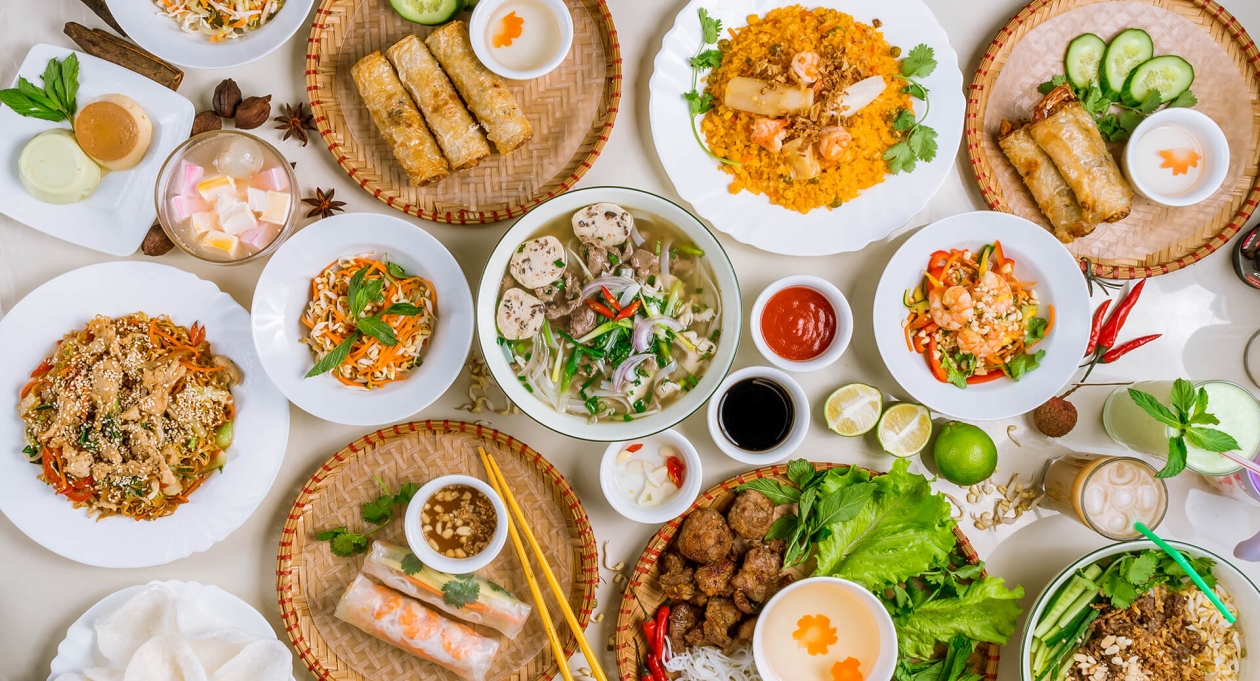
Hanoi food (Source: Vietnam Tourism)
One of the most distinctive aspects is the street food and small local eateries culture. Visitors can easily find long-established food stalls and small shops on narrow streets, often serving only one or two signature dishes yet remaining consistently busy. Popular dishes that travelers often try in Hanoi include pho, bun cha, bun thang, banh cuon, cha ca, as well as snacks like fried spring rolls, shrimp fritters, and various types of sweet soups (che). Meals are usually quick and casual, fitting well into a day of sightseeing.
In terms of cost, dining in Hanoi is generally affordable. Travelers can enjoy good food at reasonable prices in local eateries, while restaurants are also available for those who prefer a more comfortable setting. This wide price range makes Hanoi suitable for different types of travelers, from budget backpackers to families.
Another common food-related experience is combining meals with people-watching. Sitting at a small street-side restaurant or café in the Old Quarter allows visitors to enjoy their food while observing the flow of daily life around them. For many travelers, these simple dining moments become some of the most memorable parts of the trip.
Da Nang
When comparing Hanoi or Da Nang, food is often a deciding factor for many travelers. Da Nang’s culinary scene is known for being approachable, flavorful, and affordable, making it easy for visitors to enjoy authentic Vietnamese dishes without feeling overwhelmed by overly complex flavors.
One of the biggest advantages of eating in Da Nang is the balance in taste. Central Vietnamese cuisine typically leans slightly toward bold, savory flavors but is less heavy than dishes found in some other regions. Seafood is a major highlight thanks to the city’s coastal location, visitors can enjoy freshly caught fish, squid, clams, and shrimp prepared in everything from simple grilled styles to rich hotpots.

Da Nang food (Source: Danangfantasticity)
Local specialties are another reason food lovers often choose Da Nang. Signature dishes such as mi Quang (turmeric noodles with pork or shrimp), banh xeo (crispy Vietnamese pancakes), and bun cha ca (fish cake noodle soup) reflect the region’s culinary identity. These meals are not only delicious but also widely available at street stalls and local restaurants, giving travelers an authentic dining experience at reasonable prices.
Compared to larger metropolitan areas, Da Nang’s food culture feels more relaxed. You won’t have to navigate extremely crowded streets just to find a great meal, and prices are generally more budget-friendly. This makes the city especially appealing for travelers who want to explore local cuisine comfortably without stretching their spending.
Another strength of Da Nang is its growing international dining scene. Alongside traditional eateries, the city offers trendy cafés, beachfront restaurants, and global cuisine, ideal for travelers who appreciate variety during longer stays.
Travel costs and pricing
Travel costs and pricing are key considerations when choosing between Hanoi or Da Nang, especially for travelers planning their budget in advance. Differences in accommodation, food, transportation, and activity prices can noticeably affect the overall cost of the trip.
Hanoi
Cost is an important factor when travelers compare Hanoi or Da Nang as a destination. Overall, Hanoi is considered a city with flexible spending levels, making it suitable for a wide range of travelers, from budget-conscious visitors to those seeking more comfortable travel experiences.
Accommodation costs in Hanoi vary widely. Travelers can easily find guesthouses, homestays, mid-range hotels, and higher-end options, especially in areas such as the Old Quarter, Hoan Kiem Lake, and other central districts. Room rates are generally reasonable compared to many major tourist cities in the region, particularly during the low season or when bookings are made in advance. When deciding between Hanoi or Da Nang, Hanoi often appeals to travelers looking for affordable stays in central locations.
Food expenses are one of Hanoi’s biggest advantages. Visitors can enjoy good-quality meals at affordable prices at local eateries, street food stalls, and neighborhood markets. Even dining at restaurants is often reasonably priced relative to the quality of service. This is an important consideration for travelers weighing Hanoi or Da Nang, especially for longer trips where daily food costs add up.
In terms of transportation costs, Hanoi offers multiple options at different price levels, including public buses, taxis, ride-hailing services, and motorbike rentals. Public buses are inexpensive and suitable for travelers looking to minimize costs, while ride-hailing services provide convenience and ease of use. Since many attractions in the city center are located close to one another, daily transportation expenses are usually not very high, which can influence the choice between Hanoi or Da Nang.
Entrance fees and activity costs in Hanoi are also generally accessible. Many attractions are low-cost or even free, particularly public spaces such as Hoan Kiem Lake and the Old Quarter. Museums and historical sites typically charge modest entrance fees that do not place a heavy burden on travel budgets, another factor travelers often consider when comparing Hanoi or Da Nang.
Da Nang
When deciding between Hanoi or Da Nang, travel costs are often one of the biggest considerations. The good news is that Da Nang is widely seen as a destination that offers strong value for money, making it suitable for both budget travelers and those seeking a comfortable getaway without overspending.
Accommodation prices in Da Nang are generally reasonable compared to major urban hubs. Travelers can easily find everything from affordable boutique hotels to beachfront resorts at competitive rates. If you visit during the off season, prices can drop significantly, allowing you to enjoy higher-quality stays for a fraction of peak-season costs. Even mid-range hotels often provide excellent amenities, thanks to the city’s well-developed tourism infrastructure.
Food and dining are also wallet-friendly. Street food, local eateries, and casual restaurants typically offer generous portions at accessible prices. Fresh seafood, often considered expensive in many destinations, can be surprisingly affordable in Da Nang if you choose local spots instead of high-end tourist restaurants. This makes it easy to experience the local cuisine without constantly worrying about your budget.
Transportation is another area where Da Nang shines. The city is relatively compact, meaning travel times are shorter and getting around is simpler. Ride-hailing services, taxis, and motorbike rentals are reasonably priced, helping visitors keep daily expenses under control. Many popular attractions are located within a convenient distance from the city center, which further reduces transportation costs.
However, it’s worth noting that peak season (roughly April to August) can push prices higher, especially for flights and beachfront hotels. Booking early or traveling slightly outside the summer rush can make a noticeable difference in overall expenses.
Hanoi or Da Nang – Which destination should you choose?
Choosing between Hanoi or Da Nang largely depends on your travel style, available time, and what you expect from your trip. If you enjoy cultural exploration, history, local food, and don’t mind navigating a busy urban environment, Hanoi offers a more authentic and in-depth look into everyday life in Vietnam. On the other hand, if you prefer a balanced trip that combines relaxation, sightseeing, and entertainment with less effort, Da Nang is generally easier and more comfortable to travel around.
For many travelers, deciding between Hanoi or Da Nang can feel challenging, especially when time is limited but the desire to experience more of Vietnam remains strong. In this case, instead of choosing just one destination, joining a well-planned tour can be a practical solution to save time and simplify logistics.
Hanoi or Da Nang – Which destination should you choose? (Source: Sapa Nomad)
A reliable option is booking a tour with Sinhcafe, a well-known travel company trusted by both domestic and international visitors. Their tours come with clear itineraries and organized services, making them ideal for first-time travelers or those who prefer not to plan transportation, accommodation, and attractions on their own.
If you’re still unsure whether to choose Hanoi or Da Nang, the Vietnam Highlights – 09 Days tour is a safe and comprehensive alternative. This cross-country journey includes both cities along with other iconic destinations such as Hue, Hoi An, and Ho Chi Minh City, giving you a well-rounded travel experience in one single trip.
There is no single right answer to the question “Hanoi or Da Nang”, as each destination suits a different type of traveler. Hanoi is ideal for those who enjoy cultural exploration, historical sites, and traditional cuisine, and who don’t mind moving around in a busy urban environment. Da Nang, on the other hand, is better suited for travelers seeking a more relaxed trip that combines beaches, entertainment, and easy-to-manage sightseeing.
Share via




Related articles

Visit Quan Thanh Temple Hanoi to uncover its legends and historical treasures
Posts | 03/12/2025

Common Hanoi Scams and How to Avoid Them
Posts | 19/09/2026

Travel to Vietnam with Kids: The Complete Family Travel Guide
Posts | 26/06/2026

Book Street Hanoi: A New Tourism Destination for Book Lovers
Posts | 26/01/2026








There are no reviews yet