


Halong Bay travel guide 2025: Best time, tips & top things to do
Halong Bay is one of Vietnam’s most iconic natural wonders, famous for its emerald waters, towering limestone karsts, and thousands of beautiful islands. Whether you’re coming for a luxury overnight cruise, a scenic day tour, or an adventure-filled holiday, Halong Bay offers something unforgettable for every traveler. This guide brings together the best time to visit Halong Bay, top things to do, transport options, local tips, and everything you need to plan a smooth and memorable trip.
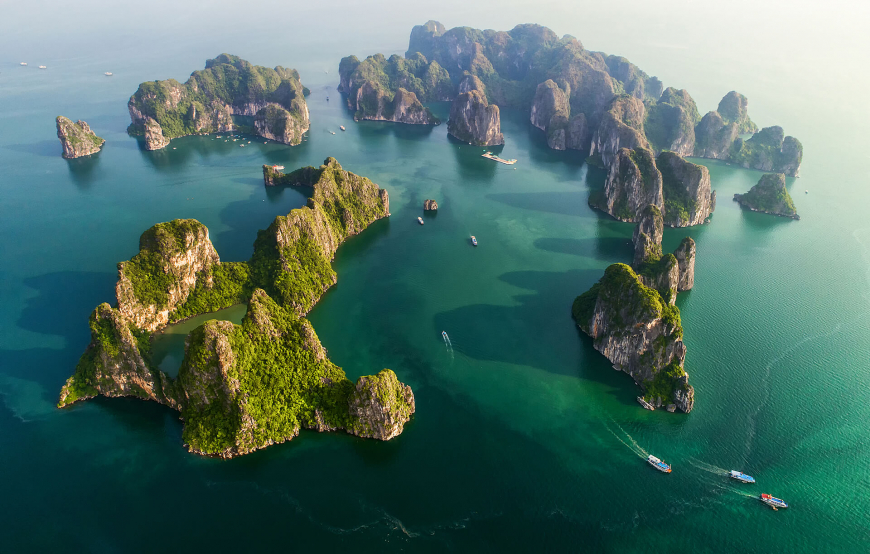
Halong Bay is one of Vietnam’s most iconic natural wonders, famous for its emerald waters, towering limestone karsts, and thousands of beautiful islands. Whether you’re coming for a luxury overnight cruise, a scenic day tour, or an adventure-filled holiday, Halong Bay offers something unforgettable for every traveler. This guide brings together the best time to visit Halong Bay, top things to do, transport options, local tips, and everything you need to plan a smooth and memorable trip.
An introduction to Halong City and Halong Bay
Halong City, located in Quang Ninh Province, is one of the most dynamic travel hubs in Northern Vietnam. The city offers fresh air, modern infrastructure, and a wide range of experiences for all types of travelers. It brings together natural beauty, cultural values, and rich cuisine, creating an irresistible appeal that few destinations can match.
At the heart of this charm is Halong Bay, the iconic natural wonder that has become the symbol of Vietnamese tourism. With more than 1,900 limestone islands and islets, majestic caves, and a unique karst landscape, Halong Bay has been recognized twice as a UNESCO World Natural Heritage Site. Towering limestone pillars rising from emerald-green waters create a scene that is both dramatic and poetic, earning the bay a spot among the most beautiful in the world.
Halong Bay (Source: Vietnam Tourism)
Halong’s popularity comes from the perfect blend of unique nature and diverse experiences. Travelers can enjoy an overnight cruise, kayak through limestone arches, take a scenic seaplane flight, relax on beaches, explore floating villages, or savor fresh local seafood. Each activity offers a different perspective of the bay, making every trip memorable in its own way.
Beyond its scenic beauty, Halong remains one of the most searched-for destinations thanks to its easy accessibility, suitability for all ages, and year-round travel potential. With convenience, variety, and exceptional natural value, Halong City and Halong Bay truly deserve their status as a must-visit destination for anyone traveling to Vietnam.
How to get to Halong Bay
Halong Bay is also one of the easiest destinations to reach in Northern Vietnam. Thanks to the modern expressway connecting Hanoi with Quang Ninh, travelers can choose from several transportation options that fit their budget and travel style. Whether you prefer something affordable, comfortable, fully flexible, or simply the fastest way to arrive, each option offers a different experience on the way to the UNESCO-listed bay. Below is a detailed guide covering travel times, real costs, and reliable operators to help you choose the most suitable way to reach Halong Bay.
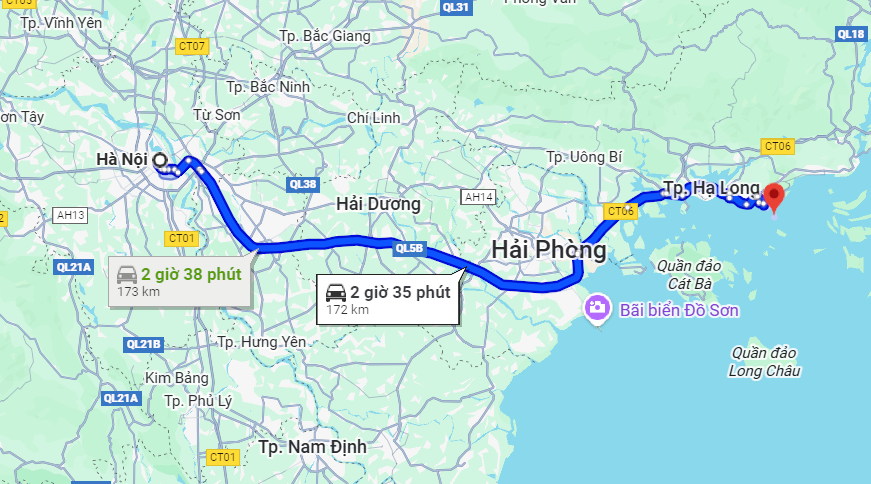
Getting to Halong Bay from Hanoi
Traveling by Bus: Affordable, frequent, and easy to book
Buses are a great option for travelers who want to reach Halong Bay on a budget. Most buses depart from major stations in Hanoi and head straight to Halong via the expressway, keeping the travel time at around 2.5–3 hours. You can relax in a reclining seat or a sleeper seat, though during peak hours the number of pick-up points may increase slightly, which can extend the total travel time.
Ticket prices generally range from 180,000 to 250,000 VND, with some high-quality sleeper buses costing a bit more during busy seasons. While the service might not be as comfortable as a limousine, buses are easy to book, have plenty of daily departures, and remain one of the most budget-friendly choices.
Recommended bus operators (one-way fares):
- Ka Long Bus — 200,000–250,000 VND
- Hung Duc — 160,000–260,000 VND
- Phuc Xuyen / Hoang Cuong / Xuan Truong — 180,000–240,000 VND
Limousine: Comfortable, door-to-door service, ideal for travelers
Limousine vans offer a noticeably more comfortable experience right from the moment you step on board. The wide seats, soft cushioning, and clean interior make the ride pleasant and relaxing. Most operators provide door-to-door pick-up and drop-off within Hanoi’s Old Quarter, saving you the trouble of booking an extra taxi. With direct access to the expressway, the trip takes only 2–2.5 hours, making it an excellent choice for groups, families with children, or seniors.
Prices vary depending on seat type and operator, especially since many companies have VIP seats with different layouts. Fares typically range from 220,000 to 320,000 VND per passenger. Limousines tend to sell out quickly during peak travel seasons, especially in the morning, so booking 1–2 days in advance is highly recommended if you want the best seats.
Popular limousine operators:
- Ha Long Travel Limousine: 270,000–320,000 VND
- Trung Thanh Limousine: 260,000–324,000 VND
- Phuc Xuyen / Ha Vy / Anh Huy VIP: 260,000–320,000 VND
- Private limousine hire: from 2,500,000 VND per trip
Self-driving or booking a private car: Full flexibility for your journey
If you prefer to travel freely, stop wherever you like, or combine your trip with nearby attractions such as Uong Bi or Yen Tu, driving yourself is an excellent choice. The new Hanoi–Halong expressway is very easy to navigate, with smooth traffic and minimal intersections. The total travel time is only 2–2.5 hours, making it one of the most comfortable routes in Northern Vietnam.
You will start from central Hanoi and follow the Hanoi – Hai Phong Expressway (CT.04) for most of the route. After crossing the Quang Ninh province border, continue onto the Hai Phong – Halong Expressway, which leads directly toward Halong City. The road is wide, well-marked, and fully equipped with rest stops, making it simple even for first-time visitors.
Typical costs for a one-way trip include 250,000–350,000 VND for fuel and 150,000–180,000 VND for expressway tolls. For groups of 3–5 people, this option offers the best balance of cost, comfort, and complete control over your schedule.
If you choose a taxi or private car, you won’t have to drive or prepare a vehicle, though the price is higher, usually 1,400,000–3,000,000 VND per trip. For small groups or families carrying multiple suitcases, this option saves time and guarantees a smooth, door-to-door transfer.
Flying to the nearest airports and connecting to Ha Long: The fastest option for Southern and international travelers
If you are traveling from Ho Chi Minh City, Da Nang, or from abroad, the quickest way to reach Ha Long is to fly to Van Don Airport (VDO) or Cat Bi Airport (Hai Phong – HPH) and then continue by taxi or shuttle bus. This option is perfect for anyone who values time, as the transfer from either airport to Ha Long takes just a little over 1 hour. With direct flights available during most periods, the overall journey becomes incredibly smooth, ideal for business travelers, families with young children, or international visitors who want minimal transfers.
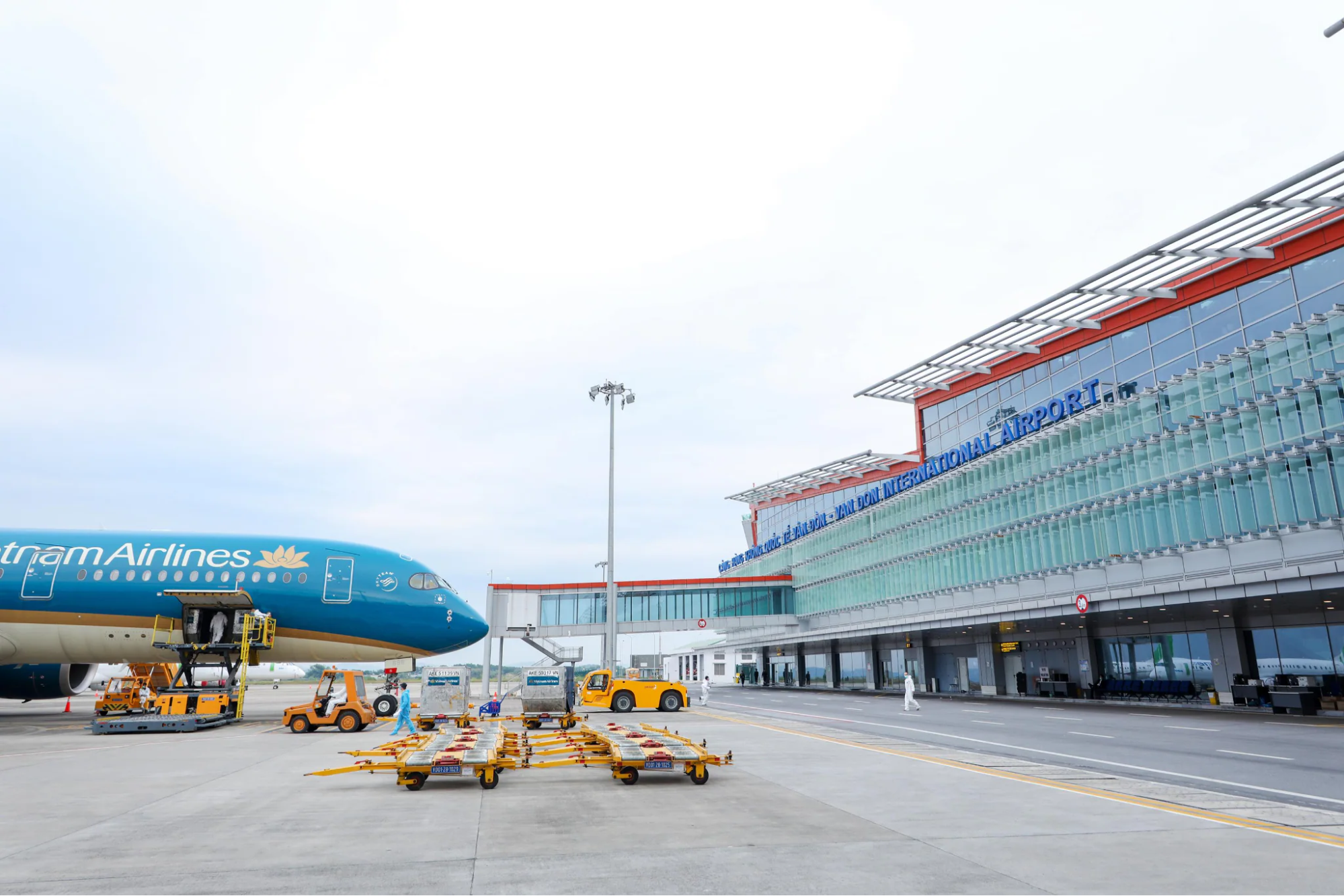
Van Don Airport (Source: Vietnam Airlines)
Compared to flying into Hanoi and then spending another 2.5–3 hours on the road, flying to Van Don or Cat Bi helps you shorten the total travel time significantly. Although the overall cost may be higher, the convenience and reduced fatigue make it well worth it.
Distance & transfer costs from the airports to Ha Long:
- Van Don Airport → Ha Long: 55 km
→ Taxi: 600,000 – 800,000 VND
→ Shuttle bus: 100,000 – 150,000 VND per person - Cat Bi Airport (Hai Phong) → Ha Long: 70–75 km
→ Taxi: 700,000 – 900,000 VND
Airlines, routes, frequencies & Sample prices:
|
Airline |
Routes to Van Don (VDO) |
Routes to Cat Bi (HPH) |
Flight Frequency |
Price (One-Way) |
Practical Notes |
|
Vietnam Airlines |
HAN – VDO, SGN – VDO, DAD – VDO |
Seasonal routes |
Stable schedule, more flights in peak seasons |
From 900,000 VND |
Reliable option with fewer delays and solid service. Prices are higher but come with good overall comfort. |
|
Vietjet Air |
SGN – VDO, HAN – VDO (seasonal) |
SGN – HPH, HAN – HPH |
Frequent flights, many time slots |
500,000 – 1,200,000 VND |
Best for budget travelers. Base fares are low, but luggage and add-ons can increase the total cost. |
|
Bamboo Airways |
SGN – VDO, HAN – VDO, DAD – VDO |
SGN – HPH, HAN – HPH |
Consistent schedule, especially strong at Cat Bi |
700,000 – 1,500,000 VND |
Good balance of comfort and price. Popular among families thanks to decent service and reasonable fares. |
Read more: The most convenient and safe ways to travel from Ha Long to Hanoi
Best time to visit Halong Bay
Halong Bay is beautiful year-round, but each season offers a different atmosphere, from crystal-clear autumn days to lively summer months or the peaceful, misty charm of winter. To choose the most suitable time for your trip, here is a detailed breakdown of what each season is like.
Autumn (September – November): The most ideal time to visit
Autumn is widely considered the best season to explore Halong Bay. The weather is cool and stable, with temperatures ranging from 23–28°C, clear blue skies, and calm seas. With minimal rain and excellent visibility, outdoor activities like kayaking, swimming, climbing Titop Mountain, or taking boat trips are all at their best. This is also the perfect time for photography. The limestone islands and emerald waters appear crisp and vibrant, giving you stunning shots of the bay.
Spring (March – May): Mild weather and refreshing scenery
From March to May, Halong Bay enjoys warm, gentle sunlight, making it a pleasant time for families and travelers who prefer a peaceful atmosphere. The sea is clear, the weather is comfortable, and the air feels fresh.
It’s an excellent season for relaxing activities such as cruising, kayaking, exploring Sung Sot Cave or Thien Cung Cave, or simply sunbathing on the cruise deck.
Another advantage of spring is that it’s less crowded than summer, meaning better prices and a more relaxed experience.
Summer (June – August): Lively, bright, and full of promotions but watch out for storms
Summer is the peak travel season in Vietnam. The sun is strong, the water is warm, and it’s the perfect time for swimming, kayaking, and overnight cruises. However, this period can also bring short tropical rains or occasional storms, which might affect boat operations.
If you plan to visit in summer, remember to:
- Check the weather forecast a few days before your trip
- Avoid booking cruises too close to your departure date
- Choose reputable cruise lines for safety
On the bright side, summer often comes with the best cruise promotions, making it attractive for groups of friends and active travelers.
Winter (December – February): Peaceful, romantic, and ideal for relaxation
Winter in Halong Bay is not too cold, typically around 15–20°C. The mornings may be misty, giving the bay a mysterious and romantic look. Although it’s not suitable for swimming, winter is a great time for luxury cruises, hot meals on board, spa sessions, and quiet sightseeing without the crowds. Many couples choose this season for honeymoons, proposals, or pre-wedding photos thanks to the tranquil scenery.
Things to do in Ha Long Bay – Experiences you shouldn’t miss
Ha Long Bay is far more than a place to admire limestone karsts from a distance. This UNESCO World Heritage Site offers a wide range of memorable activities, from cruising through emerald waters to exploring hidden caves and enjoying quiet moments on secluded beaches. Whether you are visiting for a day or staying overnight on the bay, there are certain experiences that truly capture the essence of Ha Long Bay and should not be missed.
Enjoy a cruise on the bay
A cruise is the most popular activity in Ha Long Bay because it allows you to admire the stunning scenery from a completely different perspective. Towering limestone mountains, emerald waters, and quiet coves slowly unfold as the boat glides forward. The calm water reflects the sky and cliffs, creating a dreamlike landscape.
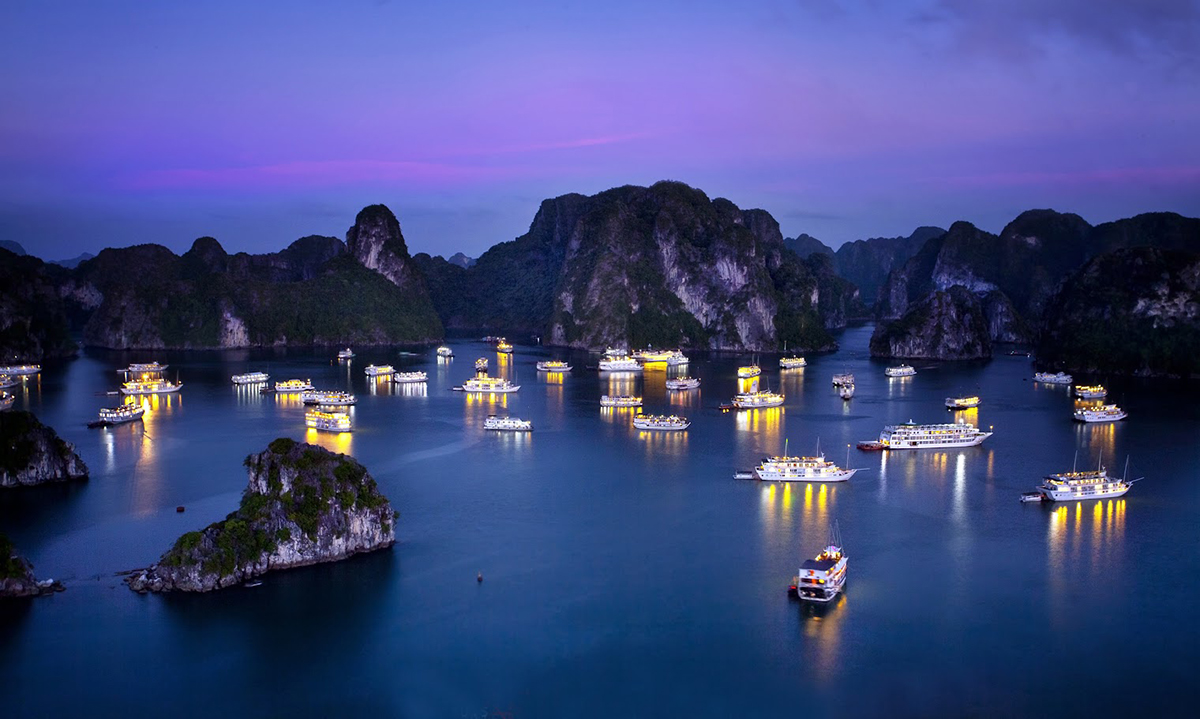
Enjoy a cruise on the bay (Source: Vietnam Tourism)
Most cruises feature spacious sundecks, outdoor jacuzzis, and lounges facing the bay. In the morning, you can sip a warm cup of tea in peaceful silence, while the afternoon is perfect for watching the orange glow of sunset over the water. Depending on your preference, you can choose a luxury 4–5-star cruise or a smaller, budget-friendly option.
Ready to experience Halong Bay at its best? Book your Halong Bay Cruise with Sinhcafe, one of Vietnam’s most trusted tour operators with decades of experience crafting seamless journeys. Our Halong Bay Cruise 1 Day brings you straight into the heart of the bay, combining stunning limestone landscapes, cave exploration, kayaking, and a fresh local lunch, all in one smooth, well-organized trip. If you want a hassle-free experience with reliable service, dedicated local guides, and excellent value, reserve your cruise here: Sinhcafe Halong Bay Cruise 1 Day.
Explore famous caves
Ha Long Bay features spectacular cave systems such as Sung Sot Cave, Thien Cung Cave, and Me Cung Cave. Each one offers a unique charm, but all will leave you impressed the moment you step inside.

Sung Sot Cave in Halong Bay (source: Vietjet Air)
Stunning stalactites and stalagmites take on fascinating shapes under warm, carefully arranged lighting, making the entire cave feel like a sparkling underground palace. The walking paths are wide and easy to navigate, making this activity suitable for families with children and elderly travelers. If you want to discover Ha Long’s most mysterious side, the caves are a must.
Read more: Caves in Halong Bay: Discover the top 10 most spectacular spots
Go kayaking
Kayaking gives you access to narrow passages, hidden lagoons, and small caves that big boats cannot enter. As you paddle gently across the emerald water, you’ll feel the serenity of the bay in its purest form.
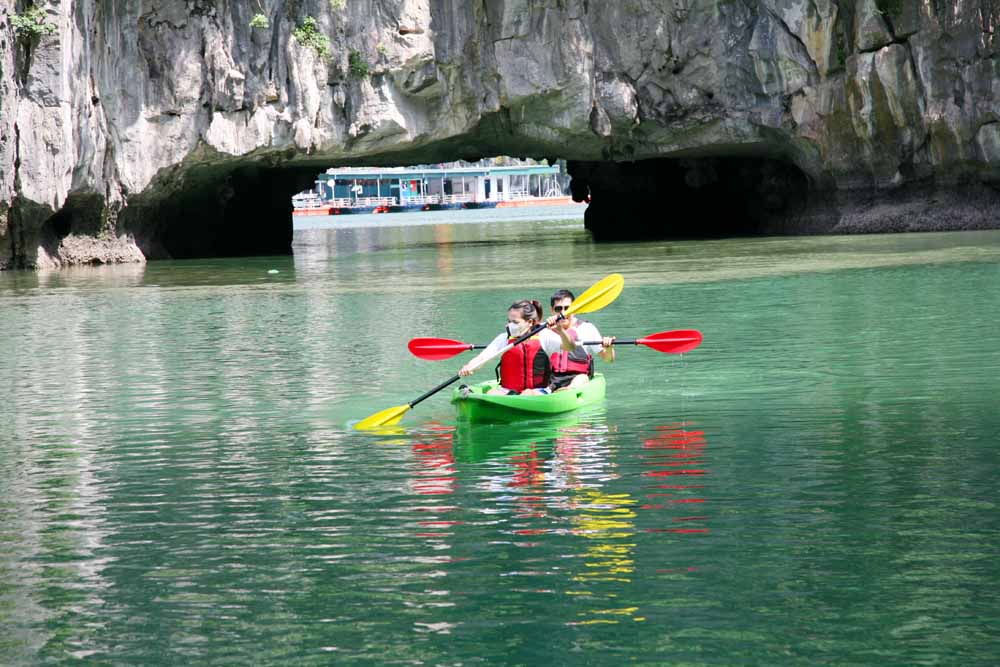
Go kayaking across the emerald water in Halong Bay (Source: Vietnam Tourism)
Some of the best kayaking spots include Luon Cave, Ba Hang, and Dong Tien Lake. In these areas, the water is crystal clear, allowing you to spot small fish swimming beneath the surface. Towering limestone cliffs covered in greenery rise around you, creating a raw and intimate nature experience.
Swim or paddle board
Beaches such as Titop, Soi Sim, and Ba Trai Dao are known for calm waters, soft sand, and wide-open views. You can take a refreshing swim, relax on the beach, or rent a SUP board to paddle near the shore, a fun way to enjoy the bay and capture beautiful photos.
Late afternoon is the best time for paddleboarding, when the water is calm and the sun begins to set. Standing on the board while the orange sun slowly disappears behind the mountains is a magical moment you won’t forget.
Watch the sunrise and sunset on Halong Bay
Sunset on Ha Long Bay is incredibly romantic. The golden light spreads across the limestone peaks, creating a soft, glowing atmosphere. Many travelers choose to watch it from a cruise sundeck or the top of Titop Island.
Watch the sunrise and sunset on Halong Bay (Source: Flicker)
Sunrise brings the opposite feeling, fresh, peaceful, and full of energy. The sky slowly turns from pink to bright yellow as the water becomes a shimmering mirror. Some cruises offer morning yoga sessions, giving you the perfect start to the day.
Visit floating fishing villages and learn about local life
Cua Van, Vung Vieng, and Ba Hang fishing villages allow you to explore the daily life of Ha Long’s fishermen. You can take a traditional bamboo boat around the village, listen to stories of fishing culture, visit floating houses, and even try net-casting during the right season.

Vung Vieng fishing village (Source: Mia)
The peaceful setting, gentle sound of water, and friendly locals make the experience warm and memorable. This cultural activity is especially popular among international visitors seeking authentic local insights.
Climb Titop Island – the best panoramic viewpoint
If you want the most impressive view of Ha Long Bay from above, climb to the top of Titop Island. Although there are many steps, the hike is manageable and only takes about 15–20 minutes.
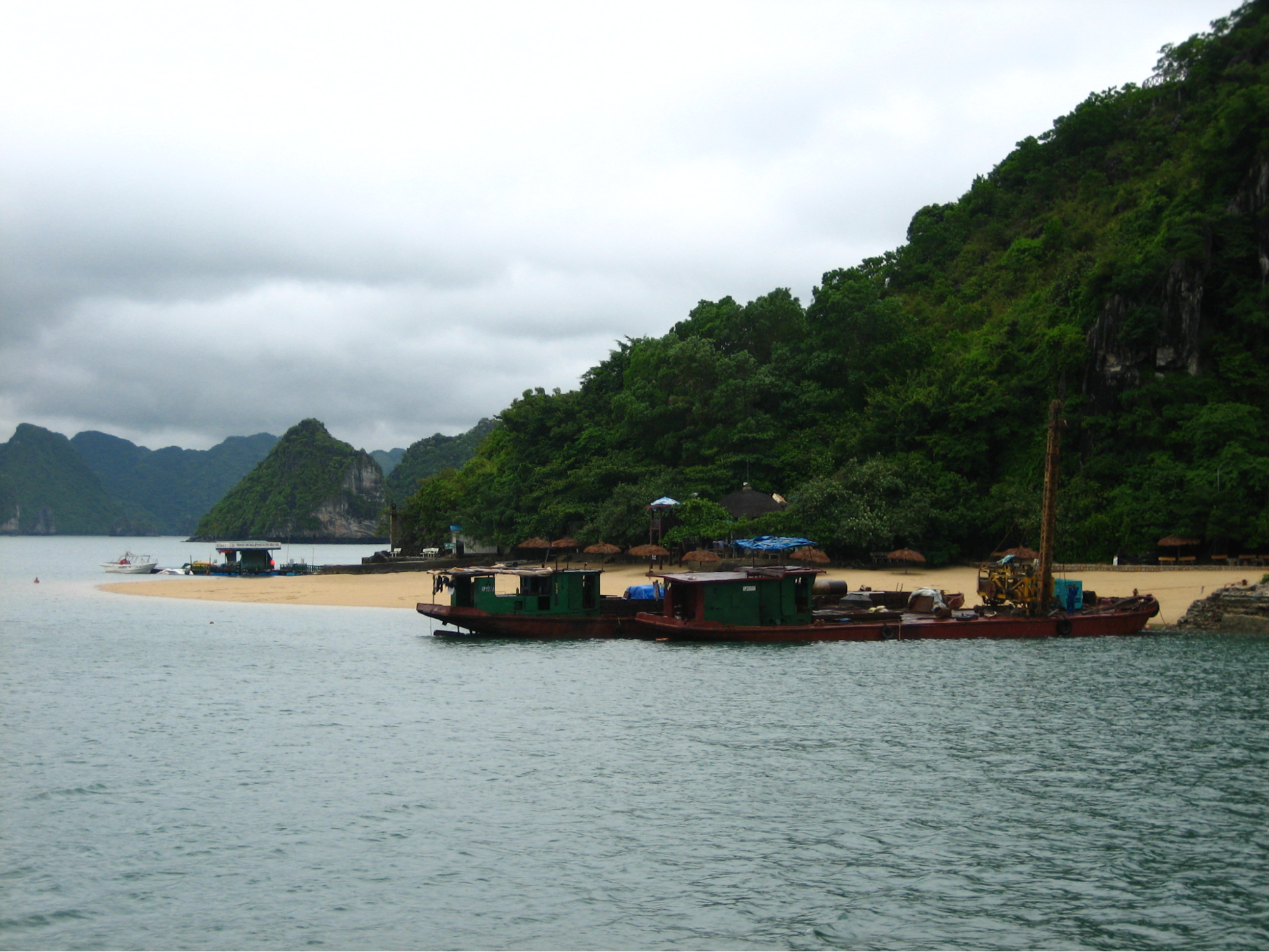
Titop Island (Source: Wikimedia Commons)
From the summit, the entire bay opens up with thousands of limestone pillars rising from emerald water. Boats below appear like tiny white dots drifting between the mountains. This is one of the most photogenic spots in Ha Long, perfect for both active travelers and photography lovers.
Try fresh Ha Long seafood
A trip to Ha Long would be incomplete without tasting its famous seafood. Signature dishes include hand-pounded squid cakes, grilled peanut worms (sa sung), horseshoe crab dishes, steamed sentinel crabs, and a wide variety of clams, shrimps, and crabs.
You can enjoy them at local seafood markets like Ha Long Market 1 and 2 or in seaside restaurants. The freshness, rich flavor, and diverse cooking styles make Ha Long's cuisine truly worth experiencing.
Halong Bay FAQs
Before planning your trip, you’ll probably have a few practical questions about cruising, transportation, weather, or what to expect on board. To help you prepare with confidence, here are the most common FAQs about Halong Bay, summarized clearly and based on real traveler concerns. This section will give you quick, reliable answers so you can plan your visit without any guesswork.

Halong Bay FAQs (Source: Wikimedia Commons)
- When is the best time to visit Halong Bay?
The ideal time to visit Halong Bay is from September to November and from March to May. The weather is dry, sunny, and calm, which is perfect for cruising, kayaking, and exploring caves. Summer months (June–August) are beautiful but may have sudden showers or storms, so checking the forecast is important.
- Should I book my Halong Bay cruise in advance?
Yes. It’s best to book 2–4 days in advance, especially during weekends or peak season. Last-minute bookings often lead to higher prices or limited cabin choices, particularly on 5-star overnight cruises.
- How long is a Halong Bay day cruise?
Most day cruises last 6, 8, or 10 hours, depending on the route. You’ll visit popular spots like Sung Sot Cave, Titop Island, floating villages, or kayak areas. If you prefer a more relaxing pace, consider a 2-day-1-night cruise.
- How much does a Halong Bay trip cost?
A typical 2-day self-planned trip costs approximately:
- Hanoi – Halong transport: 220,000 – 320,000 VND (limousine)
- Day cruise: 700,000 – 1,200,000 VND
- Overnight cruise: 2,000,000 – 4,000,000 VND
- Hotel: 600,000 – 1,200,000 VND/night
- Meals: 200,000 – 400,000 VND/person
Your total cost may vary depending on travel style.
- Is Halong Bay suitable for kids or elderly travelers?
Absolutely. Cruises have stable walkways, plenty of seating, indoor lounges, and easy itineraries. Just avoid days with rough sea conditions and choose reputable cruise operators with proper safety equipment.
- Is kayaking in Halong Bay safe?
Kayaking is safe if you follow basic guidelines: wear a life jacket, stay close to the group, and paddle within the designated area. On windy days or when the water is rough, kayaking may be restricted by the cruise for safety reasons.
- Should I travel independently or join a tour?
Independent travel is great if you prefer flexibility. But if you want a smooth, time-saving, all-included experience, joining a tour or booking a full cruise package is easier and often better value, especially for families or groups.
- Do I need any documents for an overnight cruise?
Yes. You should bring:
Passport or ID card (required for overnight check-in)
E-ticket or booking code
Personal details may need to be submitted in advance for the passenger manifest
- Are there parking areas at Halong Bay piers?
Yes. Both Tuan Chau Harbor and Sun Marina Harbor offer large parking areas with fees:
- Motorbike: 10,000 – 20,000 VND/day
- Car: 40,000 – 70,000 VND/day
During peak seasons, arriving early helps you find better parking spots.
Halong Bay is a destination that combines breathtaking landscapes, unique cultural experiences, and endless opportunities for relaxation and exploration. With the right timing, clear planning, and a good understanding of how to travel around the area, your journey to Halong Bay will be both smooth and rewarding. Use this guide to choose the ideal season, pick the best activities, and craft a trip that matches your travel style. No matter how you explore it, from a cruise deck, a kayak, or a mountaintop, Halong Bay always delivers moments you’ll remember for a lifetime
Share via




Related articles
5 Days in Vietnam for First Time Couples: Beyond the Tourist Trail
Posts | 08/06/2026
Why Vietnam Is a Great Alternative to Bali for Australian Travelers
Posts | 11/06/2026

Halong Bay luxury cruise: Experience 5 stars comfort on the water
Blog | 18/03/2026

Top 3 best Ha Long Bay 3 day 2 night cruises you shouldn’t miss
Blog | 19/03/2026









There are no reviews yet