


Exploring the Cu Chi Tunnels: A Journey into Vietnam’s Resilient Past


The Cu Chi Tunnels, a vast underground network just outside Ho Chi Minh City, are among Vietnam’s most extraordinary historical landmarks. Originally built during the French Indochina War and later expanded throughout the Vietnam War, these tunnels functioned as a vital strategic base for the Viet Cong. Today, they stand as a powerful symbol of the courage, ingenuity, and endurance shown by Vietnamese soldiers and civilians during those challenging times.
The Origins and History of the Cu Chi Tunnels
The tunnels were first dug in the late 1940s amid the First Indochina War against French colonial forces. What started as simple dugouts expanded significantly during the Vietnam War, forming an intricate subterranean stronghold for the Viet Cong to resist American and South Vietnamese forces. Over time, this underground labyrinth evolved into multiple layers with concealed entrances, connecting villages and providing a hidden network for movement and communication.
At its peak, the tunnels sheltered not only soldiers but also local villagers, who lived, ate, and took refuge underground. The tunnel system was crucial for launching surprise attacks and disappearing before the enemy could respond. It also served multiple purposes—as storage, living spaces, command posts, and even underground hospitals. The Viet Cong cleverly used these tunnels to neutralize the technological superiority of their opponents, making them a lifeline that greatly contributed to their survival and resistance.
The Cu Chi Tunnels symbolize resilience and determination. For many Vietnamese, they represent national ingenuity and the ability of ordinary people to endure extraordinary hardship. Today, the site offers visitors a meaningful way to connect with Vietnam’s complex history of struggle and independence.
Source: Collected
Inside the Cu Chi Tunnels: A Hidden Underground World
Visiting the Cu Chi Tunnels offers an immersive glimpse into life underground. The tunnels were originally constructed in three levels, each serving different functions and designed for protection and practicality.
-
Upper Level (around 3 meters deep): This level enabled quick, covert movement between sections of the tunnel network. Clever ventilation systems disguised as termite mounds allowed fresh air to circulate while preventing enemy detection.
-
Middle Level (about 6 meters deep): This deeper level stored weapons, food, and medical supplies. It also contained sleeping quarters and communal areas, featuring flood prevention systems and water traps adapted for underground survival.
-
Lower Level (up to 10 meters deep): The deepest part of the tunnels provided refuge during heavy bombings, housing makeshift hospitals and command rooms to maintain Viet Cong operations under siege.
What to Expect When Visiting the Cu Chi Tunnels
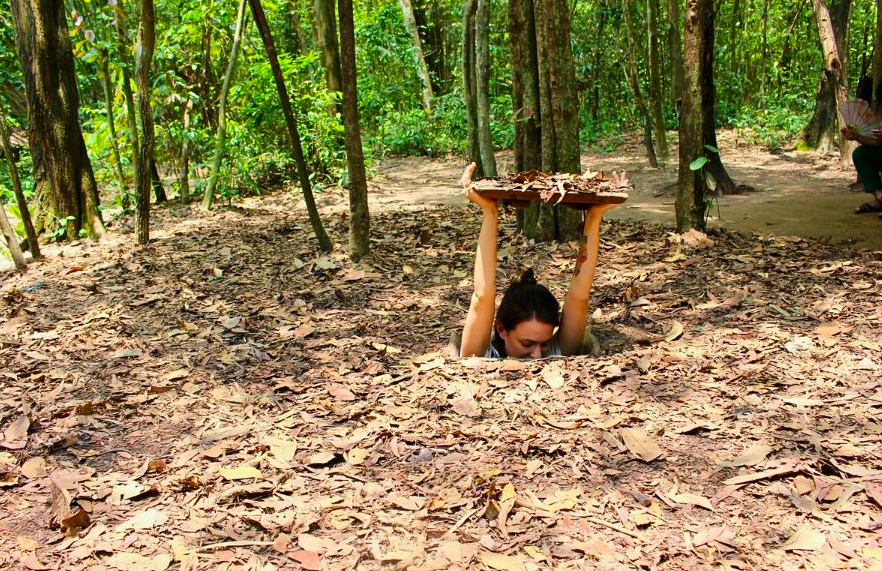
Visitors can crawl through widened tunnel sections to experience firsthand the cramped conditions soldiers endured. Though made more accessible for tourists, these passageways still reflect the challenge and resilience required to live underground.
The site also features displays of traps, weapons, and everyday tools used by the Viet Cong, illustrating their resourcefulness. Nearby, a shooting range lets visitors try firing historic firearms like the AK-47 or M16 under safe conditions.
Guided tours include documentaries and expert commentary, often led by locals with personal or family war experiences, enriching the storytelling with authentic insights.

Source: Collected
Reflections on Visiting the Cu Chi Tunnels
For many, exploring the tunnels is a deeply moving experience. The narrow passages and primitive conditions reveal the strength and bravery of those who lived there. Visitors leave with a profound respect for the Vietnamese people’s unyielding spirit and the sacrifices they made to defend their homeland.
The tunnels not only teach history but also highlight themes of survival, adaptation, and courage in the face of overwhelming odds.
How to Get There and Practical Tips
The Cu Chi Tunnels are reachable from Ho Chi Minh City via guided tours, public buses, or even scenic speedboat trips along the Saigon River. Guided tours typically include transportation and expert guides, offering a hassle-free experience.
Tips for Visitors:
-
Wear light, breathable clothing and comfortable shoes suitable for walking on uneven terrain.
-
Be prepared for narrow, cramped spaces—those with claustrophobia may find some sections challenging.
-
Stay hydrated, especially during hot months, and bring sunscreen and insect repellent.
-
Bring cash for optional activities like the shooting range or souvenirs.
-
Respect the site’s historical significance by maintaining a quiet, respectful demeanor.
Final Thoughts
A visit to the Cu Chi Tunnels is more than sightseeing—it’s an encounter with a vital chapter of Vietnam’s history and spirit. These tunnels stand as a tribute to the resilience, creativity, and unbreakable will of the Vietnamese people. For travelers, the experience offers both education and inspiration, reminding us of the incredible strength needed to overcome adversity and fight for freedom.
You can explore our Cu Chi Tunnels tour options at the following link: Ho Chi Minh - Cu Chi Tunnels 01 Day
Share via




Related articles

Discover the Natural Wonder of Ganh Da Dia – Vietnam’s Hidden Gem in Phu Yen
Blog | 22/08/2025

Exploring the best time to visit Ha Long Bay
Blog | 30/12/2025

Phát Diệm cathedral: Discover the Majestic Phat Diem Stone Cathedral in Ninh Binh
Blog | 30/12/2025

Nha Trang Cathedral: The Gothic Soul Anchored in the Heart of the Coastal Pearl
Blog | 30/12/2025









There are no reviews yet