


Dong Thap travel for photographers: Discovering the Mekong Delta beyond the usual shots
Join us to find the unique corners of Dong Thap travel through a photographer’s lens and experience the Mekong Delta beyond familiar travel snapshots.
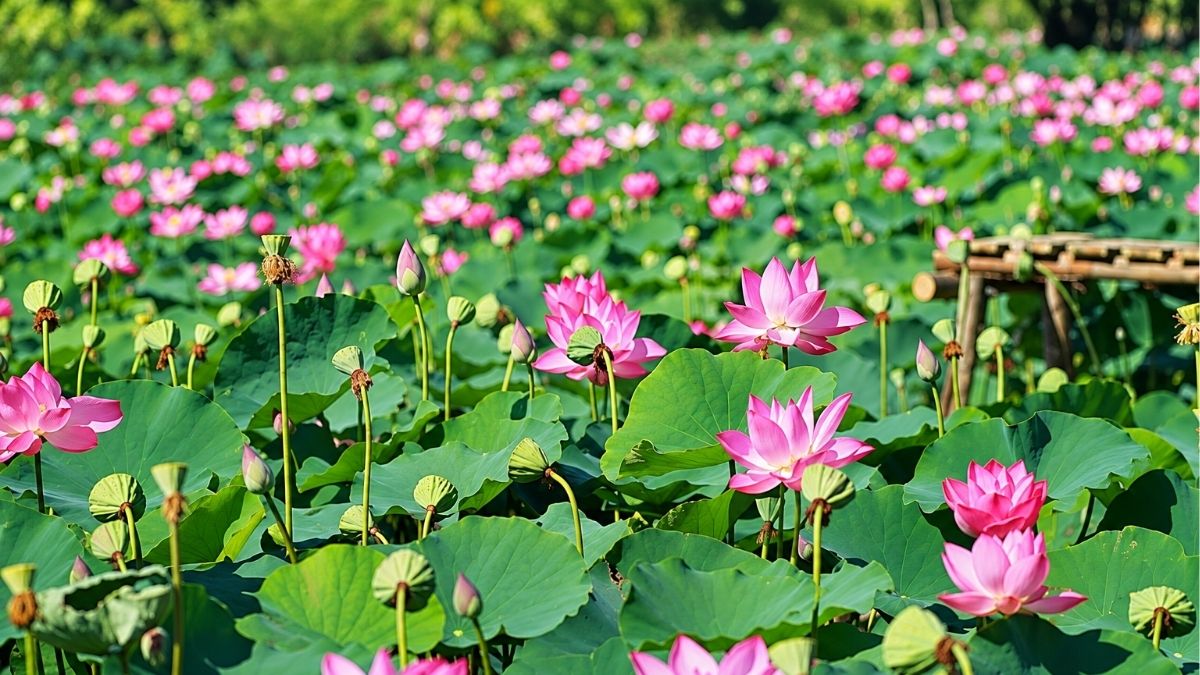
Dong Thap travel offers photographers a chance to capture the colors, landscapes, and everyday life of the Mekong Delta through a different perspective. From flower gardens and wetlands to traditional houses, riverside markets, and quiet waterways, the province provides a wide range of subjects for photography. Let’s take a closer look at the best places and moments for photography in Dong Thap.
What makes Dong Thap travel different for photographers?
Unlike the more familiar photography spots in the Mekong Delta, Dong Thap offers a quieter and less touristy setting. Fewer tour groups mean photographers have more space and time to observe local life, wait for the right light, and capture scenes that feel authentic rather than staged.
Dong Thap is also entering a period of rapid tourism growth. The province has set a target of welcoming 50 million visitor arrivals between 2025 and 2030, including 6 million international visitors by 2030, according to its tourism development plan published in the Dong Thap Gazette (Source: vietnam.vn). For photographers, this makes the province particularly worth documenting now, while its flower villages, wetlands, and local communities still retain their everyday character before tourism brings further changes.
5 best photography spots in Dong Thap travel
Sa Dec Flower Village: Color, line, and the life of the growers
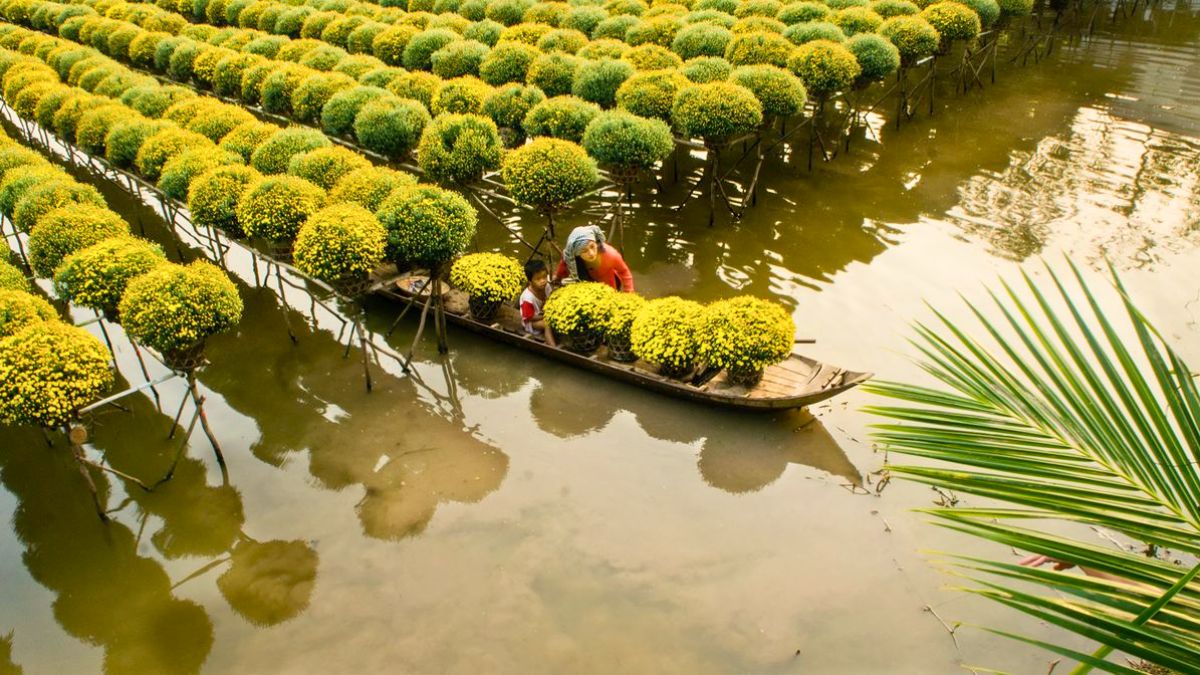
Sa Dec Flower Village, officially Tan Quy Dong Ornamental Flower Village, sits on the banks of the Tien River in Tan Quy Dong Commune, more than 140 km from Ho Chi Minh City. With over a hundred years of history behind it, it's considered the largest ornamental flower hub in the Mekong Delta and is known locally as the "flower capital" of the southwest, and unlike a formal garden, it's a real production area, which is exactly what makes it interesting to shoot. Entry is free, so there's no pressure to rush through in one pass; you can return to a row of marigolds or chrysanthemums twice in one morning if the light changes.
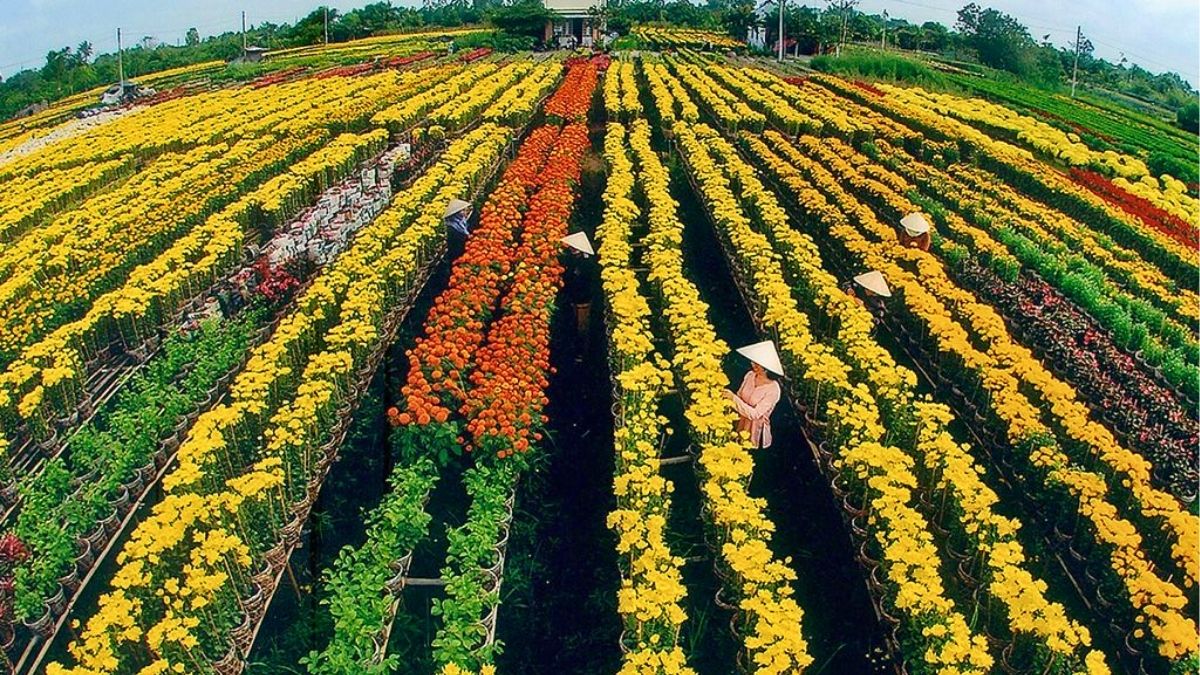 Sa Dec Flower Village sits on the banks of the Tien River in Tan Quy Dong Commune (Source: Collected)
What photographers come for isn't just the flowers themselves but the structure of the place, raised growing beds in tight parallel rows create natural leading lines, and the mix of bright petals against green stems and black shade cloth gives you strong color contrast without needing to add anything in post.
Arrive before 7 am and you'll catch growers watering, trimming, and bundling stock for market, which adds a human element that a flower close-up alone won't give you. Walking between the flower rows at sunrise, with the soft morning light falling across the beds and growers already starting their work, creates the feeling of stepping into a living painting. A low-angle shot down the flower rows in this early light can capture both the depth of the landscape and the rhythm of daily life in the village.
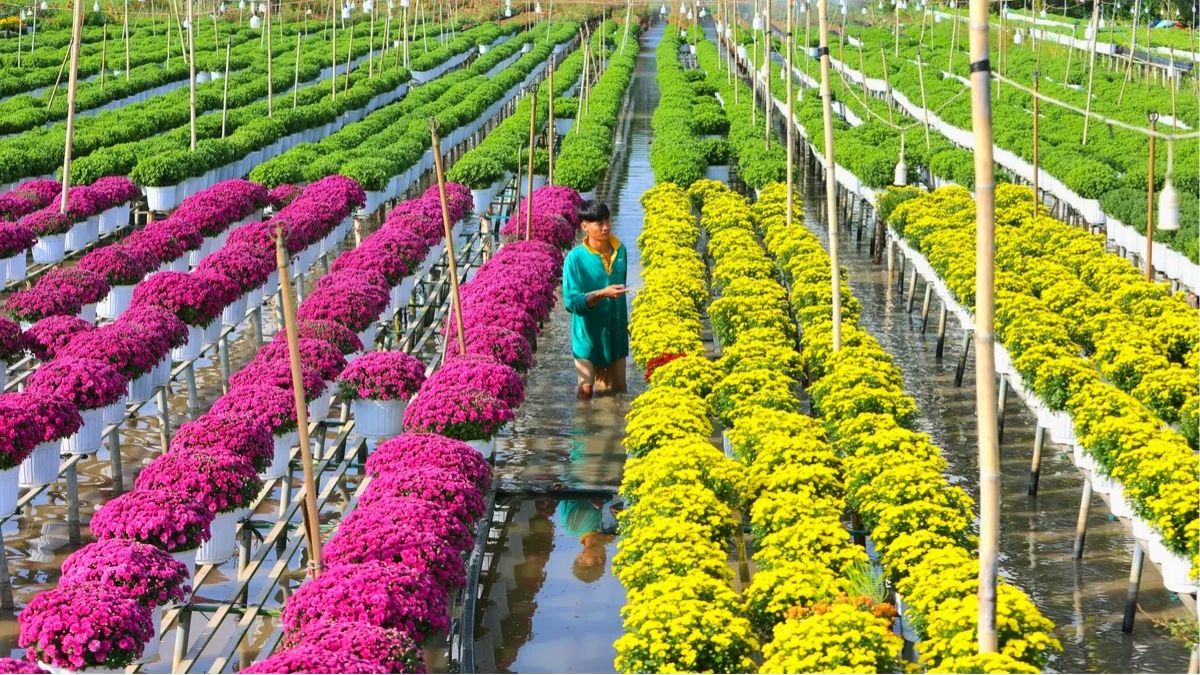 Arrive before 7 am and you'll catch growers watering, trimming, and bundling stock for market (Source: VTV)
The village is busiest and most photogenic in the weeks before Lunar New Year, when growers are shipping flowers to cities across the country, but it's worth visiting any time of year for the daily rhythm alone.
Read more: Sa Dec Flower Village Vietnam: A paradise of colorful beauty
Tram Chim National Park: Wetlands, birds, and wide-open landscape
Tram Chim National Park, a Ramsar-listed wetland near Tam Nong, offers a different side of Dong Thap photography, with open wetlands, grasslands, melaleuca forests and wide reflections. It is also one of Vietnam’s key habitats for the sarus crane, making it a striking contrast to the Mekong Delta’s usual river and market scenes.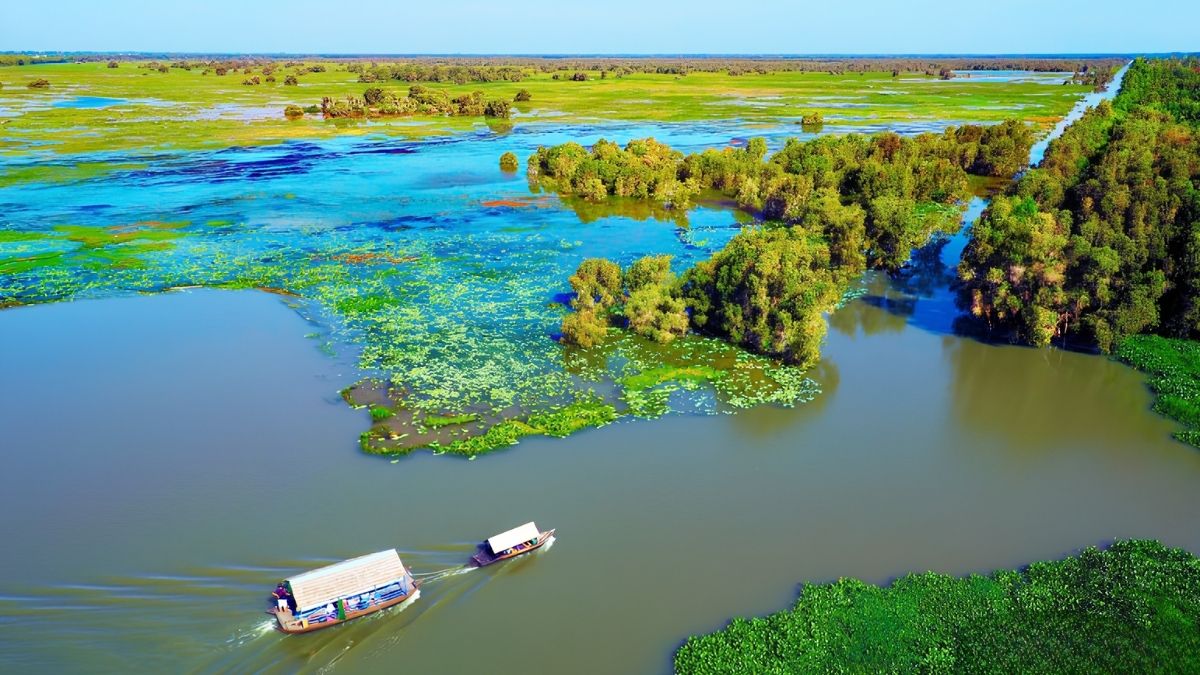
Tram Chim National Park, a Ramsar-listed wetland in the Plain of Reeds near Tam Nong (Source: Vietnam Tourism)
The park runs two main boat routes worth knowing before you book:
- Nang Ong route: Covers about 12 km and costs roughly 900,000 VND for the boat, plus a 40,000 VND per-person entrance fee.
- Ca Na route: Runs about 21 km and costs around 1,200,000 VND, plus the same entrance fee.
- Children under 16: Enter free on both routes.
- Boat capacity: Maximum of 10 people. If you're traveling solo or as a pair, ask ahead about joining a shared boat to bring the per-person cost down, this is exactly the kind of question worth asking before you book, since prices are set per boat, not per seat (Source: Khu du lich Tram Chim).
Bring a longer lens if you have one, because the birds here keep their distance, and a wide shot of the wetland at golden hour is a completely different photograph from a tight crop of a crane in flight, you'll likely want both. Sound travels a long way across open water, so a boat driver who cuts the engine and lets you drift is worth more than any lens you bring; ask your guide in advance if this is possible for at least part of the route.
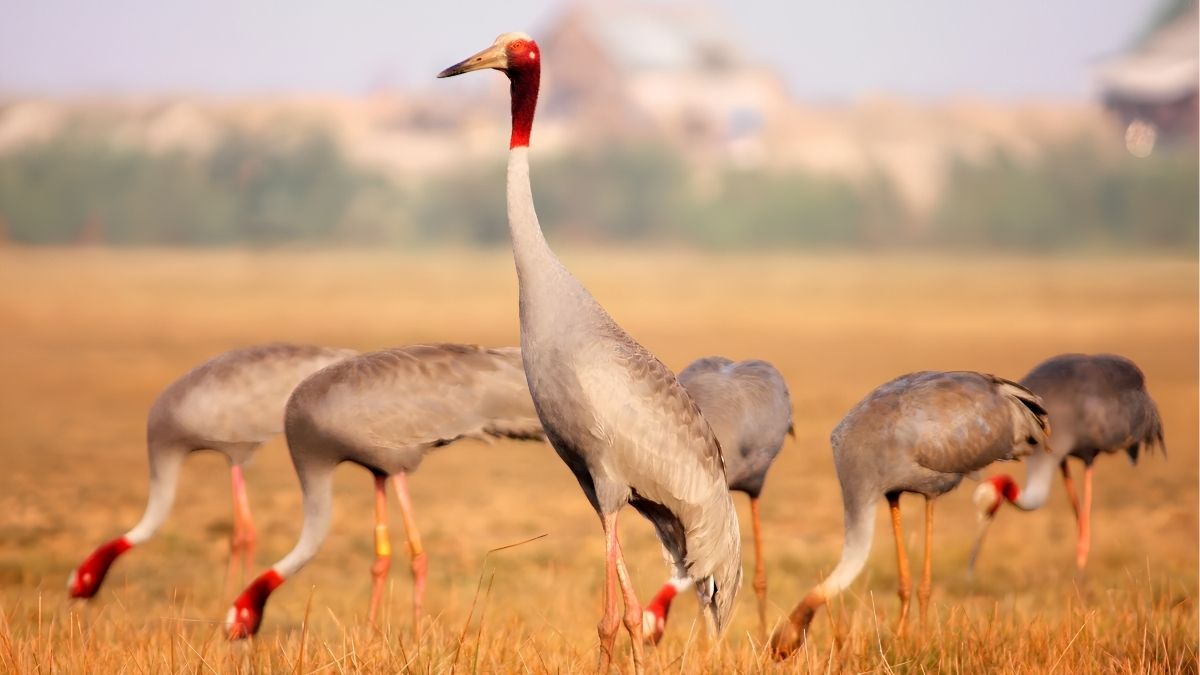
Bring a longer lens if you have one, because the birds here keep their distance (Source: Hoang Thanh Thang Long)
Gao Giong Eco-Tourism Area: Melaleuca forest, canals, and the pace of the Delta
Gao Giong Eco-Tourism Area sits about 18 to 20 km from central Cao Lanh, reached by sampan through a network of canals winding under melaleuca forest. It's smaller and considerably less expensive to visit than Tram Chim, while still offering a genuinely wild-feeling canoe trip past storks and water lilies. From the experience of exploring the area, it is a strong option for photographers on a tighter budget or schedule who still want wetland shots similar to those Tram Chim is known for.
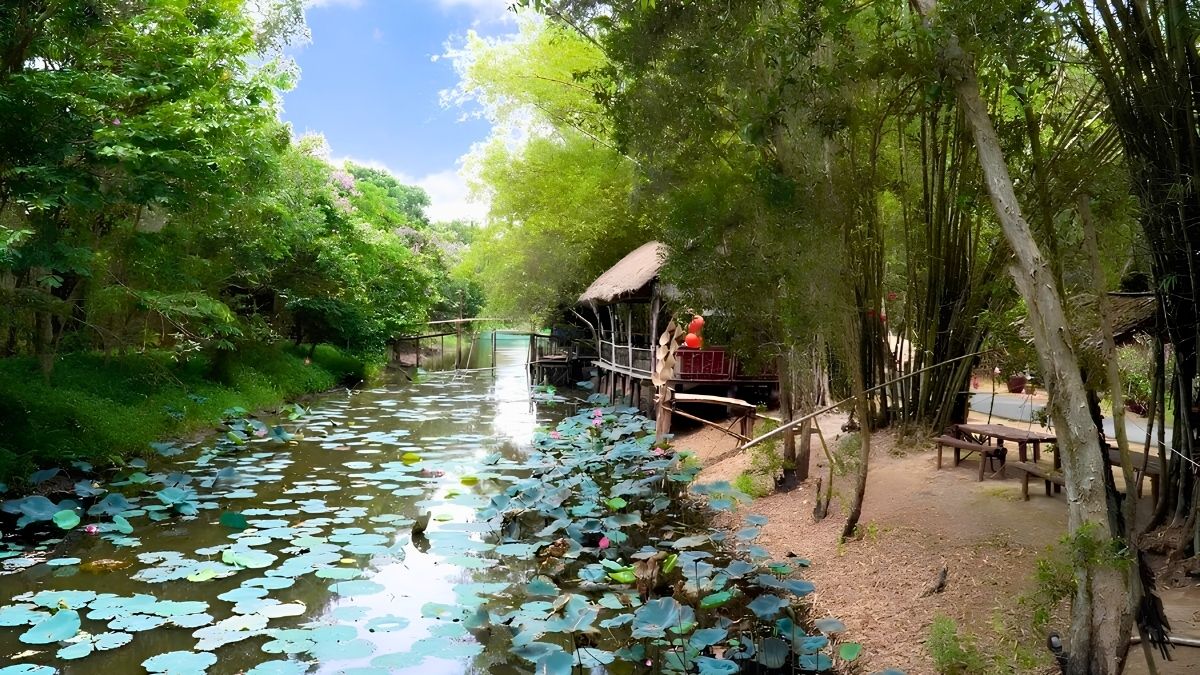
Gao Giong Eco-Tourism Area (Source: Collected)
The area's 18-meter observatory tower is one of the spots most worth visiting. Climb it before getting in a boat for a bird's-eye view over the reserve's roughly 40-hectare bird sanctuary, while also scouting where the light and birds are concentrated. From the water, shooting low and close to the surface lets the canal and overhanging melaleuca branches form a natural frame around subjects further down the channel.
Dawn and late afternoon are when bird activity peaks, with flocks moving between the forest canopy and open water. The eco-area is at its most dramatic during the flood season, when rising water blurs the boundary between forest and canal, worth timing a visit around if wildlife and reflection shots are the priority.
Huynh Thuy Le Ancient House: Architecture and the details that carry a story
Huynh Thuy Le Ancient House, at 255A Nguyen Hue Street in Sa Dec, shifts the trip from landscape to architecture and detail photography. Built in 1895 by wealthy merchant Huynh Cam Thuan, the house blends Vietnamese, Chinese, and French design, with carved wooden screens, French tile floors, and a Chinese-style altar room. This mix creates a dense range of compositions, especially when shooting with a 35mm or 50mm lens. After restoration, the house reopened on 15 December 2023 and now welcomes visitors daily from 7 am to 5 pm . The entrance fee is 30,000 VND and includes a short guided walk-through (Source: vietnamtourism).
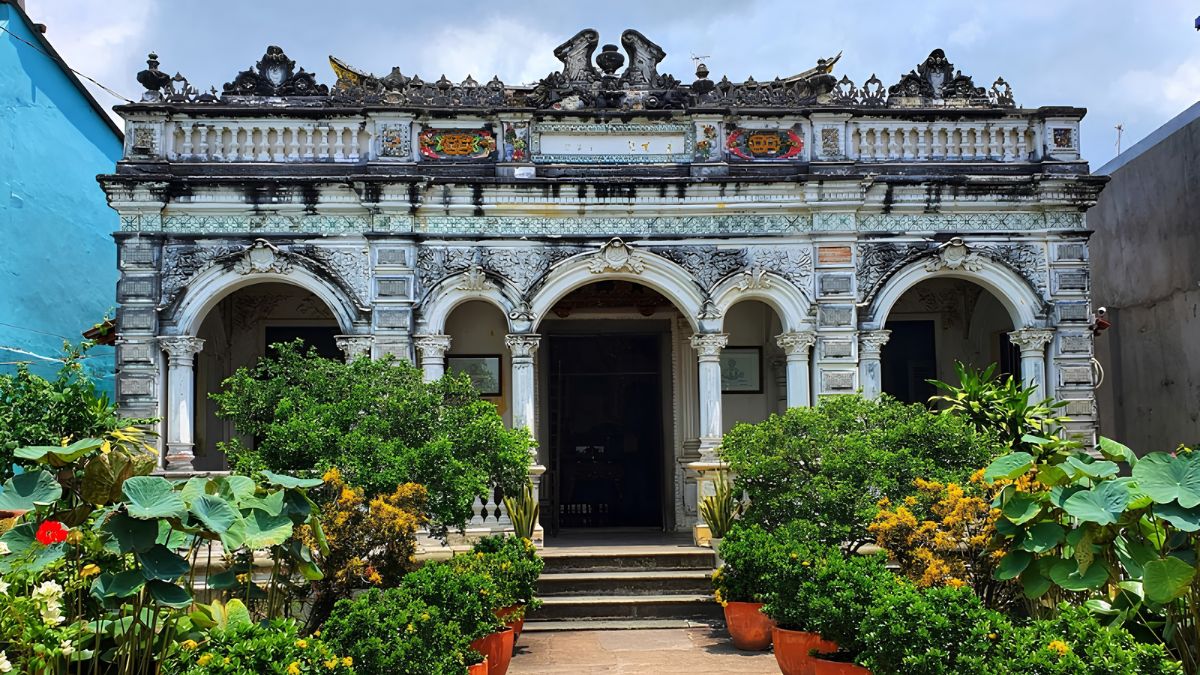 Huynh Thuy Le Ancient House (Source: mia.vn)
The house is also internationally known for its connection to Marguerite Duras's 1984 novel The Lover, loosely based on her real relationship with Huynh Thuy Le in Sa Dec in 1929. Knowing this history adds context to photographing spaces such as the reception hall and upstairs balcony overlooking the street, as well as the black-and-white family portraits displayed inside.
Late-morning light through the tall shuttered windows creates striking interior shots, with beams of light falling across dark wooden furniture. Arriving close to opening time helps avoid visitors crossing the frame. Ask staff before photographing family portraits or personal items up close, and check access with the ticket desk before planning a sequence around a specific room, as some rooms may occasionally be empty or roped off.
Sa Dec Riverside Area: Boats, markets, and daily life
The stretch of riverfront around central Sa Dec, close to where the ancient house sits, is where Dong Thap travel photography gets closest to the documentary style most people associate with the wider Mekong Delta, but with far fewer other photographers competing for the same angle. Sa Dec Market runs through the day rather than only at dawn, giving you a longer working window than the classic early-morning floating markets further south, with produce, flowers, and household goods creating dense, colorful stalls along the water's edge.
Sa Dec Riverside Area (Source: Collected)
Boats moving along the river throughout the morning give you the classic silhouette-against-water shots, especially if you position yourself on one of the smaller footbridges crossing a side canal rather than the main road bridge, where the angle down onto the water is cleaner and less obstructed by traffic.
The riverside also fills with locals doing ordinary errands, carrying produce, mooring boats, chatting outside shopfronts, which makes it a better location for candid street photography than any of the more curated tourist stops on this list. Late afternoon into early evening is when the area feels most alive, as the day's heat breaks and both vendors and residents come back out along the water.
What season is best for photography in Dong Thap travel?
Flood season (August-November, roughly the seventh to tenth lunar months) is the best time for wetland and wildlife photography. Tram Chim and Gao Giong become more dramatic as rising water creates larger reflections and blurs the boundary between forest and canal. Migratory birds are also more active during this period, although some boat routes may have restricted access depending on water levels.
Dry season and the weeks before Lunar New Year are the best time for Sa Dec Flower Village. Growers prepare large volumes of flowers for markets across the country, creating colorful scenes and more opportunities to photograph both the gardens and growers at work. If flowers are the priority, this period is more suitable than flood season.
Time of day also makes a difference:
|
Time |
Best Subjects |
Why |
|
Early morning |
Flowers, boats, wetlands |
Soft light, fewer people |
|
Late morning |
Architecture, fine detail |
Clear light for structural shots |
|
Afternoon |
Flower gardens, street life |
More local activity |
|
Golden hour |
Rivers, wetlands, countryside |
Warm light and long shadows |
|
Sunset |
Sa Dec streets |
Soft ambient light and stronger atmosphere |
Read more: Xeo Quyt Ecotourism: A 2-Hour journey between melaleuca forest and a revolutionary base
Rules to remember when photographing in Dong Thap
- Ask permission: Ask before taking a close-up portrait of someone working rather than assuming a public setting means an open invitation. A quick gesture and a smile before raising the camera is a simple way to show respect, especially when photographing flower growers or market vendors.
- Respect private areas: Don't wander into private gardens or nursery plots without permission, even when a gate is open or a path looks inviting. These are working livelihoods, not photo sets, so stick to areas where visitors are clearly allowed.
- Don't touch the flowers: Don't touch or pick flowers for a better composition or a "hand-holding-a-bloom" shot. The flowers are commercial stock, not props.
- Keep noise down: Keep noise to a minimum around birdwatching areas at Tram Chim and Gao Giong. A quiet boat helps photographers get closer without startling birds, while also respecting other visitors on the water.
- Don't disturb wildlife: Never disturb wildlife or push a boat closer than the location's boat operators or rangers recommend just to get a better angle. No photograph is worth disrupting the animals you came to photograph.
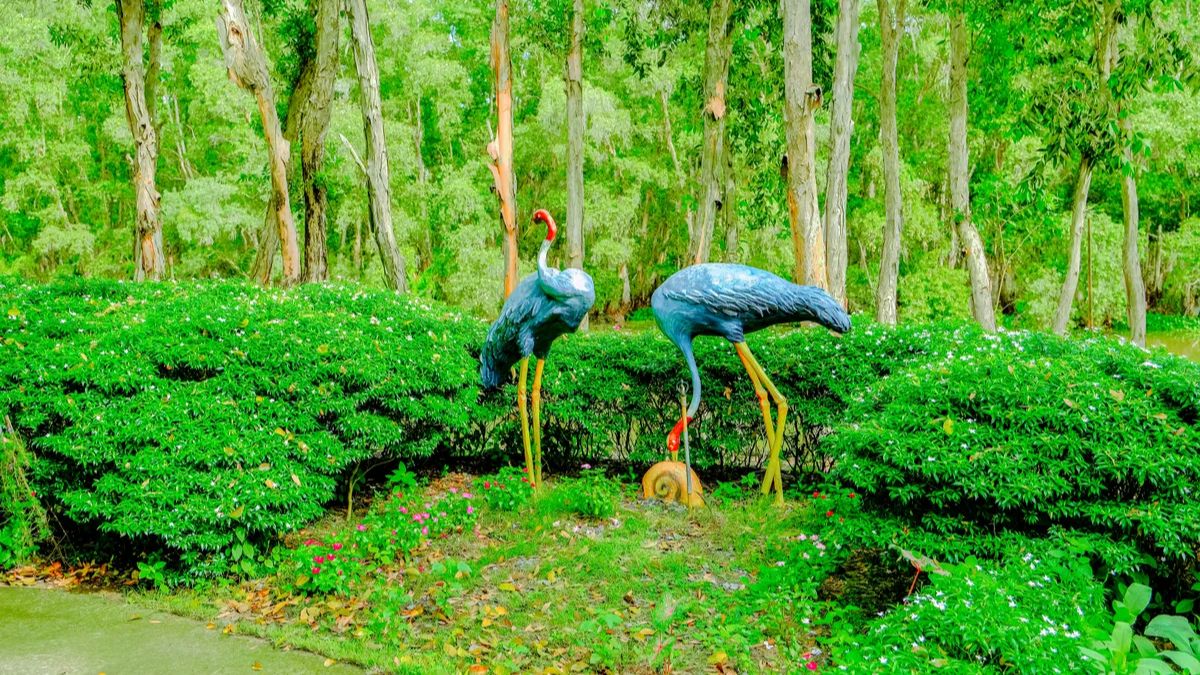
Never disturb wildlife or push a boat closer than the location's boat operators or rangers recommend just to get a better angle (Source: VTV)
- Check drone rules: Check each site's specific rules on photography and drone use before arriving rather than assuming standard practice applies everywhere. Tram Chim and Gao Giong, as protected natural areas, have restrictions on flycams that can vary with conditions such as season and bird activity, so confirm what is permitted before flying.
A one-day photography itinerary for Dong Thap travel
A one-day photography route in Dong Thap can be arranged around the best light at each location:
- Before 6:30 am - Sa Dec Flower Village: Start early while the light is soft and growers are watering the flower rows. This is the best window for portrait-style shots before the heat sets in and the village becomes busier with market activity.
- 9:00-10:00 am - Huynh Thuy Le Ancient House: Spend about an hour photographing the architecture and interior details. The shuttered windows provide workable natural light without needing a tripod.
- Afternoon - Gao Giong or Tram Chim: Choose Gao Giong for melaleuca canals or Tram Chim for wider wetland landscapes. Allow a few hours for boat-based photography, and climb the observation tower before getting on the water.
- Late afternoon to golden hour - Sa Dec riverfront: Return to Sa Dec for the final session of the day. The combination of local activity, river scenes, and changing evening light offers a natural way to finish the route.
Prefer a guided photography trip?
If coordinating driving times, boat schedules, observation towers, and photography windows feels like too much to manage alone, Sinh Cafe Travel offers tours that can make exploring the Mekong Delta easier to arrange. A guided option can also help with transportation and local logistics, leaving more time to focus on photography. The most relevant choices include:

Sinh Cafe Travel offers tours that can make exploring the Mekong Delta easier to arrange
- Mekong Delta Tour 1 Day: A short option for travelers with limited time.
- Ben Tre Riverside Journey - 2 Days 1 Night: A longer Mekong Delta experience with more time for exploring and photography.
- Ben Tre Riverside - 3 Days in the Mekong Delta: A slower-paced option for travelers who want more time in the delta.
For current availability, prices, and the full range of options, see Sinh Cafe Travel's Daily Tours.
FAQs
Is Dong Thap good for photography?
Yes. It offers diverse subjects, from flower nurseries and historic architecture to wetlands and melaleuca forests, with fewer crowds.
What is the best time of year for photography in Dong Thap?
December to April is ideal for clear light and Sa Dec's pre-Tet flower season. August to November is better for atmospheric wetland and wildlife photography.
Can I fly a drone in Dong Thap's natural parks?
Rules vary by location and season, so check with park staff before flying, especially at Tram Chim and Gao Giong.
Do I need permission to photograph people in Sa Dec?
It's best to ask before taking close-up portraits, particularly when photographing people at work.
How many days do I need for a Dong Thap photography trip?
One day covers the main highlights; two days allows more time to visit all five locations without rushing.
Share via




Related articles

Visit Ha Giang in November: Is it a good time to go?
Posts | 21/09/2026
Ha Long bay 1 day tour: Best itinerary, cruise options & Travel tips
Posts | 23/03/2026
Yang Bay Waterfall: A Hidden Paradise near Nha Trang you shouldn’t miss
Blog | 24/03/2026
Diep Son island: Walk across the sea in Vietnam’s hidden paradise
Posts | 24/03/2026








There are no reviews yet