


Cu Chi Tunnels and Mekong Delta – A Complete Travel Guide
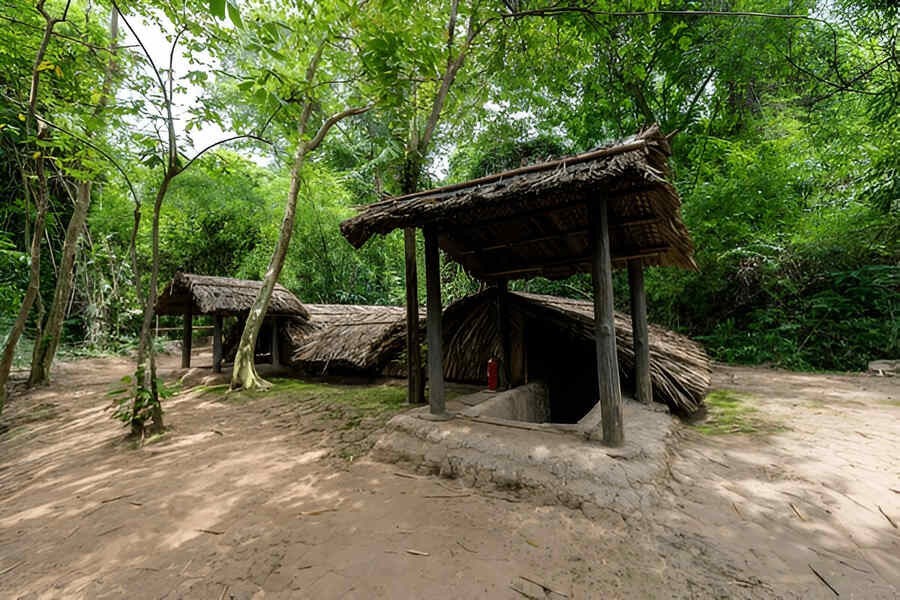
If you’re visiting Ho Chi Minh City and only have a short time, the Cu Chi Tunnels and Mekong Delta tour of Sinhcafe is the perfect way to see two different sides of Vietnam in one journey. Step back in time at the legendary tunnels that tell stories of resilience, then drift along peaceful waterways of the Mekong Delta to taste local life.
Introduction to Cu Chi tunnels and Mekong Delta
Located just outside Ho Chi Minh City, the Cu Chi Tunnels are a historic landmark that reveals the incredible resilience and ingenuity of the Vietnamese people during wartime. Walking through the tunnels, visitors gain a deeper understanding of Vietnam’s history and the struggles faced by those who lived and fought here.
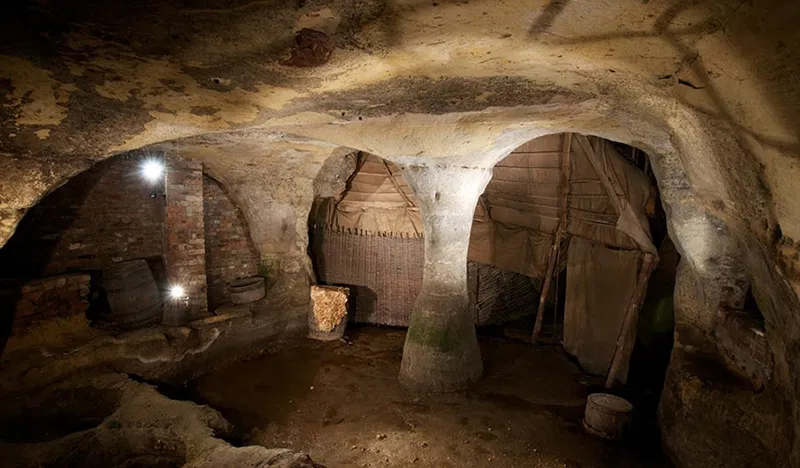
Cu Chi Tunnels
In contrast, the Mekong Delta offers a peaceful escape into nature, where winding rivers, floating markets, and lush orchards paint a vibrant picture of southern Vietnam’s culture and lifestyle.
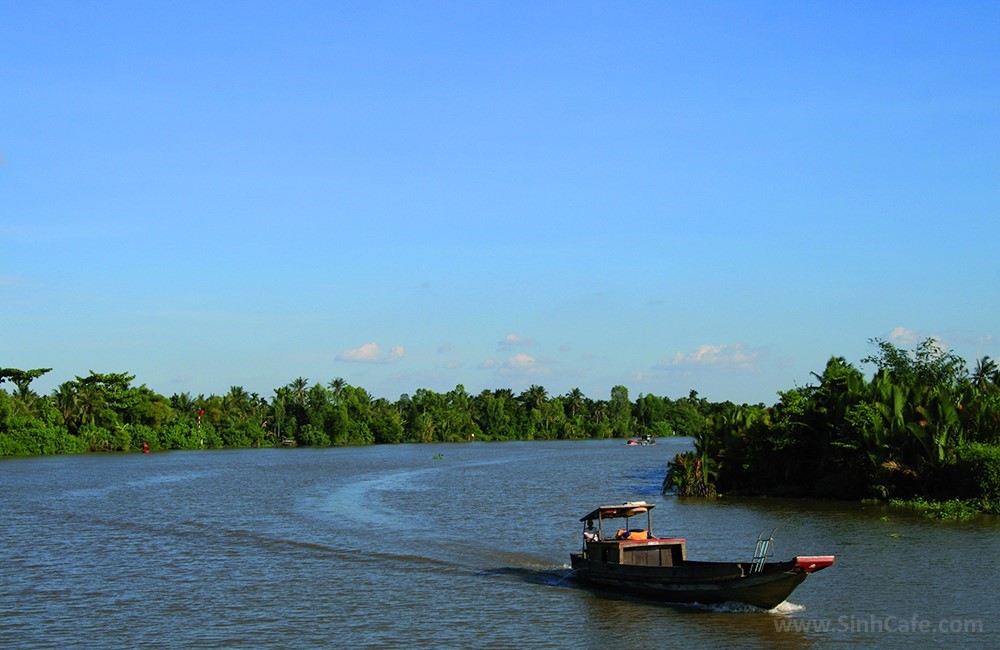
Mekong Delta
Visiting Cu Chi tunnels and Mekong Delta in one journey gives travelers a unique opportunity to experience Vietnam’s past and present in the most authentic way.
Explore the Cu Chi tunnels
The Cu Chi Tunnels are more than just underground passageways — they are a living monument to resilience and ingenuity during wartime. To truly appreciate their significance, let’s explore their fascinating history, unique underground structure, and what awaits visitors today.
Historical background of Cu Chi tunnels
The Cu Chi Tunnels originated in the late 1940s, during the resistance war against the French. The first tunnels were dug in Tan Phu Trung and Phuoc Vinh An communes, mainly used as hiding places and to store documents and weapons.
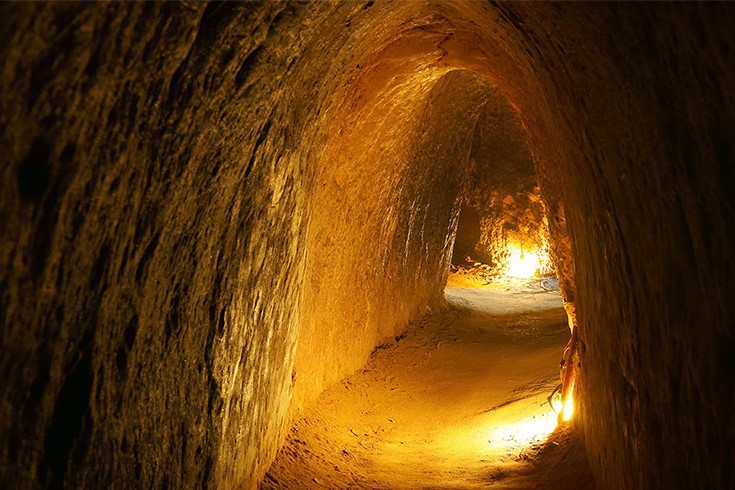
Historical background of Cu Chi tunnels (Source: Collected)
By the 1960s, as the war against the United States intensified, the tunnels were expanded and connected into a complex underground network. They became military bases, supply routes, and shelters where soldiers could live and fight. Most notably, the Cu Chi Tunnels played a crucial role in several major campaigns, including the Tet Offensive in 1968.
After the war ended, parts of the tunnels were preserved and recognized as a national historical site. Today, the Cu Chi Tunnels stand not only as a powerful reminder of the past but also as a popular tourist attraction, where visitors can learn about history and honor the sacrifices of the Vietnamese people.
Unique underground structure
The tunnel system consists of three main levels, with depths of around 3 meters for the first level, 5 meters for the second, and between 8–12 meters for the deepest level. Each level served a different purpose, such as living areas, weapon storage, medical stations, or command posts.
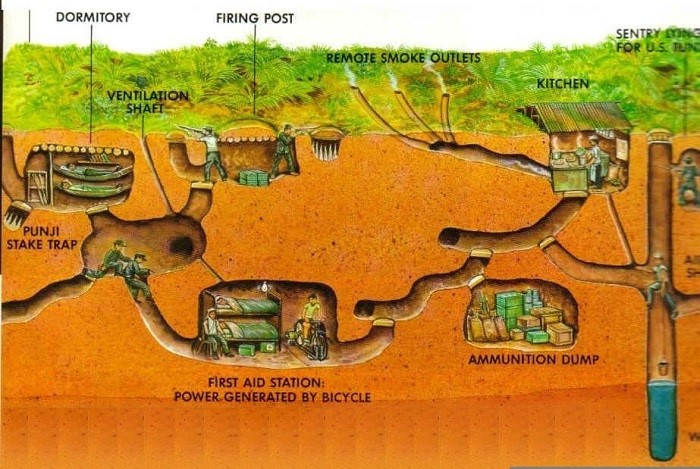
Unique underground structure of Cu Chi tunnels (Source: Collected)
The passageways are narrow, requiring people to crouch or crawl to move through them. Inside, there are cleverly disguised ventilation shafts, secret trapdoors, bomb shelters, and defensive traps. Built with laterite soil, the tunnels were extremely durable and resistant to collapse, even after decades.
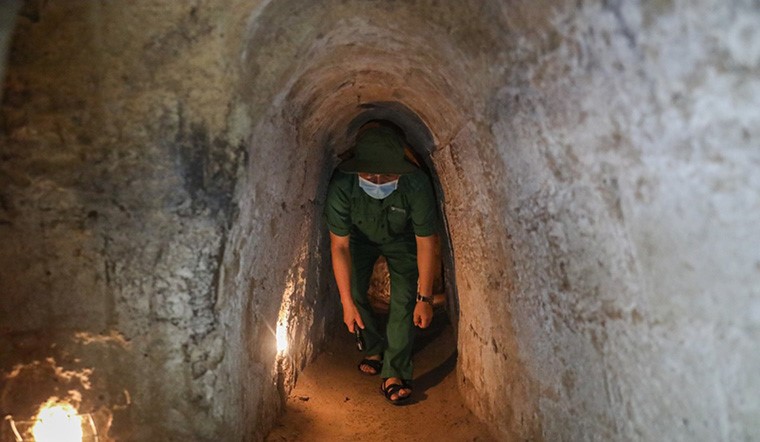
The passageways are narrow, requiring people to crouch or crawl to move through them
Entrances were camouflaged with leaves, soil, or termite mounds, making them almost invisible. Some sections even had escape routes leading to the Saigon River, providing safe exits when under attack.
What to experience as a visitor
Visiting the Cu Chi Tunnels is not just about looking at history — it’s about stepping into it. Here are some of the most exciting experiences waiting for you:
- Crawl through the underground tunnels: Try moving through the narrow, dark passageways that once sheltered soldiers. It’s a real test of courage and gives you a glimpse of wartime life.
- Discover hidden entrances and traps: See how the tunnels were cleverly camouflaged with secret doors, trapdoors, and even spiked pits designed to protect the fighters.
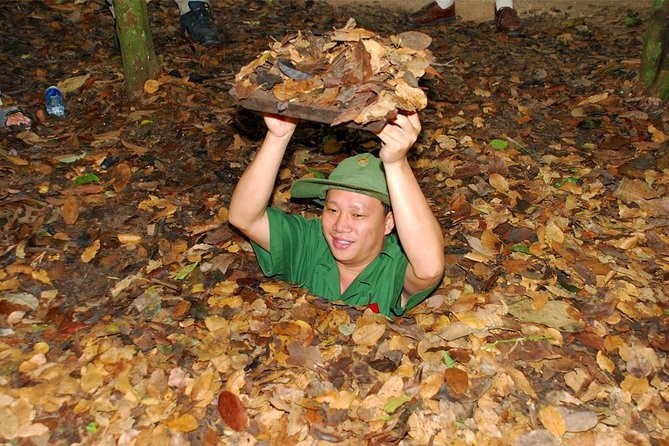
Discover hidden entrances
- Try shooting at the gun range: For an extra thrill, you can practice firing old-style weapons under safe supervision, a rare hands-on experience for visitors.
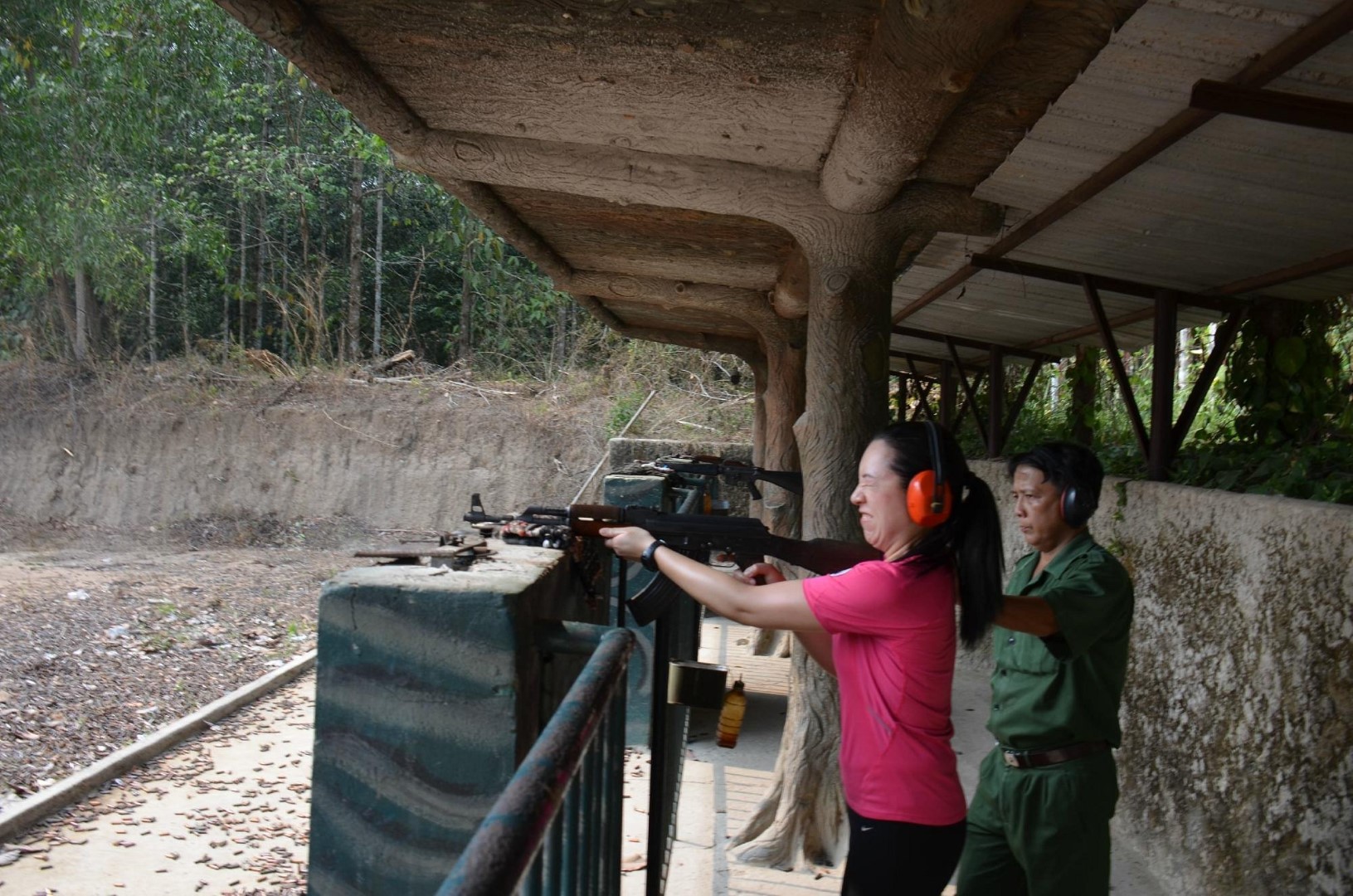
Try shooting at the gun range
- Watch historical documentaries: Learn the story behind the tunnels through short films and exhibitions that showcase maps, artifacts, and war memorabilia.
- Taste wartime food: Sample simple yet meaningful dishes such as boiled cassava and potatoes — staples that kept the soldiers going during hard times.
- Bring home a unique souvenir: Don’t forget to browse the small shops where you can buy handcrafted items and keepsakes that capture the spirit of Cu Chi.
Discover the Mekong Delta
The Mekong Delta, often called the “rice bowl of Vietnam,” is a land of rivers, canals, and fertile fields. Visiting this region offers a unique chance to see how people live in harmony with water, explore vibrant traditions, and taste some of Vietnam’s best dishes.
Natural landscapes and boat trips
The Delta’s charm lies in its endless waterways, lush rice paddies, and mangrove forests. A boat trip is the best way to take it all in, drifting past stilt houses, floating villages, and green orchards where visitors can stop to sample fresh fruits.
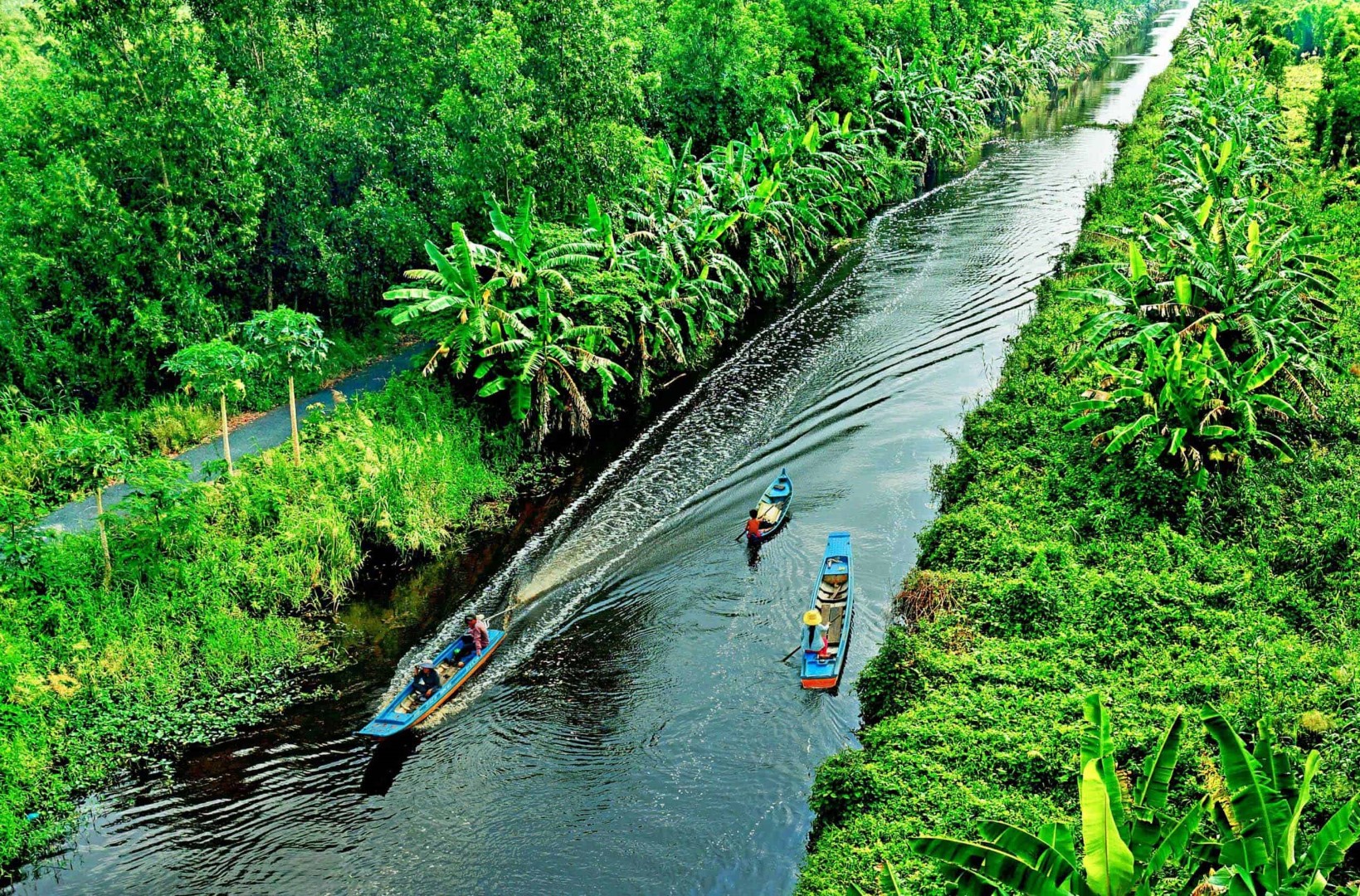
Enjoy boat trips in Mekong Delta (Source: Collected)
More than just sightseeing, these journeys let you experience the slow rhythm of daily life. Watching fishermen cast their nets or children paddling home from school gives a deeper glimpse into the authentic spirit of the Mekong.
Floating markets and local culture
Life in the Mekong Delta revolves around its floating markets, such as Cai Rang or Phong Dien. Here, vendors sell fruits, vegetables, and local specialties directly from their boats, creating a colorful scene that reflects the vibrant culture of the river people.
Visiting early in the morning is the best time, when the river is alive with trading boats and the air is filled with the aroma of fresh produce. It’s not just a market — it’s a cultural tradition passed down through generations.
Culinary delights and tropical fruits
The Mekong Delta is a paradise for food lovers. From flavorful noodle soups to freshly caught fish, every dish tells a story of the land. Don’t miss the chance to try seasonal fruits like rambutan, mangosteen, or durian, picked straight from the orchard.
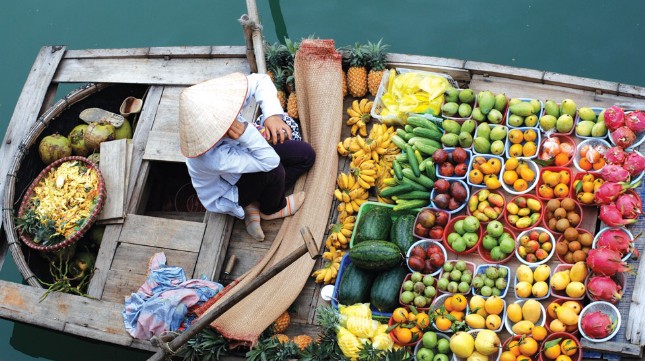
Tropical fruits Mekong Delta (Source: Collected)
Sharing a meal with locals makes the experience even more special. Many tours invite visitors into family homes, where you can taste home-cooked dishes and learn about the role food plays in daily life along the Delta.
Traditional villages and handicrafts
Beyond nature and food, the Delta is home to centuries-old craft villages. Visitors can watch locals making coconut candy, weaving mats, or shaping pottery, gaining a deeper appreciation of the region’s traditions and creativity.
These hands-on experiences allow travelers to try the crafts themselves or bring home unique souvenirs. Supporting local artisans also helps preserve the cultural heritage of the Mekong Delta for future generations.
How to get to Cu Chi Tunnels and Mekong Delta
Both Cu Chi Tunnels and Mekong Delta are easily accessible from Ho Chi Minh City, making them two of the most popular day trips.
Cu Chi Tunnels
Located about 40 km northwest of Ho Chi Minh City, Cu Chi Tunnels can be reached in 1.5–2 hours. Travelers can take public buses (routes 13 and 79), rent a motorbike or private car for flexibility, or join a guided half-day or full-day tour with hotel pick-up and an English-speaking guide.
Mekong Delta
The Mekong Delta lies around 70–100 km southwest of Ho Chi Minh City, depending on the destination (such as My Tho, Ben Tre, or Can Tho). The journey takes 2–4 hours by bus or private car. Joining an organized tour is the most convenient option, as it usually includes boat rides, visits to fruit orchards, and cultural activities.
Read more: Best Time to Visit Du Gia, Ha Giang: Discover Northern Vietnam’s Hidden Magic
Tips for visiting Cu Chi tunnels and Mekong Delta
When preparing for a trip to the Cu Chi Tunnels and the Mekong Delta, knowing some practical tips can make your journey more comfortable, safe, and enjoyable. Below are useful suggestions to keep in mind before you set off.
What to Bring
Comfortable clothing: Choose lightweight, breathable outfits suitable for the tropical climate. If you plan to crawl inside the Cu Chi tunnels, wearing long pants will help protect you from scratches.
Appropriate footwear: Sneakers or sturdy sandals are ideal for walking long distances, climbing in and out of tunnels, or getting on and off boats.
Drinking water and wet wipes: Essential for staying refreshed during outdoor activities.
Camera or phone: Perfect for capturing moments at floating markets, craft villages, or inside the tunnels.
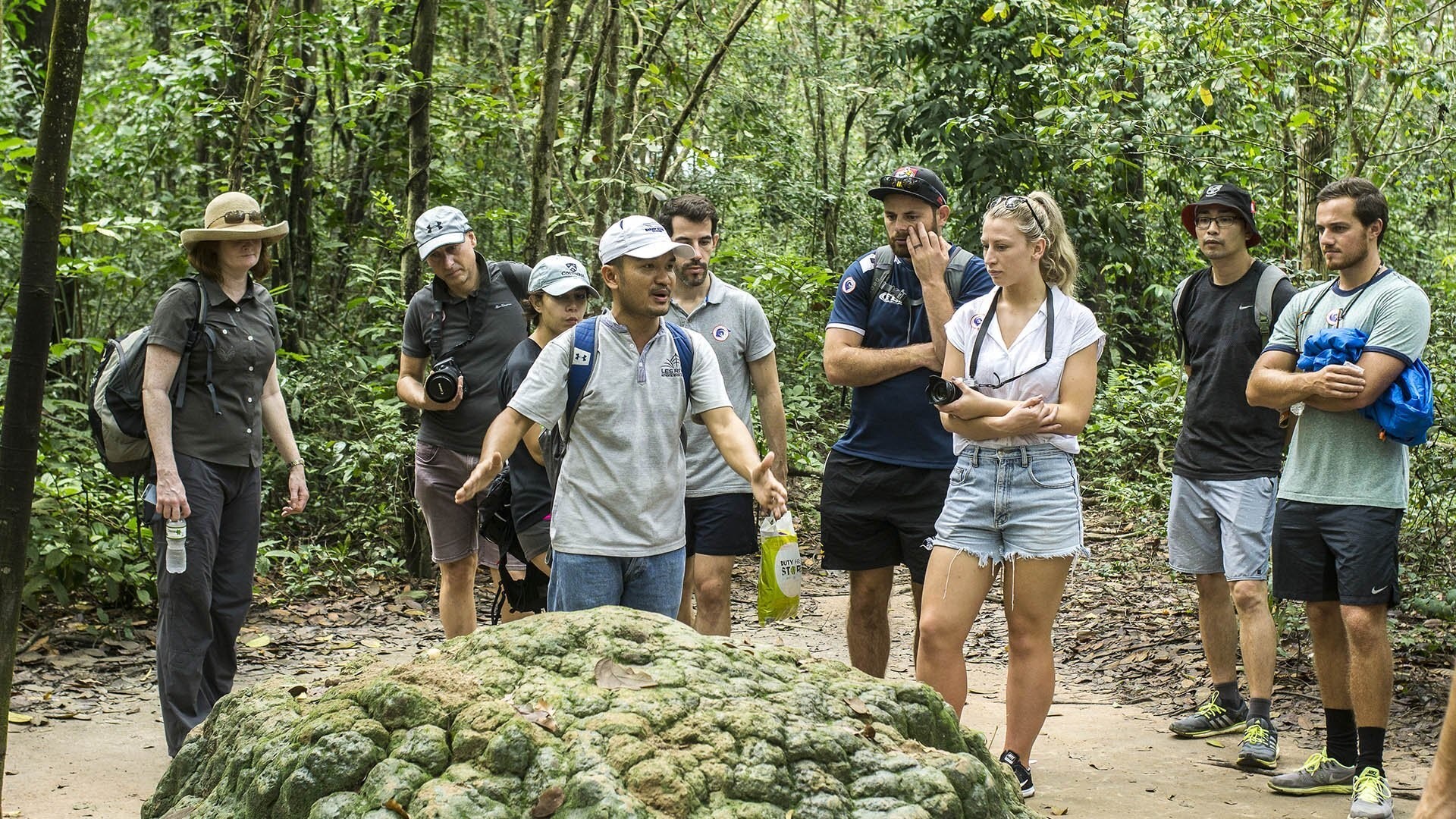
Things suitable to bring when visiting Cu Chi Tunnels and Mekong Delta
Cultural Etiquette and Safety Notes
Respect historical sites: At Cu Chi Tunnels, maintain a serious attitude—avoid joking around, vandalizing, or damaging the relics.
Be polite to locals: In the Mekong Delta, greet people with a smile and always ask for permission before taking photos.
Stay safe during activities: If you try the shooting range in Cu Chi, strictly follow staff instructions. When boating in the Mekong, wear a life jacket whenever required for your safety.
Things to Avoid
Avoid bulky luggage: The tunnels in Cu Chi are very narrow, and carrying large backpacks will be inconvenient.
Do not litter: Keep the environment clean, whether you’re on rivers, at floating markets, or inside tunnels.
Be cautious with souvenirs: Some tourist spots may overprice items. Check carefully before buying.
Avoid visiting at midday: Southern Vietnam can be extremely hot and humid at noon. The best times to explore are early morning or late afternoon.
Recommended Tours to Cu Chi Tunnels and Mekong Delta
Exploring the Cu Chi Tunnels and Mekong Delta is one of the most fascinating ways to experience Vietnam’s unique blend of history, culture, and nature. If you’re planning your trip, here are some carefully selected tours that will help you make the most of your journey.
Ho Chi Minh – Cu Chi Tunnels 01 Day
This tour takes you from the heart of Saigon to iconic historical landmarks such as the Reunification Palace, Notre Dame Cathedral, and the Central Post Office – each reflecting the city’s French colonial charm.
The highlight is the Cu Chi Tunnels, where you step into an underground “city” stretching for hundreds of kilometers. Here, you’ll see hidden kitchens, shelters, and secret weapon storage, and even taste boiled cassava – the humble yet symbolic food of wartime.
Ho Chi Minh - Cu Chi Tunnels 01 Day
Cu Chi Tunnels – My Tho Tour 1 Day
A perfect combination of history and nature. In the morning, explore the Cu Chi Tunnels, a remarkable testament to Vietnamese resilience during the war.
In the afternoon, journey to My Tho for a scenic boat trip on the mighty Mekong River. Enjoy fresh coconuts, tropical fruits, and traditional Southern folk music. A sampan ride through the coconut-lined canals will immerse you in the serene lifestyle of the Mekong Delta.
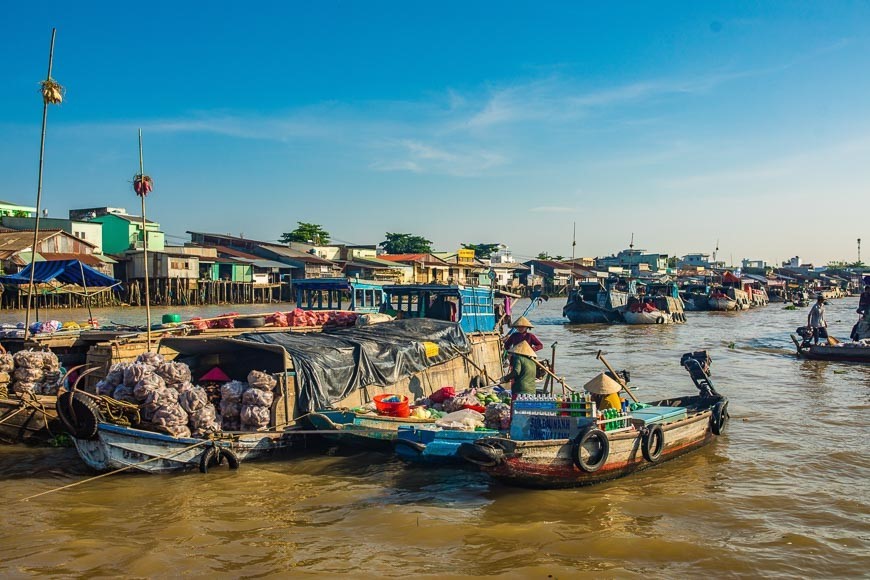
Cu Chi Tunnels - My Tho Tour 1 Day
Perfect for travelers with limited time but who still want to experience Cu Chi. In just half a day, you’ll watch a documentary, explore a section of the tunnels, and see kitchens, meeting rooms, and hidden escape routes. Crawling through the narrow passageways and tasting cassava will give you a vivid sense of a soldier’s life during wartime.
City Tour & Cu Chi Tunnels 01 Day
Ideal for those seeking a mix of history, culture, and architecture. After discovering the Cu Chi Tunnels, return to the city to explore bustling Chinatown, the sacred Thien Hau Temple, the Notre Dame Cathedral, the Central Post Office, and the Reunification Palace. Each site tells a different story, giving you a deeper understanding of Saigon’s past and present.
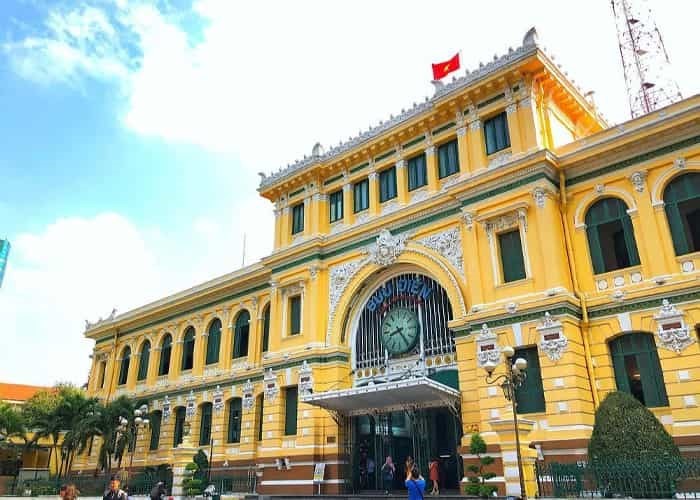
City tour & Cu Chi Tunnels 01 Day
Cao Dai Temple & Cu Chi Tunnels 01 Day
This tour uniquely combines spiritual faith and wartime history. In Tay Ninh, admire the Cao Dai Temple with its vibrant architecture and distinctive belief system blending multiple religions. Continue to the Cu Chi Tunnels to witness the complex underground network that showcases Vietnamese ingenuity and unyielding spirit during the war.
Exploring the Cu Chi Tunnels and Mekong Delta becomes even more fulfilling when you choose a trusted and experienced brand in Vietnam’s travel industry. With a commitment to quality journeys, professional service, and memorable experiences, Sinhcafe ensures that every moment of your adventure is seamless and rewarding.
Share via




Related articles

Vung Tau port: Discover the bustling port life and exciting activities
Blog | 20/08/2025
Phát Diệm cathedral: Discover the Majestic Phat Diem Stone Cathedral in Ninh Binh
Blog | 30/12/2025
Nha Trang Cathedral: The Gothic Soul Anchored in the Heart of the Coastal Pearl
Blog | 30/12/2025

Vietnam’s Hidden Jungle Paradise Cuc Phuong National Park
Blog | 30/12/2025









There are no reviews yet