


Can Gio Mangrove Forest: Vietnam's Green Lung Explained
Can Gio Mangrove Forest is Vietnam's first UNESCO Biosphere Reserve, just outside Ho Chi Minh City. Here's what it actually is, why it matters, and how to visit smart
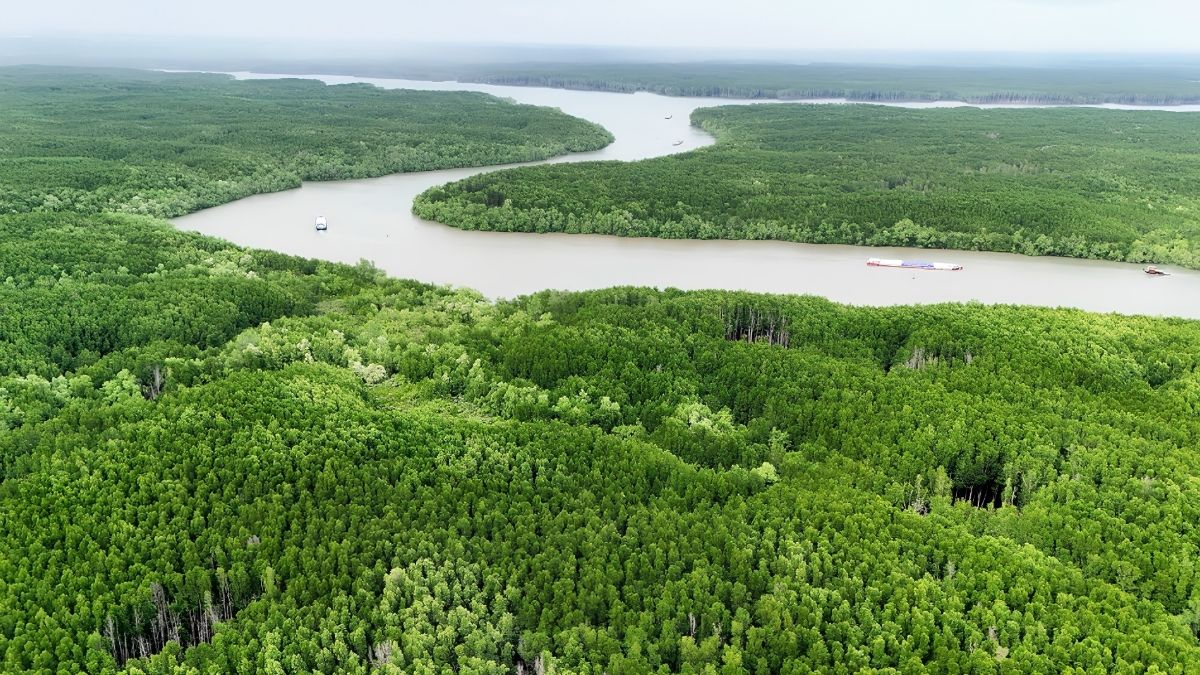
Just outside Ho Chi Minh City, Can Gio Mangrove Forest offers a mix of mangrove waterways, wildlife, and wartime history in one destination. As Vietnam’s first UNESCO Biosphere Reserve, it is also one of the country’s most important mangrove ecosystems. Here’s what to know before you visit.
What Is Can Gio Mangrove Forest?
Can Gio Mangrove Forest (also called Rung Sac, or “the forest of leaves”) is a 75,740-hectare wetland reserve that makes up almost all of Can Gio District - the only part of Ho Chi Minh City that actually touches the sea. It sits where the Saigon River, Dong Nai River, and Vam Co River all spill into the East Sea, and that river-meets-ocean mix of fresh and salt water is exactly what makes a mangrove ecosystem possible here in the first place.
The reserve is split into three functional zones, and understanding them helps explain what you will and won't be able to do there:
- Core Zone (4,721 ha): strictly protected, no public access, no development. This is the forest doing its actual ecological job undisturbed.
- Buffer Zone (41,139 ha): where controlled ecotourism, research stations, and boat routes operate. This is where almost every visitor spends their day.
- Transition Zone (29,880 ha): home to Can Gio's small fishing and farming communities, where normal daily life continues alongside the reserve.
Why Can Gio Mangrove Forest is important
Locals and officials both call Can Gio the “green lung” of Ho Chi Minh City, and it is more than just a nickname. A city of roughly 14 million people generates a significant amount of carbon emissions and air pollution, while Can Gio mangrove forest's extensive mangrove ecosystem helps store carbon and filter sediments and pollutants from the water before they reach the sea. Its dense mangrove vegetation also makes the forest an important coastal ecosystem for the wider region.
 Can Gio’s mangroves protect Ho Chi Minh City and surrounding coastal areas (Source: VnExpress)
There's a second, less-talked-about function that matters just as much: storm and flood buffering. Ho Chi Minh City sits low and flat, and its coastline is exposed to the East Sea. The tangled root systems of Can Gio's mangroves, including species like Rhizophora apiculata, slow storm surges, trap sediment, and stabilize the coastline, helping reduce erosion and protect coastal areas from flooding.
Beyond its environmental role, Can Gio also supports local livelihoods and biodiversity. Ho Chi Minh City's sustainable forest management plan records more than 200 animal species and 150 plant species in the Can Gio protective forest. Hundreds of local households also rely on forest-related activities such as fishing, aquaculture, beekeeping, and ecotourism services, linking the protection of the mangrove ecosystem directly to the local economy. (Source: vietnam.vn).
History of Can Gio Mangrove Forest and UNESCO Recognition
What you walk through today at Can Gio mangrove forest is not an untouched primeval forest, it's a forest that was almost completely wiped out and rebuilt from scratch, and that history is worth knowing before you go, because it changes how you look at every tree.
During the Vietnam War, this area known as the Rung Sac Special Zone, was a strategic guerrilla stronghold, its dense waterways giving resistance fighters cover that open terrain never could. Precisely because of that tactical value, it became a target: U.S. forces sprayed the area heavily with Agent Orange and other defoliants, and by the early 1970s much of Can Gio had been reduced to bare, lifeless salt flat.
Vietnam began replanting the forest from the late 1970s through the 1990s, largely by hand, species by species, in a project that took decades to show results. In 1979, Ho Chi Minh City launched a major campaign to replant Can Gio and established the Duyen Hai Forestry Enterprise to restore the mangrove ecosystem. By 2000, the recovery was significant enough that UNESCO designated Can Gio as Vietnam's first Biosphere Reserve. The reserve is now recognized for its diverse mangrove ecosystem and the restoration and protection of its coastal environment.
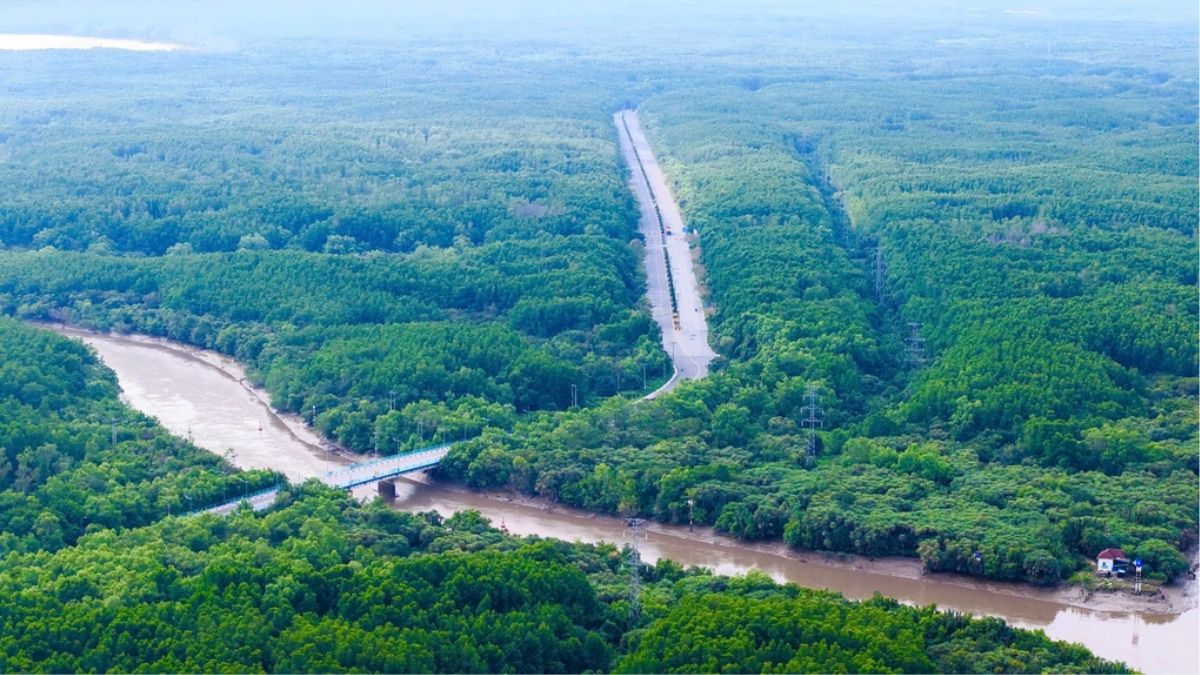 Can Gio Mangrove Forest became Vietnam's first UNESCO Biosphere Reserve in 2000 after decades of restoration (Source: VnExpress)
Walking the boardwalks or gliding through the canals today, it's genuinely hard to believe this was a heavily degraded landscape within living memory.
Read more: Can Gio Day Trip from Ho Chi Minh City: Complete Guide 2026
What Wildlife and Biodiversity Are Found in Can Gio?
Can Gio is home to more than 130 fish species, 130 bird species, 31 reptile species, 19 mammal species and over 150 plant species, as well as hundreds of aquatic invertebrates. The reserve’s mix of mangrove forest, tidal channels, mudflats and brackish water creates habitats for species that you would not normally encounter on a typical city day trip to Can Gio mangrove forest.
What you actually see depends quite a lot on where you go:
- Long-tailed macaques: These are the easiest animals to spot around Lam Vien Can Gio (Monkey Island). They move freely around the forest and can come surprisingly close to visitors.
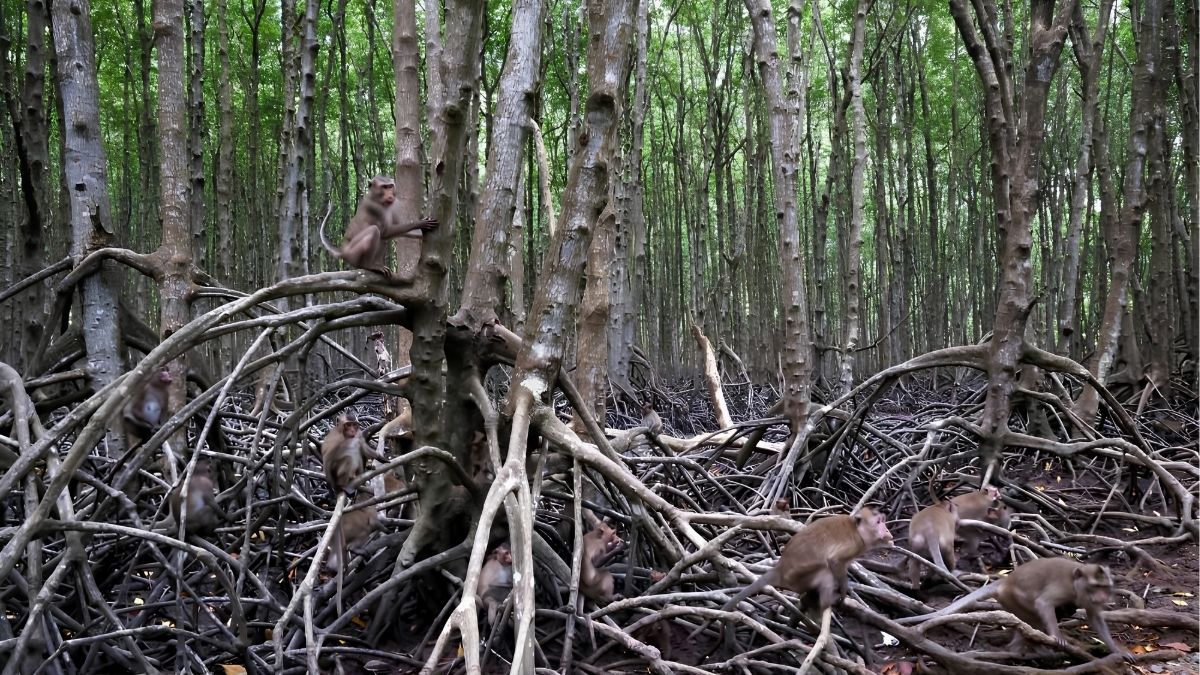 Long-tailed macaques move through the exposed mangrove roots in Can Gio Biosphere Reserve (Source: Vietnam Plus)
- Crocodiles at Vam Sat: If crocodiles are on your list, Vam Sat is the more reliable stop. The crocodiles are kept in a managed area, so you can observe them without having to search the mangrove channels for a wild sighting. Vam Sat also has a bird sanctuary and other wetland habitats.
- Birdwatching: Can Gio is particularly rewarding if you enjoy watching birds rather than simply taking photos of large animals.
- Mangrove life: Look down as well as up. Along the canals, you may see fish, crabs, clams and other aquatic life around the roots and mudflats. Can Gio is a brackish-water ecosystem, where seawater from the East Sea meets freshwater from the Saigon-Dong Nai river system, creating conditions that support both biodiversity and local aquaculture.
For a more hands-on experience, recent ecotourism activities in Can Gio have included SUP through the mangroves, small-boat trips to oyster farms, and observing local fishing and aquaculture practices. On suitable low-tide days, some experiences also allow visitors to learn about catching crabs and mangrove shrimp with local people.
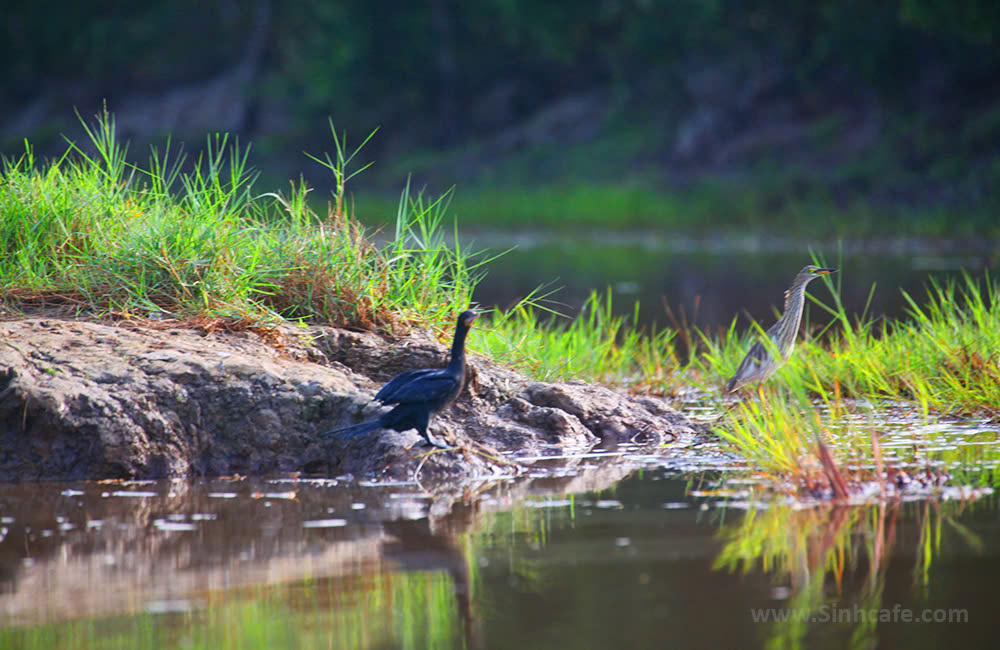
Waterbirds forage across the shallow wetlands and mangrove channels of Can Gio
One practical tip: don't expect Can Gio to work like a zoo where every animal is guaranteed to appear. Wildlife sightings vary with the tide, weather, time of day and location. If seeing animals is your priority, allow enough time for both the Monkey Island/Vam Sat areas and a boat or mangrove-waterway experience rather than trying to rush through several stops.
Top Things to Do in Can Gio Mangrove Forest
Cruise Through the Mangrove Channels by Boat
This is the activity that gives you the clearest sense of what Can Gio's mangrove ecosystem is actually like. If you have a choice, go for a small wooden rowboat rather than a larger canoe, it can enter narrower channels and moves slowly enough for you to see the mangrove roots, waterways and wildlife up close. Small wooden rowboats cost roughly 300,000-350,000 VND for 3-4 people, while larger canoes are around 600,000 VND for up to 8 people.
As the boat moves deeper into the forest, the canals become narrower and the mangrove canopy blocks much of the direct sunlight. You can hear the water against the boat, watch small fish and crabs around the roots, and occasionally spot birds along the banks. The quieter stretches are particularly enjoyable because the sounds of traffic and busy tourist areas gradually disappear in Can Gio mangrove forest.
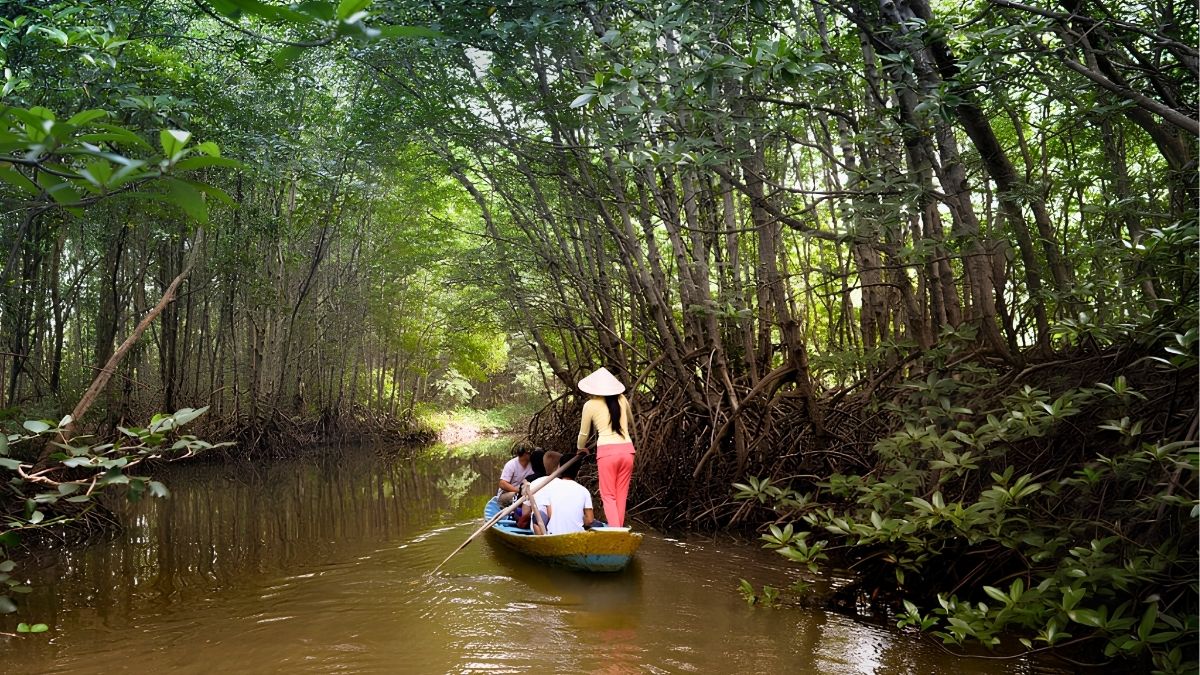 Cruise through the mangrove channels by boat (Source: Collected)
Go in the morning if possible. The temperature is more comfortable, the light is softer for photos, and you avoid the strongest midday heat. Bring sunscreen, insect repellent, a hat and water: the mangrove canopy can still leave you exposed to heat, while mosquitoes are more noticeable around shaded, brackish waterways. Keep your belongings secure on the boat, especially when moving through narrow channels where there is little room to retrieve anything that falls into the water.
Meet the Long-Tailed Macaques on Monkey Island
Forest Park (Lam Vien Can Gio), better known as Monkey Island, is one of the easiest places in Can Gio to see long-tailed macaques up close. The monkeys move freely around the forest and are so accustomed to visitors that they may walk across the paths or approach people looking for food. This makes the encounter fun, but it also means you need to be more careful with your belongings.
Keep sunglasses, hats, plastic bags, food and anything loosely attached to you out of reach. Monkeys can grab items quickly, and trying to take something back may provoke them. It is also better not to feed them, even if they approach you. Regular feeding can make wild monkeys increasingly dependent on visitors and more likely to become aggressive when food is unavailable.
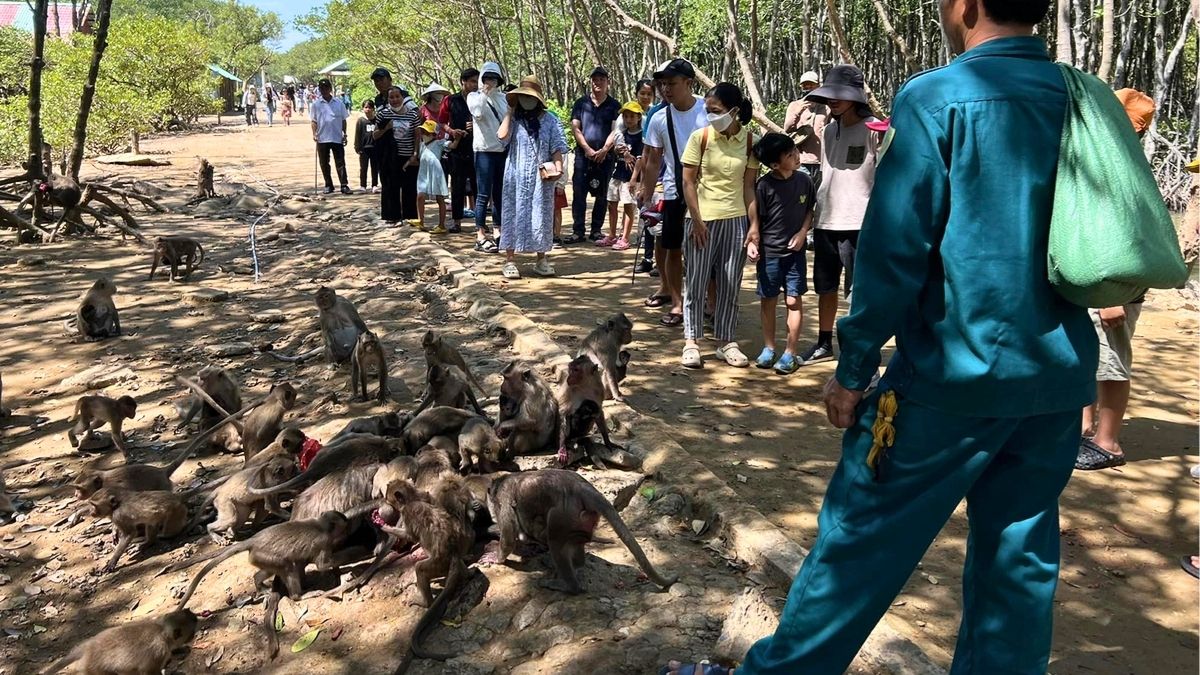 Meet the long-tailed macaques on Monkey Island (Source: VnExpress)
For the best experience, don't chase the monkeys for photos or try to touch them. Stand back and let them move around naturally. If you are visiting with children, keep them close, particularly when a monkey approaches unexpectedly.
Spot Crocodiles at Vam Sat Ecotourism Area
Vam Sat is one of the best places in Can Gio for seeing wildlife at close range without having to search through the mangroves. The main attraction is its managed crocodile area, where you can observe large saltwater crocodiles from a safe viewing point. If you want a more active experience, crocodile fishing is also available for an additional fee, allowing you to use bait to attract the crocodiles closer to the platform.
Don't stop at the crocodile area, though. Vam Sat has several experiences worth combining in the same visit. Bat Lagoon is home to large fruit bats that can be seen hanging from the trees around the water, while the Tang Bong observation tower rises about 26 metres (85 feet) above the forest canopy. The climb is worth doing on a clear morning, when you can see the mangrove canopy, waterways and surrounding wetlands from above.
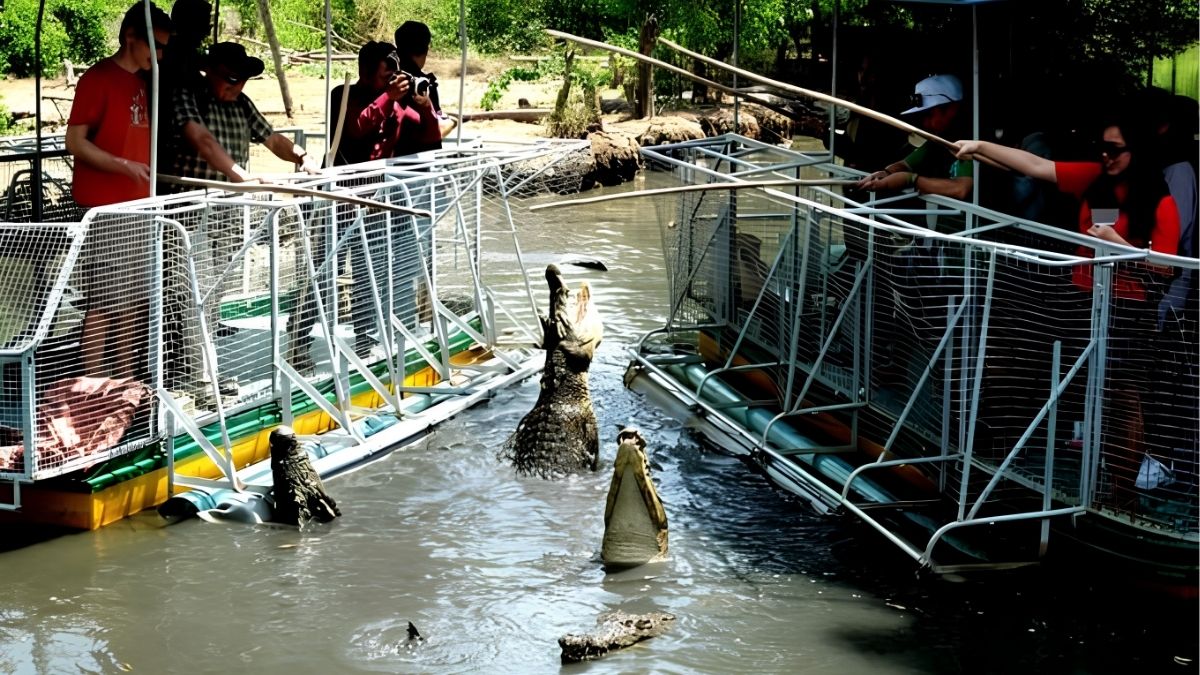 Spot crocodiles at Vam Sat ecotourism area (Source: vamsat.vn)
Allow at least 1.5-2 hours for Vam Sat if you want to do more than just see the crocodiles. Start with the tower before the heat becomes intense, then move to the crocodile area and other attractions. Bring water and wear comfortable shoes, as you will be walking and climbing stairs between the different areas.
Walk the Rung Sac Guerrilla Base Historic Site
The Rung Sac Guerrilla Base offers a very different experience from the wildlife attractions at Can Gio. You can reach the site by a roughly 25-minute walk through the forest or by a canoe ride of around 10 minutes. Canoe fees are often not included in group tours and may cost around 600,000-900,000 VND per boat, depending on the operator.
The reconstructed site includes bunkers, a field kitchen, meeting areas and medical facilities that illustrate how the guerrilla forces lived and operated in the mangrove during the war. If you have already spent the morning seeing monkeys and crocodiles, this is a good place to slow the pace down. Take time to walk through the forest, read the information boards and look at how the reconstructed structures are positioned among the mangroves.
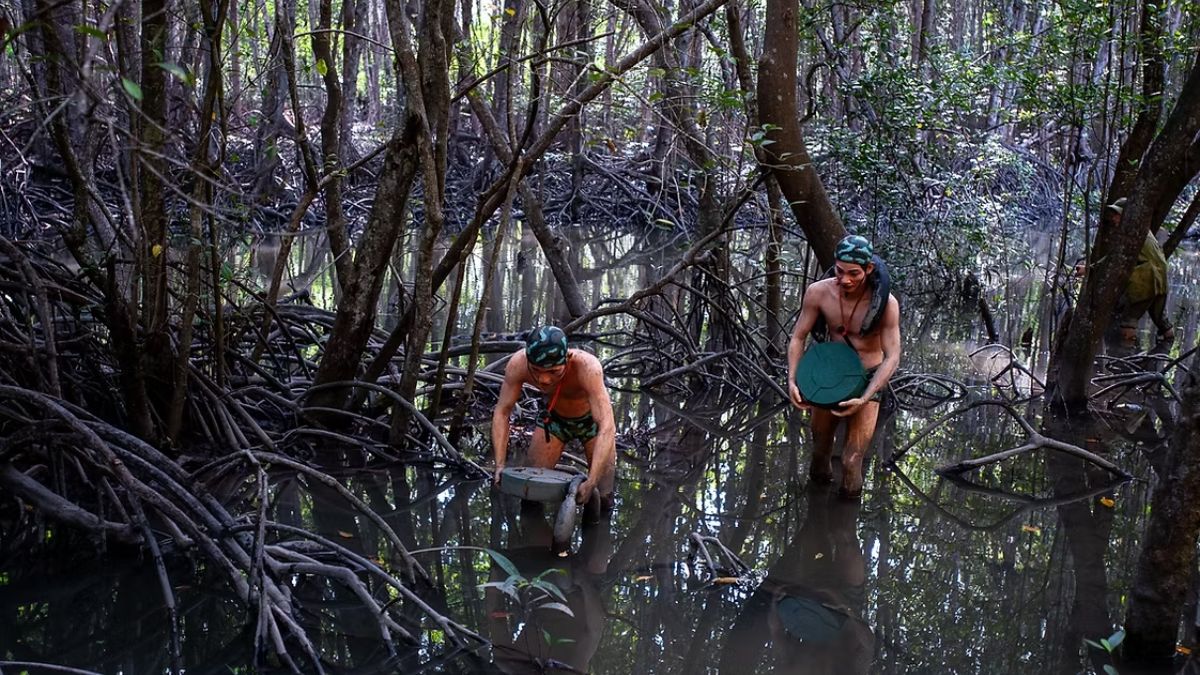 Walk the Rung Sac Guerrilla Base Historic Site (Source: MangroveVN)
Wear comfortable shoes if you choose the walking route, especially after rain when sections of the forest path can become muddy. If you're short on time or traveling during the hotter part of the day, the canoe is the more comfortable option.
Birdwatch at Dawn or Dusk
If birds are the priority rather than a bonus, timing matters more than almost anything else on this list. The most interesting period at Vam Sat is generally the nesting season from April to October, when large numbers of birds gather in the sanctuary. Recent field surveys in the Can Gio bird sanctuary planning zone recorded 57 bird species, including 18 waterbird species, so there is more to see than just the large storks and egrets.
|
When to visit |
What you can expect |
|
Around sunrise |
Birds leave their roosts to feed, making this one of the best times for active birdwatching |
|
Late afternoon |
Birds gradually return to their roosting areas as the day cools, offering another good viewing window |
|
Midday |
Bird activity is generally quieter, and the heat can make waiting at observation points less comfortable |
From the observation tower, you can watch birds moving between the mangrove canopy and waterways rather than simply seeing individual birds perched nearby. During the nesting season, you may also see birds carrying twigs back to their nests or feeding young.
If you're serious about birdwatching, bring binoculars rather than relying on your phone camera. Many birds stay across the waterways or high in the canopy, making them difficult to photograph clearly with a phone. Wear comfortable, muted clothing, move slowly around observation points, and keep conversations quiet when birds are nearby at Can Gio mangrove forest.
Read more: Monkey Island Can Gio: What to Know Before You Go
Sample Local Seafood in Can Thanh Town
Can Thanh is a convenient place to eat after a morning in the mangroves, with seafood restaurants around Duyen Hai and local markets where fresh catches are displayed before ordering. Can Gio is commonly caught or raised locally, with shrimp, crab, squid, snails and other shellfish among the typical choices (Source: VnExpress).
If the goal is to make the meal part of the experience rather than simply finding the nearest restaurant, these are practical options:
- Quan Song Chi: a seafood restaurant on Duyen Hai with a broad seafood menu and a convenient location in Can Thanh. A suitable choice for a proper sit-down lunch.
- Quan Ngoc Han - Hong Gio Bien: a more casual local option around Can Thanh, suitable for a relaxed seafood meal.
- Can Thanh Fishing Port: a useful stop for seeing the local fishing side of Can Gio and getting a sense of where much of the area's seafood comes from.
- Dong Hoa Seafood Market: an option for seeing and buying fresh seafood, particularly for travelers interested in the market experience.
For a more local-style experience, Hang Duong Market is worth considering. Seafood such as crab, mantis shrimp, snails and fish can be selected at the market and prepared nearby, making the meal more interactive than simply ordering from a restaurant.
 Hang Duong Market (Source: Bao Dan Viet)
For a day trip, 11:30 AM-1:00 PM is a practical time for lunch after the morning wildlife activities. Ask the price by kilogram or per dish before ordering, especially for crab, shrimp and shellfish, and check whether cooking charges are separate. Weekend visits can be busier, so arriving around the start of lunch service is more convenient.
Best Time to Visit Can Gio Mangrove Forest
Can Gio can be visited year-round, but the experience changes noticeably between the dry and rainy seasons. December to April is generally the easier period for outdoor activities, while May to November brings more humidity and rainfall.
|
Period |
What to expect |
Best for |
|
December-April |
Hot but generally drier, with clearer skies and less chance of rain interrupting outdoor activities |
Boat trips, walking, wildlife viewing and full-day itineraries |
|
May-November |
Hot, humid and more prone to afternoon rain. Showers can arrive quickly, so outdoor plans need more flexibility |
Travelers who don't mind rain and want a greener, quieter experience |
|
Early morning |
Cooler than midday, with better conditions for walking, boating and wildlife observation |
Best overall time of day |
|
Midday |
Stronger heat and humidity can make walking through the forest less comfortable |
Lunch or indoor/rest stops |
|
Late afternoon |
Temperatures become more manageable, with another good window for wildlife and birdwatching |
Birdwatching and photography |
How to Get to Can Gio from Ho Chi Minh City
Can Gio is currently connected to the rest of the city only by ferry, there is no bridge yet, though one has been approved, so every route from central Saigon funnels through the same crossing point: Binh Khanh Ferry.
By Motorbike
A motorbike is the most flexible option for a day trip, especially if the itinerary includes several stops such as Monkey Island, Vam Sat and Can Thanh.
- Route: Central Ho Chi Minh City → Nguyen Van Linh → Huynh Tan Phat → Binh Khanh Ferry → Rung Sac Road → Can Gio
- Ferry fare: 8,000 VND per motorbike per crossing under the 2026 fare schedule (Source: Bao Thanh Nien).
- Travel time: Around 1.5-2 hours each way, depending on traffic and the final destination (Source: VNExpress).
- Best for: Independent travelers who want to move between attractions without waiting for buses.
- Practical tip: The road through Can Gio is relatively open and exposed, so sunscreen, water and suitable riding gear are worth bringing.
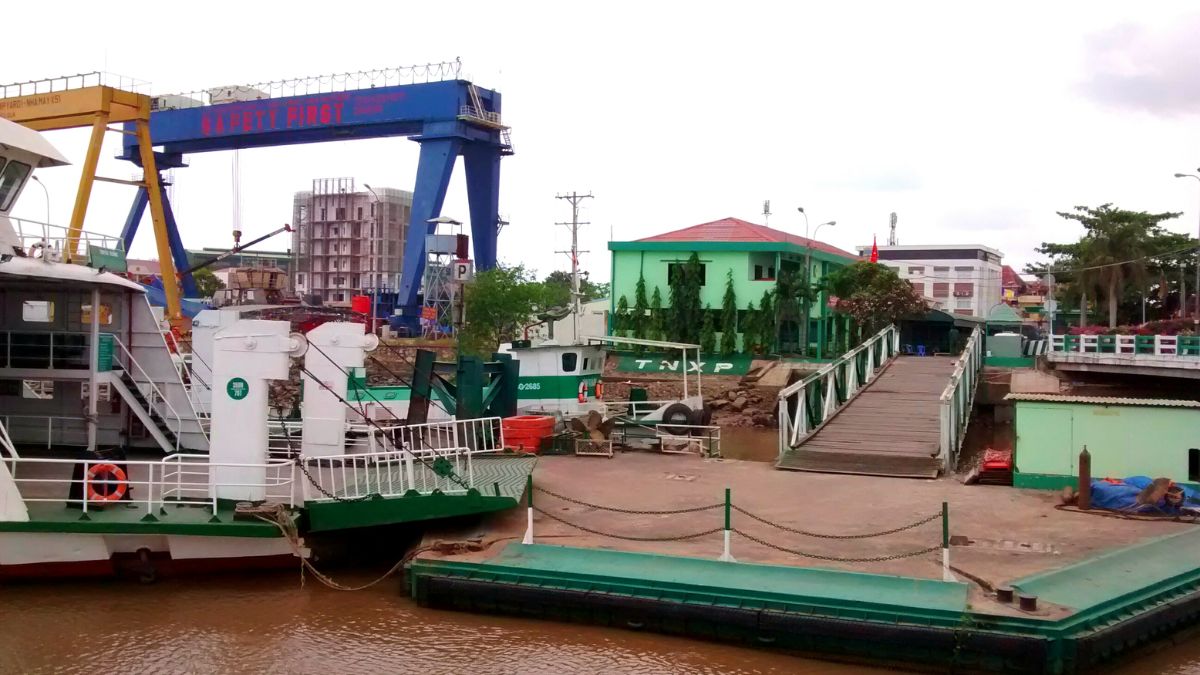 Binh Khanh Ferry (Source: wikipedia)
By Car or Taxi/Grab
A private car is more comfortable in the heat and makes sense for families or groups carrying bags and camera equipment.
- Binh Khanh Ferry: A car under 7 seats currently falls within the 35,000-42,000 VND per-crossing range, depending on the applicable fare category. Larger vehicles cost more (Source: Bao Thanh Nien).
- Best for: Families, groups and travelers who prefer door-to-door transport.
- Practical tip: A pre-booked private car is more convenient than relying on Grab for the return trip, particularly if the itinerary finishes at Vam Sat or another area away from Can Thanh.
By Local Bus
There are two practical bus options, but they work differently:
- Bus 75: Runs from 23/9 Park to Can Thanh Bus Station, providing the simplest public-transport option for reaching central Can Gio. A current fare reference lists the ticket at around 30,000 VND, with the journey taking roughly 2 hours 10 minutes.
- Bus 20 + Bus 90: Take Bus 20 from central Ho Chi Minh City to Binh Khanh Ferry, cross the ferry, then continue by Bus 90 toward Can Gio. Bus 20 currently costs around 6,000 VND.
For a first-time visitor, Bus 75 is simpler because there is no need to arrange the ferry and another bus separately. Bus 20 + 90 is better suited to travelers who want the lowest-cost route and don't mind transfers.
The current fares took effect on March 18, 2026. Weekends and public holidays can mean longer queues, so arriving at Binh Khanh early is particularly useful for a day trip.
The biggest variable is not the distance itself but traffic before Binh Khanh Ferry and the waiting time at the ferry terminal. If you're doing Can Gio as a single day trip, which is very doable, leave no later than 7:00-7:30am. This gets you across the ferry and into the reserve before the mid-morning heat and the bulk of tour buses, leaves a full day for boating, Monkey Island, Vam Sat, and lunch, and still gets you back across the ferry and into the city before the early-evening traffic squeeze on the Saigon side, which can add a genuinely frustrating 30-45 minutes if you're crossing back after 5pm.
Planning a Can Gio Trip with Sinh Cafe
If arranging the ferry, transport and different stops feels complicated, Sinh Cafe provides organized travel services for travelers who prefer a more structured itinerary. The company offers tours and travel arrangements from Ho Chi Minh City, making it an alternative to planning every part of a Can Gio day trip independently.
This can be particularly useful for first-time visitors, solo travelers and travelers with limited time, as transport and sightseeing can be arranged as part of the same trip instead of having to coordinate buses, ferry crossings and separate attractions. Check the current itinerary, inclusions and departure details before booking, as tour schedules and prices can change.
For organized Can Gio travel options and current tour information, see Sinh Cafe.
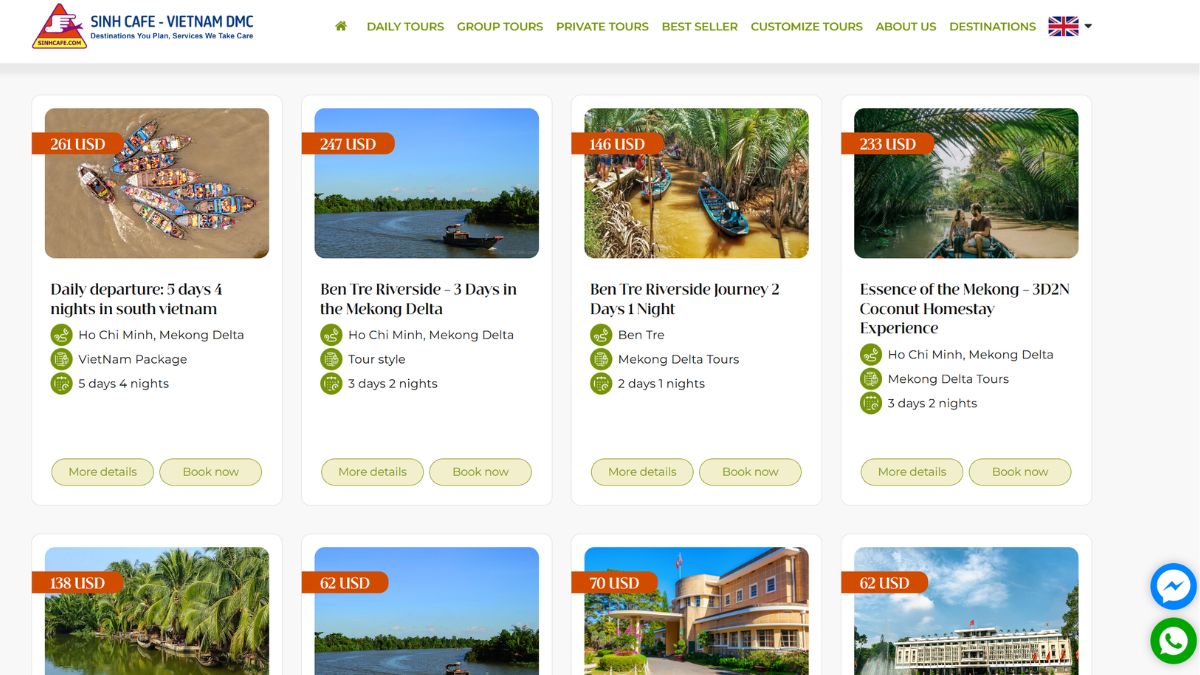 Planning a Can Gio Trip with Sinh Cafe
FAQ
Is Can Gio Mangrove Forest worth visiting from Ho Chi Minh City?
→ Yes. It offers a different experience from the city, with mangrove waterways, wildlife, and the Rung Sac historical site.
How far is Can Gio from Ho Chi Minh City?
→ Around 40-60 km, depending on your destination, with a typical journey of 1.5-2 hours each way.
Can I visit Can Gio Mangrove Forest in one day?
→ Yes. Leave around 7:00-7:30 AM to fit in the main attractions and return before evening traffic.
Are the monkeys at Can Gio dangerous?
→ They can grab loose items such as food, hats and sunglasses. Do not feed or touch them, and keep belongings secured.
What's the best time of year to visit Can Gio?
→ December to April is generally more comfortable and drier. The rainy season is still suitable, but allow extra time for sudden showers.
Share via




Related articles
Hanoi or Ho Chi Minh City: Which Vietnamese Experience Fits Your Travel Style?
Posts | 11/06/2026
6-Day Vietnam Slow Travel Itinerary for Couples
Posts | 16/06/2026
Binh Tay Market Saigon: History, architecture, shopping & Food guide
Posts | 09/01/2026
Phan Thiet night market: The ultimate guide for first-time visitors
Posts | 25/04/2026









There are no reviews yet