


Bali or Vietnam: Which Destination Is Better for Your Southeast Asia Trip?
For many travelers planning their first trip to Southeast Asia, the decision often comes down to two destinations Bali or Vietnam
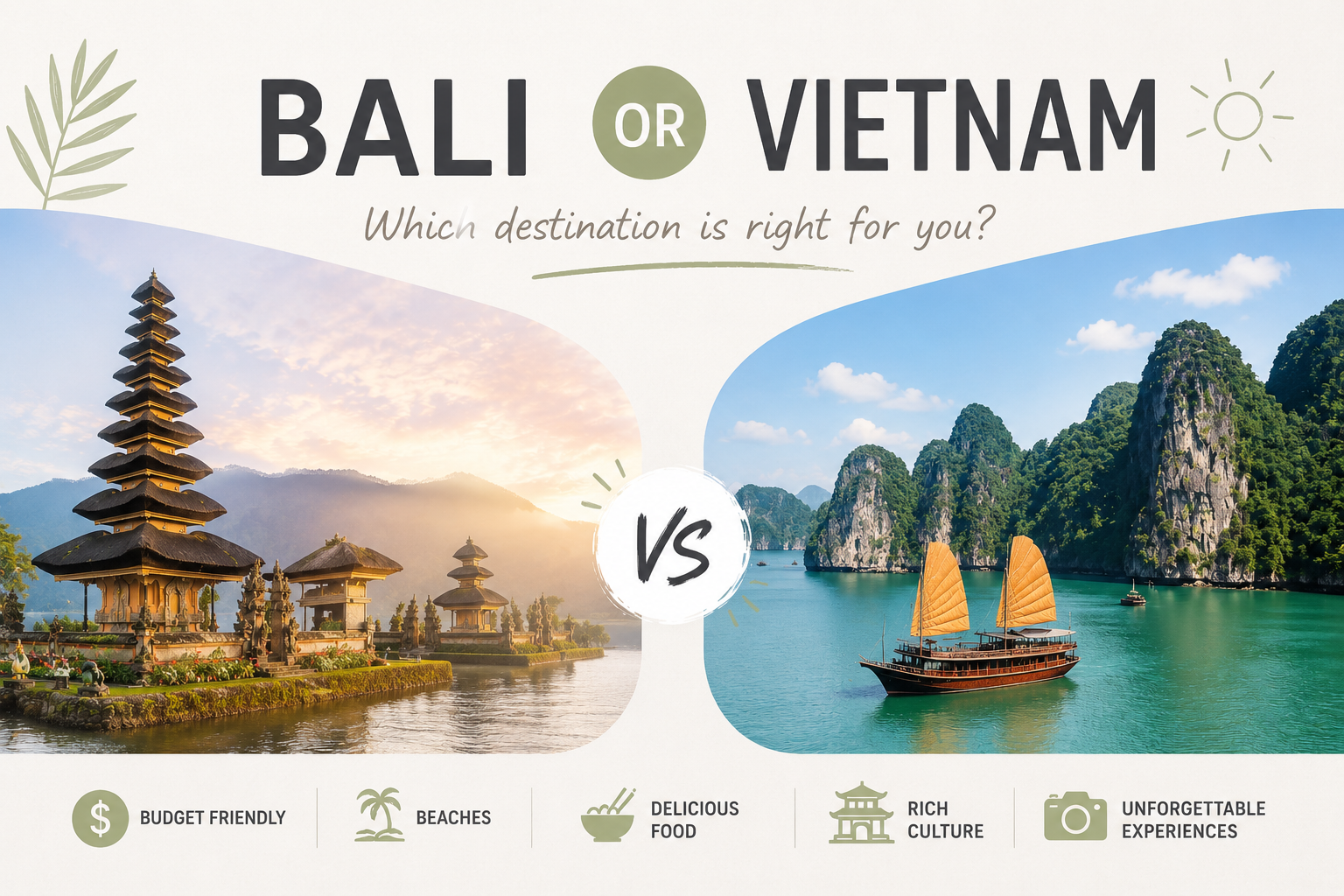
At first glance, they seem to offer many of the same things, beautiful scenery, fascinating culture, delicious food, and relatively affordable travel costs. Yet after helping international visitors explore Vietnam for more than three decades, the team at Sinh Cafe Travel has found that travelers are often surprised by how different these destinations actually are.
Bali is best known for its island lifestyle, beach culture, wellness retreats, and laid-back atmosphere. Vietnam, meanwhile, offers a much broader journey, where travelers can experience mountain landscapes, UNESCO heritage sites, vibrant cities, tropical beaches, and one of Asia's most celebrated food cultures within a single trip. The better choice ultimately depends on what kind of travel experience you're looking for.
Bali vs Vietnam at a Glance
While both destinations are popular among international travelers, they tend to appeal to slightly different travel styles. Bali is often associated with relaxation, surfing, yoga retreats, beach clubs, and slow travel. Vietnam attracts travelers seeking a more varied journey that combines culture, food, history, nature, and adventure.
Many visitors who have experienced both destinations describe Bali as a destination where they settle into one place and enjoy the atmosphere, while Vietnam feels more like a journey where every region offers something new to discover.
|
Feature |
Bali |
Vietnam |
|
Travel Style |
Relaxed island lifestyle, wellness, surfing |
Multi-destination journeys, culture, food, adventure |
|
Geography |
Compact island |
Long country with diverse regions |
|
Ideal Trip Length |
5-10 days |
10-21 days |
|
Food Scene |
Cafés, international cuisine, fusion |
Strong regional street food culture |
|
Beaches |
Central to the experience |
One part of a larger journey |
|
Adventure |
Surfing, diving, volcano hikes |
Trekking, caves, motorbiking, cruises |
|
Cost (avg/day) |
$40-70+ |
$30-60 |
|
Best For |
Couples, honeymoon, relaxation |
Explorers, food lovers, culture seekers |
Why Travelers Often Compare Bali and Vietnam
Bali and Vietnam frequently appear on the same Southeast Asia travel shortlist because both offer exceptional value compared to many destinations in Europe, North America, and Australia. However, the similarities largely end there.
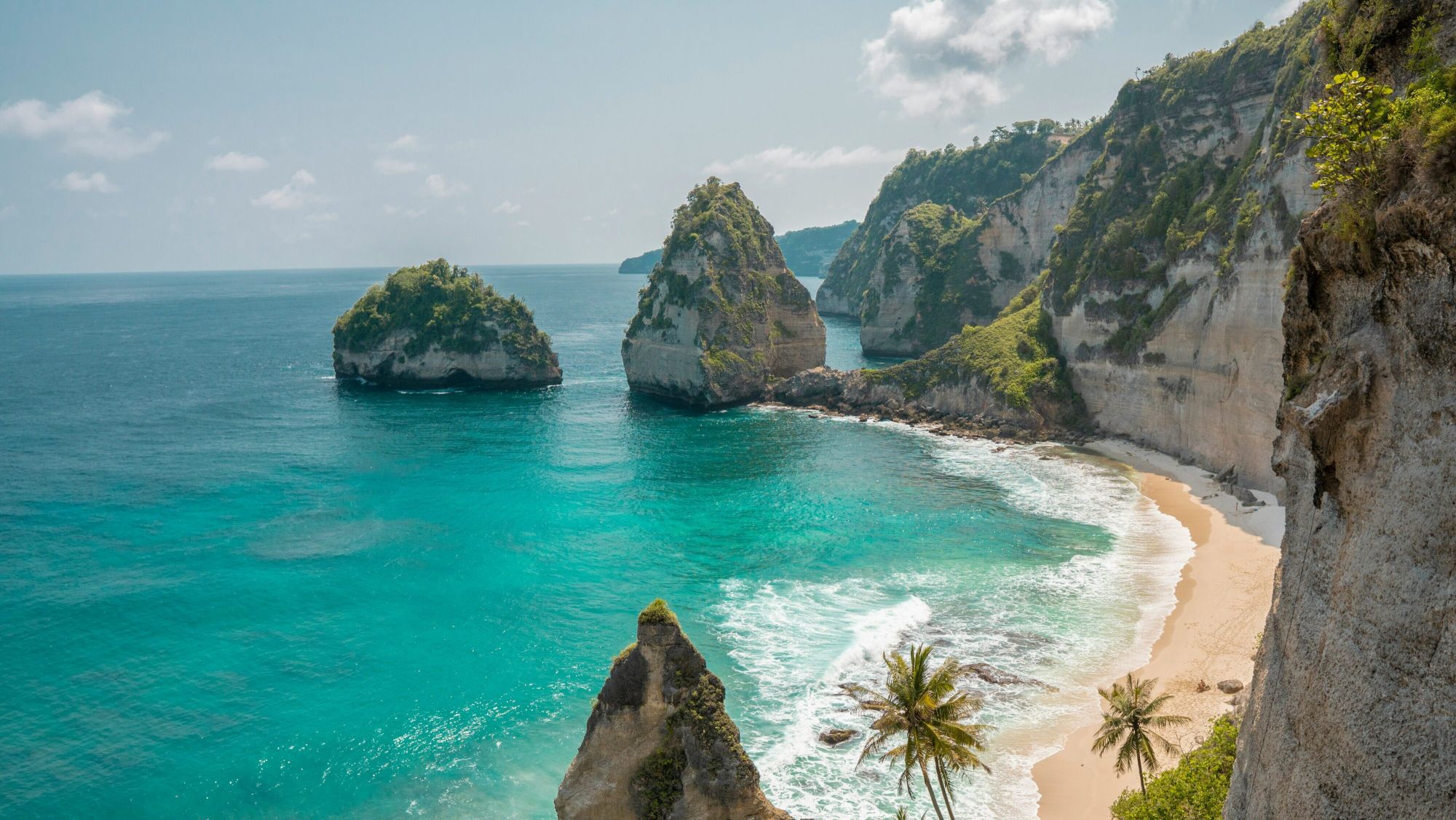
Bali Island (Source: VNExpress)
Bali is a relatively compact island where travelers can move between beaches, rice terraces, temples, and cafés within a few hours. Vietnam stretches more than 1,600 kilometers from north to south, creating dramatic differences in landscapes, climate, cuisine, and culture.
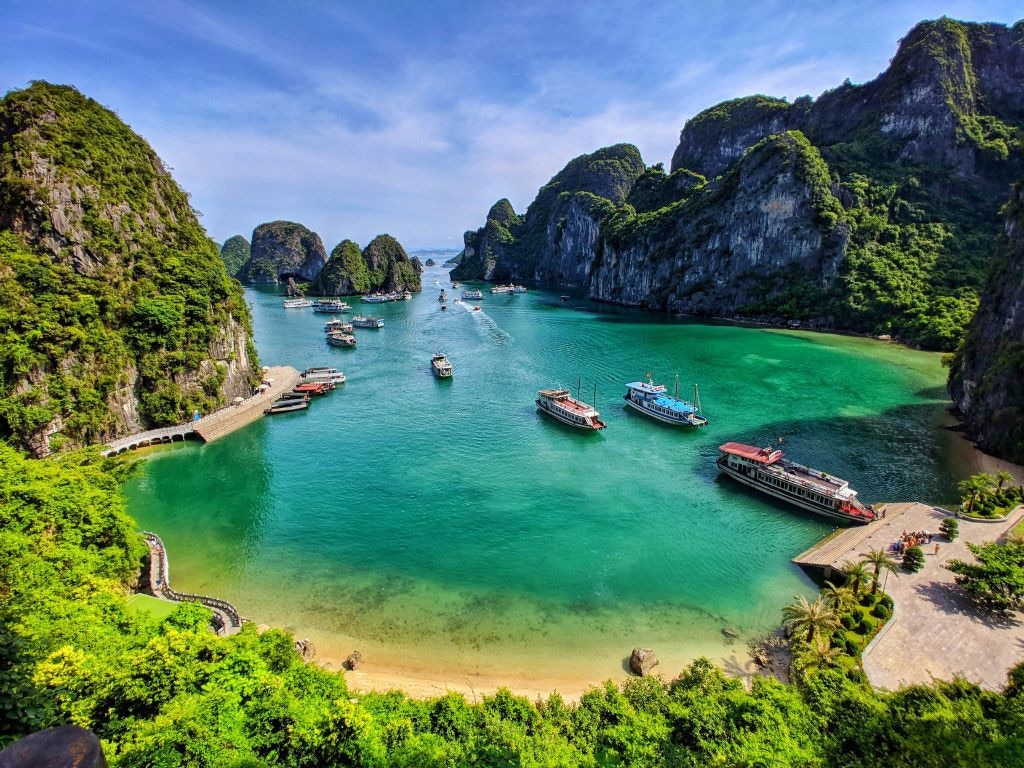
Halong Bay VietNam (Source: Thanh nien Newspapers)
According to travel experts at Lonely Planet, Vietnam and Bali actually complement one another well because they offer distinctly different experiences despite sharing the appeal of Southeast Asian hospitality, culture, and affordability.
Bali vs Vietnam: The Biggest Differences
One of the most noticeable differences becomes clear within the first few days of arrival. In Bali, many travelers settle into a favorite café, spend afternoons at the beach, enjoy wellness experiences, and move at a relaxed pace. The destination encourages visitors to slow down and enjoy the moment. Vietnam tends to create a different rhythm. Travelers often find themselves moving between destinations, exploring different regions, trying new foods, and constantly encountering new landscapes.
One week might include cruising through Ha Long Bay, exploring the lantern-lit streets of Hoi An, and discovering the energy of Ho Chi Minh City. Many visitors arrive expecting a single destination and leave feeling as though they have experienced several countries in one journey.
Bali or Vietnam for Beaches and Island Escapes

Bali Island (Source: Collected)
For many travelers imagining a tropical beach getaway, both Bali and Vietnam can deliver that experience, but the feeling on the ground is noticeably different.
In Bali, the beach scene is closely tied to everyday lifestyle. Places like Canggu, Seminyak, and Uluwatu are often busy throughout the day, with people moving between surf breaks, cafés, beach clubs, and sunset spots. The atmosphere tends to feel social and energetic, especially in the late afternoon when the coastline fills with visitors gathering to watch the sunset.
In Vietnam, the coastline feels less uniform and more varied depending on where you go. Some travelers prefer the calm island setting of Phu Quoc, where long stretches of sand feel more relaxed and spread out. Others head to Da Nang for a mix of beach time and city convenience, or choose quieter destinations like Con Dao for a more secluded experience.
Rather than being defined purely by beach culture, Vietnam’s coastal areas are often part of a wider journey, where a beach stop might sit between a city visit or a cultural route. Bali, by contrast, often becomes the main focus of the trip itself.
Bali or Vietnam for Food Lovers
One thing we frequently hear from travelers visiting Vietnam is that the food exceeds their expectations. Many arrive expecting beautiful landscapes but leave talking about street-food stalls, local markets, and regional specialties.
What makes Vietnam particularly memorable is how dramatically the cuisine changes from region to region. A bowl of pho in Hanoi feels completely different from the dishes found in Central Vietnam or the flavors of the south.
As highlighted by Vogue's guide to Vietnamese cuisine, Vietnam's culinary identity extends far beyond a handful of famous dishes, reflecting centuries of regional traditions and local ingredients.
Bali has developed an impressive food scene of its own, particularly around Ubud and Canggu, where international restaurants, cafés, and wellness-focused dining experiences are everywhere. However, travelers seeking culinary diversity often find that Vietnam offers a deeper and more varied food journey.
Bali or Vietnam for Culture and Local Experiences
Culture is one of the strongest reasons to visit either destination. In Bali, traditional Hindu beliefs remain deeply woven into everyday life. Visitors encounter temples, ceremonies, and offerings almost everywhere they go.
Vietnam offers a different kind of cultural experience. Rather than one dominant cultural identity, travelers encounter remarkable diversity across the country. Ancient trading towns, imperial cities, floating markets, ethnic minority villages, and traditional craft communities all contribute to a rich cultural landscape.
For many visitors, one of the most rewarding aspects of traveling through Vietnam is seeing how each region maintains its own traditions, architecture, and culinary identity.
Bali or Vietnam for Adventure and Outdoor Activities

The Gates of Heaven, Bali, Indonesia (Source: Collected)
Adventure in both Bali and Vietnam tends to attract active travelers, but the experience feels quite different once you are actually there. In Bali, outdoor activities are often centered around the coastline and volcanic landscape. Many travelers start their day early for a sunrise hike up Mount Batur, where the climb begins in the dark and ends with views of the island slowly lighting up. During the day, the focus usually shifts back to the ocean, with surfing in Canggu, diving trips around nearby islands, or snorkeling in calmer bays.

Surfing is loved by many visitors (Source: Dong Nai Newspaper)
In Vietnam, adventure feels less concentrated in one type of landscape and more like a journey that changes as you move. In the north, travelers often describe the drive through Ha Giang as one of the most memorable parts of their trip, with winding mountain passes and remote villages along the way.

Ha Giang Loop (Source: Dan Tri)
Further south, trekking routes in Sapa pass through rice terraces and ethnic minority villages, while Ha Long Bay offers a slower kind of adventure on the water. In central Vietnam, the cave systems of Phong Nha create an entirely different environment again, with underground rivers and vast limestone formations.
For travelers who enjoy the feeling of constantly moving through different environments rather than staying in one setting, Vietnam often leaves a stronger impression.
Bali or Vietnam for Budget Travelers
Both Bali and Vietnam are often considered affordable destinations by international standards, but I find the way your budget translates into actual travel experiences feels quite different.
In Bali, costs can vary depending on your travel style. In areas like Canggu or Seminyak, it’s easy to find everything from budget guesthouses to luxury villas. In my experience, daily spending often builds up around lifestyle choices like cafés, beach clubs, surfing lessons, and getting around between spots, so the budget feels more concentrated within a smaller area.
In Vietnam, I’ve always felt that the budget stretches in a different way. It’s not only about lower costs, but about how much you can experience within the same trip. I’ve seen travelers move from Hanoi to Ha Long Bay, then continue to places like Sapa or Ninh Binh, and further down to Hoi An or Ho Chi Minh City without feeling like they are overspending on transportation or activities.
What stands out most to me is the sense of variety. In just a few days, the scenery, food, and atmosphere can change completely. That constant shift is what often makes Vietnam feel like it offers more value - not just in price, but in the overall experience of the journey.
Bali or Vietnam for Couples and Honeymoon Travelers
Couples can enjoy memorable experiences in either destination. Bali is famous for private villas, luxury resorts, spa treatments, and romantic sunsets. The atmosphere naturally lends itself to slow mornings, wellness experiences, and relaxing evenings.

Relax time with villa in VietNam (Source: VNExpress)
Vietnam offers a different kind of romance. A couple might spend one day cruising through Ha Long Bay, another exploring the historic streets of Hoi An, and another relaxing on the beaches of Central Vietnam. The appeal lies in sharing a journey filled with changing scenery and experiences.

Play golf on Halong Bay Cruise (Source: VNExpress)
The choice often comes down to whether you prefer a relaxing island escape or a more varied adventure together.
Bali or Vietnam for First-Time Visitors to Southeast Asia
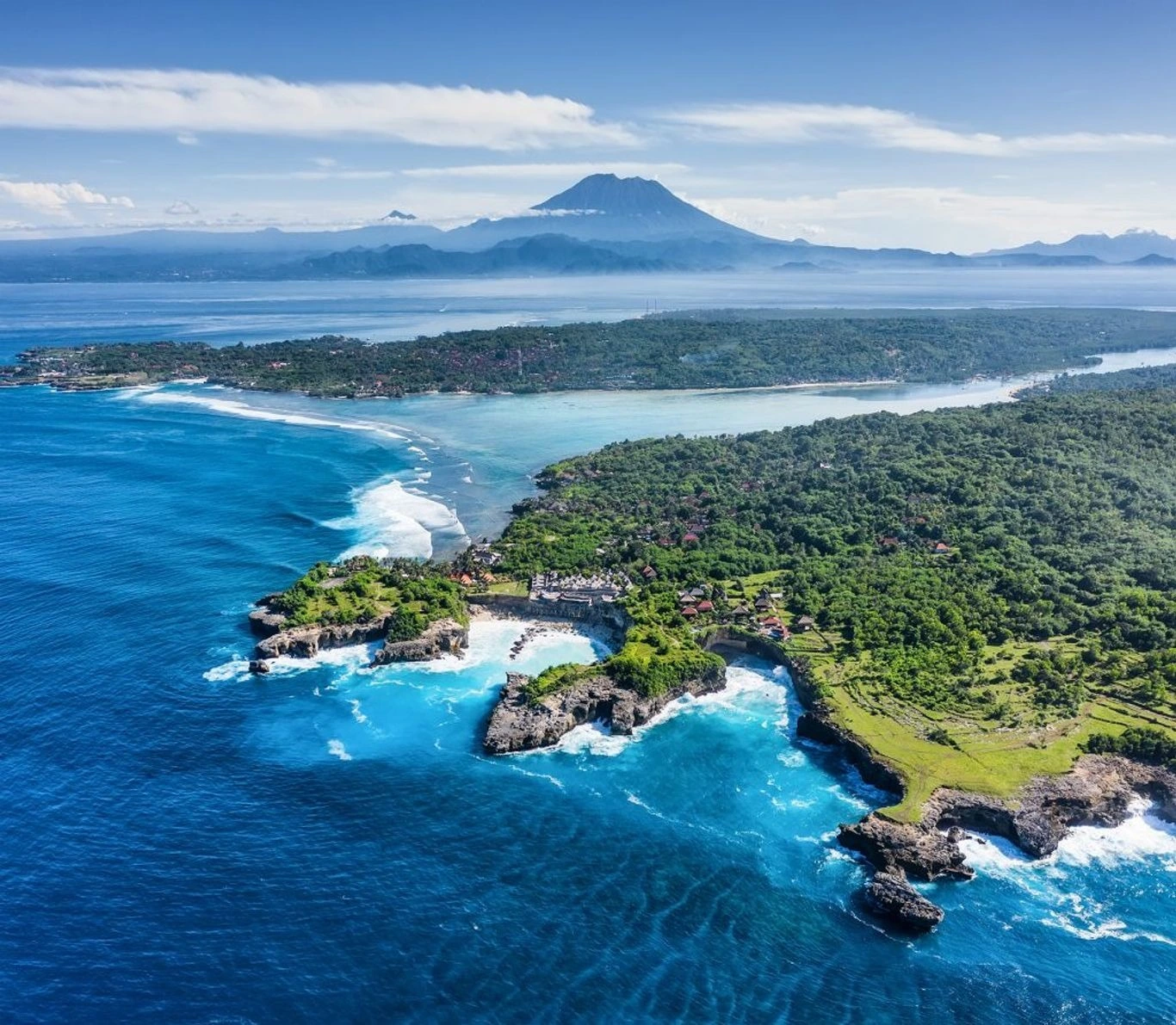
Beach in VietNam (Source: Thanh Nien Newspaper)
For first-time visitors to Southeast Asia, the decision often depends on what they hope to gain from the trip. Travelers looking for a classic tropical island experience frequently gravitate toward Bali. It offers beautiful beaches, a welcoming atmosphere, and a travel style that feels easy to settle into.
Vietnam tends to appeal to those who want a broader introduction to the region. Many of the travelers who join multi-destination itineraries through Sinh Cafe Travel are surprised by how much variety they encounter within one country. A single journey can include heritage sites, mountain landscapes, local villages, vibrant cities, river deltas, and beach destinations. This diversity is one reason many visitors end up extending their stay or planning a return trip.
How Much Time Do You Need for Bali vs Vietnam?
The amount of time available can play a major role in deciding between Bali and Vietnam. While both destinations can be visited in a week, they reward travelers in different ways.
Bali is relatively compact, making it easy to experience several of its highlights in a short period. A seven-day trip is usually enough to divide your time between Ubud, Seminyak or Canggu, and perhaps one of the nearby islands such as Nusa Penida. Even with limited time, visitors can enjoy beaches, temples, rice terraces, and wellness experiences without feeling rushed.

Halong Bay VietNam (Source: VNExpress)
Vietnam, on the other hand, is much larger and more diverse. Although a week allows travelers to see one region or combine two destinations, many people find that ten days to two weeks provides a much better introduction to the country. This gives enough time to experience different landscapes, cultures, and cuisines without spending too much time in transit.
For first-time visitors, a 10-day itinerary might include Hanoi, Ha Long Bay, Ninh Binh, Hoi An, and Ho Chi Minh City. Those with two to three weeks can travel at a slower pace and add destinations such as Da Nang, Sapa, Phong Nha, the Mekong Delta, or Phu Quoc. The result is a journey that changes continuously, from mountains and limestone bays in the north to historic towns, beaches, and tropical islands in the south.
In general, Bali is easier to enjoy on a shorter holiday, while Vietnam offers greater rewards for travelers who have more time and want a wider variety of experiences.
Can You Visit Bali and Vietnam in One Trip?
Absolutely, and in my experience, it’s actually one of the most balanced ways to explore Southeast Asia. I’ve seen many travelers structure their journey by starting in Vietnam, then continuing to Bali as a final stop to slow down. Vietnam tends to feel more active and varied, with moving between cities like Hanoi, Ha Long Bay, Hoi An, and Ho Chi Minh City. By the time travelers reach Bali, the pace naturally shifts.

VinWonders Grand Park, Viet Nam (Source: Collected)
In Bali, the experience often becomes more grounded and relaxed. After days or weeks of exploring Vietnam’s changing landscapes and busy travel routes, many people describe Bali as the place where they finally pause, spending more time in one area, enjoying cafés, beaches, and quiet moments without a fixed schedule.

Cafe in Bali (Source:Thanh Nien Newspaper)
As highlighted by Lonely Planet, the two destinations actually complement each other well within a single Southeast Asia itinerary because they offer two very different travel rhythms: one focused on exploration, the other on rest.
For travelers who have the time, combining both can create a journey that feels complete rather than limited to a single travel style.
| Category | Bali | Vietnam |
|---|---|---|
| Best For | Relaxation and leisure | Exploration and variety |
| Activities | Beaches, surfing, wellness, cafés | Food, culture, history, nature |
| Travel Pace | Slow and laid-back | Active and diverse |
| Ideal Traveler | Those who prefer staying in one place | Those who enjoy visiting multiple destinations |
| Main Advantage | Peaceful and relaxing atmosphere | Wide range of experiences in one trip |
Ultimately, the choice between Bali and Vietnam comes down to the type of journey you want to have. If you're looking for a relaxing island escape centered around beaches, wellness retreats, and slow-paced travel, Bali is an excellent choice. If you want to experience diverse landscapes, regional cuisines, cultural heritage, historic cities, beaches, and adventure activities within a single trip, Vietnam often offers a broader and more varied travel experience.
Planning Your Southeast Asia Adventure?
Whether you're considering Vietnam, Bali, or a combination of both, careful planning can make a significant difference to your experience. With more than 30 years of experience helping international travelers discover Vietnam, the team at Sinh Cafe can help you build an itinerary that matches your interests, travel style, and timeframe. Explore our Vietnam tours, speak with our travel specialists, and start planning a journey designed around the experiences that matter most to you.
Share via




Related articles

5 Days in Vietnam for First Time Couples: Beyond the Tourist Trail
Posts | 08/06/2026

Halong Bay travel guide 2025: Best time, tips & top things to do
Posts | 15/12/2025

Halong Bay luxury cruise: Experience 5 stars comfort on the water
Blog | 18/03/2026

Top 3 best Ha Long Bay 3 day 2 night cruises you shouldn’t miss
Blog | 19/03/2026









There are no reviews yet