


What Is Indochina? Everything Travelers Need to Know Before Visiting
Discover what is Indochina, which countries it includes, why travelers love visiting the region, the best time to go and suggested itineraries before planning your Southeast Asia adventure.
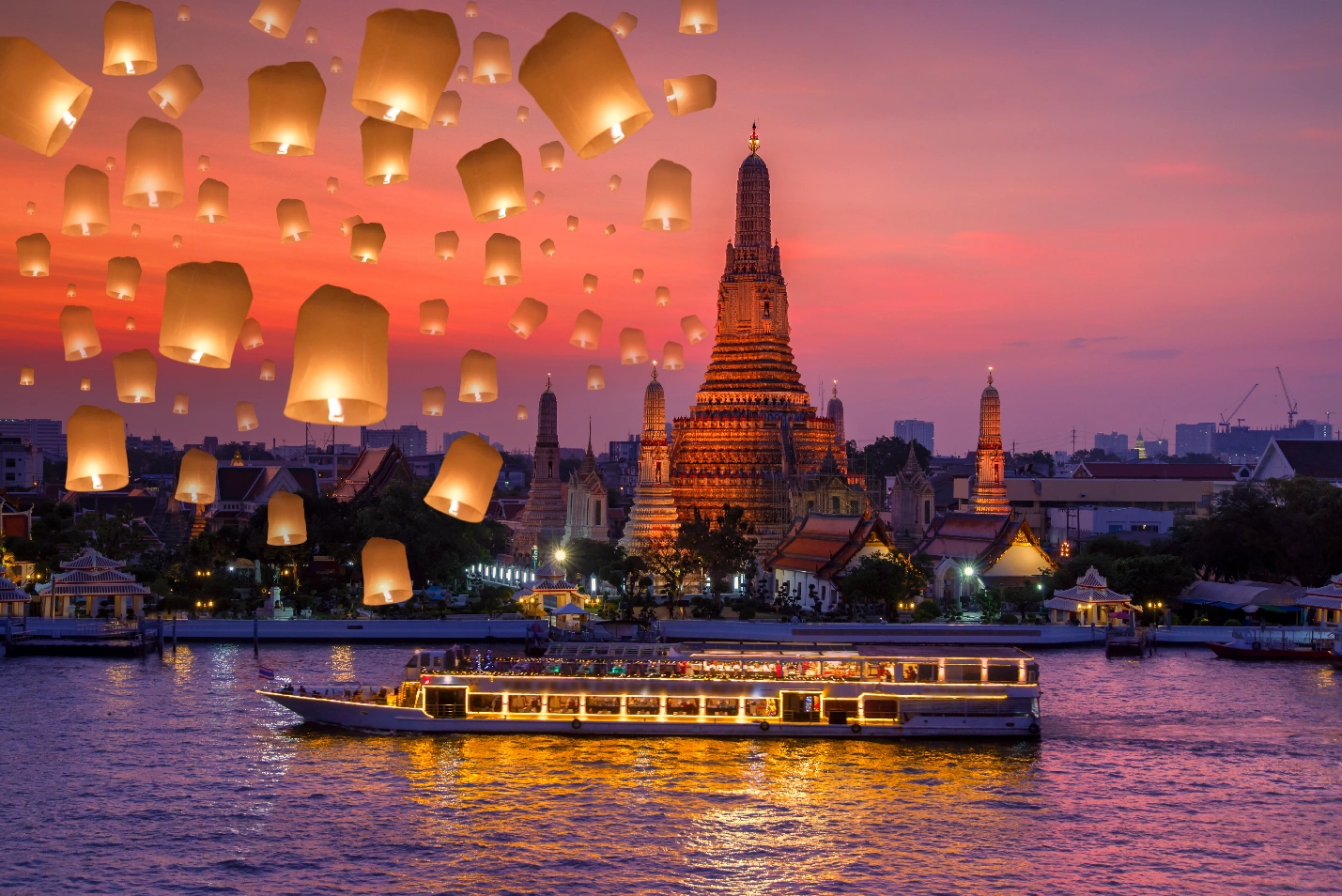
Indochina is the historic term for mainland Southeast Asia's three neighboring countries - Vietnam, Cambodia, and Laos - now most commonly used to describe multi-country tours that combine all three. If you've seen "Indochina Tour" while researching Southeast Asia trips, this guide breaks down exactly what the term means, which countries it includes, and how to plan your own journey across the region.
Indochina at a Glance
Before diving deeper into the region, here's a quick overview of the three countries that make up Indochina.
|
Country |
Best Known For |
Recommended Stay |
Signature Experiences |
|
Vietnam |
Diverse landscapes, vibrant cities and incredible cuisine |
5-8 days |
Hanoi, Halong Bay, Hoi An, Ho Chi Minh City, Mekong Delta |
|
Cambodia |
Ancient Khmer temples and fascinating history |
3-5 days |
Angkor Wat, Phnom Penh, Battambang, Tonlé Sap Lake |
|
Laos |
Relaxed atmosphere and natural beauty |
3-5 days |
Luang Prabang, Kuang Si Falls, Vang Vieng, Mekong River |
Many travelers discover that the real beauty of an Indochina journey lies in how these three countries complement one another. Vietnam offers incredible variety and energy, Cambodia reveals one of the world's greatest ancient civilizations, while Laos provides a slower pace that allows visitors to truly unwind. Experiencing all three in one itinerary creates a balanced journey that's difficult to find anywhere else in Asia.
What is Indochina?
Although Vietnam, Cambodia, and Laos are independent countries with distinct cultures and identities, they are commonly grouped together under the name Indochina. The term "Indochina" was first used by European geographers in the early 19th century to describe the mainland region of Southeast Asia located between India and China, reflecting the strong cultural influences of both civilizations. Later, during the French colonial era (1887–1954), French Indochina became the official name of the colonial federation comprising present-day Vietnam, Cambodia, and Laos.
Although the colonial administration ended decades ago, the name Indochina has remained widely recognized. Today, it is primarily used in tourism to describe the neighboring countries of Vietnam, Cambodia, and Laos, which are frequently combined into a single journey thanks to their shared history, geographical proximity, and convenient transportation connections.
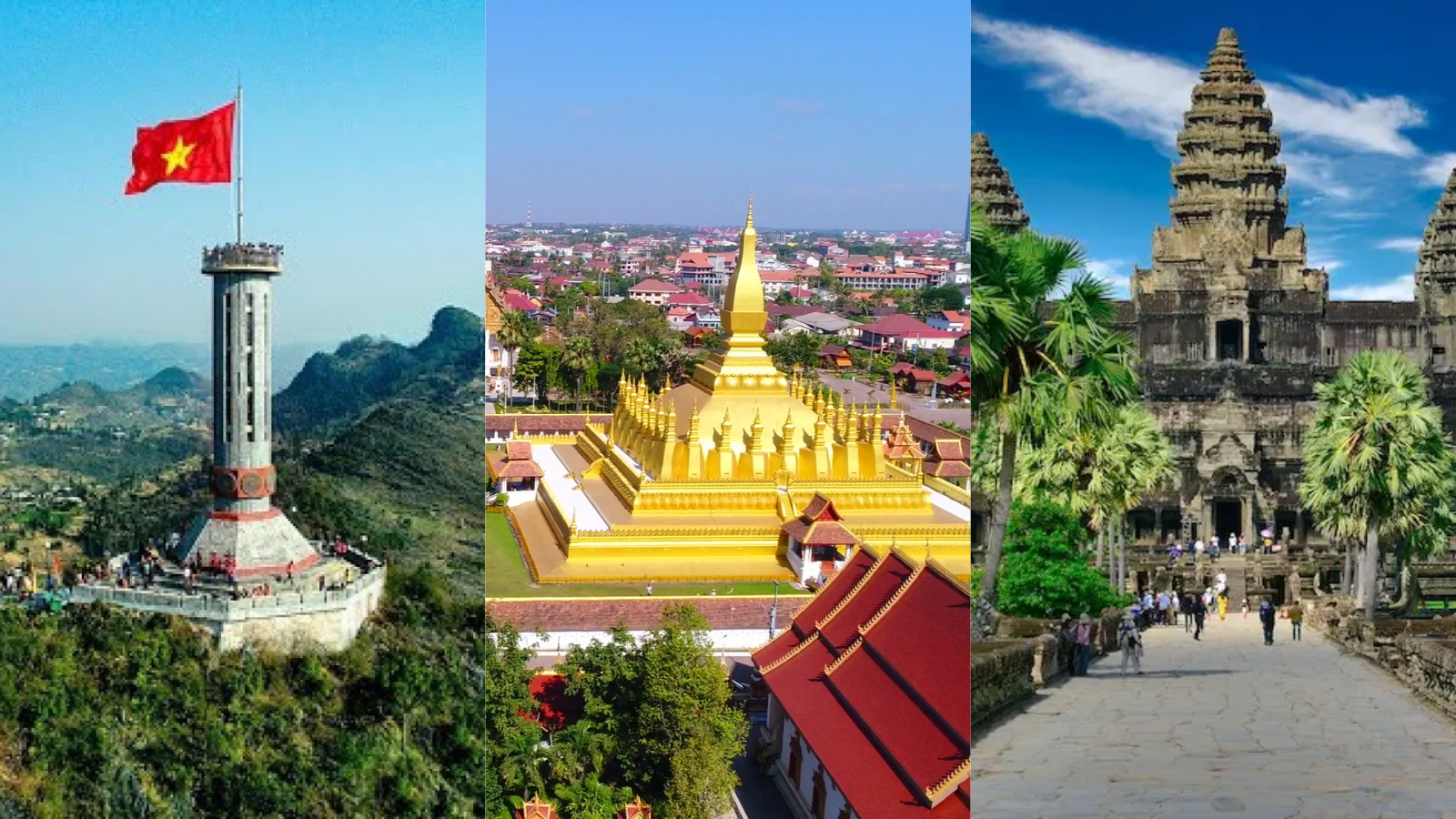
Indochina is the travel region that most commonly combines Vietnam, Cambodia and Laos (Source: Collected )
In modern tourism, the term refers to a travel region in mainland Southeast Asia where these neighboring countries are often explored as part of a single itinerary. The popularity of Indochina comes from the way these destinations complement one another. Vietnam offers diverse landscapes and vibrant cities, Cambodia is home to the remarkable temples of Angkor, while Laos provides a slower pace with peaceful towns and beautiful natural scenery. Together, they create a balanced journey that combines history, culture, cuisine, and nature.
Today, when you see an Indochina Tour, it almost always means a trip that includes Vietnam, Cambodia, and Laos. Thanks to convenient flight connections, overland border crossings, and well-established tourism infrastructure, traveling between the three countries is relatively straightforward, making Indochina one of Southeast Asia's most popular multi-country destinations.
Which countries are part of Indochina?
Although Indochina is often discussed as a single destination, it's actually a collection of three neighboring countries, each with its own identity, culture, and style of travel. Understanding what makes each one unique will help you build an itinerary that matches both your interests and the amount of time you have available.
Rather than asking which country is "better," experienced travelers often recommend thinking about how they complement one another. Vietnam brings energy and diversity, Cambodia offers extraordinary history and archaeology, while Laos provides a slower, more peaceful rhythm that balances the journey perfectly.
Vietnam: Where most Indochina journeys begin
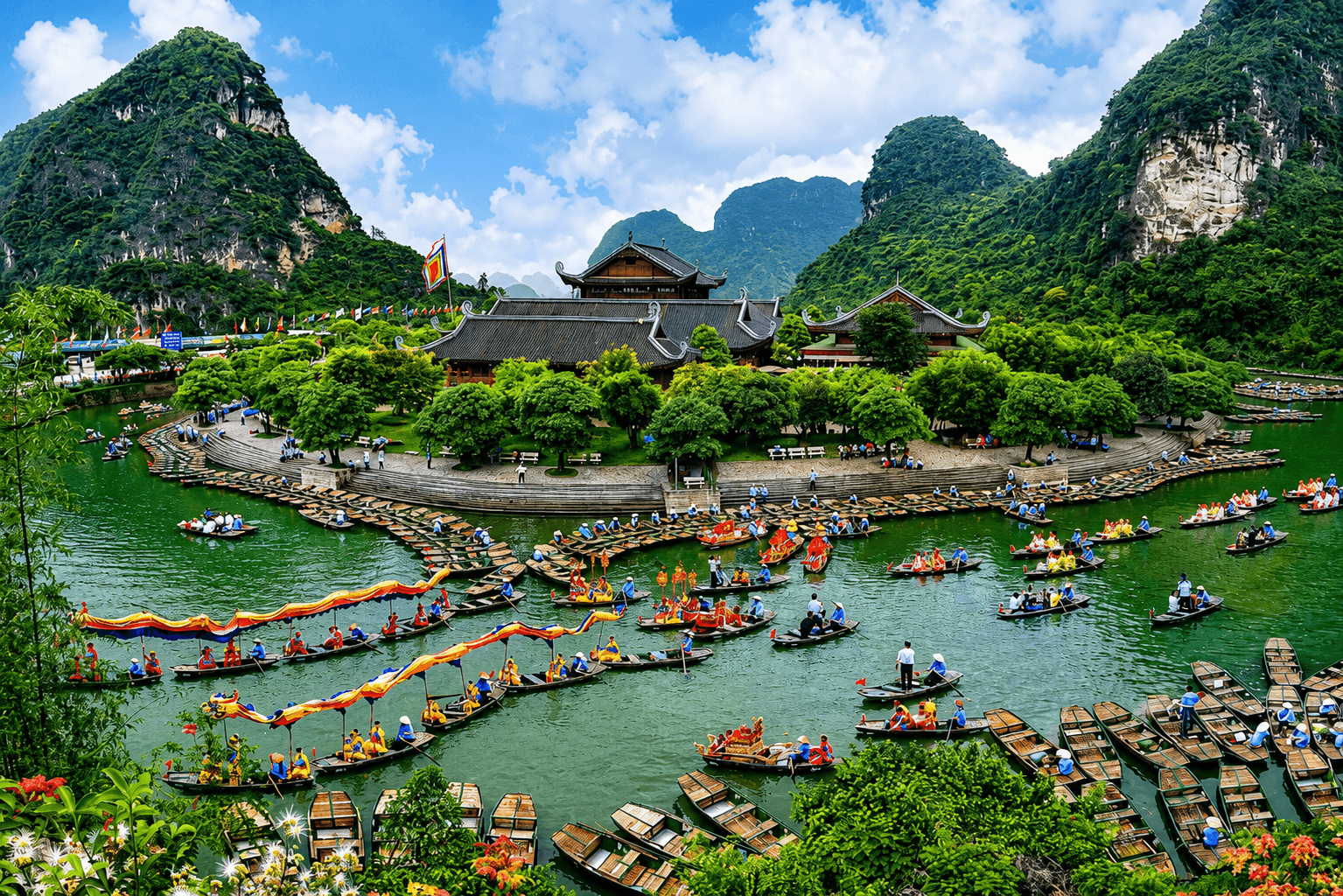
Ninh Binh Viet Nam (Source: Lao Dong Newspaper)
For many international visitors, Vietnam serves as the gateway to Indochina. Not only does it have excellent international flight connections, but it also offers one of the widest varieties of travel experiences anywhere in Southeast Asia. Whether you're interested in bustling cities, mountain landscapes, tropical beaches, or world-famous cuisine, Vietnam makes an unforgettable first impression.
Some of Vietnam's must-visit destinations include:
- Hanoi - A captivating capital where ancient temples, French colonial architecture, and vibrant street food culture exist side by side.
- Halong Bay - A UNESCO World Heritage Site renowned for its emerald waters and thousands of limestone islands best experienced on an overnight cruise.
- Ninh Binh - Often called "Halong Bay on land," featuring dramatic karst mountains, peaceful rivers, and centuries-old temples.
- Hue - Vietnam's former imperial capital, home to royal tombs, historic citadels, and a rich cultural legacy.
- Hoi An - A beautifully preserved trading port famous for its lantern-lit streets, tailor shops, riverside cafés, and unique blend of architectural influences.
- Ho Chi Minh City - A dynamic metropolis that showcases Vietnam's rapid modernization alongside fascinating historical landmarks.
- Mekong Delta - A lush network of rivers, floating markets, fruit orchards, and traditional villages that offers a glimpse into everyday life in southern Vietnam.
What surprises many first-time visitors is how dramatically Vietnam changes from north to south. Every region has its own landscape, climate, culinary traditions, and local customs, making the country feel like several destinations rolled into one. Because of that diversity, many travelers choose to spend the largest portion of their Indochina itinerary exploring Vietnam before continuing to Cambodia and Laos.
Cambodia: Where ancient history meets everyday life
For many people, Cambodia is the reason they first became interested in visiting Indochina. The country is home to Angkor Wat, one of the world's most remarkable archaeological sites and a symbol recognized far beyond Southeast Asia. Yet travelers who spend a little longer here often discover that Cambodia has far more to offer than its famous temples.
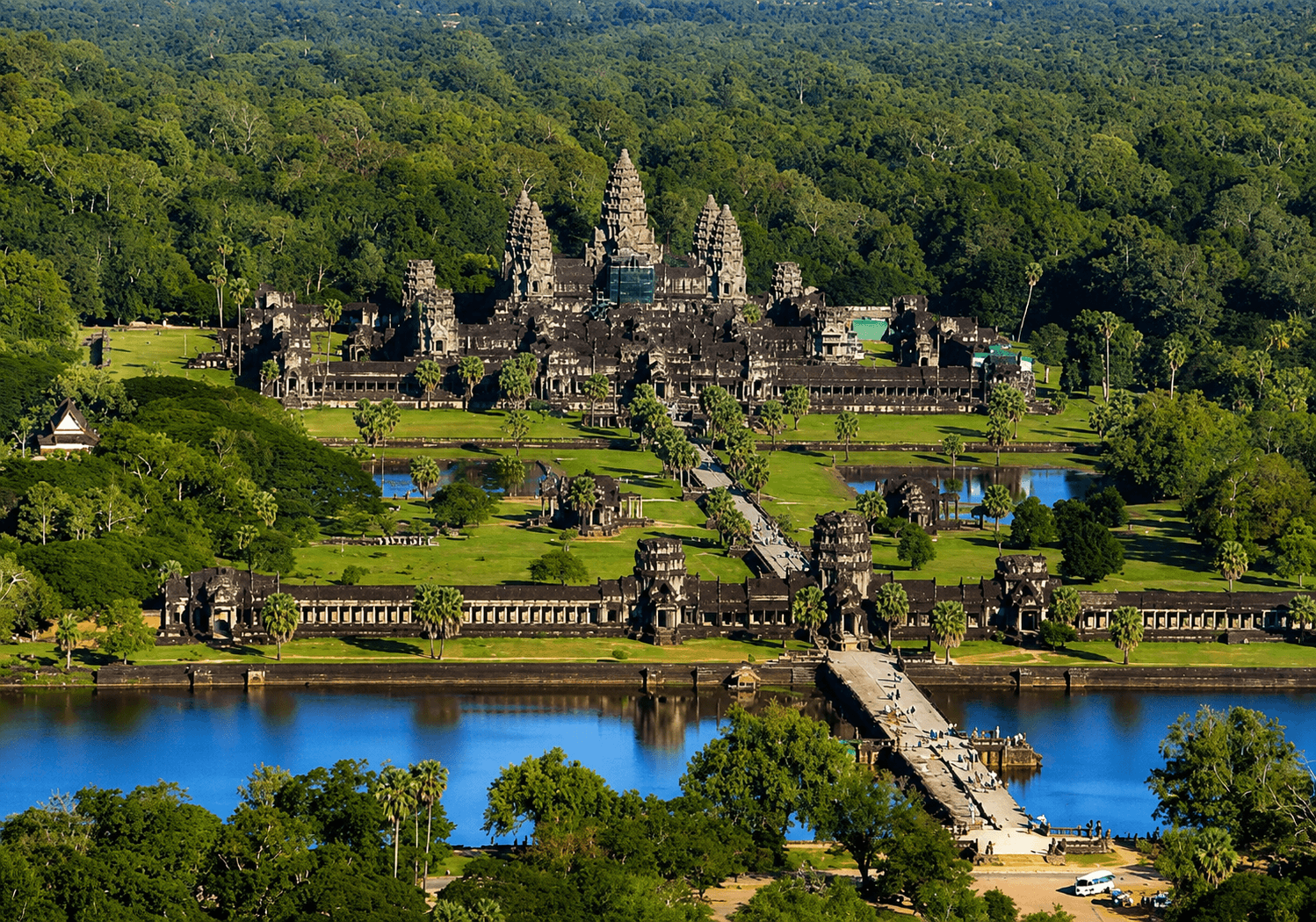
Angkor Wat - Cambodia's timeless masterpiece and the world's largest religious monument (Source: Dan toc va Phat Trien Newspaper)
What makes Cambodia memorable isn't just its history-it's the contrast between ancient monuments and modern life. It's not unusual to spend the morning exploring temples that date back nearly a thousand years before enjoying lunch at a bustling local market or chatting with friendly café owners in Siem Reap. These everyday interactions often become just as memorable as the country's most iconic landmarks.
Some of Cambodia's top destinations include:
- Angkor Wat - The world's largest religious monument and Cambodia's most iconic UNESCO World Heritage Site.
- Angkor Thom - The former capital of the Khmer Empire, famous for the smiling stone faces of Bayon Temple.
- Phnom Penh - Cambodia's capital, where royal palaces, riverside promenades, museums, and historical sites tell the story of the country's past and present.
- Battambang - A charming provincial city known for its colonial architecture, countryside experiences, and thriving local arts scene.
- Kampot & Kep - Peaceful riverside and coastal towns famous for pepper plantations, fresh seafood, and relaxed colonial charm.
- Koh Rong - A tropical island destination with white-sand beaches and crystal-clear waters, perfect for travelers looking to unwind after sightseeing.
While Angkor Wat understandably attracts most first-time visitors, Cambodia rewards those who slow down and explore beyond the temples. Whether it's tasting authentic Khmer cuisine, cycling through rural villages, or watching daily life unfold along the Mekong River, these quieter experiences provide a deeper understanding of the country and its people.
If Cambodia is high on your travel wishlist, exploring one of our Cambodia Tours is a great way to discover both the country's world-famous landmarks and its lesser-known cultural treasures.
Laos: The slowest pace-and often the biggest surprise
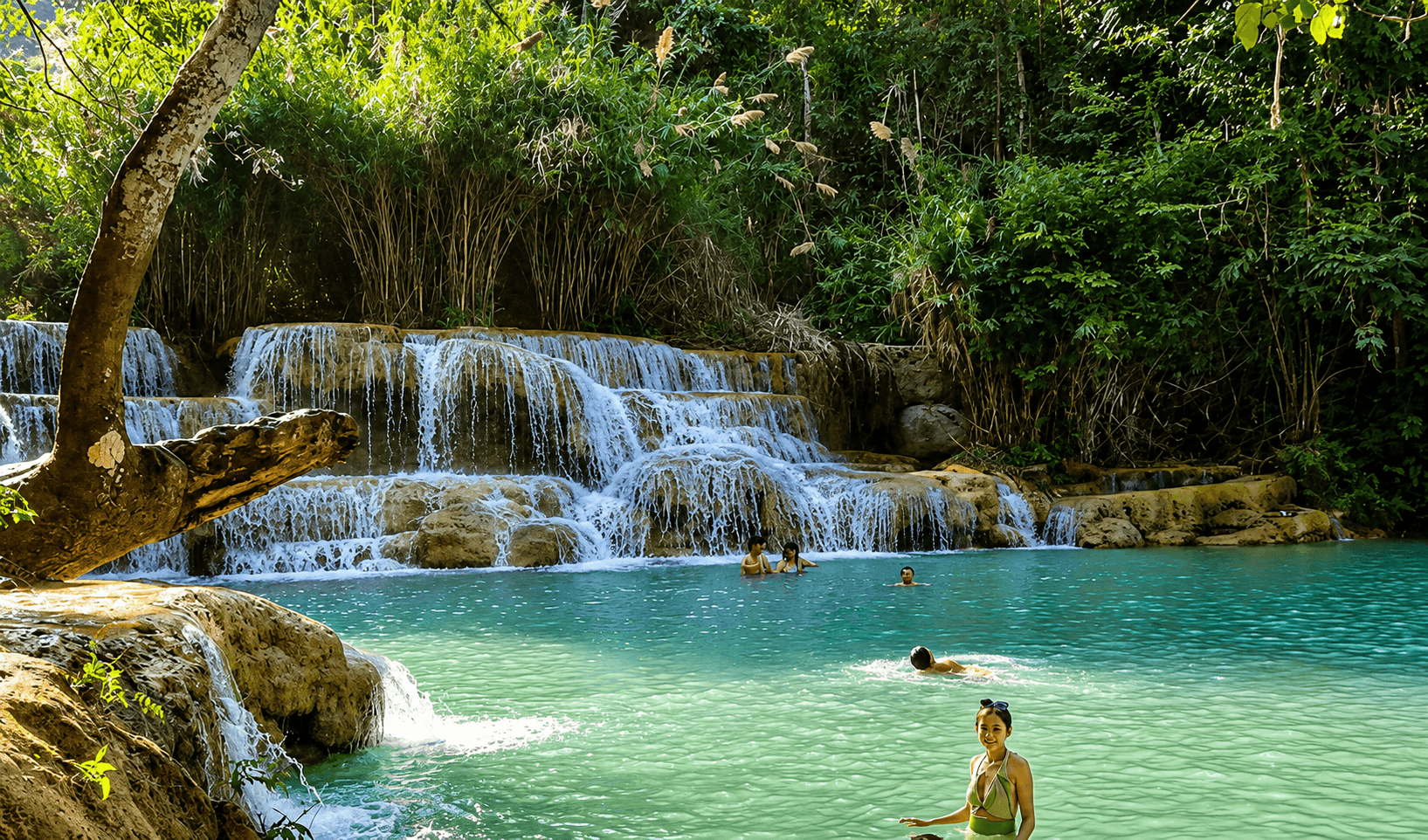
Kuang Si Falls - One of Southeast Asia's most beautiful waterfalls (Source: Lao Dong Newspaper)
Compared with Vietnam's vibrant cities and Cambodia's impressive historical landmarks, Laos offers something entirely different. It is a destination where travelers naturally slow down, spending less time rushing between attractions and more time appreciating the peaceful atmosphere that defines the country.
Many visitors arrive in Laos expecting it to be the "quiet stop" of their Indochina journey. By the end of the trip, however, it's often the country they remember most fondly. The relaxed pace, genuine hospitality, and stunning natural scenery leave a lasting impression that contrasts beautifully with the energy of Vietnam and Cambodia.
Some of Laos' travel highlights include:
- Luang Prabang - A UNESCO World Heritage Site celebrated for its Buddhist temples, French colonial architecture, and traditional alms-giving ceremony.
- Kuang Si Falls - One of Southeast Asia's most beautiful waterfalls, known for its turquoise pools surrounded by lush forest.
- Vang Vieng - A scenic destination famous for limestone mountains, caves, hot air balloon rides, and outdoor adventures.
- Vientiane - Laos' relaxed capital city, home to elegant temples, riverside cafés, and historical monuments.
- Mekong River - The country's lifeline, offering peaceful boat trips and spectacular sunset views throughout much of Laos.
Unlike many destinations where travelers feel pressured to see as much as possible, Laos encourages visitors to take their time. Sitting beside the Mekong River with a coffee, exploring local markets at a leisurely pace, or simply watching monks walk silently through the streets at sunrise are experiences that perfectly capture the country's tranquil character.
For travelers looking to balance adventure with relaxation, Laos provides the ideal final chapter of an Indochina itinerary. If you'd like to spend more time discovering its natural beauty and cultural heritage, our Laos Tours offer a variety of routes designed for different travel styles.
Why travelers love visiting Indochina
It's easy to understand why individual destinations like Halong Bay or Angkor Wat appear on so many travel bucket lists. What surprises many first-time visitors, however, is that the greatest appeal of Indochina isn't found in one landmark-it's found in the variety of experiences that unfold as you travel from one country to the next.
Unlike many multi-country trips where neighboring destinations can feel quite similar, Indochina offers noticeable changes every time you cross a border. The landscapes, architecture, cuisine, languages, and even the rhythm of daily life evolve throughout the journey, making each destination feel fresh and distinct.
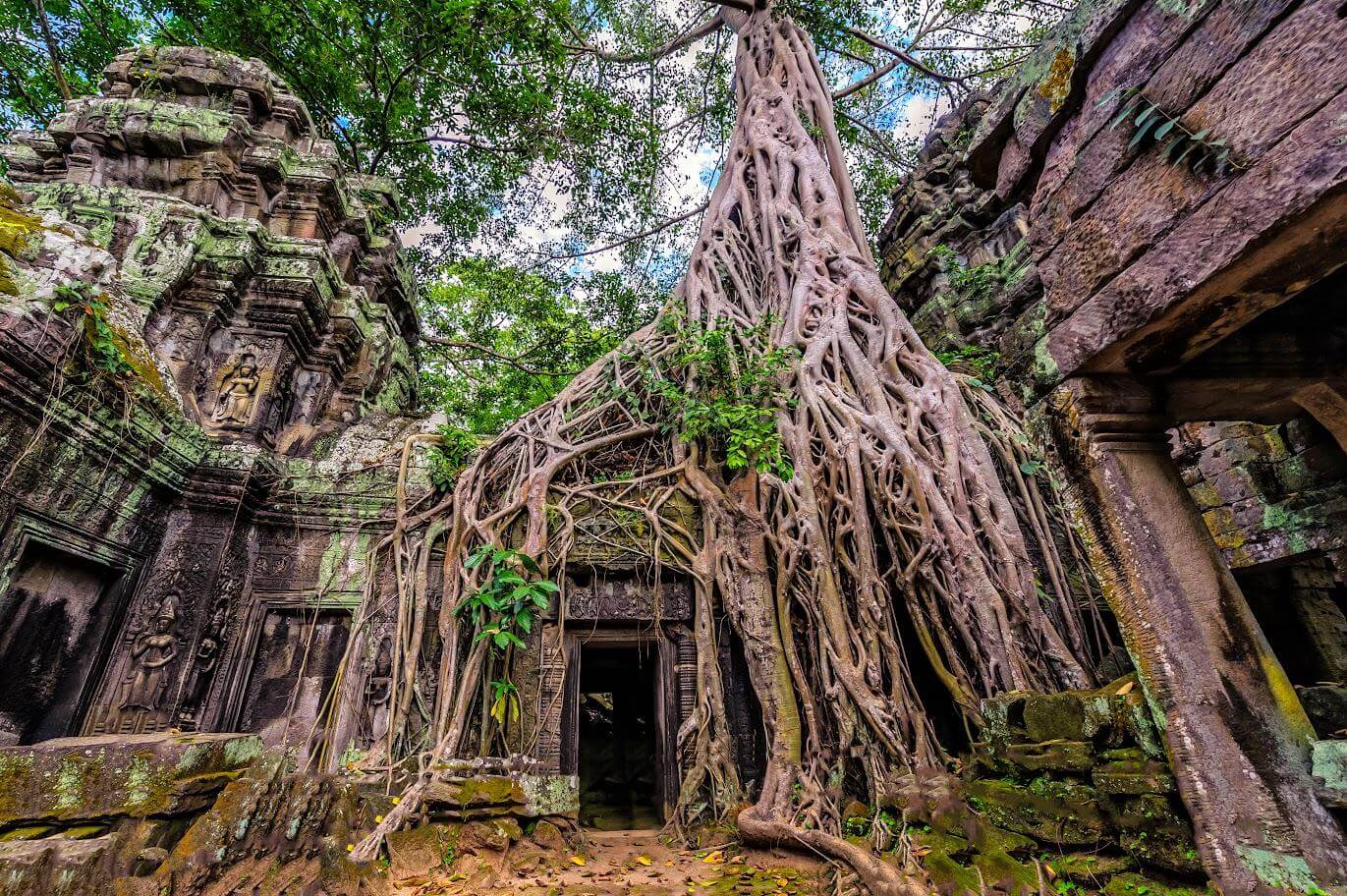
Ta Prohm Temple is located in Siem Reap, Northwestern Cambodia, inside the Angkor Thom relic complex (Source: VietjetAir)
For travelers who want to experience the very best of Southeast Asia in a single holiday, few regions offer such a rewarding balance of culture, history, nature, and affordability.
A Rich Blend of Cultures and Histories
One of Indochina's greatest strengths is its cultural diversity. Although Vietnam, Cambodia, and Laos share geographical borders, each country has developed its own traditions, architecture, cuisine, and identity over centuries.
Visitors can explore imperial citadels in Vietnam, marvel at the legacy of the Khmer Empire in Cambodia, and experience centuries-old Buddhist traditions in Laos-all within the same journey. This constant change keeps the trip exciting while providing a broader understanding of mainland Southeast Asia.
World-Class UNESCO Heritage Sites
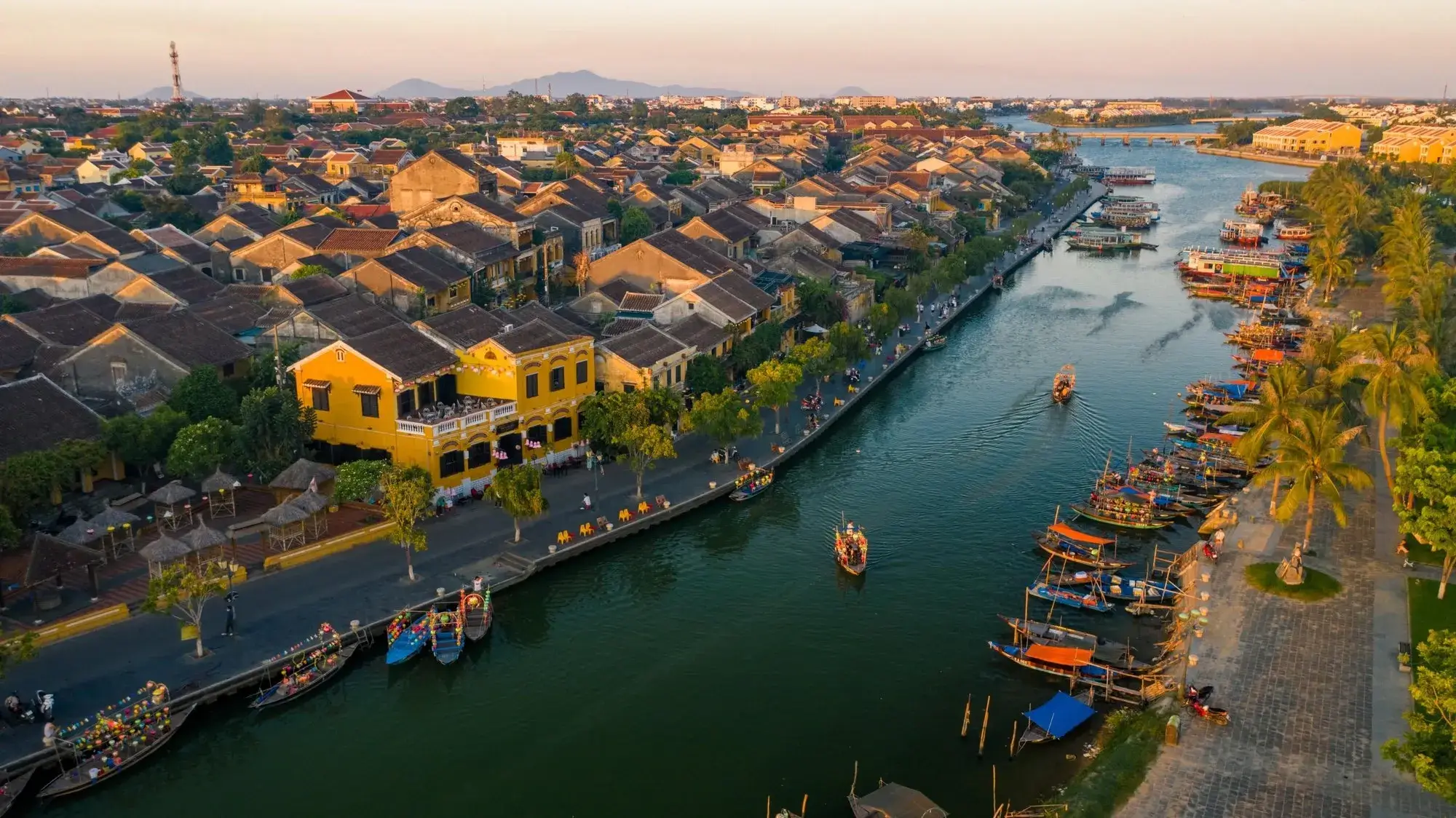
Hoi An is one of the most famous UNESCO sites (Source: Thanh Nien newspaper)
Indochina is home to some of Asia's most celebrated UNESCO World Heritage Sites, many of which rank among the region's biggest travel highlights.
Some of the region's most famous UNESCO sites include:
- Halong Bay (Vietnam)
- Hoi An Ancient Town (Vietnam)
- Hue Complex of Monuments (Vietnam)
- Phong Nha - Ke Bang National Park (Vietnam)
- Angkor Archaeological Park (Cambodia)
- Luang Prabang (Laos)
These sites showcase different aspects of the region, from breathtaking natural landscapes to ancient civilizations and beautifully preserved historic towns. Together, they form the backbone of many classic Indochina itineraries.
Excellent Value for Money
Compared with many long-haul destinations, Indochina offers outstanding value. Accommodation, transportation, guided tours, and local dining remain relatively affordable, allowing travelers to enjoy a richer experience without significantly increasing their budget.
This doesn't simply make the region cheaper-it allows visitors to do more. Many travelers choose to upgrade to an overnight cruise in Halong Bay, hire knowledgeable local guides, or extend their trip by several days because their budget stretches further than expected.
Easy to Combine in One Journey
Perhaps one of the biggest advantages of visiting Indochina is how naturally the three countries fit together. International flights connect major cities such as Hanoi, Ho Chi Minh City, Siem Reap, Phnom Penh, Luang Prabang, and Vientiane. Several overland border crossings are also popular with travelers who prefer to experience the gradual transition between countries rather than flying everywhere. Because of these convenient connections, planning a multi-country itinerary is much simpler than many first-time visitors imagine.
The best time to visit Indochina
The best time to visit Indochina is generally from November to February, when most destinations experience pleasant temperatures, lower humidity, and little rainfall. This period is ideal for combining Vietnam, Cambodia, Laos, and Thailand into one itinerary, as the weather is comfortable for sightseeing, outdoor activities, and beach holidays.
|
Country |
Best Time to Visit |
Weather |
|
Vietnam |
October - April |
Northern Vietnam is cool and dry (best for Hanoi, Ha Long Bay, Sapa), Central Vietnam is sunny from February onward, while Southern Vietnam enjoys warm, dry weather from November to April. |
|
Cambodia |
November - February |
Dry season with sunny days, lower humidity, and comfortable temperatures. March-April are hotter, while May-October brings tropical rain and lush scenery. |
|
Laos |
November - February |
Cool and dry with pleasant temperatures, making it the best season for river cruises, waterfalls, trekking, and exploring Luang Prabang or Vang Vieng. |
|
Thailand |
November -February |
Peak travel season with sunny weather across most of the country. Ideal for Bangkok, Chiang Mai, Phuket, Krabi, and many beach destinations. |
Travel Tip: If you're planning a multi-country Indochina tour, November to February offers the most consistent weather across the region. However, the ideal itinerary should still be adjusted to each destination's local climate, especially when traveling across Vietnam's northern, central, and southern regions.
How many days do you need for an Indochina trip?
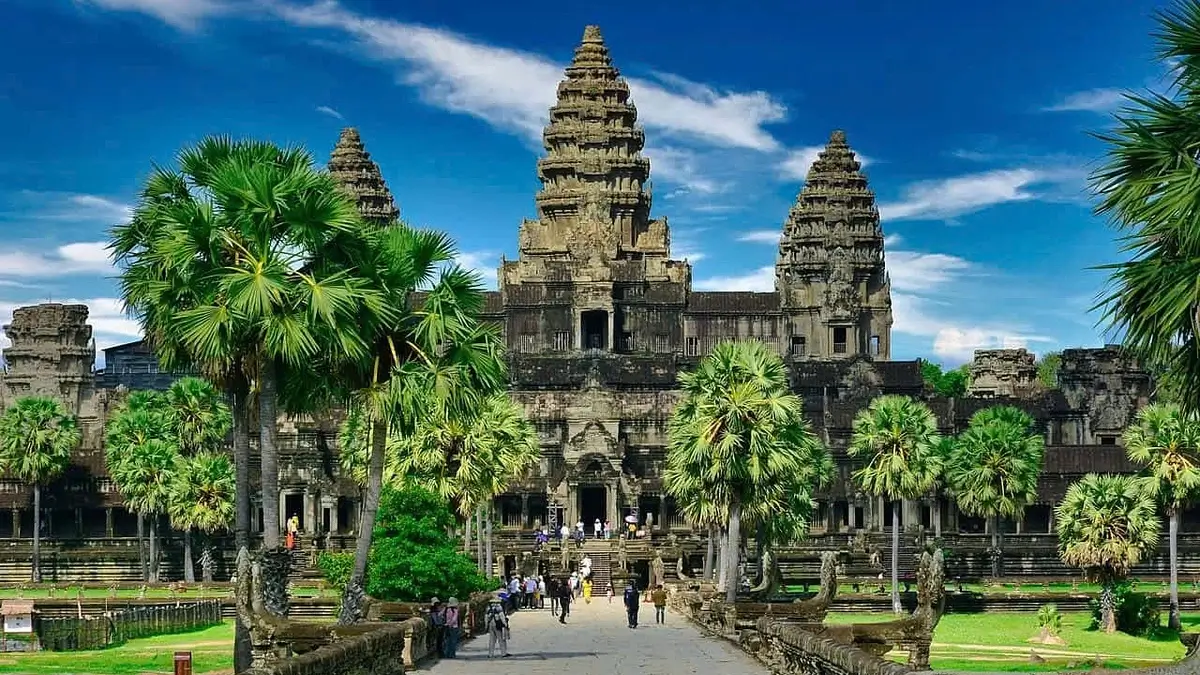
The ideal itinerary depends on how much time you have and how deeply you want to explore the region (Source: Collected)
After choosing the best season, the next step is deciding how long your trip should be. This is one of the biggest factors influencing your overall experience, as trying to fit too much into a short itinerary often means spending more time in airports than actually exploring.
For most travelers, 10 to 14 days provides the ideal balance. It allows enough time to experience the highlights of Vietnam, Cambodia, and Laos while still leaving room to enjoy local food, cultural activities, and a slower pace of travel. If your schedule is more flexible, here are some itinerary ideas based on the amount of time you have available.
7-9 Days: Focus on Vietnam and Cambodia
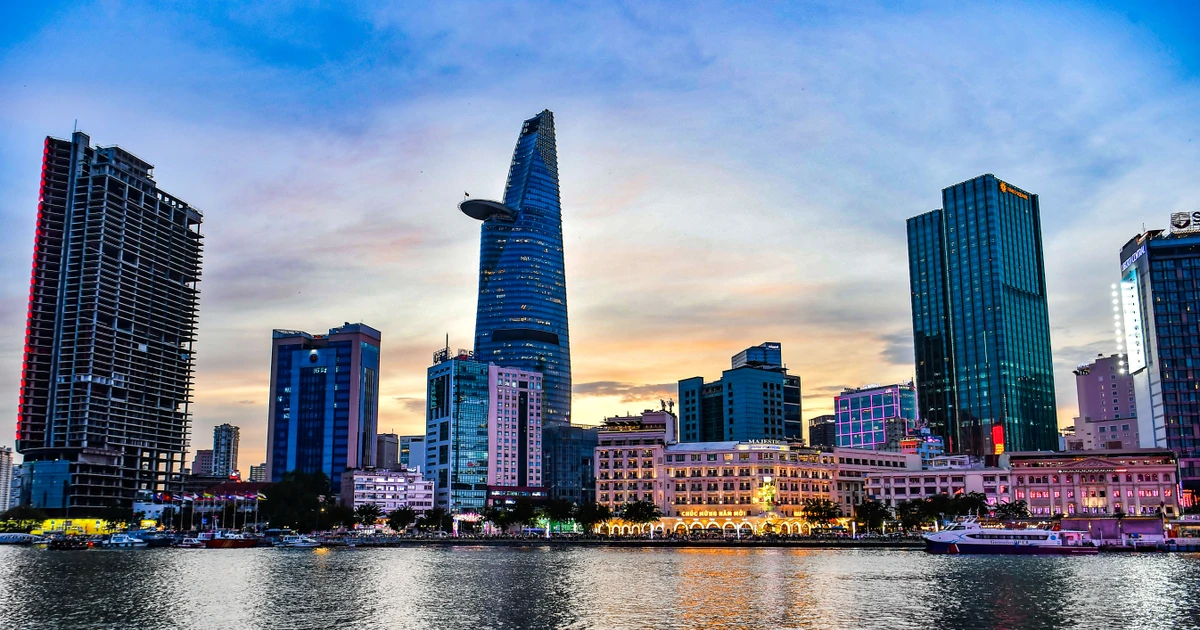
Explore Ho chi Minh City, VietNam (Source: Nhan Dan Newspaper)
With just over a week available, it's better to experience fewer destinations well than to rush through all three countries. A Vietnam and Cambodia itinerary gives you an excellent introduction to the region while keeping travel time manageable.
A typical 7-9 day itinerary might include:
- Hanoi
- Halong Bay
- Ho Chi Minh City
- Siem Reap (Angkor Wat)
This route combines Vietnam's natural beauty with Cambodia's extraordinary historical heritage, making it ideal for first-time visitors with limited vacation time. If this itinerary suits your schedule, you may want to explore our Vietnam & Cambodia Tours, which combine these highlights into carefully planned journeys without the stress of organizing transportation and accommodation yourself.
Read more: Vietnam Cambodia 14 Days
10-14 Days: The Classic Indochina Experience
For most international travelers, two weeks is the sweet spot. It provides enough time to visit Vietnam, Cambodia, and Laos without feeling like you're constantly moving from one airport to another.
A popular 10-14 day itinerary includes:
- Hanoi
- Halong Bay
- Hoi An or Ho Chi Minh City
- Siem Reap
- Phnom Penh
- Luang Prabang
This route introduces travelers to the region's greatest highlights while still allowing time to enjoy local markets, street food, cultural performances, and slower moments between major attractions. If you're looking for a balanced multi-country journey, our collection of Classic Indochina Tours offers several itineraries designed around this timeframe.
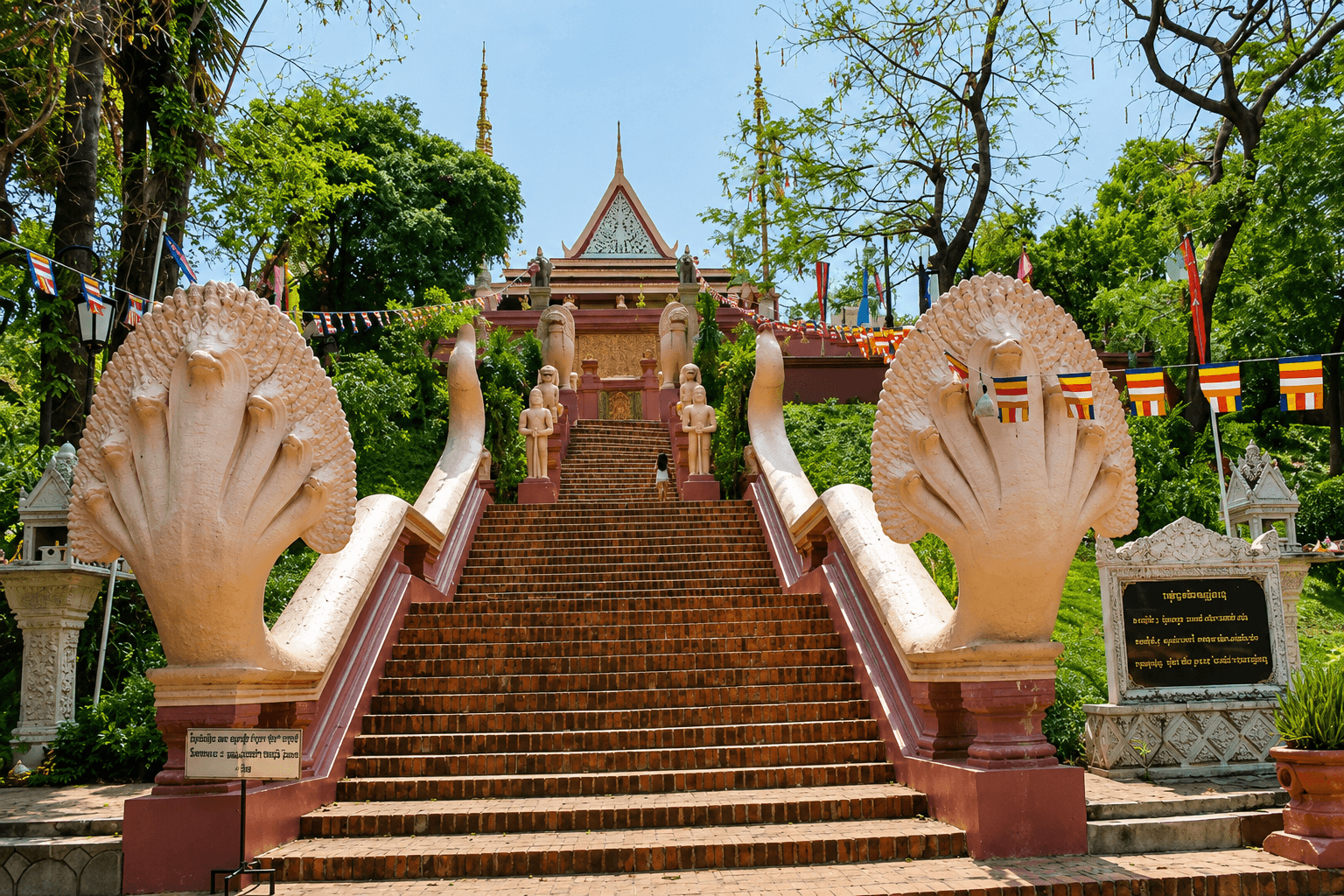
The staircase leading to the sacred Wat Phnom Temple (Source: VNExpress)
Read more: Laos, Vietnam and Cambodia 14 Days
15-21 Days: Discover Indochina Beyond the Highlights
Travelers within three weeks or more have the opportunity to experience a very different side of Indochina. Instead of only visiting famous landmarks, longer itineraries create space for spontaneous discoveries, scenic journeys, and deeper cultural experiences.
Additional destinations worth considering include:
- Ninh Binh
- Hue
- Mekong Delta
- Battambang
- Vang Vieng
- Bolaven Plateau
With extra time, you can also enjoy activities such as cooking classes, cycling tours, overnight cruises, village visits, and river cruises that reveal a more authentic side of each country.
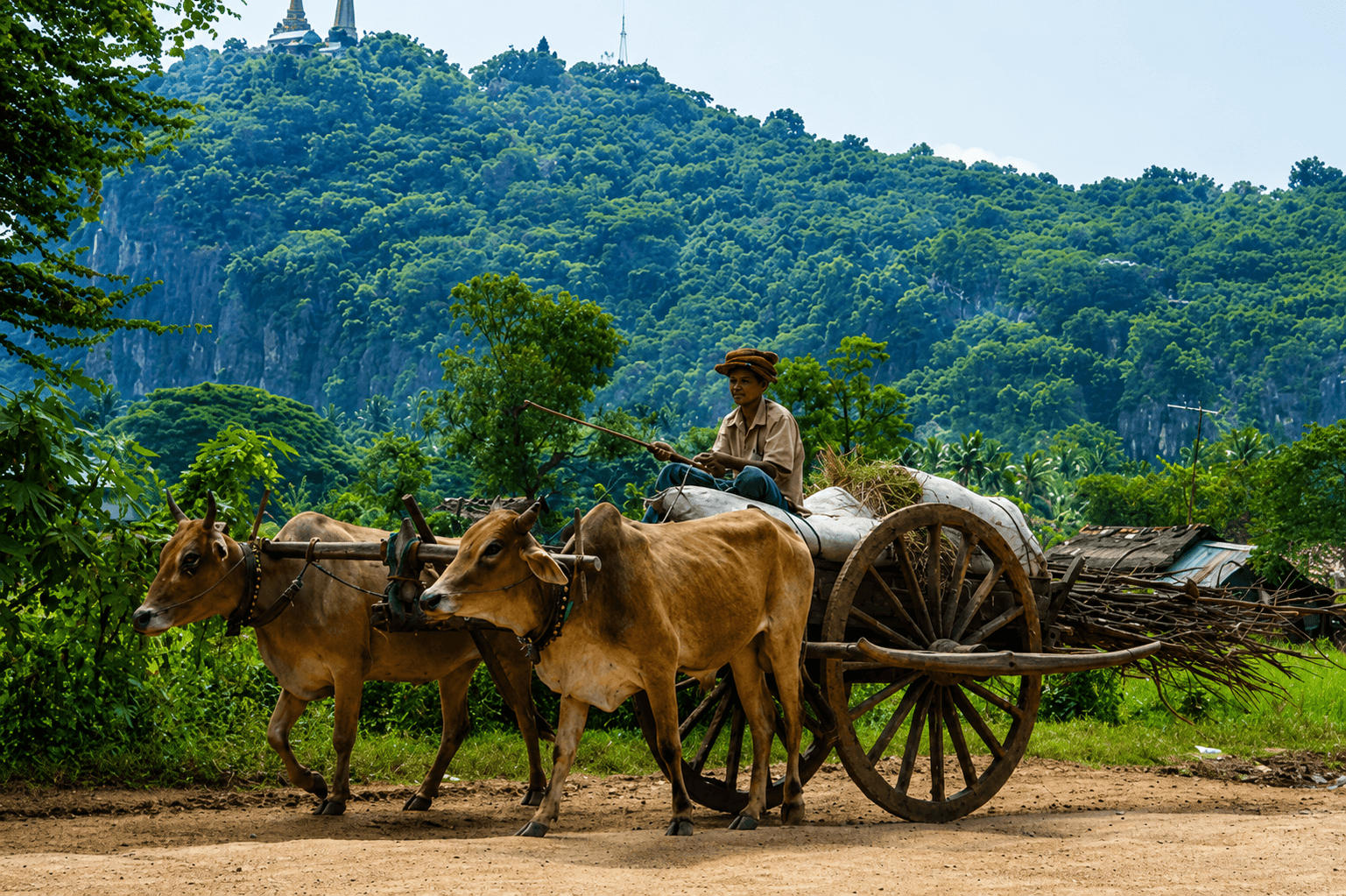
Battambang is known for its peaceful countryside, historic French colonial buildings and rich cultural heritage. (Source: Wikipedia)
Many experienced travelers say these slower moments-not the famous landmarks-are what they remember most after returning home. No matter how long your trip lasts, choosing an itinerary that matches your pace will almost always result in a more enjoyable journey than trying to see everything at once.
Read more: Discover Indochina: Vietnam - Laos - Cambodia 17 Days
Explore Indochina with SinhCafe
Planning a journey across Vietnam, Cambodia, and Laos becomes much easier when local knowledge is part of the experience. With more than two decades of experience introducing international visitors to Southeast Asia, SinhCafe has designed itineraries that balance famous landmarks with authentic local encounters.
Rather than simply checking attractions off a list, our tours are built around the rhythm of each destination. That might mean watching the sunrise over Angkor Wat with an experienced guide, spending a peaceful evening aboard a Halong Bay cruise, or enjoying the slower pace of life along the Mekong River in Laos.
Whether you're looking for a short Vietnam-Cambodia holiday or a comprehensive Indochina adventure, our travel specialists can help you choose an itinerary that suits your interests, schedule, and preferred travel style.
Frequently Asked Questions
Is Indochina the same as Southeast Asia?
→ No. Southeast Asia consists of 11 countries, while Indochina traditionally refers to Vietnam, Cambodia, and Laos.
Is Thailand part of Indochina?
→ Historically, no. Although some tour operators include Thailand in extended regional itineraries, the classic definition of Indochina does not.
Can I visit all three countries in one trip?
→ Yes. A 10 to 14-day itinerary is usually enough to experience the highlights of Vietnam, Cambodia, and Laos comfortably.
Do I need separate visas?
→ Visa requirements vary depending on your nationality. Always check the latest official immigration information before traveling.
What's the best way to travel between countries?
→ Flights are generally the quickest option for longer distances, while international buses and overland crossings are popular on selected routes.
Is Indochina suitable for first-time visitors to Asia?
→ Absolutely. Thanks to its well-developed tourism infrastructure, welcoming local communities, and wide variety of experiences, Indochina is one of the best regions in Asia for first-time travelers.
If you're ready to experience Indochina for yourself, take a look at SinhCafe's Indochina Tours. With carefully crafted itineraries, experienced local guides, and journeys that showcase the very best of Vietnam, Cambodia, and Laos, it's an easy way to explore the region with confidence while making the most of your time
Share via




Related articles

Visit Ha Giang in November: Is it a good time to go?
Posts | 21/09/2026
Ha Long bay 1 day tour: Best itinerary, cruise options & Travel tips
Posts | 23/03/2026
Yang Bay Waterfall: A Hidden Paradise near Nha Trang you shouldn’t miss
Blog | 24/03/2026
Diep Son island: Walk across the sea in Vietnam’s hidden paradise
Posts | 24/03/2026








There are no reviews yet