


Vietnam Travel Visa Guide 2026: E-Visa, Entry Rules and Application Tips
Applying for a Vietnam Travel Visa doesn't have to be complicated. Learn who needs a visa, how the e-visa works, common mistakes to avoid and practical tips for a smooth arrival in Vietnam.
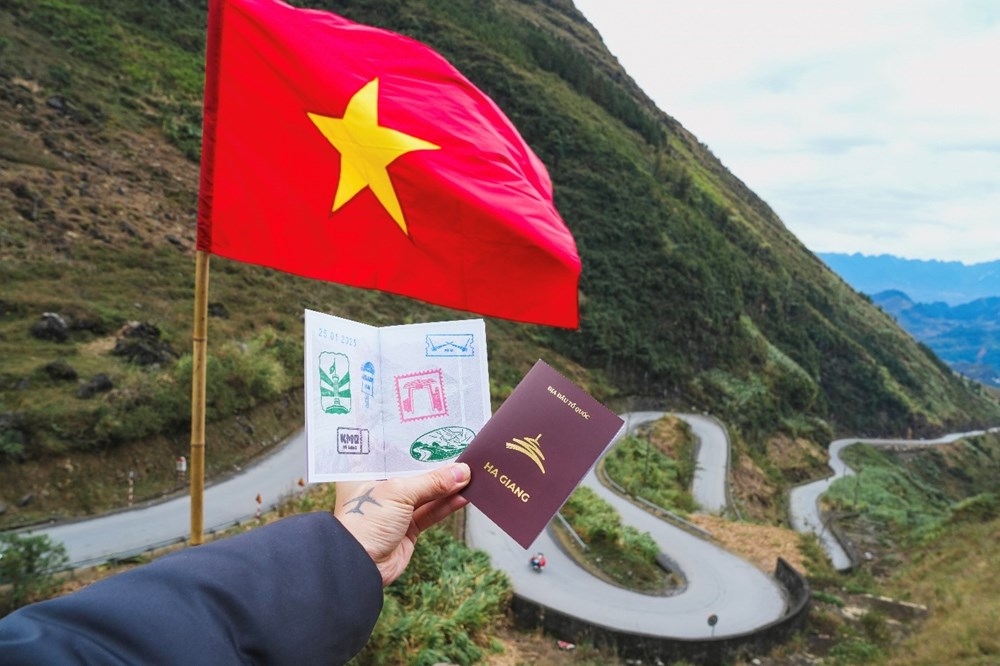
Do you need a visa to travel to Vietnam? The answer depends on your nationality, the length of your stay and how you plan to enter the country. Fortunately, Vietnam's immigration policies have become much more traveler-friendly in recent years, with the e-visa now being the most convenient option for many visitors. This guide explains who needs a visa, how to apply for a Vietnam e-visa, the latest entry requirements and practical tips to help your arrival go smoothly.
Do You Need a Visa to Travel to Vietnam?
Visa requirements for Vietnam depend on your nationality, travel purpose and length of stay (Source: Tuoi tre Newspaper)
The first step is checking whether your nationality qualifies for visa-free entry. If it does not, you will generally need to obtain a visa before departure.
Since August 15, 2023, Vietnam’s e-visa system has been available to citizens of all countries and territories. An e-visa can be valid for up to 90 days, with either single or multiple entries, making it the most convenient option for many international travelers. Applications remain subject to Vietnam’s immigration requirements and must be submitted through the official e-visa system.
Travelers who qualify for visa exemption may enter without applying in advance, provided their stay remains within the permitted period. For eligibility guidance or application support, visit Sinh Cafe's Vietnam Visa Services page before booking your trip.
Travelers Who Can Enter Vietnam Without a Visa
Vietnam currently grants a 45-day visa exemption to citizens of several countries, provided they meet the standard entry requirements.
Under Vietnam’s unilateral visa exemption policy, citizens of the United Kingdom, France, Germany, Italy, Spain, Russia, Japan, South Korea, Denmark, Sweden, Norway and Finland may stay in Vietnam for up to 45 days from the date of entry. The exemption applies regardless of passport type or purpose of travel and is valid from March 15, 2025, to March 14, 2028.
From August 15, 2025, Vietnam also introduced a 45-day visa exemption for tourists from 12 additional European countries: Belgium, Bulgaria, Croatia, the Czech Republic, Hungary, Luxembourg, the Netherlands, Poland, Romania, Slovakia, Slovenia and Switzerland. This tourism-focused policy is valid until August 14, 2028 and applies regardless of passport type, provided travelers meet Vietnam’s entry conditions.
Travelers planning to stay longer than 45 days should apply for an appropriate visa, such as a Vietnam e-visa, before departure.
Tip: Visa-free entry does not guarantee admission. Travelers should carry a valid passport, proof of onward travel when requested and any documents required by Vietnamese immigration authorities. Always check the latest official regulations before your trip, as visa policies may change.
Vietnam E-Visa at a Glance
|
E-Visa Type |
Maximum Validity |
Official Fee |
Standard Processing |
|
Single Entry |
Up to 90 days |
25 USD |
3 working days |
|
Multiple Entry |
Up to 90 days |
50 USD |
3 working days |
The fee is non-refundable, including when an application is refused. The exact validity period is based on the approved entry and expiry dates shown on the e-visa, so travelers should check these dates carefully before booking flights.
Although the official processing period is three working days, applying one to two weeks before departure provides additional time to correct errors or manage unexpected delays.
Who Should Apply for a Vietnam Visa?
If your country isn't included in Vietnam's visa exemption program, you'll normally need to obtain a visa before traveling. For most tourists, the Vietnam e-visa has become the preferred option because the application can be completed entirely online without visiting an embassy or consulate.
You should generally apply for a visa if you:
- Are not eligible for visa-free entry.
- Plan to stay longer than your visa exemption allows.
- Need a multiple-entry visa for your itinerary.
- Want to avoid last-minute immigration issues before departure.
Applying early also gives you time to correct any mistakes if additional information is requested.
Which Vietnam Visa Is Right for You?
Not every traveler needs the same type of visa. The best option depends on your nationality, travel plans and the length of your stay. The comparison below can help you identify the most suitable choice.
|
Visa Type |
Best For |
|
Visa Exemption |
Travelers from eligible countries making short visits |
|
Vietnam E-Visa |
Most international tourists visiting for leisure or independent travel |
|
Embassy Visa |
Travelers requiring special visa categories or circumstances not covered by the e-visa system |
|
Visa on Arrival |
Limited situations where prior approval is arranged before arrival |
For the majority of leisure travelers, the e-visa offers the simplest application process and is widely considered the most convenient option.
Vietnam E-Visa
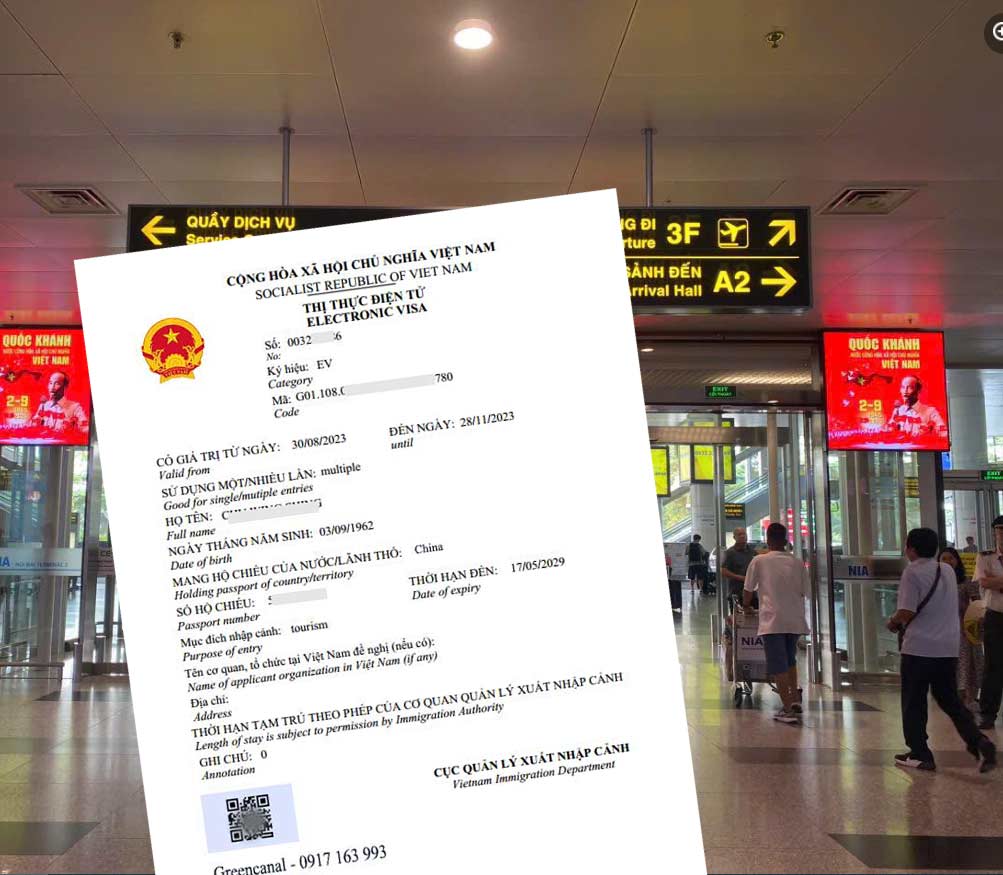
Vietnam E-Visa (Source: Thu Vien Phap Luat Newspaper)
The Vietnam e-visa is the most practical option for international travelers who do not qualify for visa-free entry or plan to stay longer than their permitted exemption period. The application is completed online through Vietnam’s official e-visa portal. Applicants submit their passport information, upload a portrait photograph and passport data page, select their intended travel dates and entry point, and pay the processing fee online.
E-visas are available to citizens of all countries and territories and may be issued for a maximum of 90 days. Travelers can choose between: a single-entry e-visa costing 25 USD or a multiple-entry e-visa costing 50 USD.
The fee is not refunded if the application is refused. Once approved, travelers should download the e-visa and carry both a digital and printed copy during their journey.
Visa Exemption
If you're fortunate enough to qualify for visa-free entry, this is naturally the simplest option. However, visa-free travel doesn't necessarily mean unlimited travel. Visitors should pay close attention to:
- Maximum permitted stay.
- Number of permitted entries.
- Passport validity requirements.
- Any conditions attached to re-entering Vietnam after leaving the country.
Many travelers mistakenly assume they can remain indefinitely or return immediately after crossing a border. Always check the latest regulations before finalizing your itinerary.
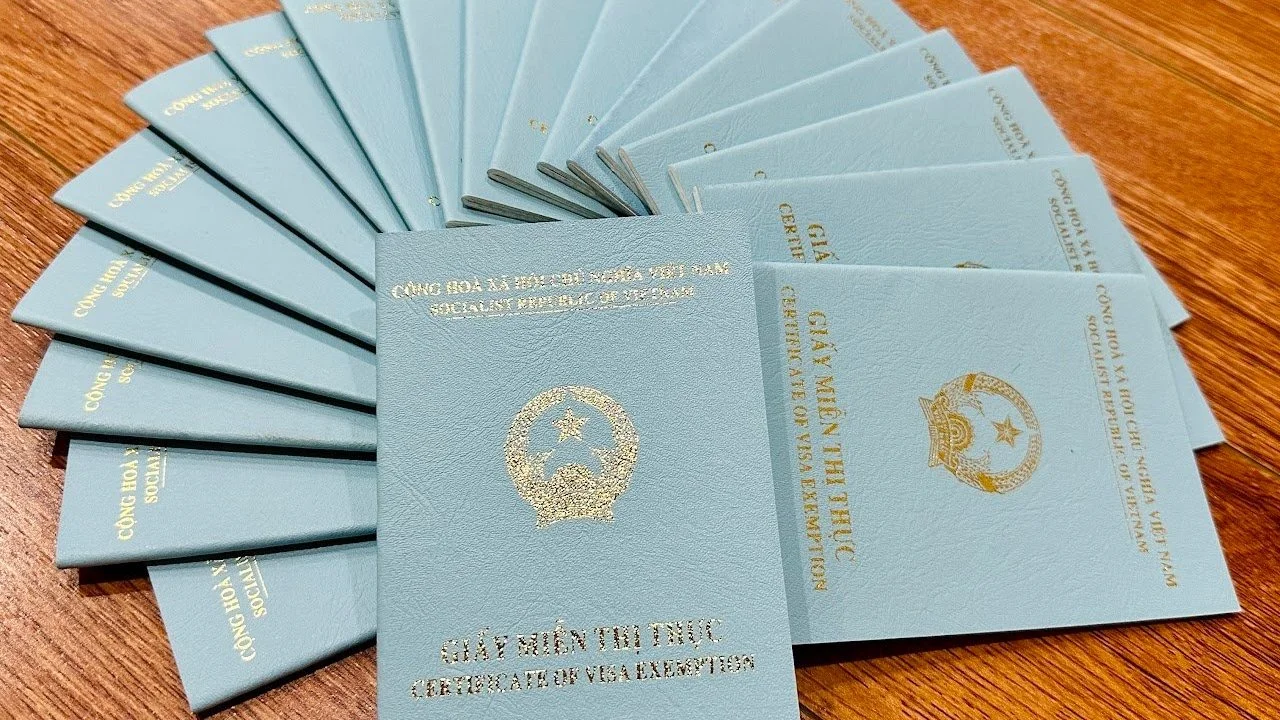
Vietnam offers visa-free entry for citizens of selected countries, making travel more convenient for eligible visitors (Source: Collected)
Embassy Visa
Because Vietnam’s e-visa system is now available to citizens of all countries and territories, nationality alone is generally no longer a reason to apply through an embassy.
However, an embassy or consular visa may still be appropriate if you require a specialized visa category, additional supporting documentation or assistance with circumstances not covered by the standard e-visa process. Requirements and processing times vary depending on the Vietnamese embassy or consulate handling the application.
Is Visa on Arrival Still Available?
One of the biggest misconceptions among first-time visitors is that they can simply arrive at a Vietnamese airport and purchase a tourist visa. In reality, this is no longer the standard process for most travelers.
While Visa on Arrival (VOA) still exists in limited circumstances with pre-approved documentation, the Vietnam e-visa has replaced it as the preferred option for the vast majority of international tourists.
Unless your travel provider specifically advises otherwise, you should assume you'll need to arrange your visa before departure.
Which Option Is Best for Most Travelers?
For most visitors planning a holiday in Vietnam, the answer is straightforward:
- Eligible for visa exemption? Travel without applying for a visa.
- Not eligible? Apply for a Vietnam e-visa before your trip.
- Special travel circumstances? Contact the nearest Vietnamese embassy or seek professional visa assistance.
If you're uncertain which category applies to you, Sinh Cafe's Vietnam Travel Visa page provides additional information on visa options, application support and entry guidance for international travelers. Once your visa requirements are sorted, the next step is planning the application itself. In the following section, we'll walk through the Vietnam e-visa process step by step, highlight the most common application mistakes and explain the latest Vietnam entry rules for 2026.
How to Apply for a Vietnam E-Visa
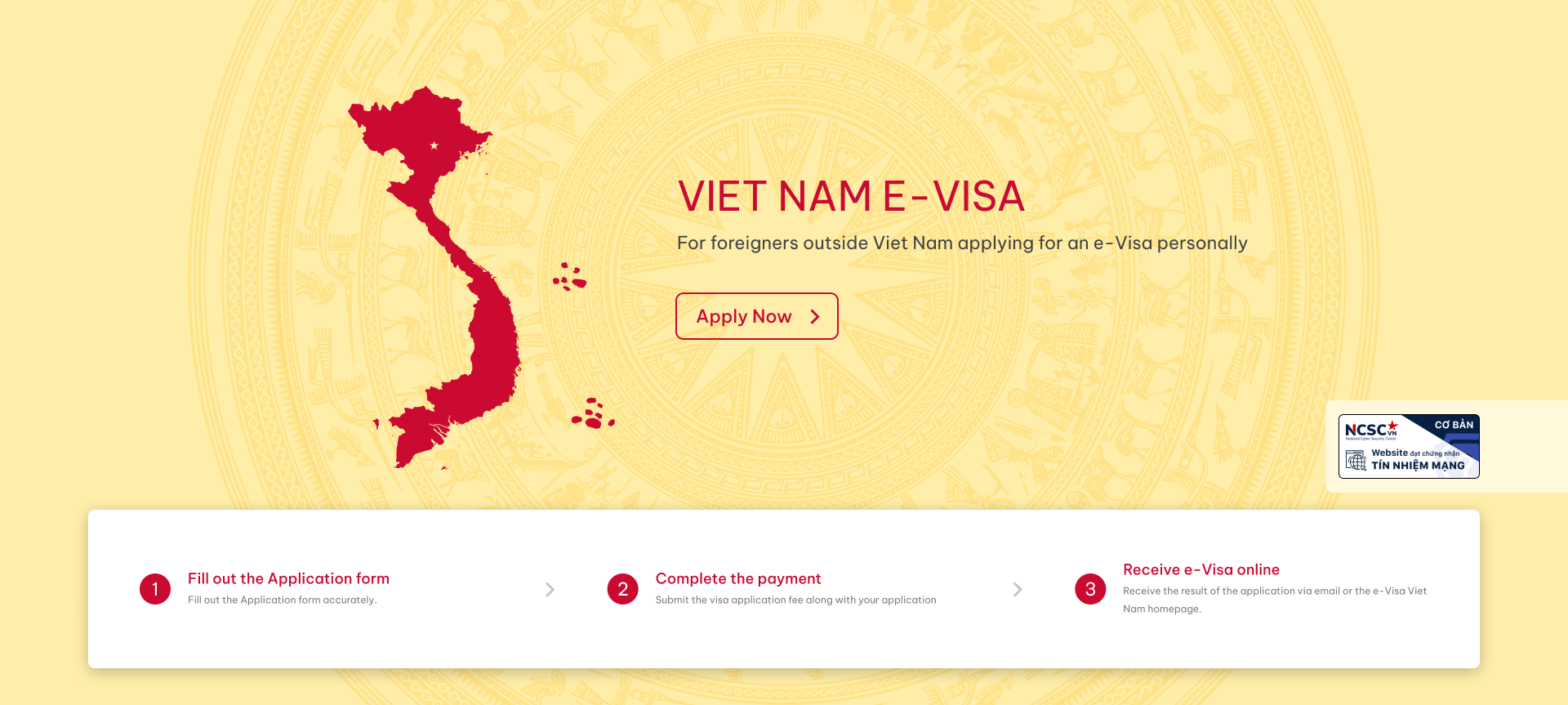
The Vietnam e-visa allows eligible travelers to complete the entire application process online before departure (Source: Thithucdientu.vn)
For most international visitors, the Vietnam e-visa is the simplest way to obtain permission to enter the country. The entire application process can be completed online before you travel, eliminating the need to visit an embassy or consulate. Although applying is straightforward, taking a few extra minutes to review your information can help prevent delays or unnecessary corrections.
Step 1: Prepare Your Documents
Before starting your application, make sure you have the necessary documents ready. You'll typically need:
- A passport with at least six months' validity from your planned entry date.
- A clear digital copy of your passport's information page.
- A recent passport-style photograph that meets the required specifications.
- A valid email address to receive updates.
- A payment method for the application fee.
Having these documents prepared in advance makes the application much faster and reduces the chance of submitting incomplete information.
Step 2: Complete the Online Application
Enter your personal details exactly as they appear in your passport. Pay particular attention to:
- Full name
- Passport number
- Nationality
- Date of birth
- Passport expiry date
You'll also be asked to provide information about your planned trip, including your intended arrival date and entry point.Even small typing errors can cause unnecessary delays, so it's worth reviewing every field before submitting your application.
Step 3: Pay the E-Visa Fee
After reviewing your application, pay the official processing fee through the online payment system: 25 USD for a single-entry e-visa or 50 USD for a multiple-entry e-visa.
The fee is non-refundable, even if the application is refused. Save your application code and payment confirmation because you will need them to check the result.
Step 4: Wait for Processing
The standard processing time is three working days after a complete application and payment have been submitted. However, incorrect information, unclear photographs or additional review may delay the result.
Apply at least one to two weeks before departure rather than relying on the minimum processing period. Weekends, Vietnamese public holidays and last-minute corrections can affect your travel schedule.
Step 5: Download and Print Your E-Visa
Once your application has been approved, download a copy of your e-visa and keep both a digital and printed version. Although many immigration officers can verify electronic documents, carrying a printed copy is still recommended in case it's requested during check-in or upon arrival. Before traveling, double-check that the information on your e-visa matches your passport exactly.
Common Vietnam E-Visa Mistakes to Avoid
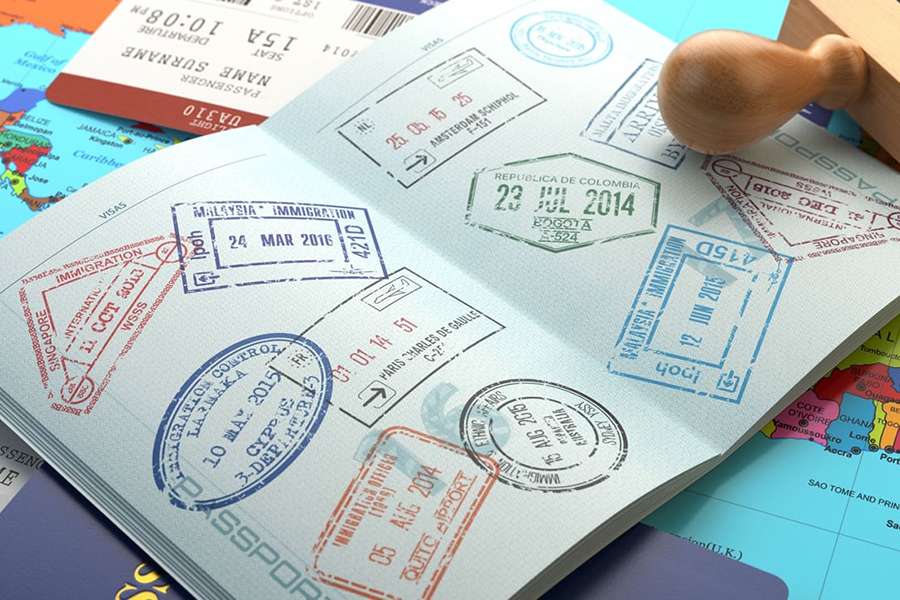
Check carefully before submitting E-Visa (Source: Visa)
Most Vietnam e-visa applications are approved without any issues, but simple mistakes can still lead to delays or even require you to submit a new application. Before clicking "Submit," take a few minutes to review these common errors:
- Double-check your passport information. Make sure your full name, passport number and date of birth match your passport exactly. Even a small typo or missing middle name can cause problems during processing.
- Enter the correct arrival date. Your e-visa is issued for the travel dates you provide. Arriving before the approved entry date could prevent you from boarding your flight or entering Vietnam.
- Select the correct entry point. During the application, you'll specify your intended airport, land border or seaport. Ensure it matches your travel itinerary as closely as possible before submitting.
- Upload clear, high-quality documents. Your passport scan and passport photo should be sharp, well-lit and easy to read. Avoid blurry images, shadows, reflections or cropped edges that may delay processing.
- Apply well in advance. Don't wait until a few days before departure. Processing times can vary due to weekends, public holidays or high application volumes, so applying one to two weeks before your trip is a safer approach.
Vietnam Entry Rules in 2026
Receiving an approved visa is only one part of preparing for your journey. Before departure, check that your passport, visa details and arrival documents meet the latest requirements.
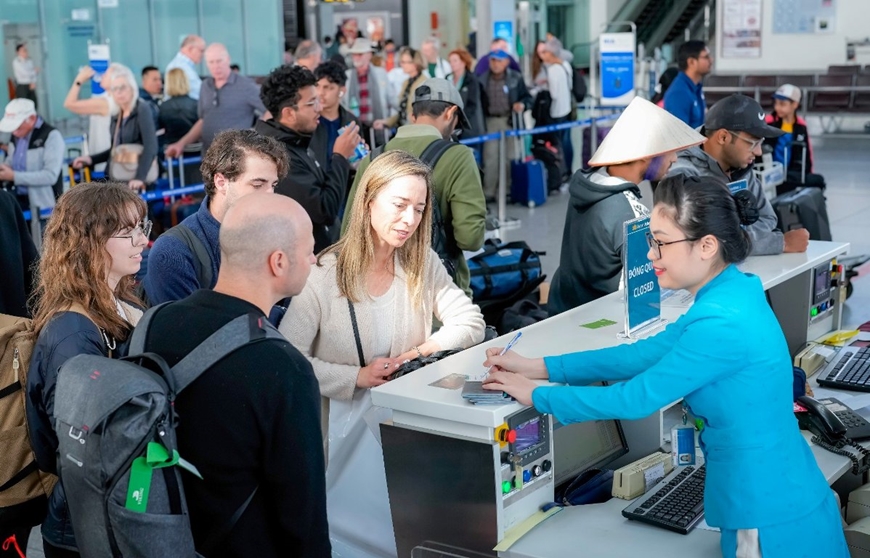
Having your passport and travel documents ready helps make immigration procedures faster and easier (Source: Collected)
Passport Validity
Your passport should remain valid for more than six months from your planned date of entry into Vietnam. This requirement should be checked before applying for an e-visa because airlines may review passport validity during check-in. Do not rely on an approved e-visa if your passport has less than six months remaining. Renewing the passport before applying is usually the safest option.
Pre-Arrival Information at Tan Son Nhat Airport
Since April 15, 2026, Vietnam has been rolling out the Pre-Arrival Information (PAI) system for foreign travelers, starting with a pilot at Tan Son Nhat International Airport in Ho Chi Minh City. Travelers can submit their personal, visa and flight information through the official PAI portal (prearrival.immigration.gov.vn) within three days before arrival. After completing the declaration, the system generates a QR code that should be saved on a phone or printed for use during immigration procedures.
The system has since expanded beyond Tan Son Nhat. From June 1, 2026, declaration through PAI became mandatory for all international arrivals at Phu Quoc International Airport, and the system has also been extended to Cam Ranh International Airport. Authorities have stated the system will continue expanding to other international airports and land border gates nationwide.
Requirements currently vary by airport, and the rules are being updated frequently as the rollout continues. Travelers should check the official PAI portal or their airline's travel advisory before departure to confirm whether declaration is mandatory for their specific entry point. In all cases, completing the declaration in advance is recommended, as it may reduce waiting time at immigration. The PAI declaration does not replace an e-visa and cannot be used to apply for entry permission.
Keep Your Travel Documents Accessible
Before reaching immigration, prepare:
- Your passport.
- A printed or digital e-visa, if required.
- Your PAI QR code when entering through Tan Son Nhat Airport.
- Return or onward travel details, if requested.
- Your accommodation information.
Having these documents ready helps make the arrival process faster and reduces the risk of delays.
Quick Arrival Checklist
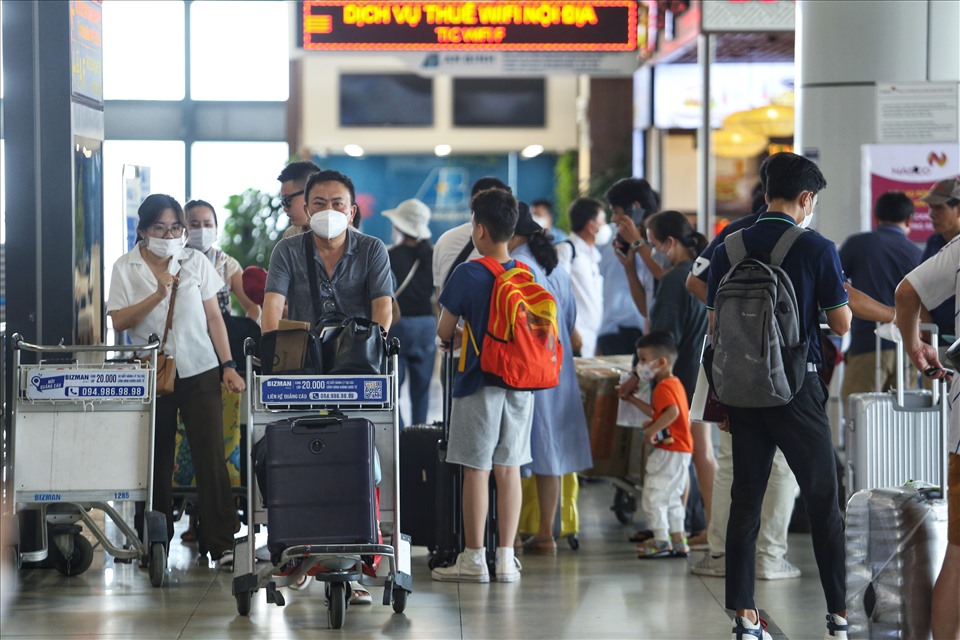
Keeping all essential travel documents together makes arriving in Vietnam much more convenient (Source: Lao Dong Newspaper)
Before leaving for the airport, confirm that you have:
✓ A passport valid for more than six months
✓ An approved Vietnam e-visa, if required
✓ Correct entry and expiry dates on the e-visa
✓ Printed and digital copies of the e-visa
✓ A PAI declaration QR code when arriving through Tan Son Nhat Airport
✓ Flight and accommodation details
✓ Travel insurance and emergency contact information
Can You Extend a Vietnam Tourist Visa?
In recent years, Vietnam's visa policies have changed several times, so extension rules may differ from previous experiences or older travel guides. Rather than assuming an extension is available, it's always best to check the latest requirements before making plans.
If you think you may need extra time in Vietnam, try to choose a visa that matches your intended length of stay before you travel. This is often simpler than arranging changes after arrival. For travelers needing the latest visa advice or assistance, Sinh Cafe's Vietnam Visa Services provides up-to-date information on available options and current immigration procedures.
What Should You Do After Your Visa Is Approved?
Once your visa or e-visa is approved, it's time to finalize your itinerary and start planning your Vietnam adventure (Source: Dan Tri Newspaper)
Receiving your visa is a major milestone, but it's only one part of preparing for your trip. Once your application has been approved, it's time to organize the rest of your travel plans.
- Book Your Flights and Accommodation: With your visa confirmed, you can finalize your flights and accommodation with greater confidence. If you're visiting during peak travel periods, booking early often gives you more options and better prices.
- Plan Your Vietnam Itinerary: Vietnam stretches more than 1,600 kilometers (1,000 miles) from north to south, making realistic route planning important.Rather than trying to visit every destination in a short period, focus on building an itinerary that matches the time you have available.
- Learn About Local Transportation: Getting around Vietnam is relatively easy thanks to a network of domestic flights, trains, buses and private transfers.For longer journeys, domestic flights save time, while trains offer a scenic way to travel between several major cities. Within urban areas, ride-hailing apps and taxis are widely available.
- Check Health and Vaccination Recommendations: Although there are currently no routine vaccination requirements for most travelers entering Vietnam, it's still worth reviewing recommended travel health advice before your trip.
- Consider Booking a Local Guide: Many travelers explore Vietnam independently, but a knowledgeable local guide can add valuable context, especially when visiting historical sites, cultural landmarks or remote regions. If you'd like to learn how local guides can enhance your experience, read our guide to choosing a Vietnam Tour Guide before planning your itinerary.
Read more: Vietnam Travel Vaccinations: Which ones you actually need
Frequently Asked Questions
How much does a Vietnam e-visa cost?
→ A single-entry e-visa costs USD 25, while a multiple-entry e-visa costs USD 50. The fee is non-refundable, including when the application is refused.
How long is a Vietnam e-visa valid?
→ A Vietnam e-visa may be issued for up to 90 days, with either single or multiple entries. The exact validity period is shown on the approved visa.
How long does it take to get a Vietnam e-visa?
→ The standard processing time is three working days after submitting a complete application and payment. Applying one to two weeks before departure is safer in case corrections or additional review are required.
Is the electronic arrival declaration mandatory at Tan Son Nhat Airport?
→ As of July 2026, the Pre-Arrival Information system is being piloted and is not officially mandatory. Foreign travelers are nevertheless strongly encouraged to complete the declaration within three days before arrival and save the generated QR code.
Does my passport need six months’ validity?
→ Yes. Your passport should remain valid for more than six months from your intended entry date. Check this before applying because an approved e-visa does not override passport validity requirements.
Understanding Vietnam's visa requirements before you travel can save time, reduce stress and help your journey begin smoothly. Whether you're eligible for visa-free entry or need to apply for an e-visa, preparing the correct documents and following the latest entry rules will make the arrival process much easier. If you need assistance with your application, visit Vietnam Visa Services for practical guidance and the latest visa information. Once your visa is approved, you can also explore Vietnam Tours to start planning an unforgettable journey through Vietnam's most iconic destinations.
Share via




Related articles

Visit Ha Giang in November: Is it a good time to go?
Posts | 21/09/2026

Ha Long bay 1 day tour: Best itinerary, cruise options & Travel tips
Posts | 23/03/2026
Yang Bay Waterfall: A Hidden Paradise near Nha Trang you shouldn’t miss
Blog | 24/03/2026

Diep Son island: Walk across the sea in Vietnam’s hidden paradise
Posts | 24/03/2026








There are no reviews yet