


Why Aussies Are Flocking to Vietnam in June to August
Discover why more Australians are choosing Vietnam in June to August for their winter getaway. This period offers ideal conditions to explore the country’s diverse landscapes, from coastal escapes and cultural landmarks to bustling cities and authentic local experiences, all in one seamless journey.
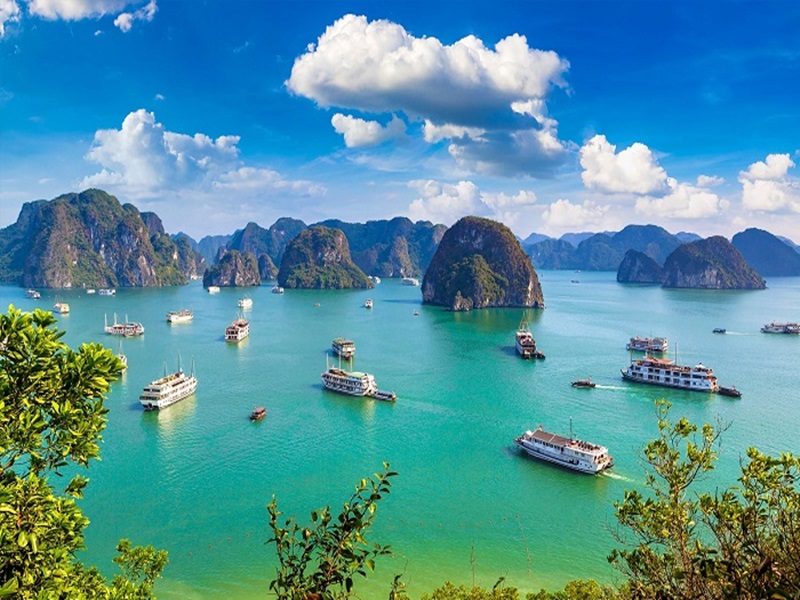
Australia is one of Vietnam's fastest-growing tourism markets, supported by more direct flights from cities such as Sydney, Melbourne, and Brisbane. During Vietnam in June to August, many Australians choose Vietnam as a warm-weather escape from winter. With short flight times, affordable travel costs, and diverse experiences ranging from beaches and cultural heritage to vibrant cities, Vietnam has become a popular destination for Australian travelers.
Vietnam's weather from June to August: Sunny in Central Vietnam, mild in Northern Vietnam, and warm in Southern Vietnam
From June to August, when Australia enters its cold winter with temperatures ranging from 5-15°C, Vietnam enjoys warm and sunny weather, particularly ideal for beach tourism and sightseeing. This climatic contrast makes Vietnam an attractive destination for Australian tourists looking to escape the winter.
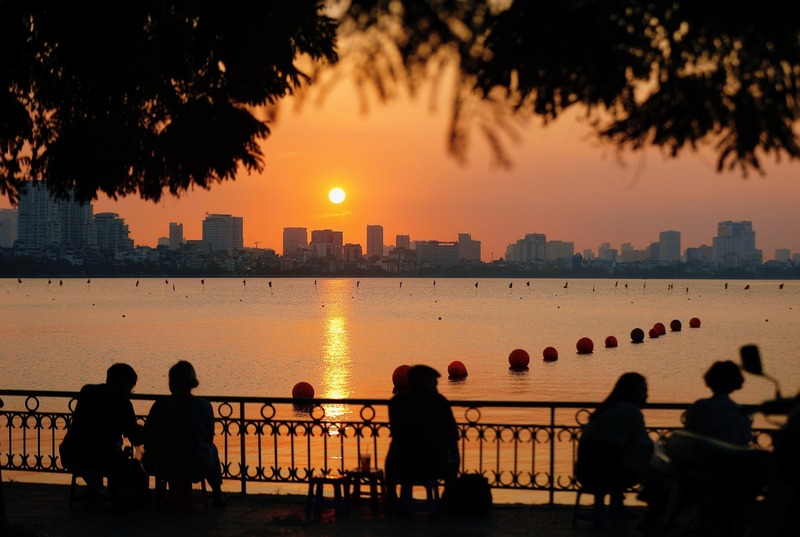
Warm and sunny weather in Vietnam from June to August (Source: Health and Life)
Besides its pleasant weather, Vietnam stands out for its regional diversity, from the coastal central region and the culture of the northern part to the vibrant lifestyle of the southern region. This makes it easy for tourists to combine many experiences into a short trip.
|
Area |
Weather (June-August) |
Outstanding experience |
Suitable for |
|
Central Vietnam (Da Nang, Hoi An, Hue) |
Sunny weather, little rain, clear blue sea. |
Beach holidays, seaside resorts, exploring UNESCO heritage sites, and enjoying local cuisine. |
Family, couples, vacation |
|
Northern Vietnam (Hanoi, Ha Long, Sapa, Ha Giang) |
The weather is pleasant and ideal for sightseeing. |
Culture and history, natural landscapes, Halong Bay cruises, mountain trekking. |
Tourists enjoy exploring and experiencing different cultures. |
|
Southern Vietnam (Ho Chi Minh City, Mekong Delta) |
Warm weather year-round, with brief periods of rain. |
A vibrant city, street food, floating markets, and river tourism. |
Group of friends, independent travel, urban experiences. |
|
Overall Vietnam |
Climate varies by region. |
Combine the beach, mountains, and city in one trip. |
All types of tourists |
Reasonable price but premium experience
Besides favorable weather, reasonable travel costs are one of the factors that make Vietnam increasingly attractive to Australian tourists during the period from June to August. Compared to many popular destinations in the Asia-Pacific region, tourists can enjoy high-quality experiences in Vietnam at a significantly lower cost.
From accommodation and dining to tourism services, Vietnam offers exceptional value for money. Instead of paying high prices for luxury hotels or fine dining, travelers can easily access comparable services at much more reasonable costs.
|
Category |
Vietnam |
Bali / Phuket / Singapore |
|
Round-trip airfare (from Australia) |
~600-1,400 AUD (many direct flights to Sydney, Melbourne, and Brisbane) |
~700-1,600 AUD (usually requires a layover or is more expensive during peak season) |
|
4-5 star hotels |
~120-250 AUD/night (coastal resorts in Da Nang, Nha Trang, Phu Quoc) |
~250-600+ AUD/night, prices increase sharply during peak season. |
|
Resort 5 sao |
~200-400 AUD/night, many long-stay packages available. |
~400-800+ AUD/night in the city center or on tourist islands |
|
Eat and drink |
5-15 AUD/street food meal; 20-50 AUD in restaurants. |
15-40 AUD for budget-friendly; 50-120 AUD for tourist restaurants. |
|
Domestic travel |
20-80 AUD/flight + cheap Grab/taxi |
50-150 AUD/trip + higher travel costs |
|
Spa & Wellness |
20-60 AUD per service |
60-150 AUD per service (equivalent service) |
|
Golf |
80-150 AUD/round at international standard courses |
150-300+ AUD/round trip at popular spots |
|
Experience tour |
30-150 AUD (Ha Long, Hoi An, Mekong) |
80-250+ AUD for a similar tour |
One of the biggest reasons Australian tourists choose Vietnam is the exceptional value for money. For the same budget, travelers can enjoy 4-5 star hotels, high-quality resort services, diverse cuisine, and many unique experiences that would typically be significantly more expensive at other destinations. Furthermore, the cost can vary depending on the traveler's preferences.
|
Travel style |
Total cost (AUD/person/7-10 days) |
|
Save |
1,300 - 2,400 AUD |
|
Mid-range |
2,500 - 4,700 AUD |
|
High-class |
6,000 - 12,000+ AUD |
This short-term budget for a 7-10 day trip typically includes round-trip airfare from Australia, hotel, meals, local transportation, and basic sightseeing activities. The combination of reasonable costs, increasingly high-quality service, and the ability to meet diverse needs has made Vietnam the best value destination for Australian tourists during the winter months of June to August.
Vietnam - diversity of destinations and experiences tourism
Vietnam is increasingly attractive to Australian tourists due to its diverse range of destinations and experiences. In a single trip, visitors can enjoy tropical beaches, explore majestic mountains, visit vibrant cities, and discover ancient cultural heritage. This combination makes Vietnam suitable for both short getaways and multi-week trips.
Northern Vietnam: Hanoi - Ninh Binh - Ha Long - Sapa
A trip to Northern Vietnam often begins in Hanoi, where, after a 35-45 minute flight from Noi Bai Airport, visitors can immediately feel the vibrant yet ancient rhythm of a capital city over 1,000 years old. The Old Quarter, with its 36 streets, unfolds like a cultural labyrinth, where each street is a slice of history.
In just a few minutes' stroll, visitors can walk from the peaceful Hoan Kiem Lake and the ancient Ngoc Son Temple to the Temple of Literature - a place that preserves Vietnam's spirit of learning through centuries. And amidst the narrow streets, the aroma of hot pho, charcoal-grilled bun cha, and egg coffee creates a unique Hanoi - both simple and captivating.
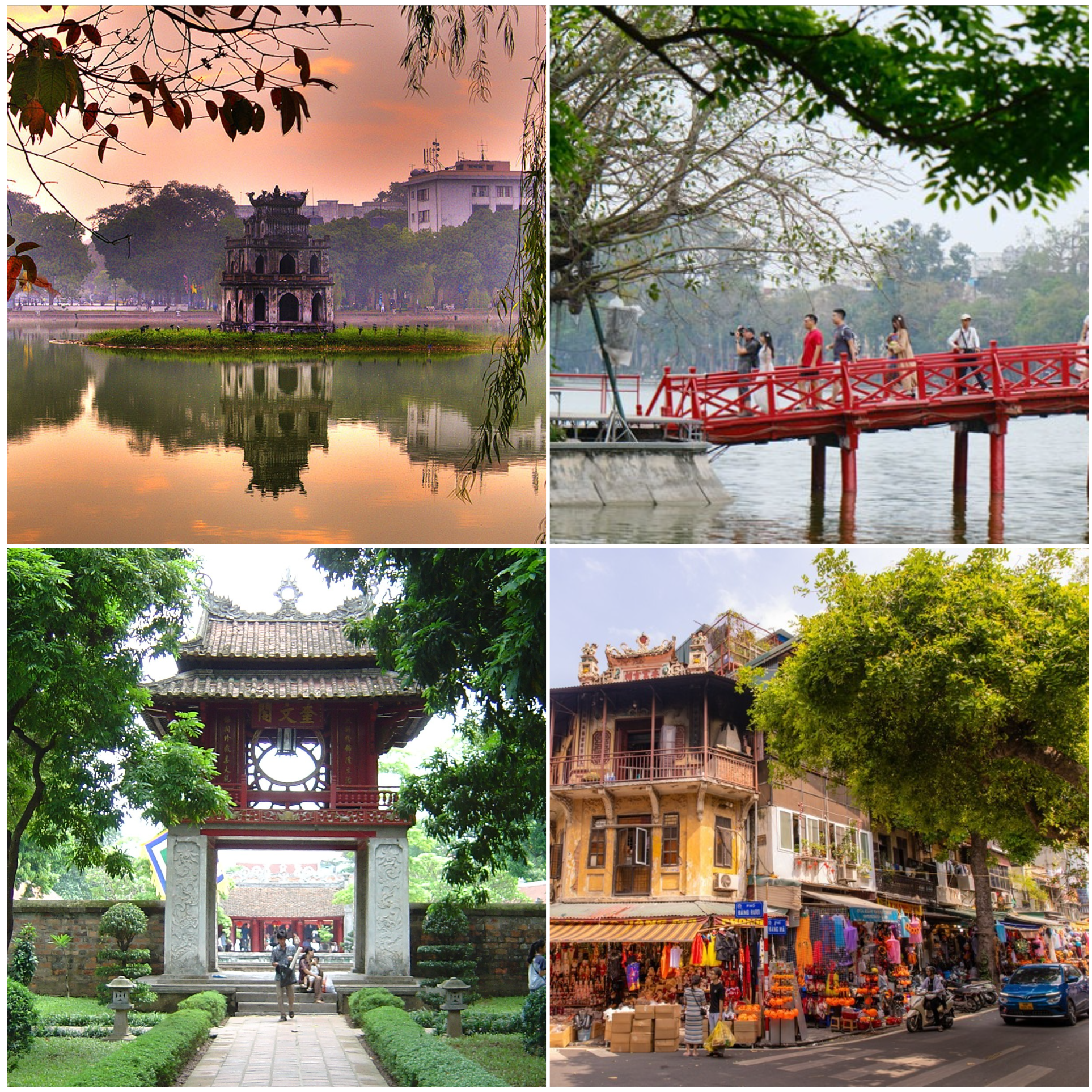 Hanoi, the capital city and heritage city of Vietnam (Source: Lao Dong Newspaper)
Leaving the hustle and bustle of the old town, a journey of only 2-2.5 hours (90km) takes you to Ninh Binh, where the landscape transforms into a completely different world. The winding rivers amidst the limestone mountains of Trang An - a UNESCO World Heritage site - create an almost absolute tranquility.
Visitors can take boat trips through caves, past cloud-covered green mountains, and visit Tam Coc and Mua Cave with their panoramic views of golden rice paddies, or Bai Dinh Pagoda - the largest pagoda complex in Southeast Asia. All of this creates a Ninh Binh that is both majestic and serene.
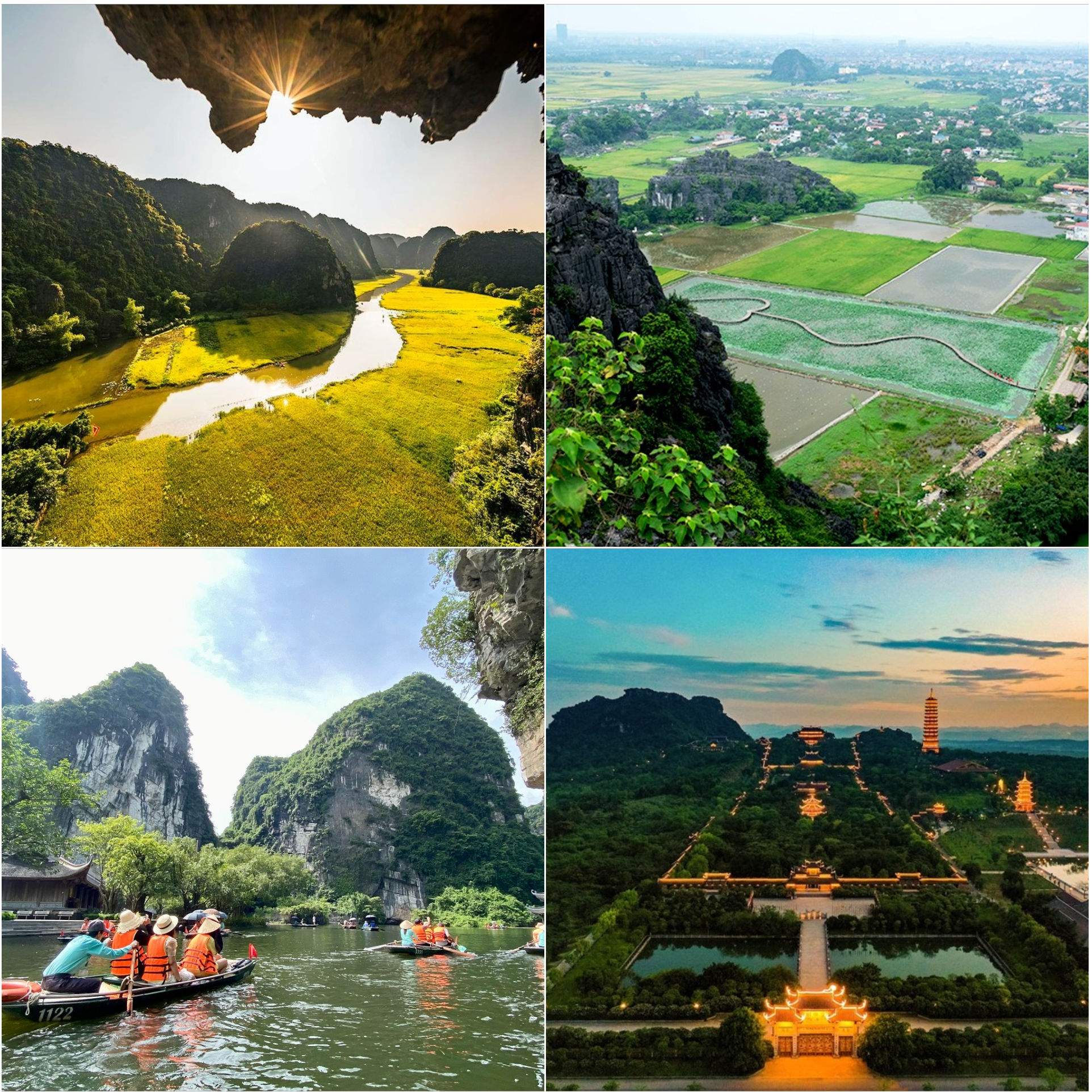 Ninh Binh - A real-life paradise in Vietnam (Source: Collected)
Continuing towards the sea, after about 2.5-3 hours of travel (150 km), Ha Long Bay appears like a giant limestone painting floating on the turquoise water. This is a UNESCO World Heritage Site, where thousands of rocky islands form a magnificent labyrinth between sea and sky.
The most memorable experience is spending the night on a cruise ship, watching the sunset and sunrise over the bay, with stops at places like Sung Sot Cave or Cua Van fishing village offering a feeling of both adventure and tranquility.
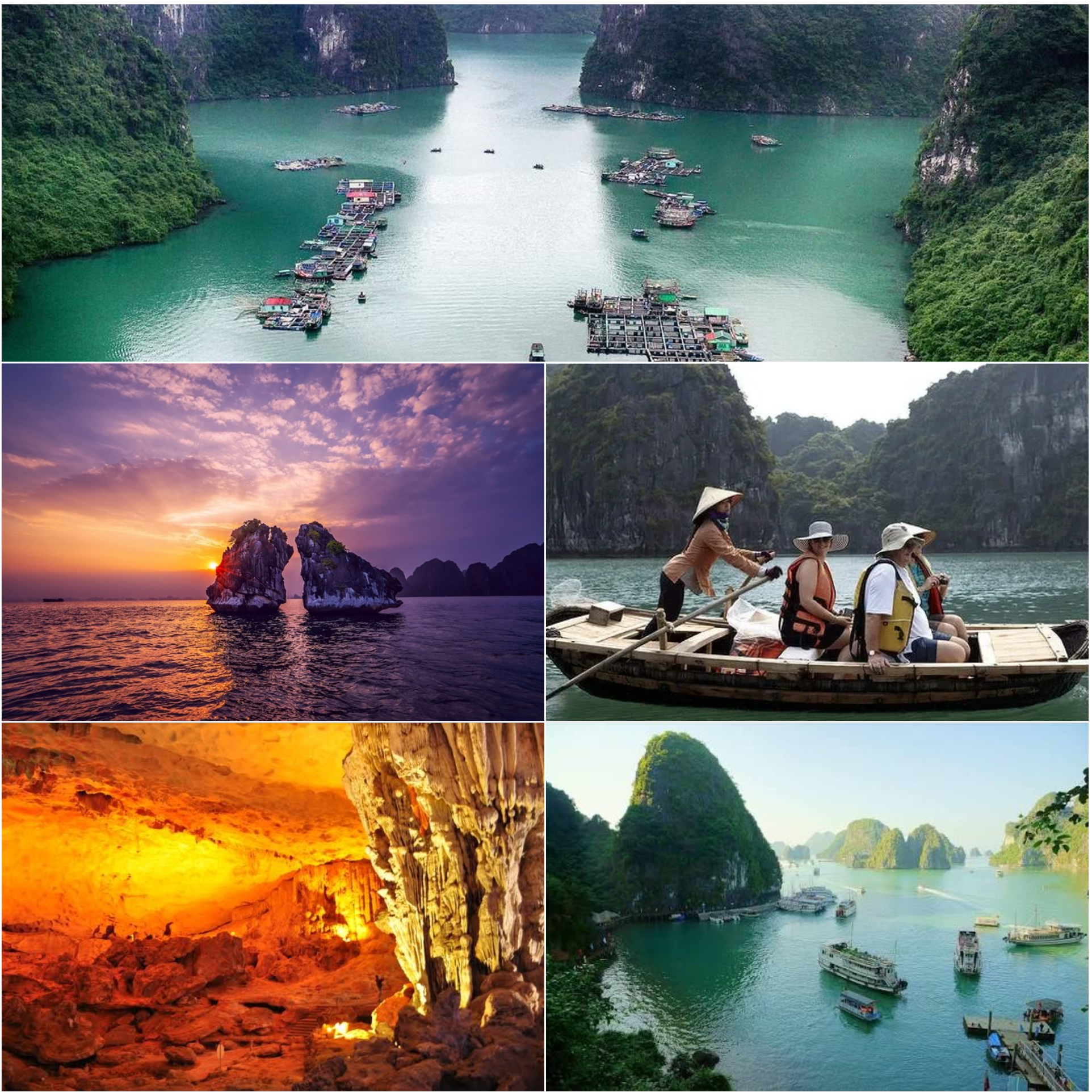 Australian newspaper calls Ha Long Bay "a world of dreams and dragons" (Source: Dan Tri Newspaper)
As you venture deeper into the northern mountains, after about 5-6 hours of travel, Sapa reveals a completely different landscape - where clouds almost touch the ground. Terraced rice paddies stretch like waves, villages like Cat Cat and Ta Van, and the journey to conquer Fansipan - the highest peak in Indochina at 3,143m - create an experience that is both majestic and pristine. This is also where the cultures of the Hmong and Red Dao ethnic groups are vividly showcased through their local markets and highland life.
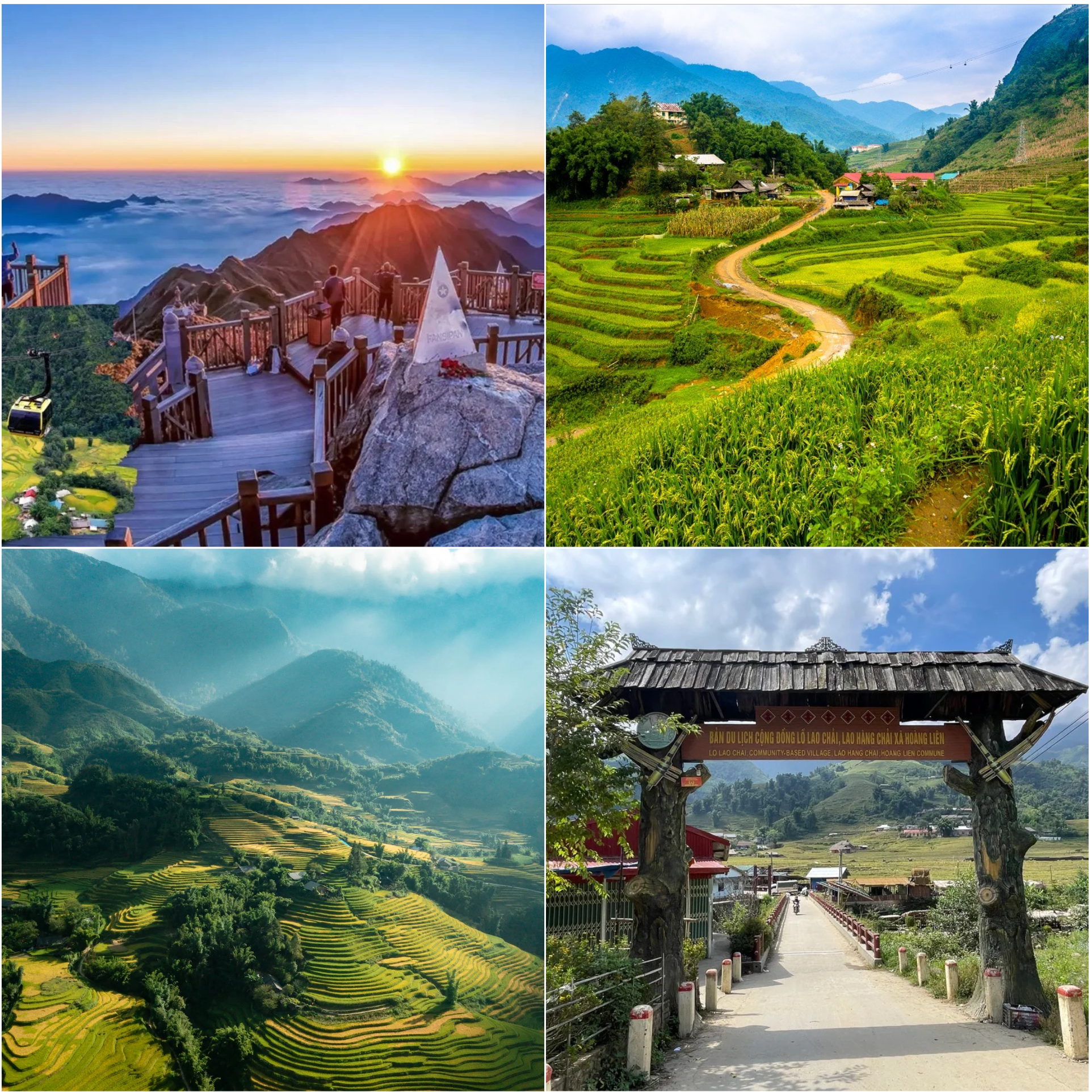 Sapa - Where Heaven and Earth Meet (Source: Hanoi Labor Newspaper)
Therefore, Northern Vietnam is not just a journey, but a constant change of landscape and emotion - from thousand-year-old ancient towns, to peaceful rivers and mountains, majestic bays, and finally, cloud-covered mountain regions.
Central Vietnam: Da Nang - Hoi An - Hue
Da Nang offers easy access from the international airport to both the city center and My Khe Beach, renowned for its white sand, clear water, and luxury beachfront resorts. Visitors can also enjoy attractions such as Dragon Bridge, Han River cruises, and Ba Na Hills, home to the world-famous Golden Bridge.
Just 45–60 minutes from Da Nang, Hoi An is a UNESCO World Heritage Site known for its well-preserved Ancient Town, yellow heritage buildings, and colorful lantern-lit streets. Travelers can stroll along the Hoai River, explore historic landmarks, and experience traditional crafts and local cuisine.
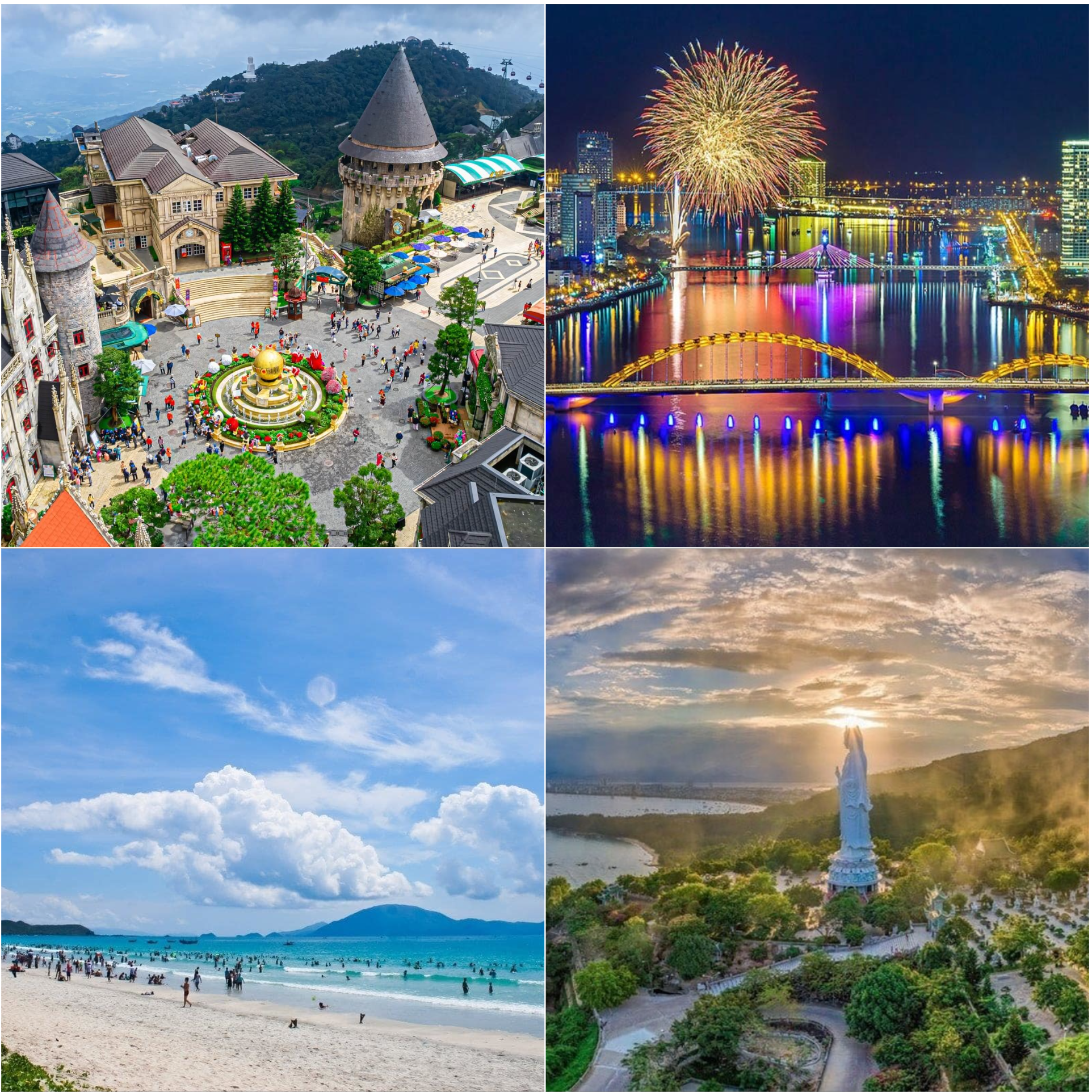 Da Nang - the most livable city in Vietnam (Source: Collected)
Further afield, about 100-110 km (2.5-3 hours via Hai Van Pass or coastal train), Hue - the former capital of Vietnam - is also a UNESCO World Heritage Site. Once the political center of the Nguyen Dynasty, it boasts a strong imprint of imperial architecture with the Imperial Citadel, the royal tombs, Thien Mu Pagoda, and the Perfume River. Hue's atmosphere is serene, tranquil, and rich in historical depth, distinctly different from the dynamism of Da Nang or the romantic charm of Hoi An.
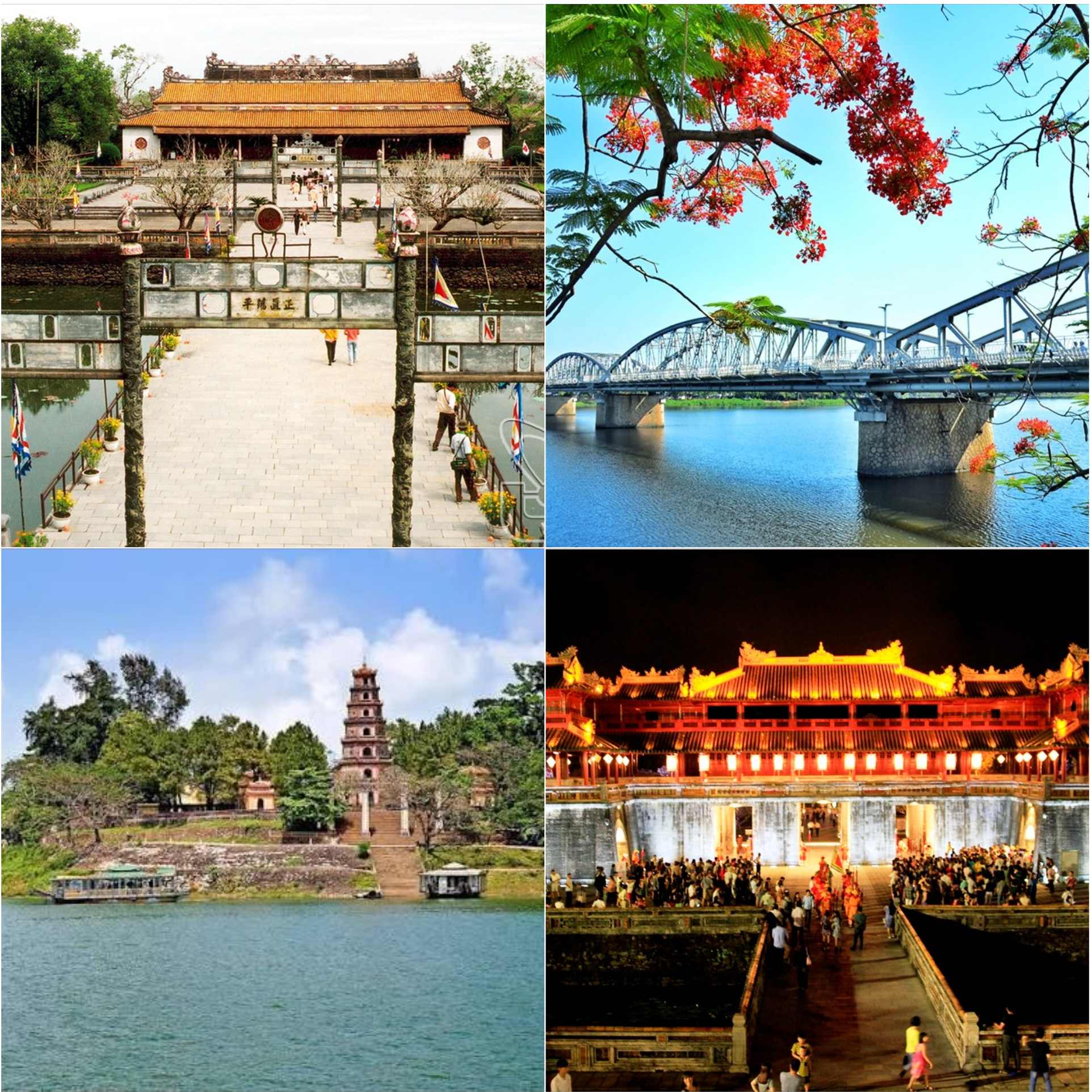 Hue - the former capital of Vietnam (Source: Vietnam National Tourism Administration)
The combination of modern beach resorts, vibrant cultural heritage, and the depth of royal history makes Central Vietnam one of the most balanced and enriching travel destinations in the country.
Southern Vietnam: Ho Chi Minh City - Mekong Delta - Vung Tau
If the North is a blend of history and nature, the South is a modern rhythm of life intertwined with rivers and the sea. And the starting point is Ho Chi Minh City, just 20-30 minutes from Tan Son Nhat Airport, transporting visitors to Vietnam's most vibrant urban center.
The streets are always full of energy, with Notre Dame Cathedral, the Central Post Office, the Independence Palace, and Ben Thanh Market, where the French colonial past and modernity intertwine. As night falls, Nguyen Hue pedestrian street and the Bitexco Skydeck transform Saigon into a dazzling, sleepless city.
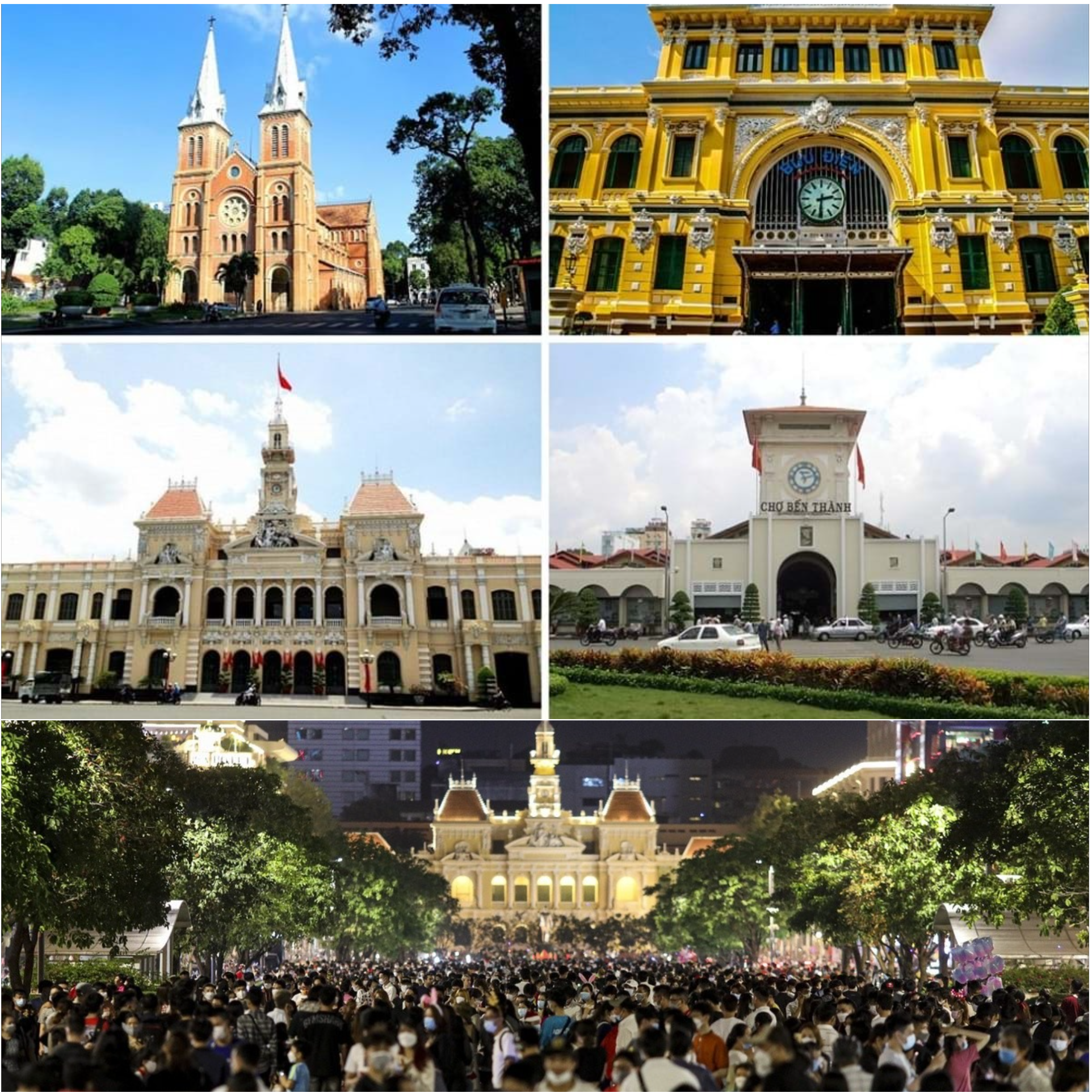 Tourist attractions in Ho Chi Minh City (Source: Vietnam Architecture Magazine)
Just 2-2.5 hours (100-120 km) offshore lies Vung Tau, where the pace of life slows down with sea breezes and sunsets stretching across Bai Sau and Bai Truoc beaches. From the top of the Christ the King statue, visitors can enjoy panoramic views of the vast ocean, while the roadside seafood restaurants offer a very "local" and relaxed experience - perfect for a weekend getaway.
 Vung Tau - one of the most famous coastal cities in Southern Vietnam (Source: VnExpress)
Turning in another direction, after just 1.5-2 hours of travel (70km), the Mekong Delta - My Tho opens up a completely different world: rivers, canals, and lush green islets. Cruising through the small waterways by boat, visiting Thoi Son islet and its tropical fruit gardens, or listening to traditional Vietnamese folk music - a UNESCO intangible cultural heritage - visitors will experience a very simple and authentic Vietnam.
Further afield, about 3-4 hours (170 km), lies Can Tho, the heart of the Mekong Delta, where the Cai Rang floating market operates from early morning, creating a unique riverine trading scene unlike any other in Southeast Asia. The South, therefore, is a blend of modern cities, the nearby sea, and a rich riverine culture - a gentle journey yet full of authentic experiences.
Read more: Daily departures: travel in Vietnam
Vietnamese cuisine: diverse, familiar, and easy to enjoy
Vietnamese cuisine appeals to Australian travelers with its fresh ingredients, fragrant herbs, and well-balanced flavors. Using fish sauce, lime, lemongrass, ginger, garlic, and fresh herbs, many dishes are light, healthy, and easy to enjoy.
Each region has its own specialties. Northern Vietnam is known for pho and bun cha with delicate broths, Central Vietnam offers bolder dishes such as Mi Quang, bun bo Hue, and Cao Lau, while Southern Vietnam features flavorful favorites like banh mi, com tam, hu tieu, and fresh spring rolls with a balance of sweet, sour, and savory tastes.
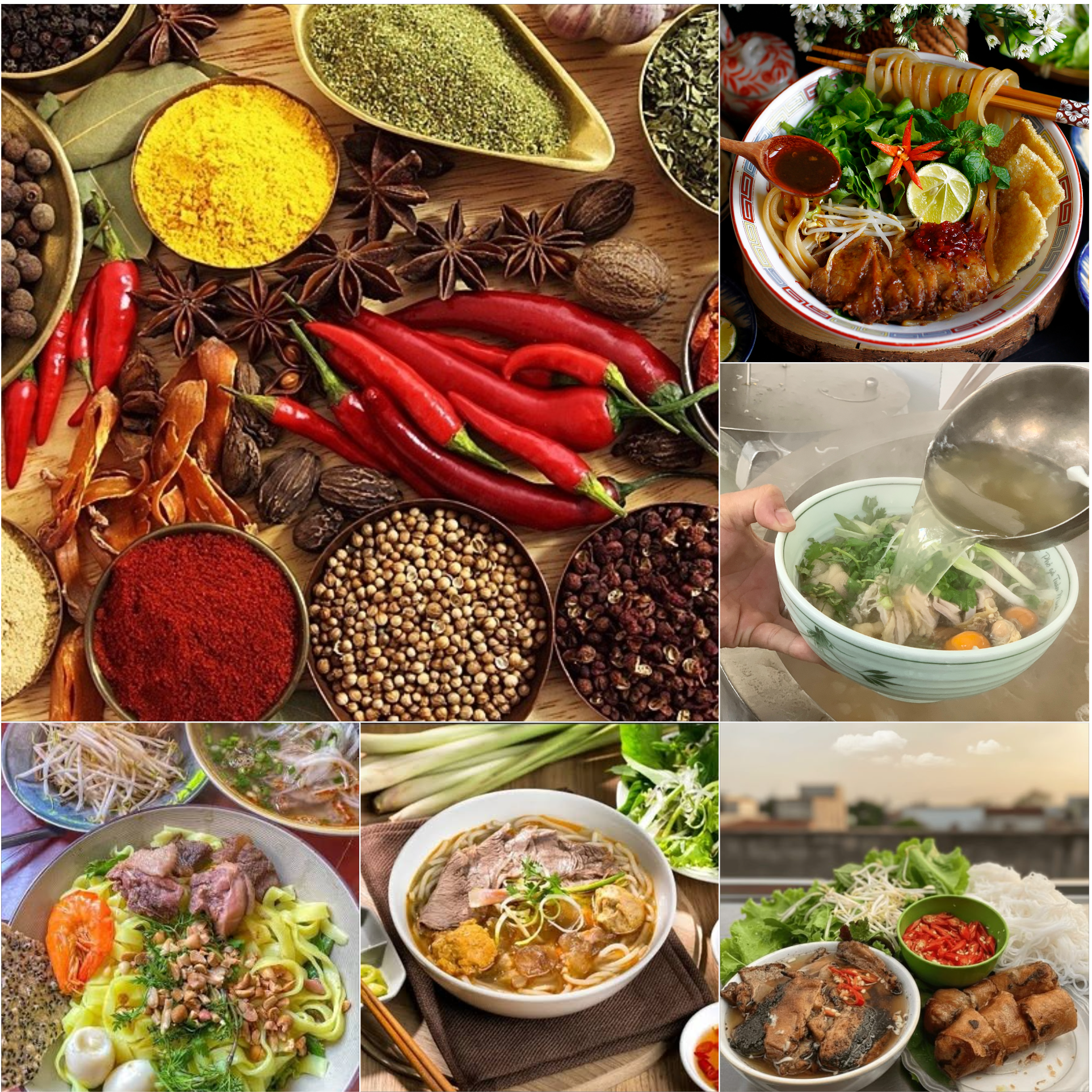 The combination of spices creates dishes that are flavorful yet easy to enjoy (Source: Collected)
Beyond its flavors, Vietnamese cuisine is also about the dining experience. Whether at a street-side eatery, a seaside restaurant, or a night market, visitors can enjoy local dishes while immersing themselves in Vietnam's lively and relaxed atmosphere.
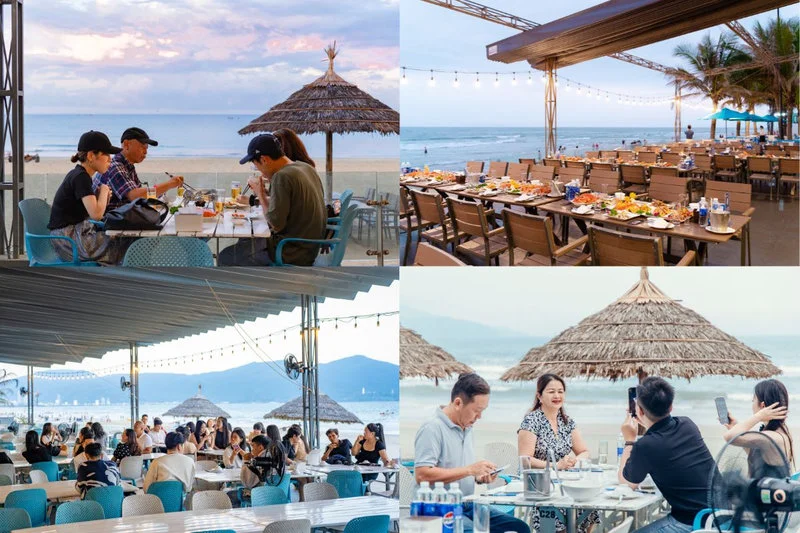 Tourists enjoy a meal at a beachfront restaurant in Da Nang (Source: AEON MALL Da Nang)
Vietnamese cuisine is best enjoyed where it originates, whether it's a bowl of pho in Hanoi, cao lau in Hoi An, or banh mi in Ho Chi Minh City. Beyond the flavors, dining in local eateries and street-side restaurants allows visitors to experience everyday life, making food an essential and memorable part of discovering Vietnam.
Tourism infrastructure is developing rapidly
International and domestic transportation is becoming increasingly sophisticated
One of the key factors driving the significant increase in Australian tourists visiting Vietnam in recent years is the rapid development of aviation infrastructure and direct flights between the two countries. Instead of having to make multiple layovers as before, travelers can now easily fly directly from Sydney, Melbourne, or Brisbane to Hanoi and Ho Chi Minh City, significantly saving time and travel costs.
The participation of airlines such as Jetstar Airways, VietJet Air, and Vietnam Airlines has created more flight options and more competitive ticket prices for Australian tourists. As a result, Vietnam has become a more accessible destination compared to many other countries in the region.
|
Element |
Benefits for Australian tourists |
|
Direct flights |
Reduce travel time, no transit required. |
|
Many airlines operate this route |
Many options regarding ticket prices and schedules. |
|
Flight frequency increased |
Easily plan short or long vacations. |
|
Connecting major cities |
Convenient access to Hanoi, Ho Chi Minh City, and further exploration of other destinations. |
Vietnam's transportation infrastructure has improved significantly in recent years, making it easier and more convenient for travelers to explore the country. Modern rail and road networks now provide faster, more comfortable connections between major tourist destinations.
-
Modern railways: Upgraded tourist trains offer comfortable journeys with scenic views along the North–South route.
-
Better road transport: Expressways, luxury limousines, sleeper buses, and private transfers provide convenient connections between major tourist destinations.
Accommodation systems are developing towards luxury
Vietnam's hospitality industry is rapidly expanding in the upscale segment, with international brands such as Marriott, InterContinental, Hyatt, Accor, and Hilton raising accommodation standards across the country. In destinations like Da Nang, Phu Quoc, Nha Trang, and Ha Long, integrated resorts combine luxury hotels, private villas, spas, restaurants, pools, golf courses, and other premium facilities, offering a complete world-class holiday experience.
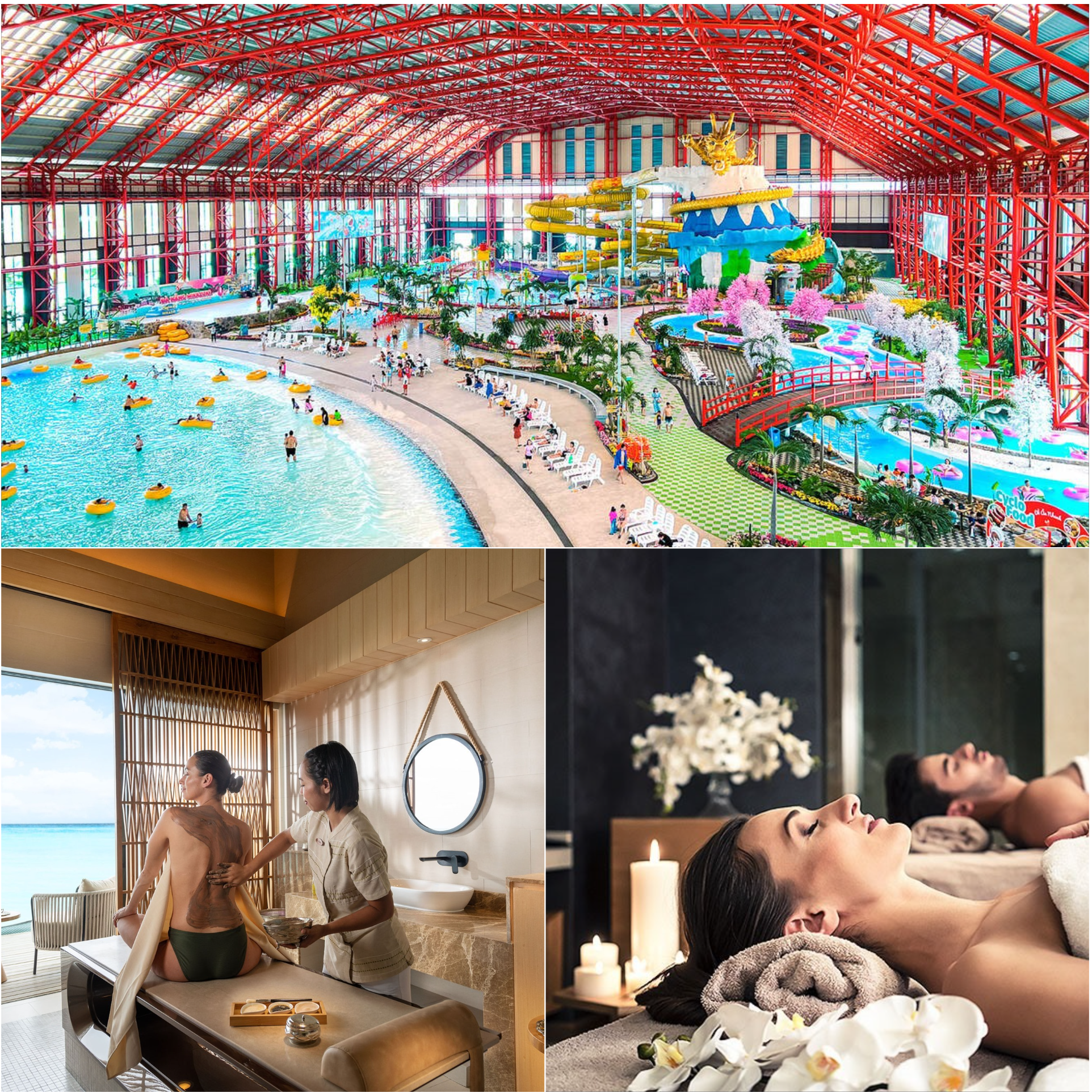 Model Resorts that integrate various services (Source: Collected)
A prominent current trend is the shift from "mere housing" to ''Resort experience'' - a complete resort experience. This means that tourists come not only to sleep and rest, but also to enjoy the living space, take care of their health, relax their minds, and participate in recreational activities right within the resort.
Digitalized and highly professionalized tourism services
Vietnam's tourism industry is embracing digital transformation, making travel more convenient, efficient, and accessible for international visitors.
-
Online booking: Hotels, tours, and attraction tickets can be booked easily through digital platforms such as SinhCafe.
-
Better visitor services: Multilingual support and professional service standards enhance the travel experience.
-
Smart technology: QR codes, digital maps, and travel apps make independent travel more convenient.
-
Cashless payments: QR payments, international cards, and e-wallets are widely accepted.
The tourism experience ecosystem is becoming increasingly comprehensive
Vietnamese tourism is developing in a multi-experience direction, no longer limited to single sightseeing but expanding into a rich ecosystem of services that meet the diverse needs of tourists. In a single trip, tourists can combine many different types of experiences:
|
Type of tourism |
Featured destination |
Main experience |
Key features |
|
Luxury beach resort tourism |
Phu Quoc, Nha Trang, Da Nang |
Relax at a luxury resort, enjoy a private beach, and participate in water sports. |
Luxurious space, high-class service, suitable for extended relaxation. |
|
Cultural and heritage tourism |
Hue, Hoi An, Ninh Binh |
Visit historical sites and ancient architecture, and experience local culture. |
Profound historical value, rich in traditional identity. |
|
Food tourism |
Hanoi, Ho Chi Minh City |
Discover street food and signature restaurants. |
Experience a diverse range of dishes and unique culinary culture. |
|
wellness tourism |
Luxury resorts nationwide |
Spa treatments, yoga, meditation, wellness. |
Focus on achieving physical and mental balance. |
|
Luxury Golf & Sports Tourism |
Da Nang, Phu Quoc, Vung Tau |
Golf, a relaxing vacation combined with sports. |
High-end customer segment, international standard service. |
|
Cruises & River Cruises |
Ha Long, Mekong River |
Cruises, river/sea vacations. |
Experience luxury, relaxation, and scenic views. |
|
Nature exploration tourism |
Sa Pa, Ha Giang |
Trekking, mountain climbing, experiencing local culture. |
Untouched nature, adventurous experiences. |
This diversity makes Vietnam a suitable destination for many different groups of travelers, from budget to luxury, from families and couples to those seeking in-depth experiences. More importantly, each trip is no longer a standalone experience but becomes a series of interconnected, emotionally rich, and more personalized experiences.
Travel tips from locals
To ensure a smooth trip to Vietnam during June-August, Australian tourists should carefully prepare for several important factors to guarantee a comfortable, safe, and cost-effective experience.
- Book your services and travel early: Travelers should proactively book domestic flights early, especially on popular routes like Hanoi - Da Nang - Ho Chi Minh City, to ensure seat availability and reasonable prices during peak season. Planning travel between cities in advance also helps optimize time and minimize unexpected costs.
- Prepare your clothing and personal items: Tourists should bring sun-protective clothing, wide-brimmed hats, sunglasses, and sunscreen because the weather in Vietnam during June-August is usually hot and humid, significantly different from winter in Australia. Light, breathable clothing will make traveling and sightseeing more comfortable.
- Plan your sightseeing schedule wisely: Outdoor activities should be scheduled for early morning or late afternoon to avoid the intense midday sun. This arrangement not only reduces fatigue but also provides a more comfortable sightseeing experience and better lighting conditions for photography.
- Weather notes: During the months of June to August, Vietnam may experience short, sudden showers in both the North and South. Therefore, tourists should prepare lightweight raincoats or folding umbrellas and maintain a flexible itinerary to avoid being affected by the weather.
- Internet connectivity while on the go: Tourists should use an eSIM or a local SIM card when visiting Vietnam for convenience in checking maps, booking services, and communicating. This helps ensure a stable connection throughout their trip.
- Travel insurance: International travel insurance is recommended, especially for trips with many activities such as traveling to multiple cities, cruises, or mountain trekking. This is an important factor in helping to manage risks related to health or luggage.
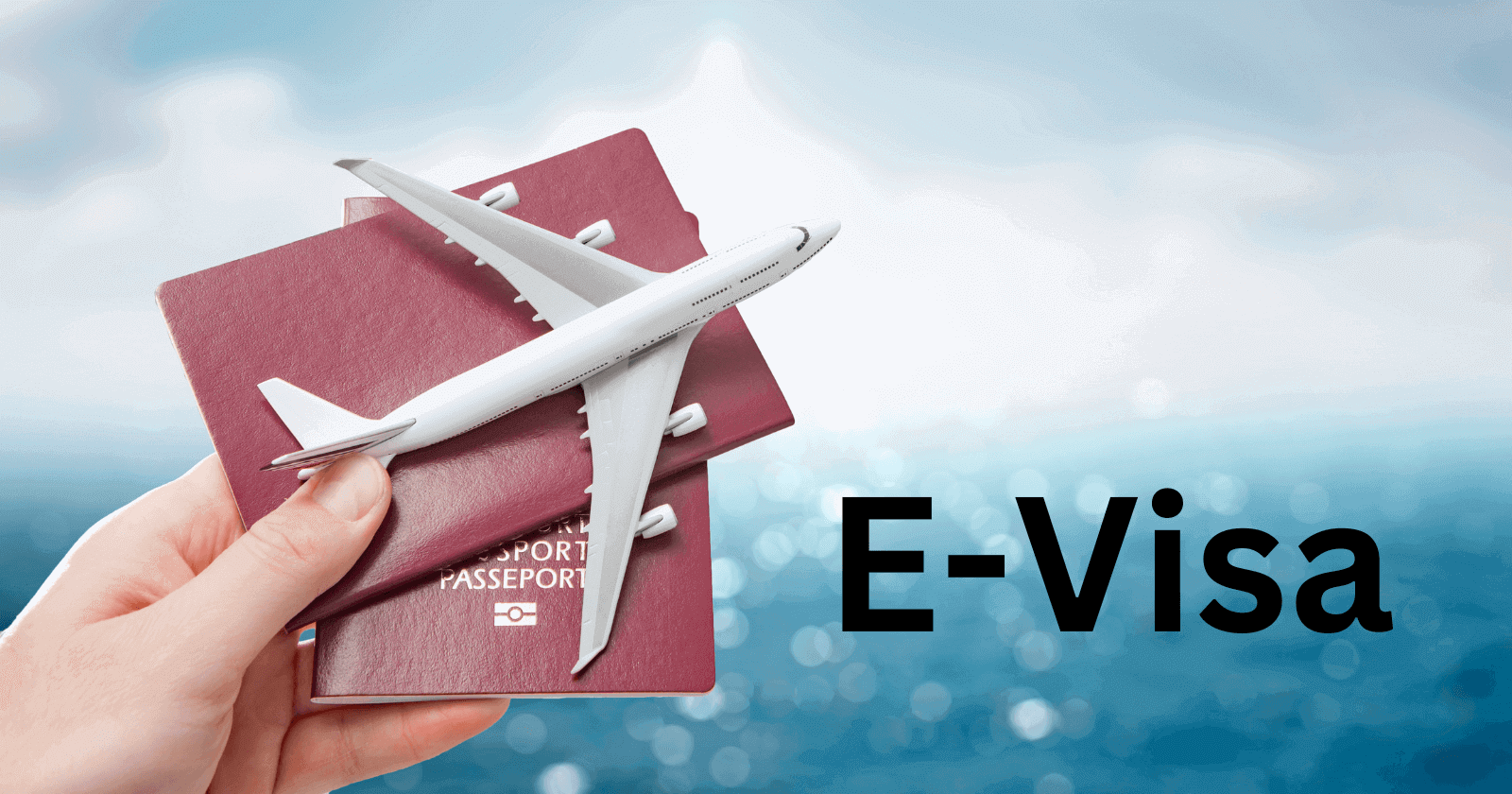 E-Visa: Explore Beautiful Vietnam Easier - METO Travel & Event (Source: Collected)
- Apply for an e-visa before departure: Australian citizens can apply for a Vietnamese E-visa online with a simple and quick process. Completing the application before travel makes the entry process at airports or international border crossings smoother and more time-efficient.
- Prepare cash (VND): Although international payment cards are widely accepted in major cities, travelers should still carry Vietnamese Dong (VND) cash for use at local markets, small eateries, or areas outside the city center where electronic payments are not supported.
- Book services during peak season: During the June-August period, when tourist numbers peak at destinations like Da Nang, Hoi An, and Ha Long, travelers should book flights, hotels, and tours 1-3 months in advance. This is especially important for high-end services such as beachfront resorts and cruises, helping to secure availability and optimize costs.
Frequently Asked Questions (FAQ)
What is the best way to travel between northern and southern/central Vietnam?
-> Air travel is the fastest and most convenient option. Domestic flights connect Hanoi, Da Nang, and Ho Chi Minh City daily, making it easy for travelers to explore multiple destinations in one trip.
How far in advance should tourists book services for the peak season from June to August?
→ Tourists should book flights, hotels, and tours approximately in advance 1-3 months. For more options and better prices, advance booking is recommended. For popular destinations like Da Nang, Hoi An, Phu Quoc, or high-end experiences such as beachfront resorts and Halong Bay cruises 2-3 months. It is recommended to ensure you have a reservation during peak tourist season.
Is June-August a good time to travel to Vietnam?
→ Have. This is one of the best times to explore Vietnam, especially the central region with its sunny weather, blue seas, and minimal rain. The north is also suitable for cultural and nature sightseeing, while the south maintains its warm climate and offers a variety of travel experiences.
How much should Australian tourists budget for a trip to Vietnam?
-> For short trips of 7-10 days, the common budget for everything usually ranges from ~1,300 - 2,400 AUD or more, depending on the traveler's needs and desired experiences.
Should you bring cash when traveling in Vietnam?
-> Yes. Although payment cards are widely accepted in major cities, it's still a good idea to carry some Vietnamese Dong (VND) cash for use at local markets, small eateries, or areas outside the city center.
Are you ready for a truly fulfilling journey exploring Vietnam? With SinhCafe, everything becomes much easier because you don't need to worry too much about schedules or transportation. From well-designed tours and travel between destinations to suggestions for local experiences, everything is prepared so you can just focus on enjoying your trip. Every moment of your journey is optimized so you can explore Vietnam comfortably, easily, and more memorablely.
Share via




Related articles

Visit Ha Giang in November: Is it a good time to go?
Posts | 21/09/2026
Ha Long bay 1 day tour: Best itinerary, cruise options & Travel tips
Posts | 23/03/2026
Yang Bay Waterfall: A Hidden Paradise near Nha Trang you shouldn’t miss
Blog | 24/03/2026
Diep Son island: Walk across the sea in Vietnam’s hidden paradise
Posts | 24/03/2026








There are no reviews yet