


Vietnam Group Tours: Small Group, Private Group and Fixed Departure Options
Not all Vietnam group tours are the same. Some are designed for travelers who want to meet new people, others offer complete flexibility for families and friends, while fixed departure tours are ideal for those who prefer a pre-planned schedule. Before you book, here's what each tour type includes, who it's best for, and how to choose the one that matches your travel style.
What Types of Group Tours Are Available in Vietnam?
Vietnam's group tour market is generally split into three formats, and understanding the difference between them is the single most useful thing you can do before booking anything. Small group tours combine you with a limited number of other independent travelers, usually strangers before day one, who share the same fixed itinerary and departure date.
Private group tours, by contrast, are built exclusively for your own party - your family, your friends, or your company - and nobody outside your group joins the vehicle or the guide. Fixed departure tours are a scheduling model rather than a group size category; they run on pre-set calendar dates regardless of how many people sign up, which matters enormously if you're trying to coordinate flights or annual leave months in advance.
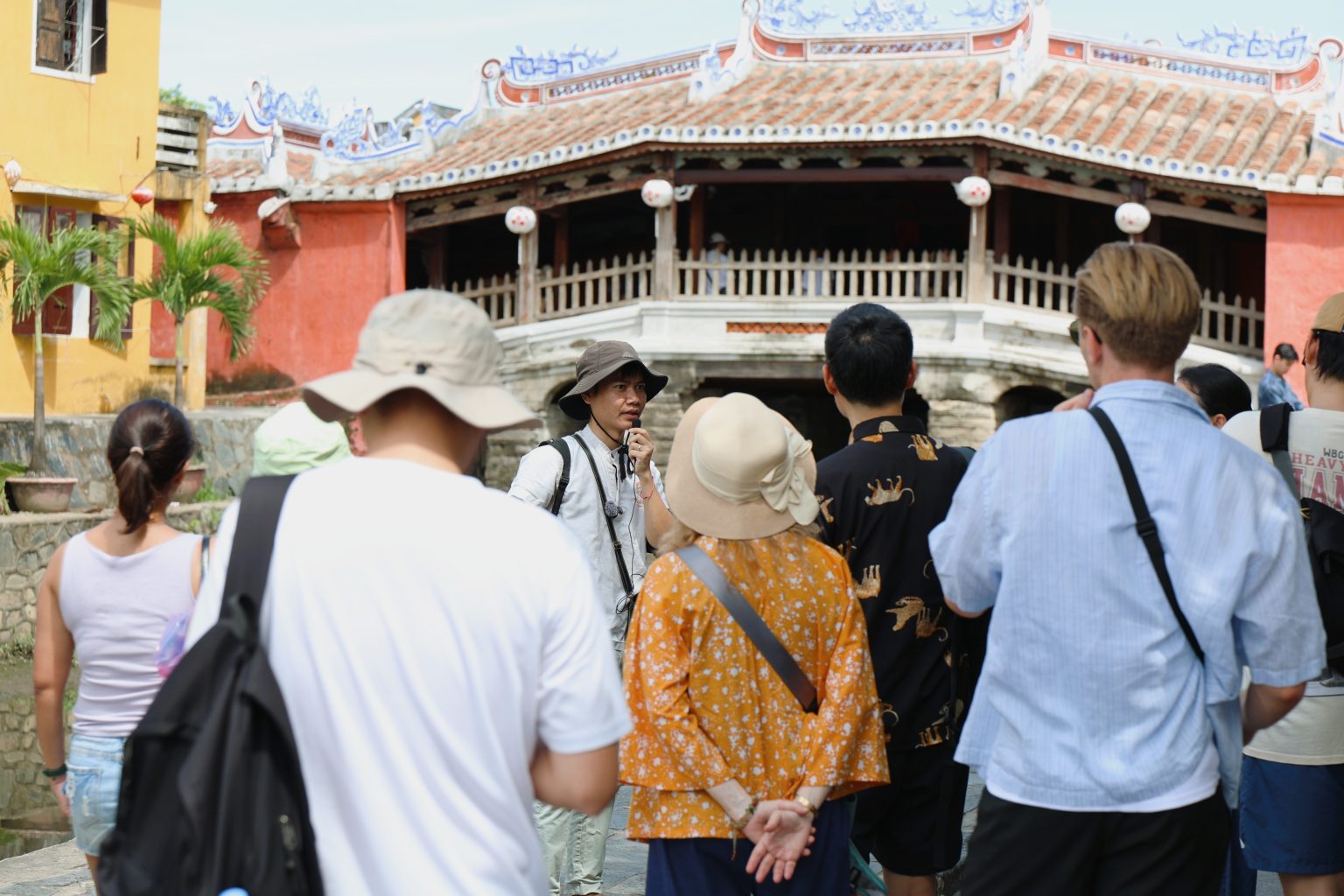
A small group tour exploring the ancient streets of Hoi An with a local guide - one of the most popular group travel experiences in Central Vietnam (Source: Collected)
These three formats aren't mutually exclusive labels - a single itinerary can be sold as a small group tour that also happens to run on fixed departure dates, or offered as a private option for travelers who prefer not to share their trip with strangers. The real decision usually comes down to three factors: how much you value meeting other travelers, how much control you want over the daily schedule, and how firmly your travel dates are already locked in. Understanding this upfront saves a lot of back-and-forth with tour operators later.
Most travelers who search for Vietnam group tours are actually looking for one of two things: either a way to travel more affordably by sharing costs with others, or a structured trip that removes the stress of planning logistics in an unfamiliar country. Both goals are valid, and both are achievable - the trick is matching the right tour format to your actual priorities rather than just picking whatever appears first in search results. The sections below walk through each option in detail, starting with the one most travelers ask about first.
Small Group Tours: Who They're For and What to Expect
Small group tours in Vietnam typically cap participant numbers somewhere between six and sixteen travelers, small enough that the guide can still remember everyone's name by day two but large enough to keep per-person costs reasonable. This size range tends to work well logistically too - it fits comfortably into a 16-seat minivan, a mid-sized boat cabin in Ha Long Bay, or a homestay's common dining table without needing to split the group across multiple vehicles.
Because the itinerary and route are fixed in advance, everything from hotel bookings to boat charters to entrance tickets can be pre-arranged at better rates than an individual traveler would get booking alone. The social element is often the biggest draw, and it's worth being honest about what that actually feels like on the ground. You'll be sharing meals, van rides, and quiet moments watching rice terraces roll by with people you've just met, and for many solo travelers or couples, this turns into one of the most memorable parts of the trip.
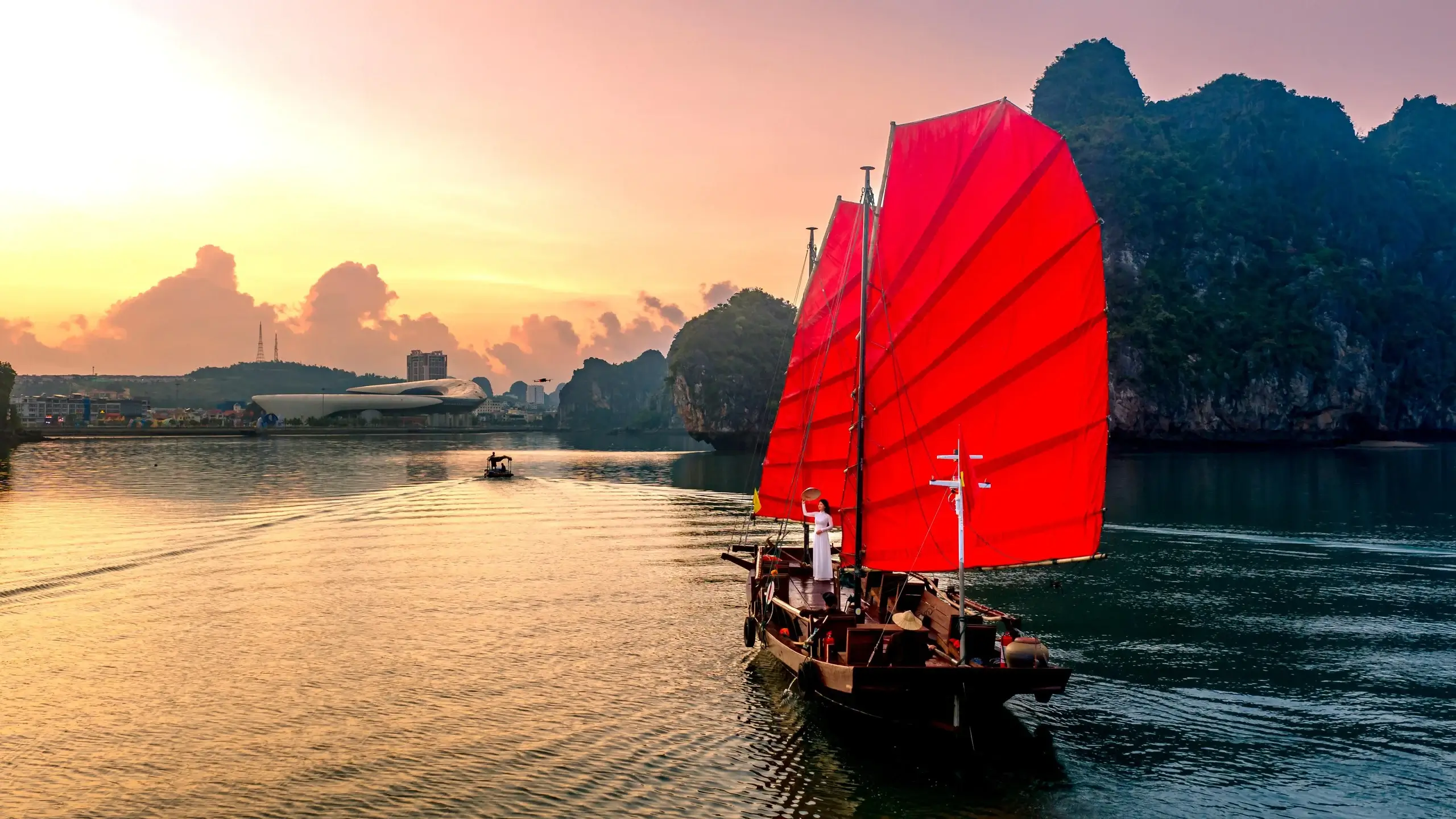
Sunset transforms Ha Long Bay into one of Southeast Asia's most magical landscapes (Source: Collected)
It's especially common on multi-day routes like Sapa trekking, Ha Long Bay cruises, or the Ho Chi Minh Trail motorbike loops, where the shared physical challenge naturally builds group camaraderie faster than a city day tour would. That said, small group tours do come with trade-offs that are worth knowing before you book. The itinerary is fixed, so if you'd rather skip a scheduled market visit to sleep in, or spend three extra hours at a temple that caught your interest, you generally can't - the group moves together.
Pace is also set at a middle ground that suits the average traveler in the group, which can feel slightly rushed for photographers who want to linger, or slightly slow for those who prefer to move quickly through sights. If flexibility matters more to you than meeting fellow travelers, the private group format covered next may be the better fit.
Private Group Tours: Customization and Flexibility
A private group tour means the vehicle, guide, and itinerary belong entirely to your own party for the duration of the trip - no other travelers join at any point. This format has become increasingly popular with multi-generational families, groups of friends traveling together, and small companies organizing incentive trips, because it removes the compromise that comes with sharing a schedule with strangers.
If grandma needs a slower pace, or the kids want an extra hour at the water park in Da Nang, the itinerary simply adjusts, since there's no other group whose plans would be disrupted. Cost is the honest trade-off here, and it's worth explaining clearly rather than glossing over. Because you're not sharing the vehicle, guide, or boat charter with other travelers, the per-person price is higher than an equivalent small group tour - sometimes significantly so for a party of two or three.
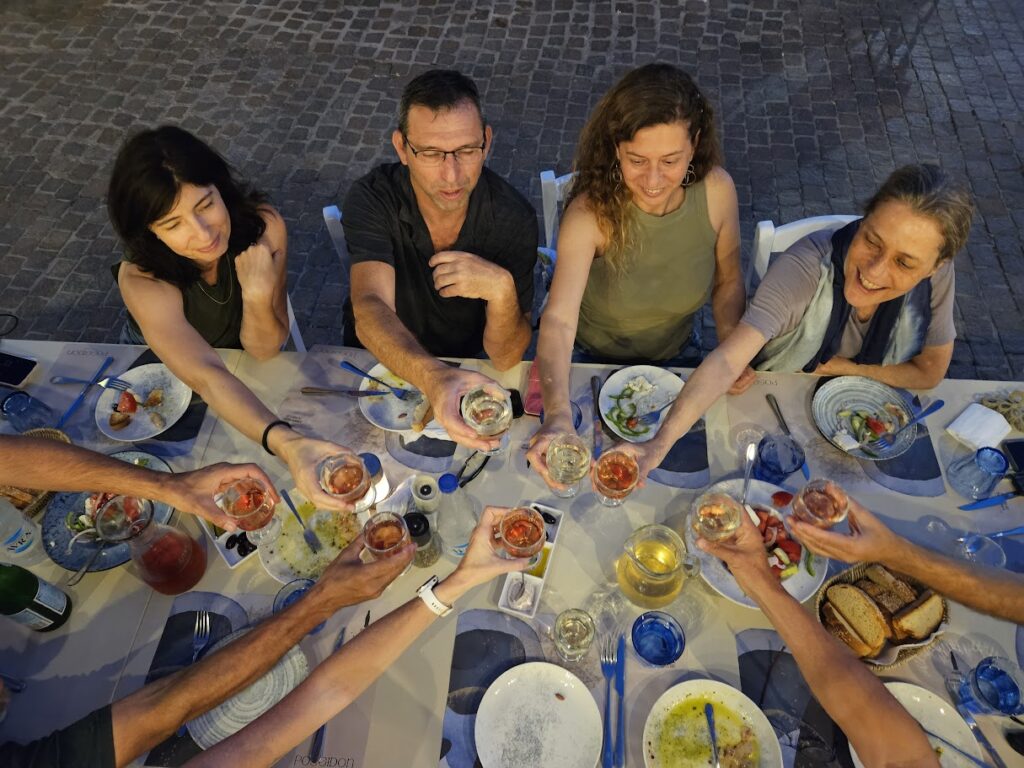
Shared meals are often where small group travelers say the real bonding happens (Source: Collected)
However, this gap narrows considerably as your group grows; a private tour for eight to twelve people often ends up close to small group pricing per person, while offering full control over pacing, meal choices, and even which sights to skip entirely. Families and friend groups of this size are usually the ones who benefit most from going private.
Beyond flexibility, privacy is a genuine and often underrated benefit. Some travelers simply prefer not to spend a week-long trip making small talk with strangers, particularly if they're traveling for a specific occasion like a honeymoon, an anniversary, or a family reunion.
Private tours also make it easier to build in personal requests - a specific restaurant a friend recommended, an extra stop at a lesser-known village, or a slower morning after a late flight - none of which a fixed small group itinerary can typically accommodate. For travelers weighing private against small group, the honest question to ask is simple: would you rather save money and meet new people, or pay a bit more for full control over your own trip?
Fixed Departure Tours: Fixed Schedules, Guaranteed Dates
Fixed departure tours solve a very specific and very common travel problem: needing to know your exact travel dates months in advance, usually because of flights, visas, or limited vacation days from work. Unlike open-dated tours that only run once a minimum group size is reached, a fixed departure tour is guaranteed to run on its published calendar date regardless of how many other travelers ultimately join. This matters more than it might sound - plenty of independent travelers have shown up in a destination expecting a tour to depart, only to find it postponed because the operator hadn't hit their minimum headcount.
This scheduling certainty is particularly valuable for popular multi-day routes where planning around weather and seasonality genuinely affects the experience. Ha Giang Loop tours, for instance, are best avoided during the June to August rainy season when mountain roads can become dangerous, while Sapa trekking has a narrower window in September and October when the terraced rice fields turn golden before harvest.
A fixed departure calendar lets you match your booking to these seasonal windows well ahead of time, rather than hoping a group forms during your ideal travel week. It's worth noting that fixed departure tours are usually run as small group tours by default, since the operator needs to combine bookings from different individual travelers to fill the fixed date.
If you're traveling with your own party and want both the certainty of a set date and the privacy of a private group, most reputable operators can arrange this too - it simply means booking a private departure on a specific date rather than joining an existing small group slot. Being clear about this distinction when you inquire will save some confusing back-and-forth with the tour operator over pricing.
How to Choose the Right Group Tour Type for Your Trip
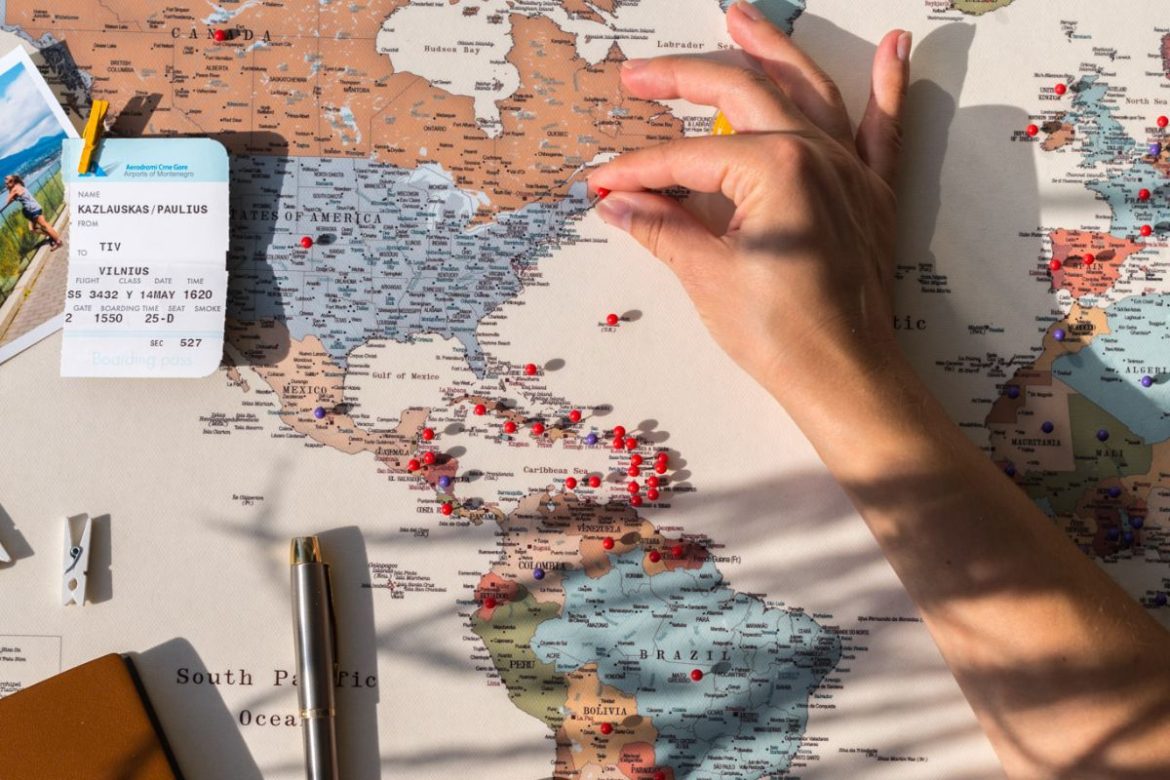
Deciding between small group, private group, and fixed departure ultimately comes down to answering three honest questions about your own trip, rather than researching which format is objectively "best" - because there isn't one.
First, ask how firm your travel dates already are. If you've booked flights and locked in specific days off work, a fixed departure tour removes the risk of a trip being cancelled or postponed due to low bookings, which is a real and fairly common issue with flexible-date small group tours.
How to choose the right group tour type for your trip (Source: Collected)
Second, consider your group size and relationship to your travel companions. A solo traveler or a couple hoping to meet other people will usually get more value, both financially and socially, from a small group tour. A family of six or more, or a group of close friends who'd rather not compromise their itinerary around strangers, will typically find that a private group tour's higher per-person cost is offset by the flexibility and comfort gained - especially with children, elderly travelers, or anyone with mobility considerations in the group.
Third, and often overlooked, think about your own travel pace and personality. Some travelers genuinely thrive on the structure of a shared itinerary and enjoy the built-in social dynamic of a small group, while others find it stressful to be tied to a group schedule and would rather set their own pace even at a higher cost.
Neither preference is wrong, but being honest with yourself about which type of traveler you are - before booking rather than after - is what separates a trip that feels effortless from one that feels like a compromise. If you're still unsure, it's worth reading through a full Vietnam travel itinerary planning guide to see how different trip lengths and group formats tend to pair together.
Best Destinations for Group Tours in Vietnam
Certain regions of Vietnam have developed group tour infrastructure specifically because the terrain, transport, or logistics genuinely benefit from traveling with others rather than independently. Ha Long Bay is the clearest example - most travelers experience the bay via an overnight cruise boat, and cruise cabins are naturally sold on a per-person group basis whether you book small group or private.
The shared boat experience, complete with communal dining and sunset deck views, is part of what makes Ha Long Bay tours consistently rank among the most requested group itineraries in the country. Northern mountain routes like Sapa and the Ha Giang Loop are similarly well-suited to group travel, partly because of road conditions and partly because local guides provide genuine safety value on routes with sharp mountain passes and unpredictable weather.
Trekking to ethnic minority villages around Sapa, in particular, is far richer with a knowledgeable local guide who can facilitate real interaction with Hmong or Dao communities rather than a purely observational walk-through. These are also the routes where fixed departure scheduling matters most, given the narrow seasonal windows for both safety and scenery.
The dynamic of Ho Chi Minh City (Source: Vietnam Tourism)
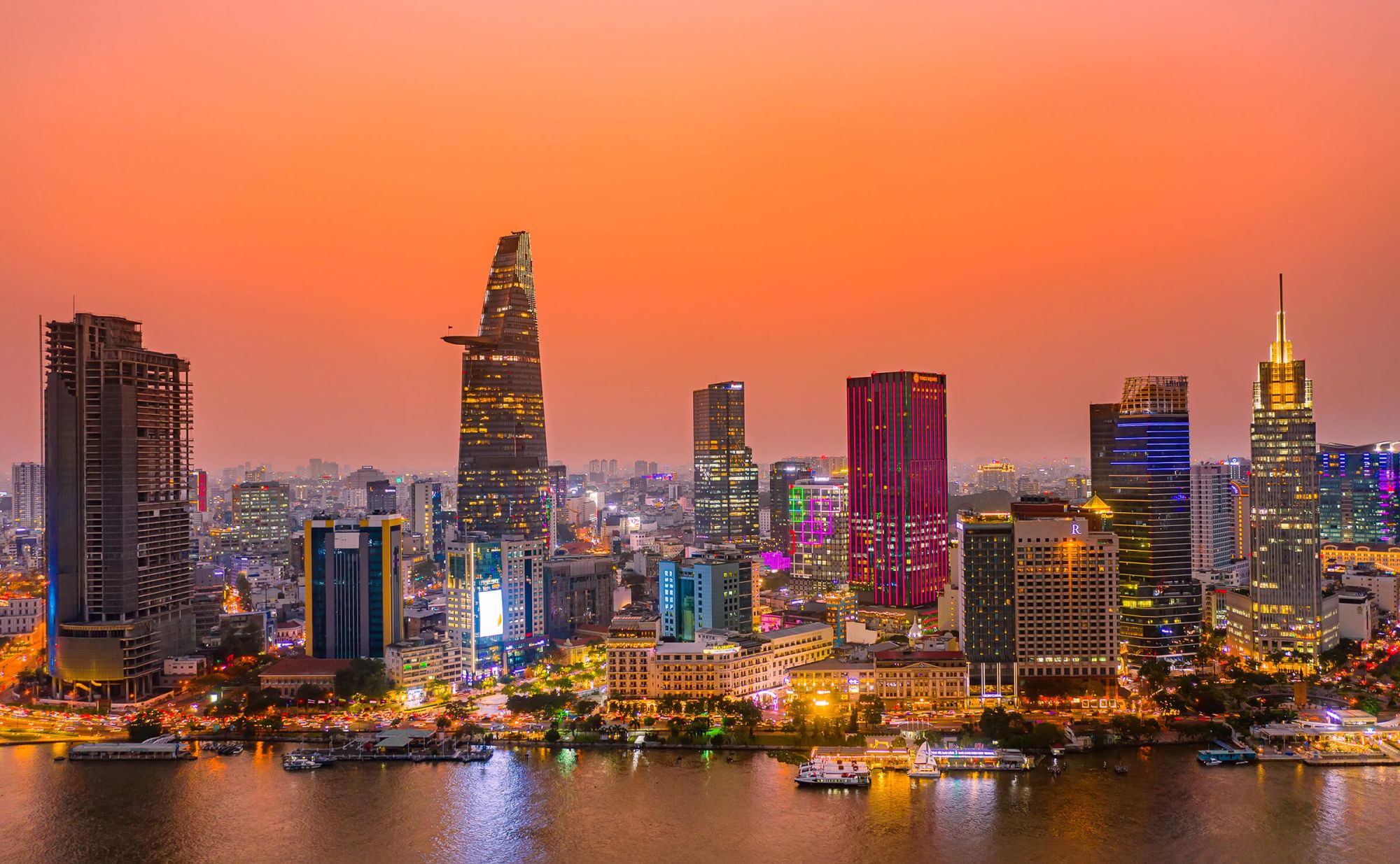
Central Vietnam's Hoi An and Hue, along with the Mekong Delta in the south, tend to suit slightly different group dynamics - shorter day tours rather than multi-day commitments, often combined into broader north-to-south itineraries. A typical two-week Vietnam group tour might link Hanoi and Ha Long Bay in the north, Hoi An and Hue in the center, and Ho Chi Minh City with a Mekong Delta boat excursion in the south, giving travelers a genuinely comprehensive picture of the country's regional diversity in a single well-paced trip.
For a deeper look at how these regions connect, this guide to Vietnam trip lengths and regional pairings breaks down which combinations work best for one week versus two or three.
What's Included in a Typical Vietnam Group Tour
Understanding exactly what a quoted tour price covers is one of the most practical things a first-time visitor to Vietnam can do, since inclusions vary more between operators than travelers often expect. Most reputable Vietnam group tours include transportation between destinations, accommodation for the duration of the trip, a local English-speaking guide, and entrance fees to the major sights on the itinerary.
Meals are more variable - some tours include all meals, others only breakfast, and it's worth confirming this specifically since food costs in Vietnam can add up over a multi-day trip even though individual meals are inexpensive.
What's typically excluded is just as important to know upfront: international and domestic flights, travel insurance, personal expenses like souvenirs or spa treatments, tipping for guides and drivers, and any optional activities offered as add-ons during the trip. Tipping in particular catches many first-time visitors off guard, since it's not automatically included in the tour price but is a genuinely expected part of Vietnamese tourism culture - budgeting roughly $5 to $10 USD per day per traveler for guide and driver tips is a reasonable rule of thumb on most group tours.
Read more: Daily departures: 5 days and 4 nights in Central Vietnam
Group size itself also affects what's realistically included, since larger groups can access certain experiences that smaller private bookings sometimes can't justify cost-wise - a private boat charter on a specific Mekong Delta canal, for example, or a cooking class with a dedicated instructor rather than a shared kitchen session.
When comparing quotes between operators, it's worth asking directly what group size the price assumes, whether the itinerary is genuinely fixed or subject to change, and whether the guide is a licensed local guide or a driver doubling as a translator - a distinction that significantly affects the depth of cultural and historical context you'll actually receive during the trip.
Tips for Joining a Group Tour in Vietnam
A few practical habits make the difference between a smooth group tour experience and a frustrating one, and most of them come down to preparation rather than luck. Pack light and pack smart - group tours involve frequent transfers between vehicles, boats, and hotels, and travelers hauling oversized suitcases consistently slow down the whole group at every transition point. A soft-sided bag or a well-organized backpack makes boarding a 16-seat minivan or climbing onto a Ha Long Bay tender boat considerably easier for everyone involved, not just yourself.

Some tips for you when travel in Vietnam group tours (Source: Collected)
Weather and seasonal timing deserve real attention when booking, particularly for northern mountain routes and outdoor-heavy itineraries. Vietnam's climate varies enormously by region and season - the north experiences a distinct winter from November to March, the center is prone to heavy rain and occasional typhoons between September and November, and the south stays warm year-round with a clear wet and dry season split.
Checking regional weather patterns against your travel dates before booking, rather than after, avoids the disappointment of arriving during a rainy stretch that could have been anticipated. Finally, communicate any dietary restrictions, mobility limitations, or specific interests to your tour operator before departure rather than during the trip itself. Group tours function well precisely because logistics are pre-arranged, which means last-minute requests are genuinely harder to accommodate once everyone is already on the road.
A quick email or message during the booking stage - mentioning a vegetarian diet, a knee injury that affects trekking pace, or a particular interest in local craft villages - gives the operator time to adjust the itinerary or brief the guide accordingly, turning a good trip into a genuinely well-matched one.
Planning Your Own Vietnam Group Tour
Choosing between a small group, private group, or fixed departure tour ultimately comes down to matching the format to how you actually like to travel - not to whichever option happens to be cheapest or most heavily advertised. A solo traveler hoping to make friends along the way will get a very different trip, and a very different value, than a family of eight looking to move at their own pace through the same region.
Being honest about your priorities before booking is what turns a group tour from a logistical convenience into one of the best parts of the trip itself. For travelers who want local expertise in building out any of these formats - whether that's a small group joining an existing departure, a fully private itinerary for a family, or a fixed-date booking timed to a specific season - the team at Sinh Cafe has been organizing group travel across Vietnam for decades, with itineraries covering everything from Ha Long Bay cruises to the Ha Giang Loop and multi-region north-to-south routes. Reaching out directly with your travel dates and group size is usually the fastest way to get a clear, honest answer about which tour format will actually suit your trip best.
Share via




Related articles

Visit Ha Giang in November: Is it a good time to go?
Posts | 21/09/2026
Ha Long bay 1 day tour: Best itinerary, cruise options & Travel tips
Posts | 23/03/2026

Yang Bay Waterfall: A Hidden Paradise near Nha Trang you shouldn’t miss
Blog | 24/03/2026
Diep Son island: Walk across the sea in Vietnam’s hidden paradise
Posts | 24/03/2026








There are no reviews yet