


South Vietnam Itinerary: 7 Days from Ho Chi Minh City to Phu Quoc
Plan a 7-day South Vietnam itinerary from Ho Chi Minh City to Phu Quoc, with travel tips, route details, and a realistic budget for a smooth and easy trip ahead
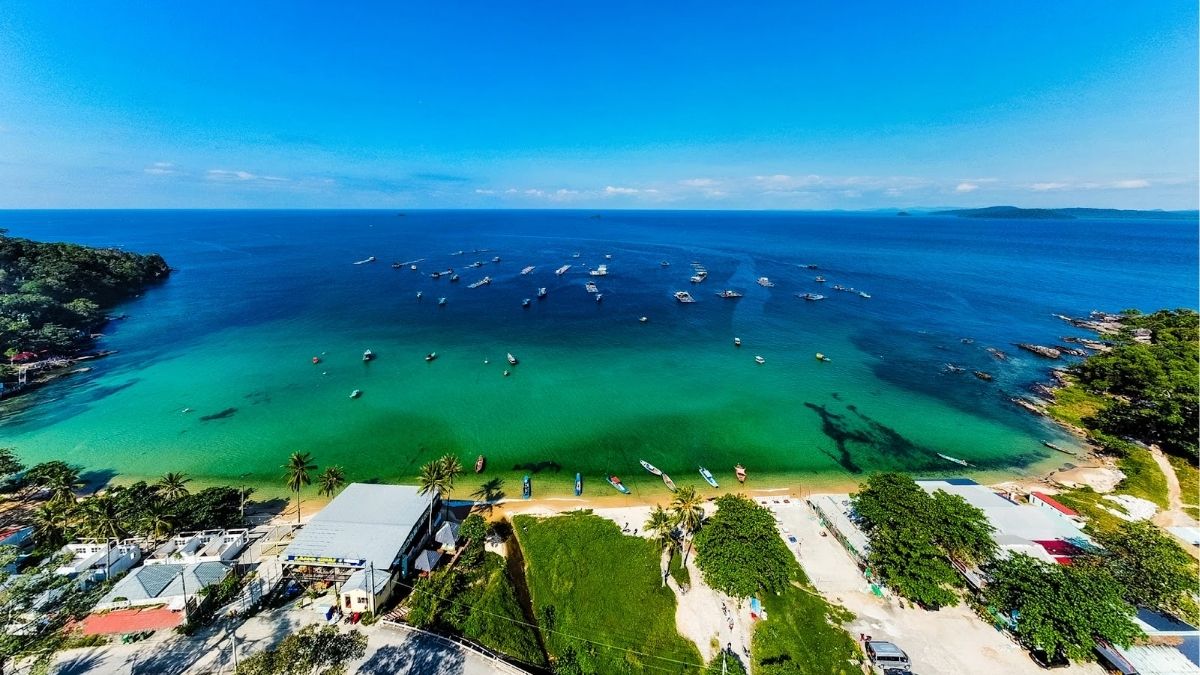
This 7-day South Vietnam itinerary takes you from Ho Chi Minh City through the Mekong Delta, across inland landscapes, and down to the coast before ending in Phu Quoc. It’s designed to balance travel time, avoid overly crowded stops, and give you a more local, relaxed experience. Let’s explore the full South Vietnam itinerary step by step.
7-Day Overview
|
Detail |
What to expect |
|
Total distance covered |
Roughly 450-500 km by road, plus one ferry or flight crossing to Phu Quoc |
|
Recommended travel style |
Private car with driver for the mainland legs, ferry or short flight for the island |
|
Best months |
December to April (dry season); shoulder months November and May are workable with rain gear |
|
Average daily budget |
Approximately 850,000 to 3,000,000 VND per person per day, depending on your travel style and comfort level |
|
Key nature highlights |
Tram Chim National Park, Bung Binh Thien (Square Lake), Phu Quoc National Park |
|
Ferry options to Phu Quoc |
Regular ferry from Ha Tien (roughly 3 hours in good weather, around 185,000 VND/person) or a 55-minute domestic flight from Ho Chi Minh City |
|
Approximate total transfer time |
10-12 hours of driving/boating spread across the week, not counting the Phu Quoc flight |
Day 1-2: Tram Chim National Park - Wetlands and Birdlife
Tram Chim National Park lies in Dong Thap Province, about 160-170 km from Ho Chi Minh City. The drive usually takes 3.5 to 4.5 hours, depending on traffic leaving the city and road conditions after Cao Lanh. Most travelers leave Ho Chi Minh City early so they can arrive by late morning and still have time for an afternoon boat ride as part of this South Vietnam itinerary.
This is not a classic photo stop. Tram Chim is one of the last relatively intact Mekong wetland ecosystems in Vietnam and is best known among serious birdwatchers for its seasonal population of sarus cranes. The cranes are typically present from December through June. Outside that window the birdlife is still interesting, but the main attraction is absent. Boat access into the deeper zones depends on water levels rather than a fixed timetable, so it is best to confirm availability with the park office or a local operator one or two days ahead.
 Sarus cranes gather in Tram Chim’s wetlands during the dry season (Source: Hoang Thanh Thang Long)
Suggested daily schedule
|
Time |
Plan |
|
|
Day 1 |
Morning |
Depart Ho Chi Minh City around 7:00-7:30. Drive 3.5-4.5 hours to Tam Nong / Tram Chim area. Arrive late morning (around 11:00-12:00) |
|
Noon |
Check into a simple guesthouse or local homestay. Have a quick local lunch nearby |
|
|
Afternoon |
Take a 2-3 hour boat ride into the wetland. Start around 14:00-14:30 to return before peak mosquito activity at dusk |
|
|
Evening |
Return to the guesthouse, rest, and have a simple dinner. Prepare repellent, long sleeves, and closed shoes for the next morning |
|
|
Day 2 |
Morning |
Early boat ride into the core zone (depart around 6:00-6:30). Best time for birdwatching and soft light. Return by mid-morning |
|
Noon |
Late breakfast or early lunch at the guesthouse or a local restaurant. Rest during the hottest hours |
|
|
Afternoon |
Optional second shorter boat ride, walk around the park edge, or free time. If continuing, begin transfer toward An Giang in the mid-to-late afternoon |
|
|
Evening |
Either stay another night near Tram Chim or continue to An Giang for the next day |
Mosquitoes are noticeably heavier here than on the later coastal stretches of this South Vietnam itinerary, especially in the hour after sunrise and the hour before sunset. Long sleeves, long trousers, closed shoes, and repellent with at least 20% DEET (or picaridin) make the early and late boat rides much more comfortable.
Accommodation around the park is basic - clean but simple guesthouses or homestays rather than resort-standard rooms. Budget two nights here for the experience, not for comfort. Bring enough cash; card payment options are limited this far from Ho Chi Minh City.
If you want a clearer picture of which Mekong wetland reserves are worth the extra travel time and which ones can be skipped on a first visit to the south, our guide to Mekong Delta tours covers the practical differences.
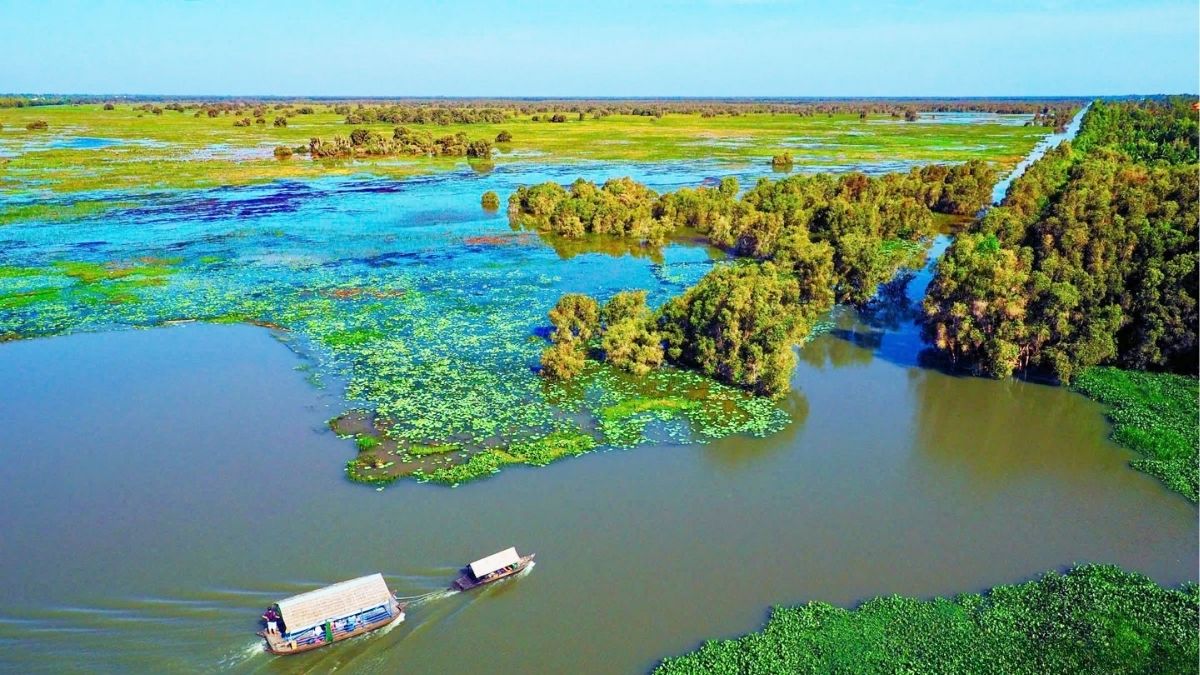 A breathtaking natural landscape at Tram Chim National Park highlights a key stop in this South Vietnam itinerary (Source: Bao Dong Thap)
Read more: Ho Chi Minh to Phu Quoc Itinerary: 5-Day Guide for Indian Tourists
Day 3: An Giang - Nui Cam and Bung Binh Thien
An Giang Province lies roughly a three-hour drive southwest of Tram Chim and delivers two very different landscapes in a single day of this South Vietnam itinerary.
Nui Cam (Cam Mountain) is the tallest peak in the Mekong Delta region. A cable car now takes visitors most of the way up in around 15 minutes, avoiding the multi-hour hike that used to be the only option. At the summit, a large seated Buddha statue and several pagodas draw domestic pilgrims, particularly on weekends and during Lunar New Year. Weekday visits are noticeably quieter and more pleasant.
 Nui Cam (Cam Mountain) is the tallest peak in the Mekong Delta region (Source: VnExpress)
Bung Binh Thien, or Square Lake, is the more unusual stop. Locals believe the lake’s unnaturally geometric shape formed after lightning struck the ground. While the geological explanation is less dramatic, the lake genuinely does look almost rectangular from above.
It is still a working fishing lake rather than a developed tourist attraction, so there are no ticket booths or fixed viewing platforms. The best approach is a short detour by car with a local guide who knows the access road, because the surrounding rice paddies make it easy to miss without directions.
Suggested daily schedule
|
Time |
Plan |
|
|
Day 3 |
Morning |
Depart Tram Chim / Tam Nong around 7:30-8:00. Drive approximately 3 hours to the Nui Cam area. Arrive late morning, take the cable car up, and explore the summit (Buddha statue and pagodas) |
|
Noon |
Have lunch near the cable car station or at a local restaurant at the foot of the mountain. Rest during the hottest hours |
|
|
Afternoon |
Drive about 45-60 minutes to Bung Binh Thien. Spend 45-60 minutes at the lake. Late afternoon light on the water is usually the best for photos |
|
|
Evening |
Continue to Chau Doc or a nearby town for overnight. Check into a simple hotel or guesthouse and have dinner |
Quick reference table (2026 approx):
- Nui Cam (cable car & summit): Plan to spend around 3-4 hours here. A round-trip cable car ticket costs approximately 200,000-260,000 VND. The best time to visit is in the morning, before clouds build up around midday.
- Bung Binh Thien: Allow about 45-60 minutes for a visit. There is no formal entrance fee. The lake is most scenic in the late afternoon, when the light reflects softly on the water.
Local Experiences & Travel Tips
- Bring enough cash for the cable car and small local expenses, as card payment is still limited outside main towns.
- Consider hiring a private car with a local driver to make the day smoother.
- Having a driver familiar with the area helps avoid getting lost, especially when finding the access road to Bung Binh Thien.
Day 4: Ha Tien - A quiet coastal town
Ha Tien, sitting close to the Cambodian border, is where this South Vietnam itinerary diverges most clearly from the usual southern loop, and the reason is practical, not just scenic. There is no direct route from An Giang straight to Phu Quoc. The most logical and efficient way is to drive about three hours from An Giang to Ha Tien first, then take the ferry from there. Once you are already in the Mekong Delta, this is the fastest and simplest way to reach the island.
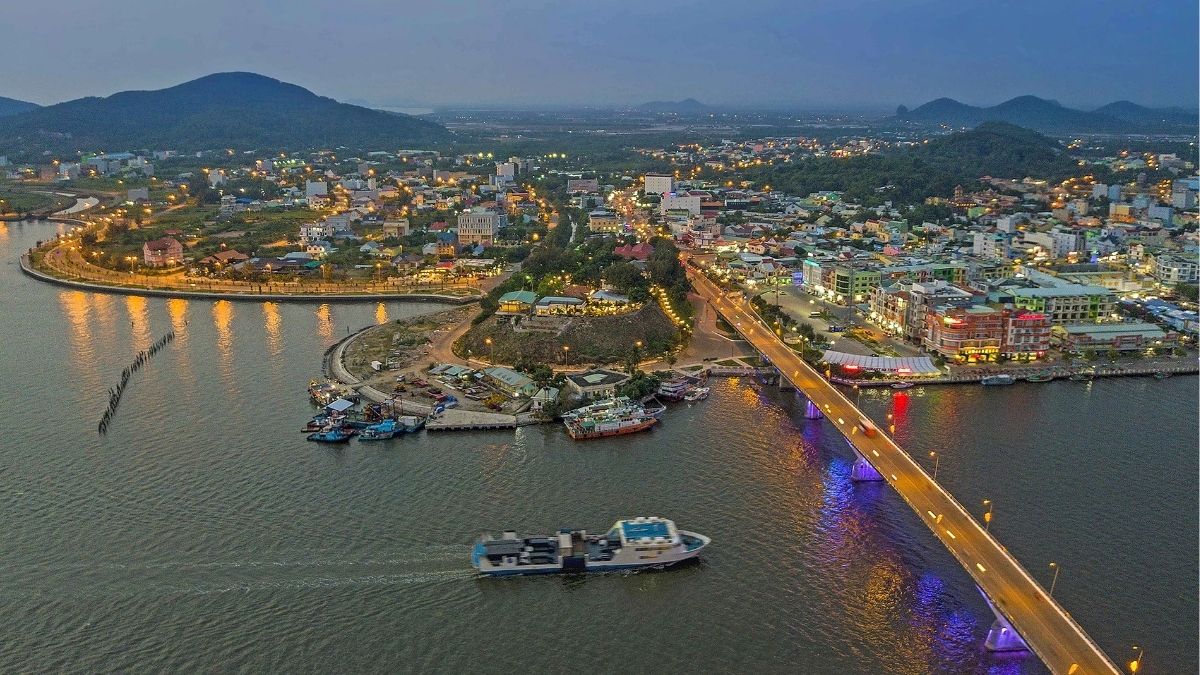 A panoramic view of Ha Tien City glowing at sunset (Source: VNExpress)
Unlike Rach Gia or the more commercialized neighboring towns, Ha Tien’s town center still feels low-key and low-rise. The riverside promenade is genuinely pleasant for a sunset walk, not just a place you pass through on the way to somewhere else.
The limestone cave temples, especially Thach Dong, are worth one or two hours of exploration. The seafood market near the canal is usually busiest and freshest early in the morning, between 6:00 and 8:00, before the midday heat sets in. Ha Tien is also a smart place to spend the night before an early ferry, because most boats to Phu Quoc depart in the morning. Afternoon sailings are less frequent and more dependent on weather conditions.
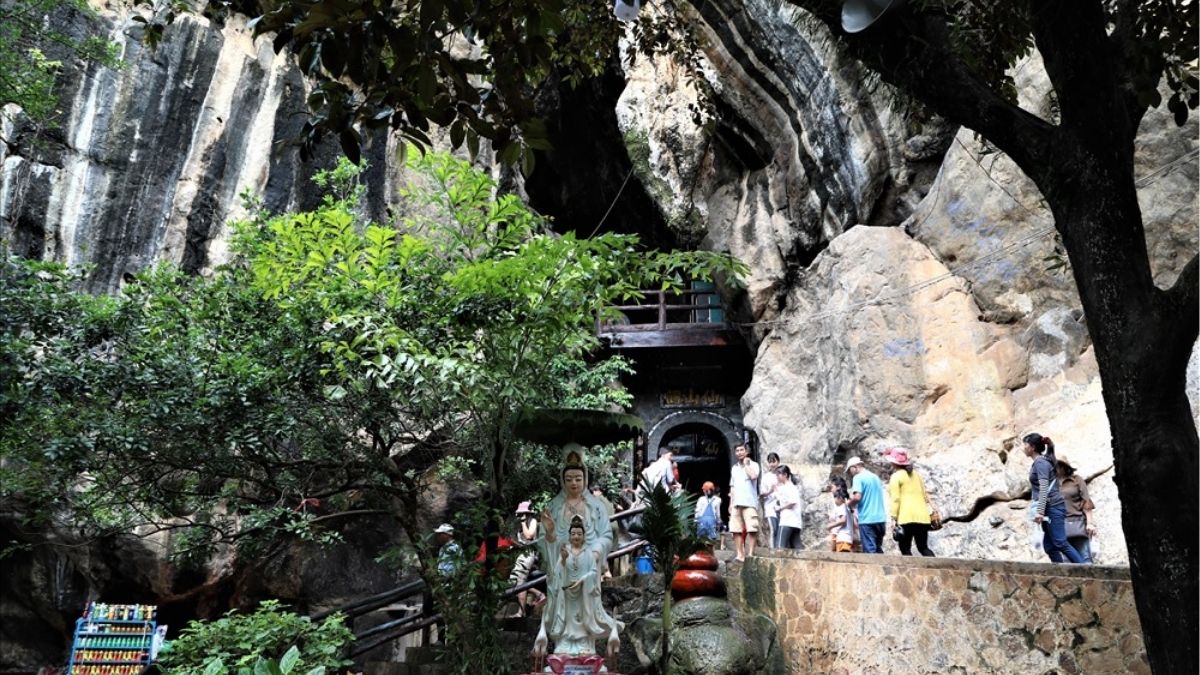 Don’t miss the beauty of Thach Dong cave when visiting Ha Tien (Source: Bao Lao Dong)
Budget accommodation here is significantly cheaper than equivalent options on Phu Quoc. Travelers who want to save money often stay an extra night in Ha Tien instead of paying higher rates for one more night on the island.
Suggested daily schedule
|
Time |
Plan |
|
|
Day 4 |
Morning |
Depart Chau Doc / An Giang area around 7:00-7:30. Drive approximately 3 hours to Ha Tien. Arrive late morning. Check into your hotel or guesthouse, then visit the early seafood market if you still catch it, or head straight to Thach Dong cave temple |
|
Noon |
Have lunch at a local seafood restaurant near the river or market. Rest during the hottest part of the day |
|
|
Afternoon |
Explore Thach Dong and any other nearby cave temples (1-2 hours). Afterwards, walk along the riverside promenade or simply relax in town |
|
|
Evening |
Sunset walk along the river, dinner at a local seafood spot, and an early night if you plan to catch a morning ferry to Phu Quoc the next day |
Day 5-7: Phu Quoc - Quiet beaches and nature
The regular ferry from Ha Tien to Phu Quoc typically takes around 3 hours in good weather, with a ticket price of roughly 185,000 VND per person as of 2026. It is noticeably longer than the high-speed routes some travelers expect, so it is worth treating the crossing as a slow, scenic part of the day rather than a quick hop. Departures run more consistently in the dry season.
In the rainy months, rough seas can extend the crossing or delay sailings, so a morning departure from Ha Tien leaves the most buffer. Travelers on a tighter schedule can skip the mainland legs entirely and take a roughly 55-minute domestic flight from Ho Chi Minh City instead.
Most standard itineraries head straight for the busier southern beaches and the night market strip. The real advantage of this South Vietnam itinerary, however, is spreading the three days across the quieter north and northeast of the island, where Phu Quoc National Park covers a substantial share of the interior and coastline.
 A stunning coastal curve at Ganh Dau Cape in northern Phu Quoc (Source: Bao Tuoi Tre)
For truly low-key beach time, skip Sao Beach and the southern resort strip. Instead, focus on these quieter northern and northwestern spots:
- Bai Thom (far northeast): The sand stays mostly empty even in peak season, and a handful of small local seafood shacks serve lunch straight off the morning catch.
- Rach Vem (northern tip, near the Cambodian maritime border): A stilt-house fishing village worth a half-day for boat trips between houses built directly over the water. It is still a working village rather than a tourist set piece, so visits are best arranged through a local boat owner.
- Ong Lang (west coast, north of Duong Dong): A quieter alternative to the busy Long Beach strip, with small bungalow-style guesthouses and a rockier, more scenic shoreline.
- Ganh Dau (northwestern point): Offers a short, easy coastal walk and clear water for snorkeling without the crowds of the southern day-trip boats.
|
Time |
Plan |
|
|
Day 5 |
Morning |
Take the ferry from Ha Tien (ideally departing 7:30-9:00). Arrive Phu Quoc around midday |
|
Noon |
Transfer to the northern or northwestern side of the island (Ong Lang or near Bai Thom). Check in and settle |
|
|
Afternoon |
||
|
Evening |
Quiet dinner at a local seafood shack or bungalow restaurant. Early rest after the travel day |
|
|
Day 6 |
Morning |
Explore Phu Quoc National Park forest trails (cooler temperatures, better chance of seeing hornbills and long-tailed macaques) |
|
Noon |
Lunch at a simple local place near the park or back at your accommodation |
|
|
Afternoon |
Beach time at Bai Thom or a short visit to Rach Vem (boat trip between the stilt houses) |
|
|
Evening |
Sunset and dinner on the quieter west or north coast |
|
|
Day 7 |
Morning |
Coastal walk and snorkeling at Gành Dầu, or more relaxed beach time at Ong Lang |
|
Noon |
Check out, transfer to Phu Quoc Airport |
|
|
Afternoon |
Flight back to Ho Chi Minh City (~55-60 minutes) |
|
|
Evening |
Arrive in Ho Chi Minh City |
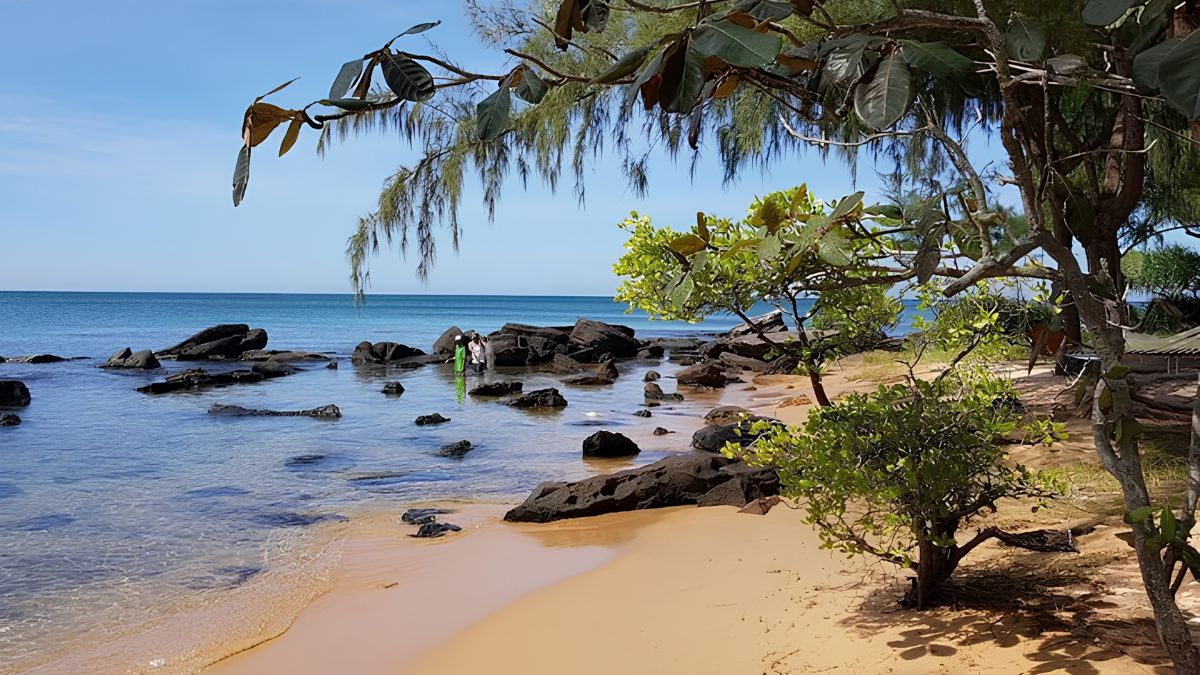 A rugged rocky corner at Ong Lang Beach captures the peaceful, quiet charm of northern Phu Quoc (Source: Bao An Giang)
Use the three days to alternate between these northern beaches and the national park’s forest trails, best tackled in the cooler morning hours, where hornbills and long-tailed macaques are still commonly reported by hikers on the quieter paths. Renting a motorbike or arranging a private driver makes this whole northern loop far more workable than relying on taxis, since coverage thins out noticeably past the main tourist zone around Duong Dong.
If you are deciding how much time to spend in Phu Quoc compared with the mainland stops, our Phu Quoc travel guide 2026 covers the best things to do, beaches, hotels, and practical tips for planning your stay.
Best Time to Travel This Route
The most reliable time for this South Vietnam itinerary is December to April, during Southern Vietnam’s dry season. Weather is generally sunny with lower humidity, making long drives, wetland boat trips, and the Ha Tien-Phu Quoc ferry much smoother and more predictable.
Within this window, January and February stand out if you’re interested in wildlife. This is when Tram Chim sees the highest activity, including the chance to spot sarus cranes - one of the key highlights of the park.
From May to November, the region shifts into the rainy season. Travel is still possible, but conditions become less consistent. Afternoon downpours are common in the Mekong Delta, and sea conditions can affect ferry schedules between Ha Tien and Phu Quoc. You’ll need to plan with a bit more flexibility.
Phu Quoc itself stays warm year-round, but the experience varies. During the dry season, northern beaches are calmer and clearer, while in the wet season, they can feel more remote and less ideal for swimming.
Below is a quick month-by-month overview to help you decide the best time for this itinerary:
|
Period |
Conditions |
Notes |
|
December - April |
Dry, sunny, calmer seas |
Best overall time for this itinerary |
|
January - February |
Stable weather, cooler mornings |
Best chance to see sarus cranes at Tram Chim |
|
May - August |
Increasing rain, short heavy showers |
Travel possible, but plan flexible afternoons |
|
September - November |
Peak rainy season, humid, rougher seas |
Ferry schedules less reliable, wetlands harder to access |
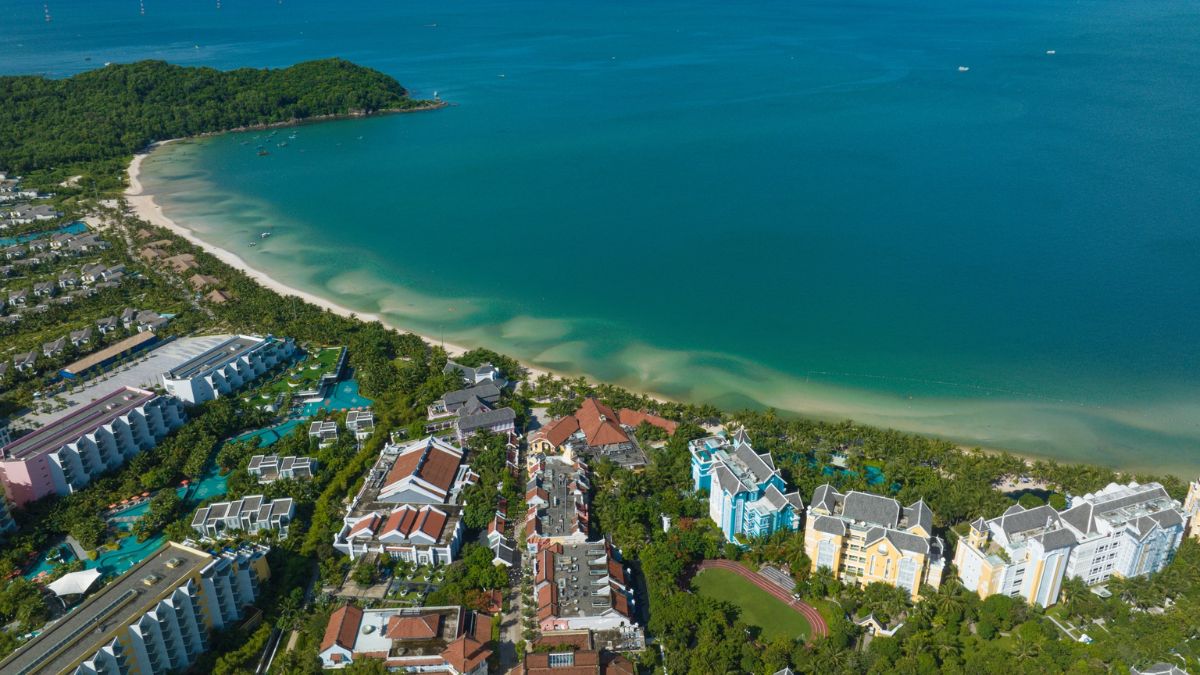 Some resorts in Phu Quoc Special Economic Zone (Source: Bao Lao Dong)
Read more: Da Nang to Phu Quoc: The complete travel guide (2026)
Estimated Budget for 7 Days
Compared to more developed destinations in Southeast Asia, this route through Southern Vietnam remains relatively affordable, especially given the mix of nature experiences, private transport, and island time.
Accommodation
- Mekong Delta (Tram Chim, An Giang, Ha Tien): ~300,000-800,000 VND/night
- Phu Quoc: ~700,000-2,000,000 VND/night (higher near the beach)
Food
- ~200,000-500,000 VND/person/day
- Seafood in Ha Tien & Phu Quoc slightly higher but still affordable
Transport
- Private car (mainland): ~1,200,000-1,800,000 VND/day (split cost if traveling in a group)
- Ferry Ha Tien → Phu Quoc: ~185,000 VND/person
- Flight (optional): ~800,000-1,500,000 VND
Activities & entrance fees
- ~100,000-300,000 VND/activity
- Includes boat trips, cable car, small local fees
Estimated total
- ~1,000,000 - 2,500,000 VND/person/day
- ~7,000,000 - 17,500,000 VND/person for 7 days (excluding international flights)
Frequently Asked Questions
Is Tram Chim National Park worth the detour?
→ Yes, if you’re interested in birdlife and wetland landscapes. It’s a real detour off the main route, which keeps it quiet. Plan at least two nights here and expect simple, local-style accommodation rather than resort comfort.
How do you get from Ha Tien to Phu Quoc?
→ The most common option is the ferry, taking about 3 hours in good weather and costing around 185,000 VND per person. There’s no direct route from An Giang to Phu Quoc, so Ha Tien is the key stopover. In rainy months, seas can be rough, so morning departures are more reliable.
How bad are mosquitoes in the Mekong Delta?
→ They’re noticeably heavier in wetland areas like Tram Chim, especially at sunrise and sunset. Long sleeves, closed shoes, and a strong repellent are enough to make early boat trips comfortable.
How can you avoid crowded beaches in Phu Quoc?
→ Skip the southern resort strip and head north to Bai Thom, Ong Lang, or Gành Dầu. These areas are quieter, especially on weekdays, and Rach Vem fishing village makes for an easy half-day visit.
What’s a realistic daily budget for this itinerary?
→ Most travelers spend around 850,000 - 2,400,000 VND per person per day, depending on comfort level. Accommodation and transport make the biggest difference, and it’s smart to keep a small buffer for weather-related ferry or flight changes.
Relax your island trip with Sinh Cafe Travel
This South Vietnam itinerary rewards good planning, from arranging boat access in Tram Chim and navigating to Bung Binh Thien, to timing the Ha Tien-Phu Quoc ferry around weather conditions. Without local coordination, these small details can quickly turn into delays.
Sinh Cafe Travel helps streamline the entire route. With experience operating across Vietnam since 1993, they can handle:
- Private car transfers from Ho Chi Minh City through Tram Chim, An Giang, and Ha Tien
- Ferry bookings to Phu Quoc, with advice on the most reliable departure times
- Flexible itinerary planning, adjusting stops and pacing to match your travel style
- Local coordination, including support for wetland boat trips and less-accessible areas
 Sinh Cafe Travel helps streamline the entire route
You can book individual services (transport or ferry) or have the full trip arranged end-to-end. Share your travel dates and preferences with Sinh Cafe to receive a tailored plan for this exact route, so you can focus on the wetlands, quiet coastlines, and the less crowded side of Phu Quoc, without managing the logistics yourself.
Share via




Related articles

Da Nang to Phu Quoc flight: Schedule, price, duration & Best deals
Posts | 22/04/2026
Phu Quoc travel guide 2026: Best things to do, beaches, hotels & Tips
Posts | 20/04/2026

Long Beach Phu Quoc: Is it worth visiting? Best things to do & travel tips
Blog | 15/04/2026
Da Nang to Phu Quoc: The complete travel guide (2026)
Posts | 22/04/2026









There are no reviews yet