


Nha Trang Institute of Oceanography: Visitor guide
Beyond its famous beaches and island-hopping tours, Nha Trang is home to attractions that offer a deeper connection to the region’s natural heritage, and the Nha Trang Institute of Oceanography is one of the most remarkable. Whether you are a curious traveler, a nature lover, or simply searching for a meaningful break from the usual seaside activities, the institute provides a refreshing and memorable perspective on the city.
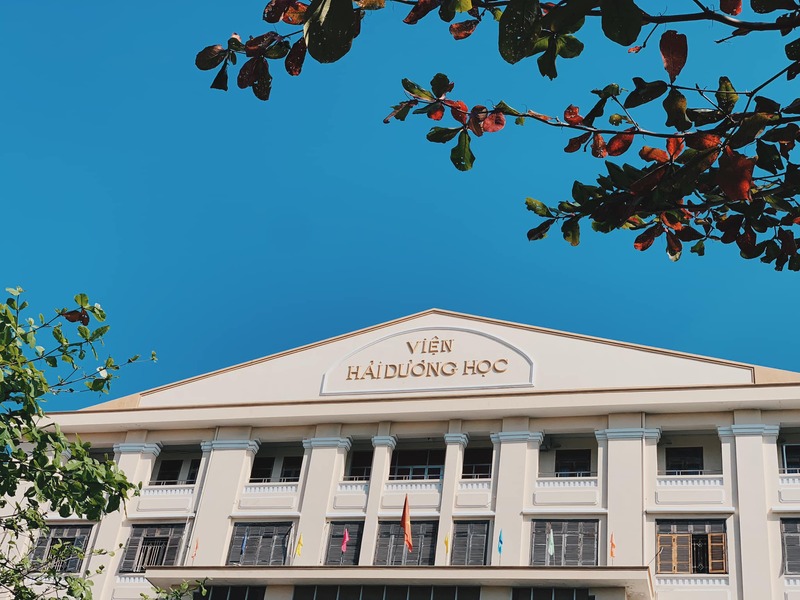
Beyond its famous beaches and island-hopping tours, Nha Trang is home to attractions that offer a deeper connection to the region’s natural heritage, and the Nha Trang Institute of Oceanography is one of the most remarkable. Whether you are a curious traveler, a nature lover, or simply searching for a meaningful break from the usual seaside activities, the institute provides a refreshing and memorable perspective on the city.
What is the Nha Trang Institute of Oceanography?
The Nha Trang Institute of Oceanography is one of the oldest and most important marine research centers in Vietnam. Established in 1922, the institute plays a vital role in studying marine ecosystems, conserving biodiversity, and supporting the sustainable development of the country’s fisheries sector.
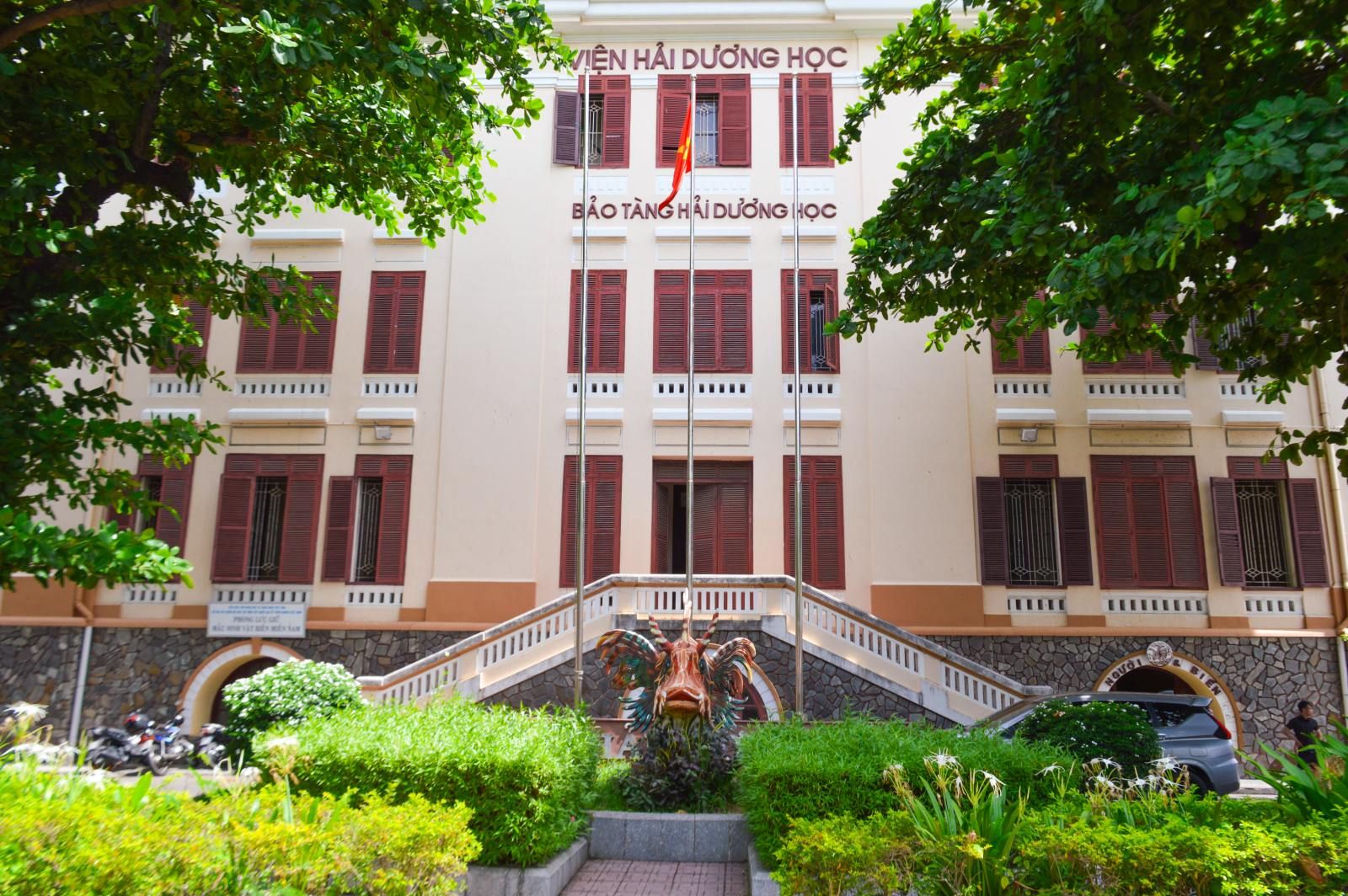
Nha Trang Institute of Oceanography (Source: Wowweekend)
Located near Cau Da Port, about 5–6 kilometers from Nha Trang city center, the institute functions not only as a scientific research facility but also welcomes visitors through its public exhibition area, commonly known as the Oceanographic Museum. Today, it preserves more than 20,000 marine specimens, including rare species collected from Vietnamese waters and surrounding regions. The collection ranges from corals, sea turtles, and tropical fish to massive whale skeletons, offering a comprehensive look into the underwater world.
Unlike typical entertainment attractions, the Nha Trang Institute of Oceanography provides a highly educational experience, making it ideal for nature lovers, families with children, and anyone interested in marine life. Its blend of scientific value and engaging exhibits has made it one of the most distinctive cultural and educational destinations in the coastal city of Nha Trang.
How to get to the Nha Trang Institute of Oceanography
Located near Cau Da Port, about 5–6 kilometers south of Nha Trang city center, the Institute of Oceanography is easy to access using several transportation options. Travel time is relatively short, so your choice mainly depends on comfort, budget, and how much flexibility you want during your trip.
Taxi or ride-hailing services – The most convenient choice
Taking a taxi or a ride-hailing car is the simplest way to reach the institute, especially for families, couples, or first-time visitors unfamiliar with local traffic. From popular areas such as Tran Phu Beach, the trip usually takes around 10–15 minutes in light traffic. A one-way fare typically ranges from 70,000 to 100,000 VND, depending on the vehicle type and time of day. While slightly more expensive than public transport, taxis eliminate the stress of navigation and provide a comfortable, air-conditioned ride, particularly welcome during Nha Trang’s hotter hours.
Public bus – The most budget-friendly option
Travelers looking to save money can take bus route No. 4, which runs through several central districts and stops close to the Institute of Oceanography. From the nearest stop, it is only a short walk to the entrance. Tickets usually cost about 7,000–10,000 VND per trip, making this the cheapest transportation option available. The journey may take longer than a taxi due to multiple stops, and waiting times can vary, so it is wise to plan ahead. Letting the driver or conductor know your destination can help ensure you get off at the right place.
Renting a motorbike – Flexible and ideal for exploration
Renting a motorbike is a popular option among independent travelers who want the freedom to explore beyond a fixed itinerary. Daily rental prices in Nha Trang generally range from 120,000 to 180,000 VND, depending on the type of bike, while fuel typically adds another 30,000–50,000 VND per day for city travel. Rental shops are easy to find throughout the city center, and many hotels can arrange a bike for guests, sometimes delivering it directly to your accommodation for added convenience.
Before riding, always inspect the brakes, lights, tires, and fuel level to ensure the vehicle is safe. Helmets are mandatory, and avoiding midday heat is recommended, as coastal temperatures can become intense.
International travelers should pay close attention to licensing rules. To legally operate a motorbike in Vietnam, you are expected to carry a valid International Driving Permit (IDP) or a Vietnamese driver’s license. Some rental providers may still offer bikes if you only have your domestic license, but this may not be officially accepted during traffic checks. If you are not confident riding in Vietnam’s traffic or lack proper documentation, choosing a taxi is generally the safer alternative.
Nha Trang Oceanography Institute tickets, opening hours & fees
Before planning your visit, understanding the ticket prices, opening hours, and expected costs will help you better organize your schedule and budget for a smooth trip to the Nha Trang Institute of Oceanography.
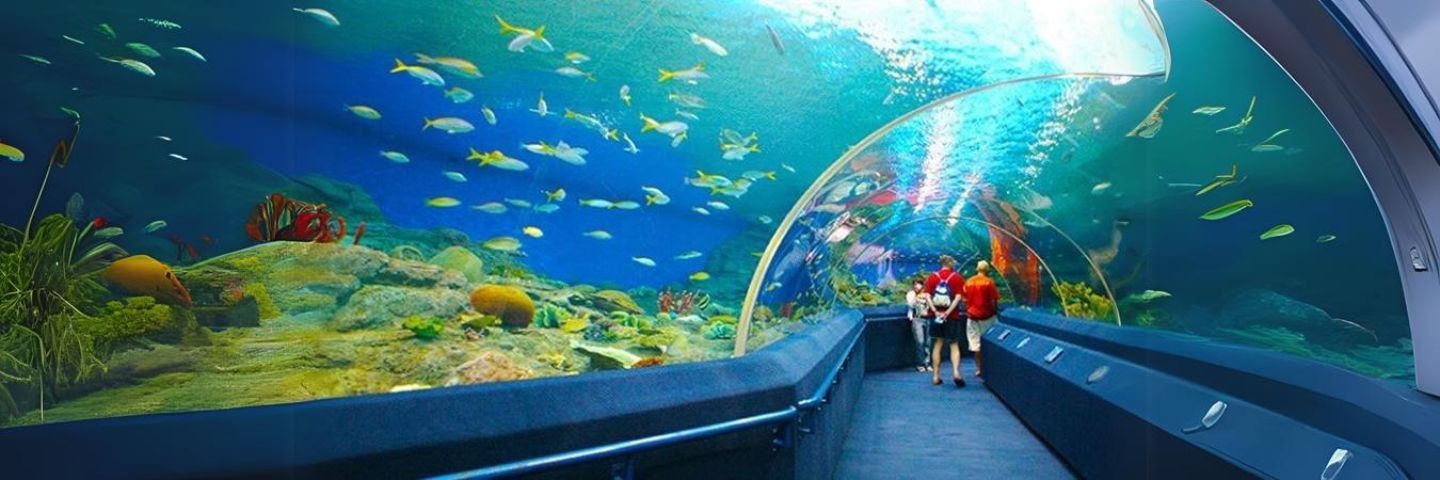
Nha Trang Oceanography Institute tickets, opening hours & fees (Source: Traveloka)
Opening hours
The institute is typically open to visitors daily from 8:00 AM to 5:00 PM. Ticket counters usually close about 30 minutes before the official closing time, so arriving earlier is recommended to ensure you have enough time to explore the main exhibition areas.
Midday is often less crowded, making it a good option if you prefer a quieter atmosphere while viewing the displays.
Most visitors spend around 1–2 hours exploring the main exhibition areas, though those who enjoy reading detailed descriptions may wish to stay longer. The institute is ideal for a relaxed visit that is both intellectually enriching and physically undemanding.
Ticket prices
| Ticket Type | Estimated Price |
|---|---|
| Adults (Vietnamese visitors) | Around 40,000 – 60,000 VND |
| Students (with valid ID) | Around 20,000 – 30,000 VND |
| Children (under 1.2 m) | Around 10,000 – 20,000 VND |
| International visitors | Around 60,000 – 80,000 VND |
Note: Prices may change depending on updated policies or special programs. It is always a good idea to confirm the latest rates at the ticket counter or through official sources before your visit.
Cash in Vietnamese Dong is the most commonly accepted form of payment at the ticket counter. Some locations may support domestic bank cards or QR payments, but carrying cash is recommended to avoid inconvenience.
If you plan to visit on weekends or public holidays, arriving early can help you avoid long queues. Students should bring their ID cards to qualify for discounted entry. Many travelers prefer purchasing tickets in the morning so they can explore comfortably before the midday heat.
Read more: Nha Trang Cathedral: The Gothic Soul Anchored in the Heart of the Coastal Pearl
History of the Nha Trang Institute of Oceanography – Key highlights
The Nha Trang Institute of Oceanography was established in 1922 and is considered one of the oldest marine research institutions in Southeast Asia. Its location along Vietnam’s south-central coast, an area known for rich marine biodiversity, made it an ideal base for early oceanographic studies.
Several remarkable facts highlight the institute’s long-standing scientific importance:
-
Over 100 years of continuous marine research
-
Home to more than 20,000 marine specimens, including many rare species
-
Documentation and classification of over 4,000 marine species
-
A massive whale skeleton nearly 18 meters long, among the museum’s most striking exhibits
-
Recognized as one of the foundations of modern marine science in Vietnam
Throughout its history, the institute has evolved from a regional research station into a major scientific center supporting conservation, education, and international collaboration. Today, it operates under the Vietnam Academy of Science and Technology, continuing to play a critical role in studying marine environments and promoting the sustainable use of ocean resources.
With its century-long legacy and impressive scientific collection, the Nha Trang Institute of Oceanography is more than just a visitor attraction, it stands as a significant symbol of Vietnam’s maritime research heritage.
What to explore at the Nha Trang Institute of Oceanography?
The Nha Trang Institute of Oceanography is more than just a place that stores marine specimens — it offers a comprehensive journey into the underwater world. The exhibition space is divided into several areas, each revealing a different aspect of ocean life, from living creatures to rare preserved samples and valuable scientific archives. Taking the time to explore each section allows visitors to see that this is not only a tourist attraction but also a significant knowledge center dedicated to marine science.
Aquarium area – Experience marine life up close
The aquarium is often the first stop and one of the most engaging parts of the visit. Large glass tanks recreate natural habitats for a variety of marine species, including tropical fish, groupers, rays, sea turtles, and vibrant coral formations. Seeing these animals moving freely in carefully maintained environments creates a far more immersive experience than viewing them in books or on screens.
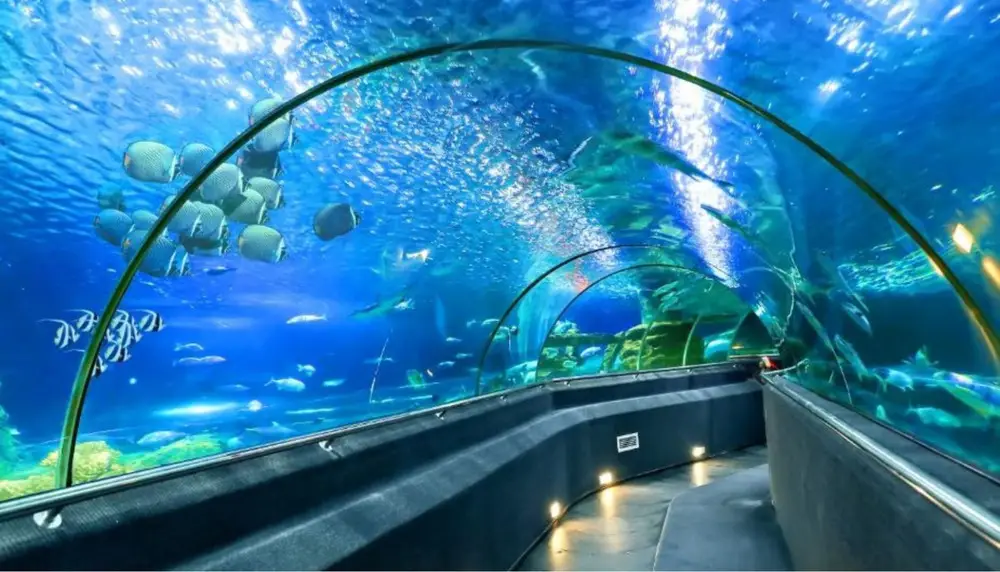
Aquarium area (Source: Muong Thanh)
Lighting is thoughtfully adjusted to simulate underwater conditions, enhancing the colors and patterns of each species. As you walk along the tanks, you can observe how different creatures behave, interact, and adapt to their surroundings. This area is especially popular with children thanks to its visual appeal and accessibility.
A helpful tip is to move slowly and look from multiple angles, some of the most fascinating species tend to hide behind coral structures or near the edges of the tanks.
Specimen gallery – Discover the ocean’s incredible diversity
Beyond the aquarium lies a vast display of thousands of preserved marine specimens stored in glass jars and specialized containers. The collection ranges from tiny organisms to unusually shaped creatures that most people rarely encounter in the wild.
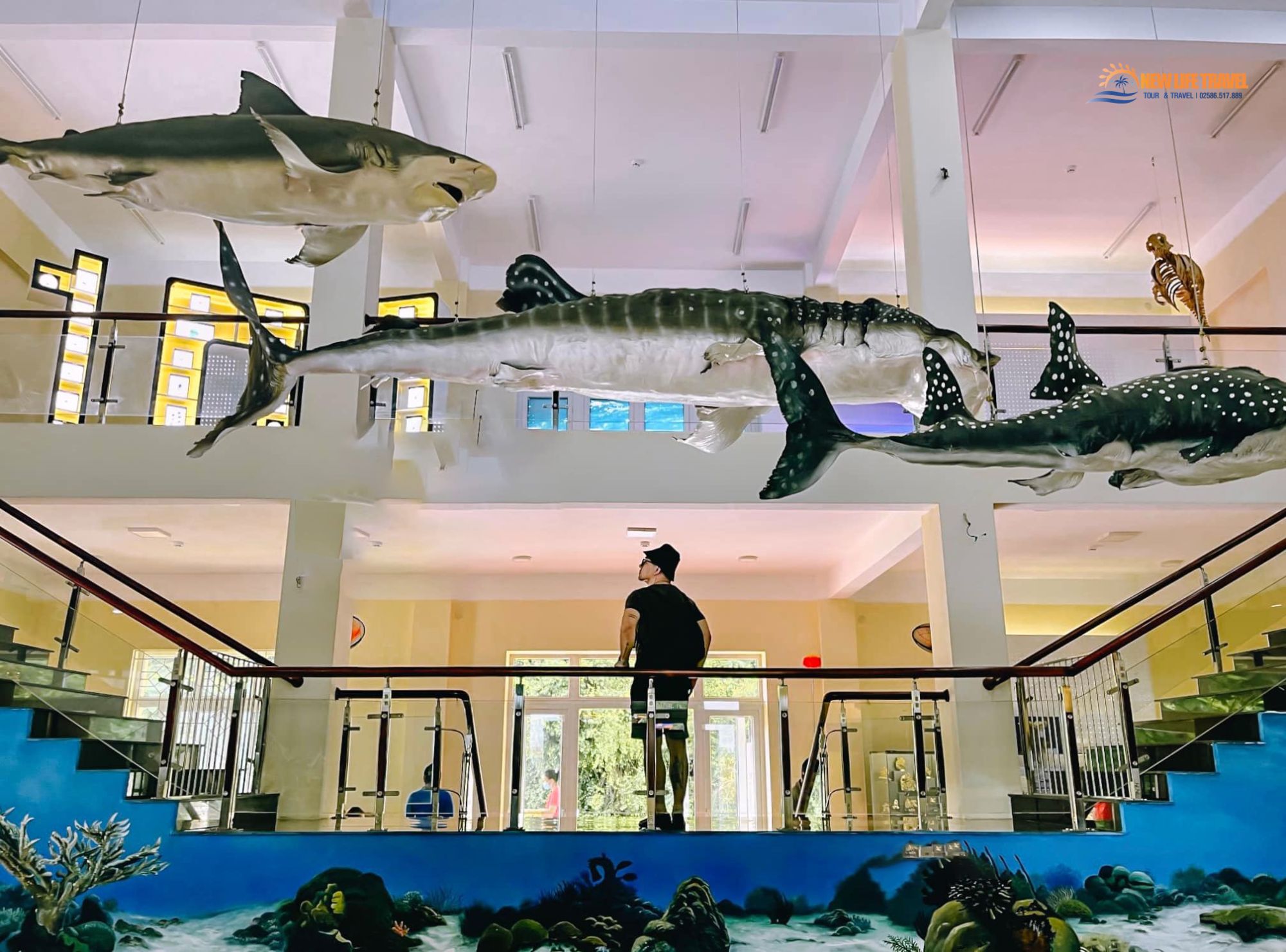
Specimen gallery (Source: Collected)
What makes this section particularly impressive is its scientific value. Many specimens were collected decades ago and continue to support research and biological classification. Observing them closely reveals the extraordinary biodiversity of Vietnam’s waters, from unique fish species and mollusks to marine animals that are unfamiliar even to seasoned travelers.
The space may feel somewhat traditional in style, but that classic atmosphere reinforces the identity of a long-established scientific museum.
The giant whale skeleton – A symbolic highlight
One of the institute’s most iconic exhibits is a massive whale skeleton measuring nearly 18 meters in length. Its sheer scale often surprises visitors at first glance and immediately conveys the true size of some of the ocean’s largest inhabitants.
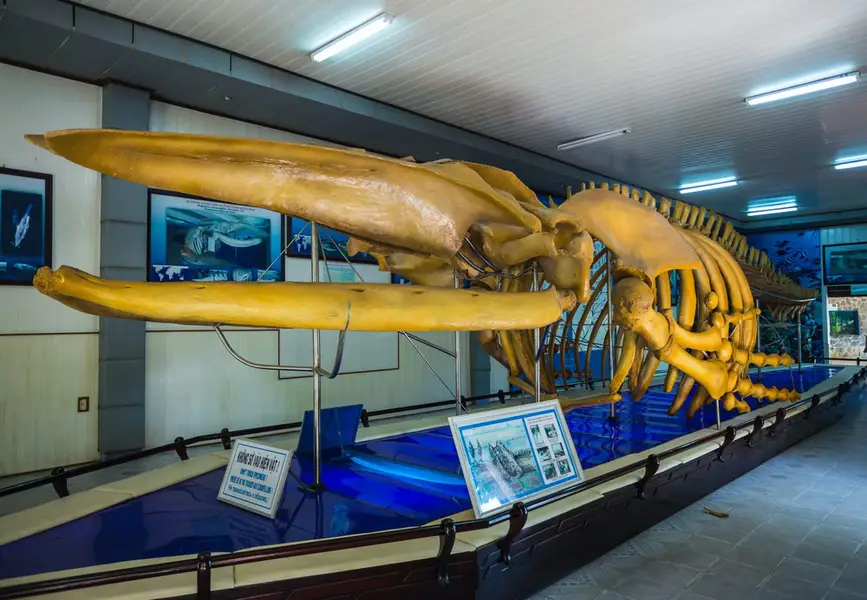
A massive whale skeleton measuring nearly 18 meters in length (Source: Traveloka)
Standing beside the skeleton provides a powerful sense of perspective that photographs alone cannot capture. Not surprisingly, this is one of the most photographed spots in the museum, admired both for its visual impact and its symbolic connection to marine research.
For families traveling with children, the exhibit often sparks curiosity and makes the visit especially memorable.
Marine biodiversity exhibition – Understanding ocean ecosystems
This section takes a more educational approach by introducing visitors to different marine ecosystems, such as coral reefs, coastal habitats, and deeper ocean environments. Through models, images, and informational panels, you can gain insight into how marine species survive, adapt, and depend on one another within complex ecological networks.
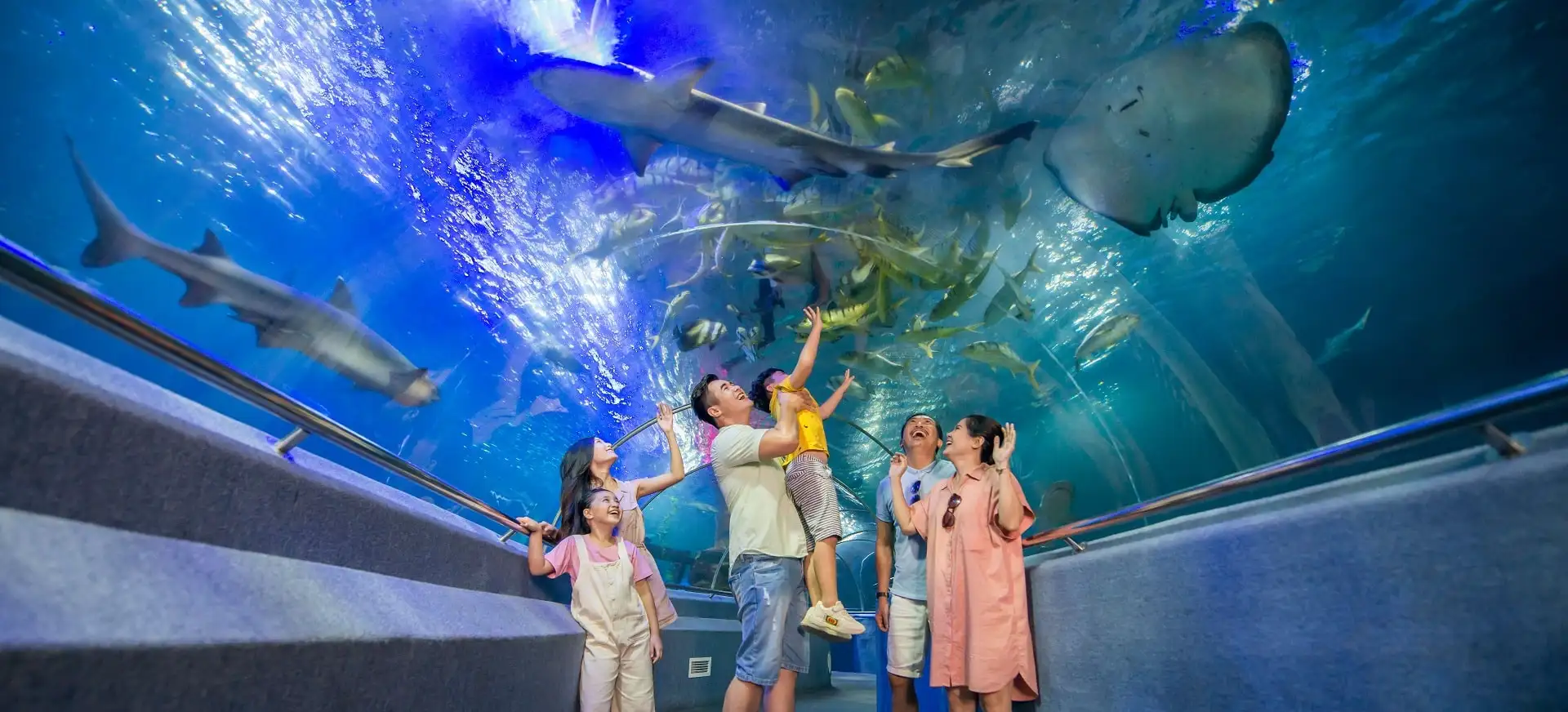
Marine biodiversity exhibition (Source: Traveloka)
Importantly, the exhibition also highlights the urgency of ocean conservation. Many visitors leave with a deeper appreciation of not only the vastness of the sea but also its vulnerability to environmental pressures.
Research archives and historical artifacts – A century of marine science
In addition to biological displays, the institute preserves scientific equipment, archival photographs, and research documents dating back to its earliest years. These artifacts help illustrate the long journey of ocean exploration carried out by generations of scientists.
While this area is less visually dramatic, it carries strong academic significance and adds depth to the overall experience, particularly for visitors interested in science, history, or environmental studies.
Planning to explore Nha Trang with ease? Sinhcafe offers well-organized city tours that help you discover top attractions like the Nha Trang Institute of Oceanography without the stress of arranging transportation or schedules. Whether you prefer a classic sightseeing route or a more personalized experience, Sinhcafe also provides customized tours tailored to your interests, travel pace, and group size. With knowledgeable local guides and flexible itineraries, you can enjoy a seamless journey while making the most of your time in this beautiful coastal destination.
Nearby attractions to combine with your visit
When you visit the Nha Trang Institute of Oceanography, you’re already in one of the most scenic parts of the city, and there are several nearby attractions that make excellent additions to your itinerary. These spots are within easy reach and offer a variety of experiences, from cultural heritage and panoramic views to family-friendly entertainment and seaside relaxation.
Po Nagar Cham Towers
Located only a few kilometers north of the institute, the Po Nagar Cham Towers are one of Nha Trang’s most iconic cultural landmarks. Built between the 7th and 12th centuries by the Cham civilization, this temple complex offers insight into the region’s rich history and religious traditions. The elevated location provides beautiful views of the Cai River and surrounding countryside.
Read more: Po Nagar Cham Towers Nha Trang: History, tickets & Visitor guide
Tran Phu Beach
If you want to unwind by the water after learning about marine life, Tran Phu Beach is a short drive away and perfect for a stroll or a swim. Lined with palm trees, cafes, and seafood restaurants, this beachfront area is ideal for soaking up both sun and local atmosphere. It’s also a great place to catch the sunset over the bay.
Long Son Pagoda
A little further inland, Long Son Pagoda is worth a visit for its giant white Buddha statue and peaceful hillside views. The temple grounds provide a quiet contrast to the coastal bustle and offer panoramic views of the city and bay.
Each of these attractions can be comfortably combined with a visit to the Nha Trang Institute of Oceanography, allowing you to create a well-rounded and memorable day in the city. Whether you’re interested in nature, culture, seaside relaxation, or family fun, there’s something nearby to match your travel style.
FAQs About the Nha Trang Institute of Oceanography
Visitors often have practical questions before planning a trip to the Nha Trang Institute of Oceanography. Below are some of the most frequently asked questions to help you prepare for a smooth and enjoyable visit.
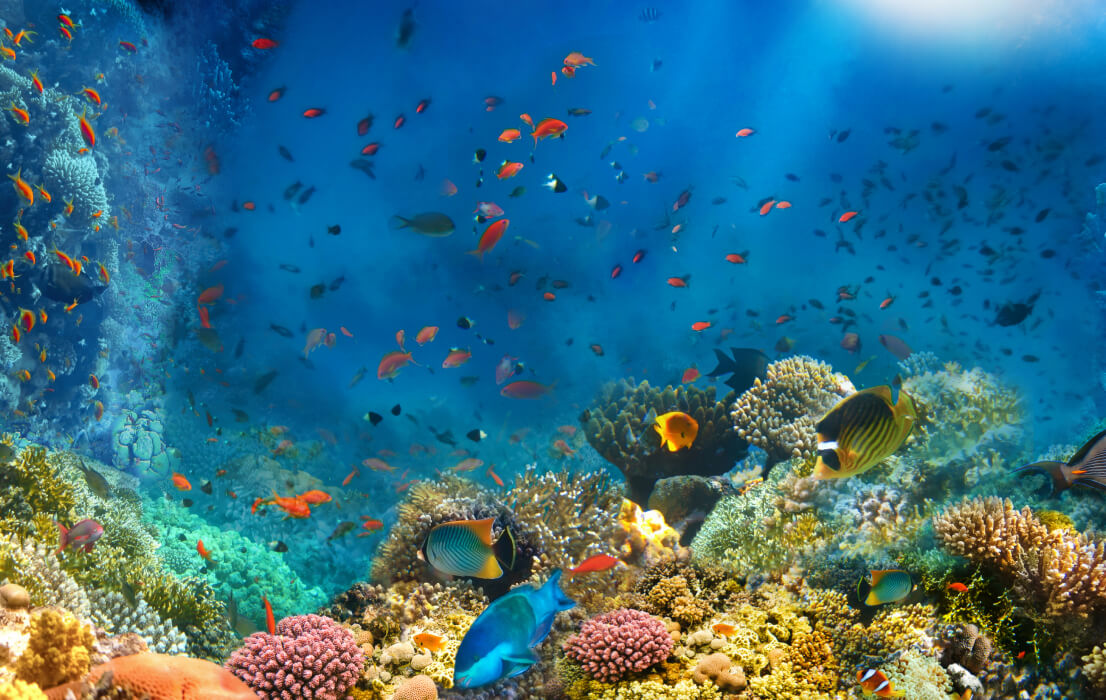
FAQs About the Nha Trang Institute of Oceanography (Source: Phong Van travel)
Is the Nha Trang Institute of Oceanography worth visiting?
Yes, especially if you are interested in marine life, science, or educational attractions. With thousands of preserved specimens, live aquarium displays, and one of the oldest marine research centers in Southeast Asia, the institute offers a unique experience that differs from typical sightseeing spots in Nha Trang.
How much time should I spend at the institute?
Most visitors spend around 1–2 hours exploring the main exhibition areas. However, if you enjoy reading detailed information or traveling with children who want to linger at the aquarium, you may want to allow extra time.
What are the ticket prices?
Ticket prices typically range from 40,000 to 80,000 VND, depending on visitor category such as adults, students, children, or international guests. Since prices may change, checking the latest information before your visit is recommended.
What are the opening hours?
The institute is generally open daily from 8:00 AM to 5:00 PM, with ticket sales ending shortly before closing time. Arriving earlier in the day gives you more time to explore comfortably.
Is the institute suitable for children?
Yes. The aquarium area is particularly engaging for younger visitors, while the exhibits provide educational value that makes the trip both fun and informative for families.
Can you take photos inside the museum?
Photography is usually allowed in most exhibition areas for personal use. However, flash photography may be restricted in certain sections to protect the displays, so it is best to follow posted guidelines.
When is the best time to visit?
Morning is often ideal, as the weather is cooler and crowds tend to be smaller. Weekdays are typically quieter than weekends or public holidays.
How far is it from Nha Trang city center?
The institute is located about 5–6 kilometers from downtown Nha Trang, and the journey usually takes 10–15 minutes by taxi or car.
Is the institute accessible year-round?
Yes, it is open throughout the year and makes a great alternative activity during rainy days when beach plans may be affected.
Who should visit the Nha Trang Institute of Oceanography?
The attraction is well suited for families, couples, students, and nature lovers, anyone looking for a relaxing yet enriching activity that adds depth to their Nha Trang itinerary.
A visit to the Nha Trang Institute of Oceanography offers more than just a few hours of sightseeing, it adds depth to your journey by revealing the hidden wonders of the ocean that shape this coastal destination. Blending scientific value with engaging exhibits, the institute appeals to travelers of all ages and interests. Conveniently located near the city center and easy to combine with nearby attractions, it is an ideal stop for those who want to balance relaxation with discovery.
Share via




Related articles

Co Tien Mountain: A Scenic Hike with Stunning Views in Nha Trang
Blog | 24/03/2026
Diep Son island: Walk across the sea in Vietnam’s hidden paradise
Posts | 24/03/2026

Nightlife in Phu Quoc: The Ultimate Guide to Things to Do After Sunset
Posts | 09/06/2026
How to get to Hon Tam island from Nha Trang: Easy travel guide
Posts | 25/12/2025









There are no reviews yet