


Mekong Delta Ben Tre: A Journey into the Green Heart of Vietnam
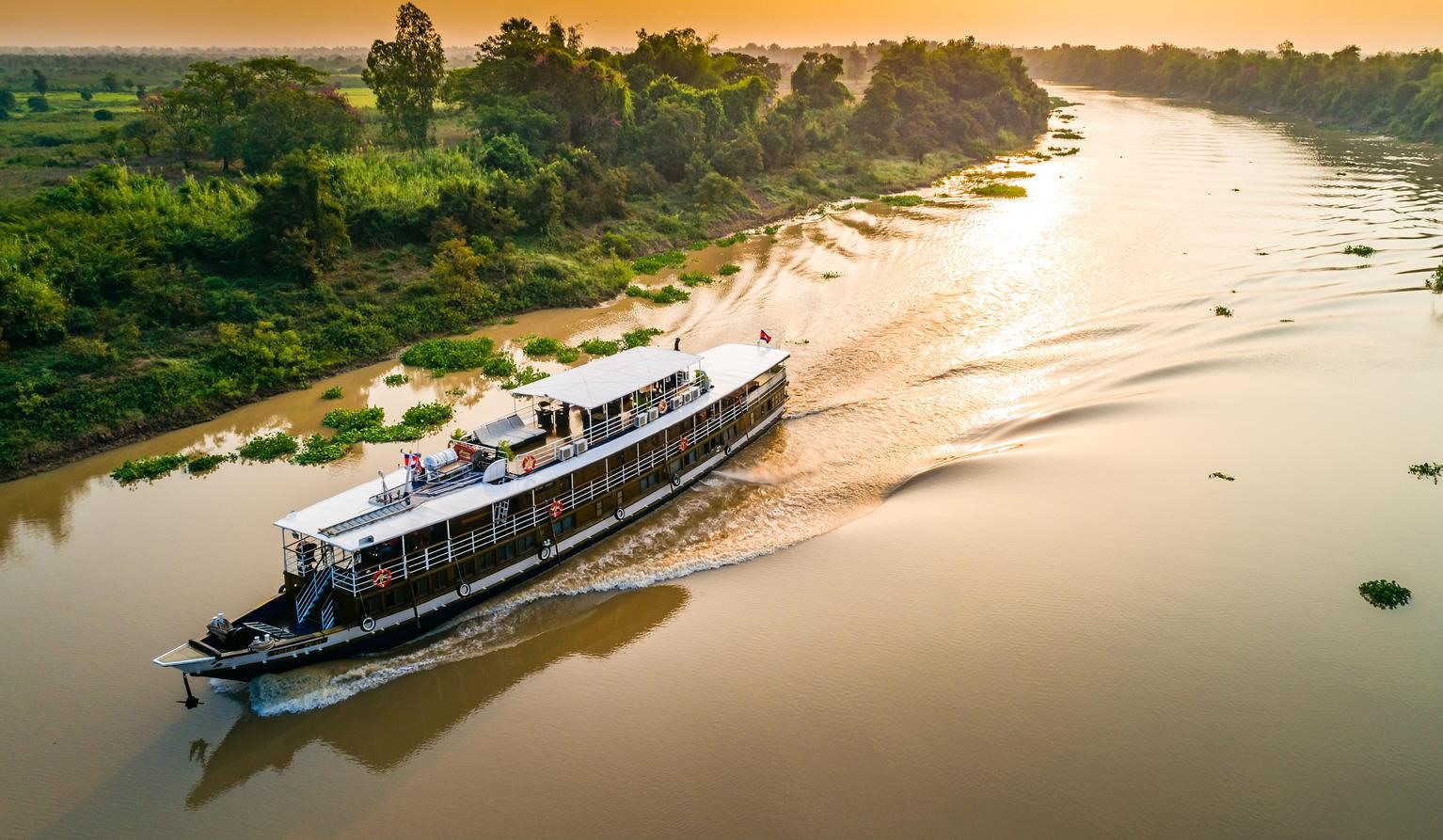
While the city of My Tho serves as the busy commercial gateway to the region, Ben Tre remains the Delta’s rustic soul. Often referred to as the "Coconut Kingdom" of Vietnam, Ben Tre offers an escape that is both accessible from Ho Chi Minh City and blissfully removed from the modern world. This comprehensive guide invites you to explore the geography, culture, cuisine, and hidden corners of this verdant province - Mekong Delta Ben Tre.
The tale of two cities: Why choose Ben Tre?
A common dilemma for travelers planning a southern excursion is deciding between My Tho and Ben Tre. On a map, they appear as neighbors separated only by a bridge, but in spirit, they are worlds apart. My Tho is the capital of Tien Giang province; it is energetic, commercial, and often the first stop for large tour buses. It offers convenience and grand views of the upper Mekong River, but it can sometimes feel like an extension of the city life you just left behind.
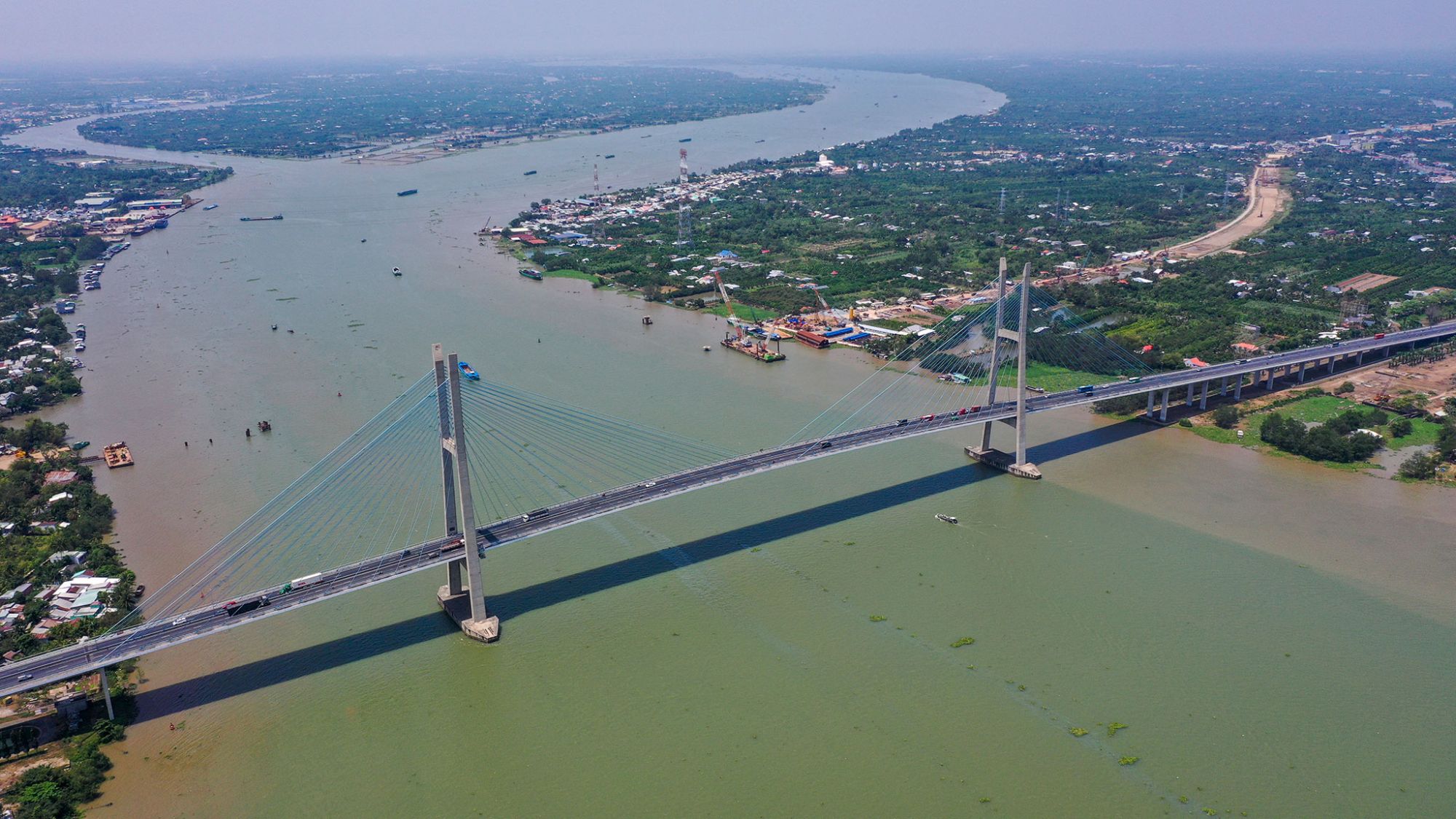
Ben Tre, however, tells a different story. Located on a large island formed by the splitting branches of the Mekong River, Ben Tre feels isolated in the best possible way. The moment you cross the Rạch Miễu Bridge, the landscape transforms. The concrete buildings recede, replaced by endless groves of coconut trees that stretch as far as the eye can see. This is not merely a tourist backdrop; it is an agricultural heartland where life is inextricably linked to the coconut tree.
The tale of two cities: Why choose Ben Tre?
For the traveler seeking authenticity, Ben Tre is the superior choice. The waterways here are narrower and more intimate. The noise of motorbikes fades away, replaced by the sounds of nature. While My Tho is a place to see the river, Ben Tre is a place to touch it, smell it, and live within it. It is the perfect destination for those who want to slow down, cycle through shaded village paths, and witness a way of life that has resisted the rapid urbanization seen elsewhere in Vietnam.
Navigating the path to the Coconut Kingdom
Reaching Ben Tre has become significantly easier in recent years, yet it still retains enough distance from Saigon to keep the crowds at bay. Located approximately 85 kilometers southwest of Ho Chi Minh City, the journey itself offers a fascinating glimpse into the transition from urban sprawl to rural tranquility.
Before 2009, reaching Ben Tre required a patient wait for a ferry crossing, which kept the province relatively isolated. Today, the impressive Rạch Miễu Bridge connects the mainland to the island province, cutting travel time down to a manageable two hours. For the independent traveler, local buses depart regularly from the Mien Tay Bus Station in Saigon.
Companies like Futa Bus or Thinh Phat offer reliable service, dropping passengers at the Ben Tre city center. However, the true magic of Ben Tre lies far beyond the city center, deep in the maze of riverside hamlets where public transport rarely ventures.
Navigating the path to the Coconut Kingdom
This is where the value of a planned itinerary becomes apparent. Navigating the rural roads of the Delta can be challenging for those who do not speak Vietnamese, and arranging private boat transfers upon arrival can often lead to inflated prices for tourists. At Sinhcafe, we have designed our transfer services and tours to eliminate this friction.
By traveling with a private car or a small group shuttle, you bypass the confusion of bus stations and are delivered directly to the boat piers where the real adventure begins. We handle the logistics so that you can focus entirely on the scenery rolling past your window.
The essence of the experience: Life on the water
To visit Mekong Delta Ben Tre and not step onto a boat would be like visiting Paris and ignoring the Eiffel Tower. The river is not just a geographical feature here; it is the highway, the marketplace, and the playground of the local people.
The Magic of the Sampan
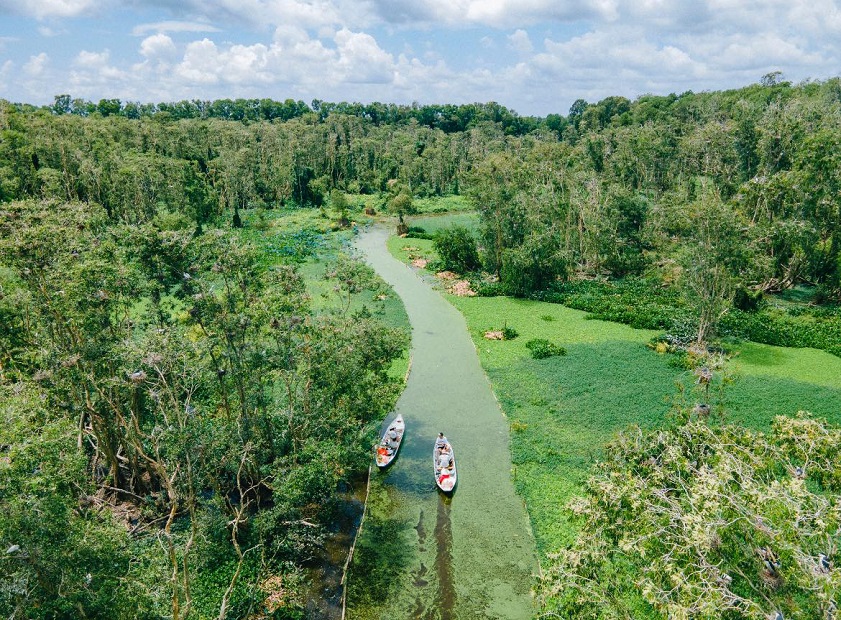
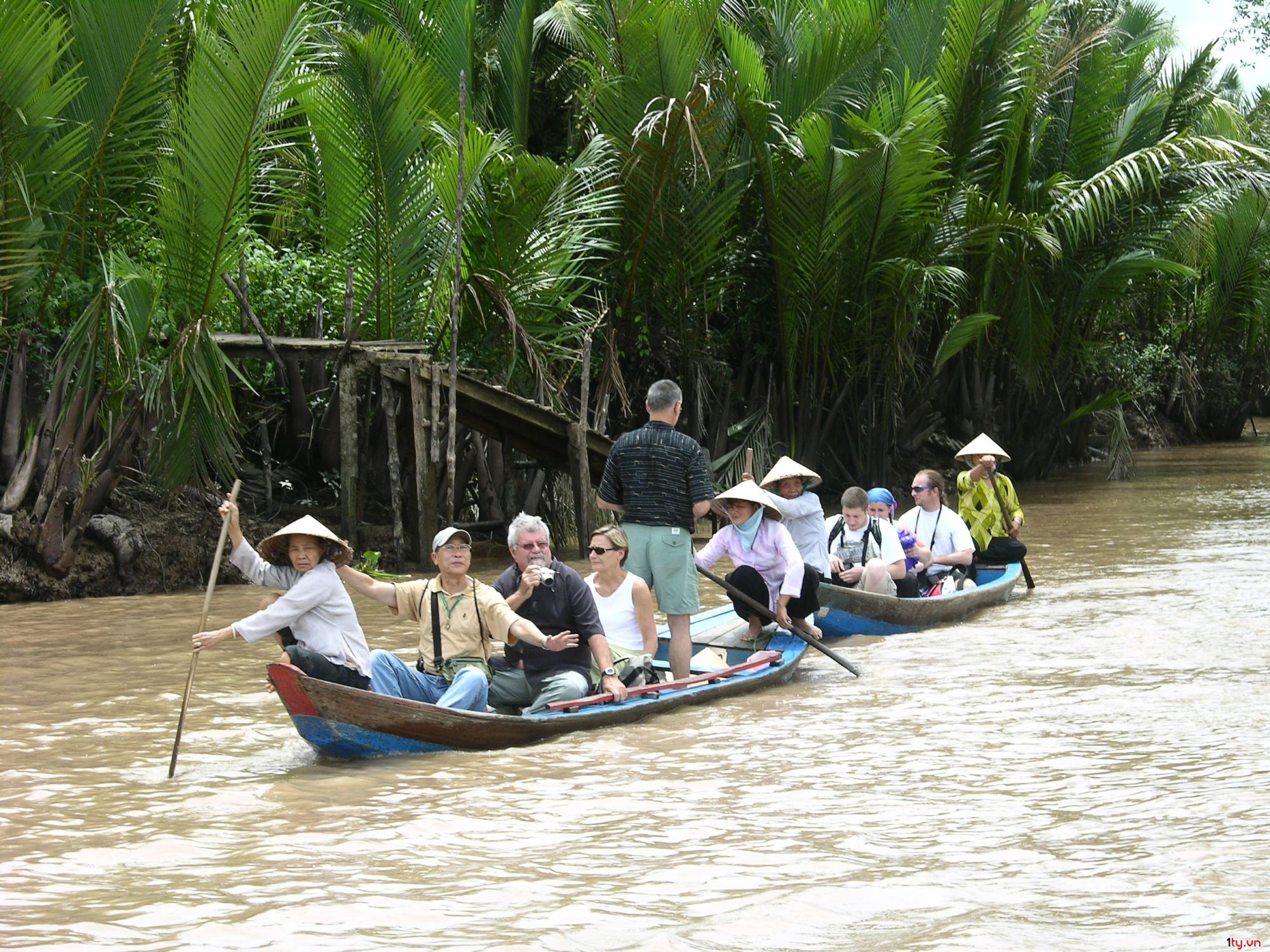
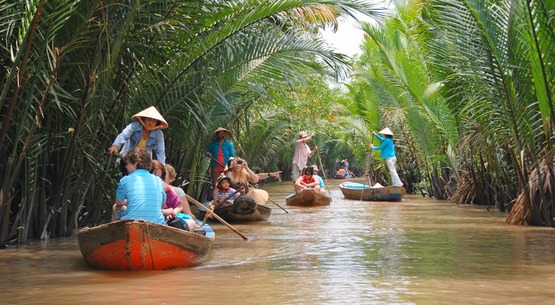
The quintessential Ben Tre experience is the sampan ride. Unlike the larger motorboats that traverse the main river, these small, wooden rowing boats are designed to navigate the tiniest canals, known as arroyos. As you step into the unstable little vessel, usually rowed by a local woman in a traditional ba ba shirt and conical hat, the world seems to shrink down to the width of the canal.
The nipa palms, or water coconuts, grow so thick here that they form a natural tunnel, blocking out the harsh tropical sun. The temperature drops, the air cools, and the only sound is the rhythmic splash of the oar. This is the "Jungle Cruise" experience that photographers dream of. It is a moment of profound peace, offering a rare opportunity to observe the ecosystem up close - from the mudskippers hopping on the banks to the kingfishers darting through the fronds.
The motorboat journey
For covering longer distances, travelers switch to larger wooden motorboats. These vessels take you out onto the majestic Tien River, where the scale of the Mekong becomes undeniable. The river here is vast, carrying heavy silt that turns the water a rich, café-au-lait color. This silt is the lifeblood of the region, depositing the fertile alluvium that makes the Delta the "Rice Bowl" and "Fruit Basket" of Vietnam.
The essence of the experience: Life on the water
From the deck of a Sinhcafe boat, you can witness the industrial side of the river: barges laden with sand, floating fish farms housing thousands of red snapper, and fishermen casting their nets in the golden afternoon light.
The Economy of the Coconut
You cannot talk about Ben Tre without talking about coconuts. They are the province's identity, its primary , and the soul of its cuisine. Ben Tre has the largest coconut-growing area economy in Vietnam, and the locals have mastered the art of using every single part of the tree.
During your exploration, a visit to a traditional coconut processing workshop is mandatory. This is not a factory in the industrial sense, but rather a family-run operation where manual labor is still the norm. You will witness the incredible strength of the huskers, who impale the coconuts on sharp stakes to strip away the thick outer shell. You will see the white meat being grated and pressed to extract the rich milk, which is then boiled in giant woks with malt syrup and sugar to create the famous Ben Tre coconut candy.
Watching the candy-making process is a sensory delight. The aroma of caramelized sugar and coconut fills the air. Workers swiftly cut the warm, soft candy into bite-sized rectangles, wrapping them in edible rice paper. Tasting a piece of candy while it is still warm from the pan is a revelation—creamy, chewy, and far superior to anything you might buy in a souvenir shop at the airport.
But the ingenuity doesn't stop at candy. The hard shells are burned to create high-quality activated charcoal, which is exported globally. The fibers from the husk are woven into mats and ropes. The wood from old trees is carved into exquisite handicrafts, from kitchen utensils to furniture. A tour of these workshops offers a profound appreciation for the resourcefulness of the Delta people, who waste absolutely nothing.
Beyond the water: Cycling and tuk-tuks
While the water defines the borders of Ben Tre, the land holds its own charm. The terrain of the Mekong Delta is famously flat, making it one of the most pleasurable places in Southeast Asia for cycling.
Imagine riding a bicycle along a single-track concrete path that weaves through lush fruit orchards. To your left is a grove of pomelo trees heavy with green fruit; to your right, a canal sparkles in the sun. There are no cars here, only the occasional motorbike or school children waving as they pedal home. This is the "real" Vietnam that many travelers seek but rarely find in the cities.
For those who prefer a more relaxed pace, the "Xe Loi" offers a unique alternative. Distinct from the chaotic tuk-tuks of Bangkok, the Xe Loi is a motorized cart pulled by a motorbike. It is an open-air carriage that allows you to sit back and feel the breeze as you move between villages. It is a nostalgic mode of transport that is slowly disappearing, but remains a beloved part of the Ben Tre tourism experience.
A Cultural detour: The legend of the coconut monk
History buffs and culture seekers will find a fascinating story on Phung Island (Phoenix Island), one of the four main islets situated between My Tho and Ben Tre. This island was once the sanctuary of Nguyen Thanh Nam, an eccentric and charismatic religious figure known as the Coconut Monk (Ong Dao Dua).
In the mid-20th century, the Coconut Monk founded a religion that sought to unify Buddhism and Christianity. He was famous for his pacifist stance during the war and his peculiar diet - he claimed to survive solely on coconuts. Today, the remnants of his sanctuary remain on the island, a bizarre and colorful collection of architecture that includes nine dragon pillars and a giant map of Vietnam. Walking through this complex feels like stepping into a surreal dream, offering a glimpse into the diverse and sometimes eccentric spiritual history of the Mekong Delta.
The taste of the Mekong delta Ben Tre: A culinary adventure
No journey with Sinh Cafe is complete without diving into the local cuisine. The food in Ben Tre is characterized by its freshness and its reliance on the coconut. The sweetness of the fruit finds its way into savory dishes, creating a flavor profile that is distinct from the salty cuisine of the North or the spicy food of the Central region.
The centerpiece of any lunch in Ben Tre is the Elephant Ear Fish (Ca Tai Tuong). This freshwater fish is deep-fried whole until its scales stand upright and turn golden and crispy. It is served upright on a wooden stand, looking almost like a dragon.
The dining ritual is hands-on: you take a piece of the crispy fish meat, place it on a sheet of rice paper, add fresh vermicelli, pineapple, cucumber, and wild herbs, and roll it all up. The roll is then dipped into a bowl of Nuoc Mam Me - a fish sauce mixed with tangy tamarind. The combination of textures - crispy fish, soft noodles, crunchy vegetables, is unforgettable.
The taste of the Mekong delta Ben Tre: A culinary adventure
For the adventurous eater, Ben Tre offers a challenge: the Coconut Worm (Duong Dua). These are large, white larvae that live inside the stems of coconut trees. They are considered a delicacy and are traditionally eaten alive, swimming in a bowl of chili fish sauce. If you can overcome the initial hesitation, the taste is surprisingly pleasant - resembling a burst of creamy butter or cheese. For those not ready for the live version, they can also be grilled or deep-fried.
Dessert, naturally, involves coconut. From coconut agar jelly to bananas cooked in coconut milk, the meal ends on a sweet, fragrant note that lingers on the palate.
Where to Stay: Embracing the Riverside Lifestyle
While it is possible to visit Ben Tre on a day trip, staying overnight changes the complexion of the experience entirely. As the sun sets and the day-trippers return to Saigon, a profound silence falls over the Delta.
We strongly recommend bypassing standard concrete hotels in the city center in favor of a riverside homestay or eco-lodge. The hospitality landscape in Ben Tre has evolved beautifully, offering accommodations that blend rustic charm with modern comfort. Places like the Ben Tre Riverside Resort offer luxury amenities, while smaller, family-run homestays allow for genuine cultural exchange.
Staying at a homestay often means waking up to the sound of roosters and the river lapping against the banks. It means enjoying a breakfast of Hu Tieu (noodle soup) prepared by your host family, and perhaps spending the evening learning how to cook Banh Xeo (Vietnamese sizzling pancakes) in their open-air kitchen. These are the moments that transform a vacation into a memory.
Sample itineraries: Crafting your perfect journey
At Sinh Cafe, we understand that every traveler has a different schedule. Here is how we structure our most popular tours to maximize your time in the Coconut Kingdom.
The One-Day glimpse:
This itinerary is designed for those with limited time. We depart Ho Chi Minh City early, arriving at the boat pier by mid-morning. The day is a whirlwind of activity: a motorboat ride across the Tien River, a visit to the coconut candy workshop, a hand-rowed sampan trip through the small canals, and a lunch of Elephant Ear Fish in a pomelo orchard.
The afternoon includes a short cycling trip or a listen to Don Ca Tai Tu (Southern amateur folk music) before returning to the city by evening. It is a full, vibrant day that captures the highlights of the region.
The two-day immersion
For those who can spare the time, the two-day trip is highly recommended. Day one follows a similar structure to the day trip, but instead of rushing back, you check into a riverside bungalow. The evening is yours to watch fireflies or relax by the water.
Day two allows for a deeper exploration. We take you to the local wet markets, which are bustling with trade and devoid of tourists. We visit traditional brick kilns to see how the red bricks of the region are made by hand. We cycle further into the countryside, reaching villages that day-trippers never see. This slower pace allows you to connect with the locals and understand the rhythm of river life.
Why travel with Sinhcafe?
The Mekong Delta is a complex region. While it is possible to travel independently, the logistics of coordinating buses, taxis, boats, and entrance fees can be daunting and time-consuming. There is also the risk of falling into "tourist traps" that offer inauthentic experiences at inflated prices.
Sinh Cafe acts as your trusted bridge to the local culture. Our guides are not just translators; they are storytellers who are passionate about their homeland. Many of them grew up in these very villages and can share personal insights that you will never find in a guidebook. We have established long-standing relationships with the best boat operators, local families, and restaurants, ensuring that your experience is safe, seamless, and high-quality.
Why travel with Sinhcafe?
We prioritize small groups and personalized service. Whether you want a private car for your family or a spot on a lively group tour, we provide transparent pricing with no hidden costs. Our goal is to make sure that when you leave Ben Tre, you take with you not just photos, but a genuine appreciation for the people and the land of the Mekong.
In a world that is moving faster every day, Mekong Delta Ben Tre invites you to pause. It invites you to drift, to listen, and to taste. It is a place where the grandeur of nature meets the warmth of human hospitality. Whether you are rowing through a tunnel of green palms or sharing a laugh with a candy maker, you will find that the magic of the Delta stays with you long after you have returned to the city.
Book your Mekong Delta Ben Tre adventure with Sinhcafe today. Contact 090 4488 850 or 024 3756 8868 to customize your itinerary and secure your seat on the journey of a lifetime. Let us show you the Vietnam we know and love.
Share via




Related articles

Vung Tau port: Discover the bustling port life and exciting activities
Blog | 20/08/2025
Phát Diệm cathedral: Discover the Majestic Phat Diem Stone Cathedral in Ninh Binh
Blog | 30/12/2025
Nha Trang Cathedral: The Gothic Soul Anchored in the Heart of the Coastal Pearl
Blog | 30/12/2025
Vietnam’s Hidden Jungle Paradise Cuc Phuong National Park
Blog | 30/12/2025









There are no reviews yet