


Khau Pha Pass: Conquer Vietnam’s Most Breathtaking Mountain Road
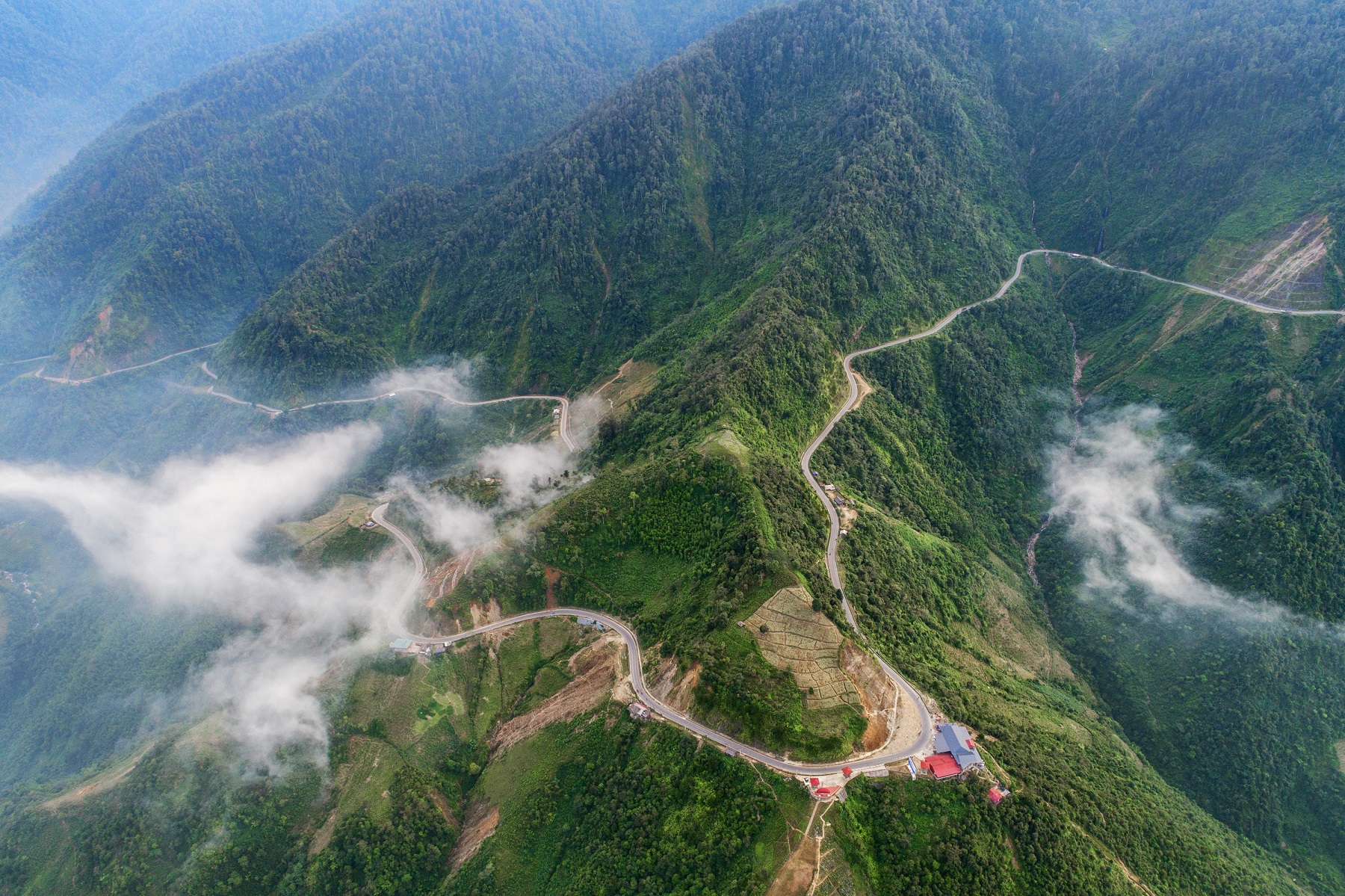
Khau Pha Pass is one of the most spectacular mountain roads in Northwest Vietnam, where winding curves cut through clouds and endless valleys. In this guide, we’ll discover where Khau Pha Pass is located, the best time to visit, how to get there, and the unforgettable experiences waiting along the way.
Where is Khau Pha Pass
Khau Pha Pass, also known as Cao Pha Pass, is a mountain pass located on National Highway 32 in Tu Le Commune, Northwest Vietnam. The pass lies along the mountainous route connecting Van Chan area and Mu Cang Chai District, approximately 300 kilometers from Hanoi, making it one of the most important crossings in Yen Bai’s highland region.
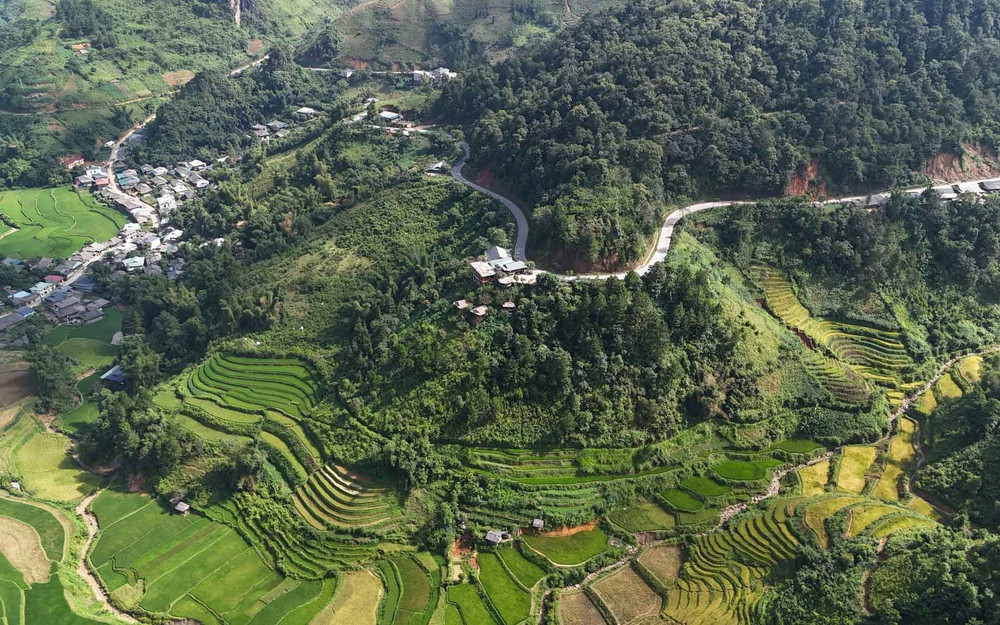
Where is Khau Pha Pass (Source: Lao Cai newspaper)
Stretching for over 30 kilometers, Khau Pha Pass is the longest and most challenging pass on National Highway 32. Rising to an altitude of more than 1,200 meters above sea level, it is also recognized as one of the four great mountain passes of Northwest Vietnam, standing out as a significant geographical landmark in the region.
How to get to Khau Pha Pass Vietnam
Most journeys to Khau Pha Pass begin in Hanoi, which is located approximately 270 kilometers away. Travelers can reach the pass using several transportation options, depending on their schedule, travel style, and level of experience. The most common route follows National Highway 32, passing through Nghia Lo Town and Tu Le Valley before ascending Khau Pha Pass.
By bus
Traveling by bus is one of the most convenient ways to reach Khau Pha Pass from Hanoi. Visitors can take a limousine bus or sleeper bus from Hanoi to Nghia Lo or Mu Cang Chai, with a travel time of around 6-8 hours. While this option is comfortable, some travelers note that the long journey can be tiring.
By motorbike or renting a car
Traveling to Khau Pha Pass by motorbike is the most popular choice among adventure travelers. The usual route follows National Highway 32 from Hanoi, passing through Nghia Lo Town and Tu Le Valley before ascending the pass. This journey is often praised for its dramatic scenery, winding roads, and sharp hairpin turns.
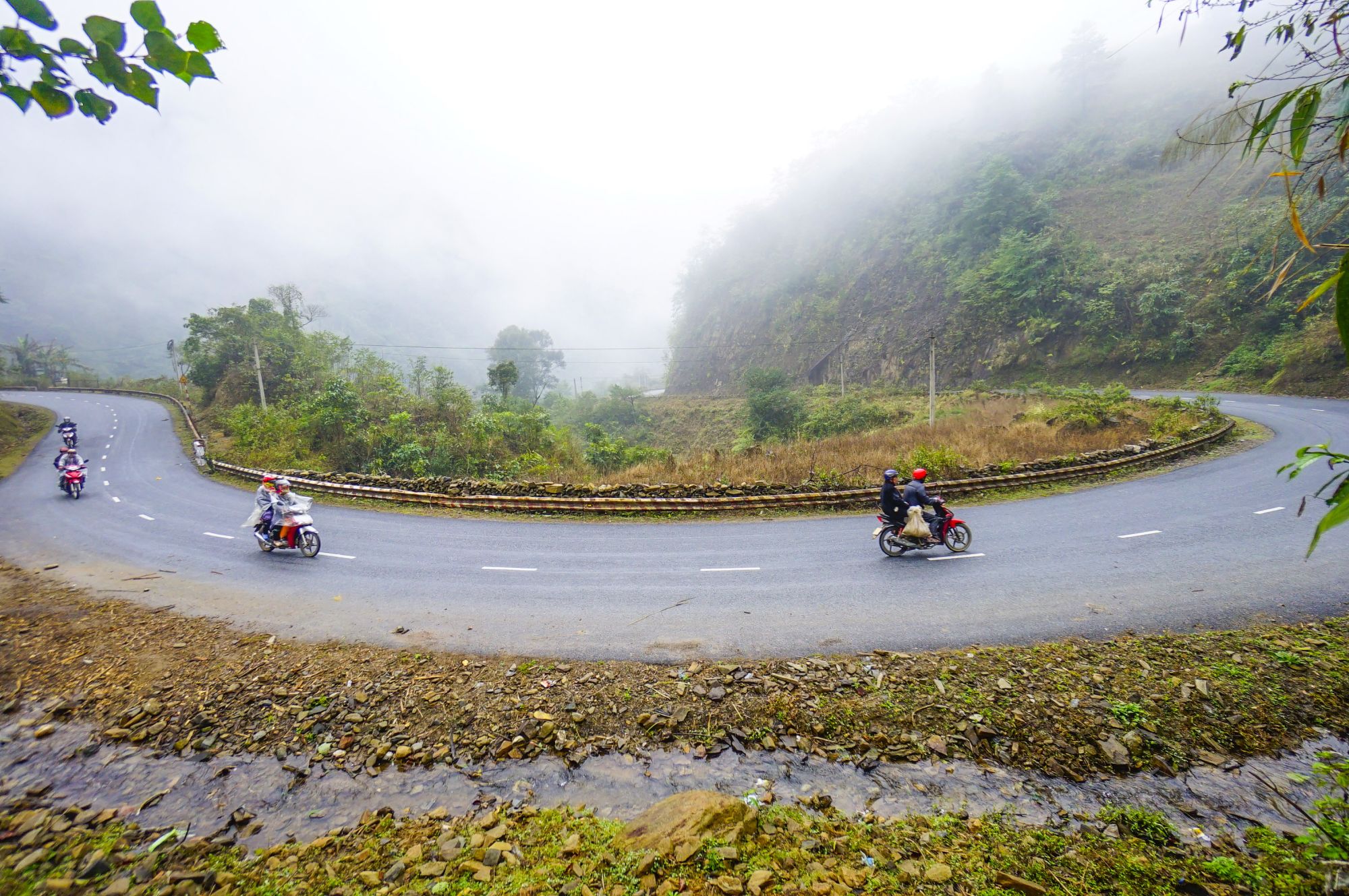
Travelers get to Khau Pha Pass by motorbikes (Source: Tuoi Tre newspaper)
However, the road to Khau Pha Pass can be challenging, especially in sections affected by erosion or poor weather conditions. For travelers who are less experienced or prefer a safer and more comfortable journey, joining Northwest Adventure 06 Days tour with Sinhcafe is a reliable alternative. These tours are designed with carefully planned routes, experienced drivers, and appropriate rest stops, allowing visitors to enjoy the scenery while ensuring safety throughout the trip.
Renting a private car is another suitable option, particularly for families or small groups, offering greater comfort while still following the same scenic route.
By train
Taking the train is an indirect but relaxed option to reach Khau Pha Pass. Travelers can take a train from Hanoi to Yen Bai City. From the Yen Bai train station, the journey continues by renting a motorbike or hiring a taxi for the remaining 100-130 kilometers to Khau Pha Pass. While this route requires an additional transfer, it is often chosen by travelers who prefer a slower pace and want to reduce long road travel from Hanoi.
Read more: Discover the best time to do Ha Giang loop for perfect weather and scenery
The meaning behind the name Khau Pha Pass
The name Khau Pha originates from the language of local ethnic communities in Yen Bai. It is commonly understood to mean “Gateway to Heaven” or “Horn of the Sky,” reflecting the dramatic natural form of the mountain pass. Seen from afar, Khau Pha Pass resembles a towering horn rising sharply toward the sky, creating a striking connection between the mountains and the clouds above.
The meaning behind the name Khau Pha Pass (Source: Vietnamtourism)
Among the Hmong people, the area is also known as “Do Chua,” which can be translated as “the windy summit.” This name highlights the elevated position of the pass, where strong winds are present throughout the year. Together, these names capture both the physical shape and the atmospheric character of Khau Pha Pass, giving insight into how local communities have long perceived this iconic landscape.
Best time to go to Khau Pha Pass
Each season brings a different beauty to Khau Pha Pass, from mirror-like rice terraces to golden harvest landscapes and misty cloud seas. Depending on what you wish to experience, the following periods are considered the most suitable times to visit:
- May - June (Water pouring season): The beginning of the flood season transforms the terraced fields into shimmering mirrors reflecting clouds and sky. This period offers a unique landscape rarely seen elsewhere in Vietnam and is ideal for travelers who want to witness the early stages of the rice-growing cycle.
- September - October (Golden rice season): The most popular time to visit Khau Pha Pass, when the terraced fields turn brilliant shades of gold. Visitors may also have the chance to attend Terraced Fields Week and experience the vibrant atmosphere of the Mu Cang Chai Ripe Rice Festival, featuring local cultural activities and celebrations.
- October - November (Cloud hunting season): A favorite period for photography enthusiasts. Early mornings often reveal seas of clouds drifting through the mountain valleys, while late afternoons are bathed in golden sunlight filtering through layered clouds over the Northwest highlands.
- Best time of day: Early morning offers a surreal feeling of walking through clouds atop the pass, while late afternoon provides warm, golden light illuminating the mountains and forests, creating a dramatic and unforgettable scene.
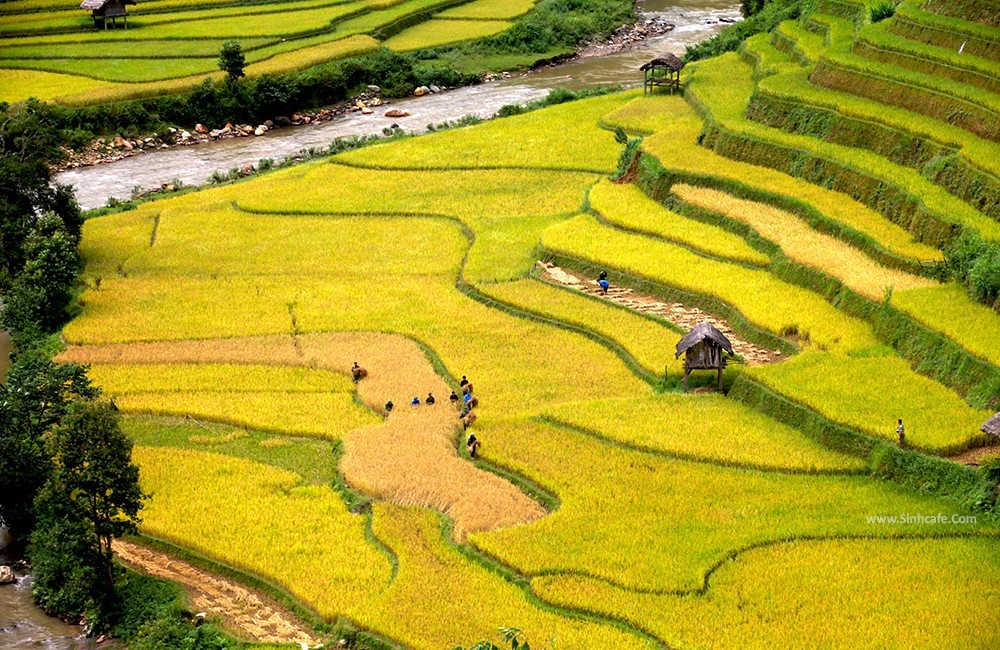
September to October is the most popular time to visit Khau Pha Pass
What to do at Khau Pha Pass
Khau Pha Pass is not only a vital mountain route in Northwest Vietnam but also a destination offering memorable experiences for nature lovers and adventure seekers. From conquering dramatic mountain roads to enjoying panoramic views of terraced rice fields, the pass presents a variety of activities shaped by its unique geography and climate.
Challenging yourself with the winding roads
Conquering the winding roads of Khau Pha Pass is considered a highlight for many travelers. With a length of over 30 kilometers and countless sharp curves, the pass offers a thrilling drive through steep slopes and deep valleys. The constantly changing scenery along the route makes every turn rewarding, while also demanding focus and careful driving, especially in foggy or rainy conditions.
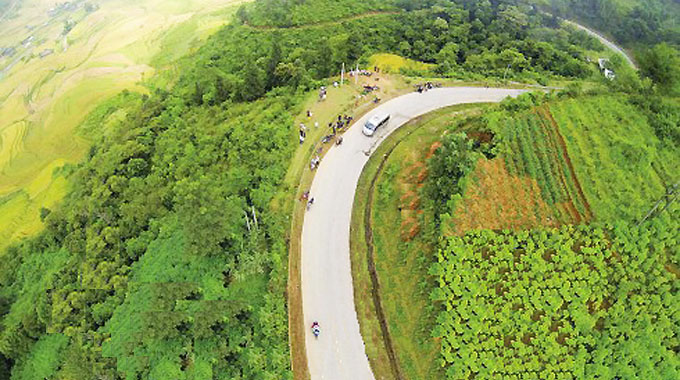
Challenging yourself with the winding roads (Source: Vietnamtourism)
Experience paragliding over Khau Pha Pass
Khau Pha Pass is widely recognized as one of the best paragliding locations in Northwest Vietnam. Thanks to its high altitude and steady mountain winds, the area provides ideal conditions for paragliding during the flying season. From above, travelers can enjoy sweeping views of valleys, terraced rice fields, and distant mountain ranges, offering a completely different perspective of the landscape below.
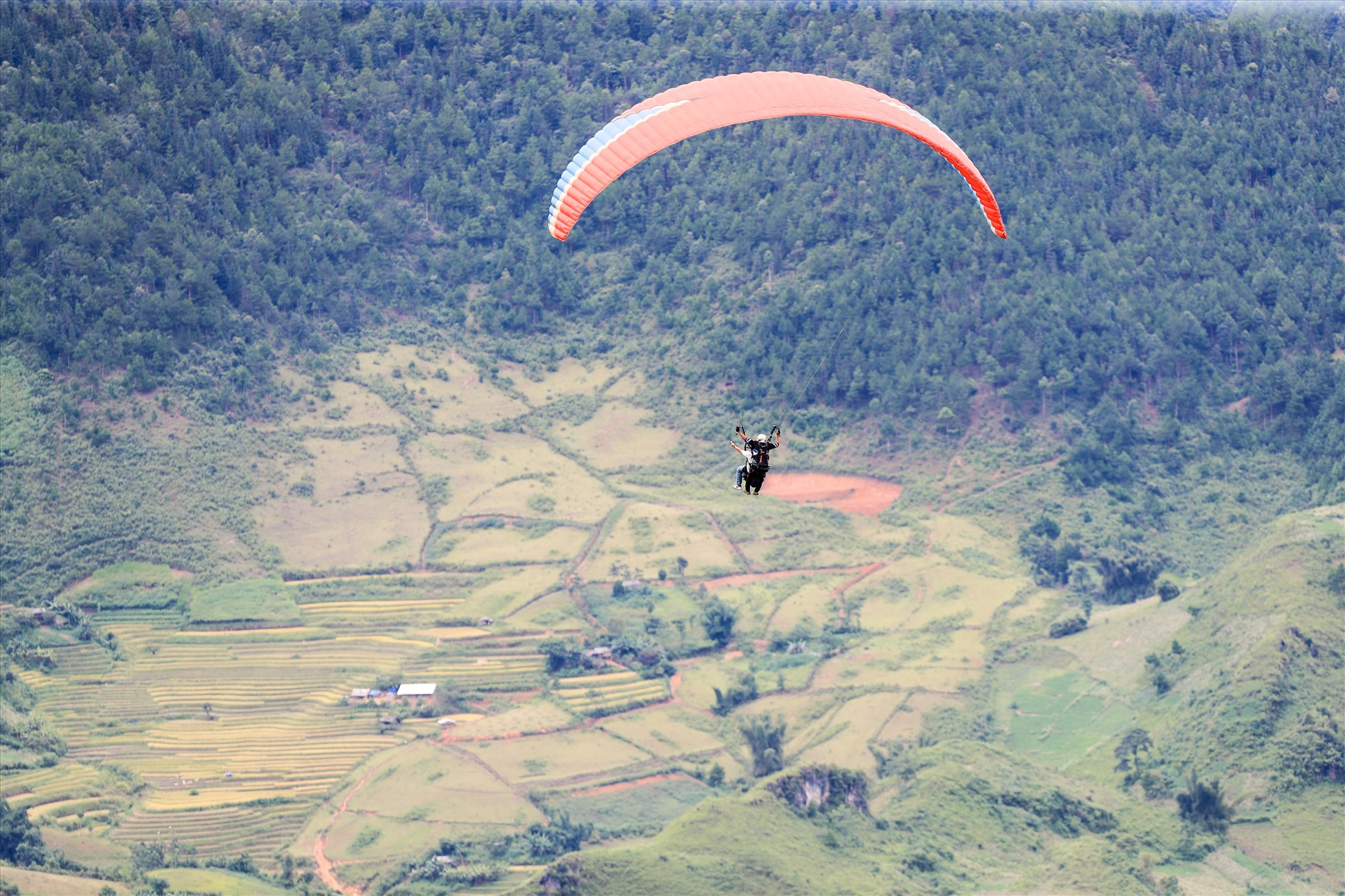
Tourists experience paragliding over Khau Pha Pass (Source: Lao Dong newspaper)
Admire Mu Cang Chai terraced rice fields
From Khau Pha Pass, visitors can admire the famous Mu Cang Chai terraced rice fields, regarded as one of the most beautiful agricultural landscapes in Vietnam. Depending on the season, the terraces appear either like giant mirrors reflecting the sky or glowing golden during harvest time. Several viewpoints along the pass provide excellent opportunities to pause and take in this iconic scenery.
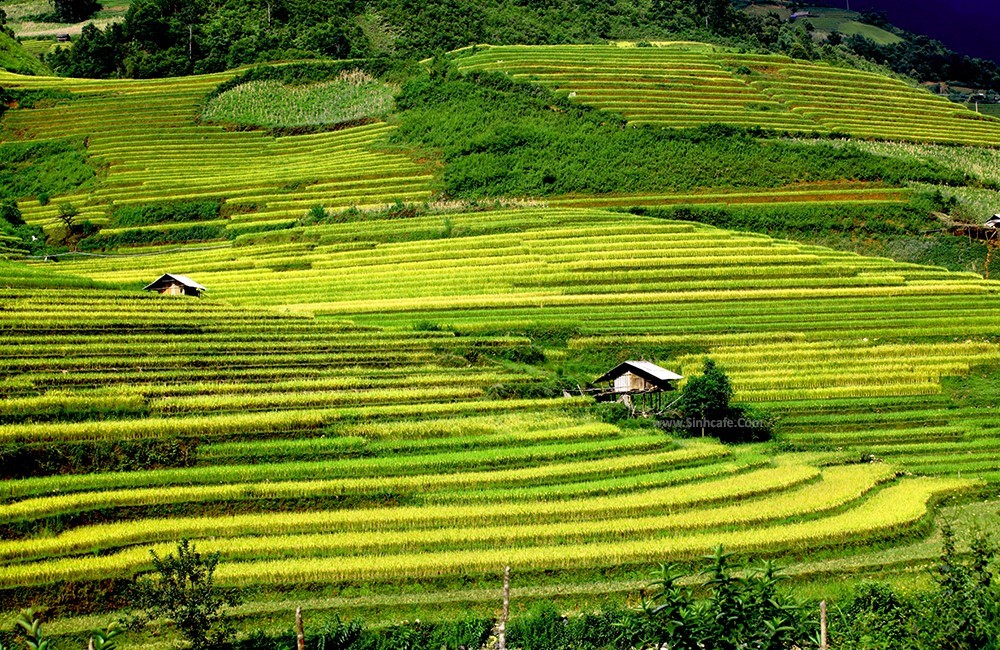
Mu Cang Chai terraced rice fields
Photography & cloud hunting at sunrise
Early morning is an ideal time for photography and cloud hunting at Khau Pha Pass. As the sun rises, layers of mist often drift through the valleys, creating a sea of clouds beneath the pass. When sunlight breaks through, the clouds and mountain ridges are illuminated with soft golden tones, making this moment especially appealing to photographers and nature enthusiasts.

Cloud hunting at Khau Pha Pass (Source: Kenh14)
Read more: Mu Cang Chai – Vietnam’s Golden Staircases of the Northwest
What to eat when you visit Khau Pha Pass?
Local cuisine around Khau Pha Pass reflects the rich culinary traditions of Northwest Vietnam, combining fresh mountain ingredients with simple yet distinctive cooking methods. When visiting the area, be sure to try the following specialties:
Sticky rice (Xoi Tu Le)
Sticky rice from Tu Le Valley is famous for its soft texture, fragrant aroma, and naturally rich taste. Grown in the fertile valleys near Khau Pha Pass, it is often served with grilled meats or sesame salt and is considered a culinary highlight of the region.
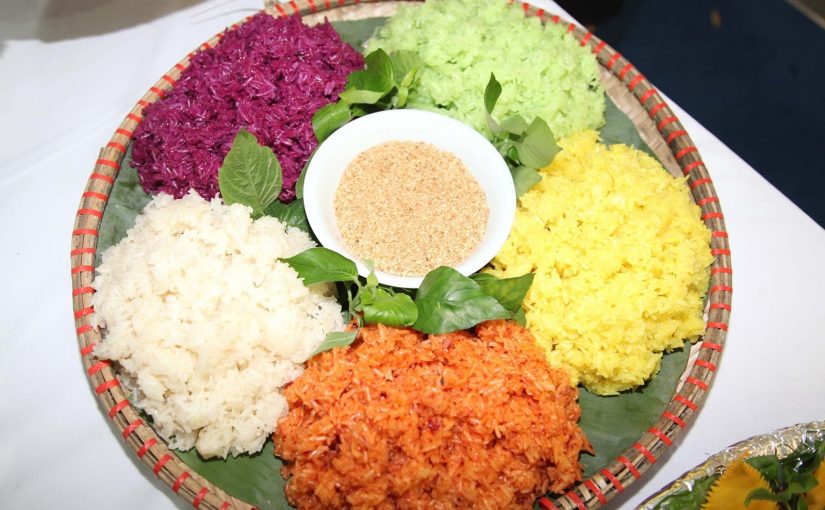
Tu Le sticky rice
Grilled black pork
Black pork is raised freely by local ethnic communities, resulting in tender meat with a distinct flavor. When grilled over charcoal, the pork develops a smoky aroma while remaining juicy inside, making it a popular dish among visitors.
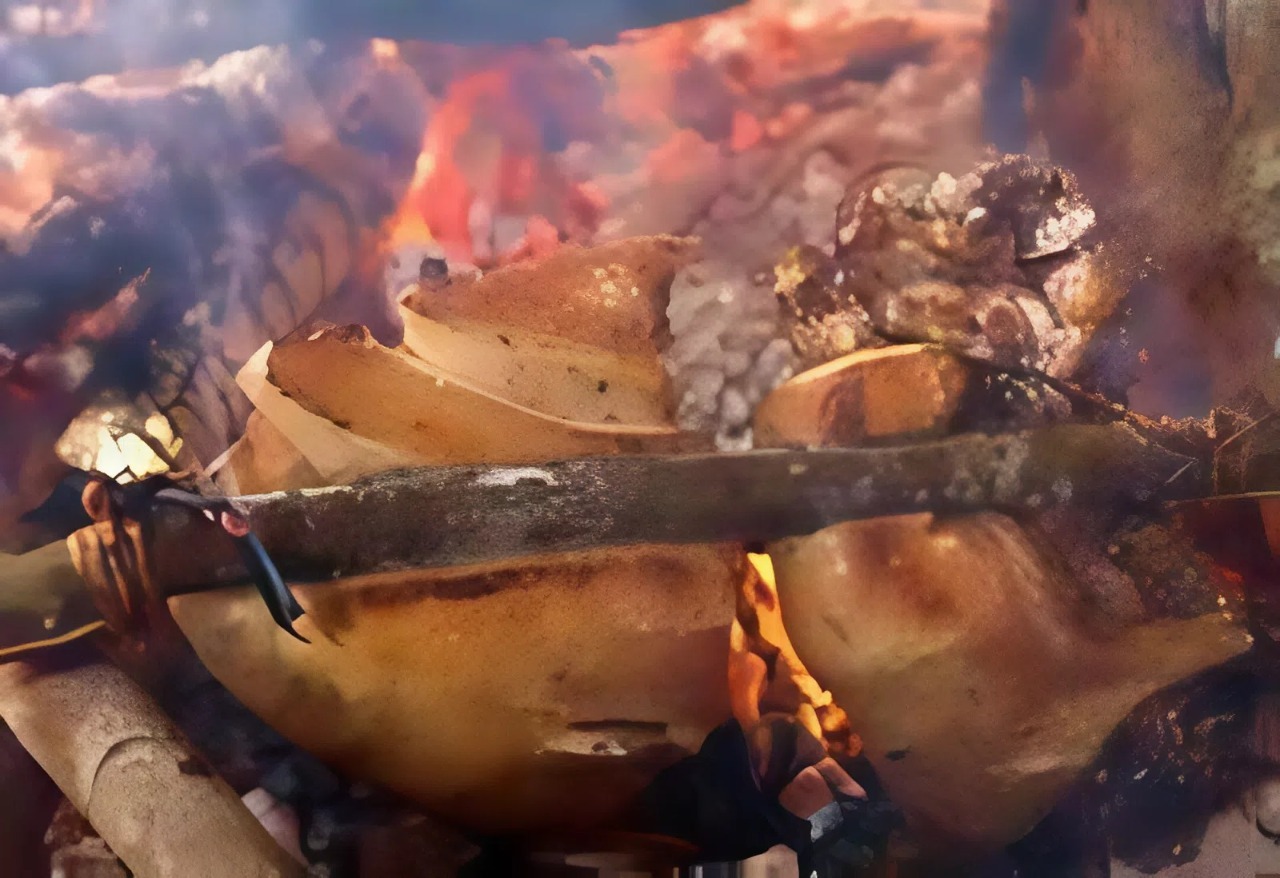
Grilled black pork
Grilled fish (Pa Pinh Top)
Pa Pinh Top is a traditional dish of the Thai ethnic group, featuring fish marinated with local herbs and grilled until golden. The fish is crispy on the outside, soft on the inside, and rich in natural flavors.
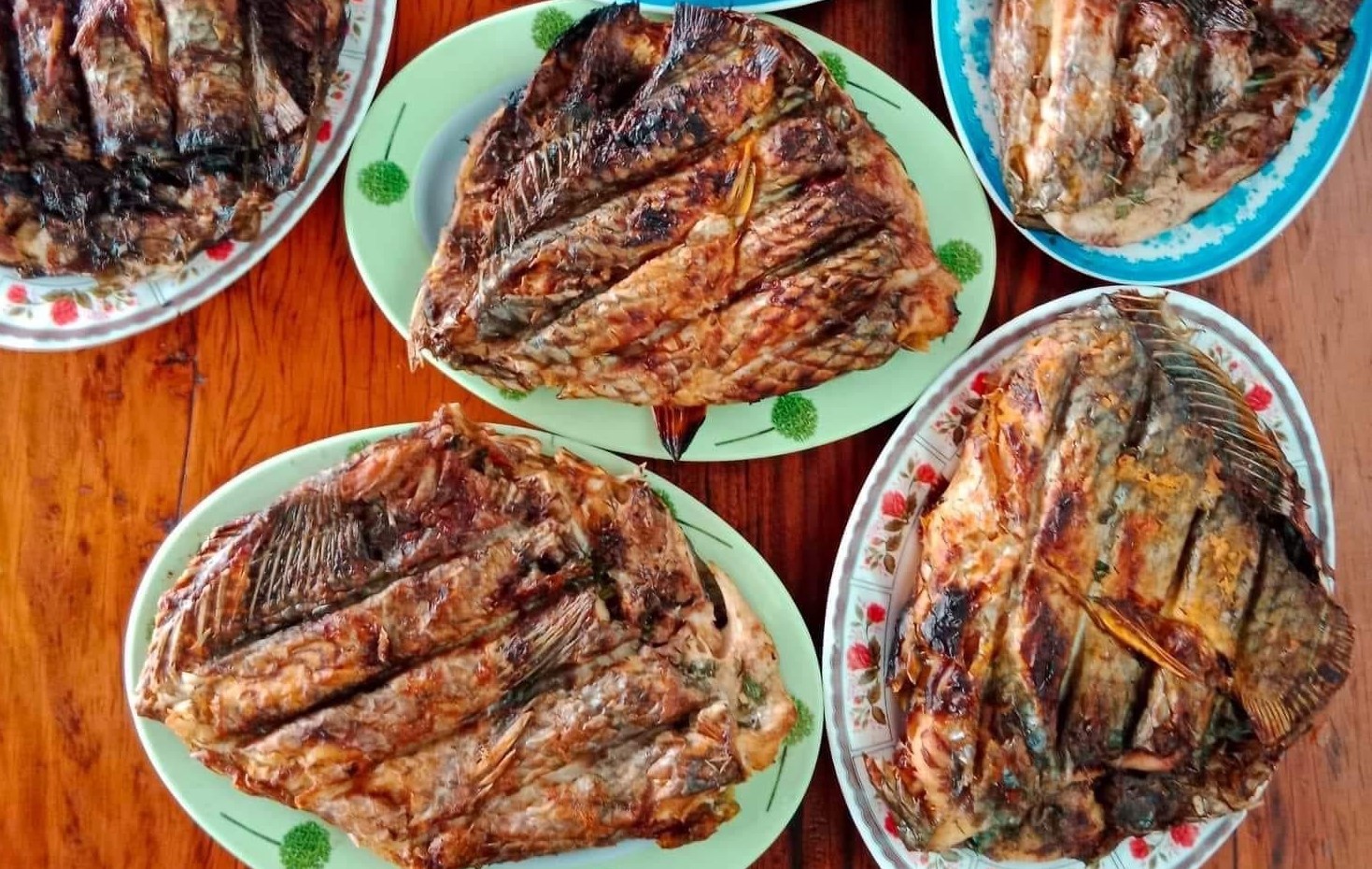
Pa Pinh Top
Stir-fried bitter bamboo shoots
Bitter bamboo shoots are a common mountain ingredient, valued for their crunchy texture and slightly bitter taste. Stir-fried simply with garlic or local spices, this dish offers a refreshing contrast to richer grilled foods.
Mustard greens (Cai meo)
Cai meo, a type of highland mustard green, is widely used in local meals. It is usually boiled or stir-fried, retaining a mild bitterness that pairs well with rice and grilled dishes.
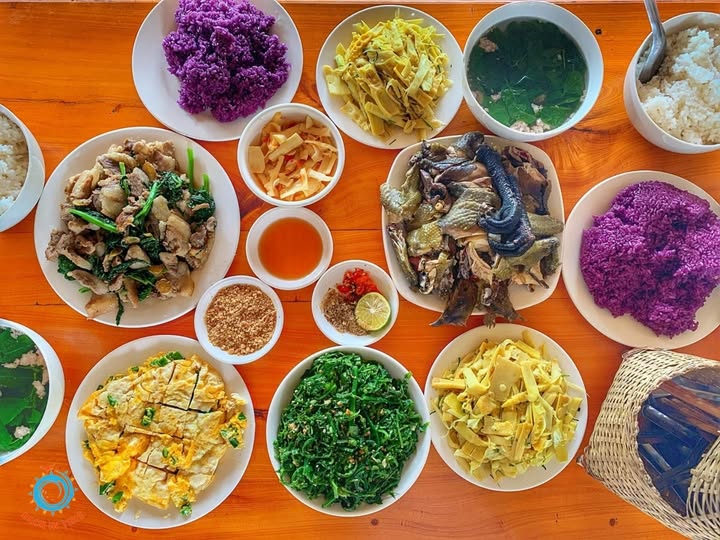
A local lunch with cai beo
Where to stay near Khau Pha Pass?
Accommodation options near Khau Pha Pass are mainly concentrated in Tu Le Valley and Mu Cang Chai District, where travelers can easily access the pass while enjoying the surrounding mountain scenery. Most stays here are designed to blend with the natural landscape and local culture.
Visitors can choose from local homestays, offering an authentic experience and insight into daily life of ethnic communities, or small guesthouses and eco-lodges that provide basic comfort in a peaceful setting. For those seeking more facilities and services, staying in Mu Cang Chai town is a convenient option, with better transport connections and a wider range of accommodations.
Useful travel tips when visiting Khau Pha Pass
To ensure a safe and enjoyable journey to Khau Pha Pass, travelers are advised to prepare carefully and follow basic mountain travel guidelines. The pass’s high altitude, winding roads, and changing weather conditions require attention, especially for first-time visitors.
- Check weather conditions before traveling: Fog, rain, and strong winds can significantly affect visibility and road safety, particularly during the rainy season.
- Drive with caution on mountain roads: Khau Pha Pass features steep slopes, sharp curves, and long descents. Maintain a steady speed, use low gears when descending, and avoid traveling at night.
- Choose appropriate transportation: Motorbikes should be in good condition with reliable brakes and tires. Travelers unfamiliar with mountain roads may consider joining a reputable tour for added safety.
- Plan fuel and rest stops in advance: Fuel stations and service facilities are limited along the pass. It is advisable to refuel and take breaks in nearby towns such as Tu Le or Mu Cang Chai.
- Dress appropriately for changing weather: Temperatures can drop quickly at higher elevations. Bring warm layers, rain protection, and comfortable footwear.
We hope the information above helps you better understand Khau Pha Pass and plan your journey with confidence. With its winding mountain roads, stunning seasonal landscapes, and unique highland culture, Khau Pha Pass is truly a destination worth experiencing in Northwest Vietnam.
If you prefer a well-planned and hassle-free trip, Sinhcafe is ready to assist you with carefully designed itineraries to Khau Pha Pass and Mu Cang Chai, ensuring comfort, safety, and memorable moments along the way. Contact us via hotline +84 904 488 850 or +84 24 3756 8868 for personalized travel advice and tour arrangements.
Share via




Related articles

Vung Tau port: Discover the bustling port life and exciting activities
Blog | 20/08/2025

Exploring the best time to visit Ha Long Bay
Blog | 30/12/2025
Phát Diệm cathedral: Discover the Majestic Phat Diem Stone Cathedral in Ninh Binh
Blog | 30/12/2025
Nha Trang Cathedral: The Gothic Soul Anchored in the Heart of the Coastal Pearl
Blog | 30/12/2025









There are no reviews yet