


Exploring Vietnam Hidden Gems: A 5-Day Journey Beyond the Usual Tourist Routes
When people think about traveling in Vietnam, iconic destinations such as Ha Long Bay, Hoi An, Da Nang, Sapa, and Phu Quoc often come to mind. However, beyond these well-trodden tourist routes lies another side of Vietnam, one that is quieter, more untouched, and offers a stronger sense of discovery. If you're interested in exploring Vietnam hidden gems beyond the typical itinerary, this five-day journey will take you to five remarkable destinations stretching from the Northeast region to the Central Highlands and North Central Vietnam. Each destination has its own unique character, yet they all share one thing in common: an authentic beauty that remains wonderfully preserved.
Day 1: Ba Be Lake – The Emerald Jewel of Northeastern Vietnam
Address: Ba Be Lake, Ba Be National Park, Ba Be Commune, Thai Nguyen Province (formerly Nam Mau Commune, Bac Kan Province)
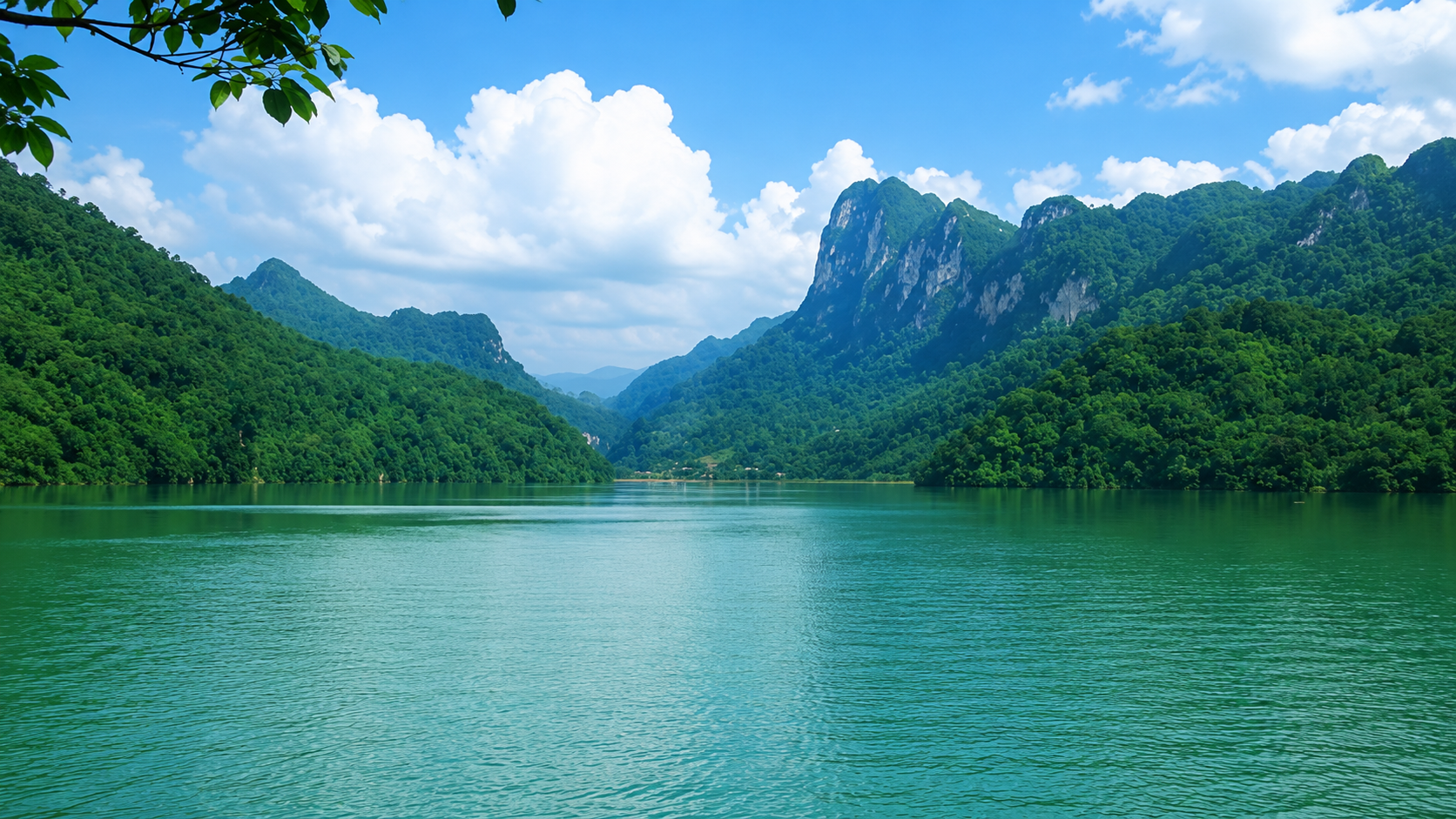 Ba Be Lake
Nestled among the majestic limestone mountains of northeastern Vietnam, Ba Be Lake has long been considered one of the largest and most beautiful natural freshwater lakes in the country. According to Ba Be National Park, the lake lies within the park's strictly protected zone and forms an important part of a diverse ecosystem that shelters numerous rare species of flora and fauna. In 1995, the World Freshwater Lakes Conference held in the United States recognized Ba Be Lake as one of the world's 20 special freshwater lakes worthy of protection.
Few travelers realize that the name "Ba Be" actually means "Three Lakes." The lake system consists of three interconnected sections known in the Tay language as Pé Lầm, Pé Lù, and Pé Lèng. Viewed from above, the entire area resembles a soft green ribbon weaving through endless mountain ranges.
One traveler once shared that the most memorable moment of the trip was not visiting Puong Cave or taking photographs on the lake, but rather sitting on a small wooden boat at around six o'clock in the morning. As the sun slowly emerged, a thin veil of mist still floated across the water while distant limestone peaks appeared through the haze. The sound of birds echoing through the forest created a rare sense of tranquility.
The appeal of Ba Be extends beyond its breathtaking scenery. In Pac Ngoi Village, visitors can stay in traditional Tay stilt houses and enjoy local specialties such as grilled lake fish, five-colored sticky rice, and free-range pork dishes. Travelers may also have the opportunity to experience Then singing, a traditional art form practiced by the Tay, Nung, and Thai ethnic groups. This cultural heritage was inscribed on UNESCO's Representative List of the Intangible Cultural Heritage of Humanity on December 12, 2019.
According to local residents, the best time for exploring Vietnam hidden gems like Ba Be Lake is between September and November or from March to April, when the weather is dry, the water is crystal clear, and the surrounding forests are at their most beautiful.
Local Experiences & Travel Tips
- Local Culture: Ba Be is home to the Tay ethnic community, where visitors can experience traditional stilt houses, local markets, and authentic village life.
- Food to Try: Grilled lake fish, five-colored sticky rice, smoked buffalo meat, and other Tay specialties are local highlights.
- Getting Around: Traditional wooden boat trips remain the best way to explore the lake and surrounding landscapes.
- Our Recommendation: Based on our experience operating tours in northern Vietnam, we recommend staying overnight in Ba Be rather than visiting on a day trip, as sunrise over the lake is often the most memorable part of the experience.
Day 2: Lo Lo Chai Village – A Hidden Village Beneath Vietnam's Northernmost Flag Tower
Address: Lo Lo Chai Village, Lung Cu Commune, Tuyen Quang Province (formerly Dong Van District, Ha Giang Province)
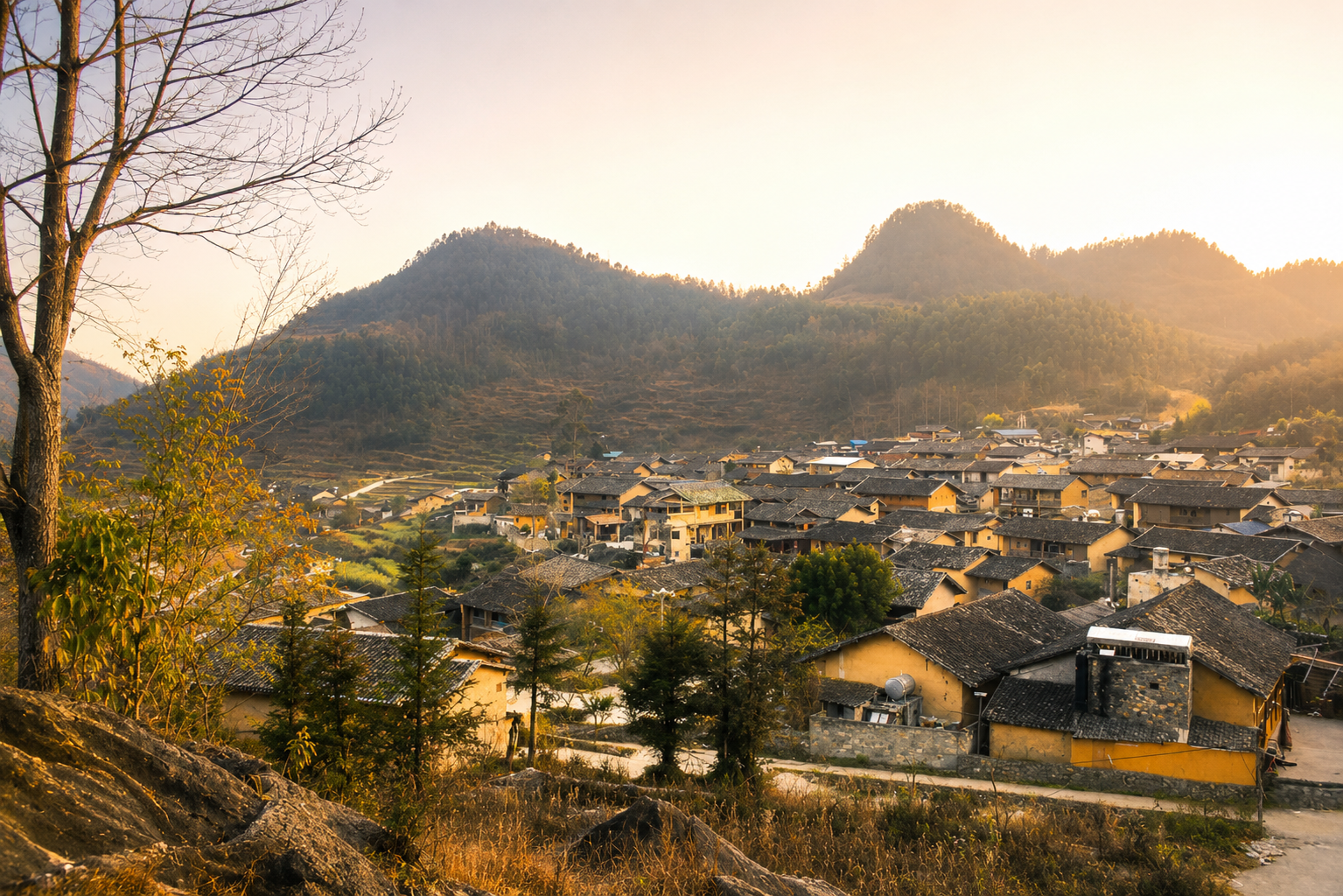 Lo Lo Chai Village
If Ba Be Lake represents Vietnam's pristine natural beauty, Lo Lo Chai Village symbolizes the success of community-based tourism combined with cultural preservation.
Located at the foot of the famous Lung Cu Flag Tower, this small village has become increasingly popular among international travelers seeking authentic and off-the-beaten-path destinations in Vietnam. Its rustic charm, traditional architecture, and vibrant cultural identity offer a refreshing alternative to crowded tourist attractions.
On October 17, 2025, in Huzhou City, Zhejiang Province, China, Lo Lo Chai was officially recognized by UN Tourism as one of the Best Tourism Villages 2025, surpassing more than 270 nominations from 65 countries. The award acknowledged the village's efforts in preserving traditional architecture, protecting the cultural identity of the Lo Lo ethnic community, and promoting sustainable tourism development.
As visitors stroll through the village, they encounter traditional earthen houses painted in warm yellow tones, hand-built stone fences, and colorful flower gardens blooming in front yards. These picturesque scenes have become iconic images of the Dong Van Karst Plateau.
One fascinating aspect of Lo Lo Chai is that despite its growing popularity, life here remains remarkably slow-paced. Mornings begin with the sound of roosters crowing, smoke rising gently from kitchen fires, and local residents preparing for the day ahead. By late afternoon, golden sunlight bathes the earthen walls, creating a magical atmosphere that many travelers compare to a village straight out of a painting.
For many visitors, the most memorable part of exploring Vietnam hidden gems is not the photographs they take but the conversations they share with local people. Listening to stories about life on the rocky plateau and learning about one of Vietnam's smallest ethnic communities leaves a lasting impression long after the journey ends.
Local Experiences & Travel Tips
- Local Culture: Lo Lo Chai is home to the Lo Lo ethnic group, one of Vietnam's smallest ethnic communities, known for its distinctive traditions, colorful costumes, and earthen houses.
- Food to Try: Visitors can sample local mountain specialties such as thắng cố, corn wine, buckwheat cakes, and free-range chicken dishes prepared by local families.
- Getting Around: Walking is the best way to explore the village, allowing travelers to appreciate traditional architecture and daily life at a relaxed pace.
- Our Recommendation: Based on feedback from our local guides, staying overnight offers a much richer experience than a quick stop at Lung Cu Flag Tower, especially during sunrise and sunset when the village is at its most photogenic.
Day 3: Pu Luong – A Paradise for Slow Travel Enthusiasts
Address: Pu Luong Nature Reserve, Pu Luong Commune, Thanh Hoa Province
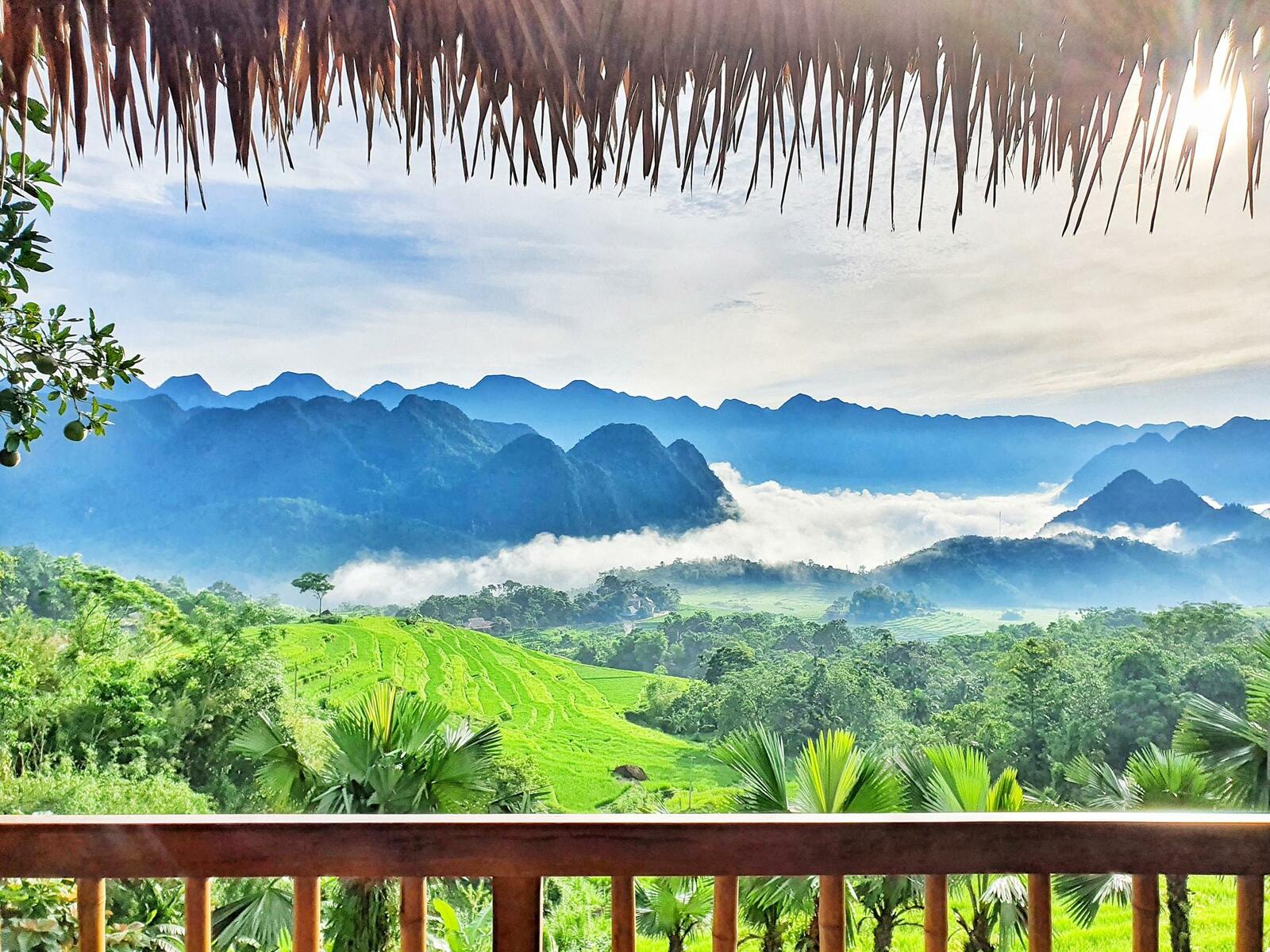 View of Pu Luong (Source: Manh Tien Khoi, VnExpress)
If you love nature but prefer to avoid crowded tourist destinations, Pu Luong is a place well worth considering. Located approximately 160 kilometers from Hanoi, this nature reserve is home to lush terraced rice valleys, peaceful Thai ethnic villages, and a remarkably diverse ecosystem.
According to information from Pu Luong Nature Reserve, the area is one of the most ecologically significant regions in North Central Vietnam, featuring extensive natural forests and a wide range of endemic plant and animal species.
What sets Pu Luong apart from many other mountainous destinations is the harmonious relationship between people and nature. Terraced rice fields cascade down the hillsides, bamboo water wheels spin gently beside streams, and traditional villages blend seamlessly into the surrounding landscape, creating scenery that is both picturesque and authentic.
One of the most popular experiences among visitors is walking through the villages in the early morning. As the first rays of sunlight reach the valley floor, layers of mist gradually disappear, revealing endless rice fields stretching toward the horizon. Many travelers consider this one of the most beautiful sights in northern Vietnam.
Few people realize that Pu Luong's famous bamboo water wheels are not merely decorative attractions for tourists. For generations, local communities have used them to transport water from streams to rice fields without relying on electricity or mechanical pumps. They stand as a remarkable example of the ingenuity and adaptability of the region's mountain communities.
According to local residents, the best times for exploring Vietnam hidden gems such as Pu Luong are May to June and September to October, when the rice terraces are at their most spectacular stages of the growing season.
Local Experiences & Travel Tips
- Local Culture: Pu Luong is home to Thai and Muong ethnic communities, where visitors can experience traditional stilt houses, handicrafts, and a slower pace of rural life.
- Food to Try: Popular local specialties include grilled stream fish, bamboo-tube rice (cơm lam), hill chicken, and duck raised in the surrounding valleys.
- Getting Around: Hiking and cycling are the best ways to explore Pu Luong's rice terraces, villages, and bamboo water wheels.
- Local Insight: Our local guides often note that travelers who stay overnight in Pu Luong enjoy a much richer experience than those visiting on a day trip, as the reserve is best appreciated through leisurely walks, village encounters, and quiet mornings in the rice valleys.
Day 4: Mang Den – A Peaceful Retreat in Vietnam's Central Highlands
Address: Mang Den Commune, Quang Ngai Province (formerly Mang Den Town, Kon Plong District, Kon Tum Province)
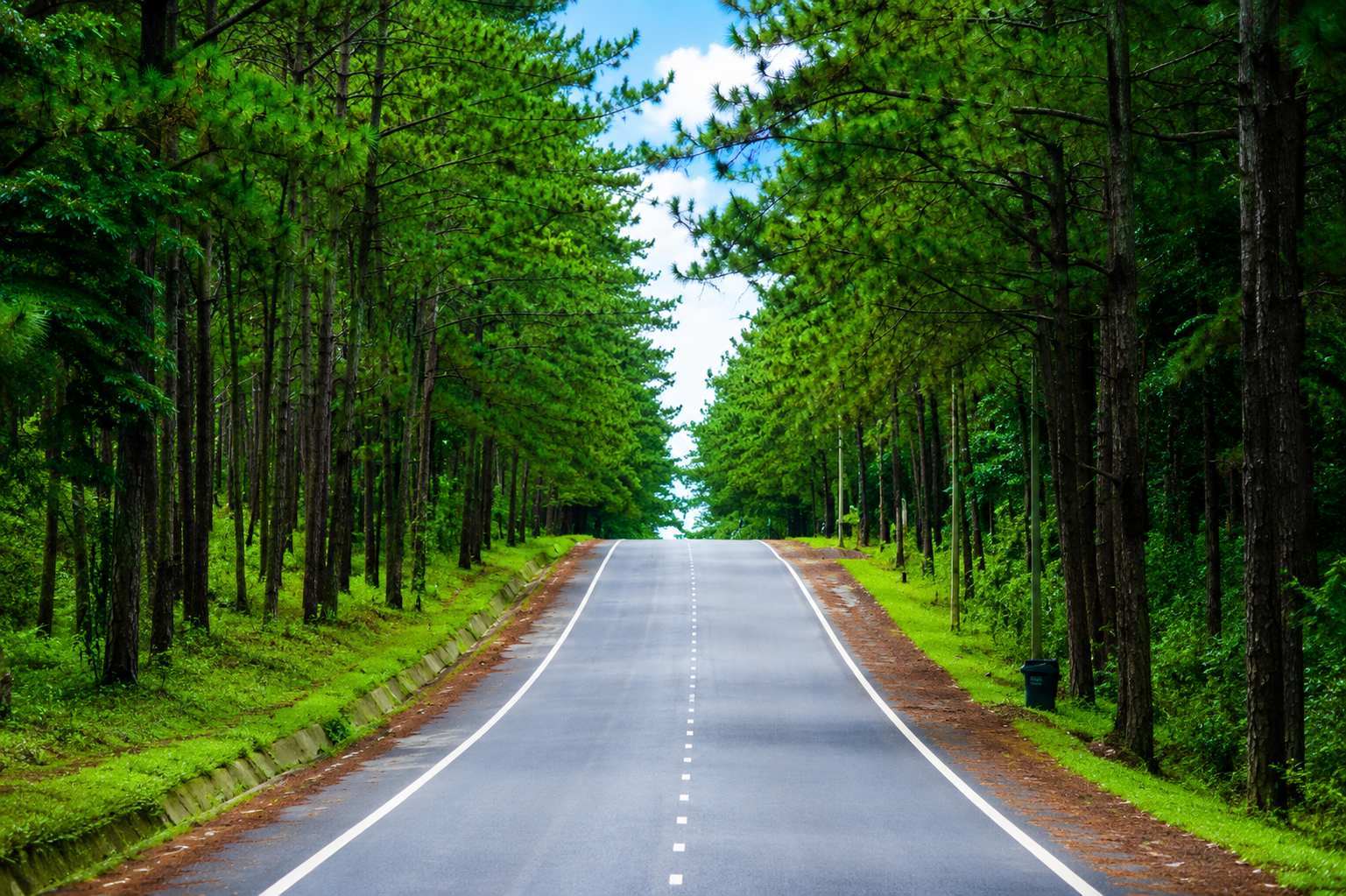 A corner of Mang Den
Situated at an elevation of approximately 1,200 meters above sea level, Mang Den enjoys a cool climate year-round, with average temperatures ranging from 16°C to 22°C. Many travelers describe it as a quieter and more tranquil version of Da Lat, thanks to its vast pine forests, fresh mountain air, and unhurried pace of life.
However, the appeal of Mang Den extends far beyond its pleasant weather. Visitors are drawn to its scenic roads winding through pine forests, crystal-clear lakes, hidden waterfalls nestled deep within the mountains, and the overall sense of relaxation that the region provides.
One traveler recalled that the most memorable moment of their trip was waking up early in the morning, opening the door, and seeing a thin layer of mist lingering among the pine trees. There were no car horns, no bustling crowds, and none of the noise typically associated with major tourist cities—only birdsong and the subtle fragrance of the surrounding forest.
Beyond its natural beauty, Mang Den offers opportunities to learn about the cultures of the indigenous communities of the Central Highlands. Traditional cuisine, cultural festivals, and a way of life closely connected to the mountains and forests provide visitors with deeper insights into this unique region.
According to many local guides, the ideal time for exploring Vietnam hidden gems like Mang Den is between November and April, when the weather is dry and conditions are perfect for outdoor activities.
Local Experiences & Travel Tips
- Local Culture: Mang Den is home to several indigenous communities of the Central Highlands, offering visitors opportunities to learn about traditional customs, festivals, and local ways of life.
- Food to Try: Popular specialties include grilled chicken with bamboo-tube rice, wild vegetables, forest herbs, and locally grown coffee.
- Getting Around: Renting a motorbike is one of the most popular ways to explore Mang Den's pine forests, waterfalls, lakes, and scenic mountain roads.
- What Many Travelers Discover: Although often compared to Da Lat, many visitors find that Mang Den's biggest appeal lies in its peaceful atmosphere, uncrowded landscapes, and slower pace of life rather than its individual attractions.
Day 5: Tan Hoa – A Hidden Gem Among Quang Binh's Limestone Mountains
Address: Tan Hoa Commune, Quang Binh Province
The final stop on this journey is Tan Hoa, a small village surrounded by the dramatic limestone mountains of Quang Binh Province.
In 2023, UNWTO (now UN Tourism) officially recognized Tan Hoa as one of the Best Tourism Villages 2023, bringing international attention to this remarkable destination. Despite this prestigious recognition, Tan Hoa remains far less crowded than nearby Phong Nha–Ke Bang and continues to develop through a sustainable community-based tourism model.
What makes Tan Hoa particularly appealing is its unique combination of spectacular natural scenery and authentic local life. Expansive green meadows, valleys enclosed by towering limestone formations, and the warmth of local residents create an atmosphere unlike anywhere else in Vietnam.
One experience that many visitors highly recommend is simply spending time walking through the valleys, exploring the surrounding landscape, and chatting with local people. Stories about life in the mountains, local traditions, and the strong sense of community often become some of the most meaningful memories of the trip.
Unlike heavily visited tourist destinations, Tan Hoa allows travelers to immerse themselves in nature and enjoy life at a slower pace. This is precisely why an increasing number of travelers interested in exploring Vietnam hidden gems are choosing Tan Hoa as an alternative to Vietnam's more conventional tourist routes.
While visiting all five destinations: Ba Be, Lo Lo Chai, Pu Luong, Mang Den, and Tan Hoa within just five days is not realistic due to the long distances between them, travelers can still optimize their journey with the support of Sinhcafe. The team can help design efficient itineraries, arrange transportation, and recommend suitable tours that combine some of Vietnam's most fascinating hidden gems into a smooth and memorable travel experience.
The Best Time to Visit These Hidden Gems in Vietnam
Each destination on this itinerary reveals a different kind of beauty throughout the year. Ba Be Lake is at its most stunning during spring and autumn, when pleasant weather, crystal-clear waters, and vibrant forest landscapes create ideal conditions for outdoor exploration. Lo Lo Chai Village is attractive year-round, but it becomes particularly enchanting in autumn when the skies over Ha Giang are bright blue and the famous buckwheat flowers begin to bloom across the rocky plateau.
Pu Luong enjoys two peak seasons: May–June and September–October, corresponding to the region's two rice harvests. During these months, the terraced fields transform into breathtaking landscapes, covered either in fresh green rice shoots or golden waves of ripening grain. Mang Den is best visited during the dry season from November to April, while Tan Hoa is generally most beautiful between March and August when weather conditions are favorable for outdoor activities and nature exploration.
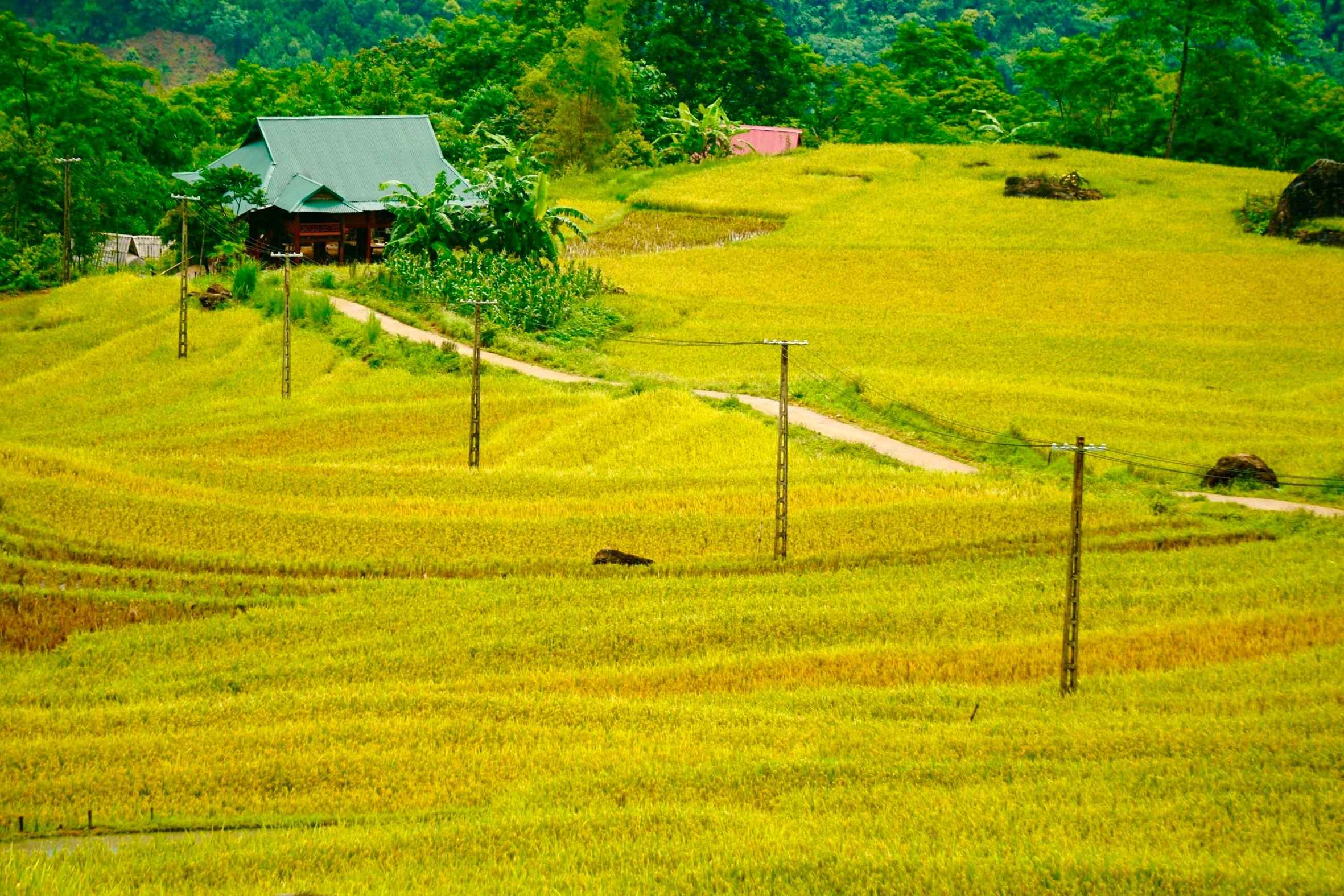 Pu Luong during the rice harvest season (Source: Báo Dân trí)
For travelers interested in exploring Vietnam hidden gems, planning a trip during these periods will help maximize the experience while showcasing each destination at its most picturesque.
Estimated Budget for Exploring Vietnam Hidden Gems
One of the major advantages of visiting these lesser-known destinations is their affordability. Travelers can stay in locally operated homestays for approximately VND 250,000–700,000 per night, depending on the type of accommodation and amenities provided. Daily food expenses typically range from VND 150,000–350,000 when enjoying local specialties and regional cuisine.
Activities such as trekking, sightseeing, and community-based cultural experiences are generally more affordable than those offered in Vietnam's major tourist hotspots. Overall, a daily budget of VND 1–2 million is usually sufficient for a comfortable and rewarding journey.
Compared with many popular destinations in Southeast Asia, these Vietnam hidden gems offer exceptional value while delivering authentic and meaningful travel experiences.
Experiences You Won't Find in Crowded Tourist Cities
What makes Vietnam's hidden gems truly special is not only their natural beauty but also the simple, everyday moments that leave a lasting impression.
It might be waking up to birdsong beside Ba Be Lake. It could be sitting on the porch of a traditional earthen house in Lo Lo Chai, watching sunlight filter through ancient stone fences. It may be walking through Pu Luong's terraced rice fields while listening to water flowing through centuries-old bamboo water wheels. Perhaps it is the morning mist drifting through Mang Den's pine forests or the heartfelt conversations shared with local residents in Tan Hoa.
These experiences rarely appear in travel rankings or carefully curated social media photographs. Yet they are often the memories that travelers cherish most long after the journey has ended.
For many visitors, these moments represent the true essence of authentic Vietnam travel experiences.
Local Insider Tips
If there is one piece of advice that local residents frequently share with travelers, it is this: slow down and spend more time in each destination.
Rather than rushing to visit as many places as possible within a short period, consider staying at least one night in each location. A peaceful morning in the mountains, a home-cooked meal with a local family, or a meaningful conversation with a village resident often creates far more memorable experiences than a long checklist of tourist attractions.
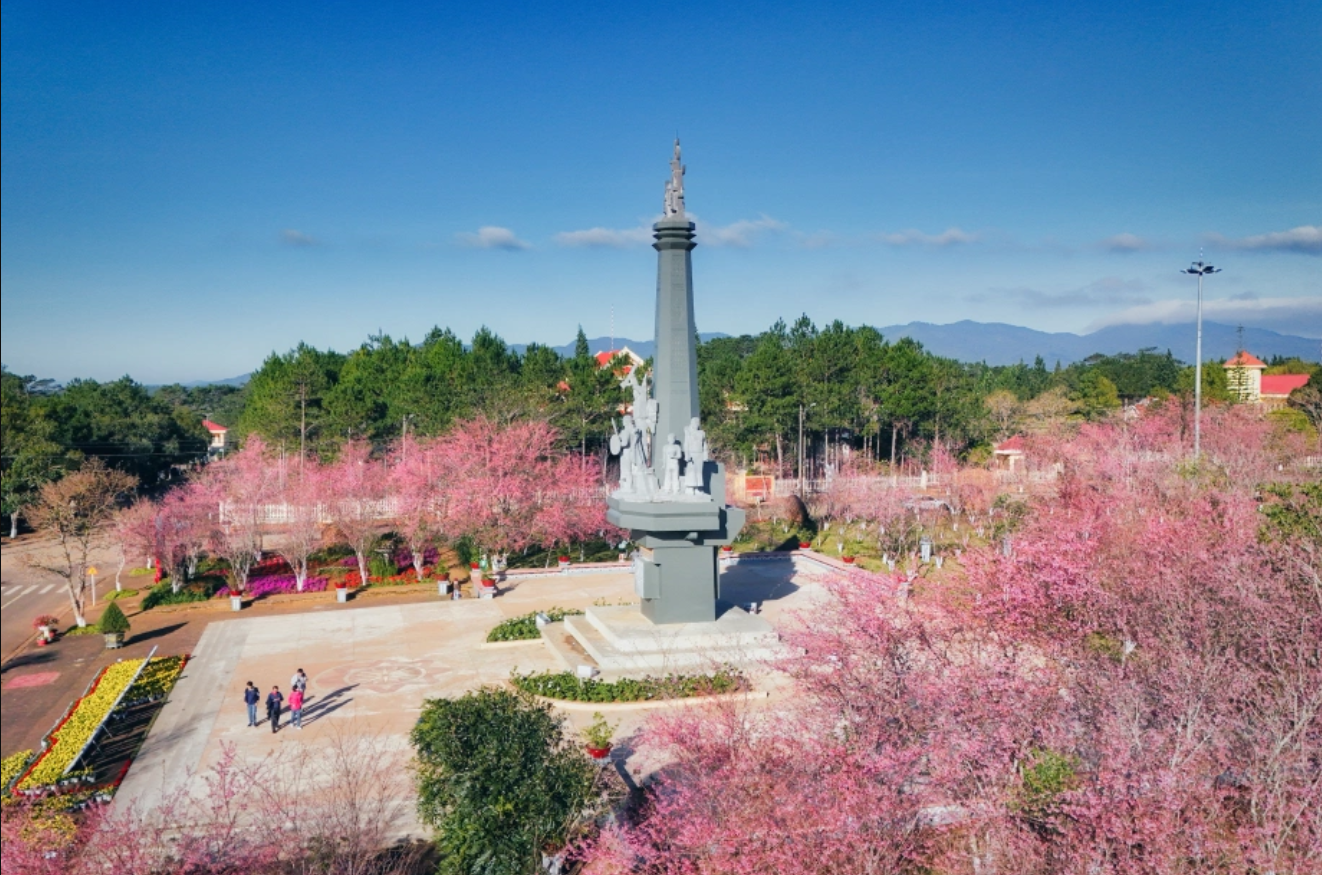
 Cherry blossoms bloom profusely in spring in Mang Den (Source: VnExpress)
Travelers are also encouraged to support locally operated services whenever possible, including homestays, local guides, and traditional cultural activities. Not only does this create a more authentic travel experience, but it also contributes directly to local livelihoods and promotes sustainable tourism in Vietnam.
Why Now May Be the Perfect Time to Explore Vietnam Hidden Gems
In recent years, an increasing number of Vietnam's community-based tourism destinations have gained international recognition. At the same time, many global travelers are moving away from crowded tourist attractions and seeking experiences that foster deeper connections with nature, culture, and local communities.
For this reason, now may be the ideal time to begin exploring Vietnam hidden gems that still retain much of their original character. As tourism infrastructure continues to improve, these destinations will undoubtedly become more accessible. However, some of the sense of discovery and untouched charm that makes them special today may gradually change over time. Experiencing peaceful villages, emerald lakes, and uncrowded valleys before they become mainstream destinations is an opportunity that may not always be available in the future.
As interest in exploring Vietnam hidden gems continues to grow, many travelers are seeking reliable local partners to help them reach these lesser-known destinations. SinhCafe offers a range of tours, transportation options, and travel services designed to make journeys to places like Ba Be Lake, Pu Luong, and other hidden corners of Vietnam more convenient, allowing visitors to focus on the authentic experiences that make these destinations so special.
Frequently Asked Questions (FAQ)
Are Vietnam's hidden gems suitable for first-time travelers?
Yes. Destinations such as Pu Luong, Mang Den, and Ba Be Lake are relatively accessible and suitable even for travelers with limited experience exploring Vietnam independently.
Which destination is best for nature lovers?
Ba Be Lake and Pu Luong are outstanding choices thanks to their diverse ecosystems, fresh air, and abundance of outdoor activities.
Which destination is ideal for relaxation?
Mang Den is an excellent option for travelers seeking a cool climate, peaceful surroundings, and a slower pace of life.
Is it worth staying overnight at these destinations?
Absolutely. Many of the most memorable experiences occur during the early morning or evening, when visitors can immerse themselves in local culture and daily life.
Which is better for families: Pu Luong or Mang Den?
Both destinations are family-friendly, but Mang Den generally offers easier access and gentler terrain, making it particularly suitable for families with young children or elderly travelers.
Is Lo Lo Chai crowded with tourists?
Compared to more famous destinations in Ha Giang, Lo Lo Chai remains relatively peaceful and uncrowded throughout most of the year.
How many days should I spend at each destination?
At least two days and one night is recommended to fully appreciate the natural beauty and cultural experiences each destination has to offer.
Are these destinations suitable for sustainable tourism?
Yes. All of these locations are highly regarded for their efforts in environmental conservation, cultural preservation, and supporting local communities through tourism.
Ready to discover Vietnam beyond the usual tourist trail? Let SinhCafe help you plan a seamless journey to some of the country's most remarkable hidden gems with customized itineraries, reliable transportation, and local expertise tailored to your travel style.
Share via




Related articles
5 Days in Vietnam for First Time Couples: Beyond the Tourist Trail
Posts | 08/06/2026

Visit Ha Giang in November: Is it a good time to go?
Posts | 21/09/2026

Ha Long bay 1 day tour: Best itinerary, cruise options & Travel tips
Posts | 23/03/2026
Yang Bay Waterfall: A Hidden Paradise near Nha Trang you shouldn’t miss
Blog | 24/03/2026








There are no reviews yet