


What First Time Southeast Asian Travelers Should Know Before Visiting Vietnam
Traveling first time Southeast Asian for the first time can feel equal parts exciting and overwhelming , the humid heat, chaotic traffic, bargaining culture, street food, visas, cash, SIM cards… If Vietnam is your first stop, this guide will help you prepare practically so your trip is safe, comfortable, and genuinely memorable.
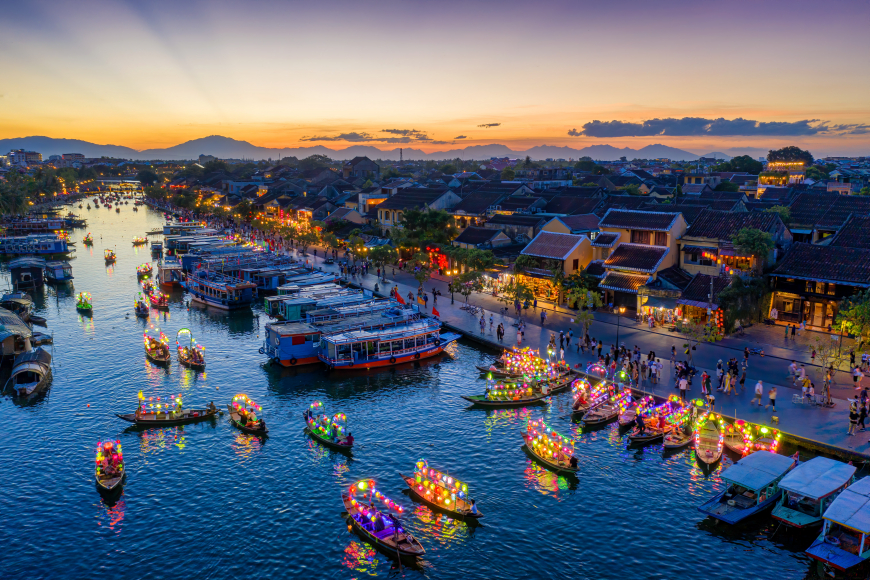
Why Vietnam Is a Great Choice for Your First Time in Southeast Asia
Vietnam is an excellent pick for first-time Southeast Asia travelers because it packs all the region's defining experiences into one country: vibrant cities, ancient towns, tropical beaches, limestone mountains, UNESCO heritage sites, street food, and a wide range of budgets.
Unlike destinations that specialize in just beach resorts or urban life, Vietnam can be shaped into many different itineraries. Culture lovers can head to Hanoi, Hue, or Hoi An. Nature seekers can explore Trang An, Ha Long Bay–Cat Ba, or Phong Nha. Those wanting a resort experience have Da Nang, Nha Trang, and Phu Quoc. City enthusiasts can start in Ho Chi Minh City.
Vietnam's tourism growth confirms its rising popularity with international visitors. Vietnam's National Authority of Tourism recorded over 17.5 million international arrivals in 2024 and nearly 21.2 million in 2025. That growth, however, also brings challenges: peak-season crowds, complex urban traffic, extreme weather events, and overtourism at some popular spots.
Visa and Entry: Check Before You Book
The first thing any first-time Southeast Asia visitor should verify is their visa situation. Vietnam currently offers e-visas for citizens of many countries, valid for up to 90 days with single or multiple entry depending on the visa type. Always apply through the official e-visa portal and double-check your full name, passport number, date of birth, entry date, and port of entry.
Visa and Entry: Check Before You Book (Source: The Economic Times)
One of the most common mistakes first-timers in Southeast Asia make is booking flights first and checking visas second. The safer approach: confirm your entry requirements before finalizing tickets , especially if you're planning a multi-country route like Vietnam - Cambodia - Thailand - Laos.
Practical tip: Always print or save offline copies of your e-visa, hotel bookings, outbound flight tickets, and travel insurance. At certain times, airport Wi-Fi can be slow or your eSIM may not activate immediately.
When to Visit Vietnam
Vietnam stretches from north to south, and the weather varies dramatically by region , something many first-time Southeast Asia travelers tend to underestimate.
The North , including Hanoi, Ninh Binh, Ha Long, and Sapa , has four fairly distinct seasons. Winters can be cold and damp; summers are hot and rainy. Central Vietnam , Hue, Da Nang, Hoi An , is typically best during the dry season, though typhoon season requires attention. The South , Ho Chi Minh City, the Mekong Delta, Phu Quoc , is warm year-round, divided into dry and wet seasons.
If you're doing the classic Hanoi - Ha Long - Hoi An - HCMC route, pack flexibly: a light jacket for the north in cool months, breathable clothing for the south, a thin rain jacket, and comfortable walking shoes.
When I visited Hoi An after a heavy rain, the ancient town was still beautiful , but the streets were slippery, puddles gathered near the Hoai River, and many visitors had to reshuffle their photo plans. The lesson: in Vietnam, leave breathing room in your itinerary. Don't stack every important activity into a single day.
Read more: 10 days in Vietnam itinerary - Instructions for visitors for an unforgettable journey
Getting Around Vietnam: Busy, but With Its Own Logic
Traffic is often the first cultural shock for first-time visitors to Southeast Asia. In Hanoi and Ho Chi Minh City, motorbikes are everywhere , horns constant, lanes fluid, and crossing the street can feel genuinely intimidating to newcomers.
That said, Vietnamese traffic has its own rhythm. When crossing, don't bolt or step back suddenly. Move slowly and steadily, watch carefully, and let the motorbikes navigate around you. If you're unsure, cross with a local or use a signalized intersection.
For getting around cities, ride-hailing apps like Grab are widely used in major urban areas. For groups or travelers with luggage, choose a car over a motorbike. For intercity travel, options include domestic flights, trains, limousine buses, and private cars. If it's your first time in Southeast Asia, a private transfer or private tour is easier to manage , especially on multi-stop itineraries.
Cash, Cards, and Payments
Vietnam's currency is the Vietnamese Dong (VND). Cards are widely accepted at hotels, larger restaurants, shopping malls, and many tourist attractions. However, cash is still essential at markets, small eateries, local taxis, tipping, parking, street drinks, and souvenir stalls.
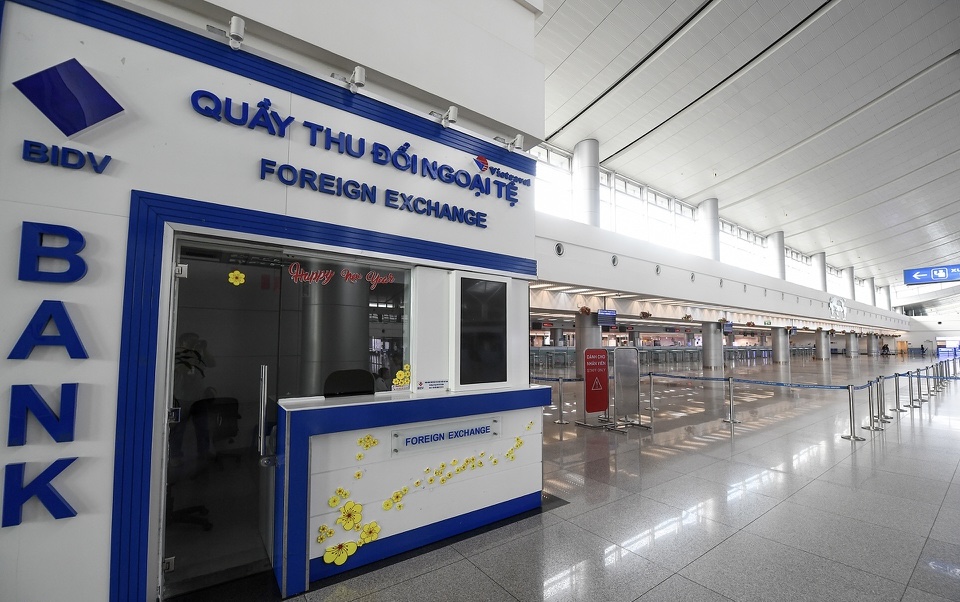 Make sure to exchange your money into Vietnamese dong (Source: VietNamNet)
First time Southeast Asian travelers should exchange a small amount at the airport for immediate needs, then exchange more at a reputable bank or exchange counter in the city. Avoid carrying large amounts of cash in crowded markets or busy streets.
A useful tip: familiarize yourself with Vietnamese banknote denominations before you go. Some notes look similar in color to newcomers and are easy to mix up when paying quickly. At markets, always confirm the price before handing over cash and use your phone's calculator if needed.
Street Food: Eat Adventurously, Choose Wisely
Food is one of the biggest reasons Vietnam draws first-time Southeast Asia visitors. Pho, banh mi, bun cha, cao lau, banh xeo, com tam, and iced coffee with condensed milk are all experiences worth having. That said, your digestive system may need a day or two to adjust.
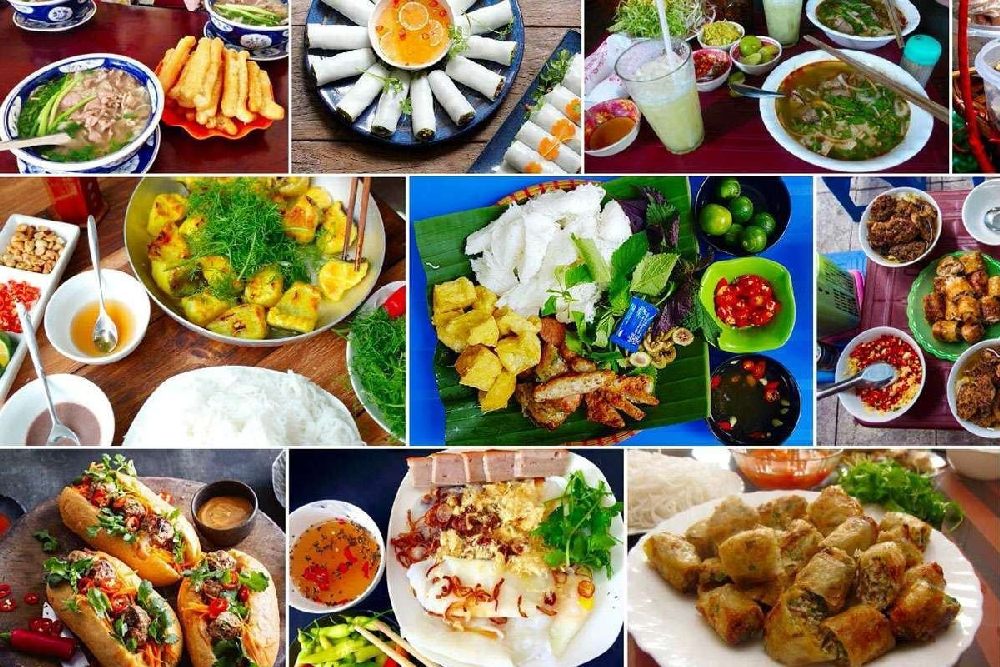 Vietnam street food (Source: Vietnam Visa)
You don't need to avoid street food , but do choose stalls with steady local traffic, freshly cooked dishes, clean-looking ingredient handling, and relatively tidy seating. Avoid drinking tap water. Stick to sealed bottled water (check the cap is intact) and be cautious with ice in places where you're unsure of the water source.
When I ate bun cha in Hanoi at a small spot near the Old Quarter, what stuck with me wasn't just the flavor , it was the pace: charcoal grill, grilled pork, fresh herbs, dipping broth, locals packed elbow to elbow. That's a very Vietnamese experience, and also exactly the kind of place where you should give the setup a quick once-over before sitting down.
Local Culture: Warm and Direct, with Some Nuance
Vietnamese people are generally friendly toward international visitors, especially in tourist areas. But communication styles can differ from what Westerners expect. Vendors may invite you quite enthusiastically; bargaining at markets is normal; questions about your age, country, or job are often just small talk, not intrusion.
When entering pagodas, temples, mausoleums, or religious heritage sites, dress modestly , cover shoulders and knees. Don't touch statues, speak quietly, and avoid striking poses that might be disrespectful in sacred spaces. Sites like the Temple of Literature, Thien Mu Pagoda, Ngoc Son Temple, or the Hue Royal Tombs deserve respectful engagement.
On tipping: Vietnam doesn't have the same tipping culture as some countries, but tipping tour guides, drivers, porters, or anyone who provided genuinely good service is always appreciated.
Best Destinations for First-Time Visitors to Vietnam
Hanoi: Cultural Depth for the Curious Traveler
Hanoi is a rich starting point for first-timers in Southeast Asia. The Old Quarter, Hoan Kiem Lake, Temple of Literature, Hoa Lo Prison, egg coffee, and the street food scene all let you experience Vietnamese history, urban rhythm, and culture firsthand.
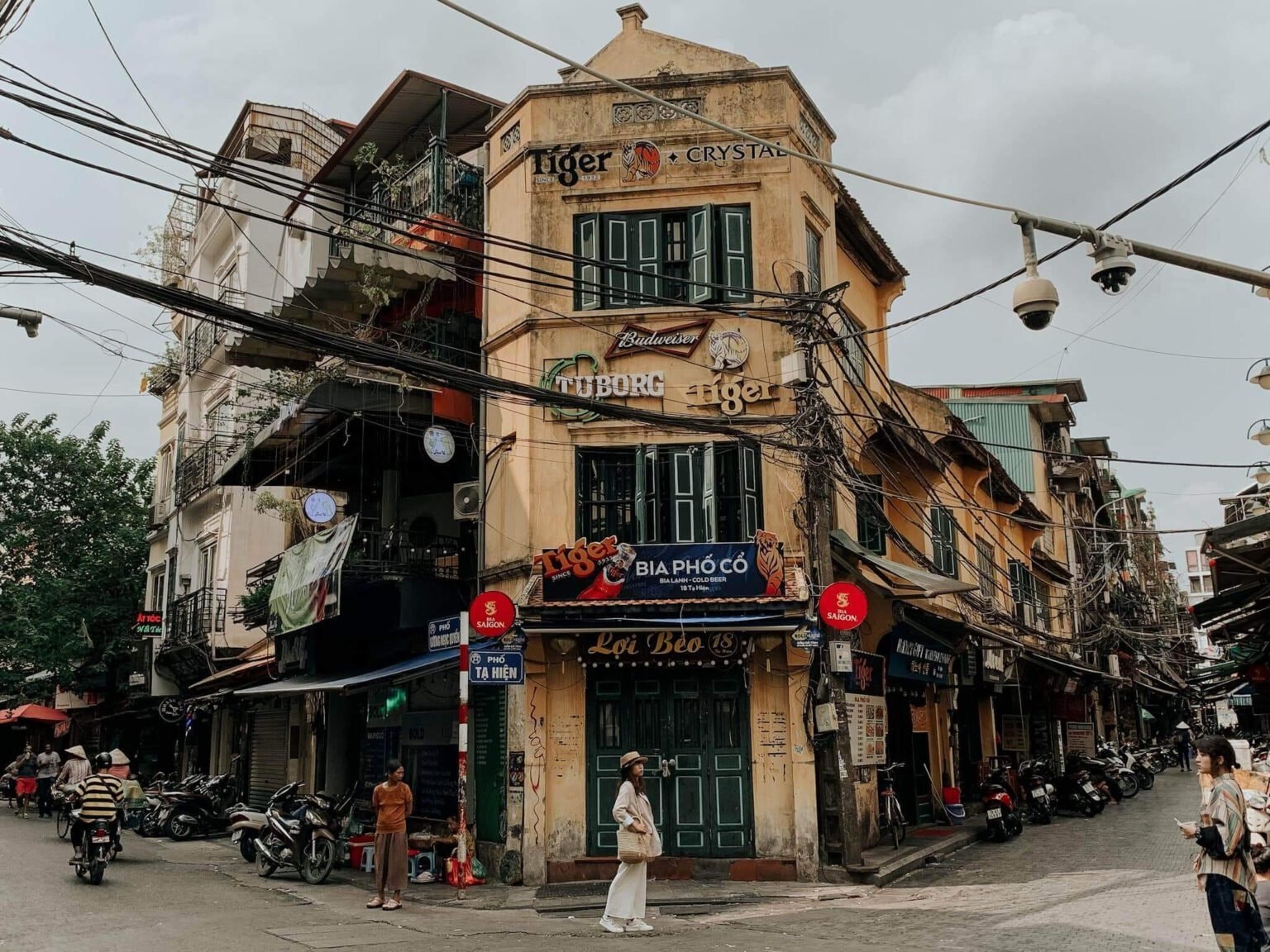 A corner of Hanoi (Source: nguoihanoi)
The downsides: heavy traffic, sidewalks that can be hard to navigate, and air quality that fluctuates. If this is your first time in Southeast Asia, keep your first day in Hanoi light , walk around the lake, eat something simple, drink coffee, and sleep early to adjust to the time zone and climate.
Trang An – Ninh Binh: Accessible Natural Wonder
UNESCO describes Trang An as a spectacular karst landscape featuring valleys, caves, and evidence of human settlement spanning more than 30,000 years. It's ideal for newcomers to Vietnam: the boat experience is gentle, the scenery is stunning, and there's nothing overly adventurous about it.
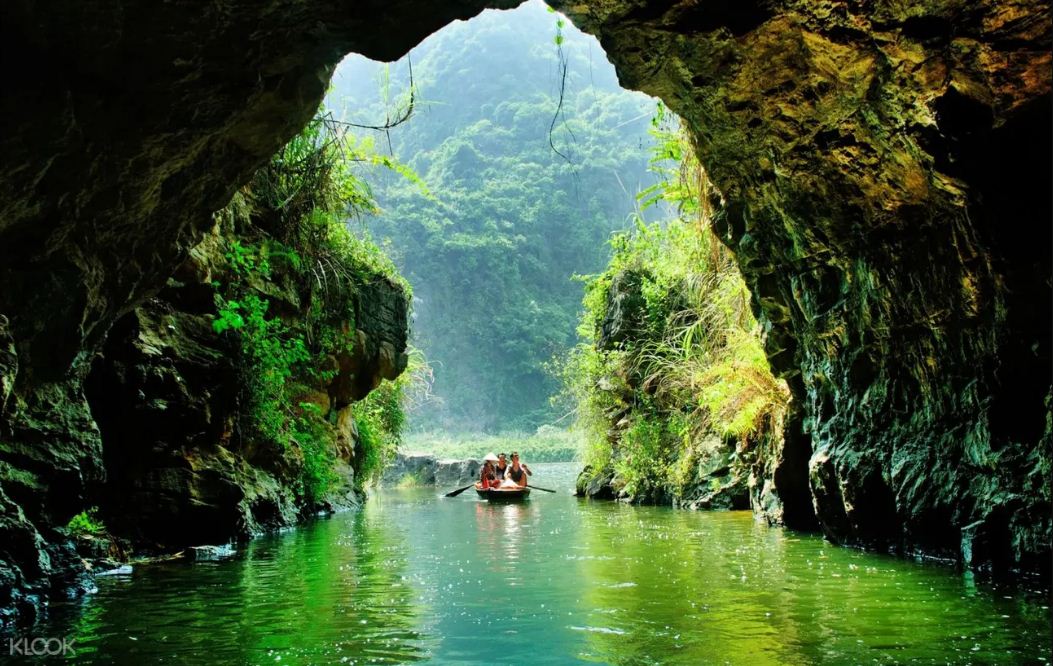 Trang An-Ninh Binh (Source: Collect)
Be aware: the sun can be fierce and the boat ride is fairly long. Bring a hat, sunscreen, water, and go in the morning.
Ha Long Bay - Cat Ba: Vietnam's Iconic Seascape
Ha Long Bay-Cat Ba is a UNESCO World Heritage Site known for its limestone island formations and dramatic seascape. For first-time Southeast Asia visitors, spending a night on a cruise boat is a genuinely memorable experience. Weather, however, has an enormous impact on the trip , storms, fog, or rough water can alter itineraries significantly.
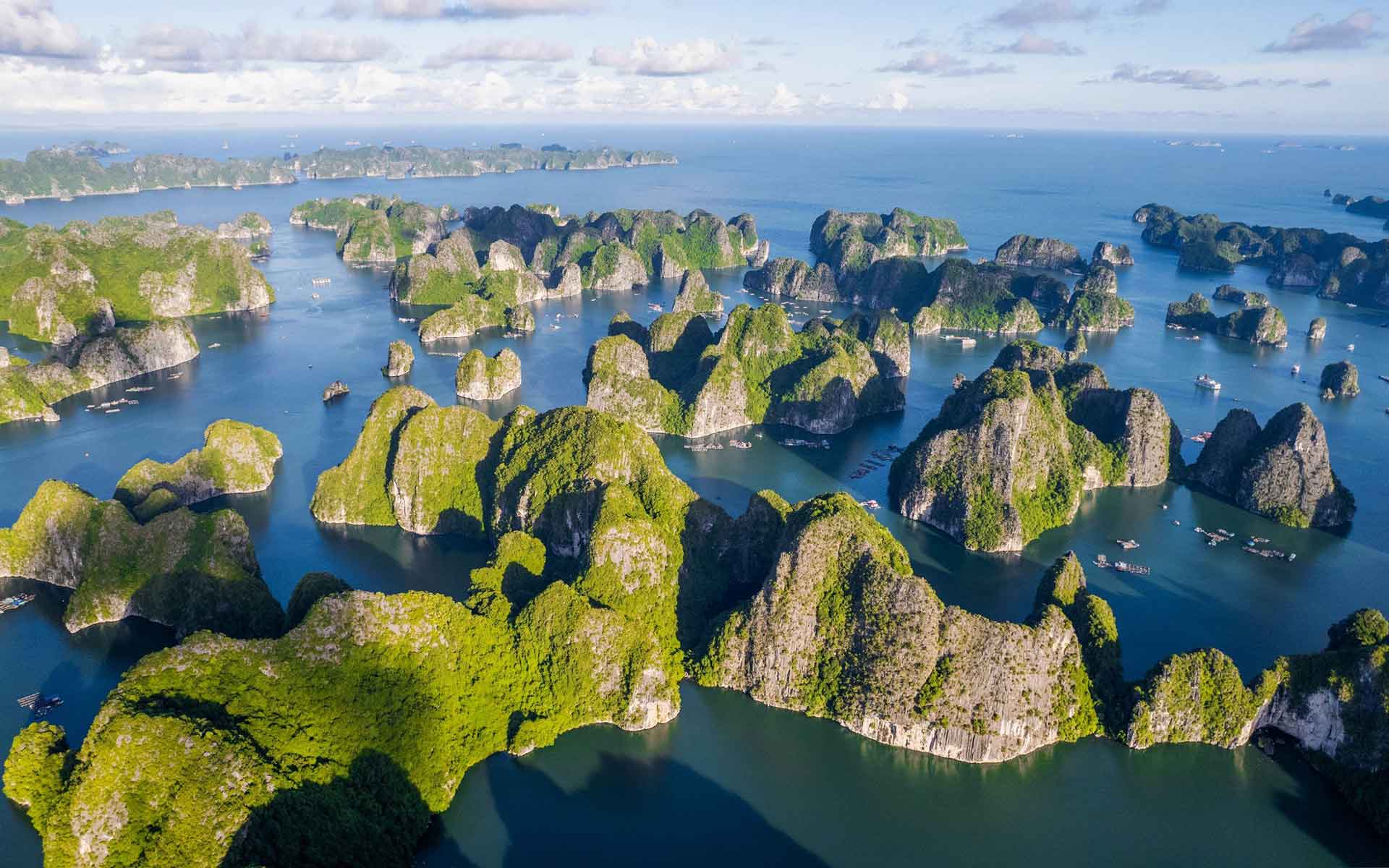 Ha Long Bay - Cat Ba (Source: IUGS)
Choose a reputable cruise operator, read reviews carefully, and ask specifically about what's included, any surcharges, and the cancellation policy in case of bad weather.
Read more: Top 3 best Ha Long Bay 3 day 2 night cruises you shouldn’t miss
Hoi An: Easy to Love, Best Enjoyed Slowly
Hoi An Ancient Town is a UNESCO World Heritage Site celebrated for its trading port architecture, wooden shophouses, assembly halls, the Japanese Covered Bridge, and paper lanterns. It's one of the most immediately charming destinations for anyone traveling Southeast Asia for the first time.
 Evenings in Hoi An (Source: Vietnam Tourism)
Evenings in Hoi An are beautiful but very crowded. To experience it more deeply, stay at least one night and wake up early to walk through the ancient town before tour groups arrive. When I walked through Hoi An Market around 6 a.m., the smell of fresh herbs, the vendors' calls, the colors of the produce, and the rhythm of the market gave the old town an energy completely different from the lantern-lit evenings.
Da Nang: The Easy Midpoint
Da Nang has a convenient airport, good beaches, a solid range of hotels, and easy access to Hoi An, Hue, and Ba Na Hills. For first-time visitors to Vietnam, it's a more relaxed environment than Hanoi or Ho Chi Minh City , wider roads, a calmer pace.
 Danang tourist attractions (Source: CellphoneS)
It works well as a 2-3 night midpoint on a north-to-south itinerary, especially if you want to mix sightseeing with a beach break.
Ho Chi Minh City: Urban Energy and the Southern Gateway
Ho Chi Minh City suits travelers who love food, coffee, shopping, rooftop bars, and modern history. Popular stops include the Reunification Palace, Central Post Office, Notre-Dame Cathedral (exterior), the War Remnants Museum, Ben Thanh Market, and Nguyen Hue Walking Street.
Beyond the major attractions, Ho Chi Minh City is also a gateway to authentic local experiences. Visitors can explore vibrant neighborhoods such as Cholon (the city's historic Chinatown), enjoy a traditional Vietnamese coffee at a street-side café, or sample famous southern dishes like pho, banh mi, broken rice, and fresh seafood. The city comes alive after sunset, with bustling night markets, river cruises along the Saigon River, and lively rooftop venues offering panoramic views of the skyline. With its blend of colonial architecture, modern development, and dynamic street culture, Ho Chi Minh City provides an exciting introduction to southern Vietnam.
Local Insider Tip: Don't Try to "Do All of Vietnam" in a Week
Based on real experience, the biggest mistake first-time Southeast Asia travelers make is trying to cover too many destinations in too little time. Vietnam looks manageable on a map, but the distances are significant. Domestic flights eat up time at airports; long road journeys can be more tiring than expected.
With 7 days, choose a maximum of two regions. For example: Hanoi - Ninh Binh - Ha Long Bay, or Da Nang - Hoi An - Hue, or Ho Chi Minh City - Mekong Delta - Phu Quoc. With 10-14 days, you can comfortably combine north, central, and south.
A good itinerary for a first-time Southeast Asia visitor isn't the one with the most stops , it's the one with enough breathing room to adjust to the climate, food, traffic, and local pace. At SinhCafe, when building itineraries for international travelers, we always prioritize a balance between exploration, rest, and genuine local experience.
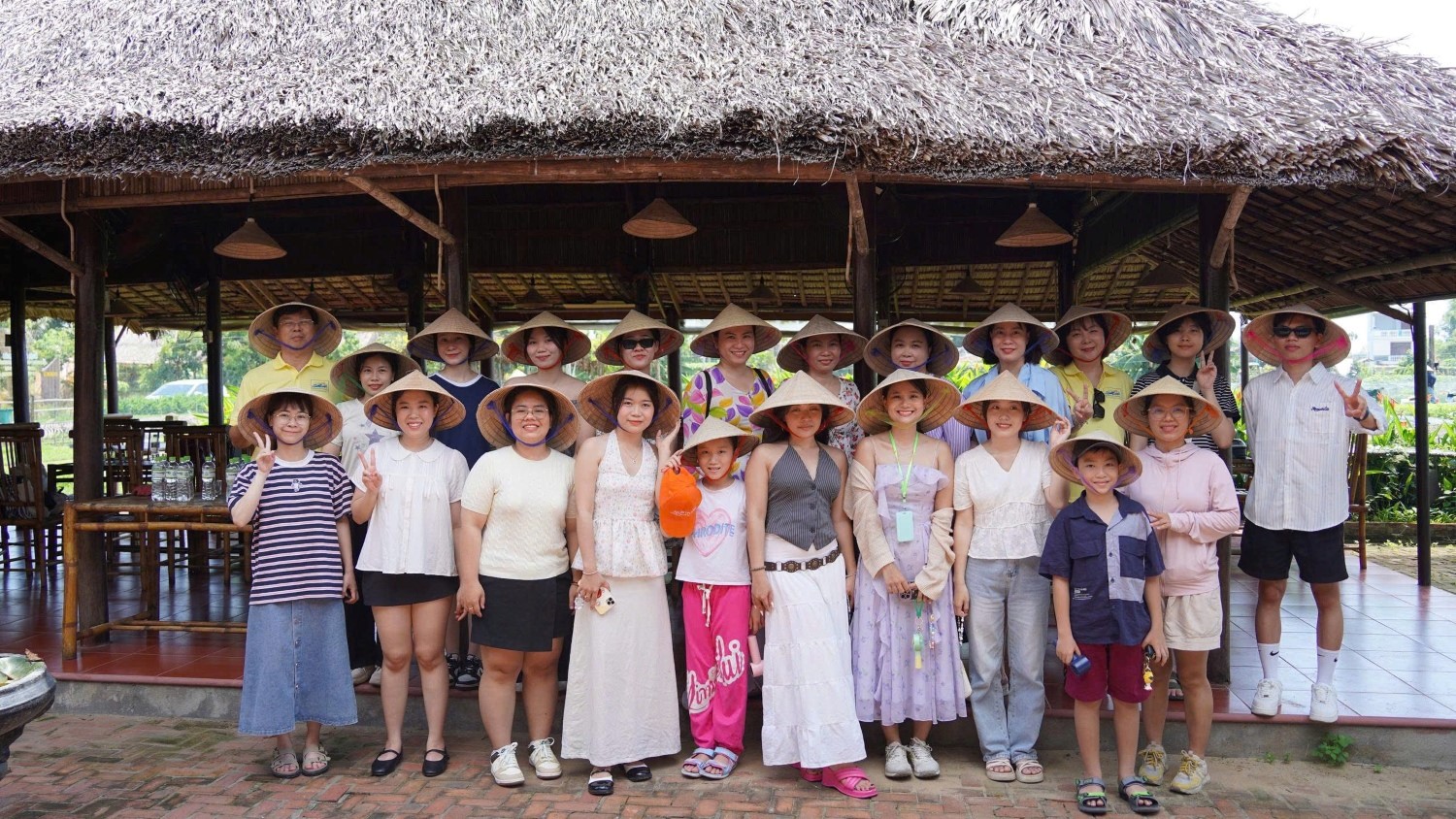 SinhCafe team in a trip inspection at Tra Que Herb Village
Pre-Trip Checklist for First-Time Vietnam Visitors
- Passport valid for at least 6 months from your intended entry date
- E-visa approved and verified (full name, passport number, date of birth, stay duration)
- Travel insurance covering medical expenses, hospitalization, trip cancellation, and flight delays
- SIM card, eSIM, or international roaming plan for internet access from the moment you land
- A small amount of Vietnamese Dong (VND) in cash for taxis, street food, and local markets
- Essential apps downloaded: maps, ride-hailing, translation, with offline data saved
- Personal medications, basic digestive remedies, sunscreen, and insect repellent , especially if you plan to explore nature
- Light clothing, comfortable walking shoes, and a thin rain jacket , Vietnam's weather shifts quickly by region and season
- Copies of your passport, visa, and accommodation bookings saved on your phone or an offline device
- A realistic, spacious itinerary with built-in rest time , especially critical if this is your first time in Southeast Asia
FAQ
Should I choose Vietnam for my first time in Southeast Asia?
→ Yes. Vietnam is a strong choice because of its diversity, flexible budget range, world-famous destinations, and the way it combines culture, nature, food, and leisure in a single trip.
How long should I spend in Vietnam on my first visit?
→ If you're focusing on one region, 5-7 days is enough. If you want to cover north, central, and south, plan for 10–14 days to avoid overpacking the schedule.
Is Vietnam safe for tourists?
→ Vietnam is generally safe for tourists. That said, be mindful of your belongings in crowded areas, always confirm prices before buying, and use reputable services.
Should I eat street food in Vietnam?
→ Yes , but choose stalls with consistent local traffic, freshly cooked food, and reasonably clean setups. If you have a sensitive stomach, start with fully cooked dishes, minimal raw greens, and avoid ice where the water source is uncertain.
Do I need cash in Vietnam?
→ Yes. While cards and digital wallets are more common than before, cash is still essential at markets, small restaurants, local attractions, and for small everyday expenses.
Every first trip to Vietnam comes with questions, and that's perfectly normal. Whether you need help choosing destinations, arranging transportation, or building a flexible itinerary, SinhCafe is here to make your first experience in Vietnam easier and more enjoyable. Feel free to reach out to our team for expert local guidance and personalized travel support
Share via




Related articles

Visit Ha Giang in November: Is it a good time to go?
Posts | 21/09/2026
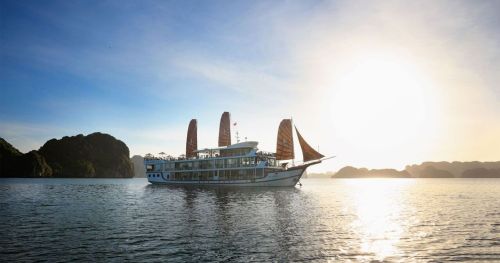
Ha Long bay 1 day tour: Best itinerary, cruise options & Travel tips
Posts | 23/03/2026
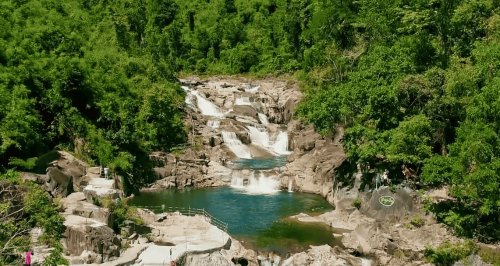
Yang Bay Waterfall: A Hidden Paradise near Nha Trang you shouldn’t miss
Blog | 24/03/2026
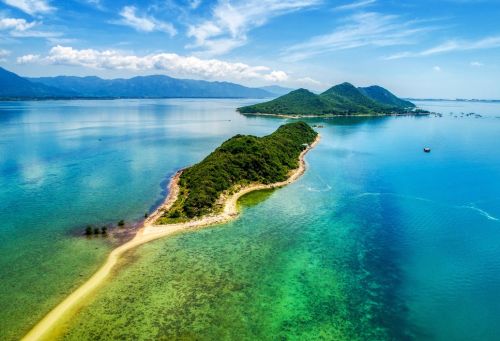
Diep Son island: Walk across the sea in Vietnam’s hidden paradise
Posts | 24/03/2026








There are no reviews yet