


Crossing Vietnam Tours: The Complete Guide to Border-Crossing Travel Through Vietnam, Laos, Cambodia and China
Crossing Vietnam tours connect travelers with Laos, Cambodia, and China through scenic land routes and cultural experiences. Find out the essential routes, requirements, and tips for planning your trip.
What Exactly Is a Vietnam Border Crossing Tour?
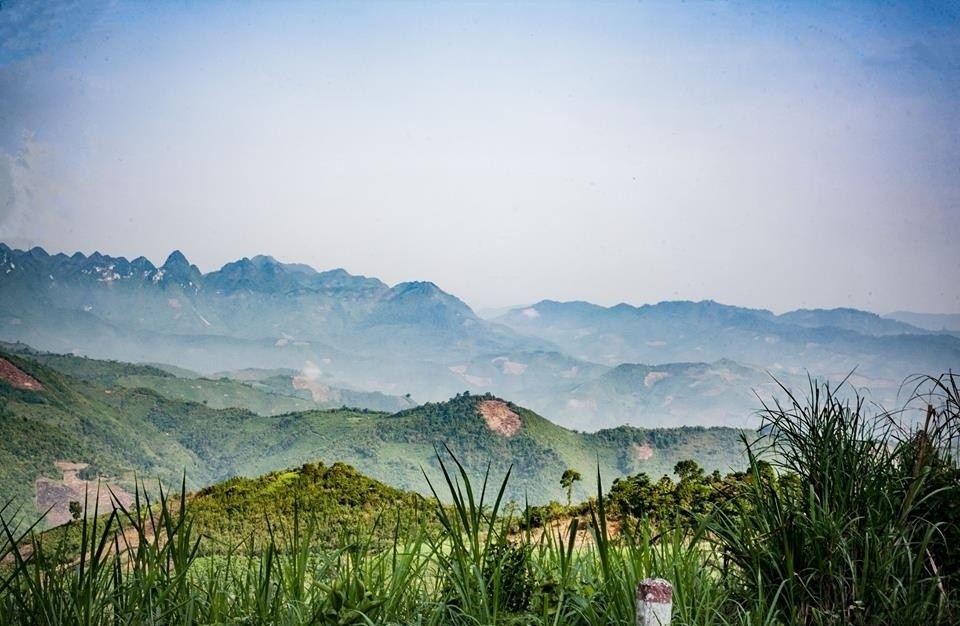
A Vietnam border crossing tour is any overland journey that takes you out of Vietnam and into a neighboring country - usually Laos, Cambodia, or China - through an official international checkpoint. Unlike flying between capital cities, these tours let you watch the landscape and culture change gradually, which is exactly why so many travelers now choose the "open bus" or "border crossing bus" experience instead of a plane ticket.

Crossing an international border gate is often the most memorable checkpoint of any Southeast Asia overland trip (Source: Cuc Du lich Quoc gia Vietnam)
Most crossing Vietnam tours combine a comfortable coach or minivan with a guided stop at the border itself, where your passport is checked, stamped out of Vietnam, and stamped into the next country. Some routes require a short walk between the two immigration buildings, carrying your own luggage across a stretch of the border zone, which is part of what makes the experience feel so real and memorable. Other routes, particularly the river crossing between Chau Doc and Phnom Penh, replace the bus with a boat, adding an entirely different rhythm to the journey.
What makes these tours attractive to international travelers is the combination of value and authenticity. A flight from Ho Chi Minh City to Phnom Penh might save two or three hours, but a border crossing tour costs a fraction of the price, includes scenic countryside you'd never see from 30,000 feet, and gives you a genuine sense of having "arrived" somewhere new. It's the difference between visiting a country and actually traveling through a region.
Read more: Unlock the secrets of the Mekong Delta tour: Vietnam’s beautiful river region
Best Vietnam Border Crossing Routes You Can Take Right Now
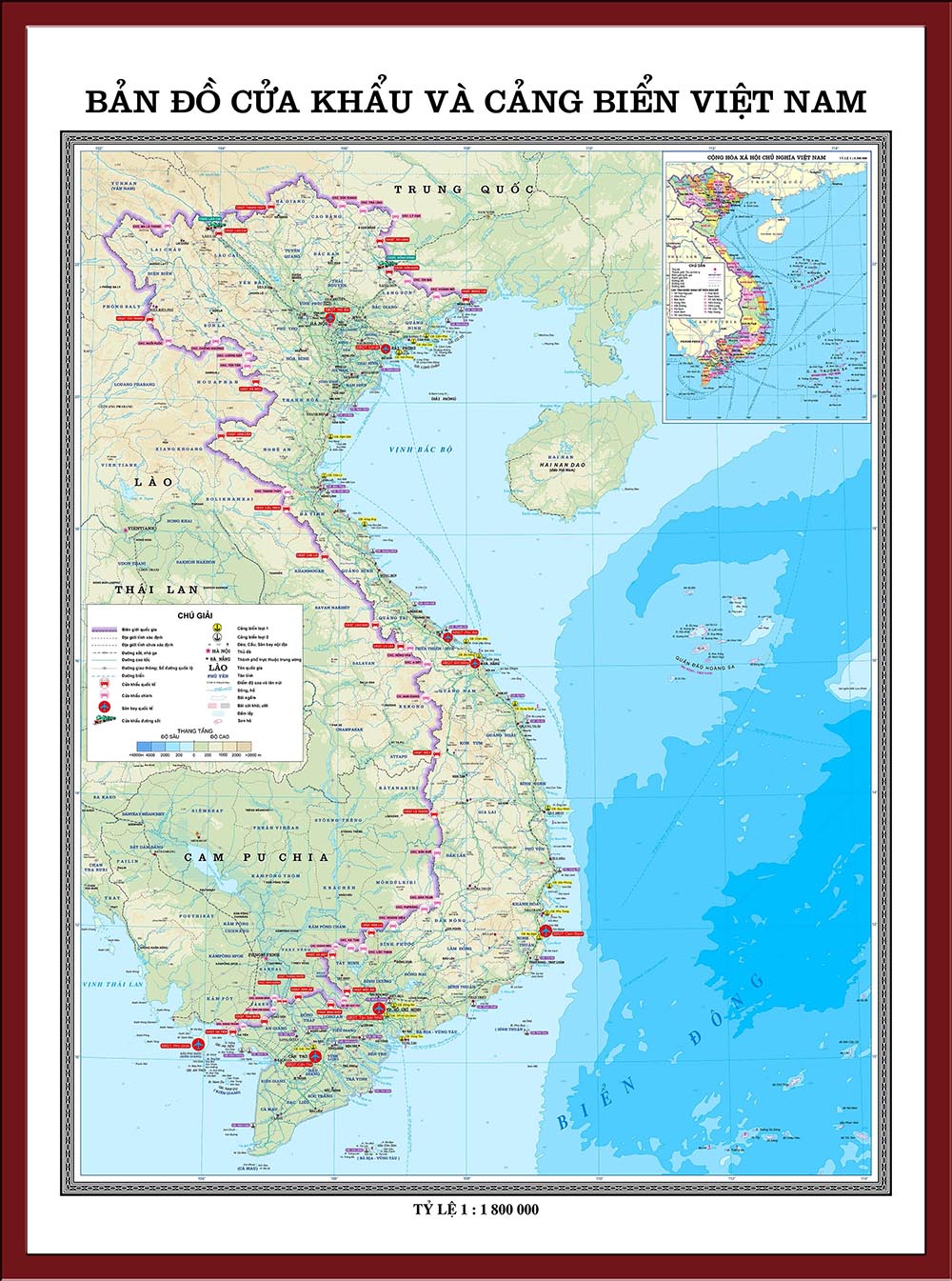
Vietnam's main overland gateways connect Ho Chi Minh City, Hanoi, and central Vietnam to neighboring Cambodia, Laos, and China (Source: Bandovn.net)
Vietnam has more than a dozen official overland checkpoints that welcome foreign travelers, split roughly into three directions: south toward Cambodia, west toward Laos, and north toward China. Knowing which route matches your itinerary is the first step in planning a smooth trip.
Heading south, the classic and most heavily traveled route runs from Ho Chi Minh City to Phnom Penh via the Moc Bai–Bavet checkpoint, a roughly six-hour bus journey including the border stop. For travelers already exploring the Mekong Delta, the Chau Doc route into Cambodia - crossing at Vinh Xuong to Kaam Samnor - is a beautiful alternative that swaps the highway for a slow boat ride down the river, arriving in Phnom Penh by water instead of road.
 From Ho Chi Minh City to Phnom Penh (Source: Viamo)
Heading west into Laos, the Lao Bao crossing near Dong Ha in central Vietnam connects directly to Savannakhet, while further north the Cau Treo crossing near Vinh links to Lak Sao. Both routes are popular with travelers looping through Laos before continuing to Luang Prabang or Vientiane. For those heading north, the Lao Cai–Hekou crossing near Sapa and the Huu Nghi (Friendship Gate) crossing near Lang Son both connect Vietnam to southern China, with the latter also served by an overnight train to Nanning.
Crossing Into Cambodia: Moc Bai, Vinh Xuong and Ha Tien
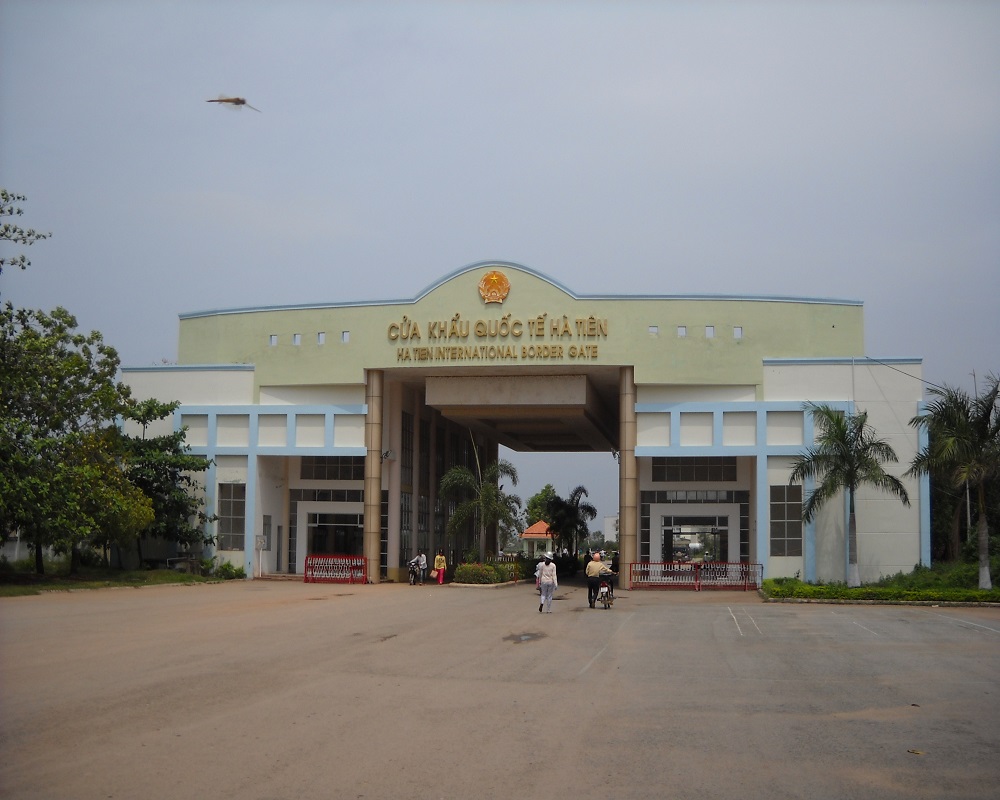
Vietnam-Cambodia International Border Gate (Source: Collected)
The Moc Bai–Bavet border is by far the busiest and most reliable crossing between Vietnam and Cambodia, and it's the one used by almost every direct Ho Chi Minh City to Phnom Penh bus. The process is straightforward: passengers stay with the same bus, disembark briefly for exit and entry stamps, and continue the journey without needing to arrange separate transport on either side. This predictability is exactly why most first-time travelers choose it.
For a more scenic alternative, the Vinh Xuong to Kaam Samnor crossing near Chau Doc lets you swap asphalt for water. Travelers take a speedboat or slower ferry along the Mekong River, watching floating markets, fishing villages, and riverside pagodas drift past before arriving in Phnom Penh directly by boat. It's slightly more expensive than the bus route, but many travelers say it's the single best way to feel the Mekong Delta's rhythm before entering Cambodia.
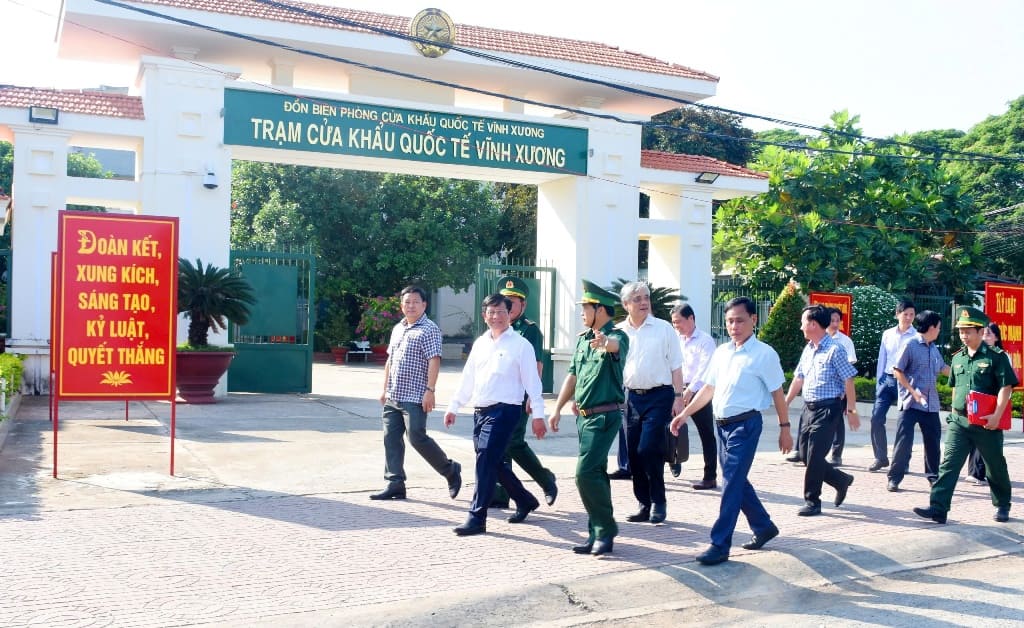
Vinh Xuong International Border Gate (Source: Bao An Giang)
Further south, the Ha Tien to Kep or Sihanoukville route through the Prek Chak checkpoint is ideal if your next stop is Cambodia's southern coast rather than Phnom Penh. This crossing sees fewer tourists, which means shorter queues, but it also means you should double-check bus schedules in advance since departures are less frequent than on the main Moc Bai corridor.
Crossing Into Laos: Lao Bao, Cau Treo and the Northern Passes
Lao Bao, reached from Dong Ha in Quang Tri Province, is the most established Vietnam–Laos crossing and connects to Savannakhet on the Laos side. It's popular with travelers combining a visit to the DMZ historical sites in central Vietnam with an onward journey to Pakse or the Bolaven Plateau, and it's one of the few crossings where a Laos visa on arrival is consistently available to most nationalities.
The northern Vietnam–Laos crossings near Dien Bien Phu offer dramatic mountain scenery rarely seen on the busier southern routes (Source: Tap chi Lao Viet)
The Cau Treo crossing, accessed from Vinh, leads to Lak Sao and is the preferred route for travelers heading toward Vientiane through central Laos. Buses on this route tend to be older and the journey longer than the southern crossings, so travelers who value comfort over adventure often prefer to arrange this leg through an experienced operator rather than booking a local bus independently.
Northern crossings such as Tay Trang, near Dien Bien Phu, connect to Muang Khua in Laos and open up a completely different kind of trip - one that winds through misty mountains and hill-tribe villages rather than lowland highways. These northern routes require more planning, since visas on arrival are not guaranteed at every checkpoint, but they reward travelers with some of the most dramatic scenery on any Vietnam border crossing tour.
Crossing Into China: Lao Cai, Huu Nghi and Mong Cai
If your route continues north, three checkpoints handle almost all foreign traffic between Vietnam and China. Lao Cai, just a short ride from Sapa, connects to Hekou in Yunnan Province and is popular with travelers heading toward Kunming after a few days trekking through Vietnam's northern rice terraces.
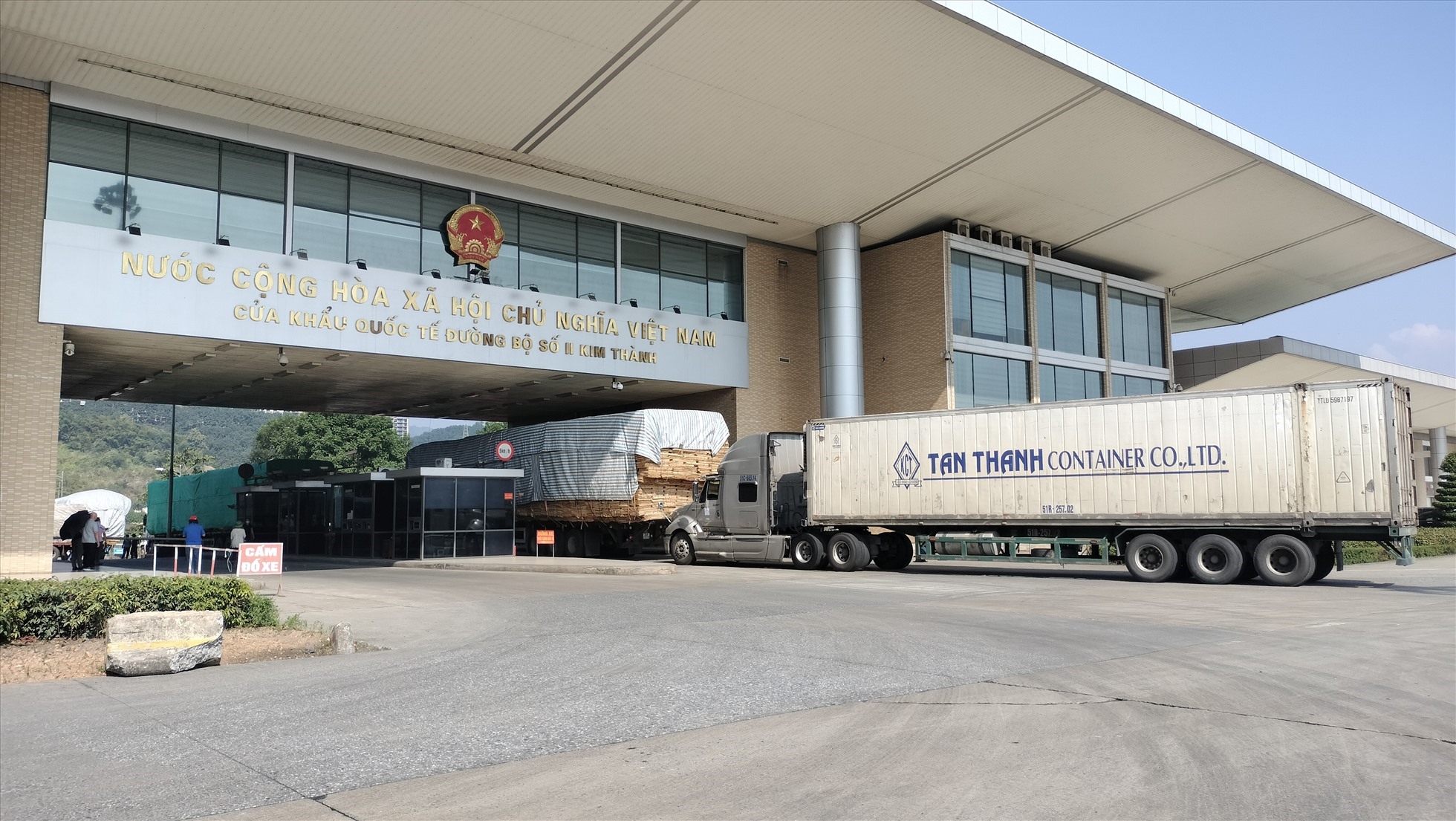
Vietnam-China border gate in Lao Cai (Source: Bao Lao Dong)
The Huu Nghi (Friendship Gate) crossing near Lang Son is the classic route between Hanoi and Nanning, and it's the only one of the three served by a direct international train, making it a favorite for travelers who want to skip the hassle of bus-to-bus transfers. The overnight journey typically takes around twelve hours and includes both immigration checks along the way.
Mong Cai, in the northeastern corner of Vietnam near Ha Long Bay, connects to Dongxing and is a good option for travelers combining a Ha Long Bay cruise with onward travel into southern China. Compared to Huu Nghi, this crossing sees fewer tourists and slightly more paperwork checks, so it's worth budgeting extra time if you choose this route.
Visa and E-Visa Rules You Need to Know Before You Cross
Vietnam's e-visa system makes border crossing tours far easier than they used to be. Since 2023, most nationalities have been eligible for a 90-day, multiple-entry e-visa that can be used at all major international land crossings, airports, and seaports - meaning you can leave Vietnam for Cambodia or Laos and re-enter later on the same visa without extra paperwork.
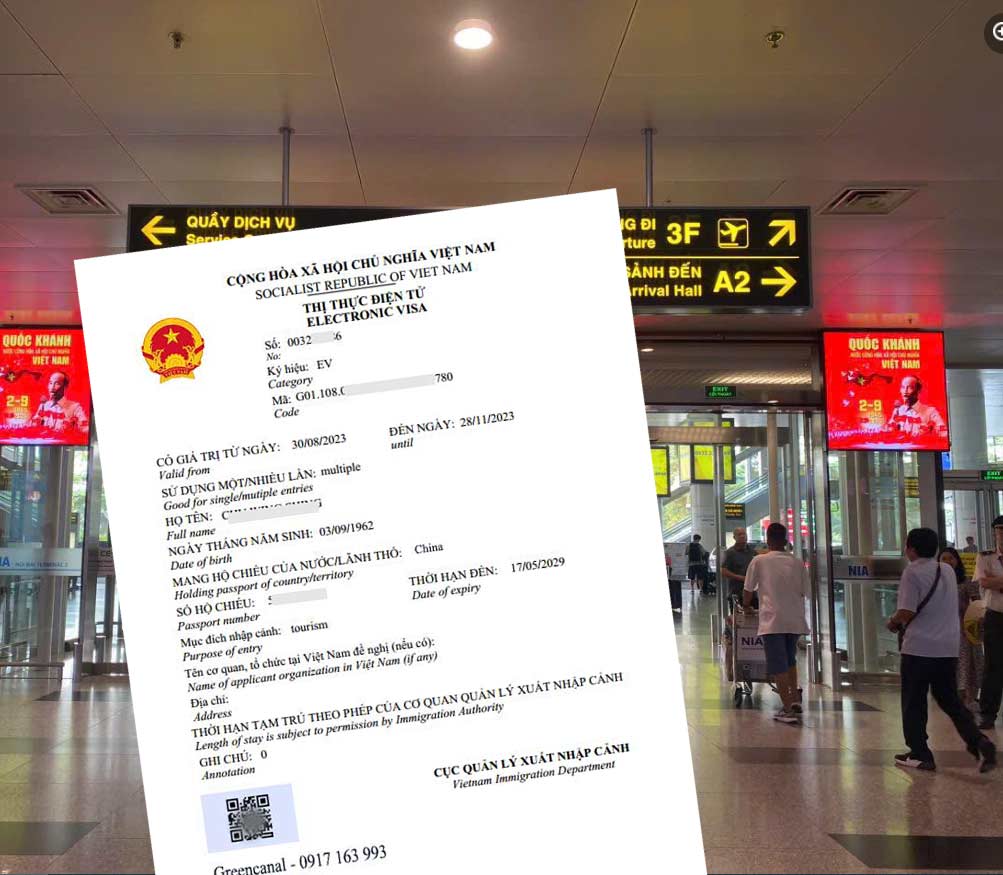
Use Evisa when crossing the Vietnam-China border (Source: Collected)
That said, not every checkpoint treats visas the same way. Vietnam visa on arrival is only available at international airports, never at land borders, so if you're entering Vietnam overland for the first time, you must arrange your e-visa or embassy visa before you travel. On the other hand, several Cambodia and Laos crossings do offer visas on arrival to eligible nationalities, though this varies by checkpoint and can change with little notice, so it's worth verifying current requirements shortly before departure.
Laos deserves special attention here: as of recent updates, most Vietnam–Laos land crossings do not accept Lao e-visas, and only a handful - Lao Bao among them - reliably issue a Laos visa on arrival to foreign travelers. If your planned route uses one of the smaller northern crossings, arranging your Laos visa in advance at an embassy is the safer choice rather than risking a rejection at the gate.
Read more: Cambodia or Vietnam Which Is Better for Your Southeast Asia Trip?
What to Expect at the Border: A Step-by-Step Walkthrough
Understanding the physical process of crossing removes most of the anxiety first-time travelers feel. At almost every land border, your bus will stop on the Vietnam side first, where you disembark, walk through Vietnamese immigration with your passport and any exit paperwork, and get an exit stamp. This part usually takes fifteen to thirty minutes depending on how busy the checkpoint is that day.
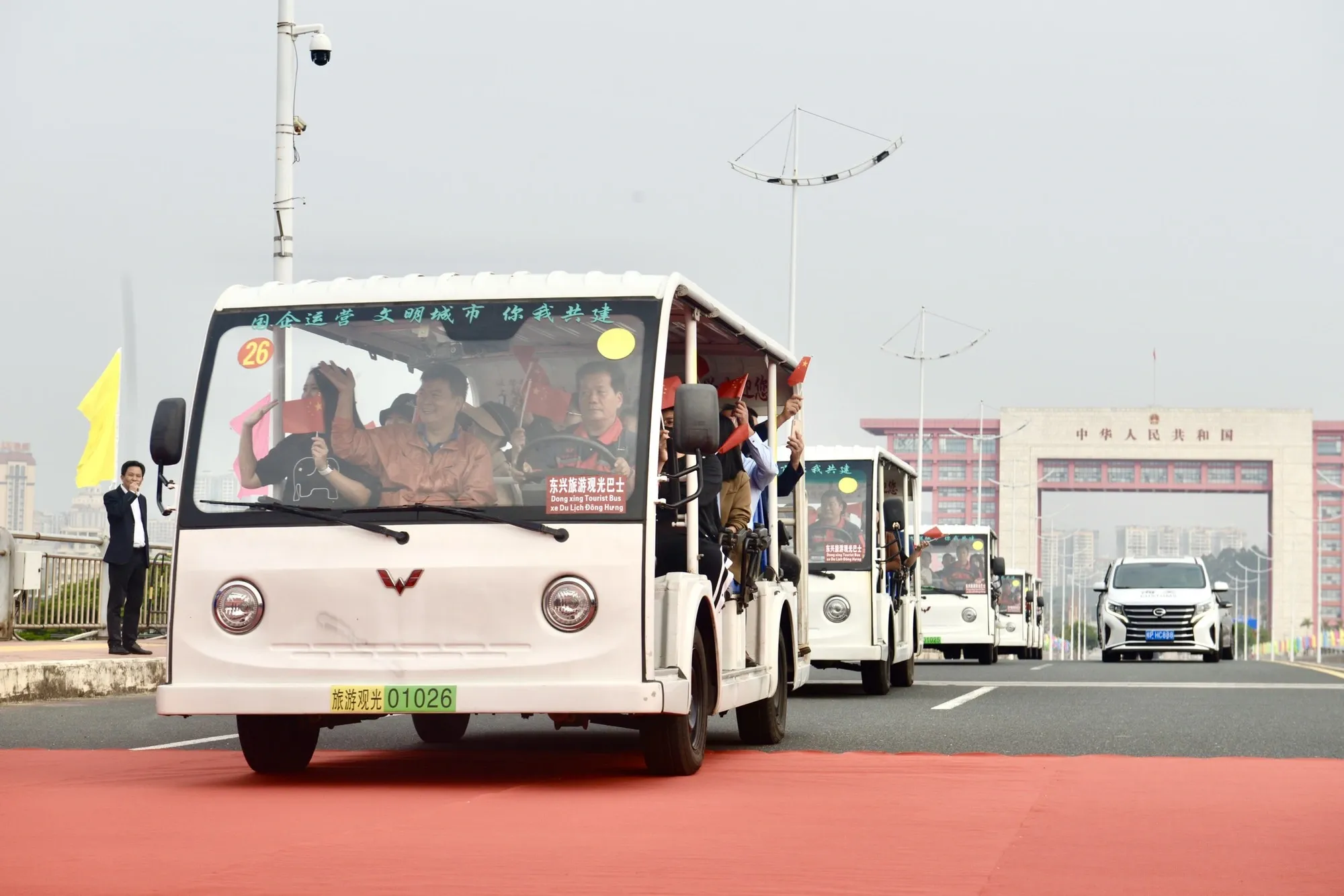
Tourists are cleared through the Bac Luan border gate (Source: Bao Thanh Nien)
After clearing Vietnamese immigration, you'll typically walk - sometimes a few hundred meters, sometimes closer to a kilometer - through a stretch of neutral ground before reaching the neighboring country's entry building. This is where you'll present your visa or apply for one on arrival, have your passport stamped, and in some cases pay a small, official entry fee in local currency or US dollars. Keep small denominations of cash on hand, since currency exchange booths at smaller crossings can be unreliable.
Once you've cleared entry immigration, you'll rejoin your bus, or in some cases transfer to a new vehicle registered in the country you've just entered, since many companies aren't licensed to operate across both sides of the border.
This is completely normal and expected - reputable tour operators plan for it, coordinating the handoff so you never have to figure out local transport on your own in an unfamiliar bus station.
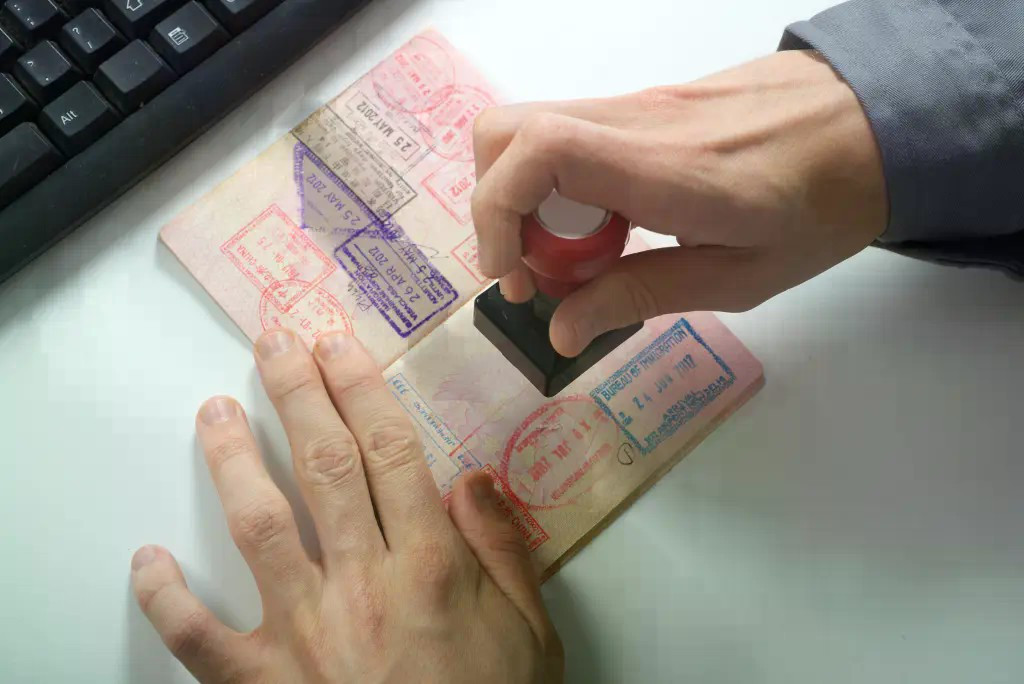
A typical Vietnam land border crossing takes between 30 minutes and an hour once you include both exit and entry immigration checks (Source: CafeF)
Best Time of Year for a Border Crossing Tour
Timing matters more than most travelers expect, both for comfort and for avoiding unnecessary delays. The dry season, roughly November through April across most of Vietnam, Laos, and Cambodia, is the most reliable window for overland travel, since heavy rains during the wet season can occasionally affect road conditions on some of the more remote northern crossings.

Culture’s New Year in Vietnam (Source: Collected)
Public and religious holidays are another factor worth checking before you book. Vietnamese Tet (Lunar New Year), Cambodian New Year in April, and Lao New Year (Pi Mai), also in April, all bring a surge of local travelers to the same checkpoints tourists use, which can mean longer queues and fully booked buses. Traveling a few days before or after these holidays usually means a noticeably smoother crossing.
If your goal is fewer crowds rather than perfect weather, the shoulder months of May and October tend to offer a good balance - the wet season hasn't fully set in or has just eased off, tourist numbers are lower, and prices on buses and accommodation along the route are often more flexible than during peak months.
Practical Tips for a Smooth and Safe Crossing
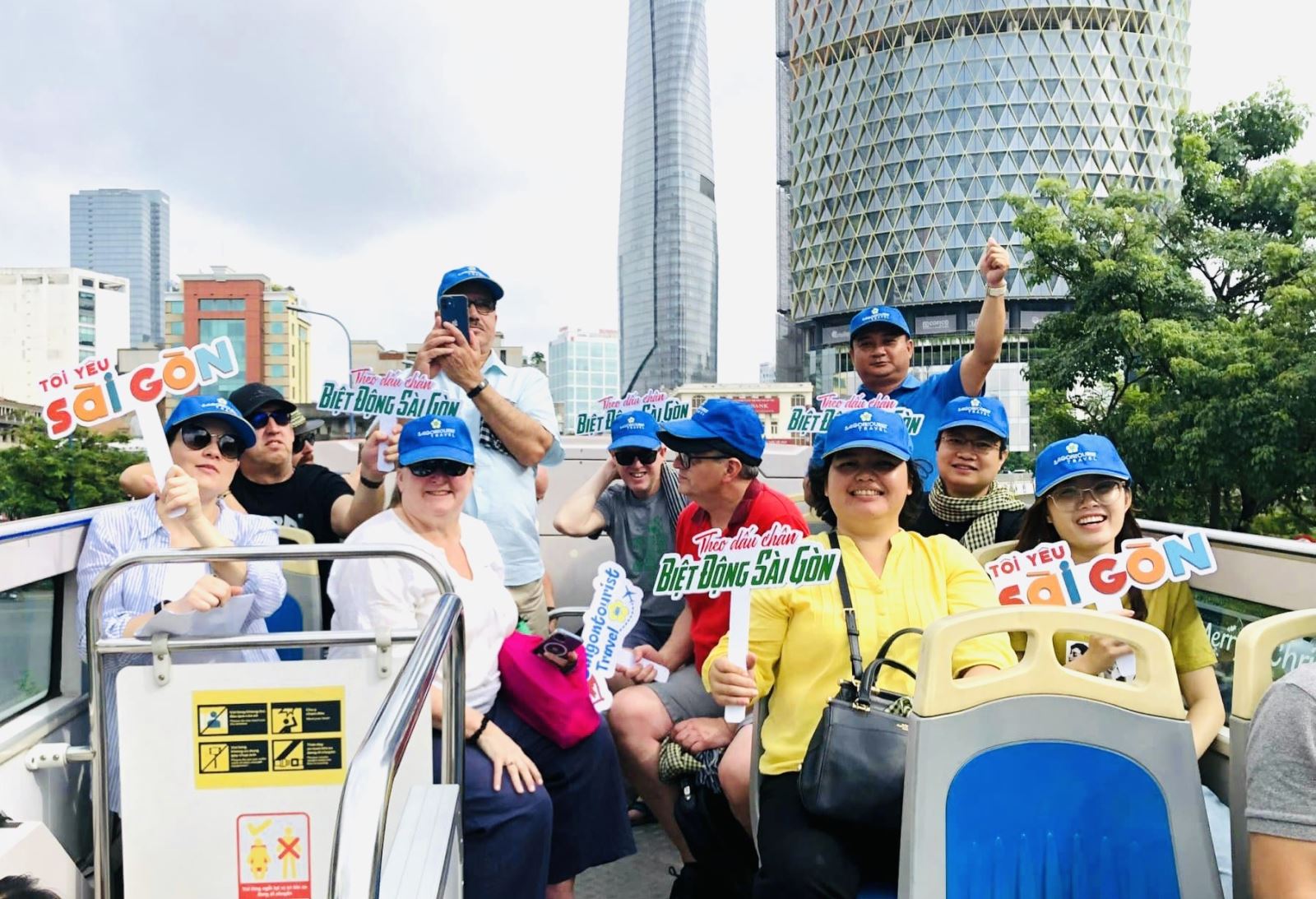
A little patience at the checkpoint goes a long way (Source: Bao Tin Tuc)
A little preparation goes a long way at any land border. Always carry your passport with at least six months of remaining validity, a printed or downloaded copy of your e-visa approval letter, and enough small-denomination US dollars to cover unexpected entry fees, since not every checkpoint has a reliable ATM or currency exchange nearby.
It's also worth packing light for the walking sections between immigration buildings. Some crossings require you to carry your own luggage a short distance across open ground with no porters or trolleys available, so a backpack will always serve you better than a heavy rolling suitcase on these particular routes.
Finally, patience is your best asset. Border staff process dozens of passports at a time, paperwork occasionally needs a second look, and buses sometimes wait for every passenger to clear immigration before continuing. Travelers who treat this waiting time as part of the adventure - rather than an inconvenience - consistently report a far more enjoyable experience than those who arrive expecting an airport-level of speed.
Why Book Your Vietnam Border Crossing Tour With Sinh Cafe
Planning a border crossing independently is possible, but it also means researching visa rules, checking which bus companies are licensed on both sides, and hoping your connection actually shows up on the other side of the checkpoint. This is exactly where a specialist operator earns its value. Sinh Cafe has been running open-tour bus routes across Vietnam, Laos, and Cambodia for decades, and its border crossing itineraries are built around exactly the routes covered in this guide - Moc Bai, Lao Bao, Chau Doc, and beyond.
Booking through Sinh Cafe means your seat is confirmed on both sides of the border, your connecting bus is already coordinated so you're never left figuring out local transport in an unfamiliar town, and their local staff at each checkpoint know exactly which documents to expect that week - a real advantage given how often small entry requirements shift. For travelers who'd rather spend their energy enjoying the scenery than double-checking paperwork, that coordination is worth far more than the small cost difference from booking a random local bus.
If you're mapping out a longer overland journey, it's worth reading the related guide to the Vietnam–Cambodia–Laos tour for a full breakdown of multi-country routes, or the complete Vietnam e-visa guide if you're still finalizing your entry paperwork. Ready to start planning your route? Reach out to Sinh Cafe directly to book a crossing that matches your itinerary, budget, and travel dates.
Share via




Related articles
Indochina Cruise in Ho Chi Minh City: Is the Saigon River Dinner Cruise Worth It?
Posts | 27/07/2026

Indochina Charm Tours Review: Tour Styles, Destinations and Traveler Fit
Posts | 27/07/2026
Indochina Travel Agency: How Local Experts Plan Seamless Vietnam Cambodia Laos Trips
Posts | 27/07/2026

Vietnam Travel Vaccinations: Which ones you actually need
Posts | 27/07/2026









There are no reviews yet